Global Facial Recognition Boom Leads to Privacy Nightmares and Lost Trust
Analysis reveals 5 key thematic connections.
Key Findings
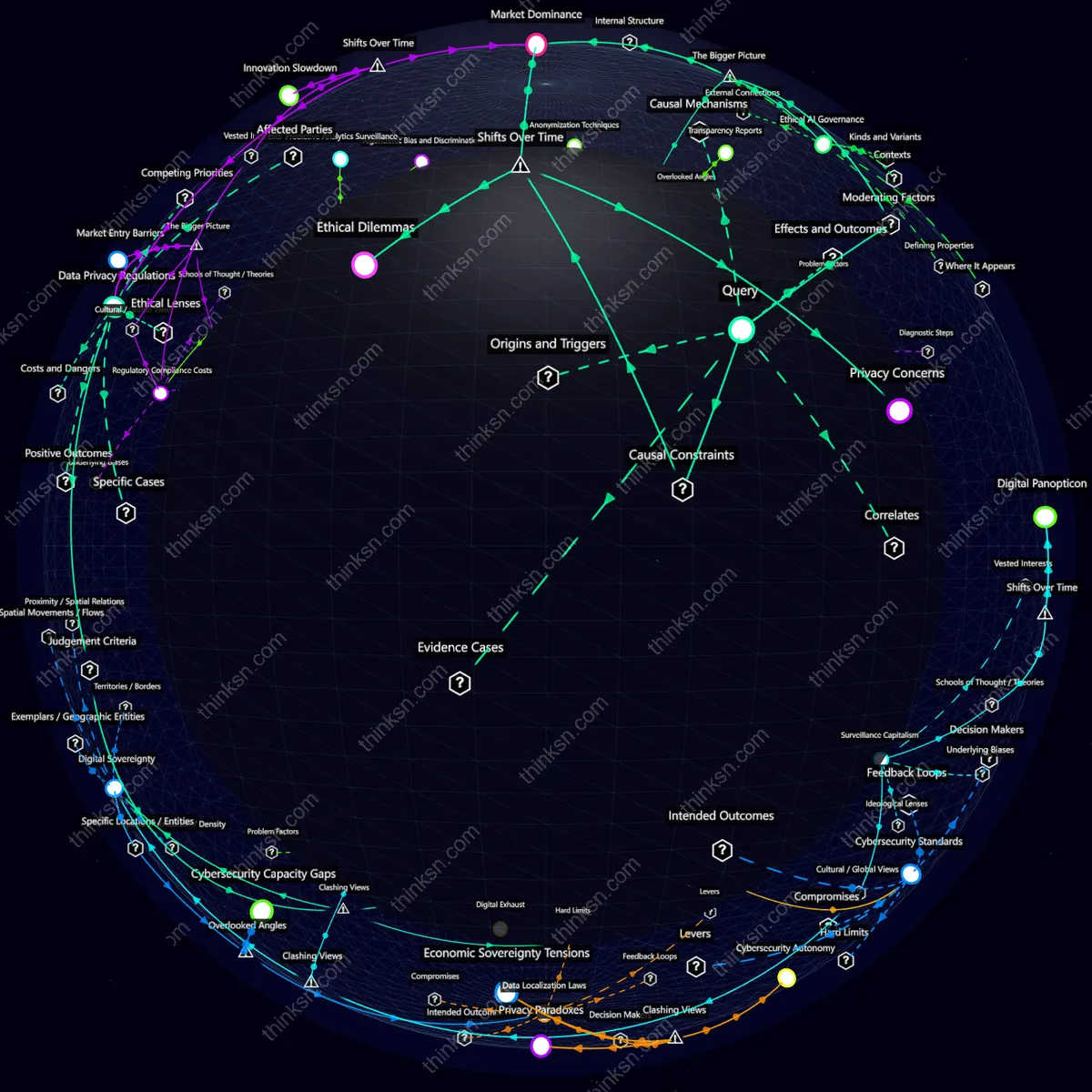
Data Privacy Regulations
The global adoption of facial recognition technology challenges existing data privacy regulations, leading to a complex interplay between emerging tech and outdated legal frameworks. This can exacerbate trust issues as users find discrepancies between their expectations of privacy and the actual regulatory protections afforded by governments.
Surveillance Capitalism
Facial recognition technology fuels surveillance capitalism, where tech companies monetize personal data gathered through invasive means. Significant breaches expose this model's fragility, accelerating public distrust and prompting demands for stricter oversight and ethical standards from these companies.
Public Perception of Technology
The impact of facial recognition on user privacy alters the broader perception of technology's role in society, shifting from a tool that enhances convenience to one perceived as intrusive. This shift can trigger a cascade of responses, including public protests and legislative actions aimed at limiting such technologies' application.
Algorithmic Bias
Facial recognition technology's inaccuracies disproportionately affect marginalized communities, leading to systemic biases in law enforcement and social services. As these errors go unaddressed amid rapid adoption, they foster distrust not just towards tech companies but also among different demographic groups.
Data Sovereignty
The rise of facial recognition technology challenges traditional notions of data sovereignty, especially in regions with weak privacy laws. As data breaches expose sensitive user information globally, nations face the dilemma of balancing technological advancement with national security and individual rights, often at odds with international tech giants.
Deeper Analysis
What strategies can be formulated to enhance data sovereignty in response to global facial recognition technology adoption and potential breaches, aiming to protect user privacy and trust?
Privacy Regulations
Stricter privacy regulations can enhance data sovereignty by limiting cross-border data flows and mandating local storage of biometric data. However, this increases compliance costs for businesses and may delay innovation due to bureaucratic hurdles.
Technological Sovereignty
Governments promoting technological sovereignty through localization of facial recognition technology development can protect user privacy by controlling the tech's spread. Yet, it may lead to tech stagnation if local companies lack global competition and collaboration opportunities.
Public-Private Partnerships
Collaborations between governments and private firms in developing facial recognition systems can accelerate technological advancement but also risk compromising user privacy through inadequate oversight or conflicting interests. These partnerships highlight the tension between innovation speed and data security standards.
Privacy Shield Framework
The Privacy Shield Framework allowed companies to transfer data from the EU to the US until it was invalidated by the European Court of Justice, highlighting the fragility and geopolitical risks inherent in international data sovereignty agreements.
GDPR Compliance
Compliance with GDPR has forced many tech giants to alter their global strategies, leading to increased local server deployments and reduced data exportation, yet still faces challenges due to differing national regulations and enforcement inconsistencies.
National Firewall
China's Great Firewall exemplifies the extreme measures a nation might take for sovereign control over digital information flows, though it also raises concerns about censorship and internet freedom.
Explore further:
- In what ways could technological sovereignty mitigate or exacerbate concerns over user privacy and trust in tech companies when global facial recognition technology adoption leads to significant data breaches?
- How has GDPR compliance evolved in response to global data breaches caused by facial recognition technology, and what are the projected impacts on user privacy and trust in tech companies over time?
In what ways could technological sovereignty mitigate or exacerbate concerns over user privacy and trust in tech companies when global facial recognition technology adoption leads to significant data breaches?
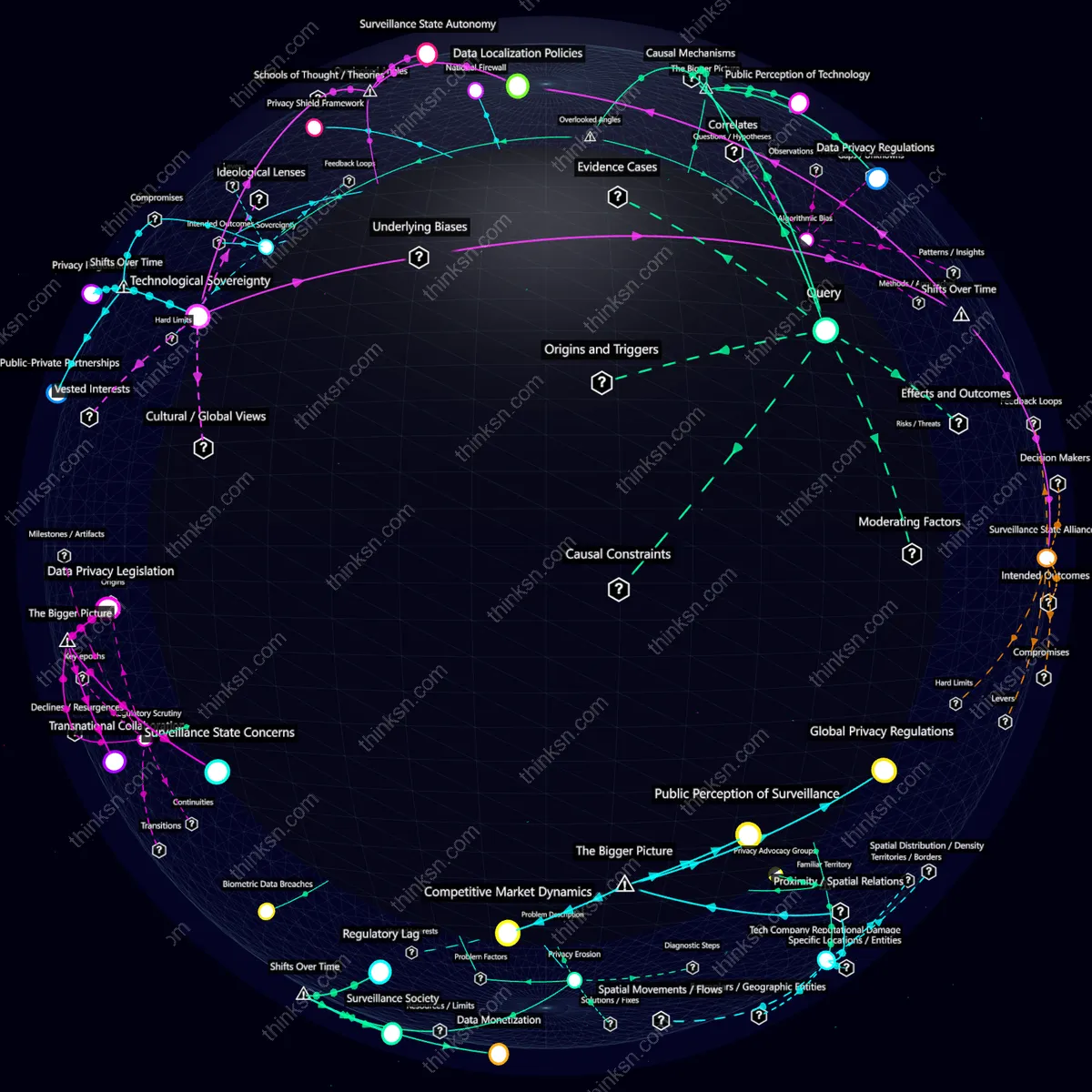
Data Localization Policies
As nations implement data localization policies to assert technological sovereignty over facial recognition technology (FRT), they risk creating isolated data silos that limit international collaboration on cybersecurity and privacy standards. This fragmentation can exacerbate global security risks, making it harder to prevent cross-border breaches and share best practices for protecting user data.
Surveillance State Autonomy
Technological sovereignty empowers states to develop and control their own surveillance technologies, potentially allowing authoritarian regimes to more easily justify expansive domestic monitoring under the guise of national security. This can undermine trust in tech companies by shifting accountability from private entities to government oversight that may lack transparency or democratic checks.
Privacy Trade-offs in Innovation
In pursuing technological sovereignty, countries might prioritize local innovation and control over privacy regulations, leading to a proliferation of FRT systems with lower standards for data protection. This could result in rapid tech adoption at the cost of individual privacy rights, as companies may face less stringent oversight compared to international norms.
Surveillance State Alliances
Countries with high levels of facial recognition adoption often form surveillance state alliances, which can undermine user privacy by sharing sensitive data across borders. This increases mistrust in tech companies while consolidating power among authoritarian regimes.
Explore further:
- What are the measurable impacts on user privacy and trust in tech companies when facial recognition technology experiences significant data breaches, and how do these trade-offs affect the broader adoption of such innovations?
- What are potential strategies for mitigating privacy concerns and rebuilding trust in tech companies that engage in global facial recognition technology, considering the implications of surveillance state alliances on data security and user rights?
What are the measurable impacts on user privacy and trust in tech companies when facial recognition technology experiences significant data breaches, and how do these trade-offs affect the broader adoption of such innovations?
User Trust Deficit
Facial recognition technology breaches significantly erode user trust in tech companies, as users perceive their personal data is not secure. This erosion can lead to a prolonged period of skepticism and reduced adoption of other innovative technologies from these companies.
Regulatory Scrutiny
Data breaches involving facial recognition technology often attract stringent regulatory scrutiny, forcing tech companies to implement more robust data protection measures but also stifling innovation due to increased compliance costs and legal risks.
Surveillance Culture Backlash
Incidents of facial recognition data breaches amplify public concerns over surveillance culture, leading to widespread protests and policy changes that limit the technological capabilities companies can deploy. This backlash underscores a delicate balance between innovation and societal acceptance.
Algorithmic Transparency
Facial recognition breaches often underscore the lack of algorithmic transparency in tech companies. As users demand more clarity about how their data is processed and secured, tech firms face a delicate balance between innovation and privacy concerns. This tension can lead to reduced public trust if transparency measures do not adequately address underlying fears or uncertainties.
Data Minimization Principles
In response to facial recognition breaches, companies may adopt stricter data minimization principles, collecting only the necessary data for specific purposes and securely disposing of it promptly. However, this shift towards minimalism can hamper innovation by limiting access to large datasets needed for advanced machine learning models, potentially stifling technological progress in AI-driven applications.
Privacy Impact Assessments (PIA)
The occurrence of significant data breaches necessitates more rigorous Privacy Impact Assessments (PIAs) before deploying facial recognition technologies. PIAs can identify potential privacy risks and recommend mitigations, but the process can introduce delays in product development cycles and increase operational costs for tech firms, creating a barrier to rapid innovation.
Explore further:
- How might regulatory scrutiny evolve in response to global data breaches involving facial recognition technology, and what mechanisms could drive this trajectory over time?
- What is the spatial distribution and impact of surveillance culture backlash on user privacy and trust in tech companies following significant data breaches related to facial recognition technology adoption globally?
How might regulatory scrutiny evolve in response to global data breaches involving facial recognition technology, and what mechanisms could drive this trajectory over time?
Data Privacy Legislation
As global data breaches involving facial recognition technology escalate, governments are compelled to tighten data privacy legislation. However, overly restrictive regulations may stifle innovation and economic growth in the tech sector, leading companies to shift research and development efforts abroad where regulatory scrutiny is less stringent.
Surveillance State Concerns
The increasing use of facial recognition technology raises concerns about the potential for a surveillance state, prompting stricter regulatory scrutiny. This heightened oversight can lead to public backlash against government surveillance practices and may drive private companies to self-regulate more stringently, but also risks fostering an environment where privacy advocates and tech firms are at odds over the balance between security and individual liberties.
Transnational Collaboration
Regulatory scrutiny of facial recognition technology often requires transnational collaboration due to the global nature of data breaches. However, differences in national laws and priorities can hinder effective cooperation, leading to fragmented regulatory environments that may exacerbate cybersecurity risks across borders while creating opportunities for regulatory arbitrage by tech companies.
What is the spatial distribution and impact of surveillance culture backlash on user privacy and trust in tech companies following significant data breaches related to facial recognition technology adoption globally?
Privacy Advocacy Groups
As surveillance culture backlash intensifies post-facial recognition data breaches, privacy advocacy groups gain momentum by orchestrating public campaigns and legal challenges. These efforts often lead to stricter regulations but also risk overreaching, potentially stifling technological innovation in sectors beyond just surveillance.
Tech Company Reputational Damage
Following significant data breaches linked to facial recognition technology, tech companies face severe reputational damage, driving a wedge between them and consumers. This erosion of trust can lead to decreased user engagement and revenue loss, pushing companies to adopt more transparent practices but also exposing them to greater scrutiny and legal liabilities.
Government Surveillance Policies
Surveillance culture backlash has prompted governments worldwide to reassess their policies on surveillance technology. While this can lead to reforms that protect individual privacy rights, it may also create regulatory environments that are overly restrictive or inconsistent, hindering national security efforts and technological advancements.
Explore further:
- What is the impact of global facial recognition data breaches on the spatial distribution and reputation of tech companies across different regions?
- In what ways do government surveillance policies interact with the global adoption of facial recognition technology, and how might this affect public perception regarding privacy and trust in both tech companies and governmental bodies?
What is the impact of global facial recognition data breaches on the spatial distribution and reputation of tech companies across different regions?
Global Privacy Regulations
The enactment of stringent global privacy regulations following data breaches can compel tech companies to overhaul their facial recognition technology, leading to increased operational costs and delayed product launches. This regulatory pressure also amplifies the reputational damage as public scrutiny intensifies over compliance delays.
Public Perception of Surveillance
Facial recognition data breaches erode public trust in surveillance technologies, prompting a shift towards skepticism and resistance against government and corporate surveillance initiatives. This can lead to fragmented market adoption patterns where some regions embrace the technology while others shun it due to heightened privacy concerns.
Competitive Market Dynamics
Tech companies facing reputational damage from facial recognition data breaches may experience a competitive disadvantage as rivals capitalize on their missteps through strategic marketing campaigns and rapid innovation in alternative biometric technologies. This can create a domino effect, where once-dominant players struggle to regain market leadership amidst an influx of new competitors.
In what ways do government surveillance policies interact with the global adoption of facial recognition technology, and how might this affect public perception regarding privacy and trust in both tech companies and governmental bodies?
Privacy Erosion
As governments expand surveillance policies to include facial recognition technology, individuals' privacy is significantly compromised. This erosion of personal privacy can lead to widespread social distrust and civil unrest, especially when citizens feel their daily activities are under constant scrutiny without clear benefits or transparency.
Surveillance Capitalism
The global adoption of facial recognition technology by governments often coincides with tech companies' aggressive data collection strategies. This partnership fuels surveillance capitalism, where both parties benefit from mass data collection but at the expense of individual autonomy and privacy rights, leading to a power dynamic that further entrenches inequality and undermines democratic principles.
Algorithmic Bias
Facial recognition technology's integration into government surveillance policies can perpetuate algorithmic biases against marginalized communities. This not only exacerbates existing social inequalities but also creates legal and ethical dilemmas, challenging the fairness and reliability of automated decision-making processes in law enforcement and public administration.
Explore further:
- What are the potential quantitative and qualitative impacts on user privacy erosion when facial recognition technology leads to significant data breaches, and how do these failures stress-test trust in tech companies?
- In what ways might algorithmic bias in facial recognition technology exacerbate privacy concerns and erode trust when integrated globally, particularly if such systems experience data breaches?
What are the potential quantitative and qualitative impacts on user privacy erosion when facial recognition technology leads to significant data breaches, and how do these failures stress-test trust in tech companies?
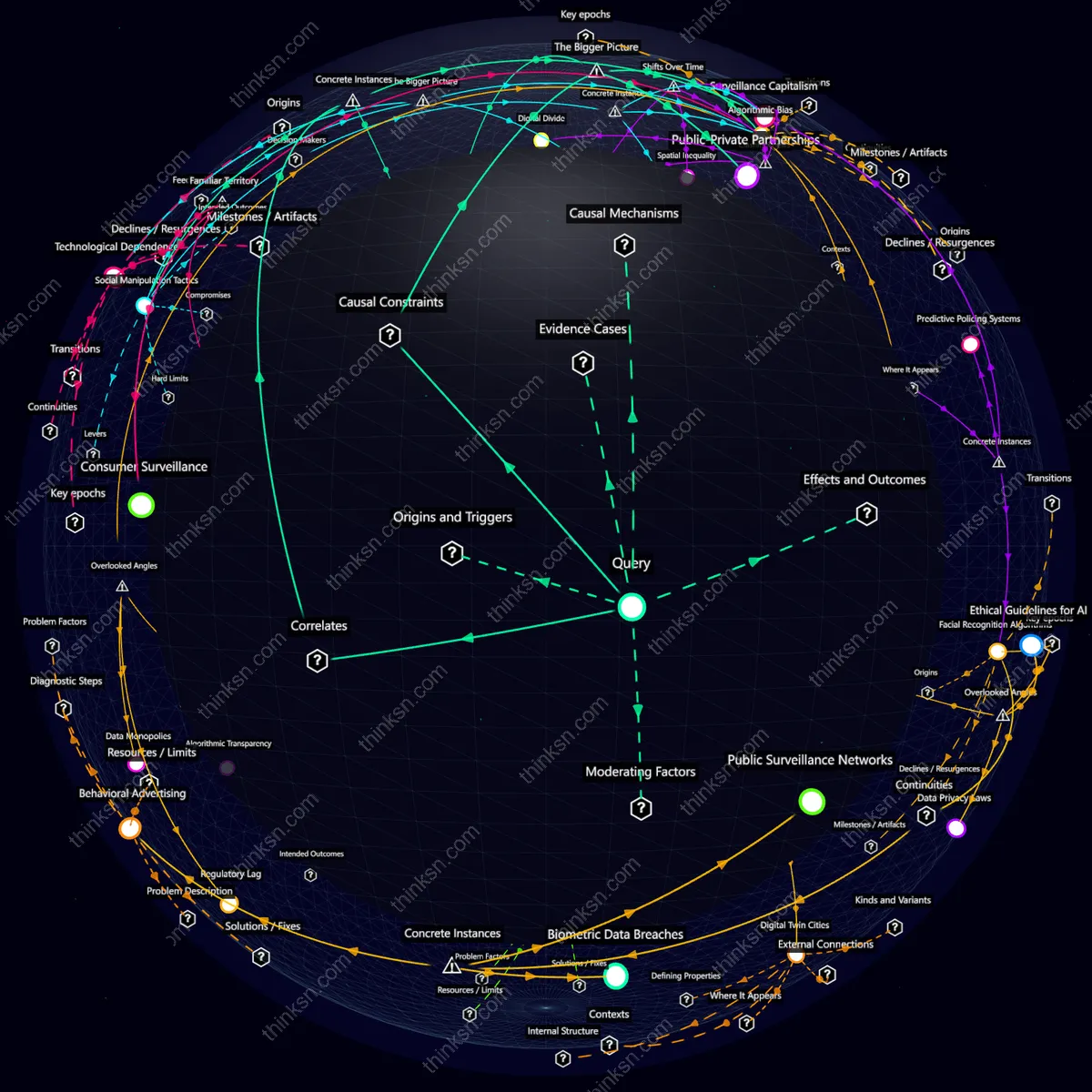
Surveillance Capitalism
Facial recognition technology under surveillance capitalism redefines human behavior by compelling users to relinquish privacy in exchange for services. Companies like Clearview AI, which harvested billions of facial images without consent, highlight the risk that such data breaches can turn everyday citizens into vulnerable targets.
Biometric Data Breaches
The 2019 breach at Quest Diagnostics exposed millions of biometric records, illustrating how facial recognition technology's reliance on sensitive biometric data makes users susceptible to identity theft and fraud. This emphasizes the fragile dependency between user trust and stringent data security measures.
Algorithmic Transparency
Lack of transparency in facial recognition algorithms stresses the need for regulatory oversight, as companies like Amazon's Rekognition have faced criticism for opaque decision-making processes that exacerbate privacy erosion. This highlights unintended consequences where algorithmic biases can disproportionately affect marginalized communities.
Surveillance Society
Facial recognition technology exacerbates the transition towards a surveillance society by enabling pervasive monitoring. This shifts public attention from privacy to security, creating a false sense of safety that masks deeper erosion of personal freedoms and autonomy.
Data Monetization
As tech companies increasingly rely on facial recognition data for targeted advertising, the monetization of user information intensifies privacy erosion. This trade-off between convenience and privacy becomes more pronounced as users unknowingly consent to invasive surveillance in exchange for personalized services.
Regulatory Lag
The rapid advancement of facial recognition technology outpaces regulatory frameworks, leaving gaps where tech companies exploit legal ambiguities. This creates a fragile dependency on future legislation, stressing trust and public confidence as breaches become more frequent and severe.