The Impact of YouTube's Algorithm on Viewer Engagement with Long-Form Education
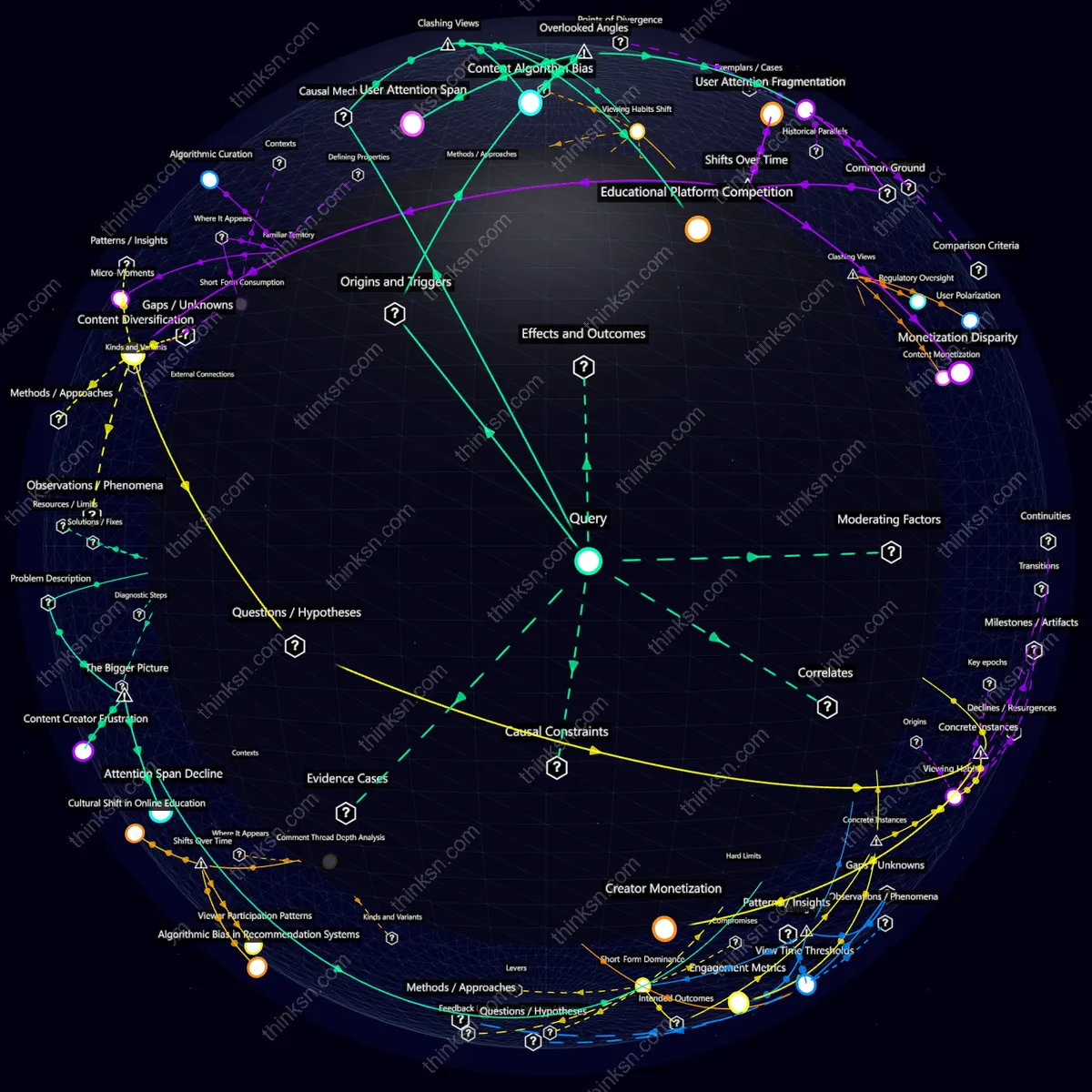
Analysis reveals 5 key thematic connections.
Key Findings
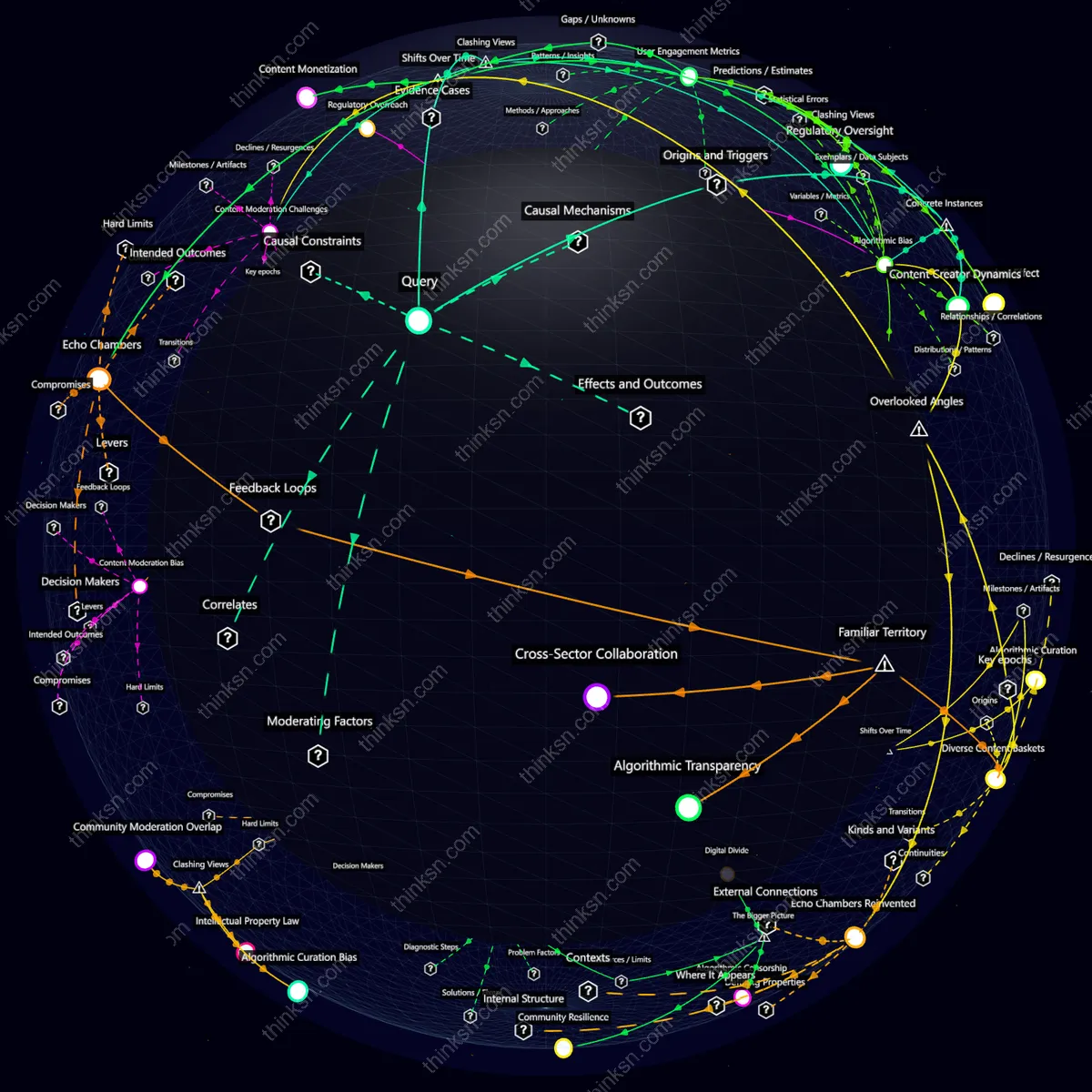
Content Algorithm Bias
YouTube's content algorithm prioritizing short-form videos can marginalize long-form educational content creators, shifting user behavior towards quick consumption. This bias can limit viewer engagement with in-depth material, undermining the efficacy of comprehensive learning resources and fostering a culture of superficial understanding.
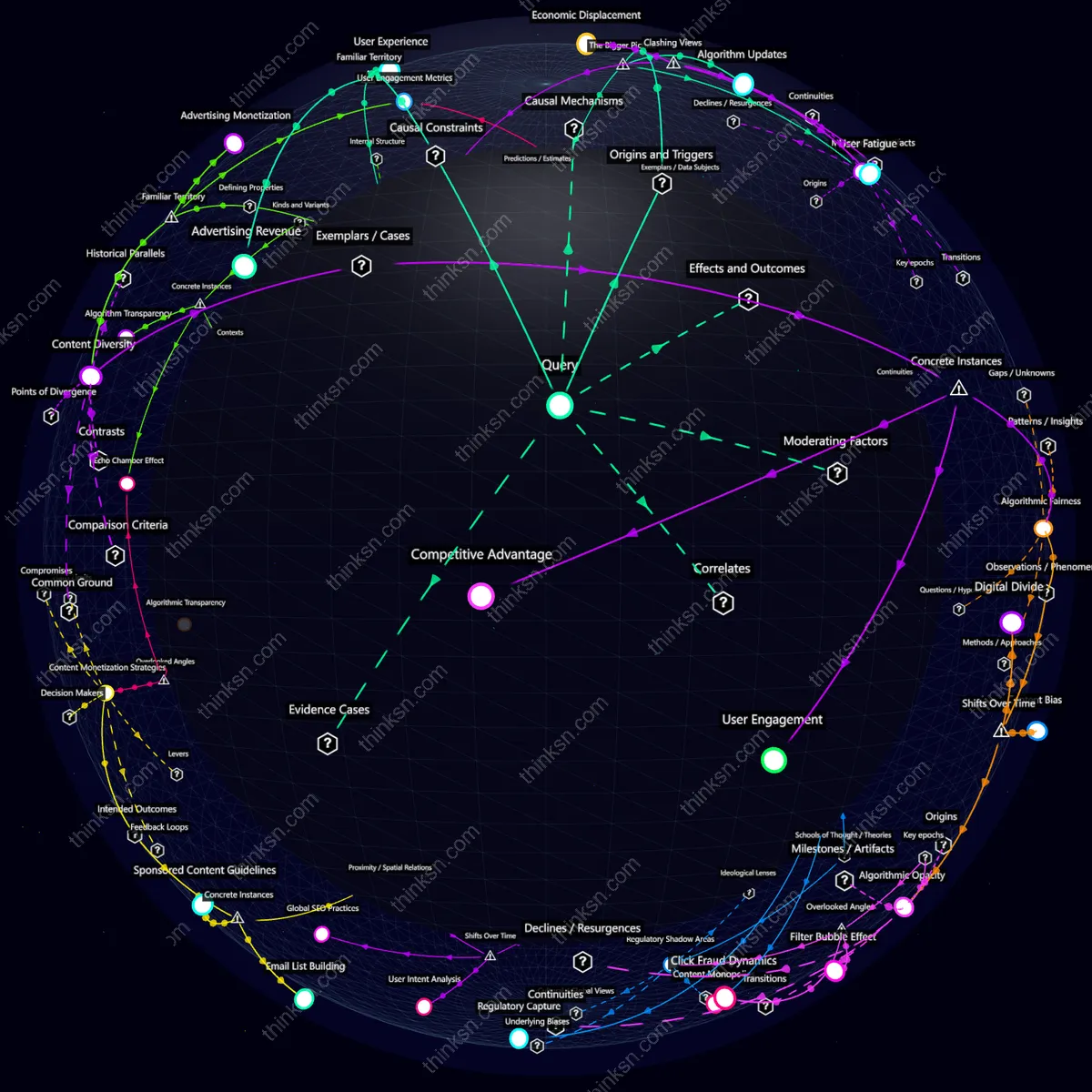
Ad Revenue Model
The ad-based revenue model incentivizes video platforms to favor content that maximizes views per minute, often at the expense of depth. This economic pressure can create a perverse incentive where creators tailor their educational videos for shorter formats to attract more ads and viewers, even if it compromises quality or thoroughness.
User Attention Span
The prevalence of short-form content on YouTube has been linked to diminishing user attention spans. This shift can make long-form educational content less appealing and harder to retain, leading to a vicious cycle where creators must compete with shorter, more engaging formats to capture viewers' interest.
Viewing Habits Shift
The emphasis on short videos impacts user behavior by encouraging quicker skimming rather than deep engagement. This shift can undermine the quality of learning and retention for complex topics, as viewers may not absorb critical nuances or details from longer educational content.
Educational Platform Competition
Alternative platforms catering specifically to long-form education (e.g., Khan Academy) gain traction by offering in-depth content that complements YouTube's strengths. This divergence highlights the trade-off between wide audience reach and specialized, comprehensive educational offerings.
Deeper Analysis
How does YouTube's ad revenue model affect the distribution and monetization of long-form educational videos compared to short-form content?
Content Diversification
Ad Revenue Model incentivizes content creators to diversify their offerings, often leading educational video producers to shorten content to maximize viewer engagement and ad exposure. However, this shift can undermine the depth and quality of long-form educational content, risking a loss in comprehensive knowledge dissemination.
Monetization Disparity
The model disproportionately benefits short-form content creators due to higher view counts per unit time, leading to significant monetization disparity between long-form educational videos and more fleeting content types. This disparity can stifle innovation in long-form education by reducing financial incentives for such content creation.
User Attention Fragmentation
Ad Revenue Model fragments user attention, compelling creators to produce frequent, bite-sized content that maintains high viewer engagement rates and ad visibility. Educational content producers face the challenge of sustaining audience interest in longer formats, which can degrade learning outcomes due to reduced concentration time.
What emerging trends in viewing habits are shifting how audiences engage with long-form educational content on YouTube, and what hidden assumptions underlie these shifts?
Short-Form Consumption
The rise of short-form content is fragmenting audience attention spans, leading to a shift where educational videos on YouTube must balance concise delivery with comprehensive coverage. This trend risks diluting the depth and quality of long-form educational content as creators adapt their style to cater to shorter attention spans.
Algorithmic Bias
YouTube's recommendation algorithms often prioritize high engagement metrics over educational value, inadvertently pushing viewers towards bite-sized, easily digestible content. This bias can undermine the visibility and reach of long-form educational videos, even if they offer substantial intellectual benefits.
Mobile Dominance
With more users consuming content via smartphones, the smaller screen size and fragmented attention patterns pose challenges for retaining viewers through lengthy, complex educational materials. This shift towards mobile viewing can inadvertently favor content that is easier to consume on-the-go but may lack depth.
In what ways does content diversification in YouTube's algorithm challenge and support the consumption of long-form educational videos, revealing hidden assumptions about viewer preferences and engagement patterns?
Algorithmic Bias
YouTube's content diversification algorithm risks amplifying existing biases by prioritizing trending short-form content over long-form educational videos. This can marginalize niche topics and discourage creators from producing in-depth, less popular content, potentially stifling knowledge sharing.
Viewing Habits
Content diversification may disrupt established viewing habits by frequently changing video recommendations, making it difficult for viewers to engage deeply with long-form educational videos. This shift can undermine viewer trust and loyalty towards platforms that rely on consistent, dedicated engagement.
Creator Monetization
Diversification strategies aimed at broadening content types might inadvertently reduce the visibility of niche creators focusing on long-form educational content. As a result, these creators face challenges in monetizing their work, leading to financial instability and potentially driving them away from such platforms.
What are the key components and categories that define short-form consumption on YouTube, and how do they impact long-form educational video engagement?
Micro-Moments
Short-form consumption on YouTube capitalizes on micro-moments where users seek instant gratification through quick video clips. Platforms like TikTok and Instagram Reels exploit these micro-moments, leading to a surge in ephemeral content that can fragment viewer attention spans, making it harder for long-form educational videos to retain engagement.
Algorithmic Curation
YouTube's algorithm favors short-form consumption by prioritizing bite-sized content on user feeds. This curation strategy often leads users into echo chambers of similar micro-content, reducing exposure to diverse and in-depth long-form educational videos. As a result, creators face increased competition for viewer attention, necessitating innovative strategies like interactive elements or embedded quizzes to maintain engagement.
Content FOMO (Fear Of Missing Out)
Short-form consumption creates a constant stream of bite-sized content that incites FOMO among users who feel compelled to keep up with the latest trends and updates. This pressure can divert attention away from long-form educational videos, which require sustained focus and time commitment. Creators must thus develop strategies to make their longer educational content more accessible and engaging, such as breaking down complex topics into shorter, digestible segments.
What strategies can be formulated to mitigate Content FOMO for long-form educational videos in an environment dominated by short content on YouTube, and how might these interventions affect viewer engagement and consumption patterns?
Digital Detox
The rise of digital detox initiatives directly challenges Content FOMO by encouraging users to limit their screen time and reduce consumption of short-form content. While this can alleviate the fear of missing out on educational videos, it risks alienating those who rely heavily on digital platforms for learning.
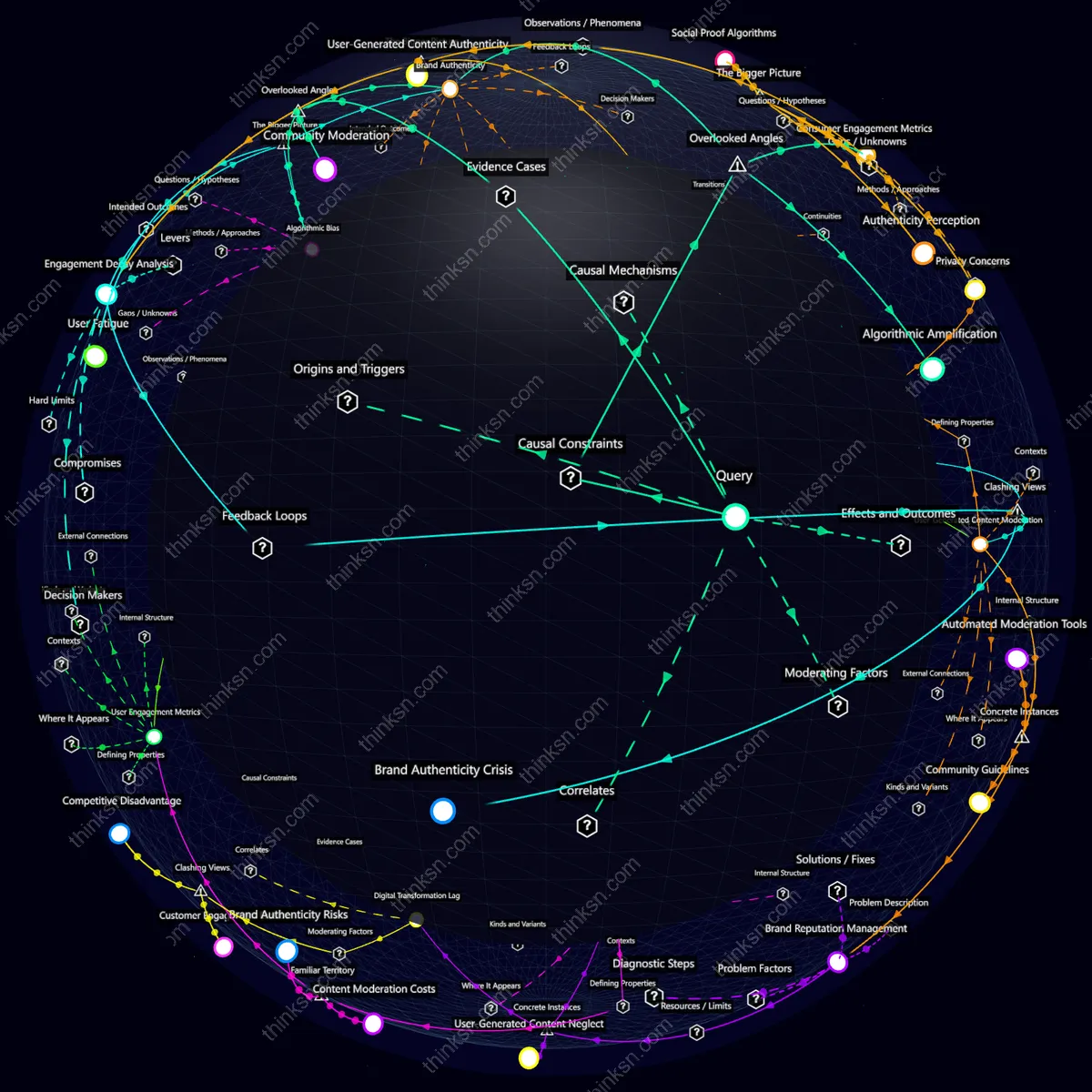
Algorithmic Bias
YouTube's algorithm often prioritizes shorter, more engaging content, which amplifies Content FOMO among long-form video creators. This bias can lead to a vicious cycle where users are pushed towards less substantive, easily consumable content, undermining the visibility and engagement of educational videos.
Content Curating Platforms
Specialized platforms that curate long-form educational content might mitigate Content FOMO by offering curated lists and recommendations. However, these platforms risk becoming echo chambers, reinforcing existing biases and limiting exposure to a diverse range of viewpoints.
Viewer Attention Span
As Content FOMO intensifies, creators compete to capture fleeting viewer attention spans by producing shorter, more digestible content, which paradoxically diminishes engagement with long-form educational videos. This shift towards short-form content can create a reinforcing loop where viewers' ability to concentrate on lengthy, detailed educational material deteriorates further.
Community Engagement Metrics
Metrics like view count and comment frequency can become misleading indicators of a video's value in environments dominated by short-form content. Creators may misinterpret these metrics as signals for success, leading to a focus on producing more bite-sized, engaging clips rather than comprehensive educational content. This shift can undermine the depth and quality of educational offerings, inadvertently reinforcing Content FOMO.
Explore further:
- In the context of YouTube's preference for short content, how might a digital detox initiative affect viewer engagement with long-form educational videos and what measurable systemic strains could arise from this shift in consumption patterns?
- What are emerging community engagement metrics that can help measure viewer interaction with long-form educational content on YouTube, and how might these metrics reveal hidden assumptions about user preferences for content length?
In the context of YouTube's preference for short content, how might a digital detox initiative affect viewer engagement with long-form educational videos and what measurable systemic strains could arise from this shift in consumption patterns?
Attention Span Decline
A digital detox initiative aimed at reducing screen time could paradoxically exacerbate attention span decline if users abruptly cut off their exposure to short-form content. This sudden disconnection might leave viewers ill-prepared for the sustained focus required by long-form educational videos, leading to decreased engagement and higher dropout rates.
Algorithmic Bias
As YouTube's recommendation algorithms prioritize shorter content, a digital detox could inadvertently reinforce algorithmic bias against longer videos. This might cause users returning from detox to encounter fewer opportunities for long-form educational content, perpetuating the cycle of short-form consumption and limiting exposure to more in-depth learning materials.
Content Creator Frustration
Digital detox initiatives aimed at promoting healthier screen habits may lead to increased frustration among content creators who specialize in longer, educational videos. These creators might face a decline in their viewership and engagement metrics as the platform's algorithm continues to favor short-form content, potentially pushing them towards less supportive platforms or abandoning video creation altogether.
What are emerging community engagement metrics that can help measure viewer interaction with long-form educational content on YouTube, and how might these metrics reveal hidden assumptions about user preferences for content length?
View Time Thresholds
Setting minimum view time thresholds for engagement metrics can skew content creators' focus towards longer-form videos to meet these criteria, potentially neglecting shorter, more engaging educational snippets that might be equally valuable but harder to measure.
Interactive Quiz Integration
Integrating interactive quizzes into long-form educational content may boost engagement metrics but risks alienating users who prefer passive consumption or find interruptions disruptive, highlighting a tension between active and passive learning preferences.
Comment Thread Depth Analysis
Analyzing the depth of comment threads as an indicator of community engagement can reveal user preferences for in-depth discussions, but it may also highlight biases towards content that provokes controversy or polarized opinions rather than fostering constructive dialogue.
Explore further:
- What are the emerging insights and hidden assumptions regarding how YouTube's view time thresholds affect viewer engagement with long-form educational content compared to short-form videos?
- What is the structure and depth of comment threads on long-form educational videos compared to short content on YouTube, and how do these differences impact viewer engagement?
What are the emerging insights and hidden assumptions regarding how YouTube's view time thresholds affect viewer engagement with long-form educational content compared to short-form videos?
Engagement Metrics
YouTube's view time thresholds prioritize engagement metrics over viewer satisfaction. This can lead to creators optimizing content for arbitrary thresholds rather than meaningful interaction, potentially alienating audiences who engage in deeper, less quantifiable ways.
Algorithmic Bias
The reliance on view time thresholds amplifies algorithmic bias against niche or specialized educational content that may not attract as much initial engagement but could have high intellectual value. This reinforces the dominance of popular topics over those with narrower appeal, stifling diverse learning opportunities.
Short-Form Dominance
View time thresholds inadvertently encourage short-form content creation by penalizing longer videos that might lose viewers due to their length but offer richer educational value. This trend can undermine the production of detailed and thorough long-form educational resources, limiting comprehensive knowledge dissemination.
Explore further:
- How has algorithmic bias in YouTube's recommendation system evolved over time and what impact has this had on the consumption patterns and engagement levels of long-form educational content compared to shorter form videos?
- What strategies can be formulated to increase viewer engagement with long-form educational content on YouTube despite the platform's short-form dominance?
What is the structure and depth of comment threads on long-form educational videos compared to short content on YouTube, and how do these differences impact viewer engagement?
Viewer Participation Patterns
The depth of comment threads on long-form educational videos encourages a more reflective and detailed engagement from viewers compared to short content, potentially leading to deeper learning outcomes but also increasing the risk of overwhelming users with information overload. This pattern can foster a community where knowledge is shared in greater detail yet requires more time investment for participants.
Algorithmic Bias in Recommendation Systems
YouTube's recommendation algorithms may favor content that generates longer and deeper comment threads, inadvertently amplifying certain types of educational videos over others. This can create a skewed representation of what constitutes valuable educational content, marginalizing shorter videos or those with less interactive formats despite their potential to reach wider audiences more efficiently.
Cultural Shift in Online Education
The increasing prevalence of deep comment threads for long-form educational content reflects a cultural shift towards valuing sustained online discourse as a key component of learning experiences. However, this can also exacerbate the divide between tech-savvy and less digitally literate educators, impacting how knowledge is disseminated across different demographics.
How has algorithmic bias in YouTube's recommendation system evolved over time and what impact has this had on the consumption patterns and engagement levels of long-form educational content compared to shorter form videos?
User Polarization
Algorithmic bias in YouTube's recommendation system has intensified user polarization by steering viewers towards content that aligns with their existing beliefs, thereby limiting exposure to diverse viewpoints and potentially entrenching echo chambers. This shift reduces engagement with long-form educational content that challenges users' preconceptions.
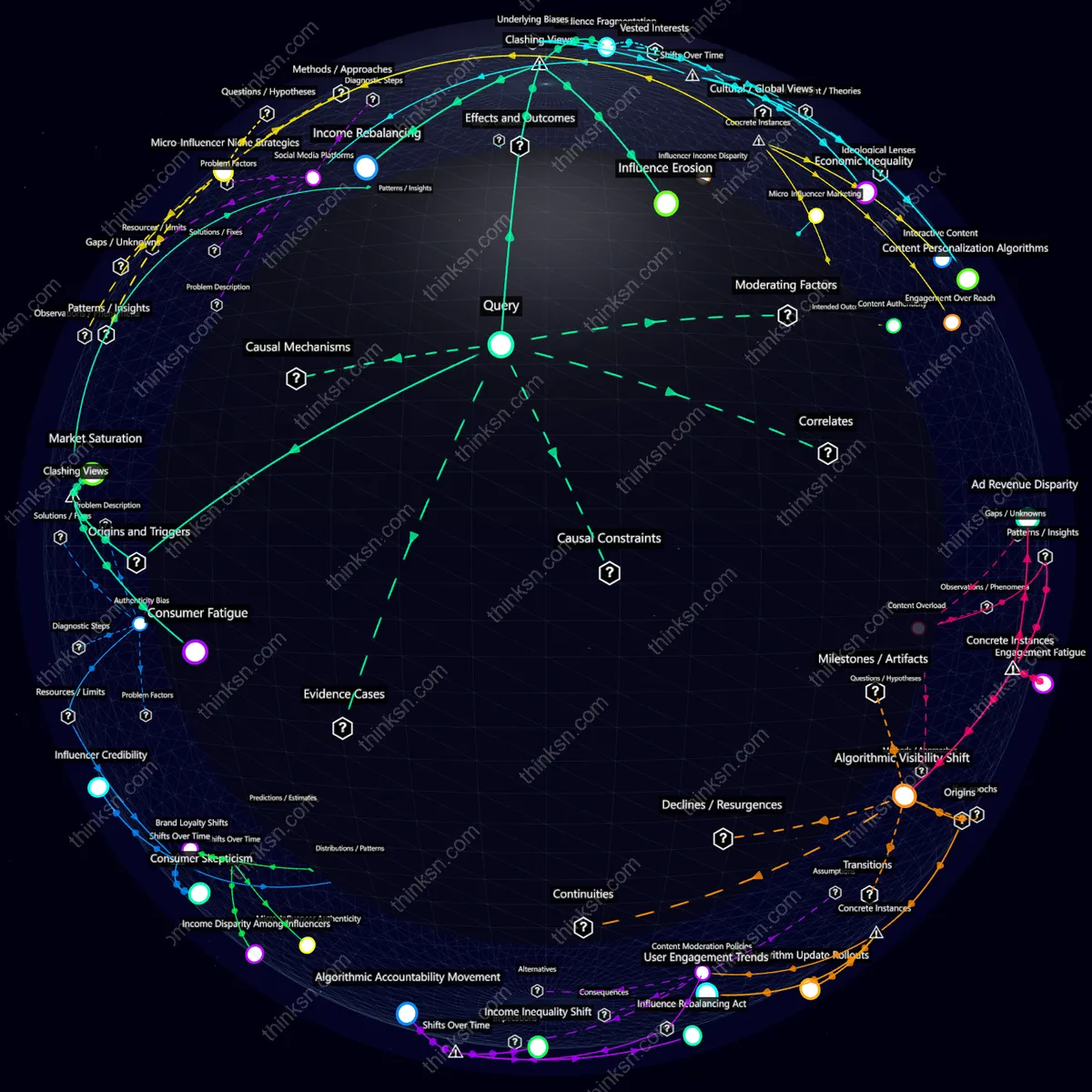
Content Monetization
The evolution of algorithmic bias towards maximizing watch time has disproportionately favored shorter, more engaging videos over longer educational pieces, as these are easier to produce and monetize. This shift undermines the visibility and economic viability of creators producing in-depth content.
Regulatory Oversight
As concerns about algorithmic bias have grown, regulatory bodies are increasingly scrutinizing recommendation systems for signs of discrimination or unfairness. However, this oversight may itself be biased by existing power dynamics and political pressures, potentially missing nuanced issues affecting long-form educational content.
What strategies can be formulated to increase viewer engagement with long-form educational content on YouTube despite the platform's short-form dominance?
Algorithmic Bias
YouTube's algorithm prioritizes short-form content by favoring quick engagement metrics like rapid scrolling and brief watch times. This bias can marginalize long-form educational videos, making it challenging for creators to reach their target audience. Creators must navigate a system that values ephemeral clickbait over substantive content, risking the development of an attention economy where depth is undervalued.
Engagement Metrics
Short-form dominance pressures creators to optimize for immediate engagement metrics like likes and comments per minute. This can lead to a superficial approach where quality educational content is overshadowed by sensationalist, bite-sized videos that generate quick reactions but offer little lasting value. As a result, viewers might become habituated to the instant gratification of short-form content, diminishing their patience and interest in more complex long-form material.
Viewing Habits
The prevalence of short-form videos on YouTube alters viewer habits by promoting quick consumption over deep engagement. This shift can lead to a fragmented attention span where viewers frequently switch between multiple short clips, reducing the likelihood of engaging deeply with long-form content. Creators must then adapt their strategies to capture fleeting viewer interest while aiming for sustained educational impact.