How Online Communities React to Hidden Monetization Tactics
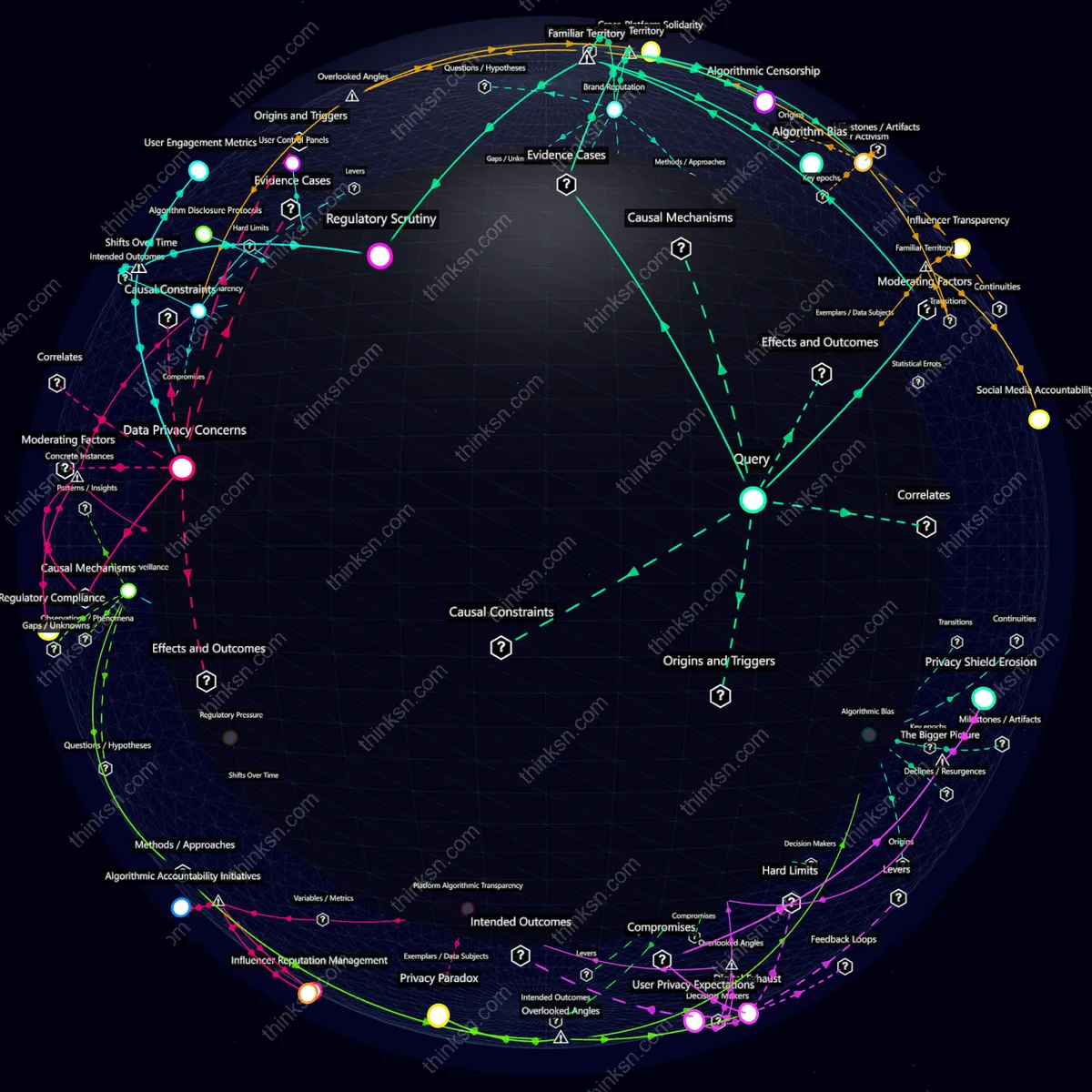
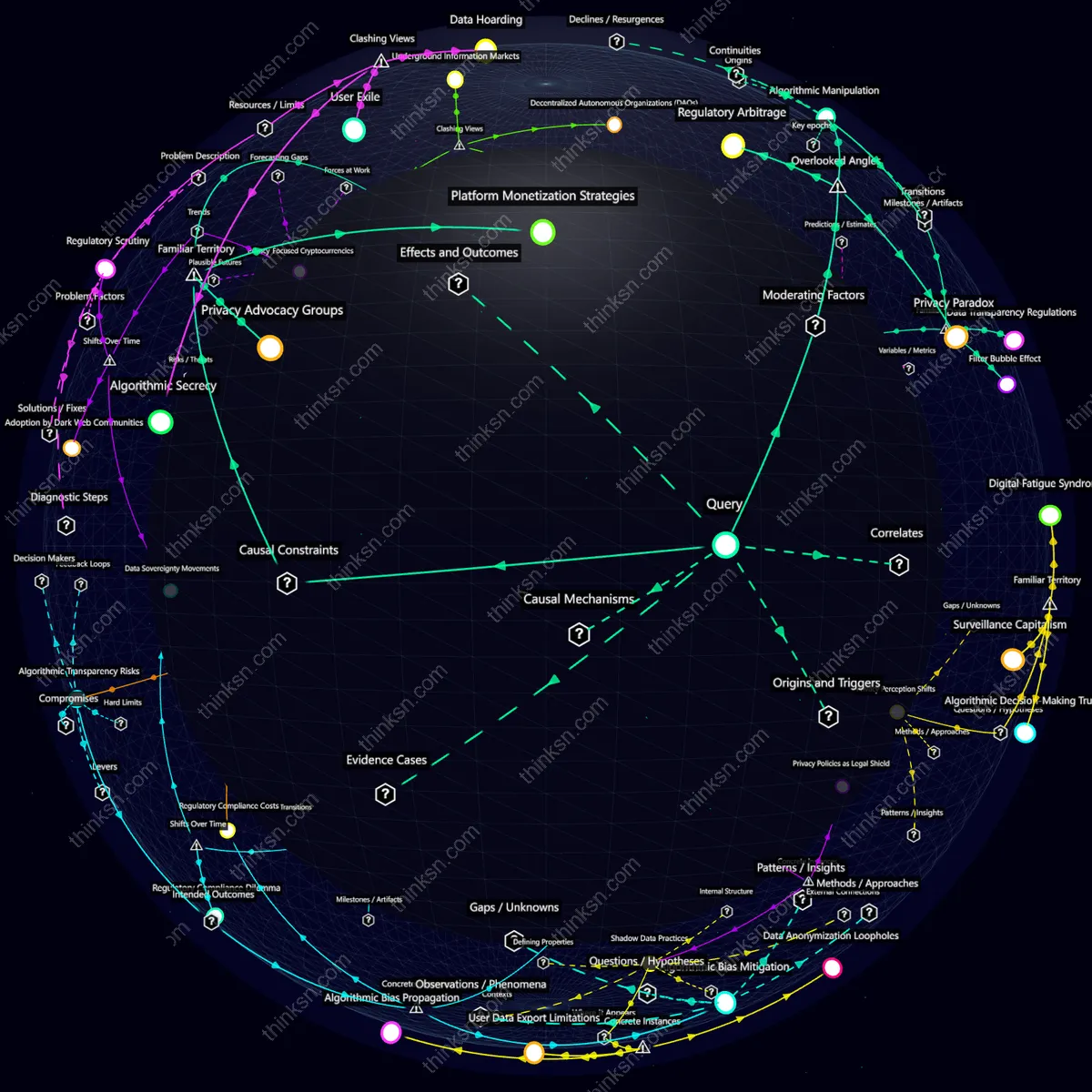
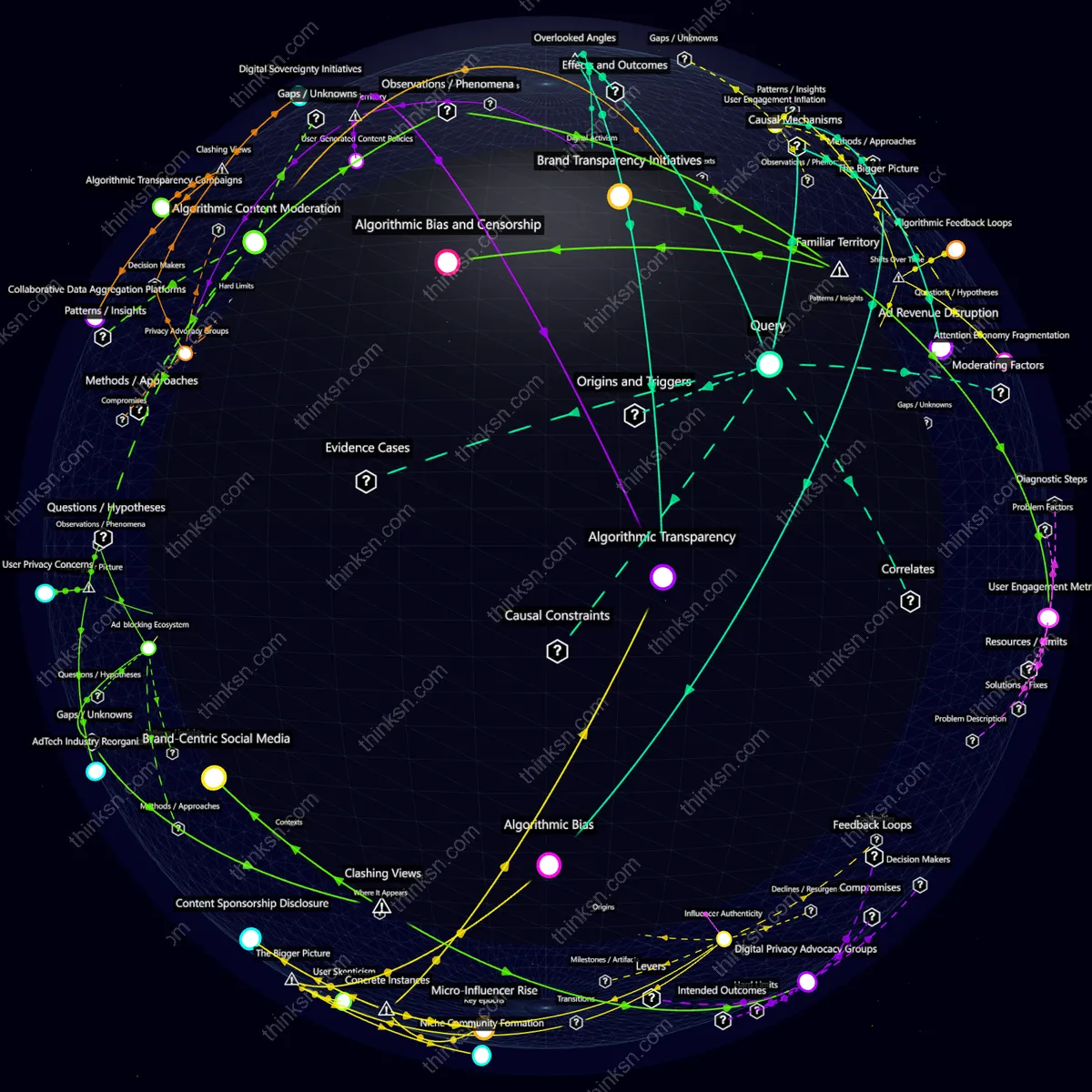
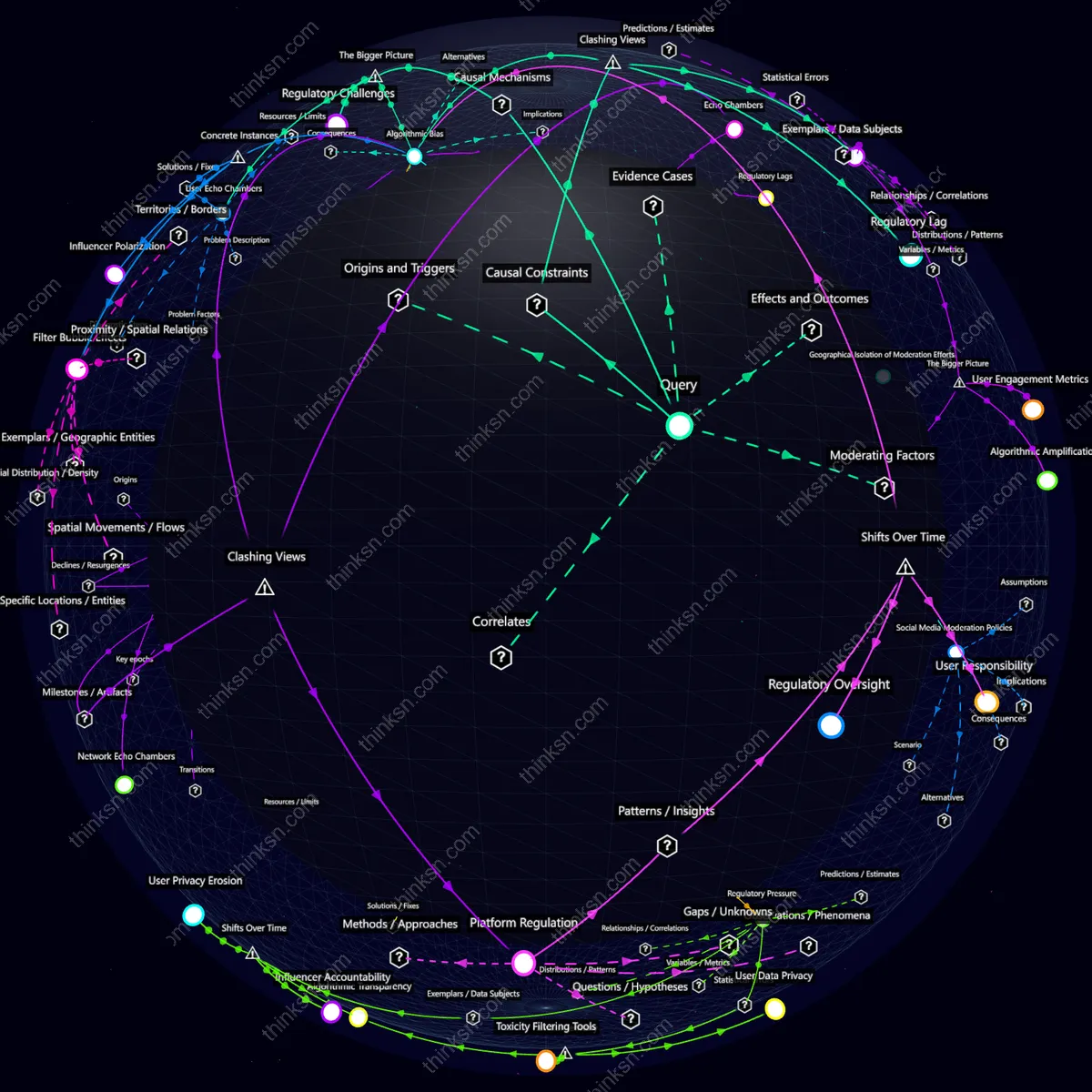
Analysis reveals 5 key thematic connections.
Key Findings
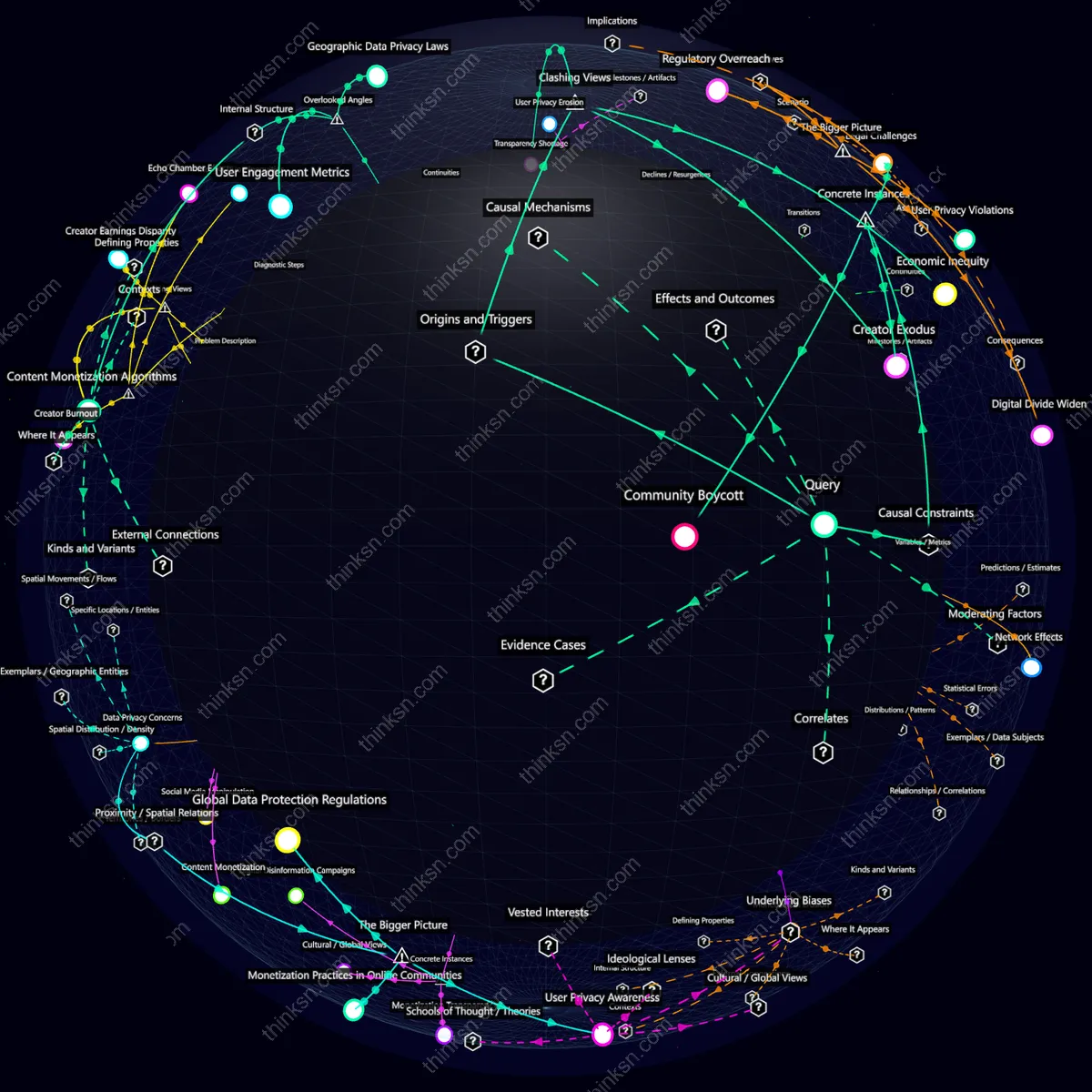
Transparency Shortage
The lack of transparency in monetizing user-generated content (UGC) exacerbates distrust among creators who feel their contributions are being exploited. This secrecy can lead to a fragmented community as users seek alternative platforms with clearer policies, causing potential losses for the original platform.
Economic Inequity
Monetizing UGC without clear compensation structures creates economic inequities between content creators and platform owners. Creators may see their work commodified without fair remuneration, leading to a surge in dissatisfaction and calls for better payment models or regulations.
Creator Exodus
As distrust grows due to opaque monetization practices, top creators might leave the platform en masse, taking their influential followings with them. This exodus not only diminishes content quality but also reduces engagement and revenue for advertisers, destabilizing the platform's business model.
Community Boycott
Users boycott platform features or entirely migrate to decentralized alternatives in response to opaque monetization practices. Such a move undermines platform revenue models, forcing them into precarious financial situations that could lead to service degradation or collapse.
Legal Challenges
Infringing on creators' rights through hidden monetization triggers legal battles and regulatory scrutiny, potentially leading to heavy fines and operational restrictions. This not only harms the platform's reputation but also stifles innovation in user-generated content ecosystems.
Deeper Analysis
How does a transparency shortage in monetizing user-generated content evolve over time, affecting trust and community dynamics in online platforms?
Algorithmic Bias
As platforms struggle with transparency shortages in monetizing user-generated content, algorithmic biases become entrenched, leading to skewed content prioritization that disproportionately benefits certain types of users or creators. This fosters an opaque ecosystem where marginalized voices are silenced, creating a cycle of distrust and alienation among diverse communities.
User Privacy Erosion
A transparency shortage in monetizing user-generated content often leads to invasive data collection practices as platforms seek alternative ways to understand user behavior without clear disclosure. This erosion of privacy can catalyze public outcry and regulatory intervention, pushing companies to adopt more transparent but less effective business models that may not fully address underlying issues.
Community Moderation Fatigue
The lack of transparency in how user-generated content is monetized exacerbates the challenges faced by community moderators who must navigate ambiguous rules and guidelines. This fatigue can result in inconsistent moderation practices, fostering a culture where harmful or misleading content proliferates unchecked, undermining trust and social cohesion within online communities.
Explore further:
- How might algorithmic bias in content monetization algorithms exacerbate systemic failures and measurable distrust among creators in online communities?
- How does community moderation fatigue evolve over time as platforms increasingly monetize user-generated content without clear transparency, and what are the long-term impacts on online communities?
What legal challenges might arise from hypothetical scenarios where online platforms monetize user-generated content without clear transparency, and how could these challenges impact community trust and regulatory intervention strategies?
User Privacy Violations
The monetization of user-generated content without clear transparency can lead to widespread privacy violations as platforms may exploit personal data for profits, undermining trust and potentially triggering stricter data protection regulations. This scenario highlights the precarious balance between innovation and ethical obligations.
Digital Divide Widen
Without transparent monetization policies, online platforms might inadvertently exacerbate the digital divide by disproportionately benefiting tech-savvy users while leaving less knowledgeable users at a disadvantage, fostering economic inequality and social unrest within communities.
Regulatory Overreach
The lack of transparency in how user-generated content is monetized could prompt regulatory bodies to enact overly restrictive measures aimed at protecting consumers but which may stifle innovation and entrepreneurial activity on these platforms, creating a chilling effect for startups and small businesses.
How might algorithmic bias in content monetization algorithms exacerbate systemic failures and measurable distrust among creators in online communities?
Content Monetization Algorithms
These algorithms often prioritize sensational content for higher engagement and ad revenue, but this bias can lead creators to produce misleading or harmful content. As a result, users lose trust in the platform, undermining its long-term sustainability.
Creator Earnings Disparity
Algorithmic bias can exacerbate disparities between top-tier and mid-tail creators, as those with niche audiences struggle to monetize their content due to algorithmic favoritism towards trending topics. This disparity fosters resentment and discouragement among less visible creators.
Systemic Distrust
When algorithms consistently reward superficial or unethical content over quality, community members lose faith in the fairness of the system. Over time, this distrust can erode user engagement and loyalty, leading to a significant decline in platform health and reputation.
Monetization Inequities
Algorithmic bias in content monetization algorithms can lead to significant disparities in earnings between creators, with certain demographics or types of content unfairly favored. This not only widens the wealth gap among creators but also undermines trust and collaboration within online communities.
Echo Chamber Effects
By prioritizing engagement metrics such as likes and shares over diverse exposure, biased algorithms can inadvertently create echo chambers where users predominantly see content that aligns with their existing views. This limits the diversity of perspectives creators receive feedback on, stifling innovation and reducing opportunities for cross-cultural understanding.
Creator Burnout
The pressure to constantly produce content that fits algorithmically favored criteria can lead to significant stress and burnout among creators. As they struggle to meet these often opaque standards, many may turn away from the platform or the industry altogether, leading to a loss of talent and creativity.
Explore further:
- What is the architectural mapping of content monetization algorithms used by online platforms, and how are these systems geographically distributed across different regions?
- How does systemic distrust evolve over time in online communities as platforms monetize user-generated content without clear transparency, and what are the resulting impacts on creators?
What is the architectural mapping of content monetization algorithms used by online platforms, and how are these systems geographically distributed across different regions?
User Engagement Metrics
Platforms heavily rely on user engagement metrics to optimize content monetization algorithms. However, this focus can lead to superficial or sensationalist content that prioritizes clicks and views over quality, diminishing the overall user experience and long-term platform sustainability.
Geographic Data Privacy Laws
Content monetization algorithms must navigate complex geographic data privacy laws across different regions. This regulatory patchwork can create compliance challenges and operational inefficiencies for global platforms, requiring localized adaptations that may limit their reach or effectiveness in certain markets.
Algorithmic Bias
The deployment of content monetization algorithms is often criticized for perpetuating algorithmic bias, which disproportionately affects marginalized communities. This can lead to reduced economic opportunities and a skewed representation of societal issues within online platforms, undermining their role in fostering inclusive digital spaces.
How does systemic distrust evolve over time in online communities as platforms monetize user-generated content without clear transparency, and what are the resulting impacts on creators?
Content Moderation Policies
As platforms enforce opaque and inconsistent content moderation policies to maximize profits from user-generated content, systemic distrust grows among creators who feel their voices are being silenced arbitrarily. This erodes trust in the platform's fairness and integrity, leading users to self-censor or migrate to less restrictive spaces.
Monetization Algorithms
The deployment of opaque monetization algorithms by platforms often results in unpredictable earnings for creators, fostering systemic distrust as they struggle to understand why certain content earns while other similar pieces do not. This unpredictability can lead to a cycle where creators feel exploited and abandon the platform, only to be replaced by new users who face the same issues.
Data Privacy Concerns
Systemic distrust escalates when platforms use user data for targeted advertising without clear transparency or consent. Creators are particularly wary as their content becomes a tool for surveillance capitalism, leading to significant backlash and calls for stricter regulations on data handling practices.
Explore further:
- What are the measurable impacts on user engagement and platform trust when monetization algorithms are implemented without clear transparency, and how do these factors stress-test the systemic integrity of online communities?
- What is the geographic distribution and territorial boundaries of data privacy concerns arising from monetization practices in online communities?
What are the measurable impacts on user engagement and platform trust when monetization algorithms are implemented without clear transparency, and how do these factors stress-test the systemic integrity of online communities?
Algorithmic Bias
Monetization algorithms often rely on opaque decision-making processes that can inadvertently perpetuate or amplify existing biases in user data, leading to a skewed representation of certain demographics and interests. This can erode platform trust among marginalized communities who feel their voices are being ignored or misrepresented.
Data Exhaust
The implementation of monetization algorithms creates an overwhelming amount of behavioral data that users generate as they engage with the platform. While this data is valuable for targeted advertising, it also leads to privacy concerns and a sense of surveillance among users, diminishing their willingness to share personal information freely.
Network Effects
Monetization algorithms can create feedback loops that intensify certain behaviors over others, such as prioritizing content that generates high engagement but may not be beneficial or ethical. This can stress-test the systemic integrity of online communities by fostering echo chambers and amplifying polarized opinions.
What is the geographic distribution and territorial boundaries of data privacy concerns arising from monetization practices in online communities?
Monetization Practices in Online Communities
As online platforms increasingly rely on user data for targeted advertising and personalized content recommendations, the monetization practices within these communities amplify data privacy concerns. This shift not only erodes users' trust but also leads to a paradox where increased personalization can diminish user autonomy as preferences are manipulated to maximize engagement and ad revenue.
Global Data Protection Regulations
The territorial boundaries of data privacy concerns have expanded beyond national borders due to the global reach of internet platforms. This has led to a fragmented landscape with varying levels of protection across different regions, creating compliance challenges for multinational companies and leading to debates over jurisdictional authority in regulating digital data flows.
User Privacy Awareness
The geographical distribution of data privacy concerns is heavily influenced by the awareness and education levels among users regarding their rights and risks. In regions with higher literacy rates and more stringent data protection laws, there tends to be greater user vigilance and demand for transparency from platforms, thereby pressuring companies to adopt stricter privacy policies.
How might data exhaust from user-generated content affect online community trust and creator monetization strategies when platforms lack transparency?
Algorithmic Bias
As platforms accumulate vast amounts of user-generated data without transparency, algorithmic biases increasingly influence content moderation and recommendation systems. Creators may inadvertently cater to these biases to maximize engagement, leading to echo chambers that distort community trust and undermine diverse monetization strategies.
Shadow Bots
The proliferation of shadow bots under data exhaust conditions can artificially inflate creator metrics such as followers or likes. This deception misleads both users and creators about the true engagement levels, undermining genuine interaction and eroding trust within online communities while skewing monetization strategies towards superficial success indicators.
Privacy Erosion
Excessive data exhaust from user activities accelerates privacy erosion, as platforms leverage granular behavioral insights to tailor personalized experiences. While this can enhance engagement in the short term, it risks long-term trust degradation among users who perceive a lack of control over their digital footprint, affecting both community dynamics and monetization strategies reliant on authentic connections.
Algorithmic Bias Amplification
Data exhaust from user-generated content can amplify algorithmic biases, where platforms may unknowingly promote harmful narratives due to skewed data patterns, undermining trust in online communities and creators who rely on platform algorithms for visibility.
Monetization Erosion
When platforms lack transparency about how they use user-generated content, creators face an erosion of monetization opportunities as advertisers may shy away from perceived risks linked to privacy breaches or negative public perception stemming from data exhaust.
Community Polarization
Data exhaust can lead to community polarization by reinforcing echo chambers that distort users' perceptions and isolate them from opposing viewpoints, thereby weakening the social fabric of online communities and impacting creator engagement strategies negatively.
Explore further:
- What role do shadow bots play in amplifying distrust among creators when platforms monetize user-generated content without transparency, and how are different communities perceiving this issue?
- What is the architectural structure of online communities' responses to monetization practices that erode trust among user-generated content creators?
What role do shadow bots play in amplifying distrust among creators when platforms monetize user-generated content without transparency, and how are different communities perceiving this issue?
Digital Disinformation Campaigns
Shadow bots amplify distrust among content creators by spreading disinformation about monetization practices and platform policies, leading to a fragmented creator community. For instance, when shadow bots masquerade as authentic users to criticize specific creators for collaborating with platforms, this undermines trust in collaborative efforts and fuels individualism over collective action.
Cultural / Global Views
In Western cultures, shadow bots are often seen through the lens of cybersecurity threats and privacy invasions. However, non-Western perspectives may view these bots as symbols of technological colonialism and cultural imperialism, exacerbating existing trust issues between local creators and multinational tech corporations. For example, in India, discussions around shadow bots are intertwined with broader debates on data sovereignty and national digital autonomy.
Monetization Transparency
Shadow bots create a fragile dependency on opaque algorithms that manipulate visibility and engagement metrics, leading to unpredictable monetization outcomes for creators. This lack of transparency can erode the sense of fairness within communities, as some creators perceive shadow bots as favoring certain content over others based on undisclosed criteria, thereby deepening distrust between creators and platform management.
Content Monetization
Shadow bots exploit opaque content monetization strategies, amplifying distrust among creators by inflating engagement metrics and misrepresenting genuine audience interest. This undermines transparency and fairness in platform economics, disproportionately benefiting large influencers who can afford sophisticated bot detection tools.
Algorithmic Bias
The proliferation of shadow bots highlights the risk of algorithmic bias amplifying false narratives, as platforms may prioritize engagement over authenticity. This can skew search and recommendation algorithms towards inauthentic content, eroding public trust in both creators and platforms while disproportionately benefiting those who manipulate these systems.
Social Media Manipulation
Shadow bots play a pivotal role in social media manipulation by distorting the perceived popularity of certain creators or topics. This can lead to a chilling effect on free speech, as genuine voices are drowned out by fabricated engagement, and platforms face pressure to prioritize algorithmic solutions that often benefit tech companies over content creators.