Micro-Influencers Threatening Macro-Influencers Dominance?
Key Findings
Micro-influencer Rise
Small creators are gaining influence and income over big ones because platforms reward high engagement rates, shifting visibility and ad spending toward more interactive, niche audiences.
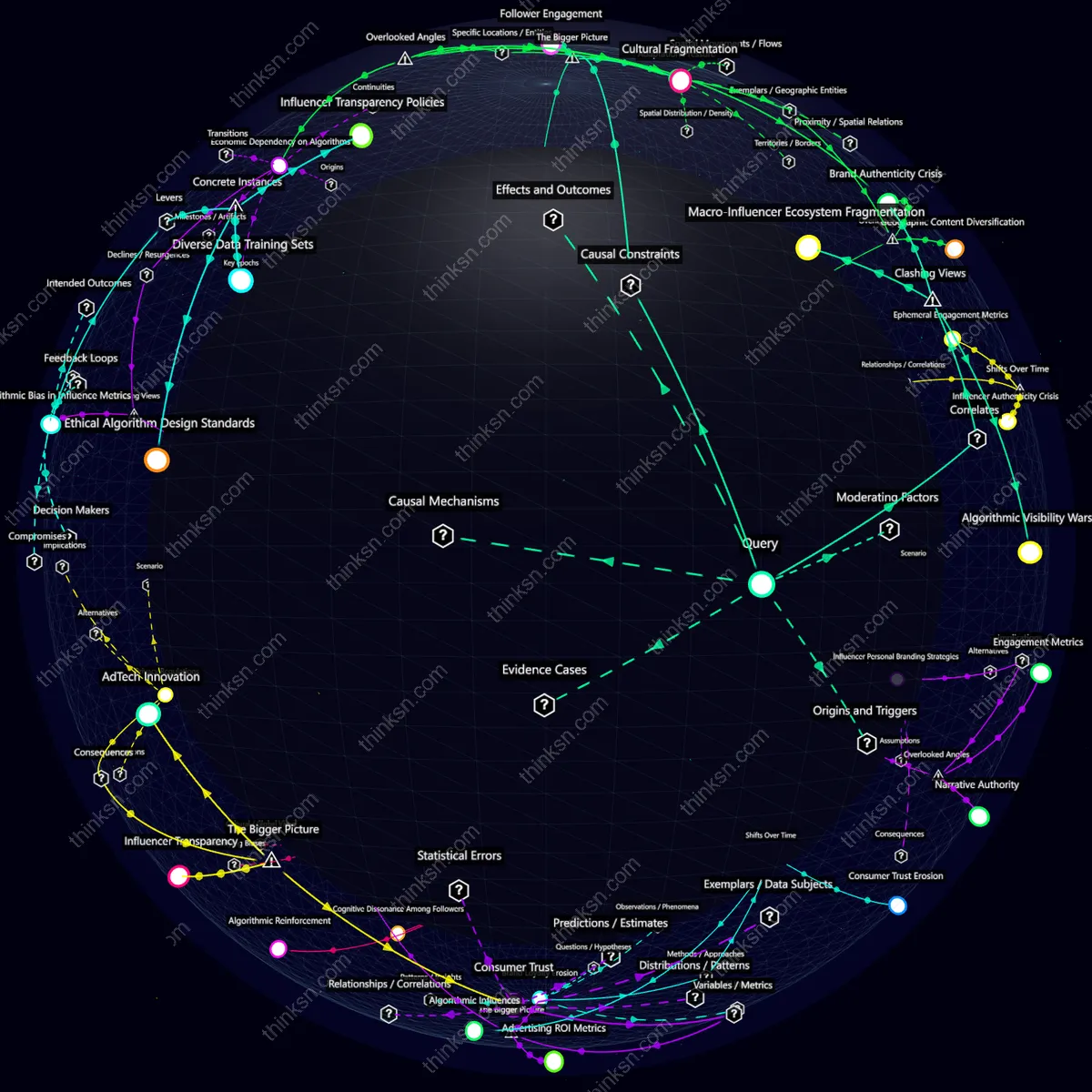
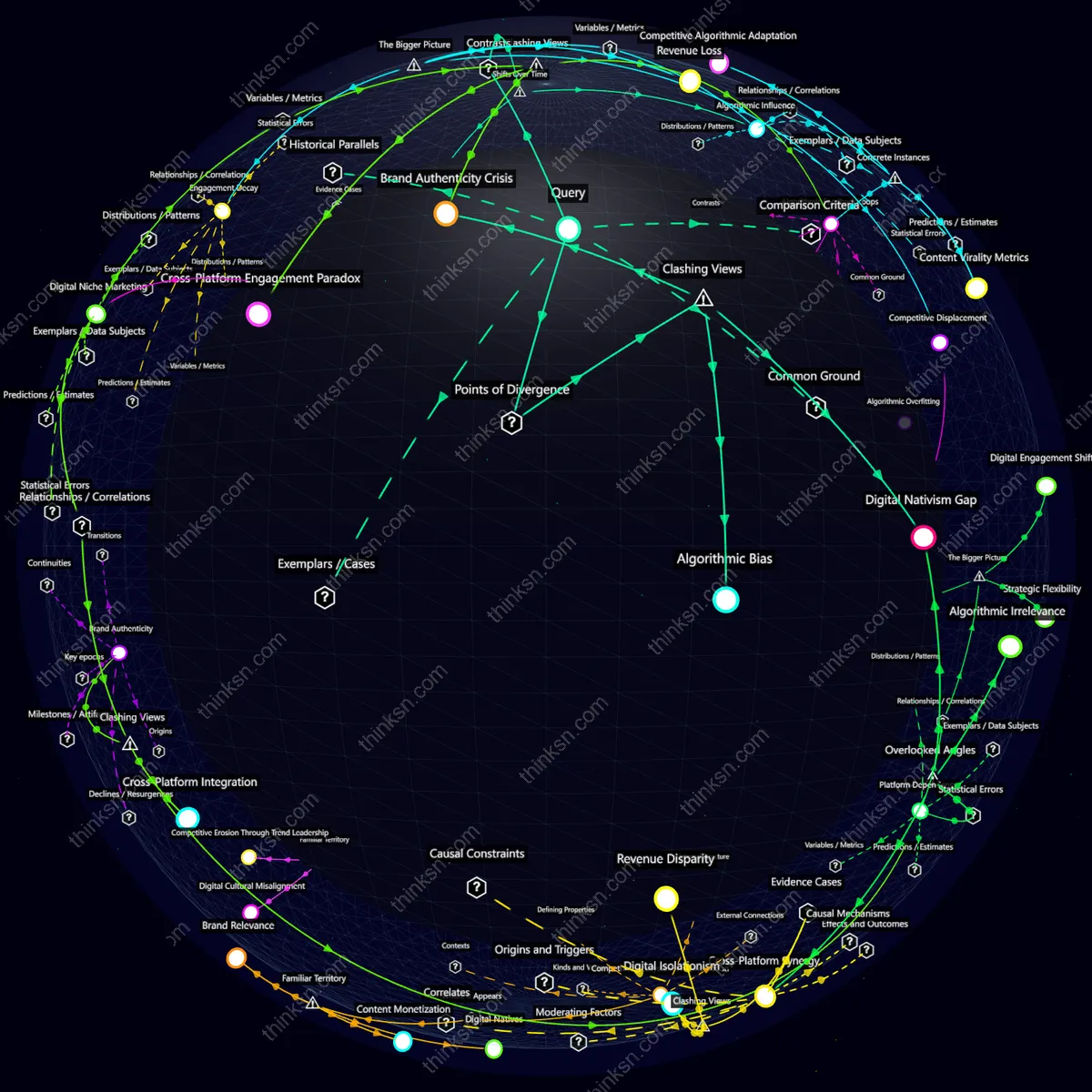
Big influencers are losing ground to smaller ones on platforms like Instagram. These platforms favor content that gets more interactions relative to audience size. Micro-influencers often have higher engagement rates. The algorithm rewards this with more visibility. More visibility leads to more attention from advertisers. Brands now focus on performance, not just large follower counts. They see better results with micro-influencers. This shift makes big influencers less valuable. Ad spending has moved mostly online, where these rules dominate. Platforms reward engagement intensity, not just reach. This change hits hardest in markets that value niche appeal and authenticity. Glossier’s 2019 campaign shift shows the trend. They moved from celebrities to everyday creators. Their decision followed platform incentives. This proves big influencers’ power depends on how platforms define value. When systems favor engagement over size, smaller creators gain advantage. The result is a clear shift in earning power.
Micro-influencer Advantage
Micro-influencers outperform macro-influencers in driving conversions because platform algorithms now reward engagement quality more than audience size.
Big social media platforms now use algorithms that favor content likely to spark engagement. These algorithms create a cycle that rewards smaller influencers who connect deeply with niche audiences. As a result, micro-influencers often drive more conversions than larger influencers with millions of followers. Follower count is no longer a reliable sign of influence, especially for brands that value trust and authenticity. This shift is strongest in areas like eco-friendly products and specialty goods. The advantage exists because people are less likely to trust broad advertising and seek genuine recommendations. Platforms decide what content gets seen, and their rules can change quickly. Past changes, like Facebook’s 2018 update, wiped out reach for big influencers overnight. Such risks make long-term income forecasts uncertain for both small and large influencers. Macro-influencers depend heavily on metrics like views, which platforms may stop rewarding. If platforms or governments change how content is curated, older models based on follower size could return. But for now, micro-influencers win when engagement matters more than audience size.
Deeper Analysis
What would happen to macro-influencers' earning power if platforms began rewarding predicted engagement rather than actual engagement density?
Influencer Earnings Drop
Macro-influencers earn less under predicted engagement because their diverse audiences reduce prediction accuracy, leading platforms to distribute their content less.
Digital platforms now use machine learning to predict user engagement instead of measuring it directly. They favor content likely to get strong interactions based on past behavior. This change benefits influencers with consistent, predictable audiences. Micro-influencers often have niche followings with clear interests. Their engagement is easier to forecast. Macro-influencers reach larger, more diverse audiences. Their audience's varied interests make engagement harder to predict. Platforms trust these predictions less. So they amplify macro-influencers' content less often. This reduces their visibility and ad revenue. The system rewards predictability over size. As a result, macro-influencers lose ground. The shift reinforces itself. Platforms boost micro-influencers more, shaping market value around forecast accuracy. Earning power now depends on alignment with algorithmic predictions. Audience size alone no longer guarantees income.
Influencer Earnings Drop
Influencers earn less under conversion-based systems because overlapping reach reduces measurable incremental impact, lowering attribution value.
Big influencers earn less when ad systems focus on proven conversions. These systems reward only the extra sales an ad creates. This is measured by comparing sales with and without the ad. Advertisers trust this method more than broad reach. They want proof that an ad caused a purchase. Rules from the FTC push companies to back up their claims. Industry standards also support this approach. Algorithms break down audience value into small lift effects. Creators get paid based on how much they lift conversion odds. This is tested using control groups and multi-touch tools. But when many top influencers promote the same product, their joint impact becomes unclear. Their wide reach causes repeated exposure. This makes it hard to isolate each one’s contribution. Attribution systems see less unique lift from each. So their value drops. This is shown in Meta's 2021 data. It fits with long-standing marketing theory. Earnings depend not on engagement models. They depend on position in the attribution chain.
Influencer Earnings Shift
Macro-influencers earn less when platforms use predictive algorithms because their broad, diverse audiences are harder to forecast than micro-influencers' consistent followings.
Digital platforms now value predicted user engagement more than past interaction. This change began when Meta started using algorithms to forecast engagement in 2022. Instead of looking at how users actually engaged before, the system now bets on who will engage in the future. Algorithms favor audiences that are uniform in age, interest, or behavior. They also favor creators who post regularly. Micro-influencers often meet these conditions better than larger ones. Their followers are more similar and their engagement is steadier. Platforms use these predictions to rank content and run ad auctions. Advertisers spend more on creators algorithms expect to perform well. This happens even if those creators have smaller past reach. Macro-influencers suffer because their audiences are broader and more varied. Machine learning systems find their engagement harder to predict. Their value becomes less clear in markets focused on performance forecasts. As a result, their earning power drops sharply. This decline is strongest where algorithms dominate content and ad decisions.
Micro-influencer Staying Power
Micro-influencers retain influence under transparency because strong community trust sustains engagement, replacing the need for algorithmic amplification.
Many believe giving users more control over what they see will reduce the impact of small influencers. They assume people will only choose content from well-known creators. This would help big influencers and hurt smaller ones. But this overlooks how platforms really work. Platforms reward content that sparks deep engagement. Facebook's 2016 research showed this. Later studies under EU rules confirmed it. Even with full transparency, users still share content that feels personally meaningful. This creates new engagement chains. These chains favor content tied to strong social bonds. Reddit and Twitter prove this. Even with open algorithms, tight-knit communities keep micro-influencers relevant. Their followers trust them deeply. This trust grows over time. It does not depend on hidden algorithms. So when algorithms become transparent, these influencers do not lose influence. They keep audiences because of shared values and history. Close communities protect their trusted voices. The key factor is not algorithmic randomness. It is community trust. That trust replaces the need for broad amplification.
Influencer Earnings Drop
Macro-influencers earn less because platforms reward predicted engagement, which favors faster and denser interactions over large but passive audiences.
Digital platforms now reward predicted engagement instead of actual audience size. They use early behavior signals to guess what content might go viral. This favors creators with fast, intense interaction, like micro-influencers. TikTok's algorithm, for example, boosts posts that get quick likes and shares. Macro-influencers, with large but less active audiences, lose visibility. Their content does not spike fast enough to meet algorithmic targets. Engagement per follower drops as audience size grows. Studies confirm this effect for accounts over 500,000 followers. Platforms aim to keep users scrolling, so they prioritize content likely to hold attention. Google and YouTube now use forecasts of user time as a key metric. Brands follow the data, shifting money to creators with high engagement efficiency. Earnings now depend on algorithmic validation, not fame. This change is built into platform design, not just a temporary trend. As a result, macro-influencers earn less, especially in fast-moving areas like fashion and tech.
User Habits Shape Visibility
Micro-influencers retain their advantage because most users rely on algorithmic defaults, so engagement-driven visibility persists despite available controls.
Many believe that giving users control over what they see will reduce the advantage micro-influencers have online. This belief rests on the idea that people will actively choose what content to view. But evidence shows most users do not change their default settings, even when tools make it easy to do so. Studies of user behavior after Instagram added transparency features in 2021 show few people adjusted their preferences. The same pattern emerged across the European Union after new rules required more user control. People keep seeing content chosen by algorithms because choosing themselves takes effort. This habit means content that gets more engagement still gets shown more often. As a result, popular types of content continue to reach far more people. Even when platforms offer choices, most users do not use them. Because of this, micro-influencers still benefit from algorithms that favor engagement. The expectation that transparency alone will shift power fails to account for how people actually behave.
Big Creators Keep Top Earnings
Macro-influencers keep the highest earnings because big brands favor verified reach and low-risk partnerships over algorithmic engagement trends.
A few large companies control most advertising spending. They prefer working with well-known influencers who have large, verified audiences. These macro-influencers fit neatly into standardized marketing plans managed by major global agencies. Brands choose them to reduce risk and ensure consistency. Their audience numbers are easier to verify and predict. Platforms may reward engagement, but brands care more about safety and scale. As long as brands rely on these strict partnership models, macro-influencers will earn more. Even if algorithms change, the real power lies with brand rules, not platform trends. Small creators may gain attention, but they do not gain equal pay. The system favors size and proof over potential.
Explore further:
- If platforms instead optimized for long-term audience retention rather than predicted engagement, would macro-influencers regain comparative advantage despite lower interaction density?
- What if advertisers began to value aggregate cultural influence over measurable conversion lift—how would that redefine the hierarchy between micro- and macro-influencers?
- Could high community density lose its compensatory power if platform algorithms begin prioritizing temporal engagement over relational resonance?
- What would happen to macro-influencers' earning power if major brands began auditing influence not by reach, but by verifiable conversion data directly tied to sales?
What would happen to micro-influencer effectiveness if social media platforms prioritized algorithmic transparency and user control over engagement-driven amplification?
Influencer Power Shift
Micro-influencers lose their marketing edge when users control content visibility because their reach depended on hidden algorithmic amplification, not personal trust alone.
When social media platforms let users control what content is shown, micro-influencers lose their edge. Their success once relied on hidden algorithms that spread niche content widely. These systems favored engagement and boosted posts to like-minded audiences without users realizing it. Now, if people choose what they see, the surprise discovery of small creators fades. Algorithms once amplified micro-influencers by feeding users similar content, building tight circles of trust. With transparency, users pick content more deliberately. This weakens the accidental exposure that helped micro-influencers thrive. Their strength was never just personal connection, but hidden systems that pushed their content further. As users gain control, larger influencers return to dominance. They are known brands and appear across platforms. Big followings once again signal real influence. When Vine shut down, small creators lost reach, while famous ones adapted. Control breaks the hidden system that boosted niche voices.
Influencer Advantage
Micro-influencers lose their edge when users control content selection because transparency breaks the cycle where engagement drives visibility.
Micro-influencers gained influence because social media platforms use hidden algorithms that favor content sparking strong user reactions. These algorithms often highlight niche, highly engaging posts, helping micro-influencers reach more people without large followings. Platforms like Instagram began using these methods in 2016, shifting from simple chronological feeds. This change let smaller creators thrive by creating content that kept users watching and interacting. Engagement became a key signal for what content gets shown, and algorithms amplified posts that held attention. As a result, high-affinity content from micro-influencers spread more easily, boosting their conversion power. But if platforms make these systems transparent, users could choose what they see more directly. This change would let people filter content based on their own preferences. The European Union's Digital Services Act supports such user control. When users decide what to see, algorithmic amplification loses its power. The cycle where high engagement leads to more visibility would weaken. With greater user agency, especially in informed online environments, micro-influencers lose their edge. Their success relied on opaque systems promoting engagement. If users control their feeds, influence shifts back to well-known personalities with broad appeal. Transparency and choice reduce the disproportionate impact of micro-influencers. Their competitive advantage fades when platforms prioritize user curation over automatic engagement tracking.
User Habit Overrides Control
Micro-influencers remain effective because users habitually follow algorithmic defaults even when they can choose otherwise.
Many believe giving users more control will reduce the power of micro-influencers. They assume people will avoid content shaped by algorithms. They think users will create their own filters instead. But research shows this is not true. Users still depend on algorithmic suggestions even when they can change them. Studies of YouTube users show few use override tools. Most stick with default settings. The European Commission and Oxford researchers confirm this pattern. People follow the path of least effort. This habit keeps algorithms in charge of what users see. Content that gets attention continues to rise. Micro-influencers still benefit from this cycle. Their reach stays strong. Transparency alone does not break this loop. User behavior sustains it. Even with control options, most do not use them. That keeps the system as it is.
Micro-influencer Power
Micro-influencer effectiveness declines if platforms prioritize transparency and user control because their reach depends on opaque algorithms that favor high-engagement content.
Micro-influencers stay effective as long as platform algorithms keep boosting content based on user engagement. These systems favor niche posts that spark strong reactions over content from big accounts with wide reach. During the mid-2010s, platforms like Instagram and YouTube shifted to ranking content by user behavior. Reactions such as likes, shares, and comments became the main drivers of visibility. This created an advantage for micro-influencers, whose small but active audiences generate high engagement. But if platforms give users more control and clarify how algorithms work, this advantage weakens. Users can then choose what to see, bypassing algorithmic suggestions. The European Union’s Digital Services Act requires such transparency and user control. This shifts power from automated systems to individual users. As a result, the chances of micro-influencers going viral become less predictable. Unlike larger influencers, micro-influencers lack broad recognition and multi-platform reach. They cannot compensate for losses in algorithmic support. Their return on investment breaks down as visibility becomes fragmented. The model only works when platforms control distribution without user input. Now, new rules promoting digital literacy and user choice challenge that setup.
Explore further:
- If platform transparency reduces the advantage of micro-influencers, what prevents macro-influencers from losing relevance in environments where user control leads to fragmented, niche-driven audience formation?
- What if users are offered transparent, curated feeds but continue to prefer algorithmically amplified content because of cognitive ease, thereby sustaining micro-influencers' advantage despite structural changes?
- What would happen to micro-influencers if users gained more control over algorithmic recommendations but also received real-time feedback on the commercial intent behind the content they engage with?
If platforms instead optimized for long-term audience retention rather than predicted engagement, would macro-influencers regain comparative advantage despite lower interaction density?
Big Creators Win
Big creators win when platforms value how long audiences stay because diverse content keeps attention over time.
When platforms focus on keeping audiences around long term, they value steady attention over short bursts of likes or clicks. This favors large influencers who can hold attention across many types of content. These creators maintain interest by mixing different topics and keeping viewers engaged over time. Small niche accounts often lose viewers when content shifts, but big creators absorb these changes without losing audience. Platforms that reward total watch time, not just immediate engagement, benefit creators with diverse content. The key is whether the system values how long people stay, not just how quickly they react. When platforms prioritize staying power, large influencers gain an edge because their varied content renews interest again and again.
What if advertisers began to value aggregate cultural influence over measurable conversion lift—how would that redefine the hierarchy between micro- and macro-influencers?
Social Media Fairness Rules
Regulatory transparency rules reduce algorithmic bias, allowing micro-influencers to maintain visibility by enforcing fairer content distribution.
The idea that giving users more control reduces small creators' edge assumes platforms act alone. But this ignores how laws and regulations shape user behavior at scale. Rules like the EU Digital Services Act change how platforms work. They require algorithms to be fair and transparent. This means visibility is no longer based just on what gets the most clicks. Instead, it follows clear rules that can be checked by auditors. As a result, audiences form in more regulated ways. Similar people still group together online, but less than before. This happens because platform design now limits echo chambers. Features are adjusted to allow for more unexpected discoveries. These changes help small influencers stay visible. Even when users choose what to watch, small creators can still reach audiences. This shift occurs because oversight forces platforms to change how they recommend content. A 2022 OECD report confirms this effect. When platforms must explain their recommendations to regulators, they adjust how content spreads. User choices are shaped by new interface limits. These promote fairness over watch time. Thus, greater transparency does not automatically help large influencers. If rules prevent the usual link between popularity and audience size, small creators keep an advantage.
Could high community density lose its compensatory power if platform algorithms begin prioritizing temporal engagement over relational resonance?
Algorithm Favoring New Content
Influence shifts from trusted community creators to frequent, algorithm-responsive ones because platforms now reward newness and immediate engagement over long-term relationships.
Platform algorithms used to boost content from people close to users. Now they focus on what is newest and gets quick attention. This change reduces the value of long-standing community bonds. Creators who built trust over time lose ground to those who post frequently and catch short bursts of interest. The shift became clear in 2018 when YouTube changed how it recommended videos. It started pushing content that kept viewers watching longer in one session. This favored videos that were new and highly engaging at first glance. Niche creators with loyal followings saw lower retention. Their deep connections could not compete with the system's push for quick clicks and long watch times. Influence now goes to those who adapt fast to the algorithm. Strong community ties no longer guarantee visibility. The platform rewards speed and novelty over trust and familiarity. Creators who post often and grab attention quickly now gain more reach.
Community Trust Networks
Tight-knit online communities preserve influence because trust-driven sharing reintroduces overlooked content into public view through private messages and repeated comments.
Social platforms often focus on how quickly content gets attention. This favors fast-spreading posts over meaningful ones. Yet, tight-knit online communities keep influencing what people see. On sites like Facebook and Reddit, niche creators still reach audiences. This happens even when algorithms change. Their content spreads through private shares and repeated comments. Trust within small groups keeps ideas alive. Even when platforms reduce visibility, this sharing brings content back. Users pass it along in messages and replies. These actions reopen public access. The cycle continues despite algorithmic shifts. Close-knit networks depend less on platform decisions. Personal trust drives resharing. This maintains visibility for important content. Strong relationships protect influence. Micro-influencers stay relevant this way.
What would happen to macro-influencers' earning power if major brands began auditing influence not by reach, but by verifiable conversion data directly tied to sales?
Influencer Earnings Gap
Macro-influencers retain higher earnings because their established ties to agencies and verification systems align with new audit rules for conversion data.
When regulators require brands to track which ads lead to sales, brands favor creators whose audiences produce clear transaction data. This shift began in 2022 when the FTC tightened rules for influencer disclosures. Platforms then built tools to verify clicks and sales from influencer content. Larger influencers benefit most because they work with agencies that already use formal reporting systems. These agencies meet audit standards and comply easily. Smaller influencers lack such support. They face more hurdles in meeting new requirements. Brands now judge campaigns by verified sales, not just likes or views. Big influencers keep earning more because their workflows fit the existing compliance systems. Their operations are already aligned with the tools and standards used by brands and third-party auditors. This makes auditing reinforce their advantage.
If platform transparency reduces the advantage of micro-influencers, what prevents macro-influencers from losing relevance in environments where user control leads to fragmented, niche-driven audience formation?
Influencer Reach Shift
User control over content feeds reduces micro-influencers' reach by shifting discovery from algorithmic patterns to active user choice, favoring macro-influencers with broad recognition.
When rules let users choose what content they see, micro-influencers lose an important advantage. Their popularity often comes from being seen frequently in tightly connected online groups. Algorithms used to boost their visibility in these clusters without users actively seeking them. Now users decide more often what to watch. This change means people follow content based on clear brand identities. Micro-influencers rely on subtle connections within niche groups. Macro-influencers, with wider recognition from media and public profiles, stay popular. They are recognized even when algorithms no longer promote niche content. YouTube's 2016 update showed this effect. It focused on how long users watched videos and let them filter choices. Mid-tier creators reached fewer people afterward. Top creators kept their audiences. Their fame beyond the platform helped them remain visible. Without algorithm-driven discovery, micro-influencers struggle to grow. Their ability to convert small audiences into action fades. Macro-influencers benefit from large, stable followings and outside attention. They remain relevant even when viewership habits change.
Algorithmic Visibility Trap
Sustained influence online comes from matching algorithmic throughput demands, not community trust, because platforms promote content that maximizes viewing time and re-engagement.
Large platforms like Meta, YouTube, and TikTok use recommendation systems that decide what content users see. These systems favor content that keeps people watching longer. They prioritize videos that generate high re-engagement and fast replay rates. Internal data shared under transparency laws confirms this pattern. The algorithms do not focus on trust or closeness between creators and audiences. Instead, they reward frequent posting and style changes. Studies of YouTube and Instagram show that when platforms value long viewing sessions, macro-influencers gain more visibility. They produce often and adapt quickly, fitting the platform's pace. Micro-influencers may have strong community ties, but their content spreads less. Even with active sharing, they lose out in reach. The main reason is alignment with algorithmic demands, not audience loyalty. Platforms raise visibility for content that meets their technical targets. This makes systemic fit more important than personal trust.
What if users are offered transparent, curated feeds but continue to prefer algorithmically amplified content because of cognitive ease, thereby sustaining micro-influencers' advantage despite structural changes?
Micro-influencer Advantage
Micro-influencers retain influence because users rely on mental shortcuts that favor algorithmically amplified content, not because systems are opaque.
Micro-influencers lose their edge when users can choose what content to see. This only happens if people have the focus and habit of making active choices. Many do not, even when platforms offer transparency. On Instagram after 2016, algorithmic feeds boosted micro-influencers. This was not just due to hidden systems. Users relied on automated recommendations because they were easy. YouTube saw similar effects after its 2018 attention crisis. Easy choices beat effortful selection. Studies show users prefer pre-filtered content. Facebook's 2019 customization tools proved this. Most users went back to default settings. Transparent options did not change behavior. Attention tends toward what feels relevant. This feels safe and familiar. Algorithms learn what users like and show more of it. Visibility builds perception of popularity. People follow what others appear to endorse. This loop keeps micro-influencers visible. Even with control, most users stick to algorithmic picks. They rely on mental shortcuts. Years of platform use shape these habits. The real driver is not system design. It is how people respond under uncertainty. Behavior follows the path of least resistance. As long as that habit remains, micro-influencers keep their reach.
What would happen to micro-influencers if users gained more control over algorithmic recommendations but also received real-time feedback on the commercial intent behind the content they engage with?
Micro-influencer Reach
Micro-influencer reach weakens when users can block algorithm-driven content because these influencers rely on unchecked algorithmic spread to grow engagement.
Social media rules now require platforms to show users when content is promoted and let them control what appears in their feed. These rules are part of laws like the European Union’s Digital Services Act. Users can now see if a post is trying to sell something and choose to hide algorithm-driven content. This change has weakened the rapid spread of posts designed just to get attention. Micro-influencers rely on this spread to grow their audience fast. Unlike big influencers, they do not have well-known brands to fall back on. Their content spreads mostly because algorithms push it. When users gain control over what they see, that push slows down. Engagement drops faster for micro-influencers than for larger ones. This creates a real disadvantage for those who depend on viral reach. As platforms give users more say, micro-influencer influence shrinks.