How Brands Might React to Ad-Free Social Media Platforms
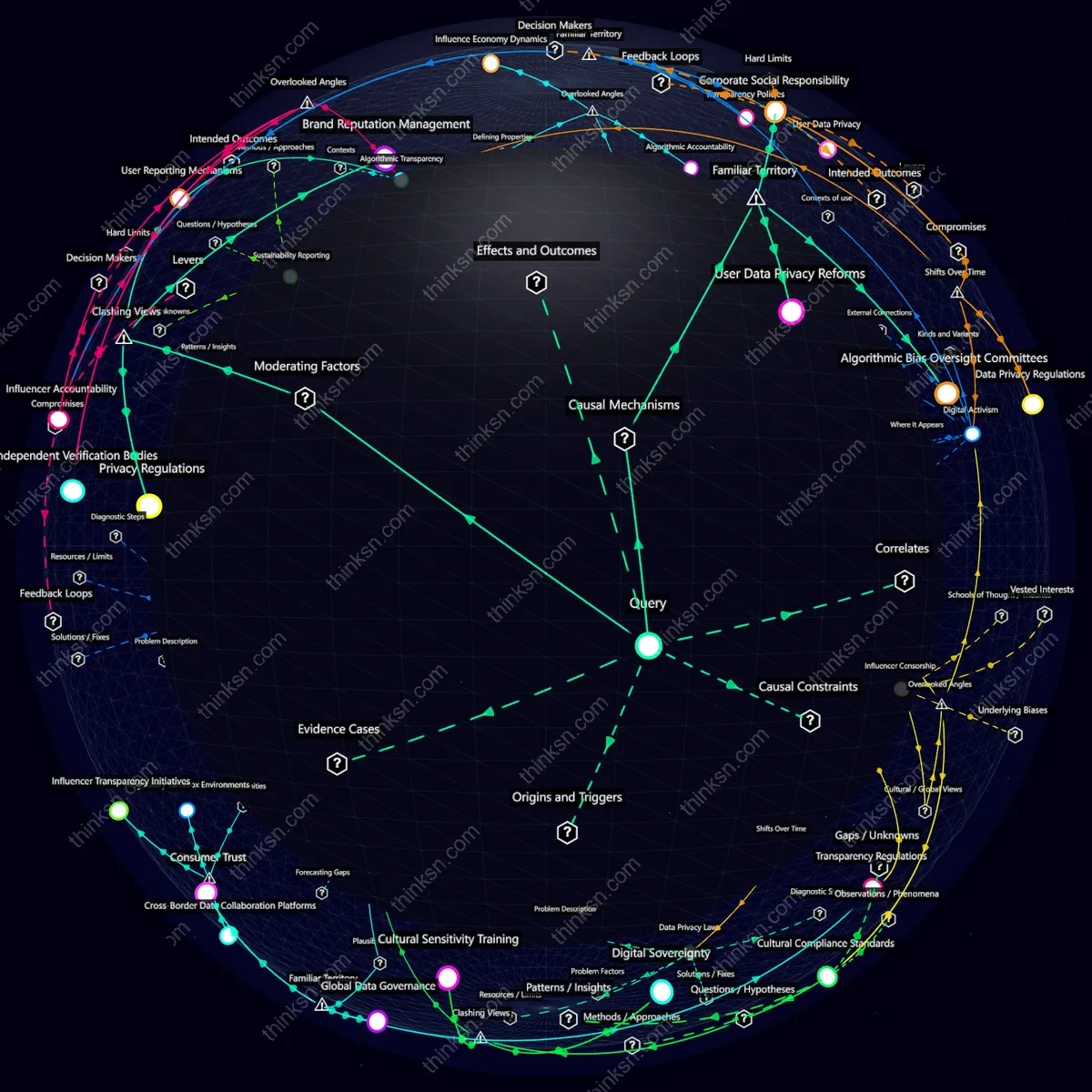
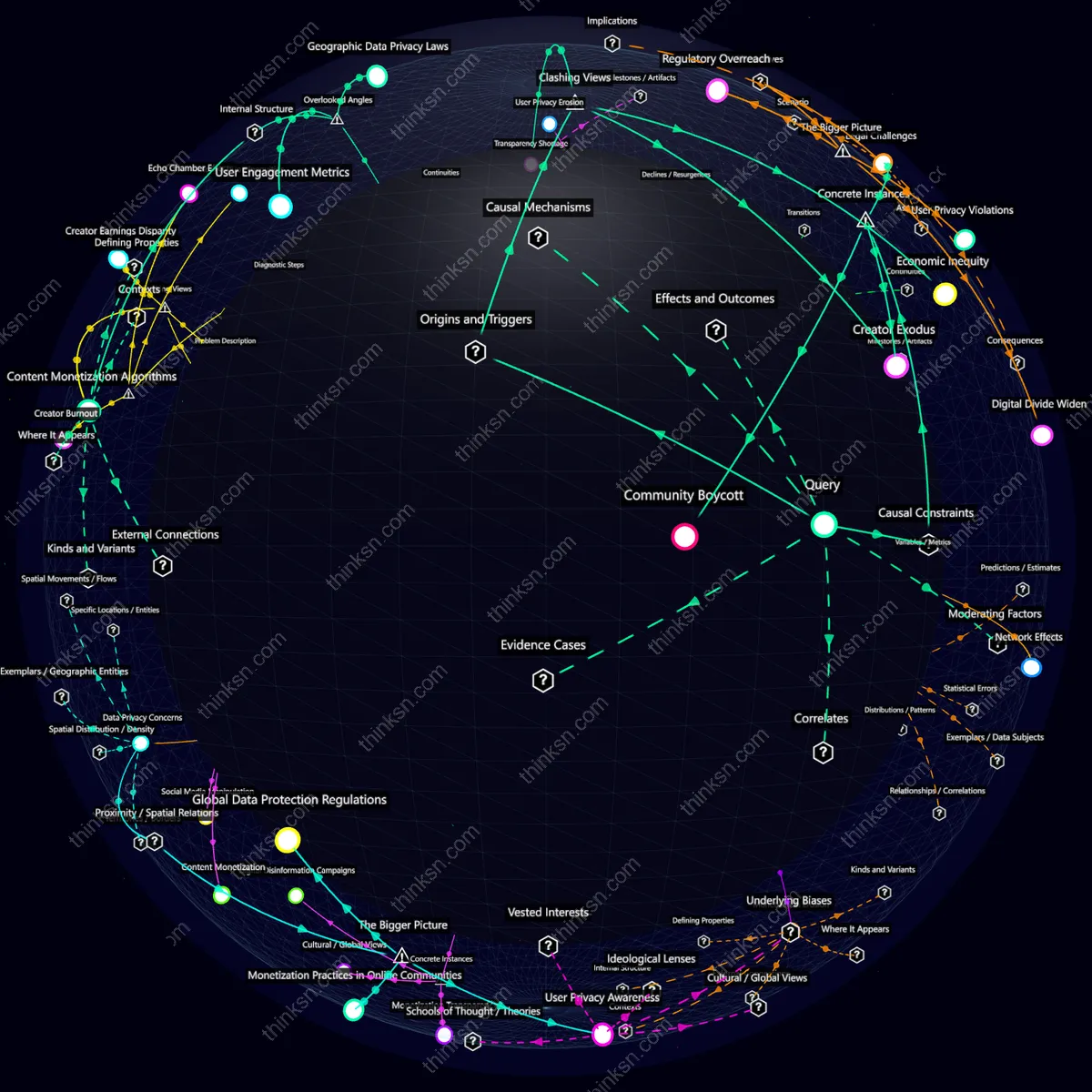
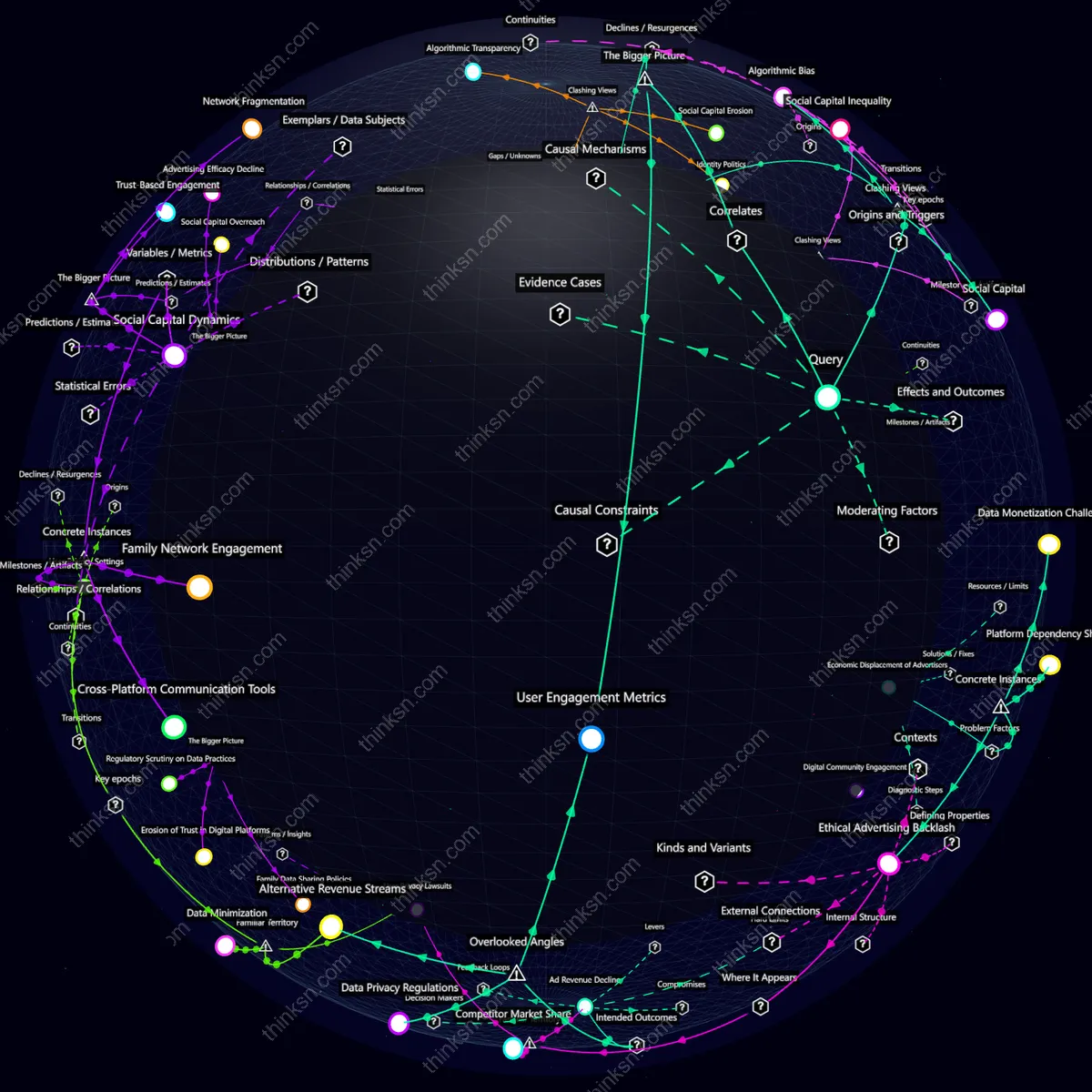
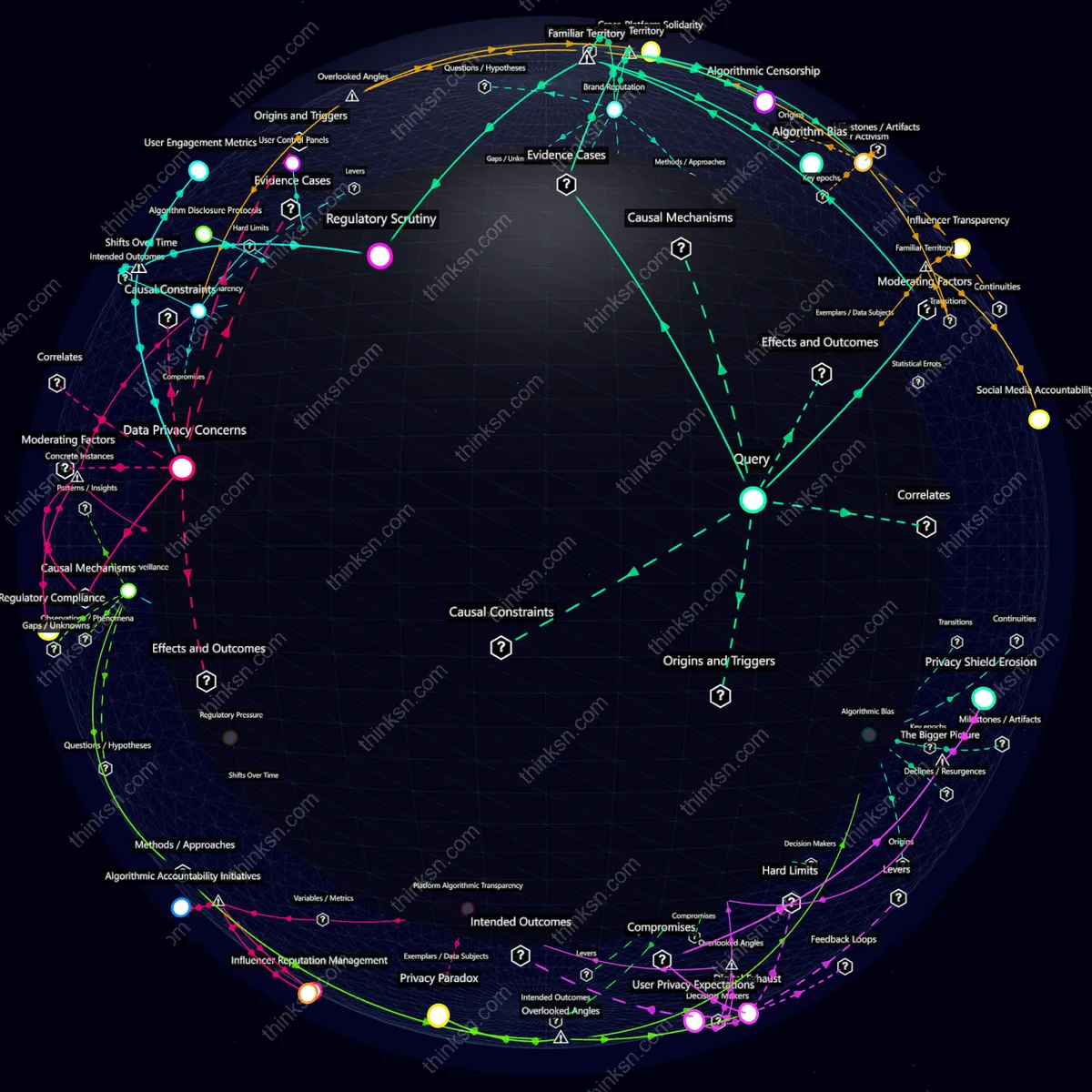
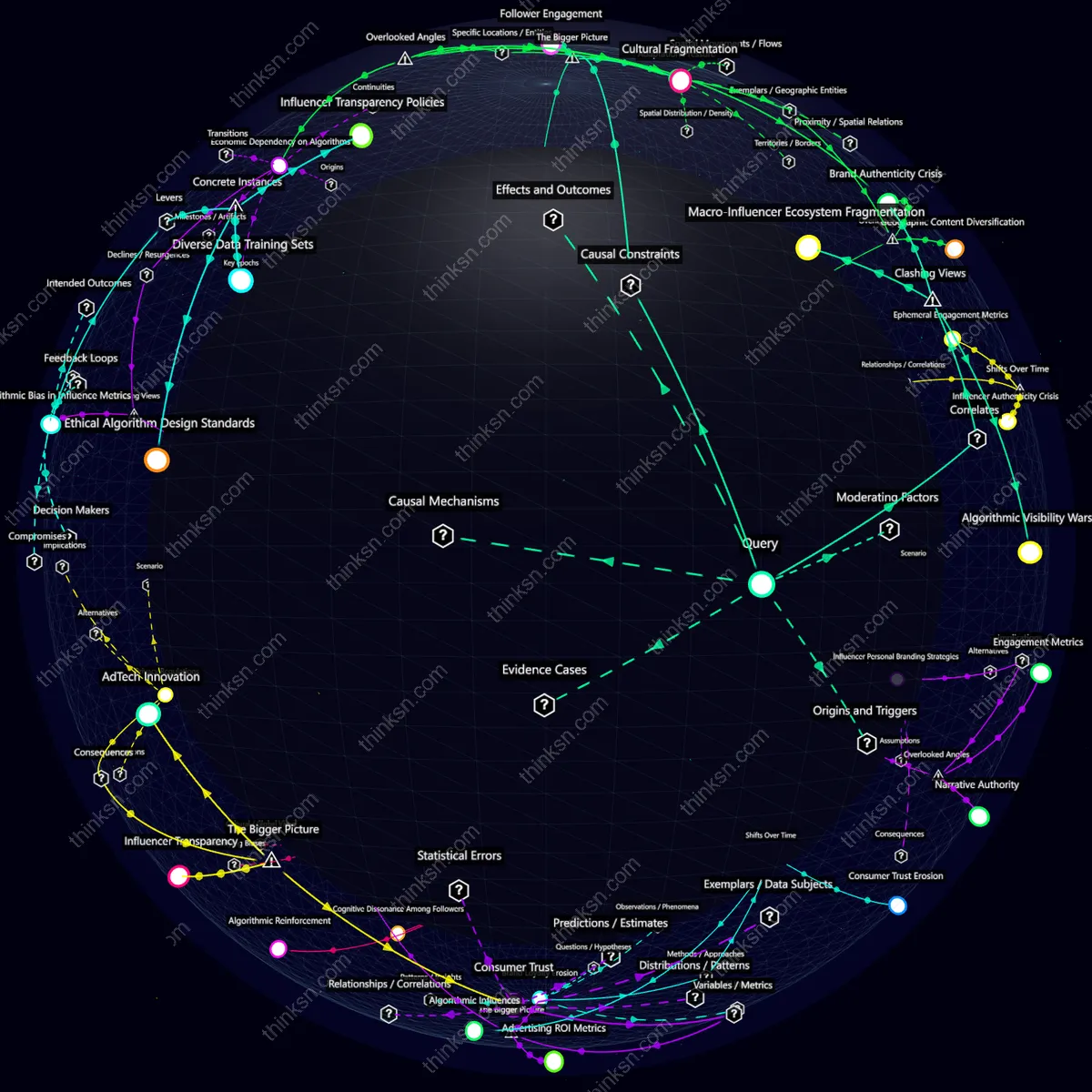
Analysis reveals 5 key thematic connections.
Key Findings
Ad Revenue Disruption
The introduction of ad-blocking rewards could trigger a significant shift in brands' advertising strategies on social media platforms, potentially causing them to divert funds from traditional ads to other forms of engagement like influencer marketing and content creation. This disruption highlights the fragile dependency many brands have on direct advertising revenue for brand visibility.
User Engagement Inflation
As non-ad engagement is rewarded, there might be a surge in user activity that doesn't directly translate to brand awareness or sales, leading to an inflationary effect where the value of real interactions becomes diluted. Brands could face challenges in accurately measuring ROI and may end up investing more without seeing commensurate benefits.
Algorithmic Bias
The platform's algorithm might become biased towards non-ad content, potentially harming smaller brands that rely heavily on organic reach to compete with larger advertisers. This shift could exacerbate existing inequalities in the market, making it harder for startups and niche businesses to gain visibility through social media.
Digital Activism
The introduction of a social media platform rewarding non-ad engagement through ad blocking could catalyze digital activism by incentivizing users to boycott advertising, potentially shifting the balance of power from brands to consumers. However, this shift may be fragile and contingent on the platform's ability to maintain user trust amid potential privacy concerns.
Algorithmic Transparency
Brands will face increased pressure to understand and adapt to new algorithmic transparency standards set by platforms rewarding non-ad engagement. This could lead brands to invest heavily in data analytics and AI-driven content strategies, but it also risks exacerbating information asymmetries between large corporations and smaller businesses that lack the resources for sophisticated tech integration.
Deeper Analysis
How might User Engagement Inflation impact brands' strategies towards a new social media platform that rewards non-ad engagement through ad blocking?
Digital Fatigue Syndrome
User Engagement Inflation exacerbates Digital Fatigue Syndrome as brands struggle to maintain high engagement levels through relentless content bombardment, leading users to adopt more aggressive ad-blocking measures and fostering a vicious cycle of diminishing returns for advertisers.
Attention Economy Fragmentation
As User Engagement Inflation escalates on new social media platforms that reward non-ad interaction, brands face the paradox of an increasingly fragmented Attention Economy where genuine user engagement becomes scarce, forcing them to innovate beyond traditional metrics like likes and shares.
Algorithmic Feedback Loops
User Engagement Inflation triggers complex algorithmic feedback loops that prioritize content based on ephemeral metrics, often benefiting short-lived trends over substantive brand messaging. This creates a volatile environment where brands must constantly adapt to shifting user preferences, risking investment in fleeting opportunities rather than long-term engagement strategies.
How might digital activism influence brands' strategies towards a new social media platform that rewards non-ad engagement through ad blocking?
Privacy Advocacy Groups
Digital activism by privacy advocacy groups can compel brands to reconsider their data collection practices on new platforms, leading to a shift towards more user-centric policies. However, this pressure may paradoxically incentivize brands to develop sophisticated methods for indirect data gathering, undermining the activists' goals.
User-Generated Content Policies
Digital activism can prompt social media platforms to tighten or relax their user-generated content (UGC) policies. Brands might exploit these changes by engaging in subtle forms of influencer marketing, which could blur lines between organic and sponsored content, complicating user perceptions and regulatory oversight.
Algorithmic Transparency
Digital activists pushing for algorithmic transparency may force brands to adopt more transparent engagement metrics. While this can build trust with users, it also makes brand performance more susceptible to public scrutiny, potentially exposing strategic vulnerabilities during high-stakes campaigns or crises.
How might Digital Fatigue Syndrome influence brands' reactions to a new social media platform that rewards non-ad engagement through ad blocking?
Social Media Detox Movement
As users experience Digital Fatigue Syndrome, they increasingly join social media detox movements, which paradoxically rely on these platforms for organizing and spreading awareness. This creates a fragile dependency where the very platforms causing fatigue become critical in addressing it.
Algorithmic Content Moderation
Brands may leverage algorithmic content moderation to ensure their non-ad engagement is noticed, but this can backfire if users perceive such tactics as manipulative or intrusive, exacerbating Digital Fatigue Syndrome and leading to a boycott of the brand's social media efforts.
Adaptive User Interfaces
In response to Digital Fatigue Syndrome, brands might invest in adaptive user interfaces that learn individual user preferences. However, this approach risks reinforcing personalized echo chambers, limiting exposure to diverse viewpoints and undermining broader community engagement on the new platform.
Explore further:
- How might algorithmic content moderation on a new social media platform that rewards non-ad engagement through ad blocking affect brand strategies and user behavior?
- How might adaptive user interfaces evolve in response to a new social media platform that rewards non-ad engagement through ad blocking?
How might privacy advocacy groups formulate strategies to leverage a new social media platform that rewards non-ad engagement through ad blocking, and what are the potential impacts on brands' reactions and behaviors?
Digital Sovereignty Initiatives
Privacy advocacy groups may see digital sovereignty initiatives as a natural extension of their mission, but these efforts can lead to fragmented online ecosystems, hindering interoperability and data portability. This risk could be exacerbated if dominant tech firms respond with proprietary standards that further entrench user lock-in.
Algorithmic Transparency Campaigns
Advocacy groups pushing for algorithmic transparency on new social media platforms might encounter resistance from platform owners who prioritize a smooth user experience over complex disclosures. This could lead to a public perception gap, where users expect more but receive less information about how their data is used and shared.
Collaborative Data Aggregation Platforms
Privacy advocacy groups might champion the creation of collaborative data aggregation platforms as an alternative to social media's ad-blocking model. However, this could face legal challenges over data privacy laws or be seen as anticompetitive by regulators, creating a dilemma between user control and regulatory compliance.
How might algorithmic content moderation on a new social media platform that rewards non-ad engagement through ad blocking affect brand strategies and user behavior?
User Engagement Metrics
Algorithmic content moderation on a platform that rewards non-ad engagement through ad blocking can distort user behavior as they seek to maximize their reward points. This shift might lead users to engage more with organic content and less with ads, potentially undermining the effectiveness of traditional brand advertising strategies.
Brand Transparency Initiatives
As brands adapt to an environment where direct ad engagement is discouraged or hidden, they may invest heavily in transparent content marketing that integrates seamlessly into user-generated discussions. This strategy hinges on building authentic connections and trust but requires a deep understanding of the platform's moderation algorithms.
Algorithmic Bias and Censorship
The implementation of strict algorithmic content moderation can inadvertently create echo chambers or filter out diverse viewpoints, affecting how brands are perceived. Brands must navigate these complexities to avoid alienating users who feel their voices are being silenced by overly restrictive moderation.
How might adaptive user interfaces evolve in response to a new social media platform that rewards non-ad engagement through ad blocking?
Context-aware Advertising
Adaptive user interfaces may evolve to leverage context-aware advertising, which personalizes content based on real-time data and user behavior. However, this shift could exacerbate privacy concerns as platforms collect more granular data about users' activities and preferences, potentially leading to a backlash from users who value their digital sovereignty.
Incentivized Content Consumption
Platforms might introduce incentivized content consumption, where users earn rewards for engaging with non-advertising elements like community features or user-generated content. This could distort the way users interact with the platform, leading to a situation where engagement becomes less about genuine interest and more about maximizing rewards, thus undermining the authenticity of user interactions.
Ad-blocking Ecosystem
The rise of ad-blocking technologies could spur the development of adaptive interfaces that subtly integrate sponsored content into core functionalities or design elements. This approach might initially reduce friction between users and platforms but risks alienating advertisers who demand clear ROI metrics, potentially destabilizing revenue models.
What are the potential impacts and emerging trends within the ad-blocking ecosystem when brands face a new social media platform rewarding non-ad engagement through ad blocking?
Brand Engagement Strategies
Brands are forced to innovate and diversify their engagement strategies beyond traditional advertising as social platforms reward ad-free content, leading to a shift towards more organic, user-generated content that may not always align with brand messaging or target demographics.
User Privacy Concerns
As brands pivot towards less intrusive marketing tactics in response to ad-blocking trends, there's an increased focus on leveraging personal data for targeted engagement. This shift raises significant privacy concerns as users become more wary of sharing their information with companies.
AdTech Industry Reorganization
The emergence of platforms rewarding non-ad engagement is accelerating the reorganization of the adtech industry, leading to consolidation and innovation in alternative monetization models. However, this also creates a fragile ecosystem where small players struggle to compete with large tech companies that can afford more experimental approaches.
Digital Privacy Advocacy Groups
The rise of platforms rewarding non-ad engagement through ad blocking incentivizes digital privacy advocacy groups to expand their influence and resources. This shift could lead to a fragmented online advertising industry, as these groups challenge the legitimacy of targeted ads, pushing advertisers towards more intrusive data collection practices in response.
Brand-Centric Social Media
As social media platforms reward non-ad engagement through ad blocking, brands may face increased pressure to create their own walled gardens or proprietary networks. This could exacerbate the digital divide by limiting access and exposure for independent content creators who rely on open platforms.
Explore further:
- How might brand engagement strategies need to adapt in response to a new social media platform that rewards non-advertising interactions by blocking ads, and what are the potential systemic strains or failures this could cause?
- How might digital privacy advocacy groups collaborate with brands to develop strategies for engaging on a new social media platform that rewards non-ad engagement through ad blocking?
How might brand engagement strategies need to adapt in response to a new social media platform that rewards non-advertising interactions by blocking ads, and what are the potential systemic strains or failures this could cause?
User-Centric Content Creation
The shift towards user-centric content creation forces brands to adapt by focusing on organic engagement rather than paid advertising. This change emphasizes authentic storytelling and community building, but it also risks diluting brand messages amid the noise of user-generated content.
Algorithmic Visibility
Changes in social media algorithms that prioritize non-advertising interactions can create a paradox where brands must invest more in organic content to achieve visibility. This shift strains marketing budgets and requires brands to develop sophisticated content strategies, often at the expense of immediate sales goals.
Influencer Authenticity
The rise of influencer partnerships as a key engagement strategy becomes riskier with platforms penalizing inauthentic interactions. Brands must vet influencers more rigorously to maintain credibility and avoid algorithmic penalties, leading to systemic challenges like reduced ROI on influencer marketing budgets.
User Experience Design for Transparency
The shift towards rewarding non-advertising interactions forces brands to rethink transparency in UX design. Brands must now clearly communicate the value of their content without overt marketing, risking a delicate balance between engagement and intrusion that could alienate users if not handled carefully.
Algorithmic Bias Mitigation
As platforms prioritize non-advertising interactions, brands face systemic strains from algorithmic bias towards user-generated content. This can lead to unintended consequences where brand visibility is unfairly diminished, necessitating brands to invest in understanding and navigating complex algorithmic landscapes to avoid marginalization.
Community-Driven Content Ecosystems
The emergence of platforms that devalue ads shifts the focus towards fostering authentic community-driven content ecosystems. Brands must evolve from being mere advertisers to becoming integral parts of these communities, facing challenges in building genuine relationships and risk failing if they rely too heavily on traditional advertising methods.
Explore further:
- How might influencer authenticity evolve in response to a social media platform rewarding non-ad engagement through ad blocking, and what mechanisms drive this evolution over time?
- How might algorithmic bias in rewarding non-ad engagement on a new social media platform affect brand strategies and user interactions?
How might influencer authenticity evolve in response to a social media platform rewarding non-ad engagement through ad blocking, and what mechanisms drive this evolution over time?
Algorithmic Transparency
As platforms reward non-ad engagement through ad-blocking measures, influencers may exploit algorithmic transparency gaps to maintain authenticity. This manipulation risks eroding user trust and could lead to a regulatory backlash if seen as deceptive practices.
Micro-Influencer Rise
The shift towards rewarding genuine content over ads benefits micro-influencers, who often have smaller but highly engaged communities. However, this surge in popularity may create a new class of fraudulent actors mimicking authentic engagement metrics to attract brands and advertisers.
Content Sponsorship Disclosure
In response to rewarded non-ad interactions, influencers might increasingly disclose sponsored content to maintain authenticity and audience trust. This transparency could backfire if overused or poorly managed, diluting the impact of genuine endorsements and confusing audiences about what is genuinely organic versus paid.
User Skepticism
As social media platforms reward influencers for non-ad engagement while users increasingly block ads, a cycle of user skepticism about influencer authenticity emerges. Users become wary of sponsored content and demand more genuine interactions, forcing influencers to adopt a hybrid strategy that blends personal content with subtle product placements.
Algorithmic Bias
The rise in ad-blocking technology leads social media algorithms to prioritize engagement metrics over direct advertisements, inadvertently creating algorithmic bias favoring non-ad related content. This shift pressures influencers to create more shareable and engaging personal narratives rather than overtly commercialized posts, complicating their efforts to maintain a balance between authenticity and financial gain.
Niche Community Formation
In response to the platform’s push for non-ad engagement, niche communities form around influencers who demonstrate genuine interactions and authentic content creation. This leads to increased loyalty among these smaller, more engaged follower bases, but also exacerbates fragmentation within broader social media ecosystems, making it harder for mid-tier influencers to achieve wide-scale recognition.