The Impact of Prioritizing Organic Content Over Paid Ads in Search Algorithms
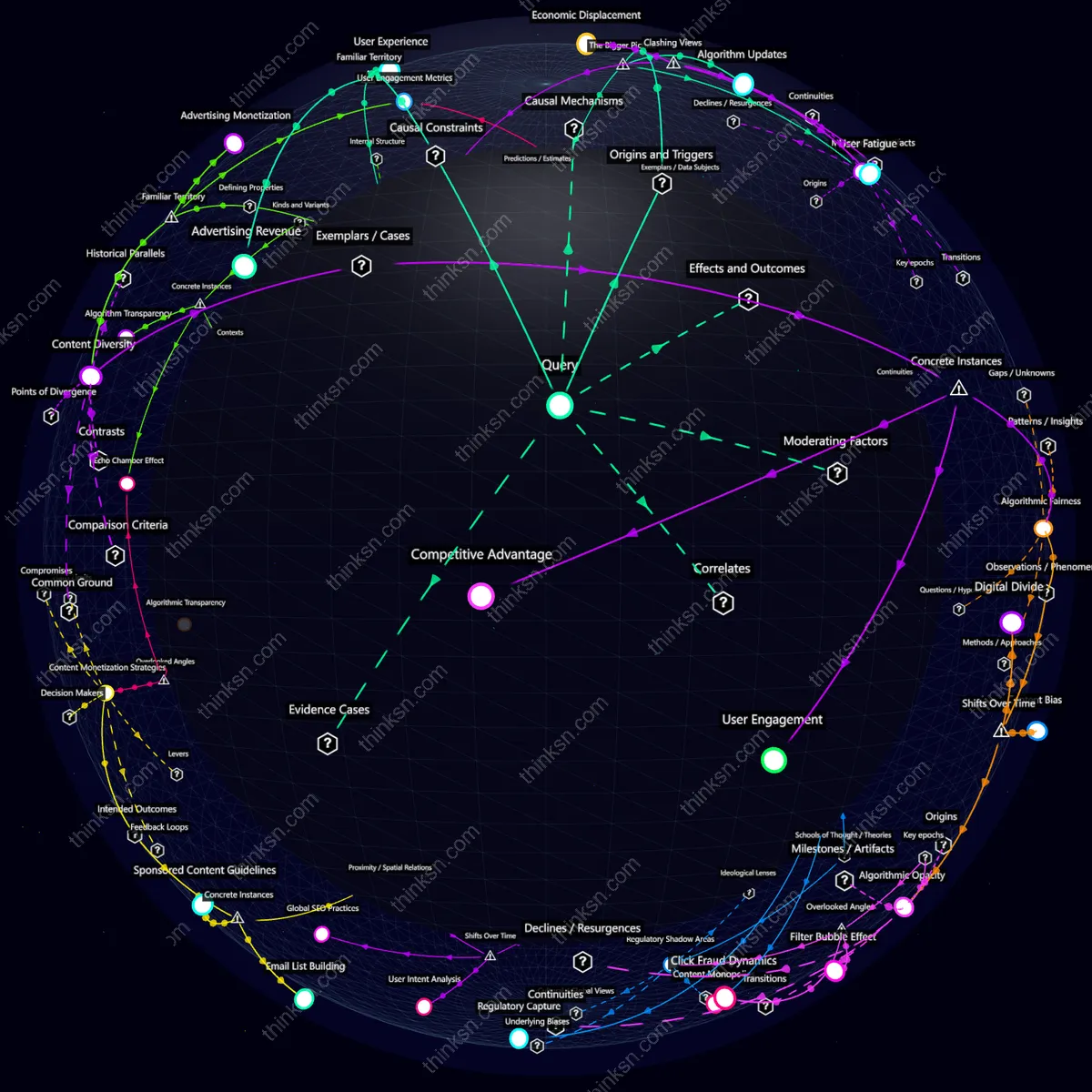
Analysis reveals 6 key thematic connections.
Key Findings
SEO Strategy
Prioritizing organic content shifts SEO strategies from short-term ad campaigns to long-term keyword optimization and quality content creation. This can undermine the effectiveness of existing paid advertising efforts, forcing marketers to adapt their tactics rapidly.
Algorithm Updates
Search engine algorithms may incorporate more sophisticated metrics to distinguish organic content from ads, potentially favoring user experience and engagement over simple keyword frequency or backlinks. This systemic change can lead to higher scrutiny of content quality and relevance by search engines.
User Behavior
Increased reliance on organic results may alter how users perceive the credibility and value of sponsored ads, leading them to question the authenticity of promoted content. Consequently, businesses might face challenges in maintaining visibility through paid means without compromising their organic presence.
Algorithmic Bias
Prioritizing organic content over paid ads can exacerbate algorithmic bias by reducing the diversity of information available to users. Search engines may inadvertently favor established brands and websites with abundant natural traffic, marginalizing smaller or newer entities that rely more heavily on advertising.
Advertising Revenue
Dependence on ad revenue from organic content prioritization can lead search engines to subtly manipulate their algorithms. This might include tweaking how ads are displayed or valued, potentially undermining the integrity of both organic and paid results as competition for visibility increases.
User Experience
Focusing heavily on organic content quality can improve user experience by providing more relevant and trustworthy information. However, this shift may also create bottlenecks where highly competitive niches see a dramatic reduction in advertising opportunities, harming businesses that rely on targeted ads to reach potential customers.
Deeper Analysis
What are the potential negative impacts on SEO strategy when a search engine prioritizes organic content over paid ads, and how can these effects be quantitatively measured?
User Engagement Metrics
When search engines prioritize organic content over paid ads, businesses must rely more heavily on user engagement metrics to gauge success. This shift can lead to an overemphasis on click-through rates (CTR) and time-on-page at the expense of less quantifiable factors like brand loyalty or customer satisfaction, potentially neglecting long-term SEO strategy benefits.
Algorithmic Bias
Prioritizing organic content may introduce algorithmic biases that favor established websites with deep archives over new entrants. This can create a feedback loop where newer sites struggle to gain visibility, even if they offer high-quality content or innovative solutions. Such bias can stifle competition and innovation in the digital space.
Content Farming
The push towards organic ranking can incentivize 'content farming', where websites generate large volumes of low-quality content solely to attract more search engine traffic. This strategy often leads to a degradation in overall web quality and user experience, harming the long-term health of SEO strategies that rely on high-value content.
How has prioritizing organic content over paid ads influenced user behavior and search engine outcomes over time, and what mechanisms drive this evolution?
Algorithmic Bias
As platforms prioritize organic content over paid ads, algorithmic bias can disproportionately favor established brands with large user bases, marginalizing smaller voices and reducing diversity in search outcomes. This creates a self-reinforcing cycle where visibility amplifies existing dominance, stifling innovation and new entrants.
User Fatigue
The shift towards organic content has led to an overload of information, causing user fatigue as individuals struggle with information overload from unfiltered sources. This can result in decreased engagement and a growing preference for curation by trusted entities rather than broad exposure to all available content.
Economic Displacement
Prioritizing organic content has significant economic implications, particularly for digital marketers who rely on advertising revenue. As ad spending shifts towards more effective or less costly methods, small businesses and independent creators face a tougher landscape, leading to an industry-wide realignment that may inadvertently favor larger corporations with deeper pockets.
What is the impact of prioritizing organic content over paid ads on algorithmic bias in leading search engine algorithms and outcomes?
Content Diversity
Prioritizing organic content over paid ads can reduce content diversity by favoring established creators with existing followings. This biases the algorithm towards mainstream narratives, silencing niche voices and undermining innovation in less popular but valuable areas.
User Engagement Metrics
Search engines may rely heavily on user engagement metrics to determine organic ranking. However, these metrics can be gamed by SEO practices that exploit human biases, leading to a vicious cycle where algorithmic bias reinforces existing prejudices and misinformation proliferates.
Advertising Monetization
When search engines prioritize organic content over paid ads, advertisers may shift towards more aggressive tactics like dark patterns or manipulative design to drive ad revenue. This can lead to a degradation of user experience and trust in the platform as users perceive increasing levels of manipulation.
Filter Bubble
Prioritizing organic content over paid ads can exacerbate filter bubbles as search engines rely more on user behavior data to personalize results, potentially limiting exposure to diverse viewpoints and reinforcing existing biases.
Echo Chamber Effect
Organic content algorithms that favor engagement metrics may amplify the echo chamber effect by pushing highly polarized or niche content to users with similar interests, thereby deepening algorithmic bias in search outcomes.
Algorithm Transparency
The shift towards organic content prioritization can obscure how search results are generated and manipulated, challenging efforts at algorithm transparency and accountability as companies may hide behind the veil of user-driven data to avoid scrutiny.
How does prioritizing content diversity in organic content affect a leading search engine's algorithms and outcomes compared to paid ads?
Algorithmic Fairness
Prioritizing content diversity in organic search results can enhance algorithmic fairness by reducing bias and ensuring a wider range of voices are heard. However, this may also expose the system to manipulation by entities that exploit underrepresented niches for their own gain.
User Engagement
Content diversity encourages users to explore varied topics beyond popular trends, potentially increasing engagement and satisfaction with search outcomes. Conversely, overly diverse results might dilute relevance, leading some users to turn towards paid ads for quicker, more tailored information access.
Competitive Advantage
Organic content diversity can level the playing field by providing non-advertising-based visibility for smaller entities, yet also creates challenges for established players who rely on predictable rankings from organic search. This may prompt larger companies to invest more in targeted advertising to maintain their competitive edge.
How might prioritizing organic content over paid ads evolve the filter bubble effect within search engine algorithms over time?
Algorithmic Transparency
As search engines prioritize organic content over paid ads to mitigate filter bubbles, the push for algorithmic transparency becomes paramount. However, increased transparency can expose complex biases and conflicts of interest, leading users to question the neutrality of search results, thereby undermining trust in digital platforms.
Echo Chamber Effect
Prioritizing organic content may inadvertently strengthen the echo chamber effect by surfacing more personalized but narrow information silos. This shift could exacerbate political polarization as users are increasingly shielded from opposing viewpoints, challenging democratic principles of informed debate and consensus-building.
Content Monetization Strategies
The shift towards organic content prioritization forces publishers to develop alternative monetization strategies, potentially leading to an overreliance on controversial or sensationalist content to attract clicks. This can distort the information landscape, creating a paradox where quality and relevance are compromised in favor of engagement.
What are the emerging insights and hidden assumptions about algorithmic fairness when prioritizing organic content over paid ads in search engine outcomes?
Content Bias
As search engines prioritize organic content over paid ads, they inadvertently amplify the visibility of certain narratives, potentially reinforcing existing biases and stereotypes. This can marginalize voices from underrepresented communities who often lack the resources to compete with established entities in both ad space and SEO optimization.
Digital Divide
The shift towards organic content prioritization intensifies the digital divide by disadvantaging small businesses and independent creators without substantial organic reach. While this may seem fair, it risks undermining diverse market competition and innovation, as only those with existing online clout gain visibility.
Algorithmic Opacity
The opaque nature of search engine algorithms hinders transparency around how content ranking decisions are made, making it difficult to hold platforms accountable for potential biases or discriminatory practices. This lack of clarity exacerbates concerns over algorithmic fairness and the equitable treatment of users.
What are the potential strategies for content monetization when prioritizing organic content over paid ads in a leading search engine's ecosystem?
Affiliate Marketing Programs
When a brand partners with influencers to promote its products through links embedded in their organic content, the affiliate model can significantly boost sales but may also lead to a loss of direct traffic if not managed carefully. Influencers often prioritize partnerships that offer higher commissions over those aligned with their audience’s interests.
Email List Building
Optimizing organic content for email list growth can drive immediate revenue through targeted campaigns, yet it requires a delicate balance to avoid overwhelming users and damaging brand loyalty. For example, news websites might offer exclusive content in exchange for email sign-ups, risking the alienation of readers who see this as intrusive.
Sponsored Content Guidelines
Creating sponsored content that blends seamlessly with organic material can enhance monetization but poses risks if not clearly labeled. This approach may lead to regulatory scrutiny and loss of trust if users perceive it as deceptive, as seen in recent cases where major platforms faced backlash for failing to distinguish between ads and regular posts.
How has the evolution of algorithmic opacity in leading search engines affected the causal relationship between prioritizing organic content over paid ads and search outcomes over time?
Filter Bubble Effect
Algorithmic opacity intensifies filter bubbles by obscuring how search engines prioritize content. As users see only personalized results, they may become less aware of broader trends and diverse viewpoints, inadvertently reinforcing echo chambers.
Click Fraud Dynamics
The complexity of algorithms that distinguish between organic clicks and paid ad performance can lead to underreported click fraud. This opacity creates a fertile ground for malicious actors exploiting the system's inability to detect subtle manipulations accurately, undermining trust in search outcomes.
Regulatory Shadow Areas
Algorithmic opacity complicates legal oversight and regulation by obscuring key decision-making processes within algorithms. This ambiguity leaves critical regulatory gaps where harmful practices can thrive undetected, creating a shadow area ripe for exploitation by unethical actors.
In what ways might prioritizing organic content over paid ads affect affiliate marketing programs within leading search engine algorithms and outcomes?
Organic Search Rankings
Prioritizing organic content over paid ads can significantly elevate the importance of SEO in affiliate marketing programs. As search engines favor high-quality, relevant content, affiliates must invest more in creating valuable user experiences and establishing authority, leading to a shift from immediate sales tactics towards long-term engagement strategies.
Click-Through Rates (CTR)
Higher organic rankings can increase visibility but may also dilute the effectiveness of affiliate marketing links if users bypass them for direct searches. This could lead to a paradox where higher SEO performance does not necessarily translate into more affiliate sales, challenging affiliates to innovate and find new ways to integrate seamlessly within organic content.
Algorithmic Trust Signals
Search engines increasingly rely on user behavior and engagement metrics as trust signals. This can benefit affiliate marketing programs that align with high-quality organic content strategies but poses a risk for those relying solely on aggressive ad placements, potentially leading to a widening gap between effective and ineffective affiliates.
What are the potential regulatory shadow areas that arise from prioritizing organic content over paid ads in search engine algorithms, and how might these impact diverse viewpoints and emerging insights within the industry?
Algorithmic Bias
Prioritizing organic content can lead to algorithmic bias where search engines favor established voices over emerging insights and diverse viewpoints, potentially silencing underrepresented communities and stifling innovation.
Content Monopolies
Search engine algorithms that heavily prioritize organic content may inadvertently create monopolistic conditions for certain types of content creators or platforms, limiting the visibility of smaller players and reducing market competition.
Regulatory Capture
The dominance of organic search results can lead to regulatory capture by large tech companies, influencing the creation of new regulations that benefit them at the expense of fair play for emerging content creators and users seeking diverse perspectives.
What is the impact of prioritizing organic content over paid ads on a leading search engine's organic search rankings and how are these changes spatially distributed across different regions or user bases?
Click-Through Rates (CTR)
Prioritizing organic content over paid ads can lead to significant shifts in Click-Through Rates as users increasingly rely on natural search results, potentially undermining the ROI of traditional ad campaigns. This shift amplifies the importance of SEO strategies but may also expose websites with weaker organic visibility to a decline in traffic.
User Intent Analysis
Organic search rankings that emphasize content relevance can reshape user intent analysis, as search engines refine algorithms to better understand and match user queries. This evolution could lead to more accurate but also unpredictable changes in how users interact with specific websites or industries, impacting businesses reliant on consistent traffic patterns.
Global SEO Practices
The impact of prioritizing organic content varies spatially due to regional differences in internet usage and cultural preferences. For instance, localized SEO practices might thrive where language-specific queries are common, but they can also face challenges if global search algorithms shift priorities away from regionally specific keywords or content types.