Mutual Aid Infrastructures
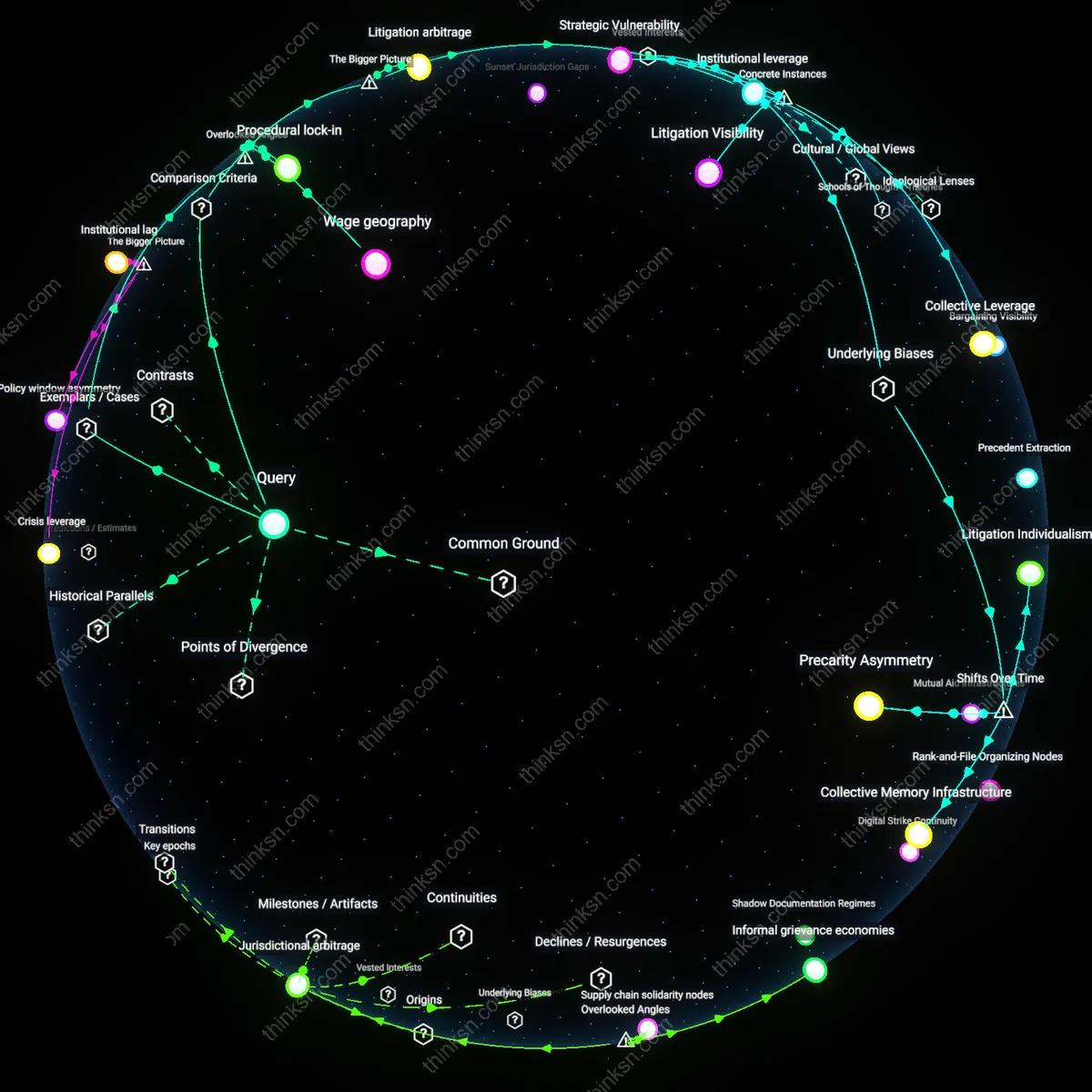
Union networks in retail sustained activity during NLRB delays by establishing localized mutual aid funds in Minneapolis during the 2020-2022 Amazon Flex driver organizing push, where rank-and-file workers distributed strike subsidies, legal stipends, and grocery vouchers through encrypted Telegram groups and community churches. This system bypassed formal union hierarchies and NLRB-dependent remedies by treating material survival as a direct action tool, revealing that autonomous resource pooling—distinct from collective bargaining—can preserve worker cohesion when legal timelines erode momentum. The non-obvious insight is that these networks treated delay itself as a predictable condition of struggle, not an obstacle, building resilience into the organizing model from the outset.
Counterpublic Organizing Hubs
During the protracted NLRB proceedings against Starbucks in Buffalo (2021–2023), union networks repurposed closed retail locations and employee apartments into counterpublic hubs where workers conducted parallel grievance processing, media production, and legal literacy training independent of NLRB timelines. These spaces operated as alternative institutional nodes that sustained collective identity and tactical continuity despite employer legal stalling, demonstrating that spatial reoccupation—even without formal recognition—can function as a political infrastructure. The underappreciated mechanism is how physical sites of defiance become institutional substitutes when state processes are weaponized to delay, converting spatial tactics into durable organizing capacity.
Shadow Documentation Regimes
In the SEIU-backstopped Walmart retail campaigns across Texas (2017–2021), union-aligned worker leaders maintained parallel documentation systems—logging retaliation incidents, scheduling abuses, and customer complaints in encrypted digital ledgers hosted on worker-controlled servers outside corporate and NLRB access. This shadow record-keeping preserved evidentiary continuity and worker trust during NLRB case delays averaging 18 months, functioning as a subaltern audit mechanism that pre-empted employer denials and internalized accountability. The critical insight is that evidentiary sovereignty, not just legal filing, becomes a strategic asset when regulatory processes are protracted, allowing workers to assert narrative control despite institutional silence.
Contract Leverage Infrastructure
Union networks in retail sustained worker support during prolonged NLRB delays by leveraging existing collective bargaining agreements from adjacent jurisdictions or sister stores under the same employer. This mechanism operated through regional union chapters—such as those in the United Food and Commercial Workers (UFCW)—that redirected resources, legal aid, and strike funds from unionized locations to non-union sites mired in NLRB proceedings. Although the public often associates union power with formal recognition, the non-obvious reality is that established contracts elsewhere function as hidden backbones, enabling logistical and financial continuity where legal recognition is pending.
Grassroots Narrative Escalation
Retail unions maintained momentum during NLRB gridlock by channeling worker grievances into culturally resonant public campaigns, often deploying moral framing through social media, faith coalitions, and labor-aligned NGOs. Organizations like Workers United mobilized boycotts and 'solidarity pickets' that bypassed the need for legal victory by turning individual cases into ethical spectacles, such as framing union suppression as corporate greed during cost-of-living crises. The underappreciated insight here is that in the theater of public opinion—where retail labor struggles are already familiar terrain—moral visibility often substitutes for procedural progress, keeping networks active despite regulatory inertia.
Store-Level Peer Anchoring
Union activity persisted in retail during NLRB delays because informal networks of worker-organizers maintained communication and coordination through peer-to-peer leadership cells embedded within individual stores. These micro-structures, often coordinated via encrypted messaging apps and off-site meetings, replicated union functions—like grievance tracking and mutual aid—without relying on formal recognition, allowing continuity even when national campaigns stalled. While public discourse typically imagines unions as top-down legal entities, the lived reality in retail reveals that decentralized, relationship-based anchoring among coworkers sustains engagement far more than institutional processes during bureaucratic lag.
Informal grievance economies
Union networks in retail sustained momentum during NLRB delays by cultivating informal grievance economies where unresolved worker complaints were transformed into social currency within store-level clusters. Frontline organizers repurposed stalled formal processes by creating parallel systems—such as shift-based testimony logs and peer-judged injustice ratings—that gave emotional and tactical value to waiting periods, converting legal inertia into evidence-generating community rituals. This mechanism remained unseen because it operated outside grievance filing metrics and formal bargaining channels, yet it maintained participation by tethering legal struggle to daily workplace sociability, redefining delay not as dormancy but as accumulative political time.
Jurisdictional arbitrage
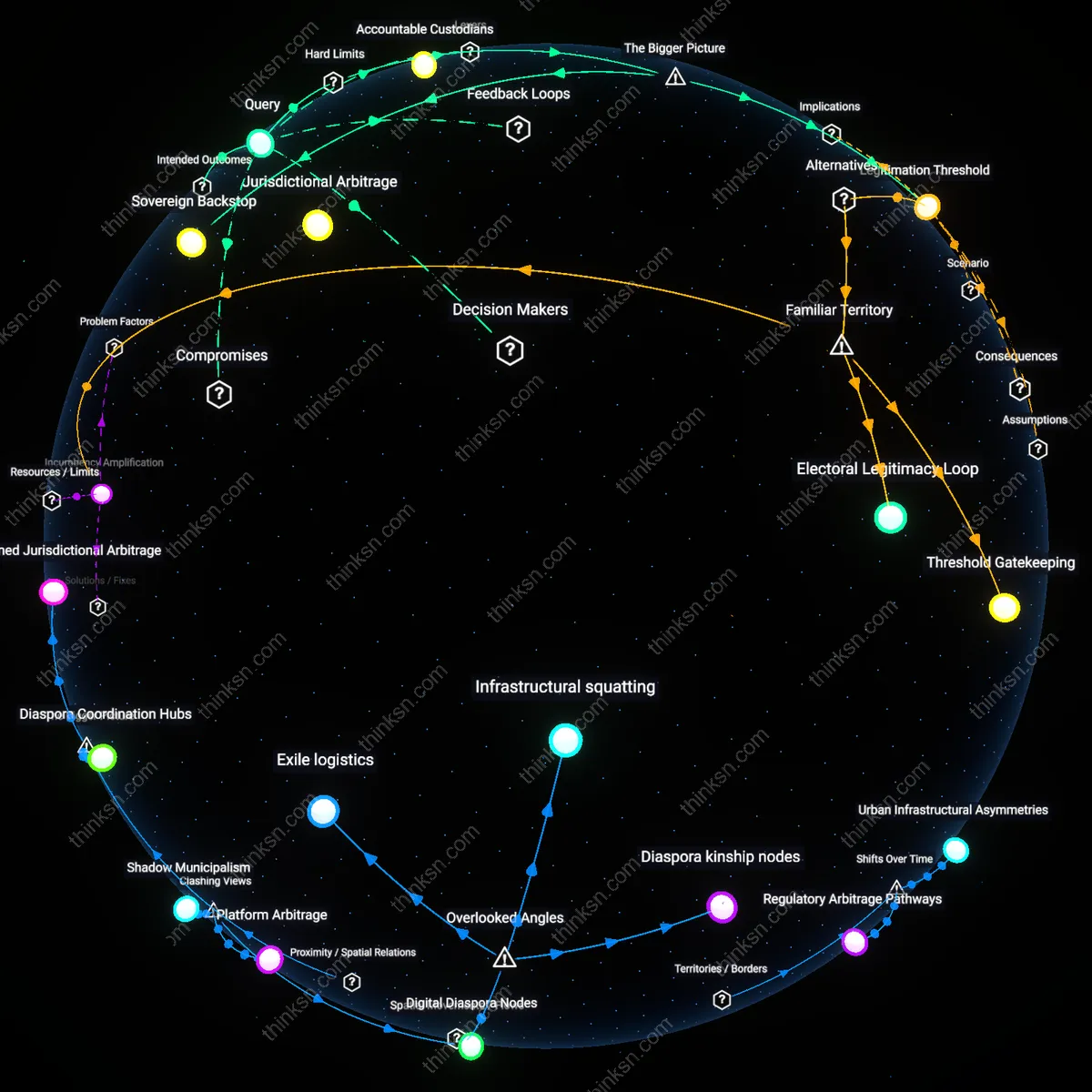
Retail union networks stayed active during NLRB case lags by leveraging jurisdictional arbitrage—strategically shifting worker demands from federal labor law forums to local domains like city wage boards, tenant unions in shopping malls, or municipal anti-discrimination agencies where adjudication was faster and more responsive. Organizers coordinated with non-labor-aligned institutions such as community land trusts and public health inspectors to reframe labor grievances as land-use or safety violations, enabling binding interventions that bypassed NLRB timelines. This tactic is overlooked because it fragments the image of a unified labor rights trajectory, yet it reveals how geographical and administrative fragmentation can be weaponized by workers when federal pathways are throttled.
Supply chain solidarity nodes
Retail union networks preserved continuity during NLRB delays by embedding themselves within supply chain solidarity nodes—connecting warehouse stewards, delivery drivers, and retail floor staff through shared logistics data and coordinated work pacing to stage micro-disruptions that bypassed the need for recognized bargaining units. These nodes used real-time restocking delays or inventory miscounts as joint leverage points, turning operational friction into moments of cross-site visibility and mutual aid, often without explicit strike actions. This dynamic is typically ignored because it sidesteps traditional worksite organizing models, but it shows how labor cohesion can form through material interdependence rather than legal recognition, making delays in one arena irrelevant to the emergence of power elsewhere.
Mutual Aid Infrastructure
Retail union networks sustained worker support during NLRB delays by institutionalizing mutual aid as a stopgap enforcement mechanism, shifting from reliance on state-mediated remedies to community-resourced solidarity systems. Starting in the 1990s, particularly in urban centers like New York and Los Angeles, local union chapters partnered with worker centers to create dues-adjacent funds, food pantries, and emergency cash pools, effectively decoupling worker survival from legal timelines. This shift marked a structural response to the weakening of federal labor enforcement after the 1980s, transforming mutual aid from an ad hoc tactic into a core operational feature—revealing how labor’s resilience increasingly depends on alternative economies outside formal adjudication.
Rank-and-File Organizing Nodes
Union networks in retail preserved continuity by decentralizing activism through rank-and-file organizing nodes, a strategic adaptation that emerged prominently during the post-2008 labor revitalization wave. As NLRB case backlogs grew amid increased employer litigation strategies, formal union hierarchies proved too slow, prompting local action committees within stores—such as those in the Retail, Wholesale and Department Store Union (RWDSU) campaigns at Walmart—to operate autonomous communication and pressure tactics, including shift strikes and social media call-outs. This transition from union-led to worker-sited organizing preserved mobilization capacity during bureaucratic delays, exposing how the locus of labor power has shifted from institutional representation to immediate workplace presence.
Digital Strike Continuity
Retail unions maintained operational momentum during NLRB delays by pivoting to digital strike continuity, a transformation solidified during the 2020–2022 pandemic wave of retail organizing. When physical pickets and hearings stalled, networks like those supporting Amazon Labor Union–affiliated retail units used encrypted apps, livestreamed grievance forums, and digital pledge-signing to sustain collective identity and pressure, effectively replacing in-person cohesion with asynchronous solidarity. This shift from analog to digitally mediated strike cultures allowed campaigns to survive years-long legal limbo, revealing how time-bound labor actions are being redefined through platform-mediated persistence rather than event-based confrontation.
Legal Temporality Exploitation
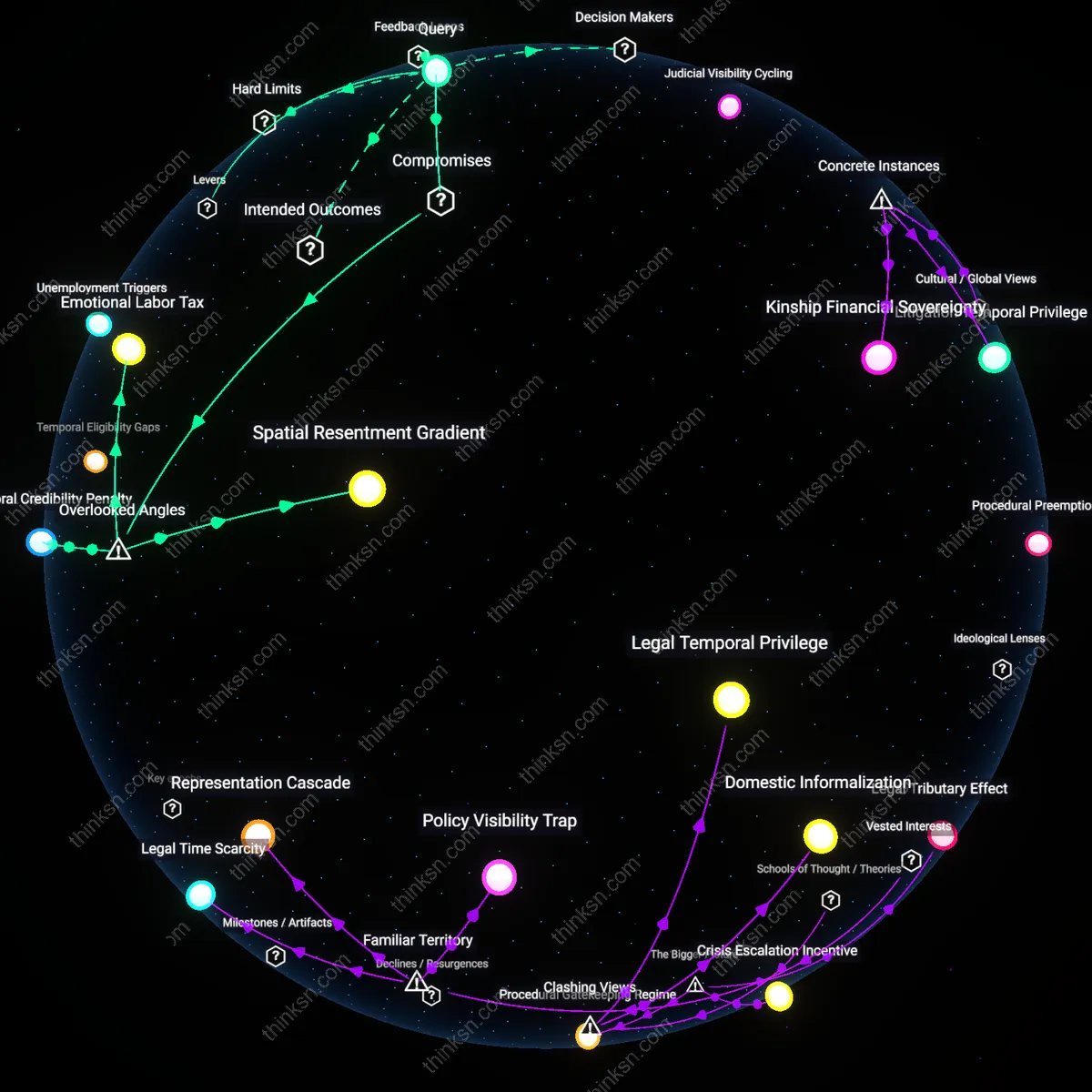
Union networks in retail sustained activity by repurposing the slow pace of NLRB adjudication into a strategic window for organizing, leveraging the prolonged uncertainty to deepen worker engagement through informal solidarity structures. Because NLRB case backlogs stretch proceedings over months or years, unions capitalized on the liminal period—when employer retaliation risks were high but formal legal outcomes pending—to build covert communication channels and mutual aid networks that operated outside official labor processes. This shift from legal dependency to extrajudicial organizing allowed unions to maintain presence without recognition, embedding themselves in daily workplace routines in ways that outlasted specific campaigns. The non-obvious insight is that system failure—the delay itself—became an enabling condition for more resilient, less formalized labor coordination.
Narrative Escalation Regime
Union networks preserved momentum during NLRB gridlock by weaponizing public storytelling through digital media, transforming case delays into proof of systemic employer impunity and regulatory failure. By redirecting the timeline of justice from legal resolution to viral amplification, organizers turned stagnant dockets into moral crises, pressuring brands via reputational risk rather than statutory enforcement. This narrative pivot engaged consumers, shareholders, and local governments as indirect leverage points, effectively creating an alternative enforcement arena insulated from NLRB inefficiencies. The overlooked systemic shift is that when legal temporality fails labor, discursive temporality—shaped by news cycles and platform algorithms—emerges as a parallel site of power contestation.
Shadow Contracts
Union networks sustained worker engagement through informal, locally negotiated shadow contracts that bypassed NLRB delays by codifying wage floors, grievance pathways, and seniority rights in written but non-legal documents co-signed by store managers and worker committees. These artifacts—preserved in union hall filing cabinets and encrypted worker messaging groups—operated as de facto labor agreements in bad-faith bargaining climates, revealing that binding labor norms can emerge outside legal recognition, challenging the assumption that enforceable rights require state ratification.
Strike Drills
Retail unions institutionalized strike drills—scheduled, rehearsed work stoppages conducted during low-traffic hours—that functioned as both tactical training and public demonstrations of cohesion, leaving behind participation logs, internal memos, and social media archives as proof of sustained readiness. These exercises transformed organizing downtime into performative resistance, disrupting the dominant narrative that procedural delays necessarily erode worker power by showing how ritualized disruption can maintain pressure absent formal adjudication.
Jurisdictional Arbitrage
Union networks exploited jurisdictional arbitrage by rerouting grievances through municipal anti-discrimination ordinances, wage theft laws, and OSHA complaints—documented in city clerk filings and legal aid clinic records—thereby sidestepping NLRB bottlenecks entirely. This pivot treated labor rights as dispersed across regulatory domains rather than centralized in federal labor law, undercutting the view that union survival during delay depends on patience within a broken system, instead revealing adaptive subversion through existing legal fragmentation.