Does Hospital Secrecy Undermine Fight Against Medical Bias?
Analysis reveals 6 key thematic connections.
Key Findings
Silenced Patterns
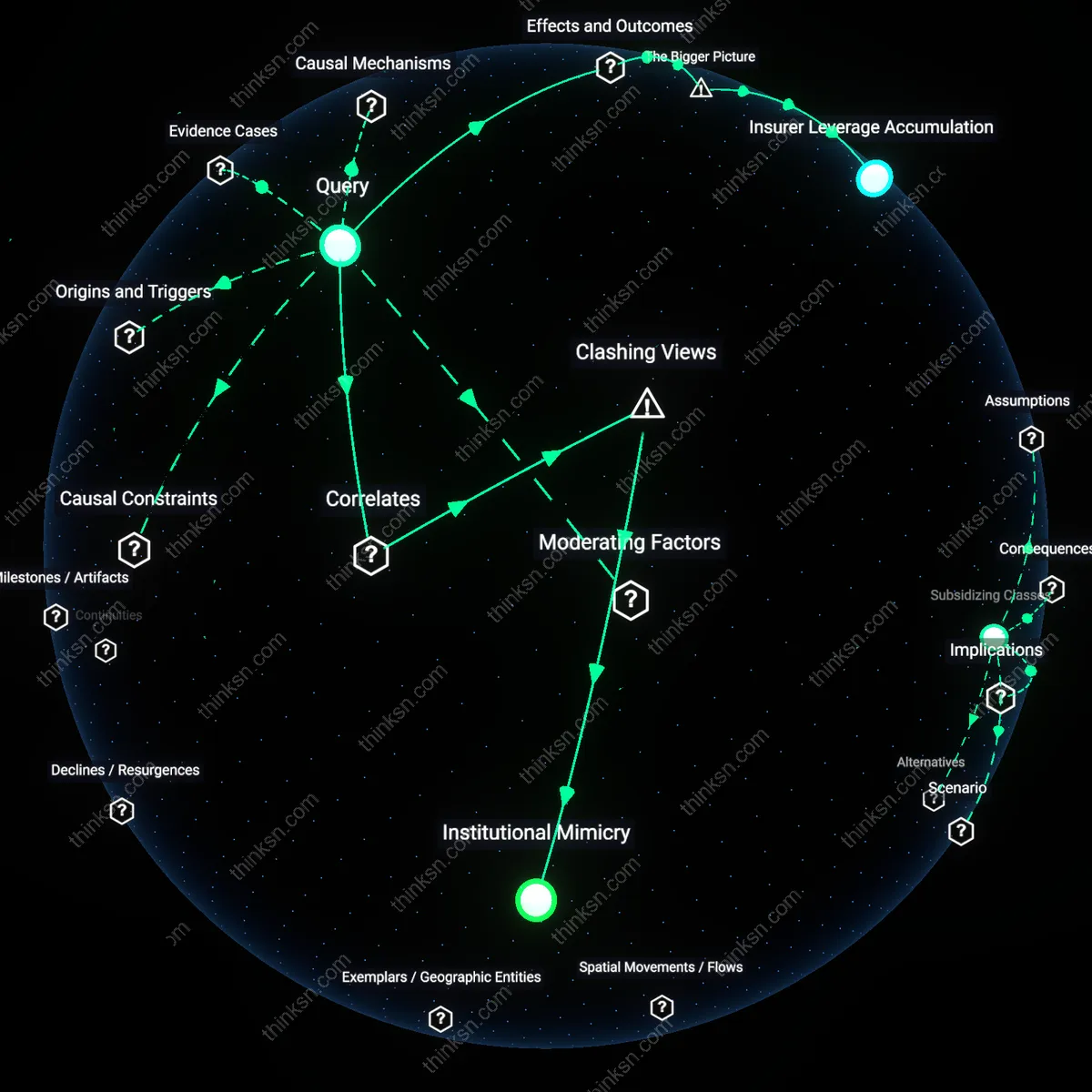
Confidentiality in hospital discrimination settlements prevents public scrutiny of recurring misconduct by healthcare providers. When incidents involving racial bias, gender discrimination, or negligence are settled behind closed doors, hospitals avoid reputational damage and regulatory intervention, allowing individual actors and flawed protocols to persist unchecked within institutions like academic medical centers or Medicaid-participating facilities. The lack of traceable data impedes pattern recognition by accreditors, oversight bodies, and whistleblowers, turning repeated failures into invisible system features rather than correctable outliers—what appears externally as isolated cases internally functions as sustained practice. This invisibility is especially dangerous in safety-net hospitals where marginalized populations bear the brunt of unchallenged norms.
Accountability Evasion
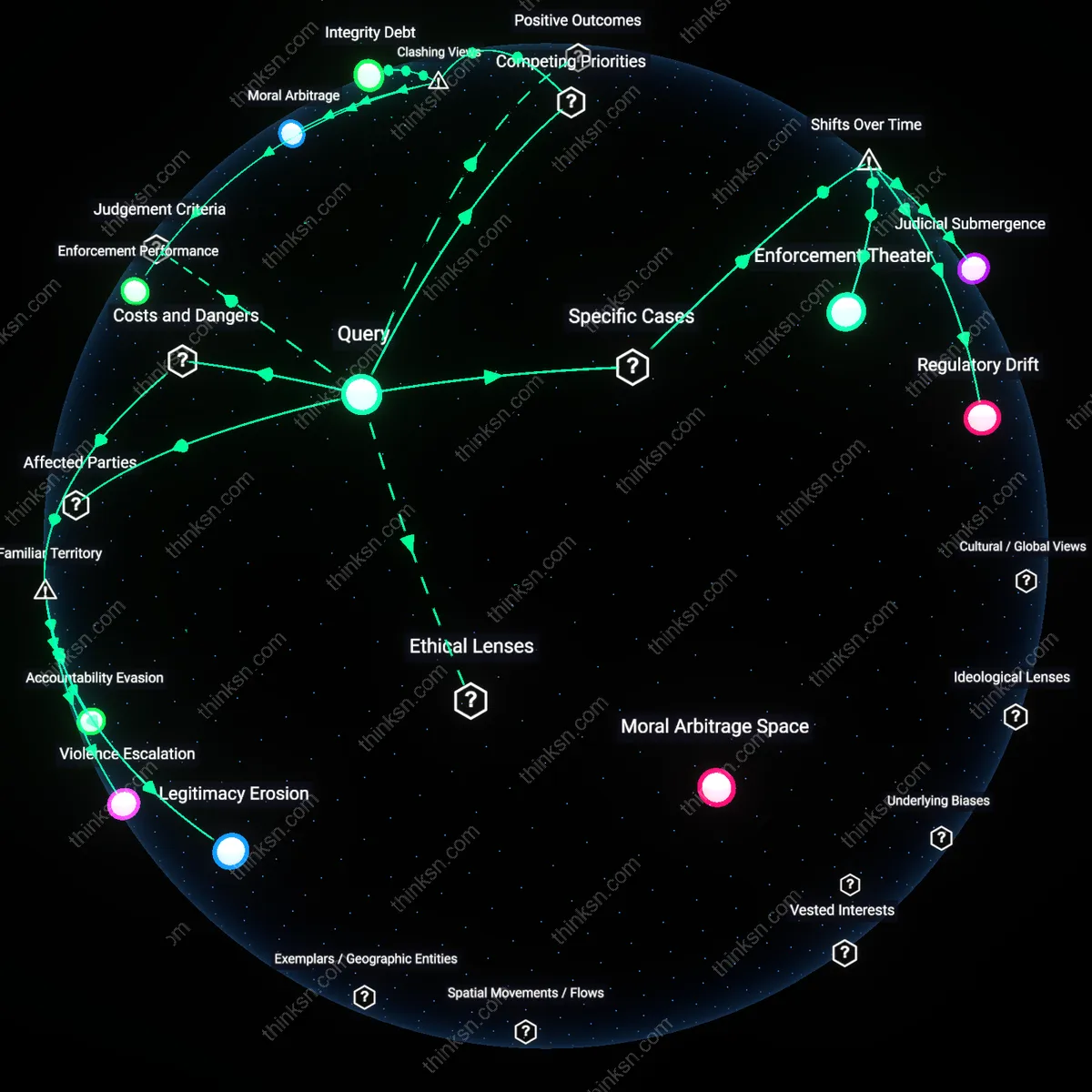
Discrimination settlement confidentiality enables organizations to treat equity violations as legal liabilities rather than operational failures requiring cultural and structural reform. Hospital administrators, risk managers, and legal counsel prioritize financial exposure mitigation over transparency, using non-disclosure agreements to insulate executives and clinicians from professional consequences, even when biased behavior is documented across multiple patient complaints. This transforms settlements into calculated business expenses—part of expected compliance overhead—rather than moments of institutional reckoning, thereby decoupling consequence from conduct at the systemic level. Because the practice aligns with broader corporate healthcare trends, such as mergers and liability shielding, it normalizes ethical deflection as standard governance.
Trust Erosion
Secrecy in resolving discrimination cases deepens distrust between patients—particularly from historically mistreated communities—and healthcare institutions that already struggle with legitimacy. When Black, Indigenous, or LGBTQ+ patients learn through word-of-mouth or advocacy networks that hospitals settle bias claims without acknowledgment, it confirms suspicions that the system protects insiders while silencing victims, especially in urban safety-net hospitals or rural clinics with limited alternatives. This lived perception undermines public health initiatives, reduces care-seeking behavior, and weakens community engagement efforts, not because transparency laws are absent but because their circumvention becomes routine. The resulting alienation functions not as a side effect but as a predictable output of protected institutional self-preservation.
Settlement Silencing
Confidentiality in hospital discrimination settlements suppresses public documentation of repeat offending by specific institutions, enabling serial misconduct. For example, the University of Mississippi Medical Center has faced multiple malpractice and discrimination claims with sealed settlement terms, shielding patterns of racial disparities in maternal care from regulatory scrutiny or public accountability; this absence of cumulative evidence weakens external pressure for institutional reform. Because adverse action databases like the National Practitioner Data Bank are not designed to capture systemic institutional behavior—only individual provider sanctions—confidentiality functions as a structural loophole that obscures organizational recidivism. The overlooked dynamic is that legal privacy protections intended to resolve individual cases quietly instead disrupt the aggregation of evidence necessary to prove systemic bias, effectively disabling pattern recognition by accreditors, journalists, and civil rights investigators.
Epistemic Asymmetry
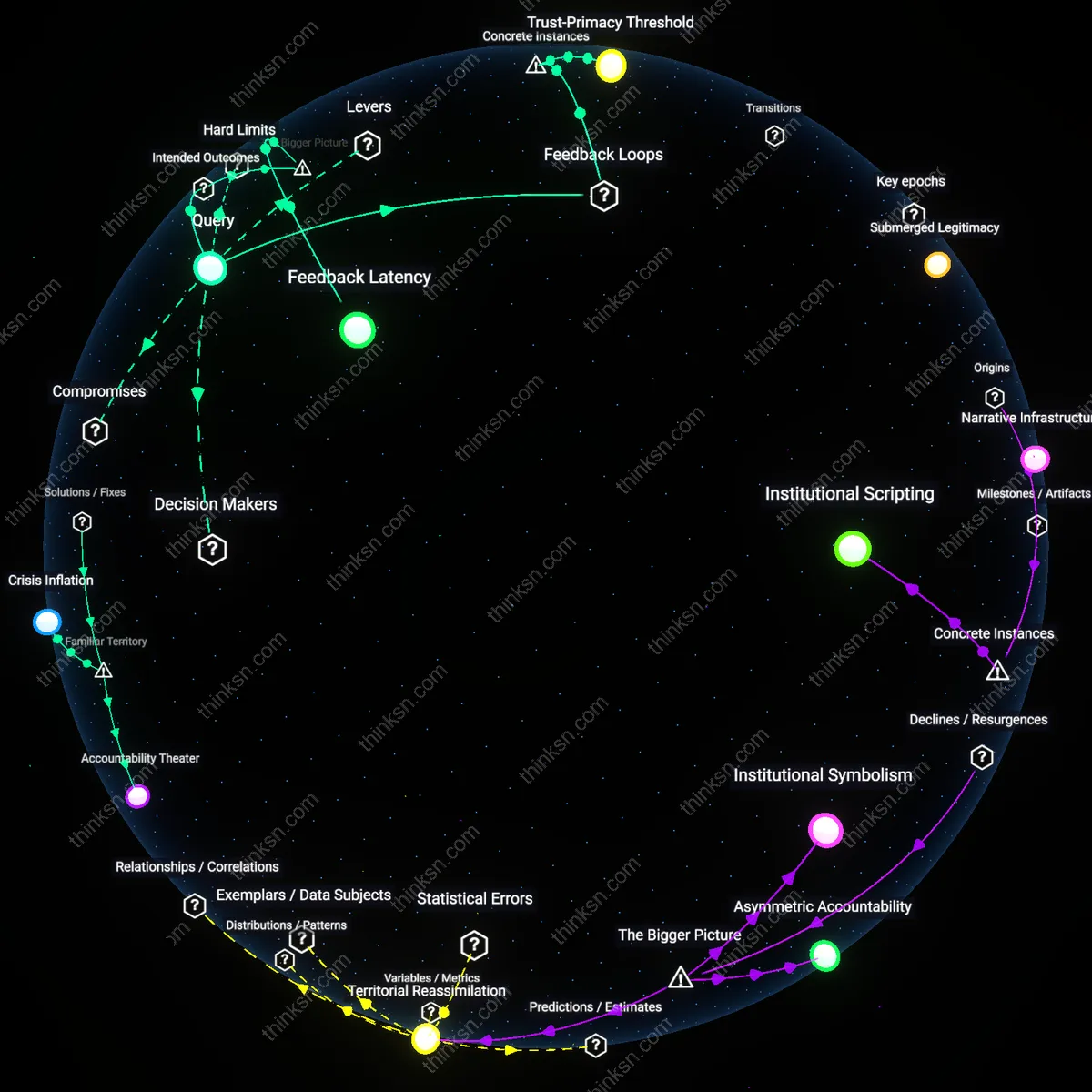
Confidentiality clauses in hospital settlements create an information advantage for risk managers and legal departments over frontline clinicians, thereby distorting internal learning about bias. At Kaiser Permanente, internal equity dashboards have been developed to track disparities, but settlements involving physician-specific misconduct remain sealed even from institutional ethics committees, preventing the alignment of clinical education with legal outcomes. This disconnect means that training programs often address hypothetical scenarios while ignoring documented but classified incidents, reproducing a blind spot in professional development. The overlooked issue is not just public opacity but institutional amnesia—where the very entities tasked with cultural reform are deprived of case-specific knowledge needed to reframe norms, making anti-bias initiatives theoretically sound but clinically unmoored.
Funder Complicity
Private equity firms holding equity in hospital systems benefit from the financial predictability enabled by confidential settlements, which cap liability exposure without triggering reputational or regulatory costs. When HCA Healthcare settled a civil rights complaint involving discriminatory discharge practices in Florida without admission of fault or public disclosure, the financial terms were absorbed as a cost of operations rather than a signal for governance intervention. Because investor incentives prioritize earnings stability over transparency, there is muted pressure from ownership to address root causes of bias—turning settlements into risk management tools rather than reform catalysts. The overlooked driver is that private capital, not just legal privilege, has a vested interest in non-disclosure, subtly aligning financial governance with silence and recasting confidentiality as a feature of investment-grade healthcare operations.