Should Smokers with COPD Screen for Lung Cancer with Low-Dose CT?
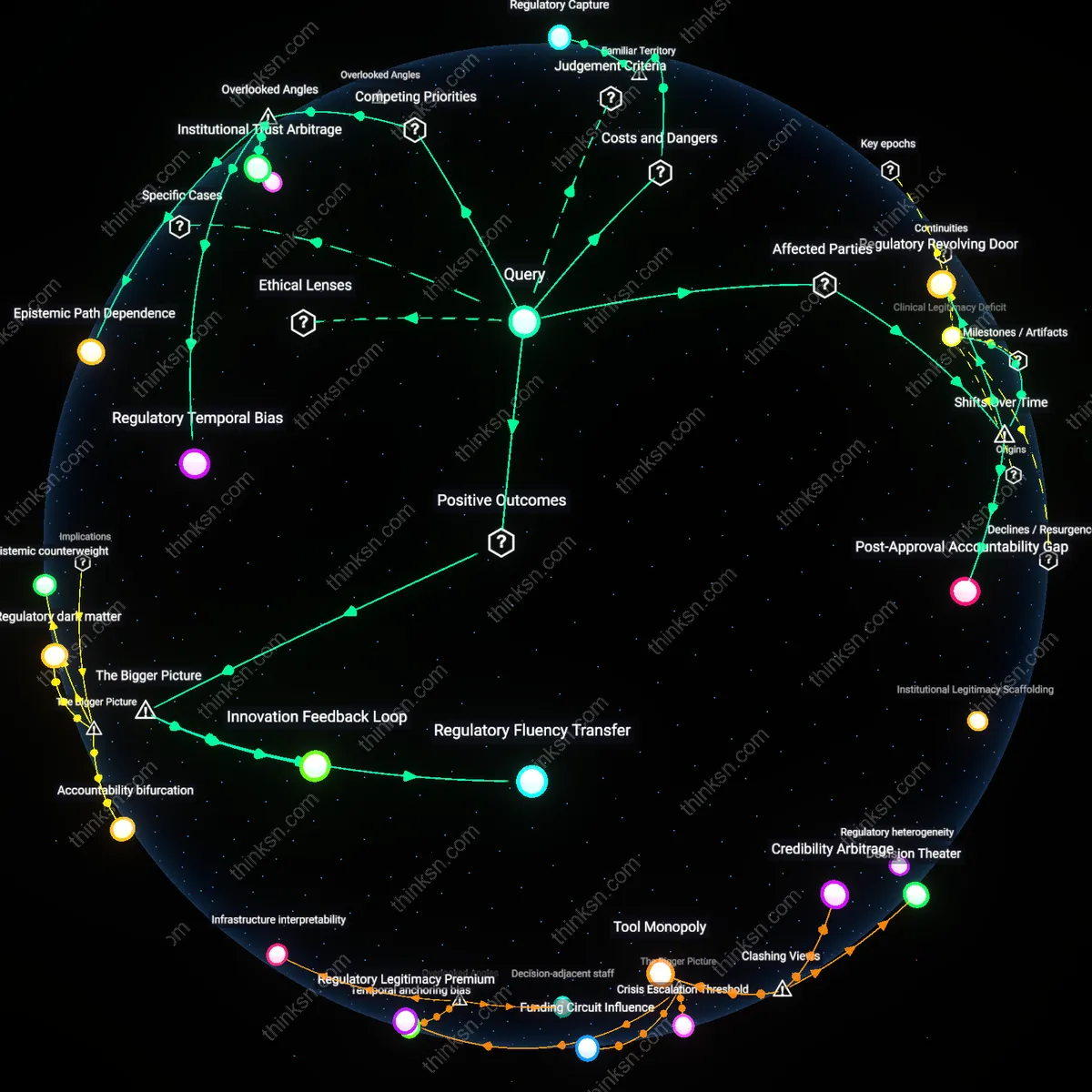
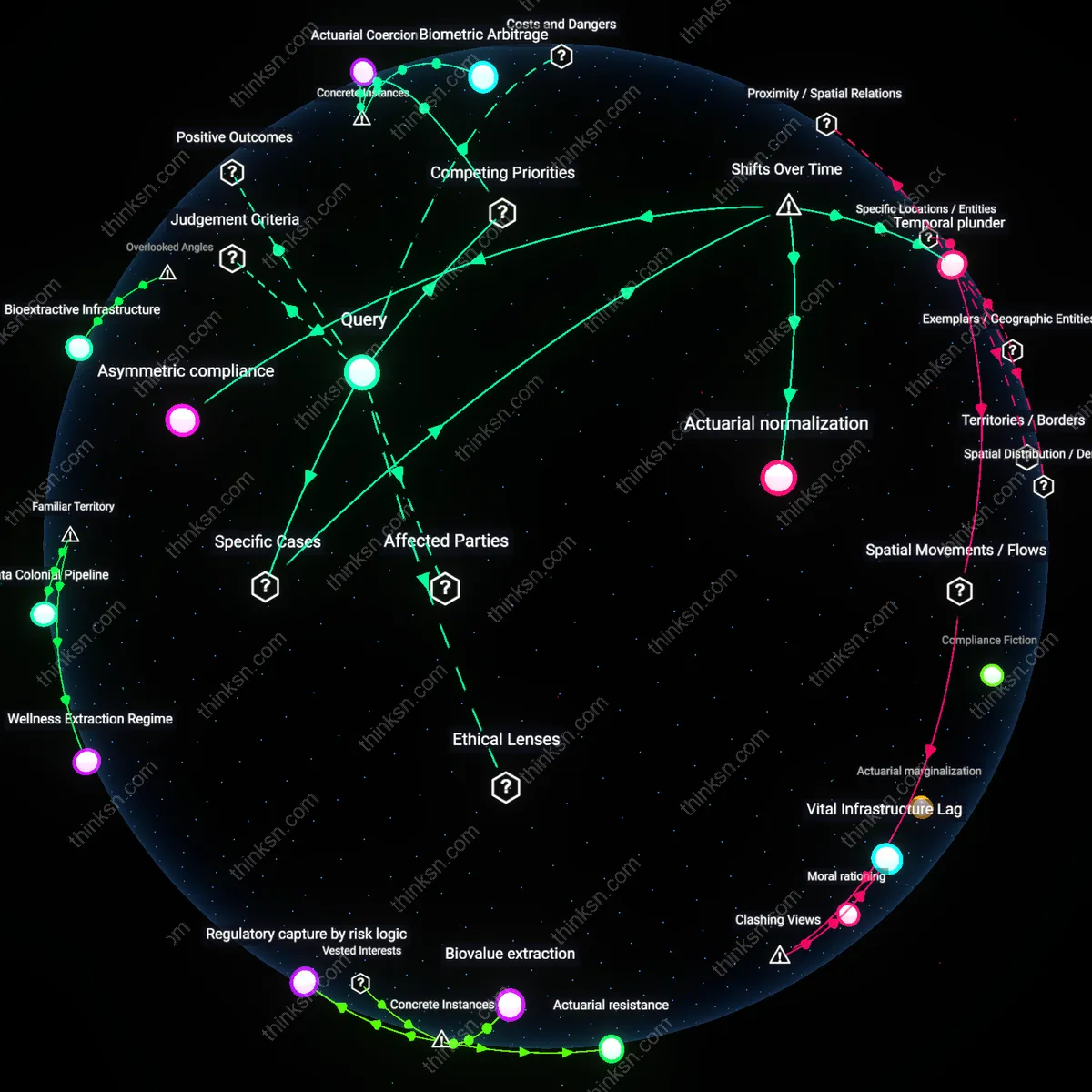
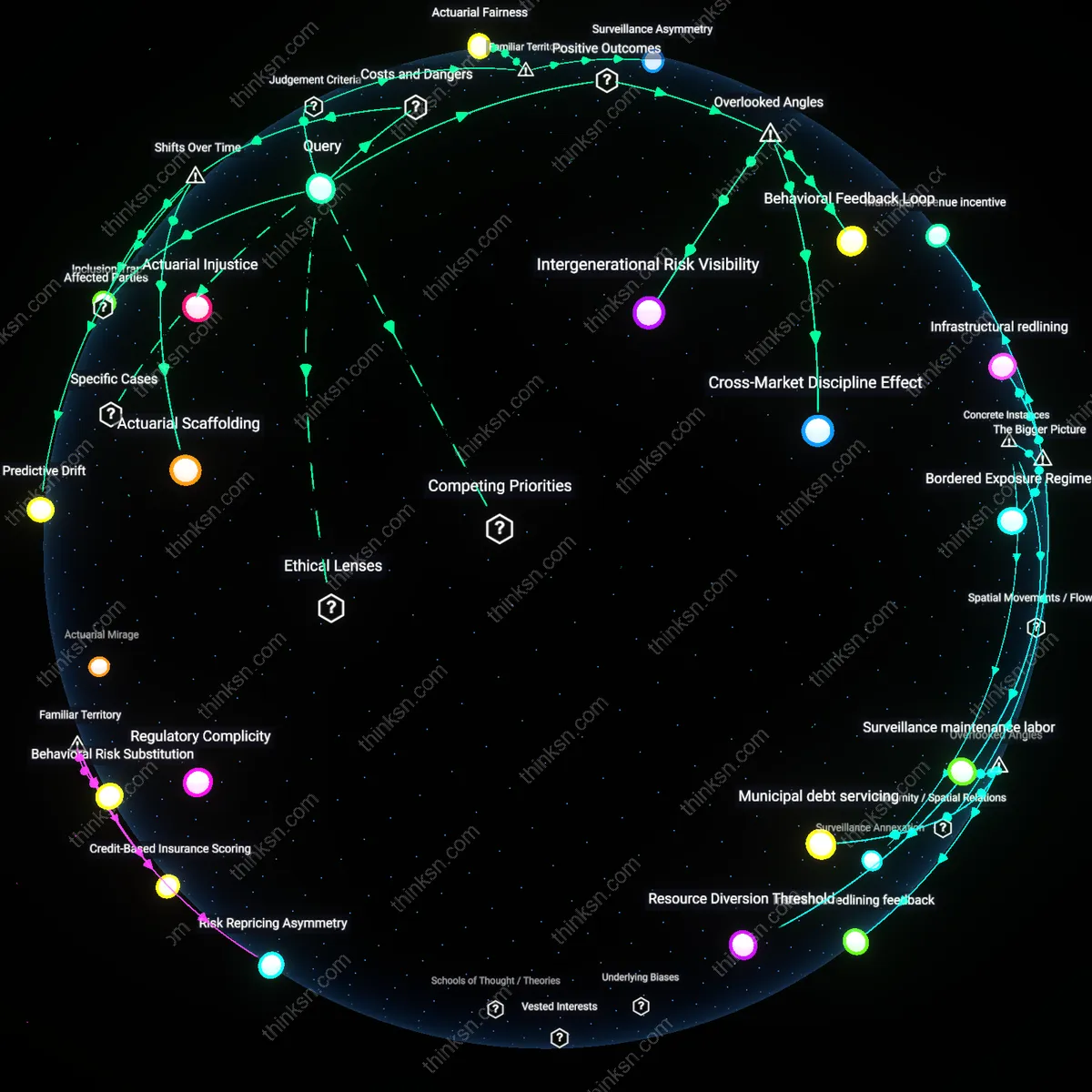
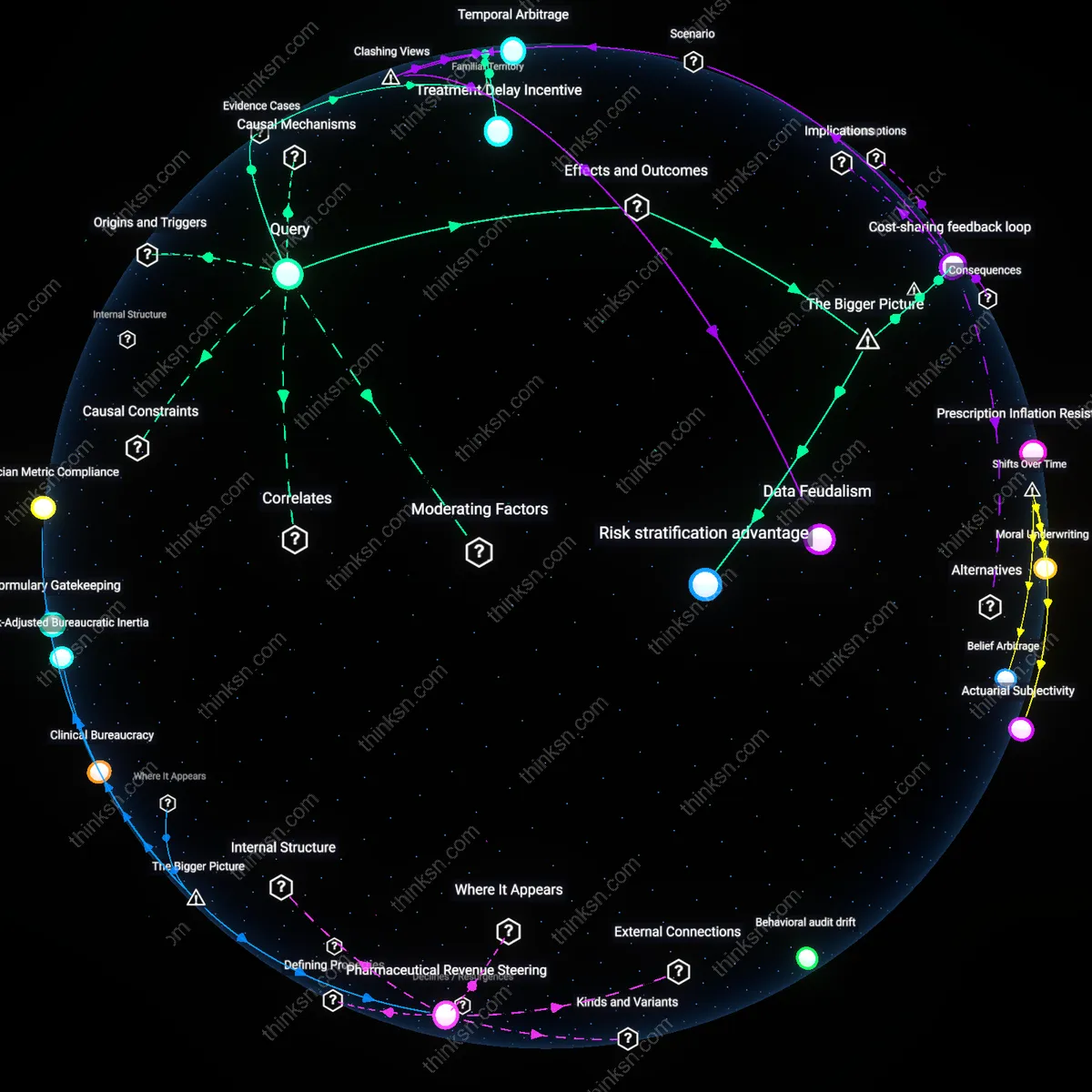
Analysis reveals 9 key thematic connections.
Key Findings
Actuarial Citizenship
The 2013 U.S. Preventive Services Task Force endorsement of low-dose CT screening for lung cancer in heavy smokers with COPD redefined eligibility based on biometric risk profiles, conditioning access to life-saving screening on quantifiable smoking history and age thresholds. This mechanization of care through actuarial logic renders certain smokers 'deserving' of intervention only when their risk falls within algorithmically validated bands, transforming patient identity into actuarial subjects governed by statistical norms rather than medical need or social context. The non-obvious outcome is that medical legitimacy is conferred not through diagnosis but through enrollment in a risk-based governance structure that privileges calculability over equity.
Biopolitical Triage
In the National Health Service's 2018 pilot of lung cancer screening in socioeconomically deprived regions of Manchester, low participation rates among COPD patients exposed how structural disinvestment in public health infrastructure disables preventive medicine, even when technology is available. Despite evidence supporting efficacy, the failure to reach target populations stemmed from distrust in institutions, poor transportation, and cultural disconnects in outreach—systemic absences that biomedical policy assumes away. This reveals that screening programs function not as neutral health interventions but as mechanisms of biopolitical triage, where the reach of life-preserving technology is delimited by historical patterns of marginalization.
Technocratic Displacement
The 2011 National Lung Screening Trial results were deployed by pharmaceutical and imaging firms in lobbying campaigns to expand Medicare reimbursement for low-dose CT scans, reframing COPD-related lung cancer risk as a technical problem solvable through early detection, while diverting attention from tobacco industry regulation or environmental causes. This corporate capture of clinical evidence shifted policy discourse from structural prevention—such as smoking cessation programs or air quality reform—to individualized surveillance, positioning technological intervention as the primary solution. The underappreciated consequence is that science is selectively operationalized to displace political responsibility onto medical systems, enabling capital to profit from risk management while leaving root causes intact.
Pharmaceutical Nationalism
Low-dose CT screening is selectively promoted in Western medical systems not because of universal efficacy in COPD smokers but because it aligns with technocratic health governance models that prioritize early detection over holistic risk mitigation, particularly in high-income countries with robust radiology infrastructure; this creates a feedback loop where investment in CT technology legitimizes its use, even as evidence from diverse populations—such as rural Chinese or Indian smokers with COPD—shows marginal benefit due to comorbidities and late-stage presentation. The non-obvious reality is that screening adoption reflects infrastructural commitment more than clinical necessity, exposing how biomedical solutions become entrenched not through global medical consensus but through regional capacity and economic alignment.
Epistemic Hierarchy
In South Asian and African clinical contexts, where Ayurvedic, Unani, or community-based healing systems emphasize systemic balance over anatomical lesion detection, low-dose CT screening is often viewed with skepticism not due to scientific illiteracy but because it isolates cancer from the patient’s broader physiological and environmental context, such as air pollution exposure or nutritional status; this challenges the dominant Western assumption that earlier imaging detection inherently improves outcomes, revealing that the authority of CT rests on a narrow epistemology that devalues integrative diagnostics. The friction arises when global health bodies endorse screening protocols without acknowledging that ‘evidence’ itself is interpreted differently in systems where disease is understood relationally, not reductively.
Moral Forecasting
In many Indigenous communities across Latin America and the Pacific, where communal narratives of illness emphasize intergenerational responsibility and spiritual foresight, the idea of individualized lung cancer screening is ethically dissonant—not because early detection is rejected, but because predicting personal disease risk without communal consent or contextual preparedness is seen as disrupting social harmony; thus, the promotion of CT screening appears not as preventive care but as a form of biomedical prophecy that burdens individuals with knowledge they are not culturally equipped to resolve. This reframes uncertainty not as a statistical gap in data but as a moral dilemma about who has the right to foresee and act on future illness, exposing how Western risk models ignore the cultural cost of knowing too soon.
Smoker's Dilemma
Patients with COPD who smoke interpret low-dose CT screening as a chance to regain control over their health after years of perceived self-inflicted harm, driven by the widespread cultural narrative that vigilance redeems risk. This dynamic plays out in primary care settings where clinicians offer screening as a constructive response to smoking history, reinforcing the idea that monitoring equals moral accountability. The underappreciated consequence is that this framing treats screening as a psychological concession rather than a probabilistic medical decision, embedding it in moral judgments about personal responsibility.
Regulatory Legibility
Medical device manufacturers advanced low-dose CT screening by aligning trial designs with FDA requirements post-2010, transforming COPD patients from high-risk individuals into standardized enrollment categories through protocol-driven risk stratification. This shift from symptom-based monitoring to algorithmic eligibility—catalyzed by the NLST trial’s 2011 results—enabled industry to scale screening platforms under the guise of preventive care, obscuring variable patient outcomes behind regulatory-compliant metrics. The non-obvious consequence is that COPD became a bureaucratic qualifier rather than a physiological contraindication, making reimbursement and device diffusion more predictable than clinical consensus.
Diagnostic Precarity
Primary care networks post-2015 absorbed LDCT screening into chronic COPD management due to CMS reimbursement incentives, transforming ambiguous radiographic findings into routine clinical obligations despite low specificity in emphysematous lung tissue. The historical pivot occurred when value-based care models folded screening adherence into quality metrics, pressuring pulmonologists to treat indeterminate nodules as actionable events rather than surveillance cases. This eroded the temporal margin for patient deliberation, replacing shared decision-making with protocolized follow-up—a shift that rendered uncertainty not as scientific limitation but as operational risk to be managed through volume.