Why Do Insurance Plans Shun Effective Psychedelic Therapies?
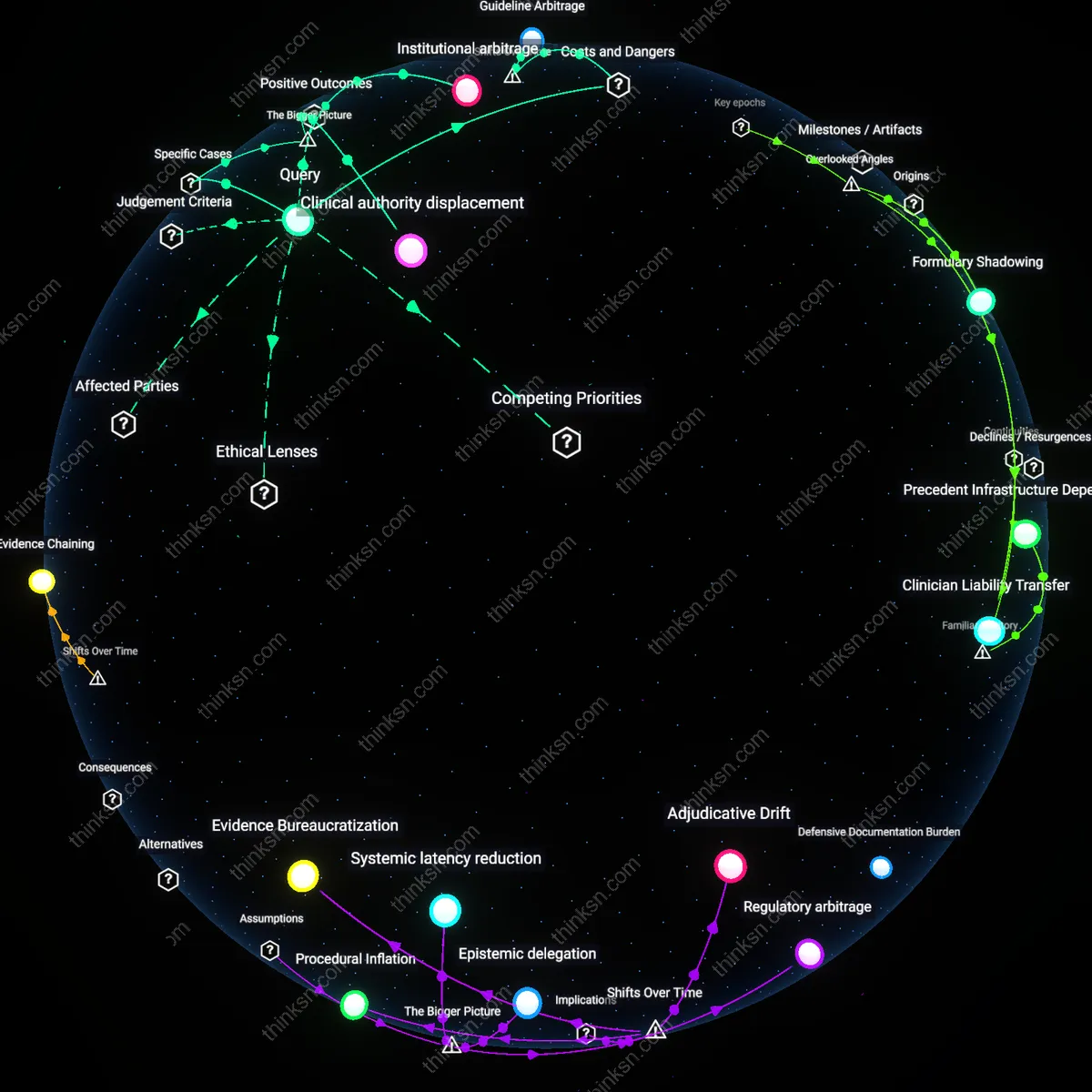
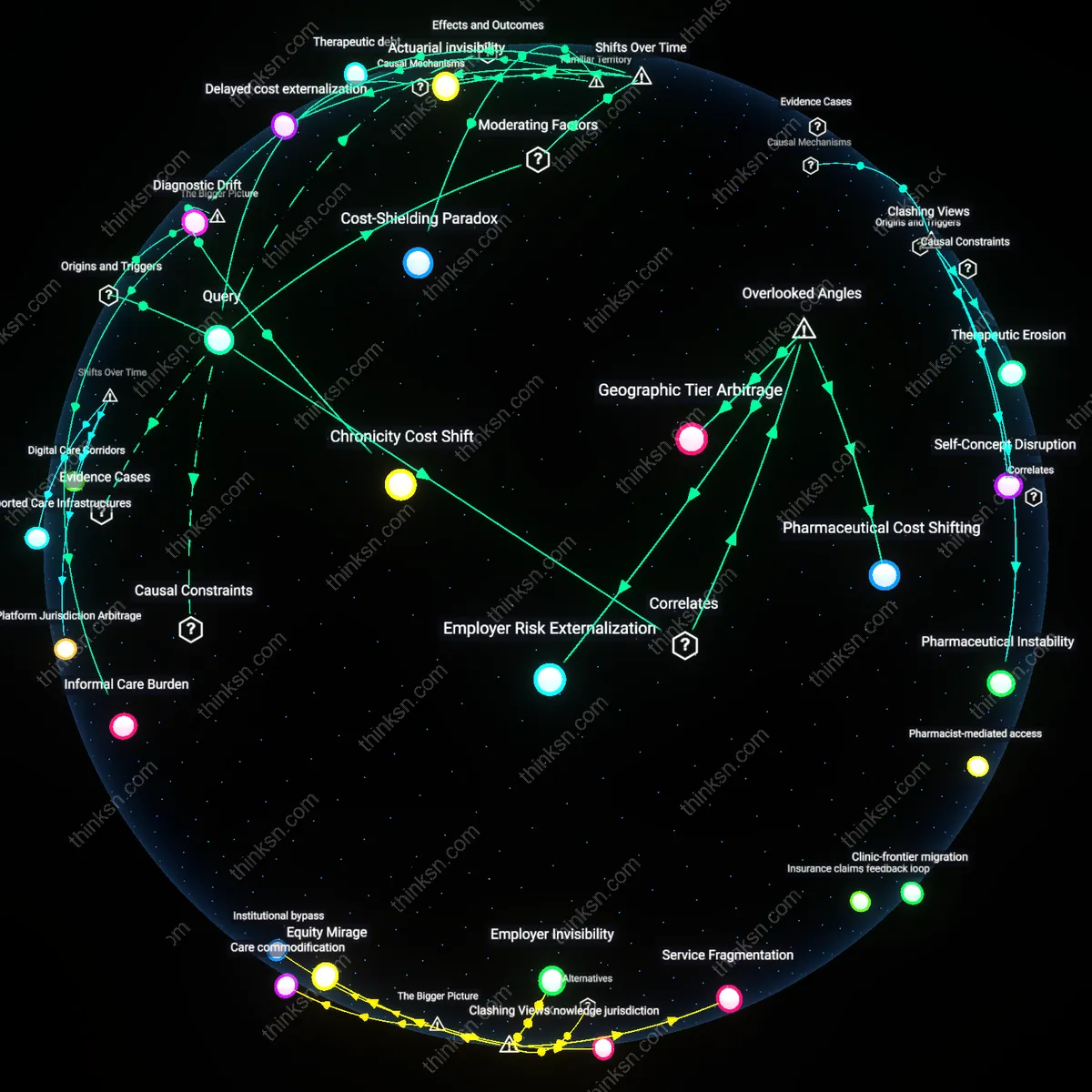
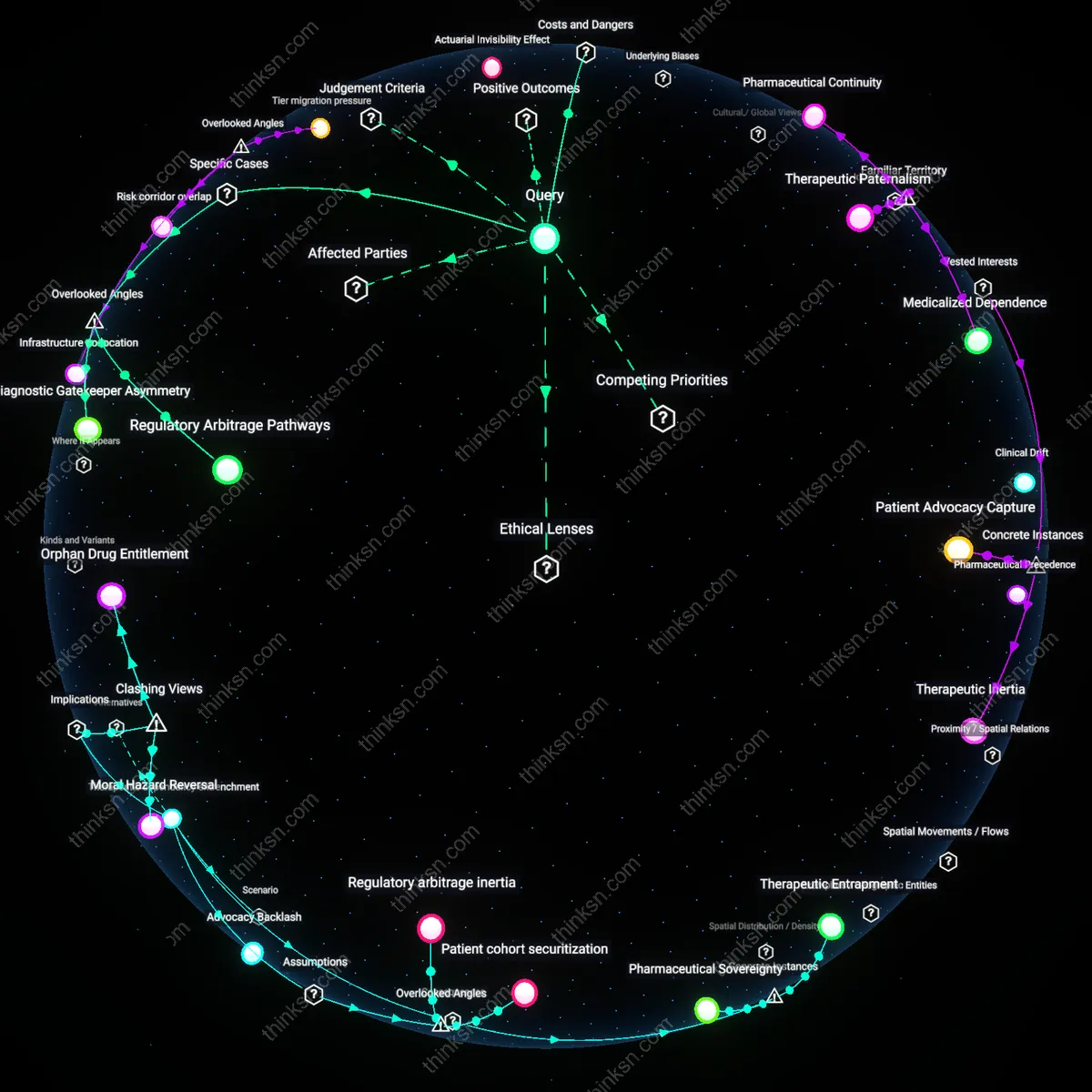
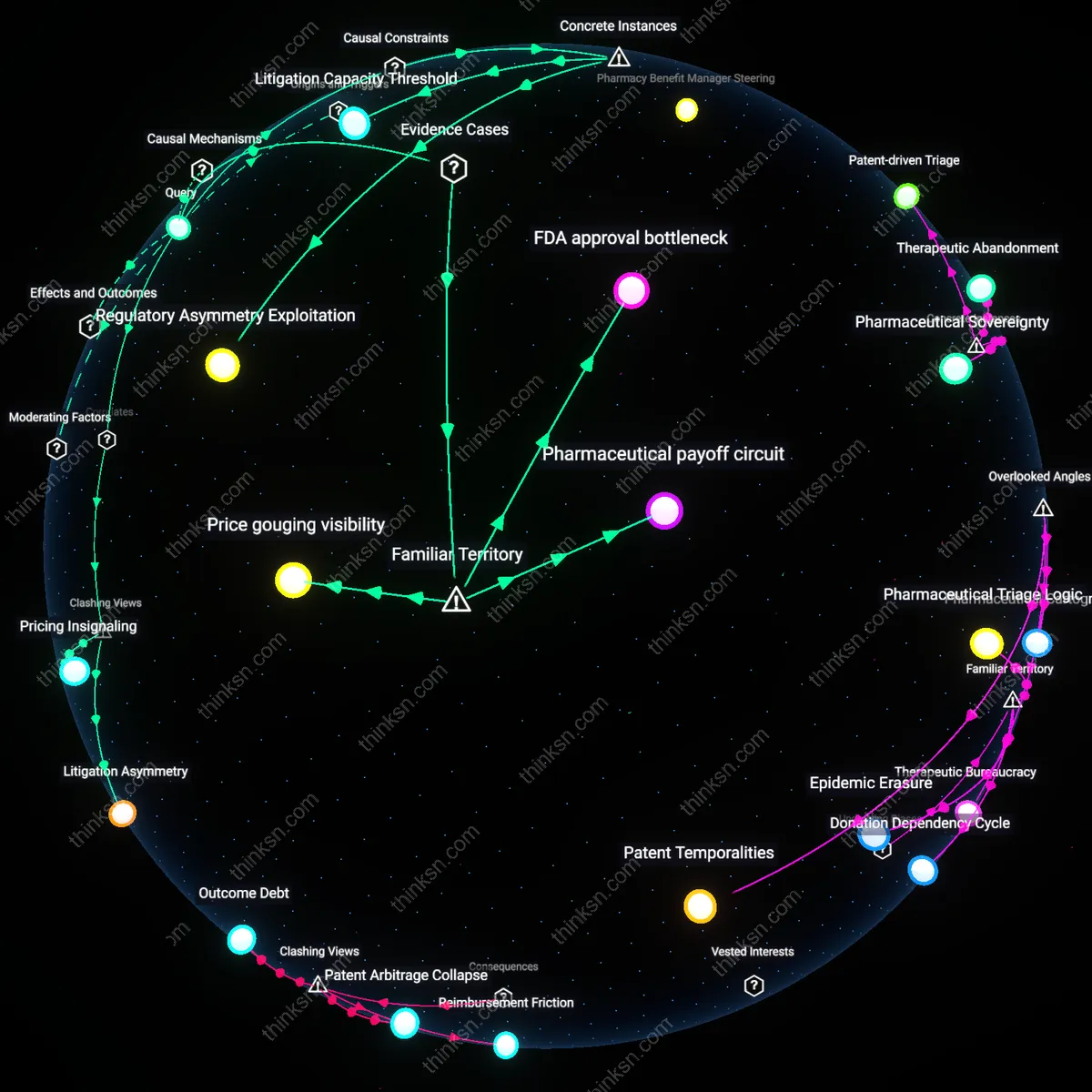
Analysis reveals 8 key thematic connections.
Key Findings
Regulatory Inertia
The FDA has not approved psilocybin for therapeutic use despite robust clinical results from institutions like Johns Hopkins and UChicago, because the drug remains classified under Schedule I of the Controlled Substances Act, which structurally impedes insurance reimbursement by framing the substance as lacking medical utility and high in abuse potential, regardless of accumulating trial data; this creates a regulatory dependency where private insurers await federal reclassification before altering coverage policies. The non-obvious insight is that insurance non-coverage functions not as a medical judgment but as a legal deferral—payers outsource clinical valuation to a system unequipped to reassess psychedelic compounds historically stigmatized under drug war frameworks.
Reimbursement Pathway Vacuum
In 2023, Oregon became the first U.S. state to legalize supervised psilocybin therapy through Measure 110, yet its public health rollout revealed no established CPT billing codes or Medicare-compatible service descriptors for psychedelic sessions, leaving providers unable to invoice insurers even when patients requested cost sharing; this absence of procedural codification means that no payer system, public or private, has a mechanism to process claims, regardless of therapeutic outcome evidence. The underappreciated reality is that efficacy alone cannot generate financial infrastructure—a service without administrative form is invisible to insurance, regardless of clinical merit.
Pharmaceutical Orphaning
When COMPASS Pathways pursued insurance-reimbursable models for its psilocybin therapy protocol in major depression, it faced investor resistance due to the lack of patentability for naturally occurring psychedelic compounds, discouraging the large-scale Phase IV trials needed for payer adoption, a pattern seen with other off-patent treatments abandoned by biotech despite clinical promise; without a proprietary product to monetize, pharmaceutical capital avoids creating the economic conditions insurers require for coverage decisions. The non-obvious revelation is that the market fails not because of scientific uncertainty but because profit models collapse when chemical novelty and exclusivity—cornerstones of drug development under the current system—cannot be secured.
Therapist Capacity Ceiling
Widespread insurance coverage is constrained by the limited pool of clinically trained practitioners capable of delivering psychedelic-assisted therapy safely, a bottleneck rarely acknowledged in policy debates that assume scalability. The model requires months of specialized training in both psychotherapeutic frameworks and emergency psychological support during altered states, yet no national credentialing infrastructure exists to certify providers at scale. Without a sufficient workforce to meet demand—even if reimbursement were available—insurers rationally withhold coverage, treating implementation risk as a coverage prerequisite rather than a separate rollout phase.
Regulatory Primacy
Insurance coverage excludes psychedelic-assisted therapy primarily because the FDA has not designated it as a medical standard, rendering insurers legally shielded from reimbursement mandates despite clinical evidence. The mechanism operates through the U.S. healthcare financing system, where payer policies are legally anchored to FDA approvals and CMS coverage determinations rather than independent evaluation of clinical trial outcomes; thus, even robust Phase 2 results do not compel insurance acceptance. This reveals that clinical efficacy is systematically subordinate to regulatory classification—a non-obvious dependency, since public discourse often presumes medical evidence alone should dictate access.
Epistemic Arbitrage
Insurers resist covering psychedelic therapy not due to skepticism of its efficacy but because it challenges the actuarial foundations of psychopharmaceutical risk modeling, which are built on frequent, low-cost interventions with measurable adherence metrics, such as daily pill counts. The episodic, high-intensity treatment model—fewer sessions, longer duration, profound subjective effects—does not fit existing actuarial tables or cost-offset prediction models used by underwriting divisions at major carriers like UnitedHealth or Aetna. This friction reveals that coverage decisions are less about medical validity than about compatibility with the actuarial logic that governs insurance profitability and risk forecasting.
Regulatory Lag
Update FDA and CMS approval protocols to fast-track therapies with robust clinical trial data by creating adaptive licensing frameworks that recognize incremental evidence. The U.S. drug approval system, historically designed for pharmaceuticals with measurable dosing and predictable pharmacokinetics, has not structurally adapted to the emergence of time-intensive, non-patentable, clinician-administered psychedelic protocols post-2010, when psychedelic research re-entered mainstream psychiatry after decades of federal suppression. This misalignment between evolving therapeutic models and static regulatory benchmarks creates a lag where insurance payers await formal indications—slowed by the need for Phase III repetition and commercial sponsorship—despite growing real-world efficacy data, revealing how procedural inertia can perpetuate treatment access gaps even after scientific revalidation.
Reimbursement Misfit
Redesign insurance reimbursement codes to account for non-drug therapeutic time components inherent in psychedelic-assisted therapy, such as preparation and integration sessions, which now constitute up to 80% of treatment burden but remain unreimbursed under current CPT structures. Prior to the 2020s, mental health reimbursement was built around brief pharmacotherapy visits or standardized psychotherapy sessions, not the extended, multimodal treatment arcs required by evidence-based psychedelic protocols developed in recent trials at institutions like Johns Hopkins and NYU. The failure to create bundled-payment models or episode-of-care coding reflects a systemic misfit between historical cost-containment logic and emerging high-touch, high-efficacy treatments, exposing how legacy payment architectures disincentivize adoption of structurally different care models.