Blood Tests for Pancreatic Cancer: Worth the False Positives?
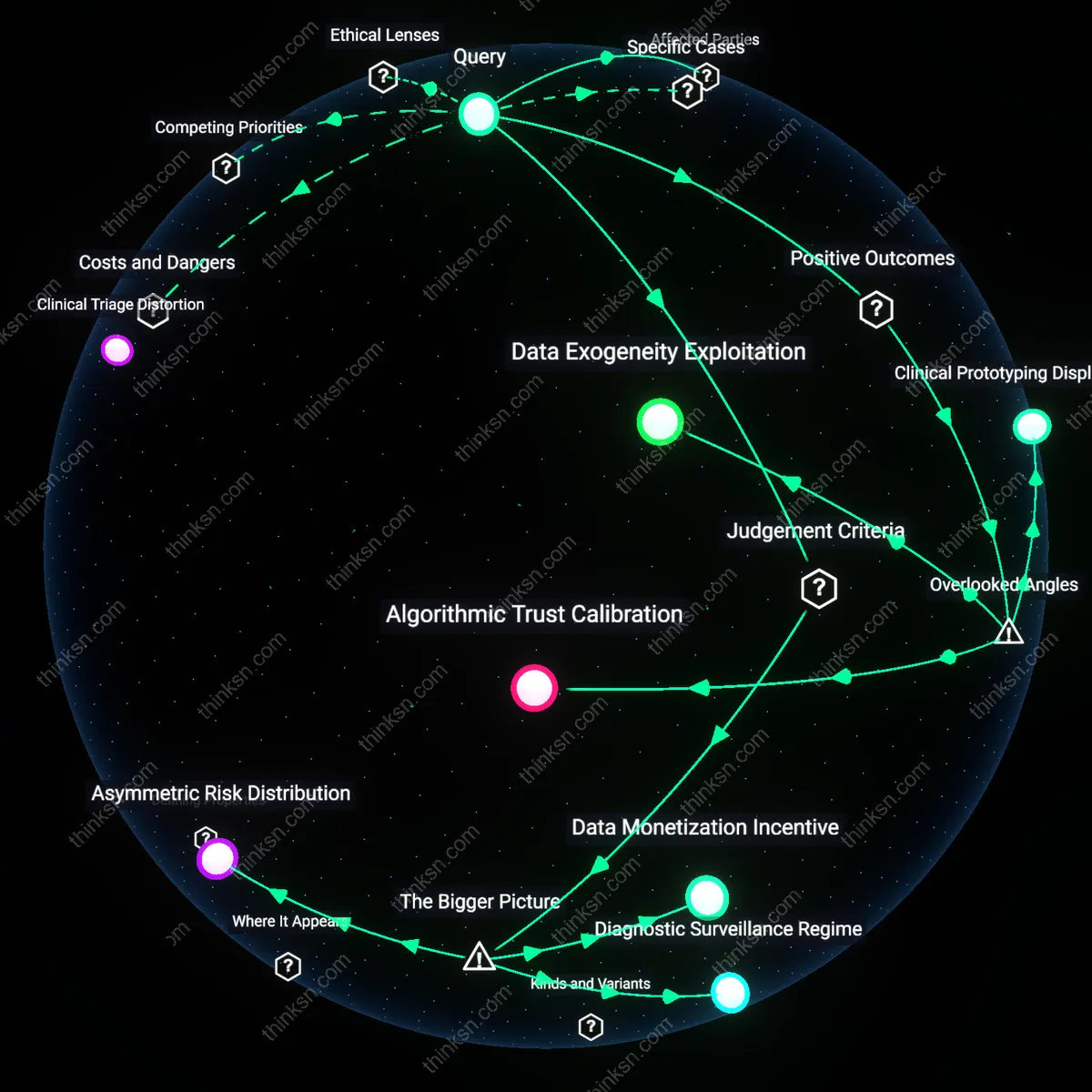
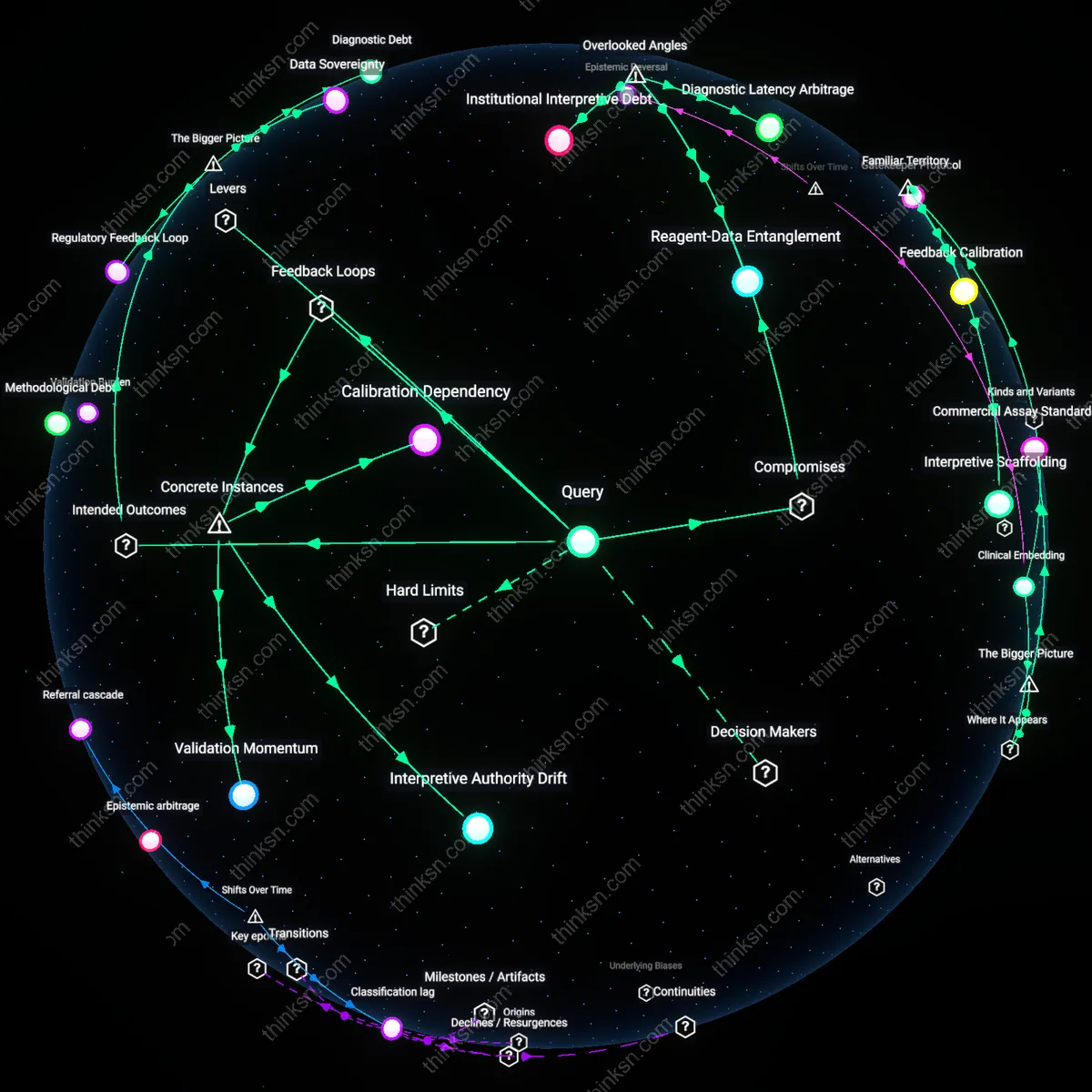
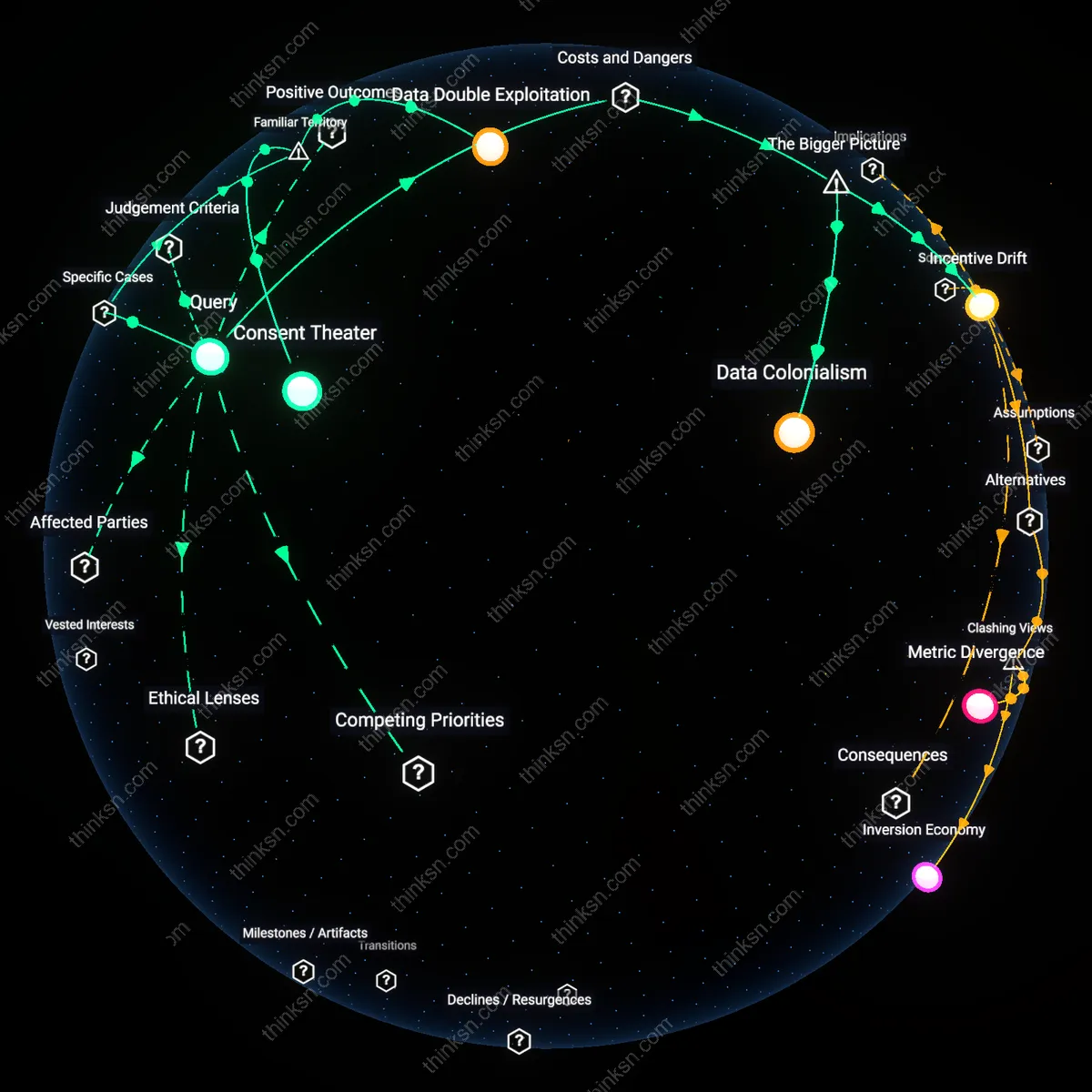
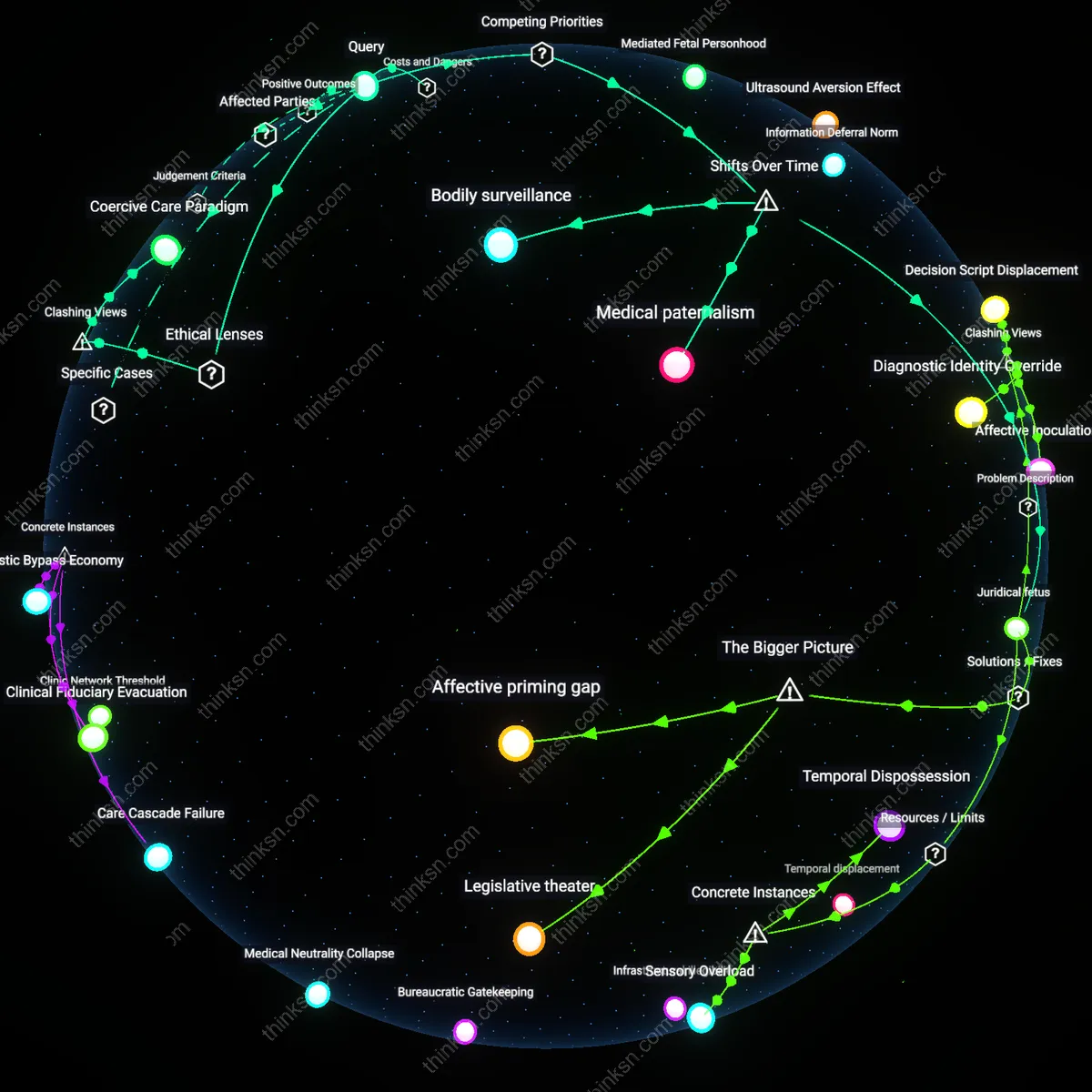
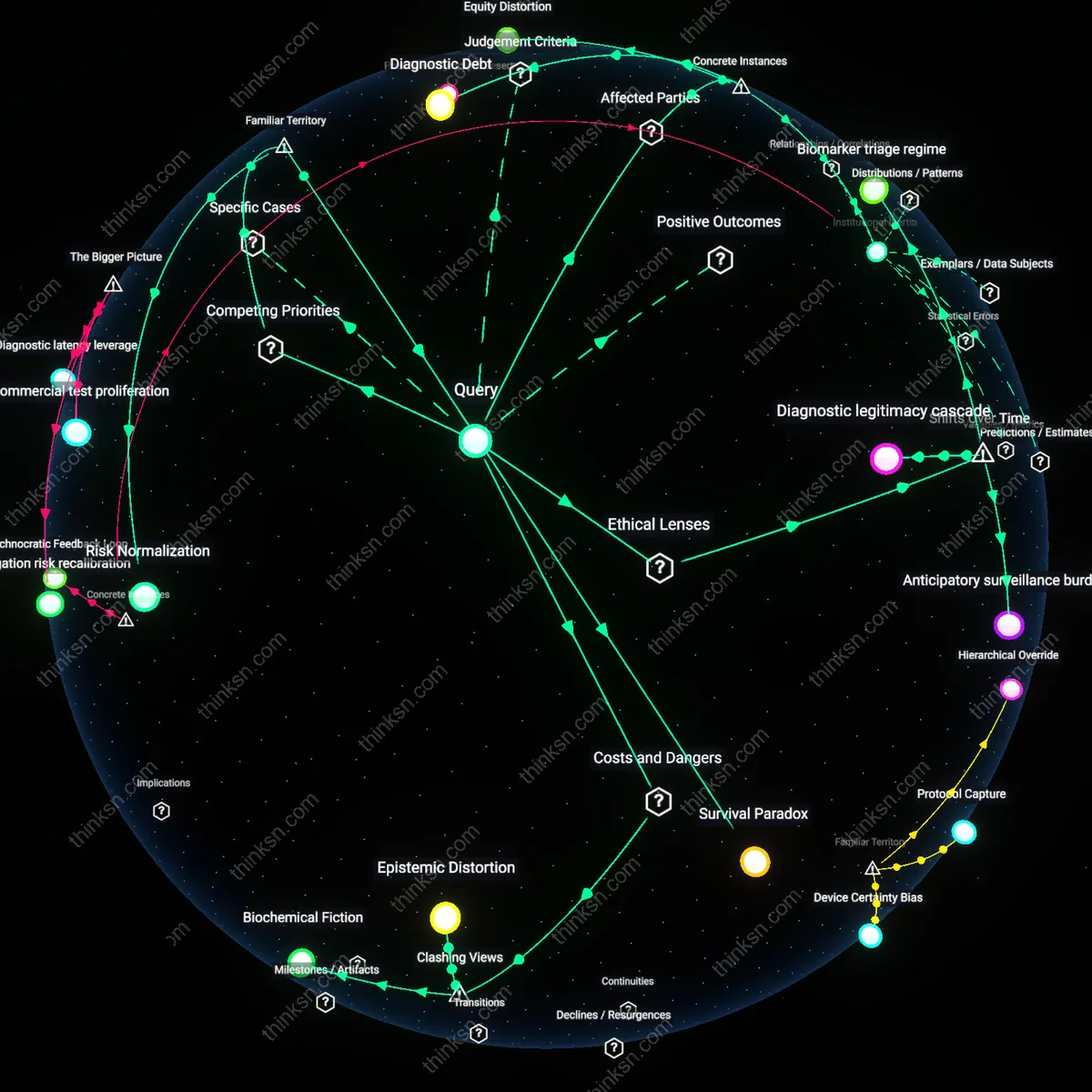
Analysis reveals 12 key thematic connections.
Key Findings
Diagnostic Debt
A health-savvy person must account for the long-term psychological and medical consequences of false positives when evaluating early pancreatic cancer detection, as seen in the 2019 German Göttingen Pancreas Clinic initiative, where high-risk patients screened via CA19-9 and MRI experienced unnecessary anxiety and invasive follow-ups due to biomarker unreliability—revealing that early detection introduces a hidden cost in downstream interventions even when cancer is absent; this mechanism of accumulating iatrogenic risk under conditions of diagnostic uncertainty constitutes a form of deferred harm analogous to financial debt.
Equity Distortion
Individuals from wealthy demographics are more likely to adopt private biomarker screening for pancreatic cancer despite modest clinical validation, illustrated by the proliferation of services like Grail’s multi-cancer early detection tests offered through concierge medicine networks in California, where affluent asymptomatic clients receive CA19-9-based risk alerts that trigger disproportionate access to PET scans and endoscopic ultrasounds—exposing how market-driven medicine distorts population-level risk-benefit norms by privileging early detection for those who can afford downstream confirmatory procedures, thereby amplifying disparities in both resource allocation and perceived health security.
Institutional Inertia
Medical guidelines for pancreatic screening remain anchored to outdated biomarker thresholds because influential bodies like the American College of Gastroenterology delay updates despite evidence of harm, as occurred between 2015 and 2020 when persistent inclusion of CA19-9 in consensus statements perpetuated false-positive cascades at institutions like Johns Hopkins despite internal research showing poor specificity—demonstrating how professional legitimacy and slow evidence integration protect established protocols even when real-world outcomes reveal systemic inefficacy, making individual risk assessment dependent on lagging institutional logic rather than current data.
Diagnostic Cascade
A health-savvy person should reject routine reliance on blood biomarkers for early pancreatic cancer detection because the false positives they generate frequently trigger a self-perpetuating sequence of invasive procedures, each carrying independent risks of complications, even when the original signal was noise. The operating mechanism—seen in U.S. academic medical centers like Johns Hopkins or Memorial Sloan Kettering—involves a risk amplification pathway whereby a single elevated biomarker, such as CA19-9, prompts endoscopic ultrasound, then biopsy, hospitalizations, and occasionally unnecessary Whipple procedures, all predicated on flawed signal detection in a low-prevalence population. This cascade is non-obvious because it shifts attention from the binary accuracy of the test to the structural momentum of clinical workflows, where disengaging from investigation after a false alarm becomes institutionally and psychologically difficult for both patient and provider.
Biochemical Fiction
A health-savvy person should mistrust blood biomarkers for early pancreatic cancer because their alleged clinical validity is manufactured through retrospective selection in datasets that pathologize biochemical noise as meaningful signal. In real-world validation studies, such as those conducted in the UK Biobank, CA19-9 lacks specificity—elevated in pancreatitis, biliary obstruction, and even benign gastrointestinal fluctuations—leading to a redefinition of 'health' that inverts risk by treating transient molecular deviations as early disease, when they may represent normal physiological variance. This undermines the intuitive belief that early detection is always beneficial, exposing how biomarker development assumes a disease ontology that privileges molecular anomaly over clinical trajectory, producing a biochemical fiction where 'pre-symptomatic illness' becomes a bureaucratic category rather than a medical reality.
Epistemic Distortion
A health-savvy individual should resist the framing of early detection as a personal health optimization problem because the focus on individual decision-making obscures how commercial and regulatory incentives distort the evidence base, prioritizing approval speed over outcome significance—exemplified by FDA’s accelerated approval of biomarker-based screening platforms without requiring mortality reduction data. This mechanism, ingrained in current public-private research partnerships like those between the NCI and biotech firms, rewards detection volume over clinical utility, embedding a feedback loop where more sensitive biomarkers produce more false positives, which in turn justify development of even more sensitive tools, while actual survival metrics remain unimproved. The non-obvious consequence is that rational personal calculation is subverted by a system that treats detection as an end in itself, warping both medical epistemology and patient agency.
Diagnostic Burden
A health-savvy person should limit reliance on blood biomarkers for early pancreatic cancer detection because widespread screening amplifies invasive follow-up procedures for false positives, overwhelming clinical capacity. Primary care systems and gastroenterology units in urban medical centers face cascading referrals when biomarker thresholds are lowered, triggering CT scans, endoscopic ultrasounds, and biopsies in patients ultimately found not to have cancer. This burden diverts time, equipment, and specialist attention from high-probability cases, degrading system responsiveness for symptomatic individuals — a trade few anticipate when advocating for routine biomarker testing.
Survival Paradox
A health-savvy person should question whether early detection meaningfully extends life because pancreatic cancer's rapid biology often negates the theoretical benefits of catching it sooner. Even with biomarkers identifying Stage I tumors, the disease's aggressive metastatic pathways and resistance to chemotherapy mean that extended surveillance rarely translates into proportional survival gains in real-world outcomes observed in SEER database cohorts. The public conflates earlier diagnosis with longer life, but this temporal shift can mask unchanged mortality curves — a reality obscured by hopeful narratives around 'getting ahead' of cancer.
Risk Normalization
A health-savvy person should recognize that adopting blood biomarkers into routine screening reframes personal risk in ways that subtly erode informed decision-making, as annual alerts and ambiguous results condition individuals to accept medical intervention as default. In preventive clinics across affluent communities, repeated exposure to elevated CA19-9 levels — often diet- or inflammation-induced — gradually normalizes persistent medical monitoring, making watchful waiting feel like neglect. This shift subtly replaces deliberative caution with reflexive action, a dynamic rarely acknowledged in public discussions that celebrate 'knowledge' without accounting for its psychological cost.
Biomarker triage regime
A health-savvy person should prioritize contextual risk stratification because the shift from symptom-based diagnosis to population-level screening in the 2010s transformed blood biomarkers into gatekeepers of care under utilitarian healthcare rationing, where CA19-9 thresholds now exclude high-risk groups like diabetics and smokers from imaging follow-ups despite elevated biological risk—revealing that the moral logic of aggregate harm reduction has quietly overridden individual clinical suspicion. This mechanism, embedded in U.S. Preventive Services Task Force guidelines post-2013, institutionalizes a tiered detection system not by pathology but by probabilistic filtering, making the primary ethical burden not misdiagnosis but the invisibility of those filtered out before workup begins.
Diagnostic legitimacy cascade
A health-savvy person should interpret false positives as sites of emerging diagnostic authority because the post-2020 commercialization of multi-cancer early detection (MCED) tests reframed biomarker inaccuracies not as medical errors but as legal bargaining chips in a nascent regulatory limbo, where companies like Grail position false alarms as acceptable costs under libertarian-leaning innovation doctrines that privilege patient autonomy and market access over precautionary principles. This transition from state-led validation models to privatized risk-assumption shifts ethical responsibility from regulators to consumers, transforming false positives into deliberate triggers for downstream service ecosystems—revealing that diagnostic legitimacy now accrues not through clinical consensus but through commercial enrollment and litigation avoidance.
Anticipatory surveillance burden
A health-savvy person should resist routine biomarker screening because the post-genomic turn in medicine—peaking after 2018 with polygenic risk scores—has recast early detection as an interminable duty, where the ethical imperative to act on uncertain data reproduces a neoliberal subjectivity that internalizes surveillance as self-care, as seen in institutions like the Mayo Clinic’s Individualized Cancer Risk Assessment clinic. This shift from reactive treatment to perpetual risk monitoring converts false positives into moral failures of vigilance, embedding a disciplinary logic where the responsible citizen manages not disease but the existential threat of undetected pathology—revealing that the residual cost of early detection is not overtreatment but the chronic psychological labor of anticipated illness.