Why Scientists Disagree on Biodiversity Loss Timelines?
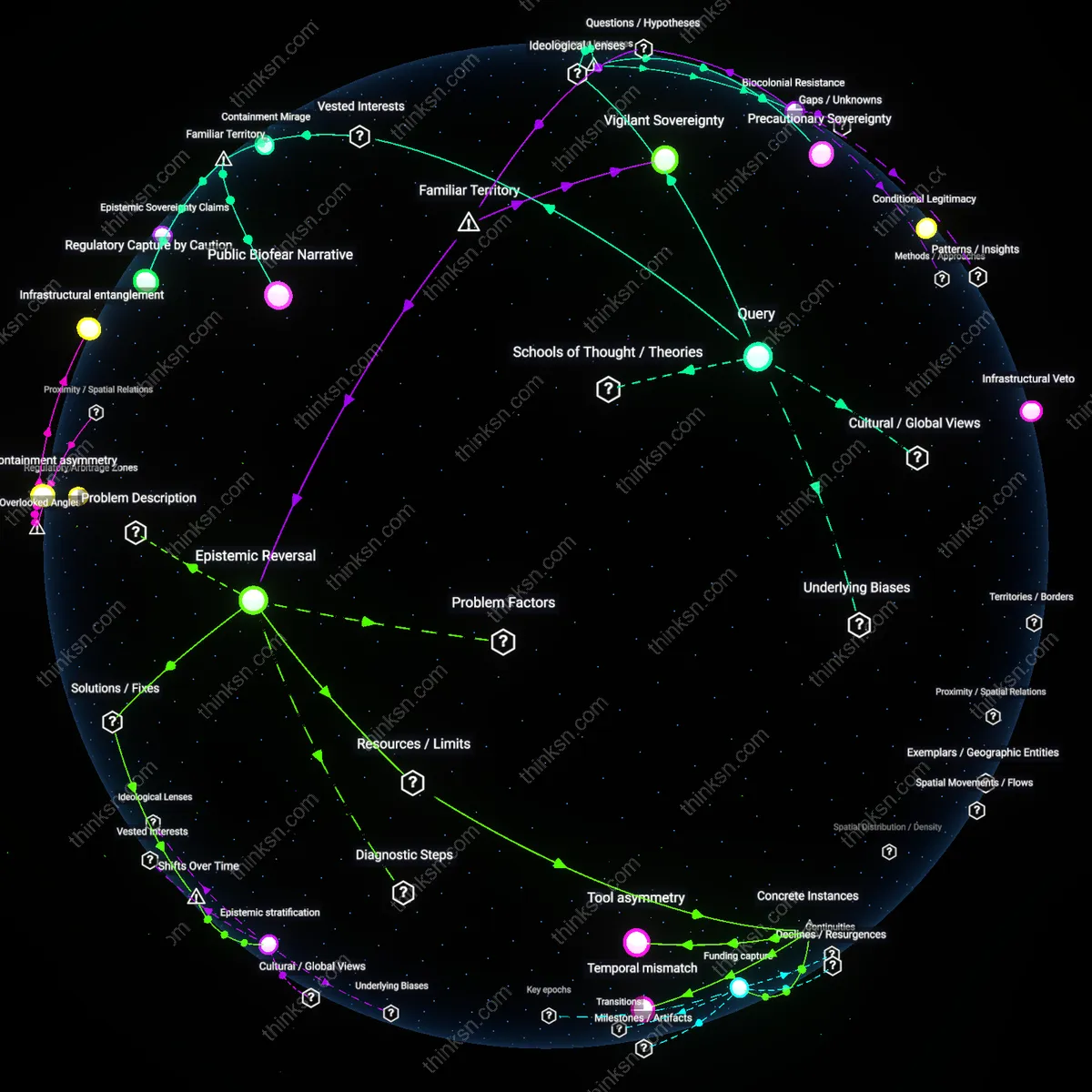
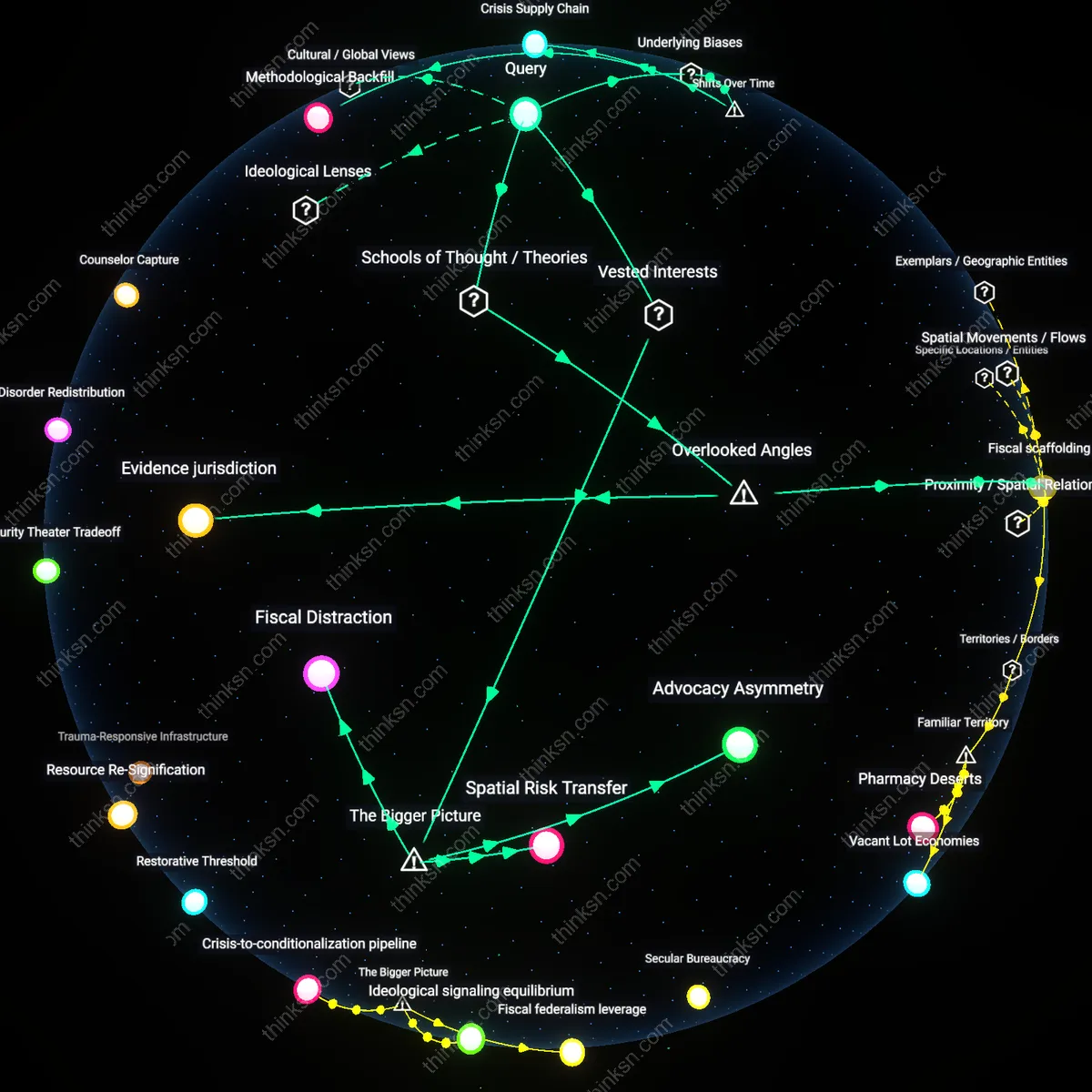
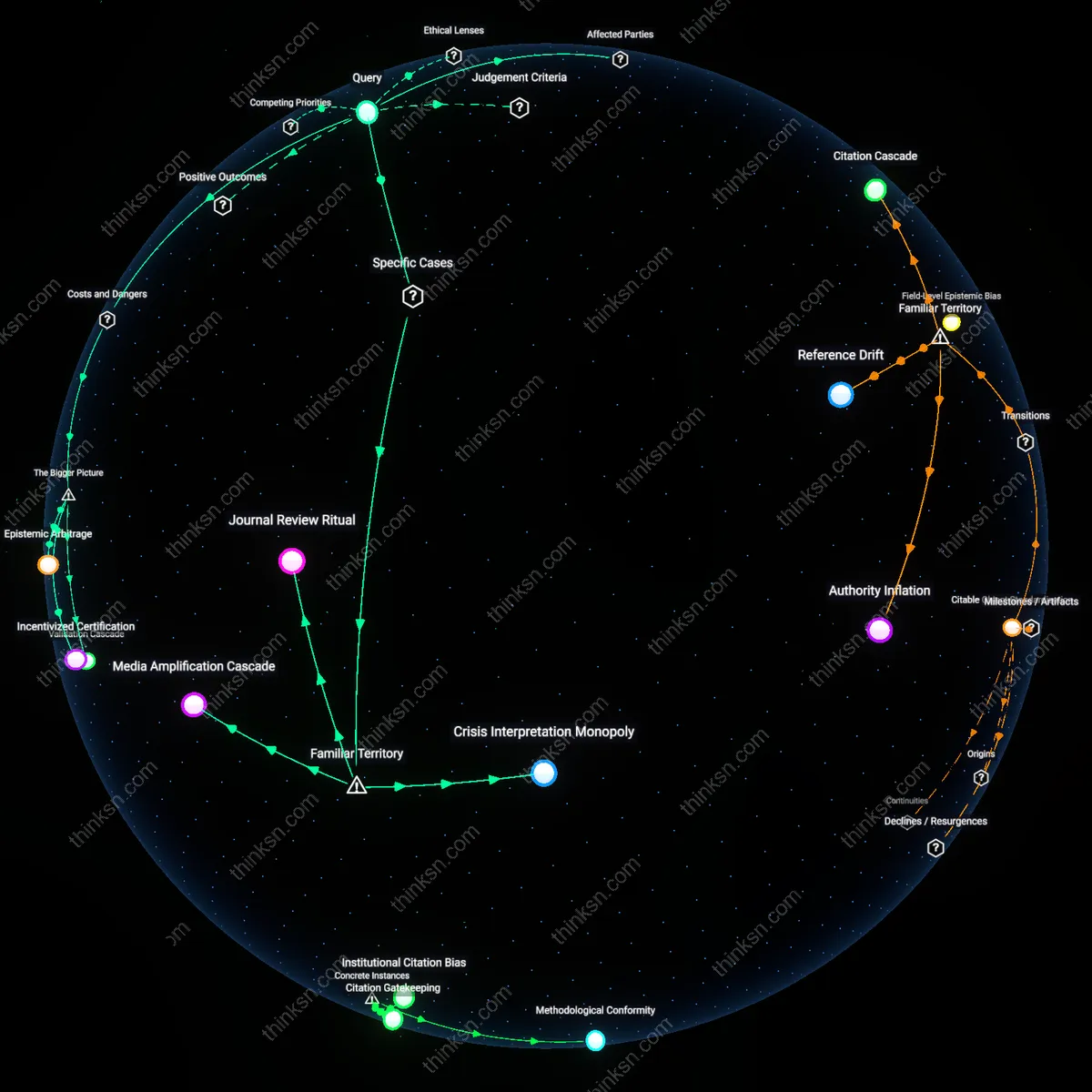
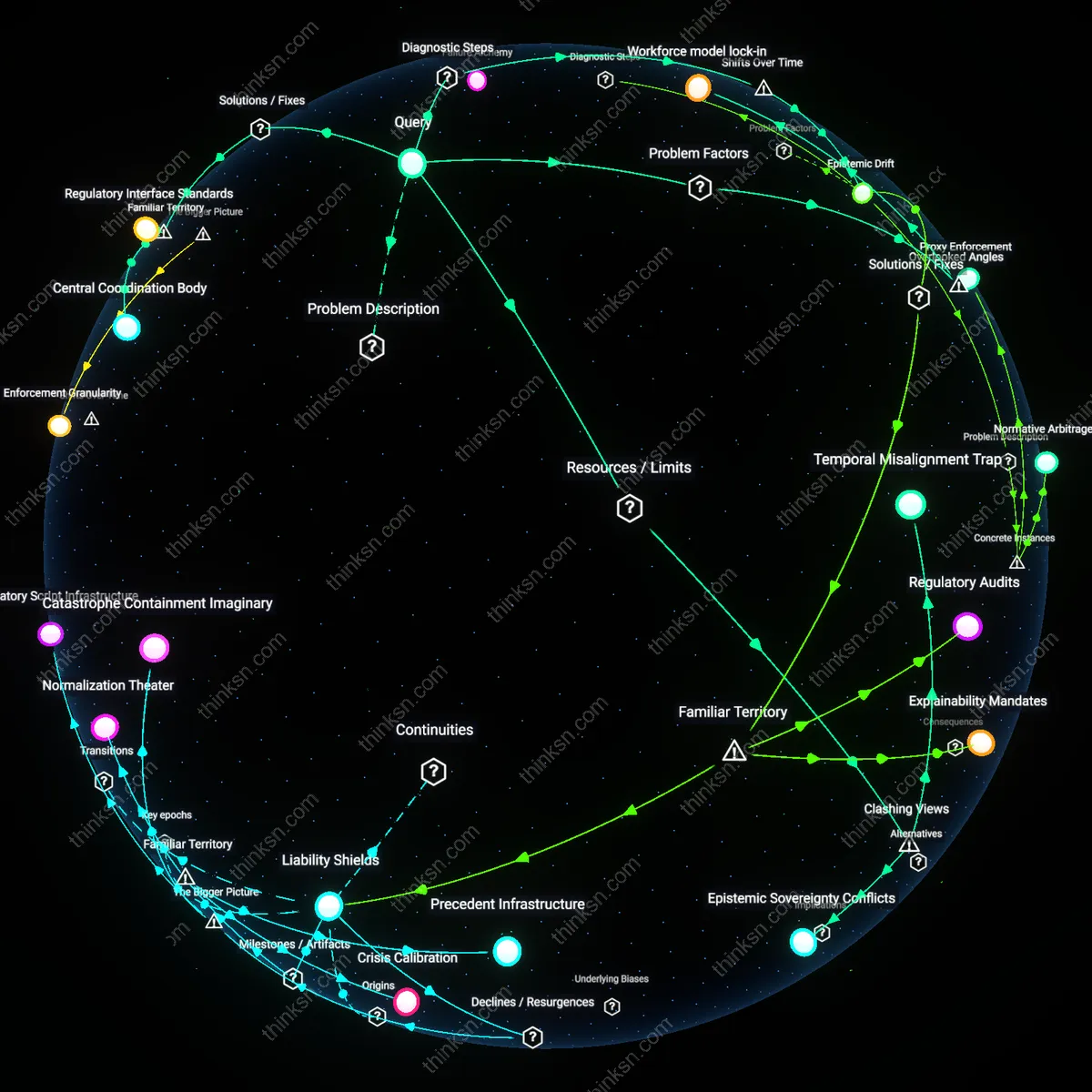
Analysis reveals 7 key thematic connections.
Key Findings
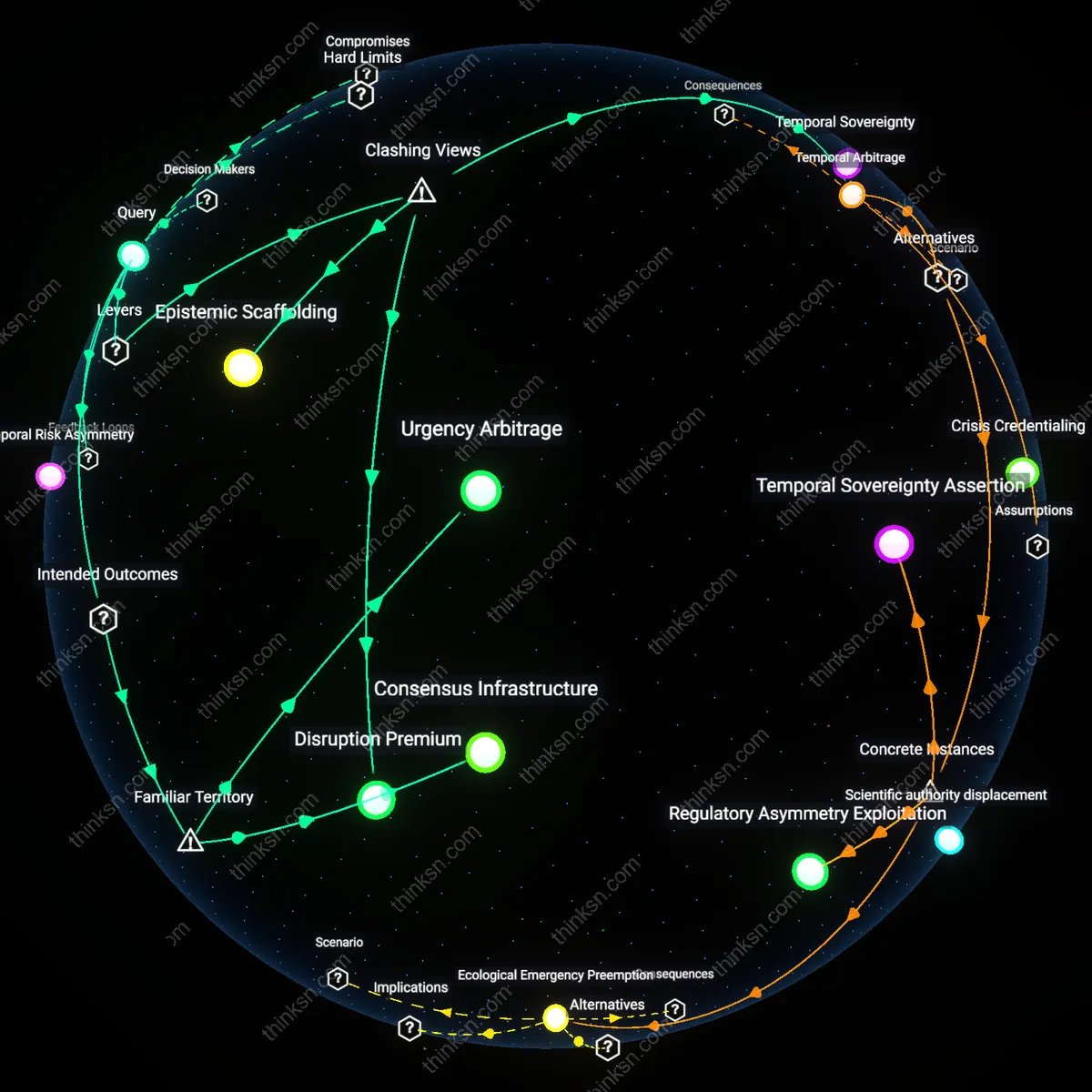
Temporal Arbitrage
Conservation funding should exploit uncertainty in biodiversity loss timelines by prioritizing interventions in regions where dated species decline data conflicts with recent local ecological reports. U.S. Fish and Wildlife Service listing delays in the Southeastern pine savannas have allowed state-level agencies to redirect federal pass-through funds toward habitat corridors premised on revised extinction windows. This leverages scientific disagreement as a temporal loophole, enabling action ahead of federally recognized collapse thresholds. What is underappreciated is that divergent timelines introduce arbitrage opportunities where lower-tier governance bodies can legally bypass funding triggers tied to federal species endangerment determinations, accelerating on-ground intervention without awaiting scientific consensus.
Disruption Premium
Funding strategies must allocate a fixed percentage of conservation capital to high-disagreement ecosystems regardless of projected extinction risk, because high-variance scientific projections correlate with policy inaction and sudden biodiversity collapse. The Amazon Basin’s varying deforestation extinction models—ranging from 20% species loss by 2100 to near-total collapse by 2050—have systematically delayed national action in Brazil until irreversible tipping points are approached. By mandating that agencies like USAID or the Global Environment Facility reserve 15% of biodiversity grants for zones with maximum inter-model divergence, funding instruments turn epistemic conflict into a positive signal for urgency. This reframes scientific disagreement not as a barrier to action but as a risk indicator more potent than consensus-based projections, challenging the assumption that uncertainty requires caution.
Epistemic Scaffolding
Donor agencies should tie multi-year funding disbursements to the co-production of scientific assessments by rival research teams rather than requiring settled timelines before action. When the International Union for Conservation of Nature and African elephant researchers from Sokoine University of Agriculture jointly recalibrated savanna elephant decline estimates in Tanzania, the resulting disagreement exposed hidden political pressures in national reporting, prompting bilateral donors to structure Swedish International Development Cooperation Agency funds around iterative peer audits. This turns funding into a mechanism for stabilizing contested knowledge, revealing that uncertain timelines are not flaws in science but symptoms of governance gaps where data serves as a proxy battleground. The non-obvious insight is that funding can be used not to resolve scientific disputes but to institutionally embed them as accountability features.
Temporal Risk Asymmetry
Direct conservation funding toward ecosystems with near-term collapse risk to preempt irreversible tipping points, because delaying action until scientific consensus emerges accelerates biodiversity loss through delayed response loops. When researchers debate timelines, institutions like IPBES or national agencies often defer funding pending consensus, but this deferral interacts with ecological threshold dynamics—systems such as coral reefs or Amazonian forests exhibit nonlinear degradation, where small delays in intervention enable feedback loops like algal dominance or savannization to take hold. The non-obvious insight is that uncertainty in timing does not imply equal probability across outcomes; evidence consistently shows that ecological systems under cumulative stress tend to fail earlier and faster than projected, making hesitation itself a driver of collapse.
Institutional Inertia Gradient
Prioritize funding mechanisms that bypass traditional multilateral consensus cycles to disrupt feedback loops between scientific uncertainty and bureaucratic risk aversion. Global environmental funders like the Global Environment Facility (GEF) or national bodies such as the U.S. Fish and Wildlife Service often require high-confidence projections before approving large-scale interventions, creating a balancing loop where uncertain timelines justify inaction, which in turn erodes monitoring capacity and amplifies future uncertainty. This cycle is reinforced by political actors who exploit scientific disagreement to justify budgetary restraint, particularly in donor countries where conservation competes with immediate economic priorities. The key dynamic is that the system rewards caution over adaptive experimentation, even when early action could generate the data needed to resolve the initial disagreement.
Urgency Arbitrage
Direct conservation funding should prioritize ecosystems with the shortest projected collapse timelines despite scientific disagreement. When models conflict on biodiversity loss schedules, agencies like the U.S. Fish and Wildlife Service or the IUCN can still act by allocating capital to regions where even the most conservative estimates suggest irreversible tipping points within a decade, such as Amazonian rainforest fragments experiencing dieback. This mechanism treats temporal uncertainty not as paralysis but as a spread of risk to be exploited—directing resources where consensus minima, not means, justify intervention. The non-obvious insight is that disagreement doesn’t negate actionable thresholds; it creates a hierarchy of urgency that funding can arbitrage, a logic rarely reflected in public appeals that emphasize universal decline.
Consensus Infrastructure
Conservation funders should invest in standardizing biodiversity modeling protocols to resolve timeline disagreements before scaling financial commitments. Major multilateral donors like the Global Environment Facility currently fund species protection based on divergent assessments from academic consortia and national agencies, leading to mismatched expectations about extinction risk schedules. By channeling resources into harmonizing data collection, such as satellite monitoring benchmarks or species population thresholds under IPBES coordination, funders can reduce epistemic friction that distorts allocation. The overlooked reality is that public discourse frames disagreement as a scientific failing, when in fact it stems from fragmented observational infrastructure—correctable through targeted institutional alignment rather than deferred action.