Expose Client Labor Breaches: Ethics vs. Career Costs?
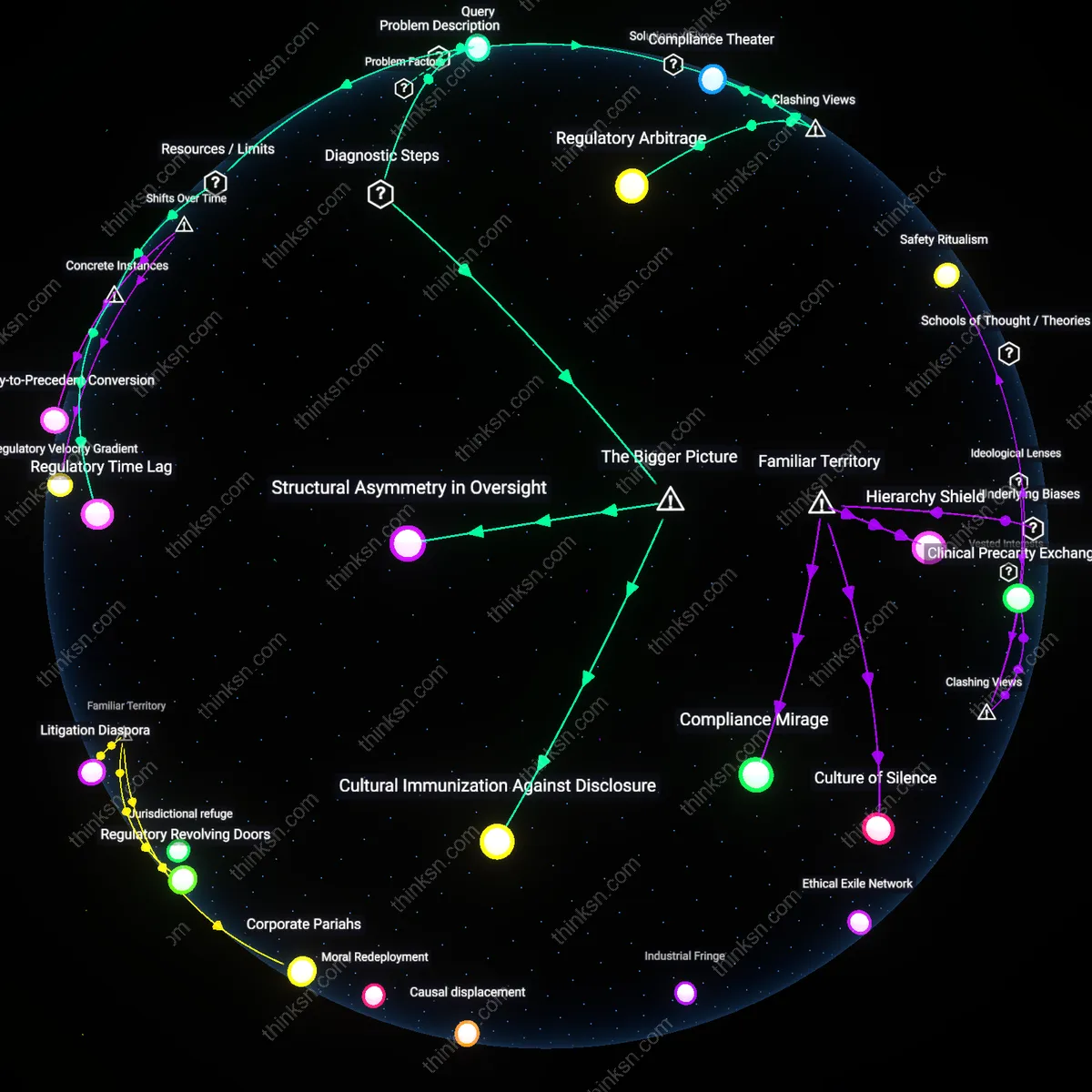
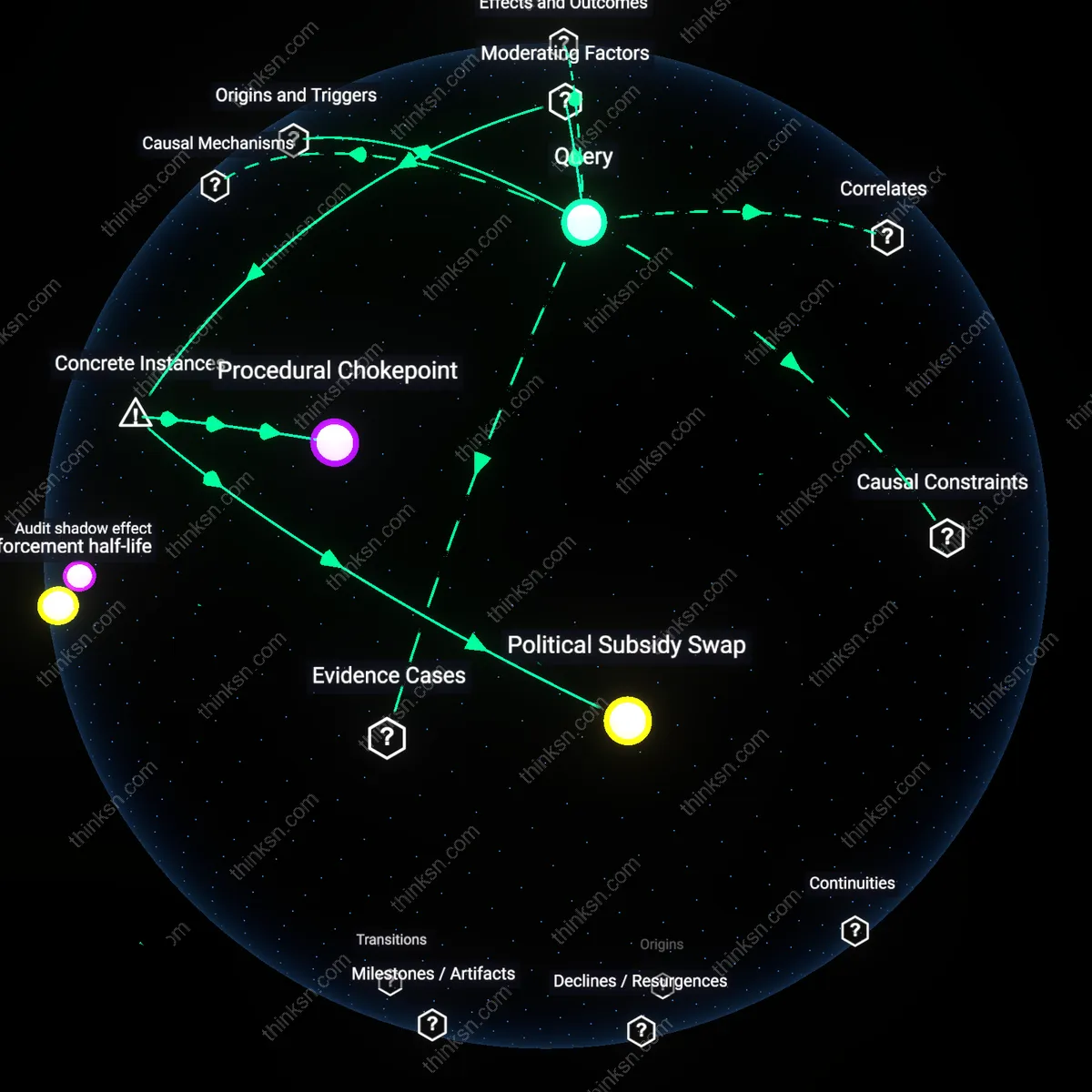
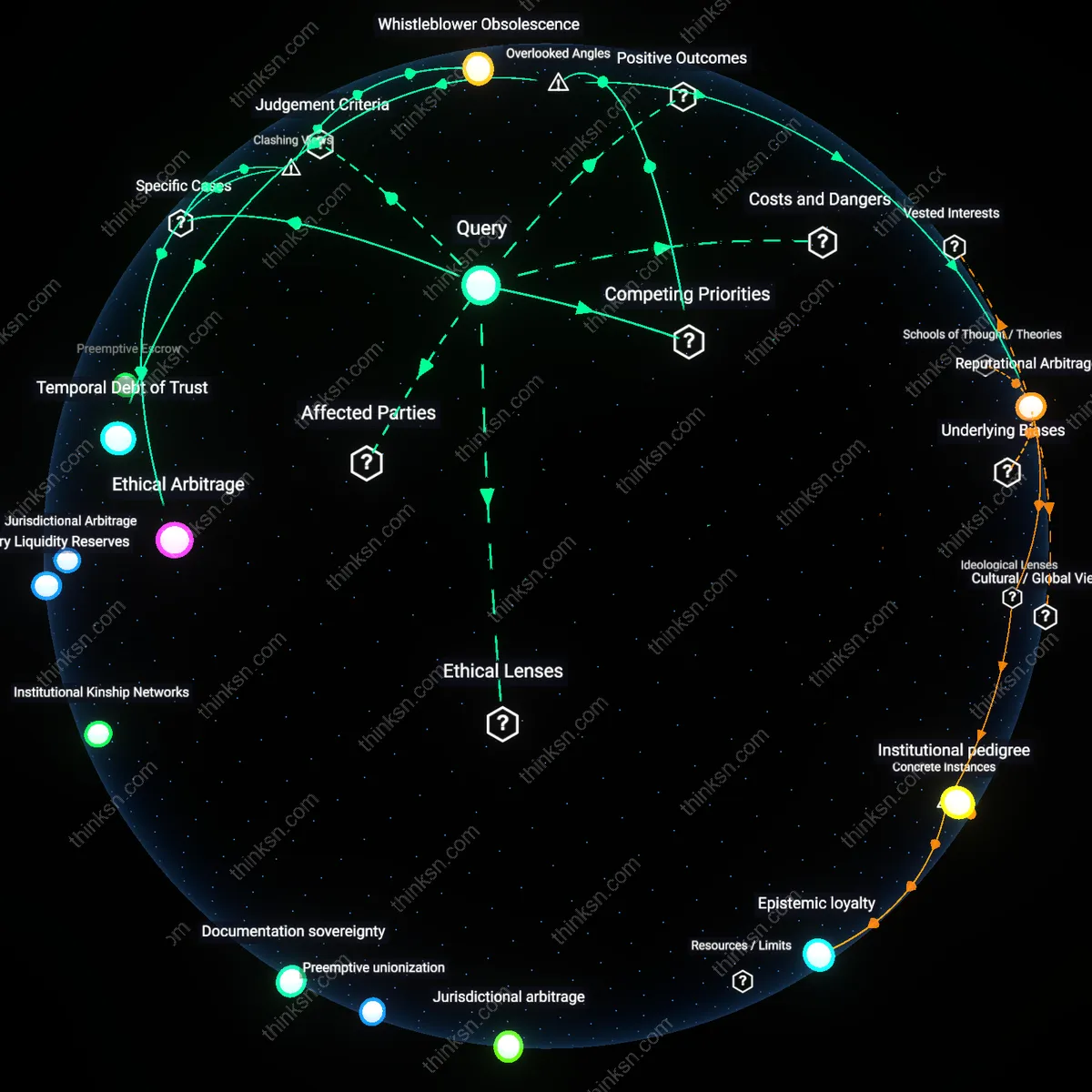
Analysis reveals 6 key thematic connections.
Key Findings
Reputational Arbitrage
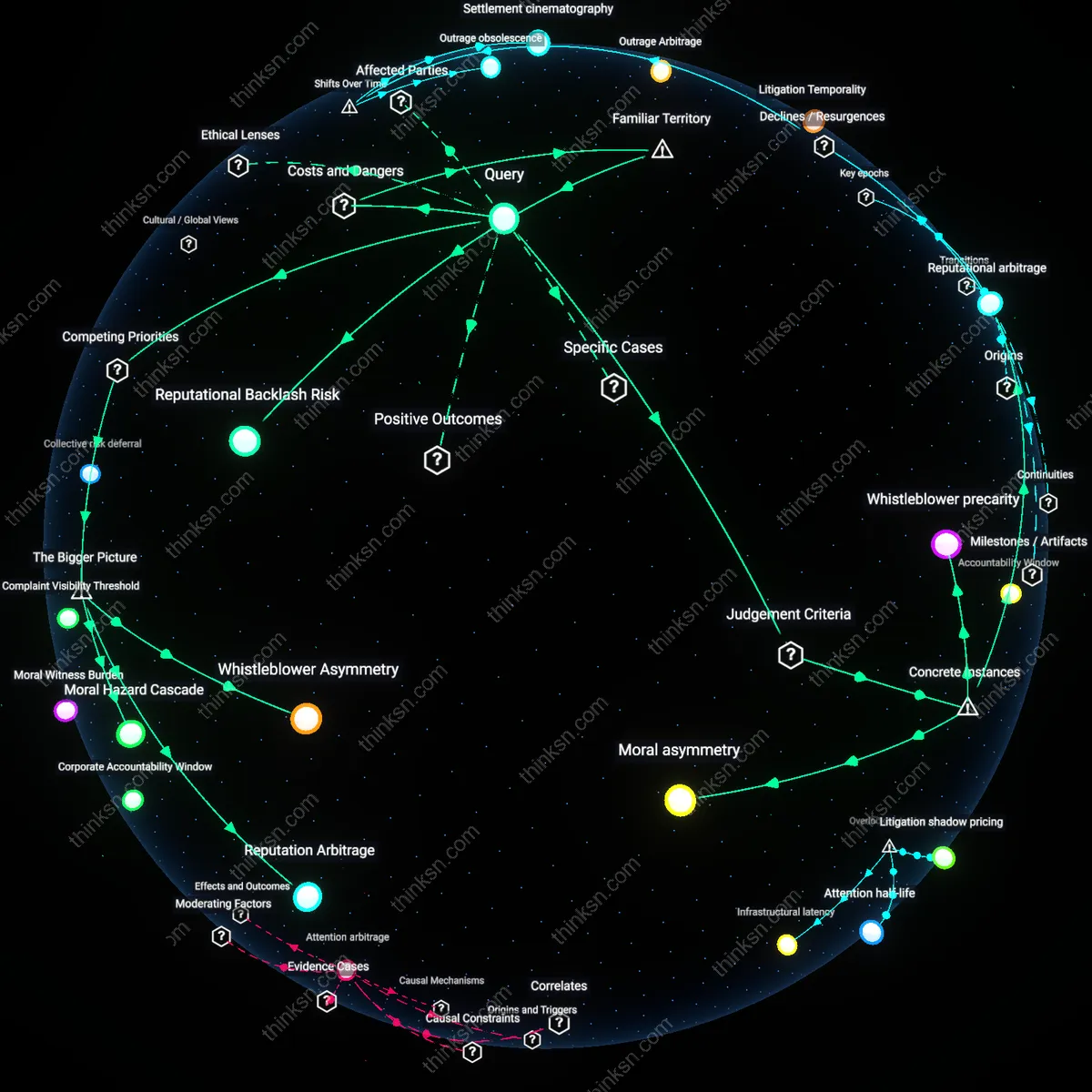
Choosing not to report a client’s labor violations can function as a form of reputational arbitrage, where the researcher leverages silence to position themselves as a low-risk, high-compliance partner in the eyes of contracting institutions that indirectly benefit from unacknowledged labor efficiencies. This mechanism operates through third-party auditing bodies and grant allocation committees that prioritize documentation of ethical compliance over its substantive enforcement, allowing researchers to exploit the gap between symbolic adherence and actual practice. What is overlooked is that non-disclosure becomes a calculated investment in perceived reliability, trading long-term credibility within oversight systems for short-term moral compromise — a dynamic rarely visible in ethics discussions that focus on individual guilt rather than systemic reward structures.
Methodological Capture
Reporting labor violations risks triggering methodological capture, wherein the client institution reconfigures research protocols to exclude access to politically sensitive sites or data streams under the guise of compliance reform, effectively punishing the researcher through epistemic exclusion. This operates through contractual amendment clauses that are typically activated post-disclosure, quietly severing observational access while maintaining the appearance of transparency. The overlooked dimension is that speaking ethically can induce a form of professional marginalization that is structurally indistinguishable from routine project closure, thereby disguising retaliation as administrative adjustment and making resistance self-silencing over time.
Temporal Debt of Trust
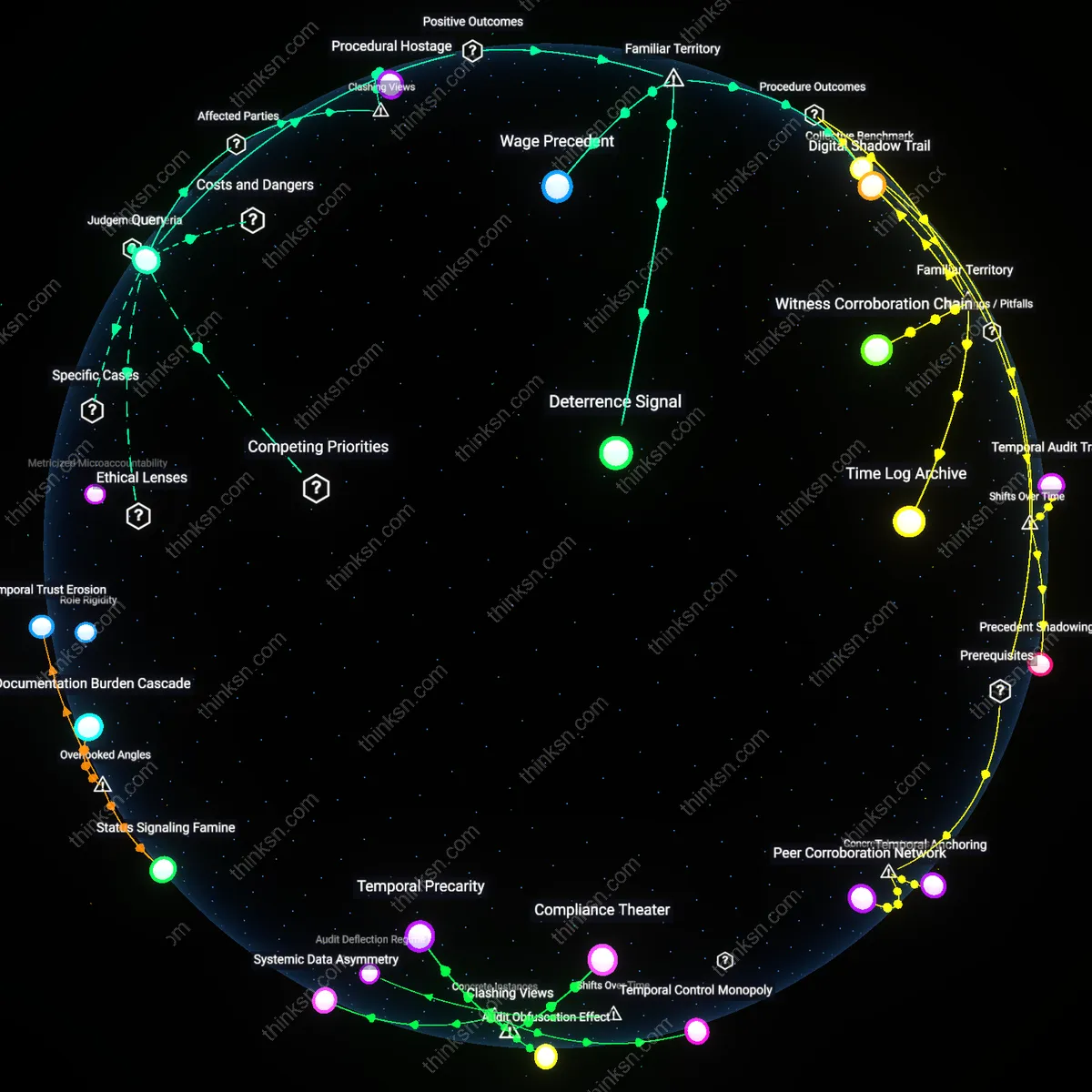
The decision to report or not enacts a temporal debt of trust, wherein the researcher incurs an invisible liability by delaying ethical action in exchange for immediate project continuity, which compounds as future research depends on unchallenged precedents set during earlier silence. This debt functions recursively through institutional memory — ethics review boards and funding panels retrospectively assess researcher neutrality based on past non-intervention, reinforcing complicity as precedent. Most analyses miss that inaction today becomes a binding standard for acceptable behavior tomorrow, transforming opportunistic pragmatism into intergenerational normative erosion within contract research ecosystems.
Client Sovereignty
A contract researcher should not report labor violations because their ethical obligation is functionally captured by the client's governance structure, as seen in global supply chain audits conducted by firms like SocioNext in Bangladesh, where subcontracted auditors who expose violations are blacklisted by sourcing platforms such as Intertek Select. This mechanism operates through a hidden hierarchy of accountability in which data legitimacy derives not from methodological rigor but from client retention, revealing that research integrity is contractually subordinate to commercial continuity—contrary to the assumption that ethical reporting is a neutral professional duty.
Whistleblower Obsolescence
Reporting labor violations perpetuates a flawed system where exposure substitutes for reform, evidenced by USAID-funded governance projects in Central America, where contracted researchers documenting farmworker exploitation enable donor agencies to claim vigilance without altering procurement contracts with implicated agribusinesses. Here, the act of reporting becomes a procedural discharge of responsibility within compliance architectures, demonstrating that transparency functions as a risk-mitigation ritual rather than a corrective lever—undermining the intuitive belief that disclosure inherently disrupts injustice.
Ethical Arbitrage
Contract researchers maximize long-term impact by strategically withholding reports, as observed in EU-funded factory monitoring programs in Vietnam, where researchers delay disclosure to align with unionization timelines negotiated by local labor NGOs, trading immediate exposure for structural change. This tactic exploits temporal asymmetries in enforcement ecosystems, revealing that non-disclosure can be a calculated investment in worker power rather than complicity—challenging the moral absolutism that equates silence with betrayal.