Is Mastering Generative AI Worth It for Graphic Designers?
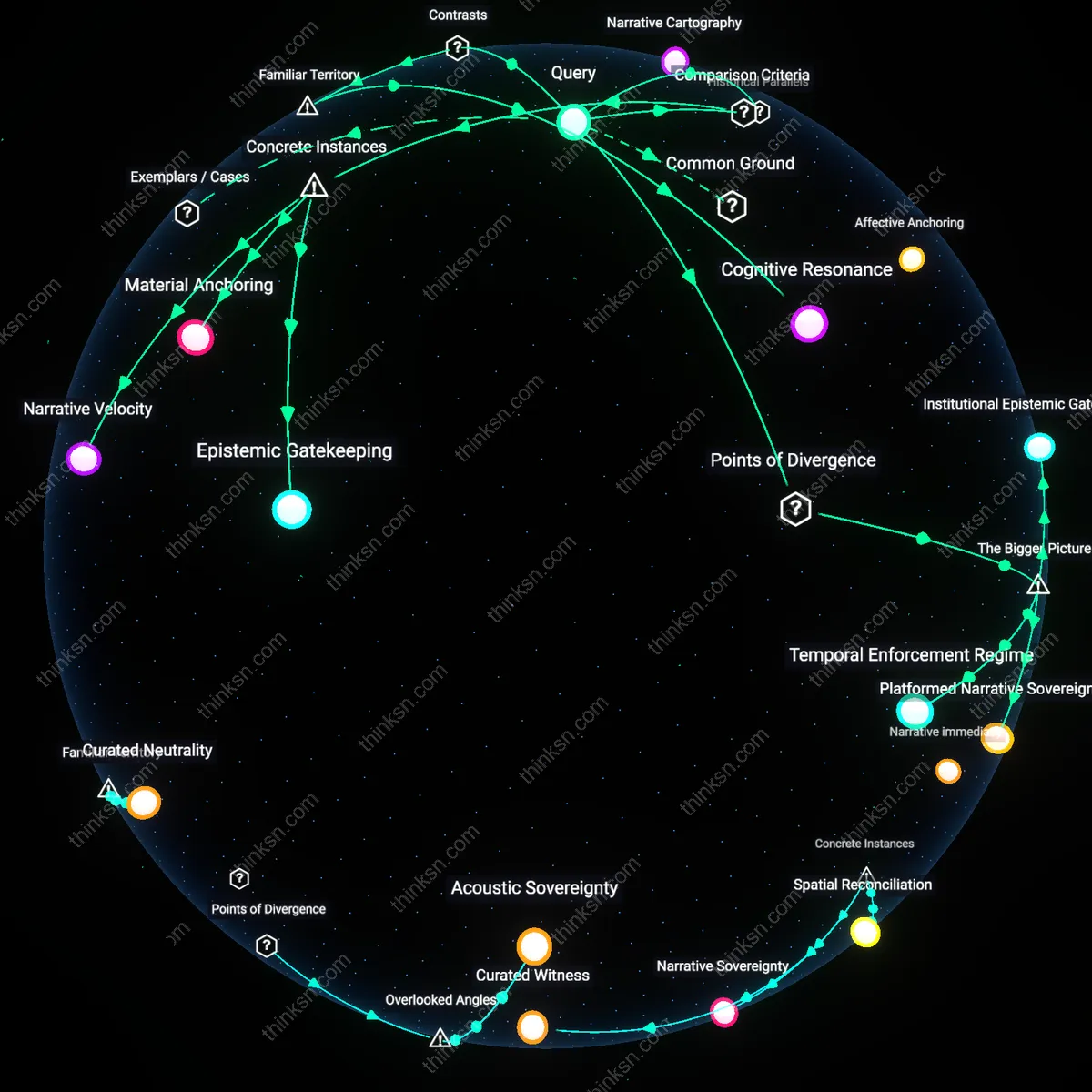
Analysis reveals 6 key thematic connections.
Key Findings
Creative Autonomy
A graphic designer should prioritize developing a hand-crafted artistic style to preserve creative autonomy, as the shift from pre-2010s tool-limited production to the post-2022 AI proliferation era revealed that artistic uniqueness has become a strategic differentiator in saturated algorithmic markets. Designers who cultivated distinctive styles before AI saturation now command premium value, as clients increasingly seek authenticity in response to homogenized AI outputs—this mechanism operates through market signaling and brand trust, where originality is priced higher in identity-driven industries like editorial, fashion, and independent media. The non-obvious insight exposed by this historical shift is that creative autonomy functions not as a romantic ideal but as a defensible economic position in the post-AI creative economy.
Generative Fluency
A graphic designer should adopt AI-generated art tools to achieve generative fluency, a capability that emerged as critical after 2023 when design workflows began integrating prompt engineering and iterative AI refinement as standard practice across major agencies like Pentagram and IDEO. This shift from hand-exclusive craftsmanship to hybrid co-creation with AI systems enables designers to rapidly prototype and diversify visual language, increasing throughput and adaptive responsiveness to client demands—this operates through compressed iteration cycles and cross-style agility within digital design ecosystems. The underappreciated outcome of this transition is that fluency in AI is no longer a technical add-on but a core literacy that redefines professional competence in contemporary design practice.
Style Ecology
A graphic designer should navigate the tension between AI and hand-crafted art by cultivating a style ecology, a concept forged in the mid-2020s as design communities increasingly treated visual identity as a dynamic system rather than a fixed output, responding to the destabilization of authorship norms caused by AI mimicry. This shift from static personal style to an evolving network of influences—where hand-drawn elements, AI textures, and cultural feedback loops coexist—enables designers to adapt across platforms and audiences while maintaining authenticity through traceable creative lineage. The key insight revealed by this transition is that sustainability in design now depends less on medium purity and more on the resilience and legibility of one’s artistic ecosystem in the face of algorithmic reproduction.
Creative Obsolescence
A graphic designer must prioritize market differentiation over technical efficiency because AI-generated art tools commoditize aesthetic novelty, forcing hand-crafted work to function not as a stylistic choice but as a defensive barrier against algorithmic homogenization. Designers who adopt AI tools participate in a feedback loop where popular outputs become overrepresented, eroding distinctiveness across the field—this dynamic privileges those who resist automation not for ideological reasons but to survive in a niche economy where authenticity is priced as scarcity. The non-obvious consequence is that hand-crafted style becomes less an expression of artistic integrity and more a strategic withdrawal from a system that rewards conformity through scale.
Labor Invisibility
Choosing AI tools over hand-crafted development reinforces a design economy that hides human curation beneath the myth of autonomous generation, shifting value from visible authorship to invisible prompt engineering and dataset labor. Clients and platforms benefit from obscuring the human decisions embedded in AI outputs, allowing them to claim originality without compensating the unseen labor that shapes aesthetic outcomes—this renders the designer’s role as both more essential and less recognized. The dissonance lies in the fact that pursuing efficiency through AI does not eliminate human input but displaces it into opaque, undervalued processes, making craftsmanship a radical act of visibility rather than mere tradition.
Style Debt
Opting for hand-crafted style entails accumulating style debt—an increasing burden of consistency and audience expectation that limits future creative flexibility, much like technical debt constrains software development. Designers who establish a unique visual identity become locked into reproducing it, as their brand equity depends on recognition, while AI users face no such constraint and can pivot styles freely, albeit at the cost of perceived authenticity. The underappreciated trade-off is that AI doesn’t just threaten originality—it inverts the cost structure of creativity, making adaptability the new privilege and consistency the new liability.