Wind Farms and Biodiversity: Rapid Renewables vs. Species Protection?
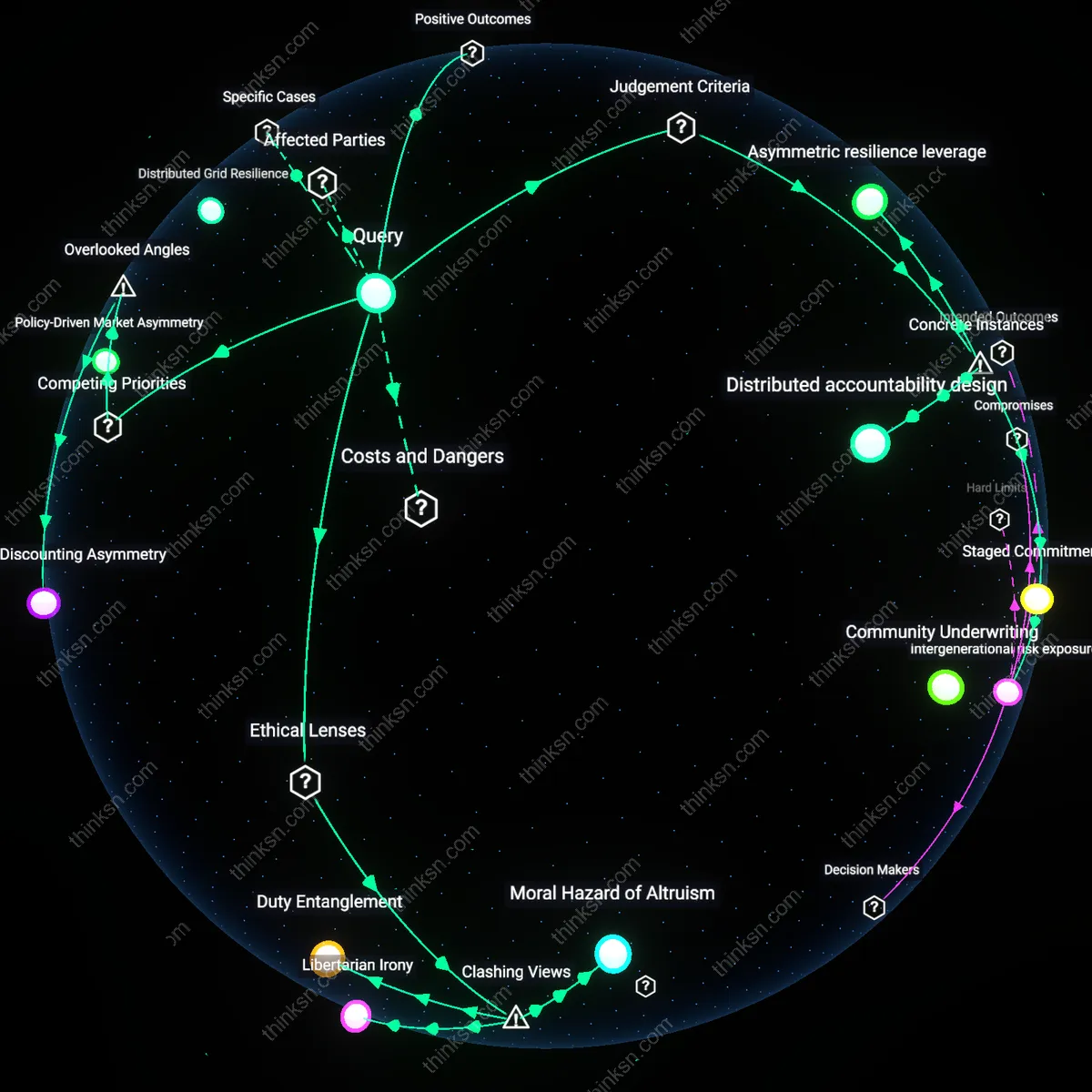
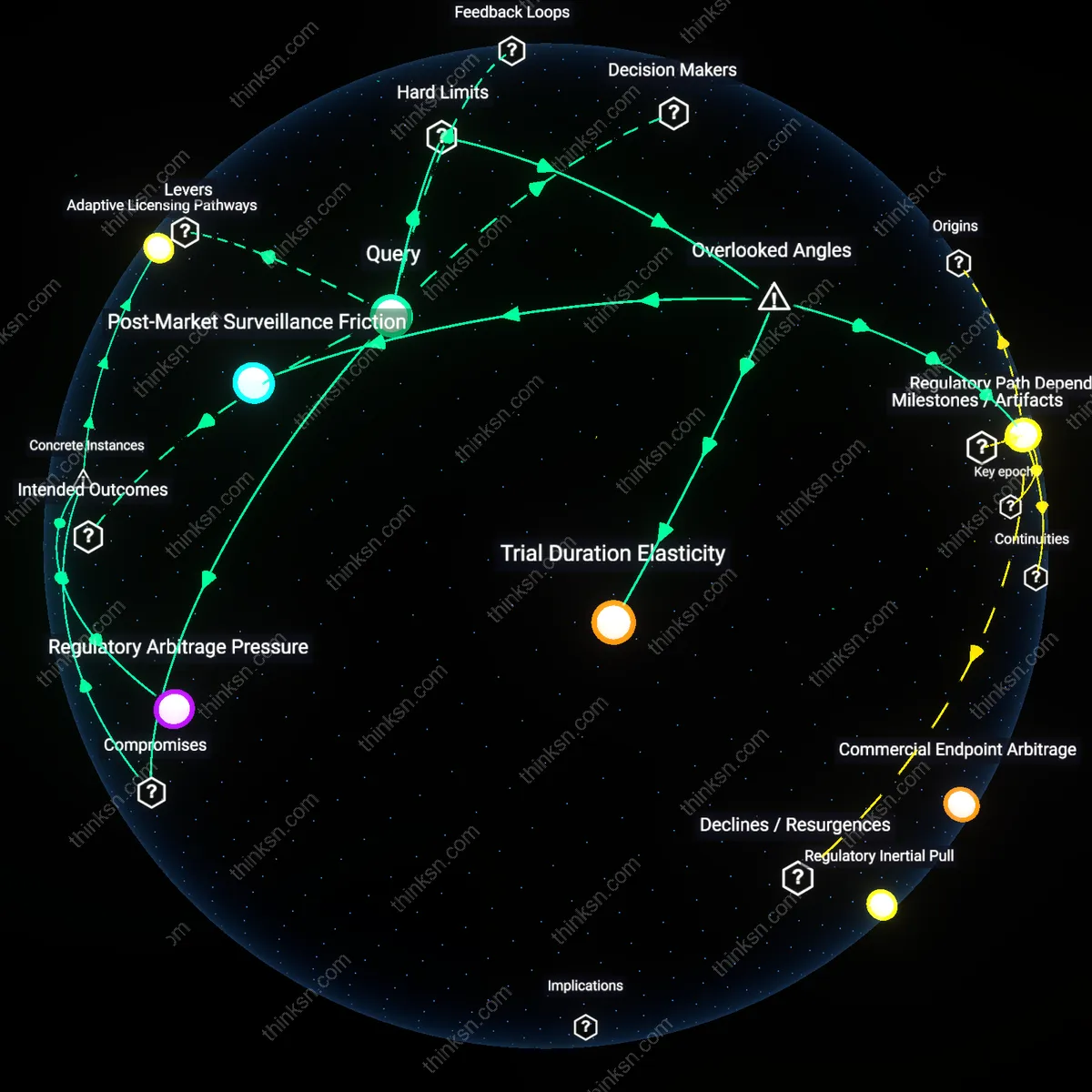
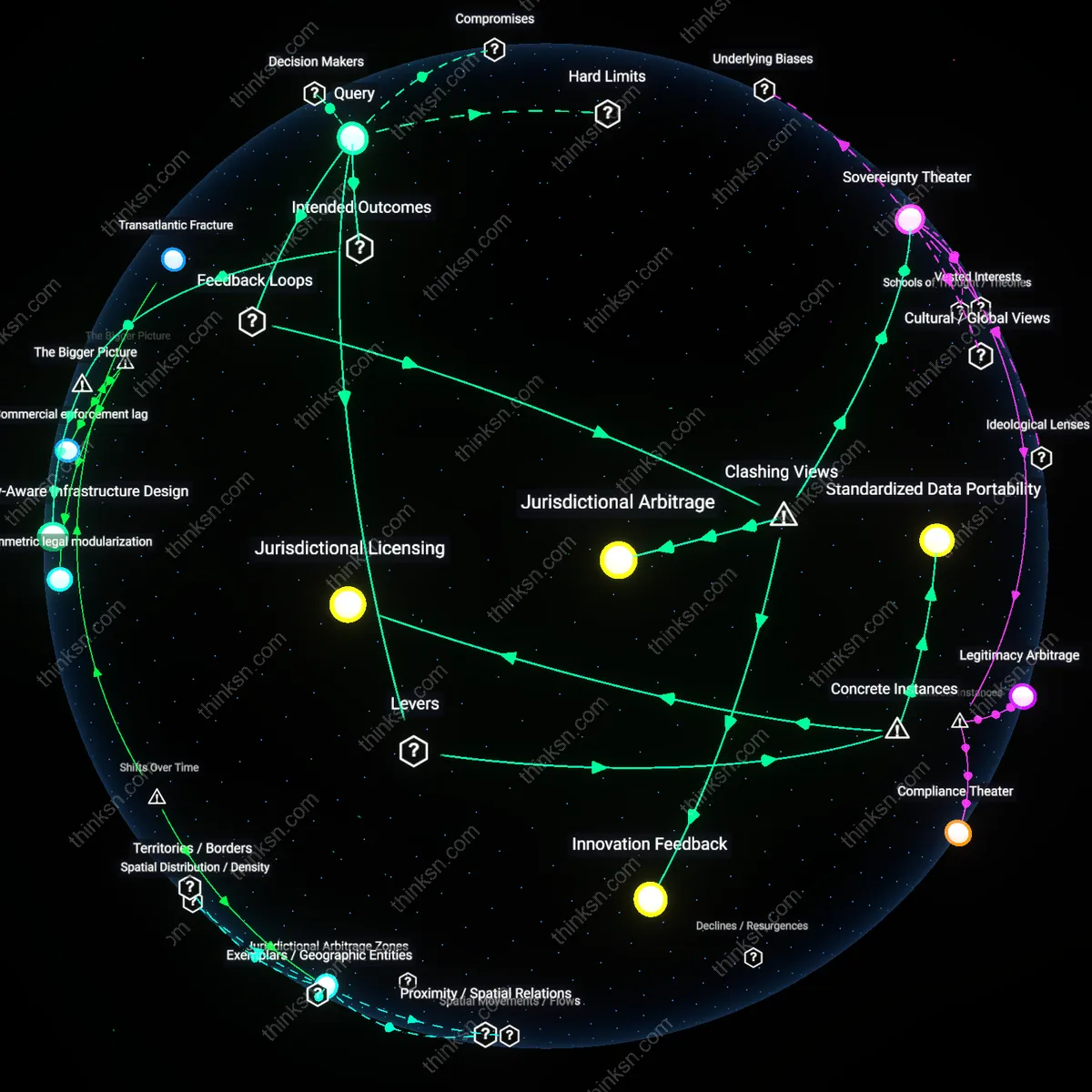
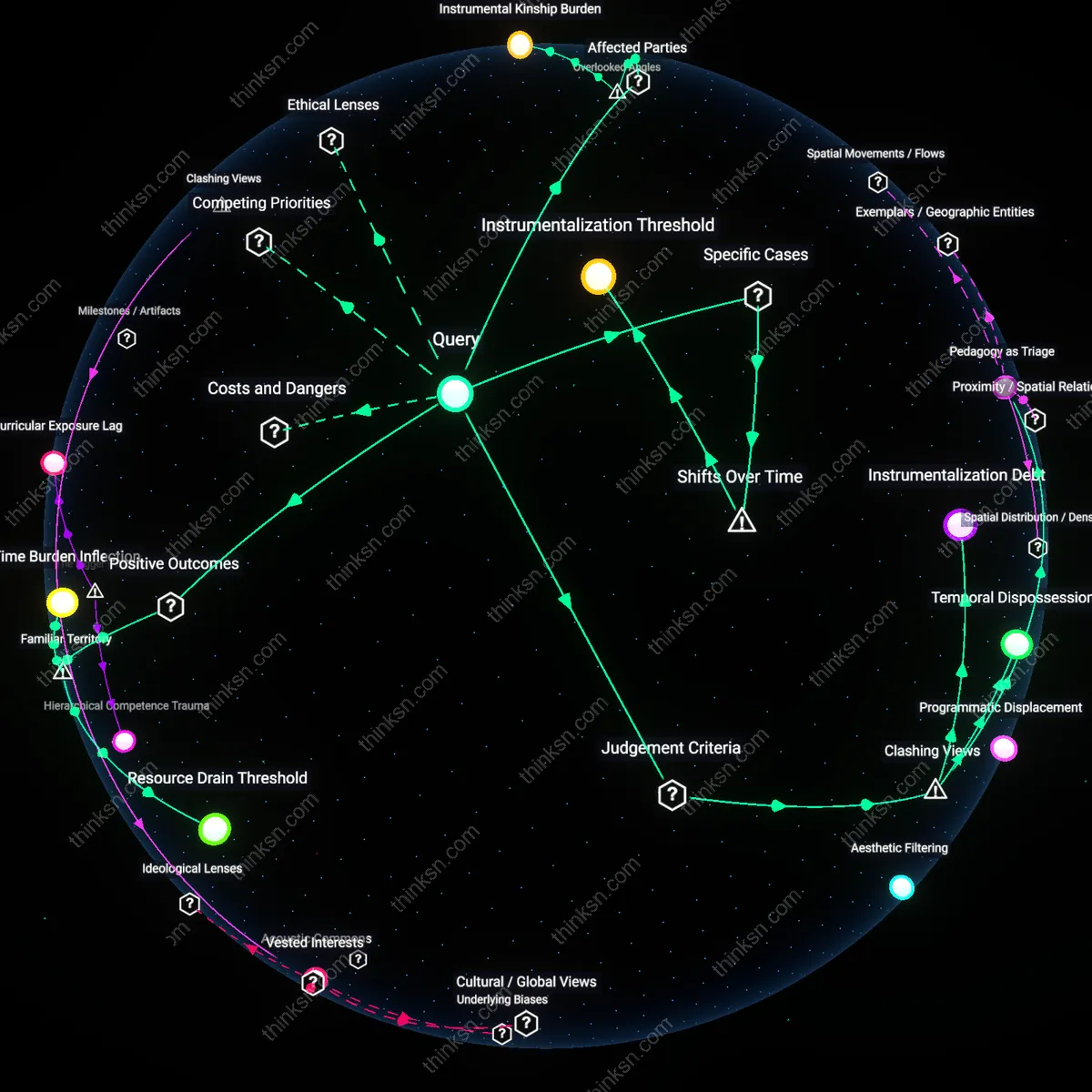
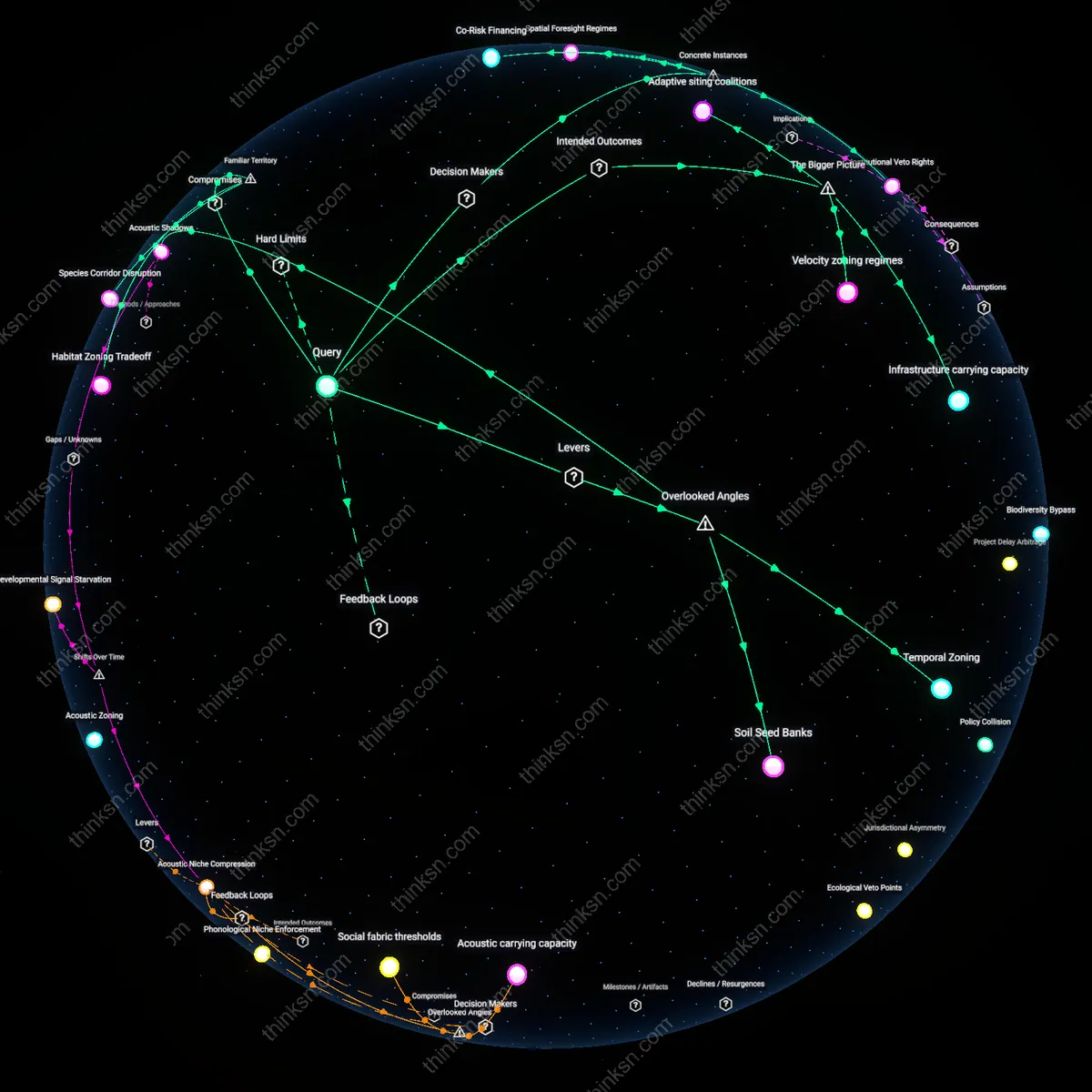
Analysis reveals 12 key thematic connections.
Key Findings
Temporal Zoning
Stagger wind farm construction phases to align with species’ non-migratory periods to reduce collision mortality during critical movement windows. This lever involves coordination between energy developers and regional ecological monitoring programs—such as those tracking radar signatures of bird and bat migrations in the U.S. Central Flyway—to restrict turbine activation during narrow phenological thresholds. Most siting analyses treat time as a constant backdrop, not a manipulable variable; by contrast, temporal zoning exploits seasonal lulls in biological activity as a regulatory instrument, decoupling infrastructure readiness from operational commencement. The non-obvious insight is that delaying energy production for weeks annually can preserve keystone species without undermining project viability—shifting the balance from spatial trade-offs to time-based negotiation.
Soil Seed Banks
Pre-harvest native seed banks from construction zones to enable precise post-build habitat reassembly, turning topsoil management into a biodiversity preservation tool. Heavy machinery during wind farm installation permanently alters soil stratigraphy, erasing dormant native seed banks that sustain post-disturbance regeneration in grasslands like the Patagonian steppe or the Great Plains. By mandating seed salvage before groundbreak—using protocols developed by restoration ecologists in Germany’s Lower Saxony wind regions—developers can reactivate local provenance plant communities after construction, preventing invasive species dominance. The overlooked dynamic is that subterranean biological memory, not just surface habitat area, determines long-term ecosystem resilience; treating soil as a living archive reframes excavation as an extinction risk multiplier unless actively mitigated.
Acoustic Shadows
Design turbine arrays to create intentional acoustic shadows that mask low-frequency noise propagation, reducing auditory habitat fragmentation for sound-sensitive species like the greater prairie chicken. Standard mitigation focuses on visual or physical barriers, but infrasound from rotor blades disturbs vocal communication and mating displays in lekking birds and certain bats, even at distances beyond human perception. By modeling sound dispersion through computational fluid dynamics and adjusting inter-turbine spacing—such as in the Texas Panhandle projects—developers can sculpt acoustic microclimates where ambient noise dips below behavioral disruption thresholds. The hidden dependency is that auditory space functions as critical habitat; manipulating soundscapes through array geometry, rather than just reducing output, reveals noise not as inevitable pollution but as a spatially designable variable.
Institutional Veto Rights
Establishing statutory biodiversity review boards with legal authority to halt wind projects enables enforceable conservation trade-offs, as demonstrated by Germany’s Federal Nature Conservation Agency (BfN) blocking the 2021 Windpark Krummes See expansion in Mecklenburg-Vorpommern due to conflict with EU Natura 2000 bird migration corridors; this case reveals that decentralized state-level environmental agencies, when empowered by national law to exercise binding veto rights over energy infrastructure, can enforce ecological red lines without derailing energy transitions, a structural check often overlooked in top-down decarbonization planning.
Co-Risk Financing
The U.S. Department of Energy’s 2022 collaboration with the National Audubon Society to jointly fund pre-construction raptor mortality modeling at the Chokecherry and Sierra Madre Wind Farm in Wyoming created a shared financial stake in avoiding golden eagle fatalities, triggering turbine micro-siting adjustments; this hybrid public-conservation financing mechanism transforms biodiversity protection from a regulatory burden into a co-owned risk management process, revealing that pooled investment in predictive science can align energy developers and conservation actors as mutual risk-avoiders rather than adversarial stakeholders.
Spatial Foresight Regimes
Denmark’s Energy Agency integrated avian radar data from the Falsterbo Peninsula into its national wind concession auction design, conditioning site access on real-time bird traffic thresholds developed with the Danish Ornithological Society; this transformed biodiversity data from post-hoc mitigation inputs into ex ante spatial governance rules that shape competitive bidding, revealing that predictive ecological intelligence institutionalized in market mechanisms can pre-empt conflicts by making environmental performance a determinant of economic opportunity, not a downstream compliance cost.
Habitat Zoning Tradeoff
Prioritize wind farm placement in already disturbed landscapes like former agricultural or industrial zones to accelerate deployment while avoiding ecologically sensitive areas. This approach leverages existing land-use transformations, where biodiversity losses have already occurred, reducing further encroachment into intact ecosystems; developers, regulators, and conservation groups can align around pre-cleared sites, streamlining permitting and environmental review. The non-obvious insight is that the fastest path to scale isn’t virgin territory but degraded land, shifting the expectation that renewable energy must 'reclaim nature' to instead 're-purpose ruin'.
Temporal Bypass Strategy
Accelerate wind farm approvals in biodiversity-sensitive regions by mandating conservation offsets—such as habitat restoration or land protection elsewhere—to neutralize ecological impact. This mechanism decouples the timing of energy development from local ecological constraints, allowing rapid deployment as long as equivalent conservation gains are secured downstream. The underappreciated reality is that speed is achieved not by ecological compatibility, but by temporal and spatial arbitrage, where harm is acknowledged but displaced across time and geography.
Species Corridor Disruption
Deploy wind turbines along linear infrastructure corridors like highways or transmission routes to minimize additional fragmentation of continuous habitats. This minimizes new land-take and avoids slicing through migratory pathways or breeding zones, preserving functional connectivity for wide-ranging species. What’s often overlooked is that the most visible conflict—turbines versus birds—is less about individual collisions and more about how cumulative development degrades the structural integrity of movement networks essential for genetic and population resilience.
Adaptive siting coalitions
Establishing regionally empowered coalitions of energy developers, conservation NGOs, and Indigenous land stewards to co-design wind farm siting protocols ensures that deployment speed is matched by local ecological legitimacy. These coalitions institutionalize rapid yet ecologically informed decision-making by granting decision rights to actors with on-the-ground monitoring capacity and cultural knowledge, thereby reducing conflicts and costly delays driven by litigation or misinformation. This approach uniquely counteracts the systemic fragmentation between federal energy mandates and hyperlocal biodiversity vulnerability by creating adaptive governance units that internalize both urgency and place-specific risk—a dynamic rarely captured in top-down environmental impact assessments.
Velocity zoning regimes
Implementing dynamic zoning frameworks that pre-classify landscapes into go/no-go categories based on real-time species migration data and cumulative habitat fragility enables wind developers to deploy at scale without iterative environmental review bottlenecks. By anchoring these zones in automated ecological monitoring systems—such as AI-tracked bird flight corridors and soil stability sensors—regulators can shift from reactive permitting to anticipatory approval pathways. This mechanism transforms biodiversity conservation from a project-level constraint into a system-level enabler of velocity, revealing how the pressure to accelerate energy transitions can inadvertently strengthen ecological vigilance when institutional design aligns speed with adaptive thresholds.
Infrastructure carrying capacity
Treating biodiversity resilience as a measurable infrastructure metric—akin to grid load tolerance—forces developers and environmental agencies to negotiate deployment pace within scientifically defined ecosystem recovery limits rather than relying on static set-asides or offset schemes. This recalibration positions ecological systems as active infrastructure components whose depletion can trigger deployment moratoria, enforced through integrated monitoring platforms like eDNA sampling networks and satellite-derived habitat fragmentation indices. The non-obvious insight is that large-scale wind buildout, when tied to biophysical feedback loops, becomes a driver of precision conservation by exposing the true operational costs of landscape conversion under climate stress.