Does Tenant Advocacy Shift Power in Unlivable Rentals?
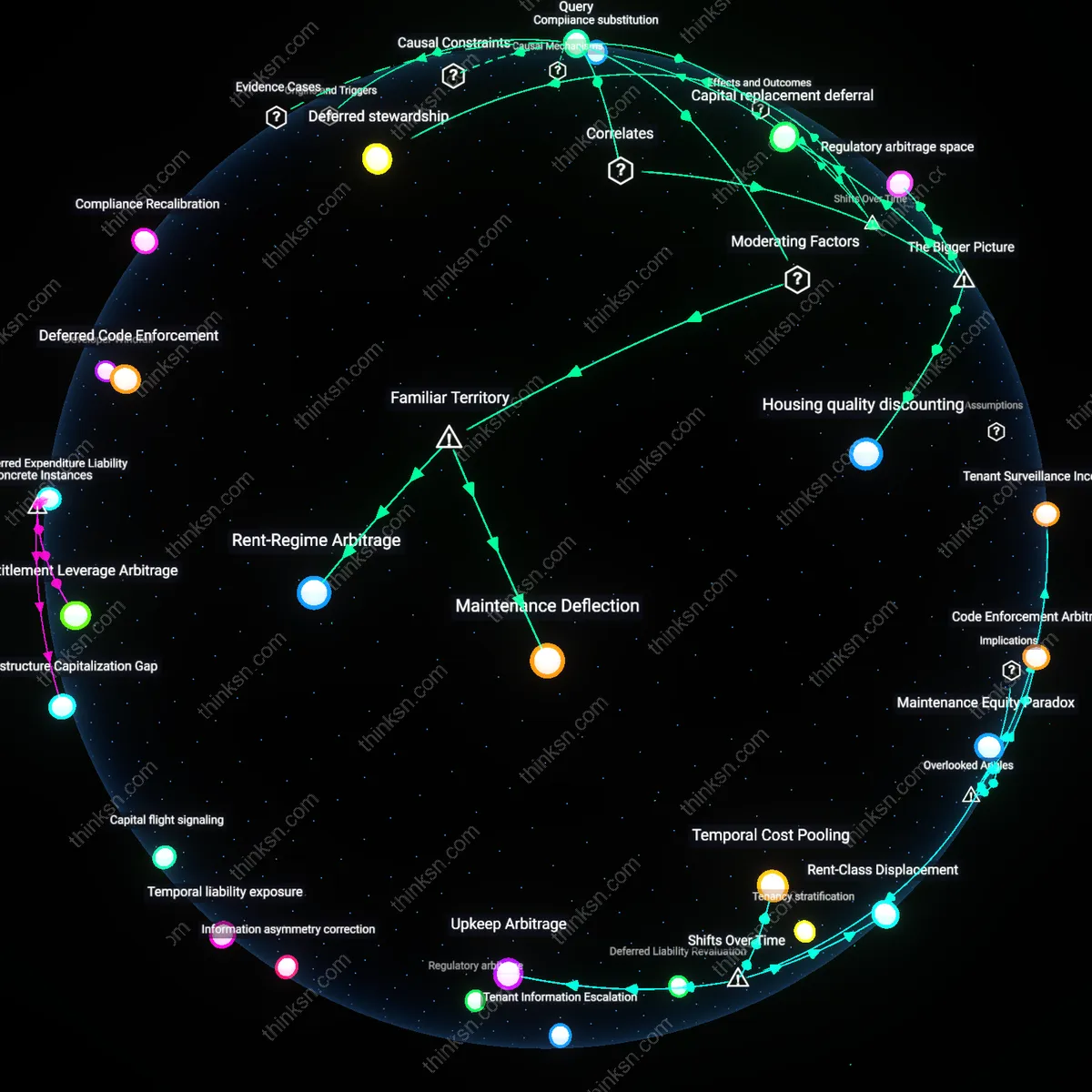
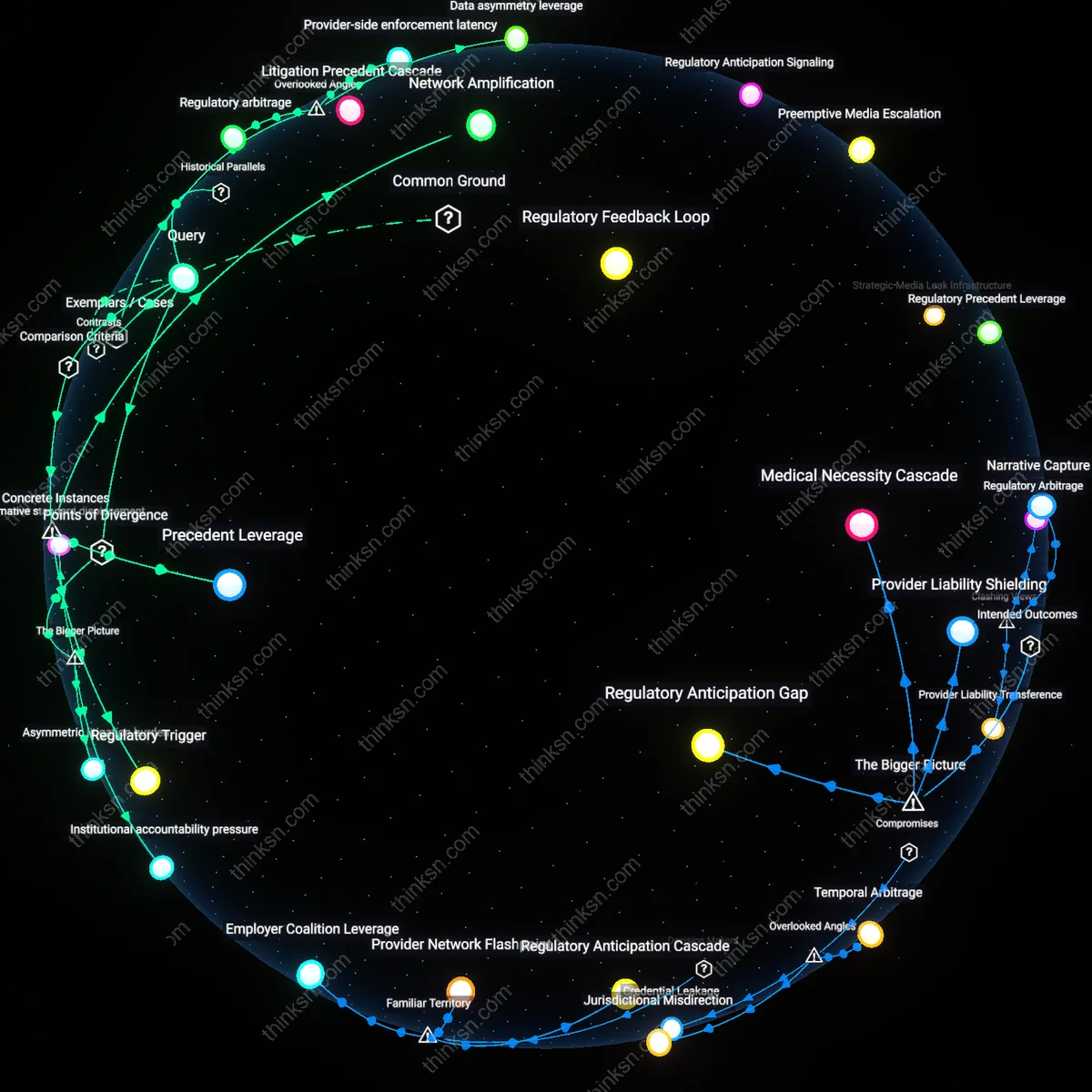
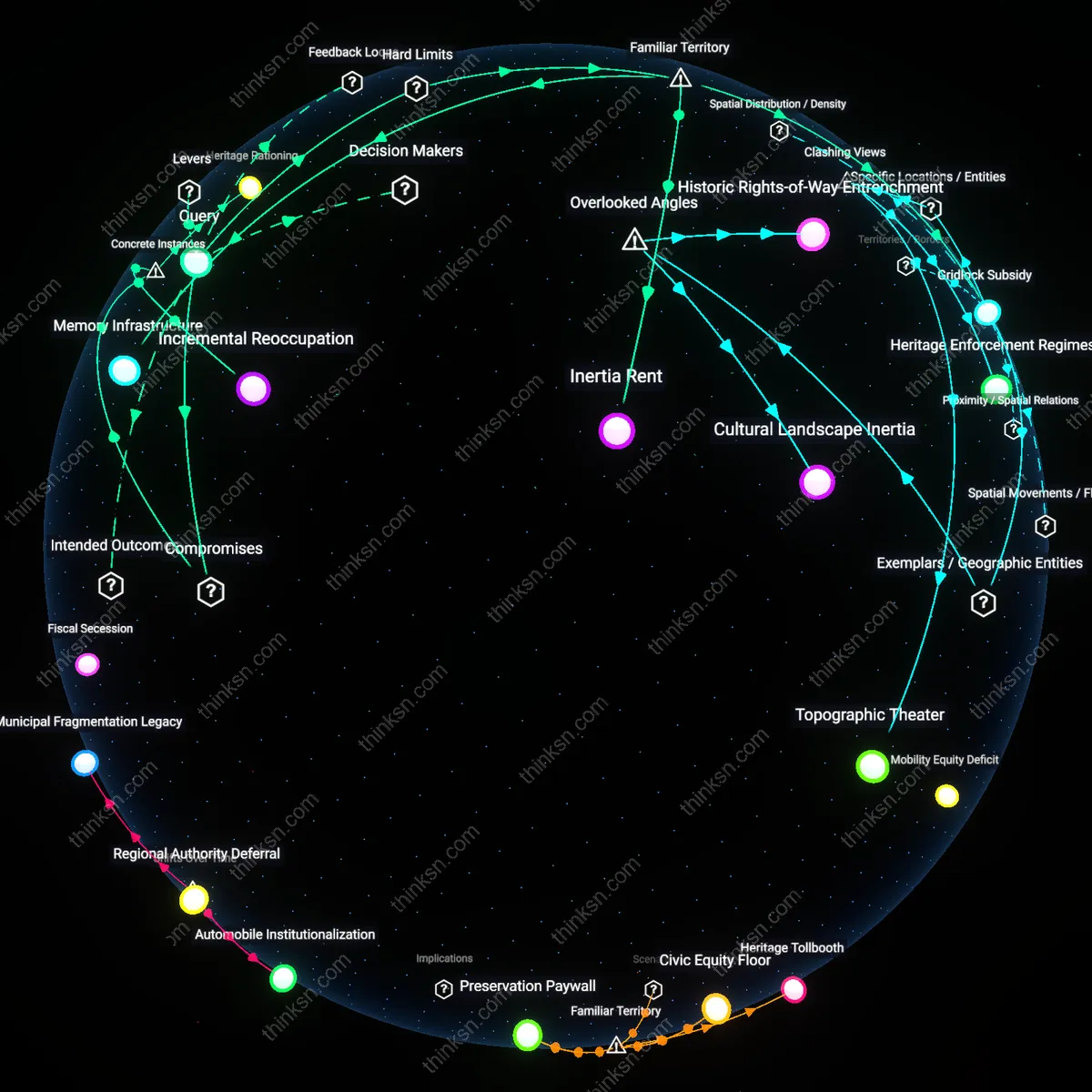
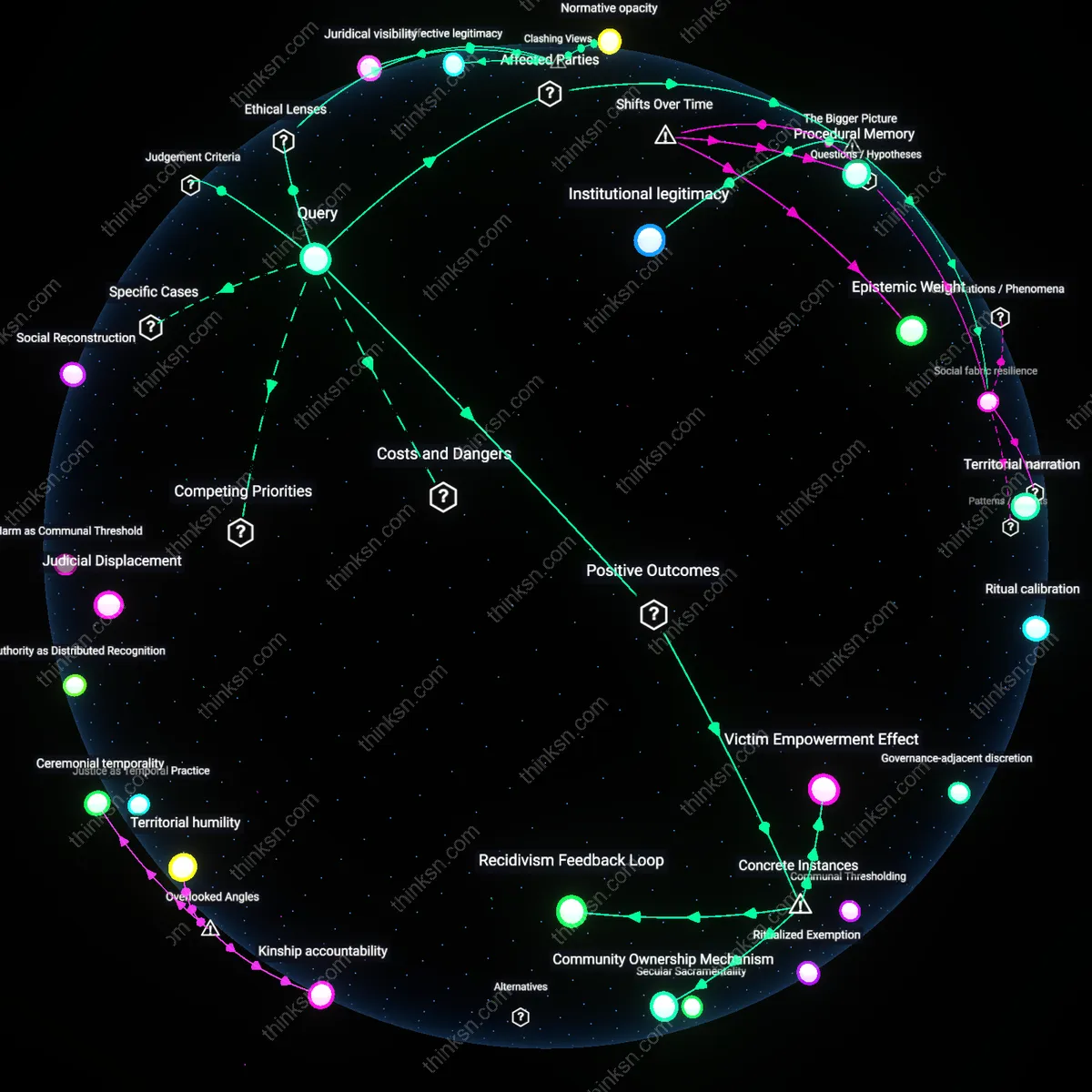
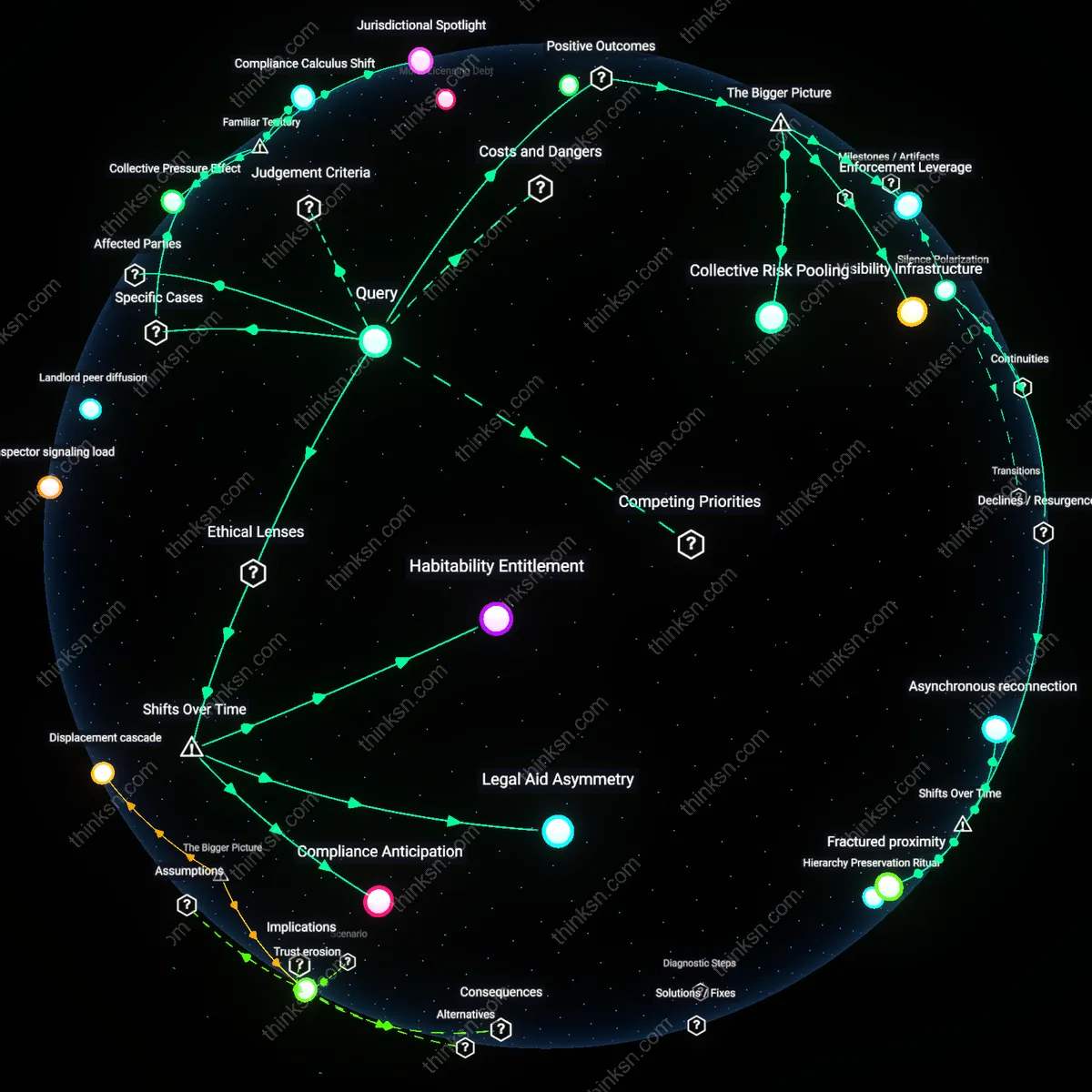
Analysis reveals 12 key thematic connections.
Key Findings
Bystander legitimization
A local tenants’ advocacy group shifts enforcement power not primarily by confronting landlords, but by altering the perception of legitimacy among neighbors and community institutions who previously tolerated violations. When advocacy groups publicize specific habitability failures—like chronic mold in a four-unit building on Elm Street—local actors such as property managers of adjacent buildings, block associations, or small contractors begin to treat code violations as socially unacceptable, not just legally dubious. This bystander legitimization, where third parties shift from passive awareness to active disapproval, disrupts the informal tolerance networks that insulate negligent landlords from accountability. The overlooked mechanism is social threshold behavior in close-knit urban neighborhoods, where small public acts by advocates can tip otherwise silent majorities toward non-cooperation with violators, such as refusing rental referrals or withholding informal maintenance support.
Inspector signaling load
The presence of a tenants’ advocacy group improves enforcement outcomes by reducing the informational burden on understaffed municipal housing inspectors, who rely on patterned reporting rather than isolated complaints to justify intervention. In cities like Baltimore or Oakland, inspectors prioritize properties flagged repeatedly by a single coordinated source—such as a tenant group documenting peeling lead paint across multiple units over six months—because such data reduces perceived risk of false or retaliatory claims. This creates a feedback loop where organized documentation becomes a silent gatekeeper for state action, transforming advocacy not into direct power but into credibility amplification. The overlooked factor is the cognitive workload of frontline bureaucrats, whose discretionary attention is a scarce resource disproportionately allocated to cases that demonstrate collective coherence over time.
Landlord peer diffusion
Tenants’ advocacy groups indirectly enforce habitability standards by triggering reputational contagion among small-scale landlords who share contractors, lenders, or informal knowledge networks, such as landlords who meet at local hardware stores or credit unions. When one landlord faces sustained advocacy and fines—publicly tied to specific issues like lack of heat in winter—the cost of non-compliance becomes embedded in peer-to-peer advice chains, where others proactively repair conditions to avoid scrutiny. This landlord peer diffusion effect operates outside formal regulation, relying on social learning in economically marginal property circles where visibility of enforcement outcomes is low but word-of-mouth is high. The underappreciated dynamic is that enforcement is not just deterrent-based but socially transmitted, making advocacy groups inadvertent vectors of normative change within the perpetrator class itself.
Enforcement Leverage
A local tenants’ advocacy group meaningfully shifts power toward enforcement by converting isolated tenant grievances into coordinated, evidence-based complaints that compel municipal code enforcement to act. This occurs because city inspectors rely on documented, repeated violations to justify sustained intervention, and advocacy groups provide structured data collection, legal witnessing, and political cover to act—transforming episodic reporting into institutional accountability that overcomes bureaucratic inertia. The non-obvious insight is that enforcement agencies often lack political permission to target small-scale landlords unless backed by organized constituents, making the group’s role less about shaming and more about enabling public officials to act without backlash.
Visibility Infrastructure
The presence of a tenants’ advocacy group makes invisible housing conditions visible to regulatory and judicial systems through standardized documentation, photographic records, and public testimonies that reframe private landlord-tenant conflicts as systemic failures. This infrastructure of visibility pressures district attorneys and housing courts to treat serial violations as patterns rather than anomalies, triggering automated penalties or fast-track evictions for landlords—particularly in cities with vacancy tracking mandates. The underappreciated dynamic is that without such third-party validation, judges and inspectors often default to landlord testimony, assuming tenant claims are subjective or retaliatory.
Collective Risk Pooling
Tenants’ advocacy groups shift power by absorbing individual risk—such as eviction retaliation or legal fees—that would otherwise deter isolated renters from filing complaints, effectively pooling vulnerability across members to sustain pressure on noncompliant landlords. This pooling works through mutual defense funds, legal representation networks, and public shaming campaigns that alter the cost-benefit calculation for both tenants and landlords, especially in jurisdictions where rent control exists but enforcement lags. The key systemic mechanism is that landlords respond not to citations alone but to the predictability of consequences, which the group makes structurally certain rather than ad hoc.
Habitability Entitlement
A local tenants’ advocacy group meaningfully shifts the power balance toward enforcement by institutionalizing habitability as a procedural right claimable in housing courts, a transformation cemented after the 1971 New York City Rent Strike wave forced municipalities to codify repair mandates into lease terms. This mechanism operates through bureaucratic accountability—where advocates document violations and refer cases to public agencies like HPD, creating paper trails that convert moral claims into administratively actionable defaults. The non-obvious shift lies in how pre-1970s landlord impunity relied on the absence of recorded entitlements; today’s framework presumes tenant rights unless forfeited, altering the burden of proof through routinized documentation.
Legal Aid Asymmetry
The presence of a tenants’ advocacy group shifts enforcement power by reversing historical asymmetries in legal aid access, a reversal crystallized during the 1980s decline of federal housing assistance when municipal courts became primary arbiters of habitability. These groups function as de facto public defenders in eviction proceedings, leveraging standing rules and organizational plaintiffs to sustain pressure across multiple cases, thereby transforming episodic tenant complaints into pattern-based regulatory scrutiny. The underappreciated dynamic is that the shift did not elevate individual tenants but instead enabled persistent legal personhood for collective grievance—turning transient occupancy into a basis for institutional standing.
Compliance Anticipation
Tenants’ advocacy groups shift the power balance not primarily through adjudication but by inducing landlord compliance anticipation, a behavioral pivot that emerged distinctly after the 2010s platformization of housing violation data via public portals like NYC’s 311 dashboard. Landlords now face reputational and financial risks from aggregated complaint histories visible to lenders, insurers, and buyers, embedding enforcement within market signaling systems rather than relying on state penalties. The overlooked transformation is that advocacy groups have become data brokers who condition landlord conduct indirectly—shifting enforcement from reactive punishment to preemptive risk management through digital transparency regimes.
Collective Pressure Effect
A tenants’ advocacy group in Jackson Heights, Queens — Make the Road New York — has directly pressured landlords through coordinated lease strikes, resulting in the remediation of hundreds of illegally denied heat and hot water violations; the mechanism operates through legally shielded collective action that transforms individual vulnerability into group leverage, exploiting the landlord’s dependence on rent flow; what is underappreciated is that the power shift does not come from legal authority but from disrupting the economic predictability the landlord relies on, something most associate with labor strikes, not tenant organizing.
Compliance Calculus Shift
In Los Angeles, the Tenants Union of Los Angeles amplified enforcement outcomes by funneling tenant complaints through a parallel tracking system that fed verified cases to the City’s Housing+ Community Investment Department, increasing the speed and severity of city inspections; the mechanism works by repositioning the advocacy group as a force multiplier for an overburdened state actor, turning sporadic individual reports into a concentrated flow of evidence; the non-obvious insight is that the power shift emerges not from confrontation but from making official enforcement more efficient, aligning with public expectations of bureaucratic accountability rather than grassroots confrontation.
Jurisdictional Spotlight
In Durham, North Carolina, the Triangle Area Industrial Workers of the World and Durham CAN pushed repeated code violations in the Lakewood mobile home park into the county’s emergency docket by publicly naming the absentee owner and linking the site to a pattern of cross-state neglect, triggering state-level oversight previously reserved for large corporate landlords; this functions by activating a moral-legal threshold where sustained public exposure forces regulators to treat small-scale actors as systemic threats; the overlooked reality is that the power shift stems not from scale of organization but from re-framing isolated failures as precedents with wider jurisdictional implications, leveraging the state’s interest in legal consistency.