Should Consultants Build AI Skills or Guard Client Relationships?
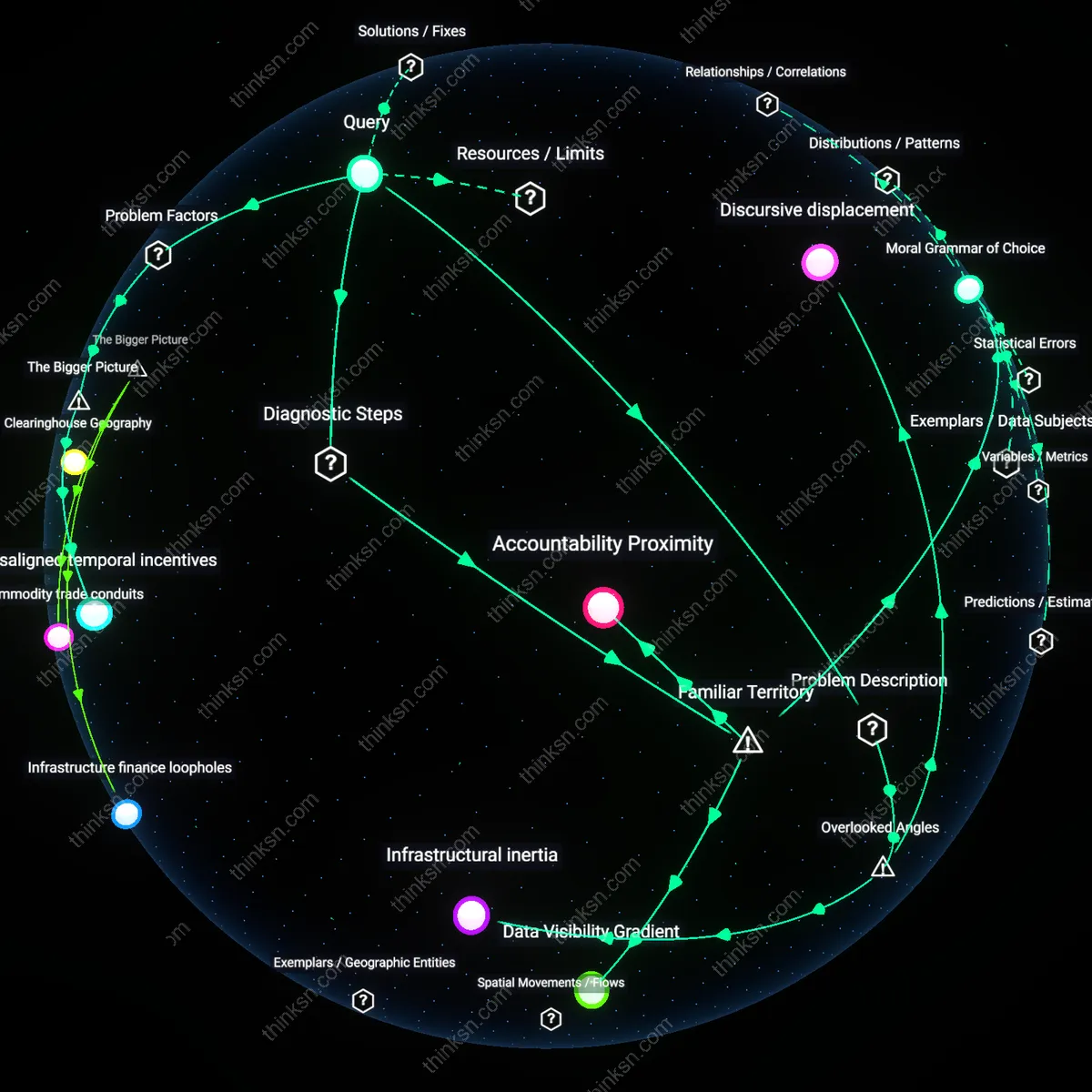
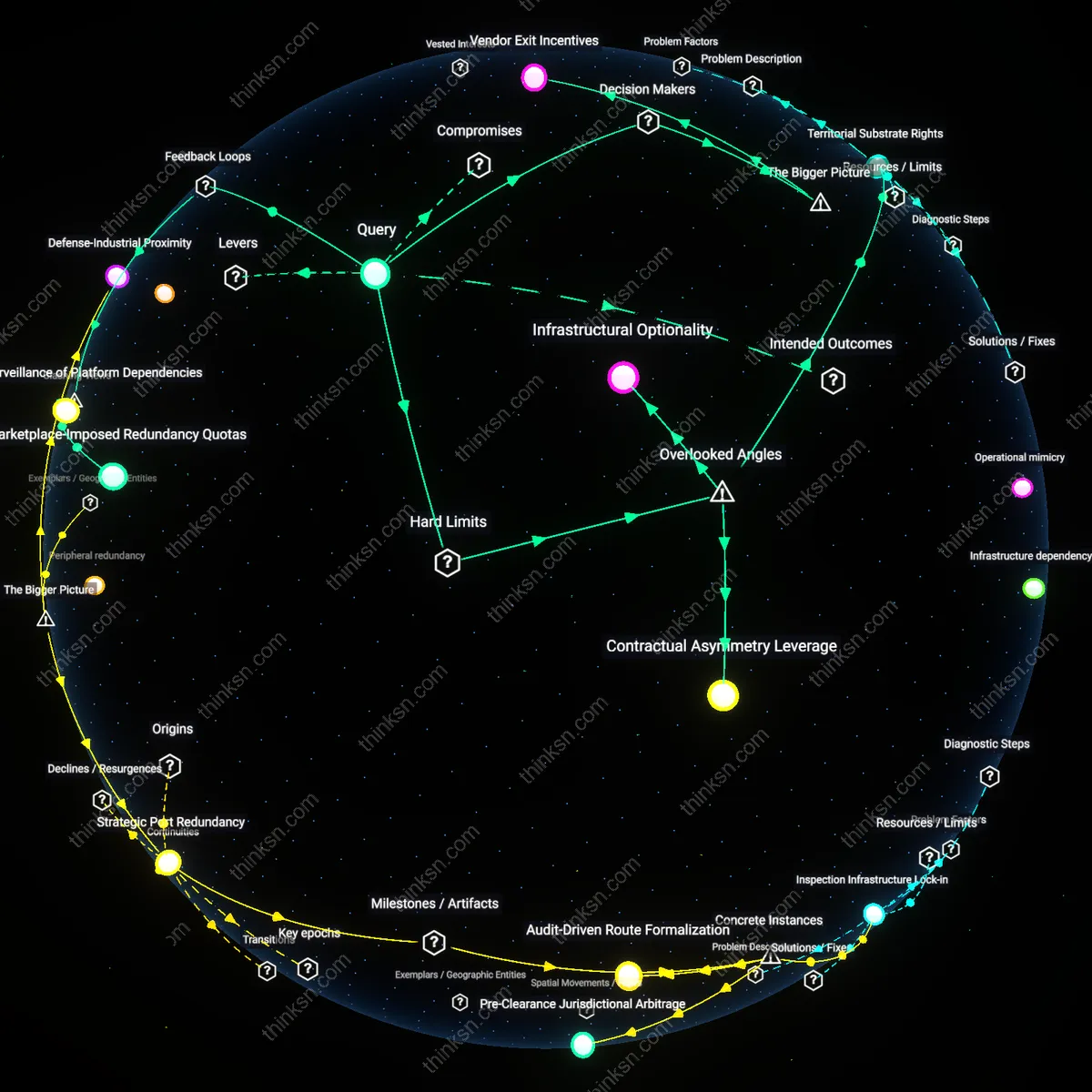
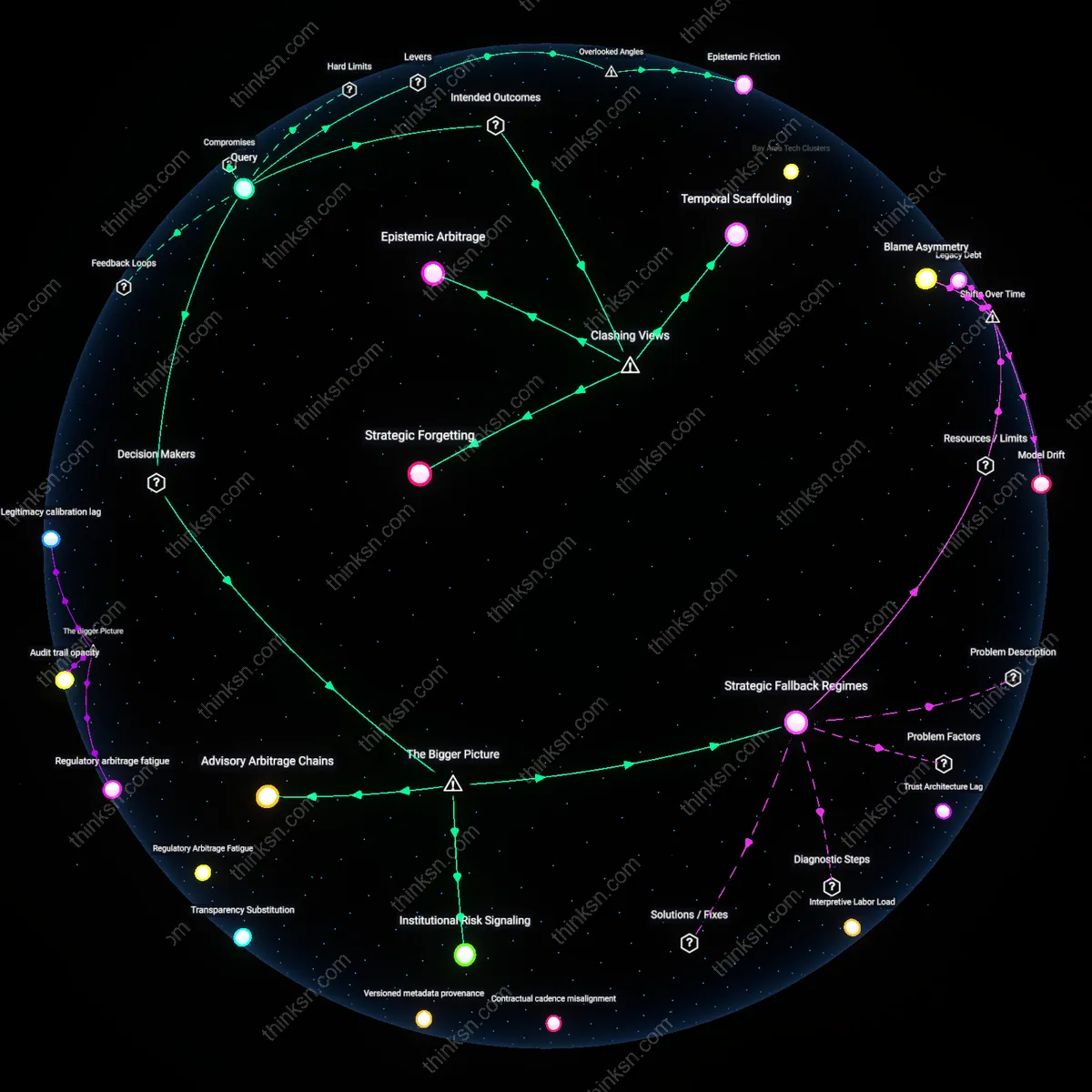
Analysis reveals 8 key thematic connections.
Key Findings
Relational Optionality
Allocate AI-budget surplus to upskilling client-facing teams in data interrogation skills—not data science—to preserve optionality in advisory roles as AI evolves. Standard analyses assume a tradeoff between automation and human touch, but the non-obvious dynamic is that consultants who can fluently question AI outputs maintain discretionary space in client hierarchies, whereas pure relationship managers without technical fluency are more easily displaced. By treating human capital as a hedge that retains decision-access under uncertain AI trajectories, firms extend their strategic maneuverability, revealing that the hidden asset is not AI capability per se but the human ability to contest or refine its conclusions in real-time client dialogues.
Epistemic Friction
Design AI-analytics deliverables to preserve a minimal level of interpretive ambiguity, ensuring clients remain dependent on consultants to resolve meaning rather than treating outputs as self-evident. While most firms optimize AI for clarity and precision, the overlooked dependency is that certainty erodes advisory influence—when insights are unambiguous, procurement or internal teams bypass consultants. By structuring dashboards and models to surface tensions—such as conflicting KPIs or divergent scenario outcomes—consultants reignite deliberation, reinserting themselves as brokers of meaning. This reveals that controlled friction in knowledge delivery, not speed or accuracy, sustains long-term client entanglement.
Strategic Fallback Regimes
Management consultants should prioritize maintaining client-relationship expertise as a strategic fallback because senior decision-makers in global firms—including partner boards at McKinsey, BCG, and Bain—rely on human trust networks to approve high-stakes advisory mandates, especially in politically sensitive contexts such as regulatory negotiations or geopolitical risk assessments; when AI's performance is opaque or contested, these institutions default to relationship-based judgment protocols that embed liability protection and reputational continuity, making interpersonal expertise a stabilizing mechanism during technological uncertainty—revealing that AI investments are subordinated to social governance structures that privilege accountability over efficiency.
Institutional Risk Signaling
Consulting firms should scale AI-analytics investment incrementally only after client procurement bodies—such as CFO offices in Fortune 500 companies and public-sector tender committees—publicly mandate data-driven deliverables tied to procurement criteria, because these entities function as systemic gatekeepers whose RFP language and contract KPIs shape innovation incentives across the consultancy ecosystem; absent external demand signals, premature internal AI scaling becomes a hidden cost center rather than a competitive differentiator—exposing that private-sector technology adoption in advisory services is not driven by supply-side capability but by institutional risk allocation through purchasing power.
Advisory Arbitrage Chains
Firms should treat AI-analytics and client relationships not as competing investments but as complementary nodes in a geographically tiered service architecture controlled by global practice leaders who offload standardized diagnostic tasks to AI-driven hubs in lower-cost jurisdictions (e.g., India or Poland) while reserving partner-level client interactions for high-income markets like New York or London, thereby transforming organizational learning into a spatially distributed arbitrage system where relationship capital is monetized in core markets and analytical throughput is optimized peripherally—demonstrating that the future of advisory work is being reshaped not by technology alone but by global labor-cost gradients and jurisdictional trust hierarchies.
Strategic Forgetting
Prioritize rapid AI-analytics deployment even at the cost of short-term client relationship erosion, because the competitive threshold for data-driven insight will soon exceed human-only advisory capacity; legacy relationship models based on trust capital will become liabilities if firms cannot demonstrate predictive precision, and early AI integrators like McKinsey QuantumBlack are already capturing strategic accounts through algorithmic credibility, revealing that what appears as relationship decay is actually selective forgetting of obsolete trust mechanisms in favor of performance-anchored client bonds.
Epistemic Arbitrage
Double down on client-relationship expertise as the primary differentiator, because AI-analytics will compress the value of generic insight generation into commoditized outputs, and the real scarcity will shift to interpreting uncertain results within context-specific power dynamics; elite partners at firms like BCG lever their deep access to executive subjectivity not to deliver insights but to co-author narratives that justify organizational change, exposing that the unspoken function of consulting has never been truth delivery but legitimacy brokerage—now increasingly arbitrageable against AI's epistemic authority.
Temporal Scaffolding
Structure AI investment not as a substitution for human expertise but as a time-binding scaffold that recasts consultants as intergenerational curators of client learning trajectories, because AI’s real utility lies not in replacing judgment but in institutionalizing client-specific evolution curves that outlive individual engagements; firms like Accenture use AI to generate longitudinal decision logs that convert advisory relationships into evolving knowledge assets, challenging the assumption that AI and relationships are rival inputs by showing they are co-constituted through the deliberate pacing of insight revelation.