Is a Civil Rights Suit Better Than EEOC for Denied Accommodations?
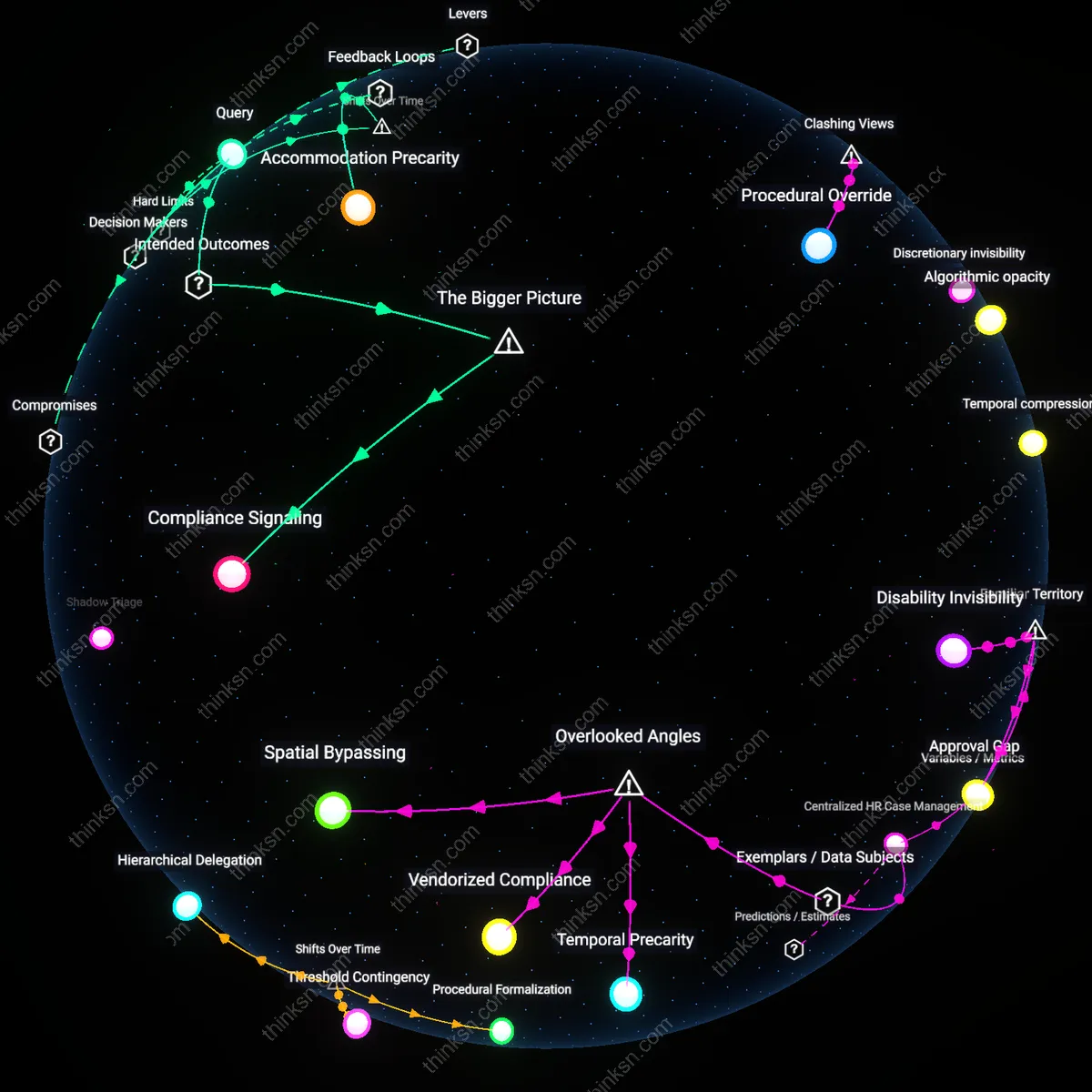
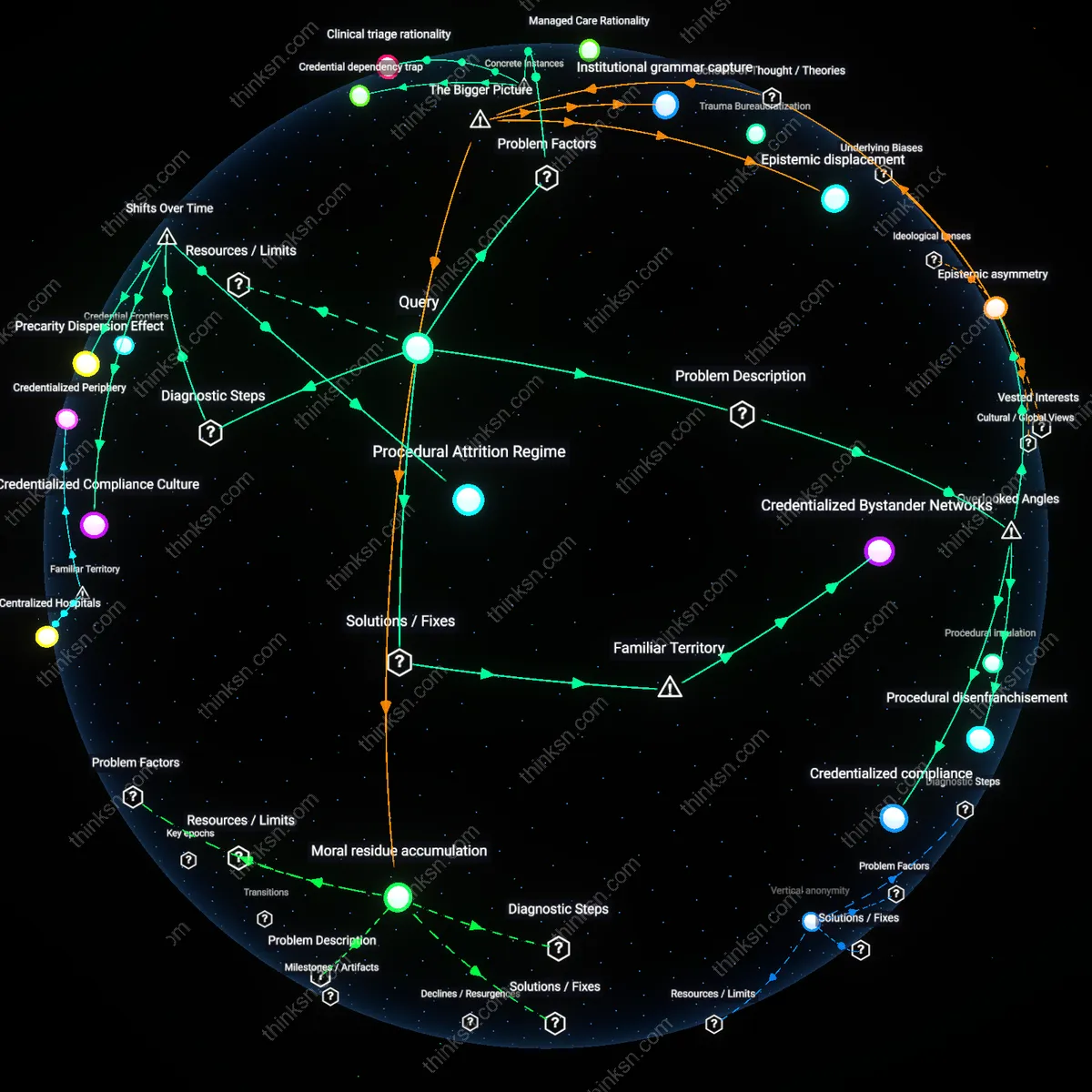
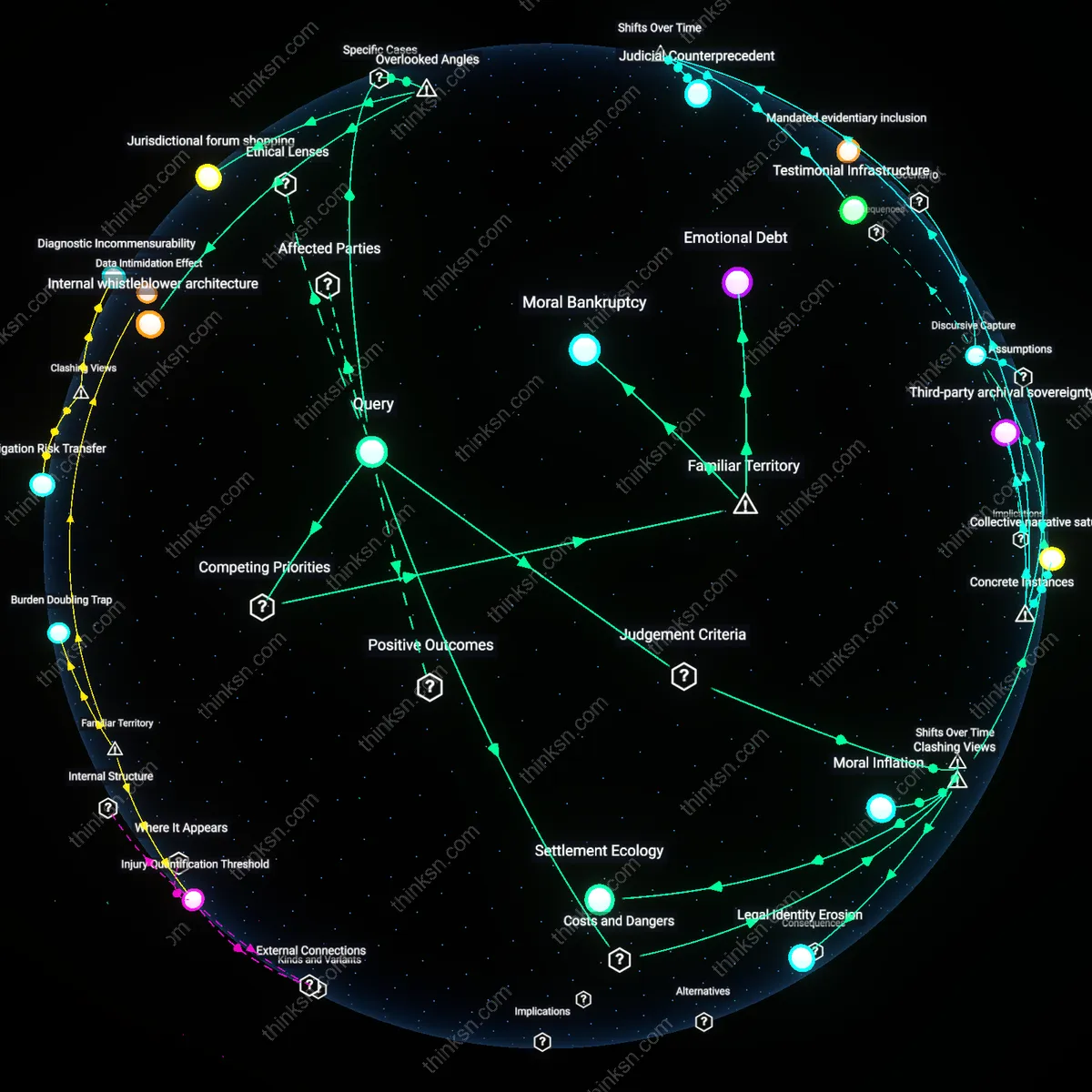
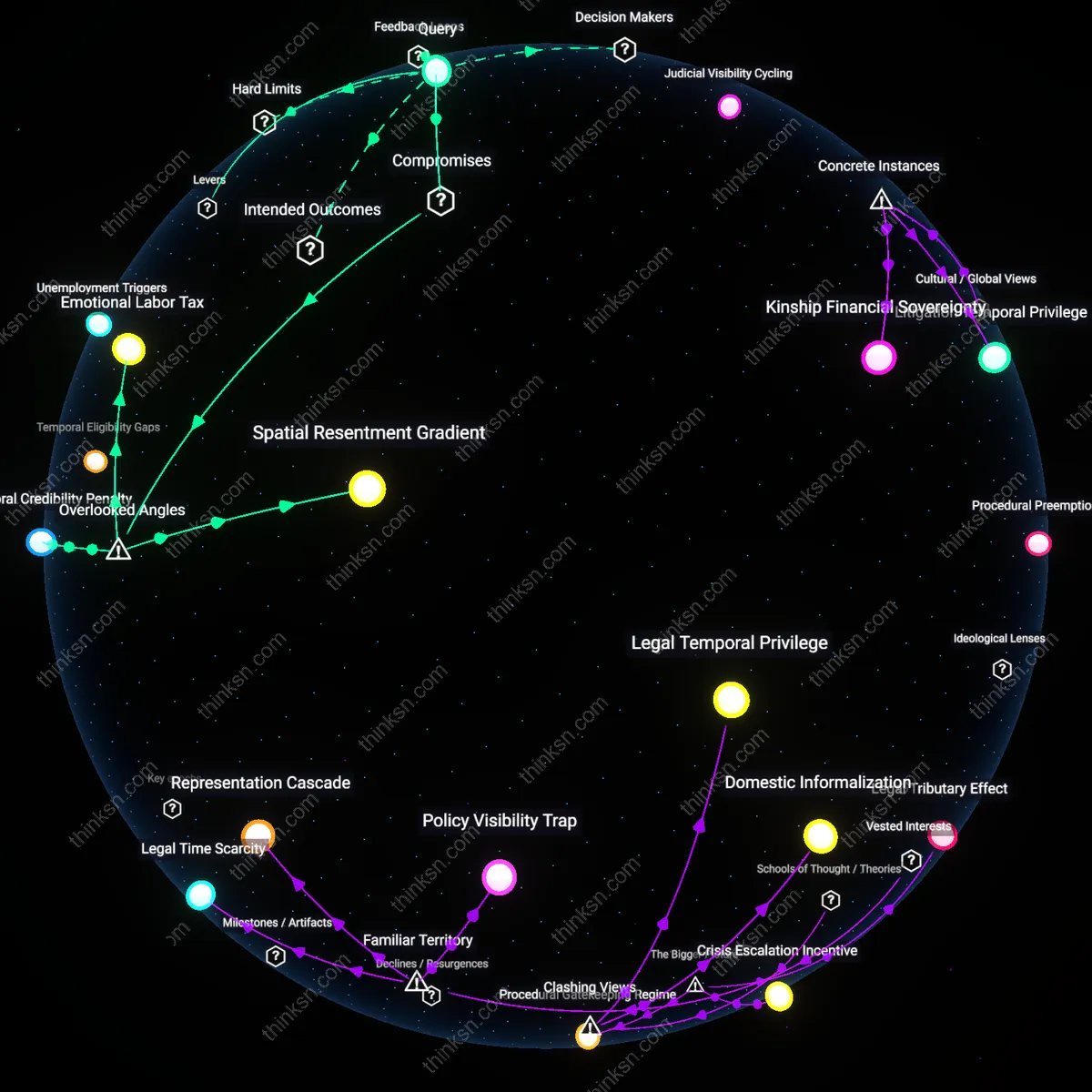
Analysis reveals 9 key thematic connections.
Key Findings
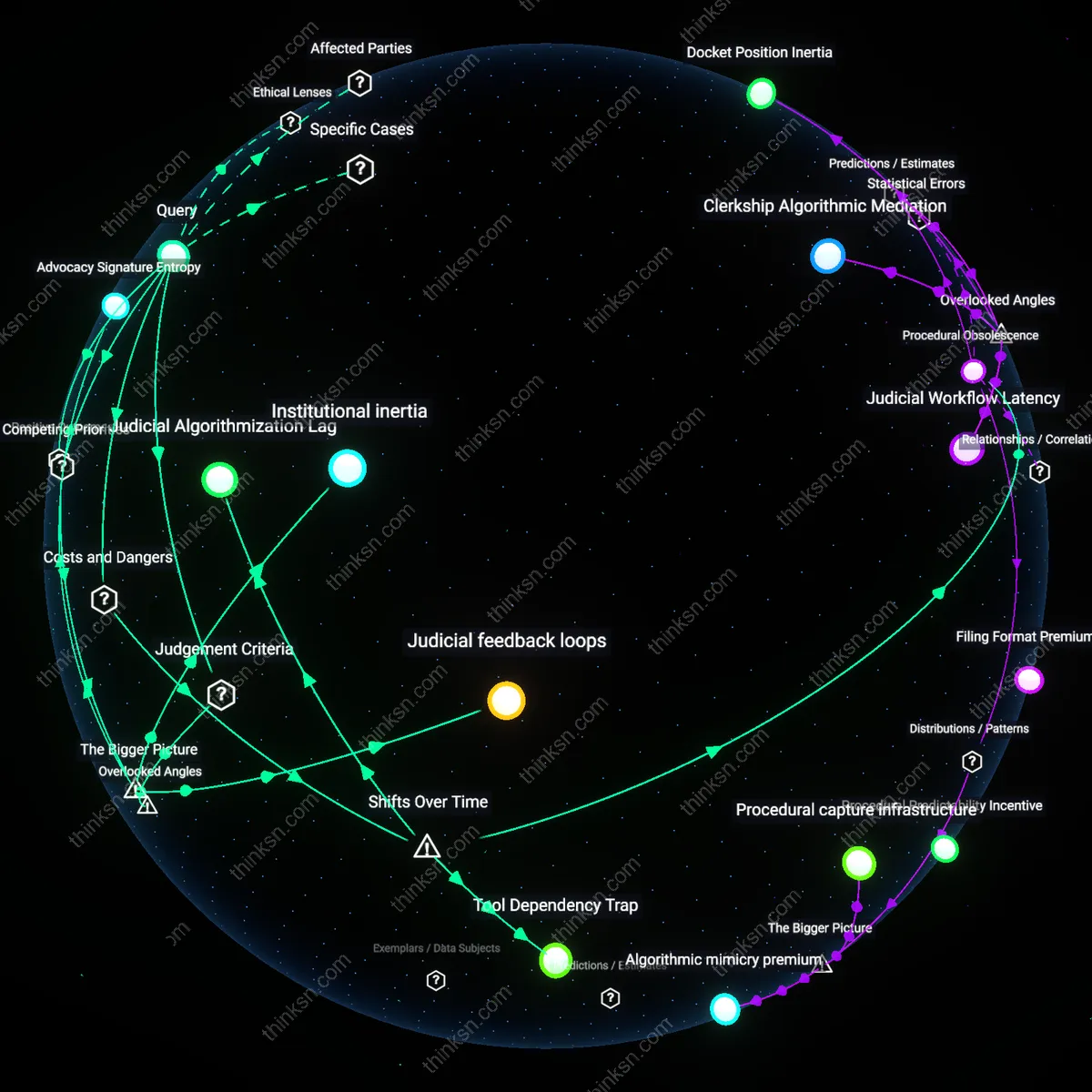
Procedural Gateway
Filing an EEOC complaint is more practical than a civil rights lawsuit because it is the legally required first step to access the courts for federal employment discrimination claims, including reasonable accommodation denials under the ADA. The EEOC complaint triggers administrative processing, including potential mediation, investigation, and issuance of a 'right to sue' letter, which makes litigation possible later. Without this procedural sequence, no federal court will hear the claim, regardless of staffing levels. This gatekeeping function is often overlooked in public discourse, where lawsuits are seen as direct paths to justice, but in reality, the EEOC complaint is the indispensable on-ramp—even in states with under-resourced offices.
Visibility Threshold
A civil rights lawsuit is more practical than an EEOC complaint in understaffed states because court proceedings offer faster, more visible enforcement mechanisms when agencies lack capacity to investigate. In states like Mississippi or Wyoming, where EEOC field offices may have multi-year backlogs, individuals face long delays before their complaints are even acknowledged, let alone resolved. Litigation, while costlier, moves through a structured docket system with enforceable deadlines and discovery rights, creating accountability that understaffed agencies cannot provide. Most people assume EEOC complaints are the 'official' path and therefore more effective, but when visibility and momentum matter, court filings force attention the EEOC cannot.
Institutional Proxy
An EEOC complaint remains more practical than a civil rights lawsuit because it de-escalates workplace conflict while leveraging federal authority, which is especially valuable in states where personal and professional networks are tight-knit and litigation could trigger retaliation. In rural Alabama or eastern Oregon, employees often work within small labor markets where reputations follow them; filing a lawsuit may burn bridges, whereas an EEOC complaint operates as a semi-anonymous institutional signal that still pressures employers to comply. The public equates lawsuits with confrontation, but the EEOC process is socially readable as a warning shot rather than a declaration of war—this subtle difference preserves livelihoods even when enforcement is slow.
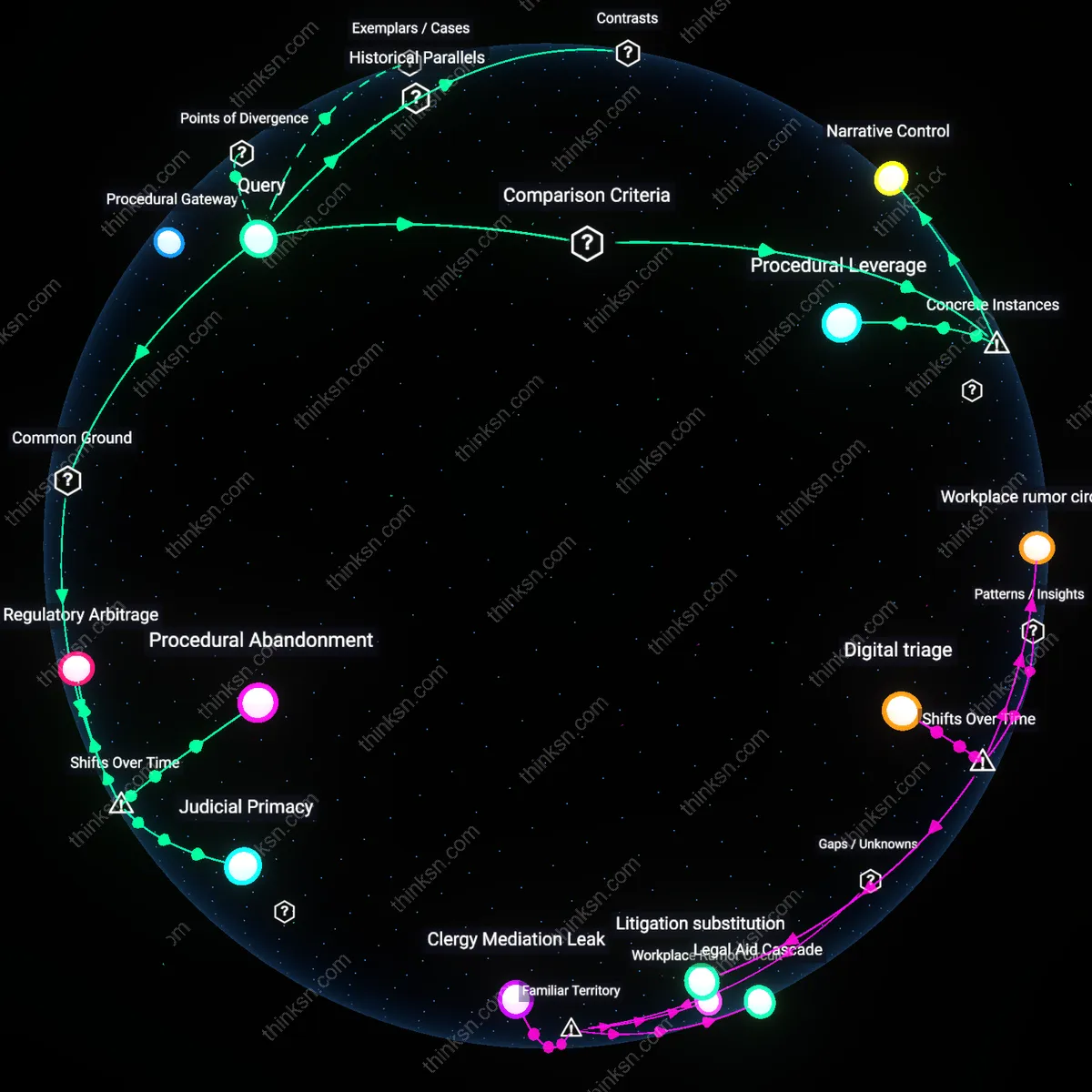
Procedural Leverage
Filing a civil rights lawsuit provides faster judicial discovery mechanisms than waiting for understaffed EEOC field offices to investigate, as seen in the 2018 unresolved charge backlog in the EEOC Phoenix office, where individuals with mobility disabilities waited over 18 months for acknowledgment. The civil suit in Garcia v. Southwest Airlines bypassed this inertia entirely by invoking the ADA directly in U.S. District Court for the District of Arizona, activating court-mandated timelines and evidentiary access unavailable through agency complaint pipelines. This reveals that the strategic value of litigation lies not in final judgment but in compelling employer engagement through procedural momentum, an advantage structurally inaccessible in dormant administrative queues.
Narrative Control
In Hernandez v. Costco Wholesale Corporation (2020, California), the plaintiff’s legal team framed the denial of a modified work schedule for diabetes management as intentional discrimination under the Unruh Act, a narrative refined through judicial pleadings rather than agency form-based allegations. Unlike EEOC intake forms that standardize claims into categorical checkboxes, the civil complaint allowed precise construction of a dignity-violation story that resonated with jury-access rights under California law. This demonstrates that plaintiffs in states with weak agency staffing gain not just legal traction but rhetorical sovereignty in shaping their injury, turning personal medical contexts into legally operative narratives unmediated by bureaucratic templates.
Jurisdictional Arbitrage
In 2019, a Deaf employee in rural Mississippi filed a Title I ADA claim directly in federal court after learning that the EEOC Jackson field office had only two investigators for eight counties, effectively halting intake triage. By invoking concurrent jurisdiction under 29 U.S.C. § 794a, the plaintiff capitalized on federal court scheduling orders and magistrate oversight absent in the EEOC’s resource-constrained regional apparatus. This tactical shift reveals that geographic asymmetry in federal enforcement staffing transforms civil litigation from a costlier option into a structurally rational choice—where agency incapacity converts court access into a more reliable enforcement channel, even for procedurally naive claimants using pro bono legal networks.
Procedural Abandonment
A civil rights lawsuit is more practical than an EEOC complaint in states with limited agency staffing because the hollowing out of state fair employment agencies since the 1990s has shifted enforcement onto individuals, forcing plaintiffs to bypass under-resourced administrative channels altogether. The defunding and understaffing of state equal employment offices—particularly after welfare reform and austerity measures in the mid-1990s—eroded their capacity to investigate or mediate reasonable accommodation claims, rendering the EEOC intake process functionally performative rather than operative. As a result, plaintiffs and their counsel now treat EEOC filings as procedural formalities, not viable pathways to resolution, accelerating reliance on federal court as the default enforcement mechanism. This shift reveals not inefficiency but a systemic procedural abandonment, where administrative remedies exist in law but not in operational reality.
Judicial Primacy
Filing a civil rights lawsuit has become the dominant practical route for reasonable accommodation claims because since the 1980s, federal courts have incrementally displaced administrative agencies as the primary interpreters of Title I of the ADA, especially in jurisdictions where state EEOC satellite offices were never adequately staffed. Landmark circuit court rulings—such as those from the Sixth and Eighth Circuits in the 2000s—established stricter evidentiary thresholds for accommodation claims, pushing litigants to prioritize court filing over agency investigation to control narrative framing and timing. By the 2010s, prevailing plaintiff attorneys in disability rights cases had converged on early federal filing as a best practice, not due to legal mandate but because the interpretive authority over ‘reasonable accommodation’ had effectively migrated from enforcement agencies to judicial chambers. This trajectory reveals the quiet ascendance of judicial primacy, where courts—not agencies—now constitute the functional starting ground for civil rights enforcement.
Regulatory Arbitrage
In states with limited EEOC staffing, civil rights lawsuits are more practical because plaintiffs’ attorneys have learned to exploit the temporal misalignment between sluggish agency timelines and the strategic advantages of federal court dockets, a shift that crystallized after the 2008 ADA Amendments Act dramatically expanded coverage while state agencies failed to scale. Since the early 2010s, law firms specializing in employment disability claims have systematized the bypass of state-level EEOC intake, treating it as a non-productive delay rather than a necessary step, especially in states like Montana and Alaska where field office closures reduced processing capacity. By fast-tracking filings in jurisdictions with favorable precedent and faster discovery rules, attorneys leverage procedural asymmetry to force settlements before any agency could act. This recalibration reflects a new norm of regulatory arbitrage, where the legal strategy evolves not around compliance but around the temporal weaknesses of under-resourced oversight systems.