Abortion Bans vs Civil Rights in Reproductive Discrimination Cases?
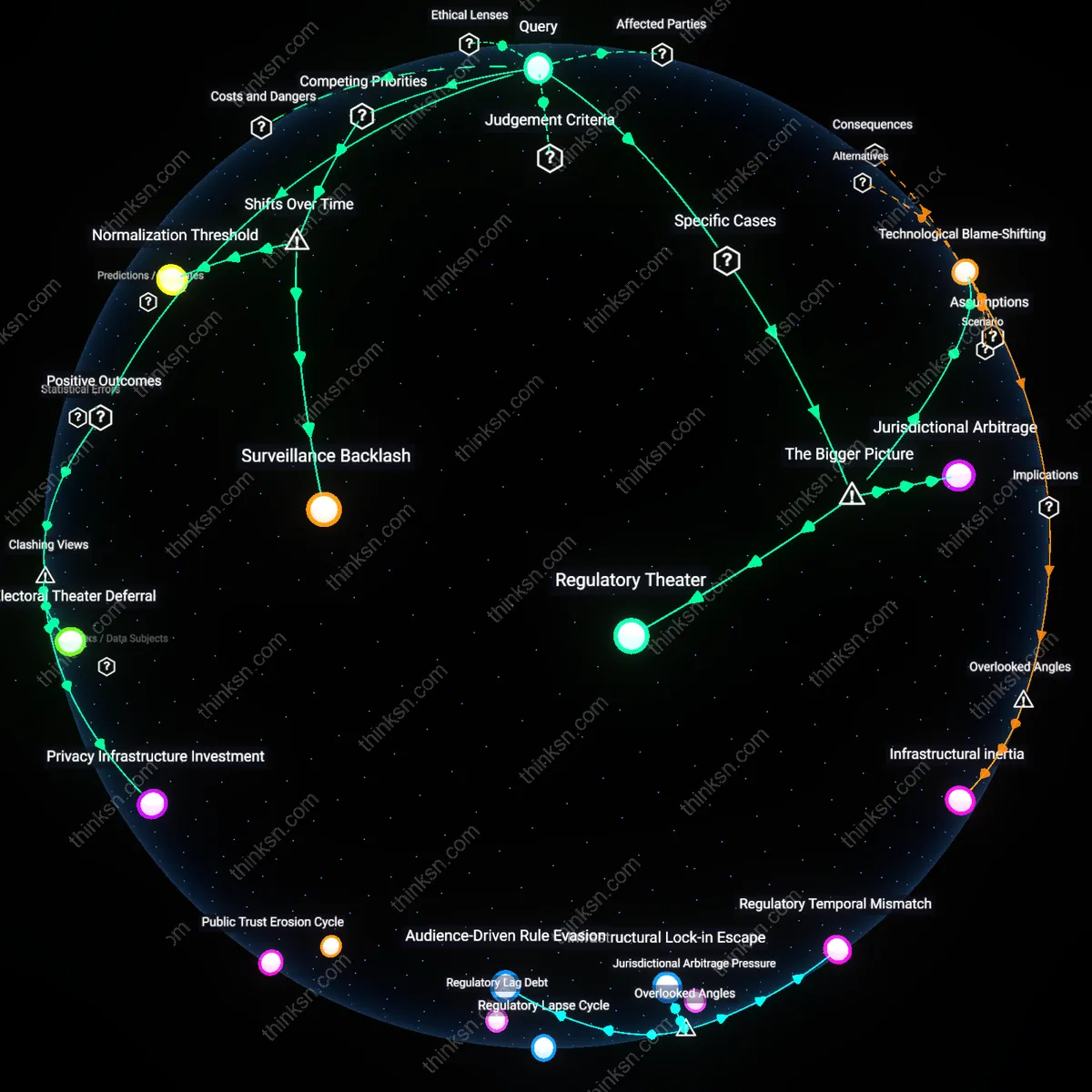
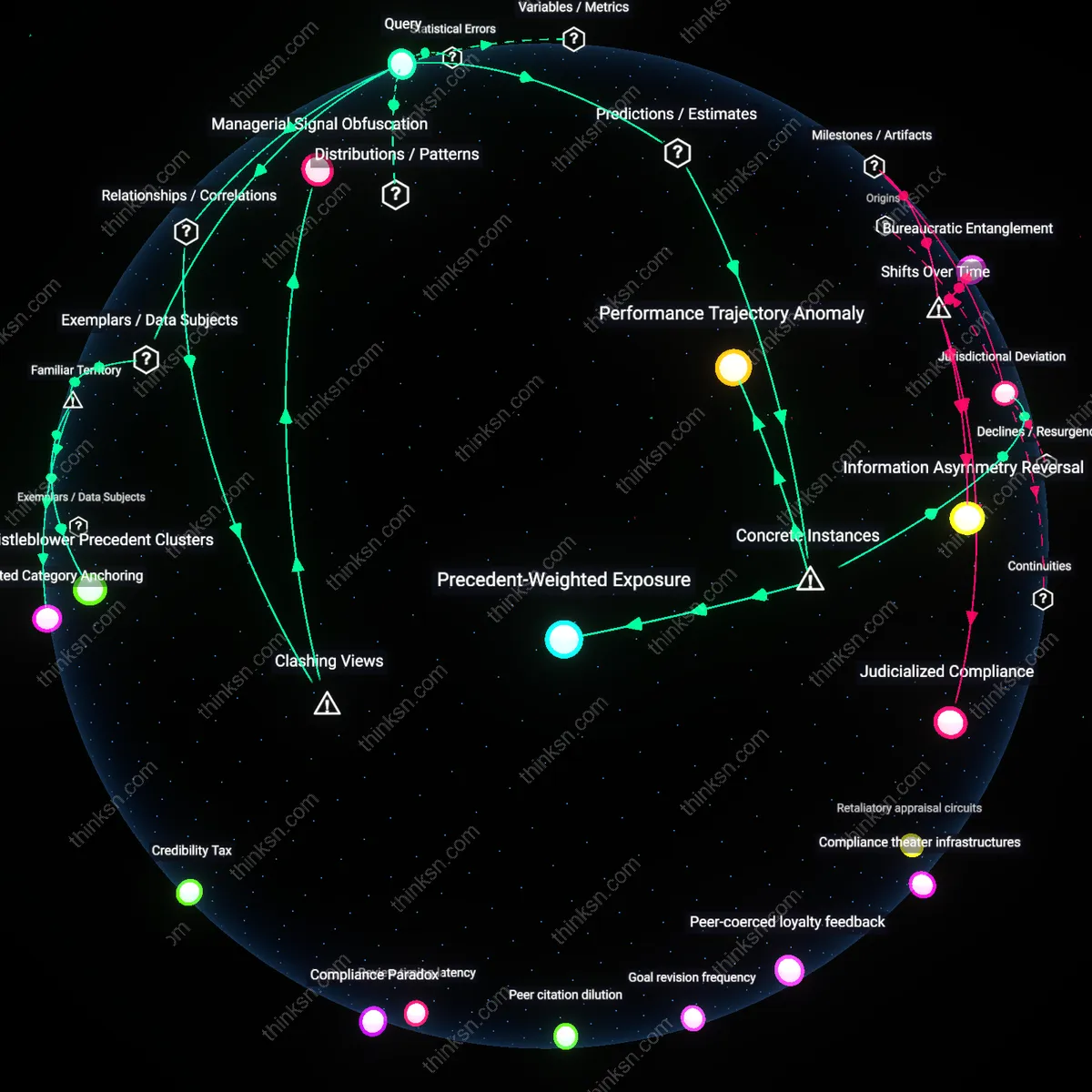
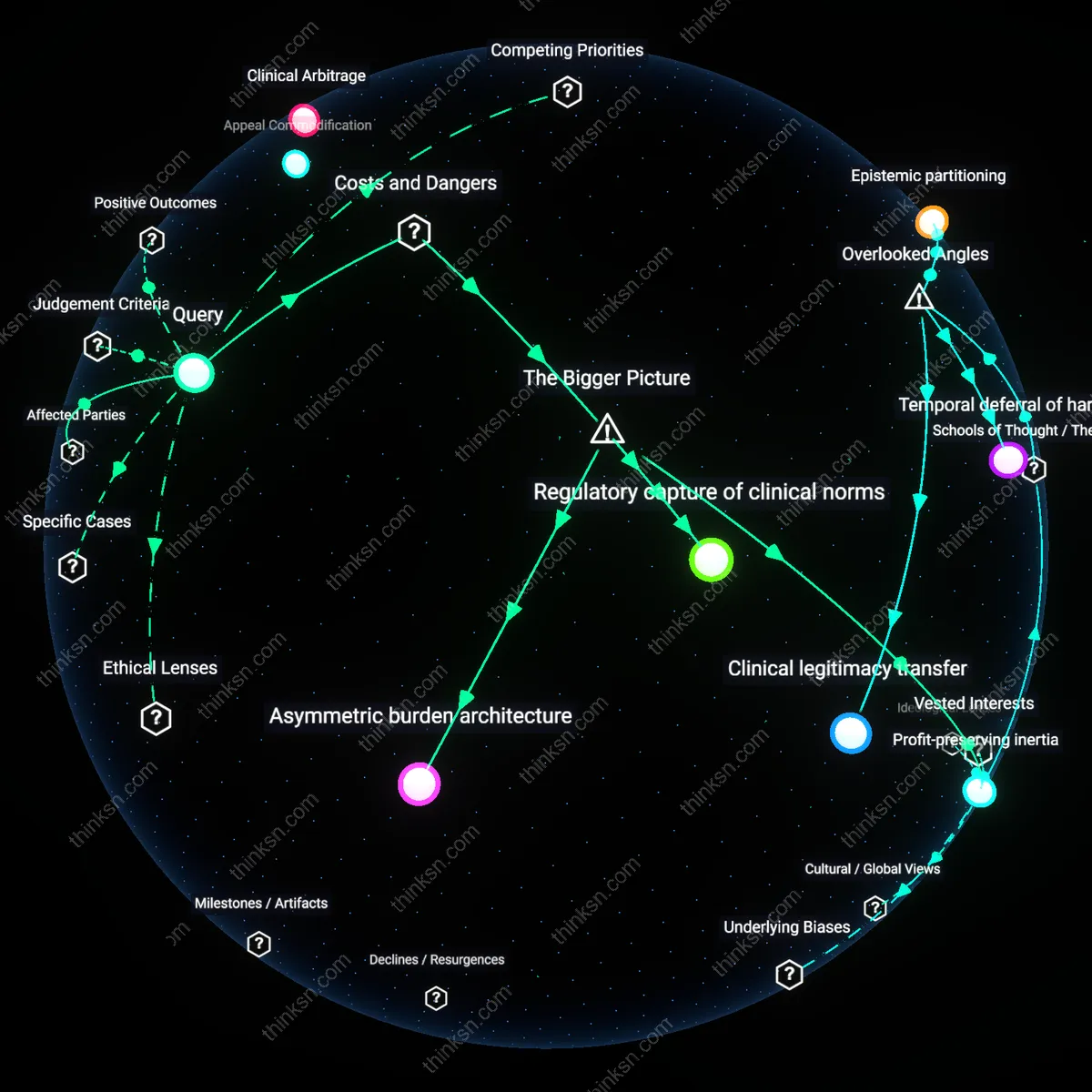
Analysis reveals 5 key thematic connections.
Key Findings
Judicial Gatekeeping
Federal civil rights enforcement is blocked when state abortion restrictions are upheld by courts that reject reproductive choice as a protected class. Courts act as arbiters of whether discrimination claims qualify under Title VII or the Fourteenth Amendment, and in the absence of federal recognition of reproductive autonomy as a fundamental right, state-level abortion bans face minimal civil rights scrutiny. This gatekeeping function is underappreciated because public discourse treats courts as neutral referees, not as active filters that determine which forms of harm can even enter the civil rights framework.
Bureaucratic Asymmetry
Federal civil rights agencies lack investigatory authority over medical licensing boards that enforce state abortion restrictions, allowing state actors to penalize healthcare providers without triggering federal anti-discrimination protocols. Because agencies like the Office for Civil Rights in HHS focus on entities receiving federal funds, states can insulate restrictive policies by structuring them through independent professional regulation. This dynamic is rarely acknowledged in public debates, which assume federal enforcement mechanisms are uniformly applicable across regulated professions.
Clinic Access Chilling
State abortion restrictions reduce the number of federally funded clinics offering reproductive services, which in turn diminishes the footprint where federal civil rights compliance can be monitored and enforced. As clinics close or restrict services to avoid state penalties, the practical reach of laws like Title X’s nondiscrimination requirements evaporates, even if legally intact. This erosion is overlooked because public discourse equates legal availability with practical access, missing how infrastructure loss disables enforcement regardless of statutory intent.
Moral Bureaucracy
State abortion restrictions are sustained not primarily through legislative or judicial mechanisms but by embedding moral rationales within local licensing boards, medical review panels, and insurance regulators that reinterpret federal civil rights obligations as incompatible with 'fetal dignity' frameworks. In states like Missouri or Oklahoma, hospital ethics committees—ostensibly neutral actors—routinely override reproductive autonomy claims by invoking unwritten institutional standards that were absent before the 2022 Dobbs decision. This shift reveals that civil rights protections fail not due to legal invalidation but because profession-level gatekeepers normalize compliance with restrictionist norms, creating a covert moral infrastructure that displaces rights-based reasoning without explicitly violating federal statutes.
Litigation Chilling
Reproductive choice discrimination claims are dissuaded by the anticipatory fear of reputational harm among plaintiffs in geographically isolated judicial districts, such as the Western District of Texas, where federal civil rights filings trigger automatic media exposure due to local public records practices and partisan scrutiny. Even when legal standing exists, potential claimants withdraw due to risks of employment retaliation, social isolation, or medical gaslighting—consequences unaddressed by federal civil rights remedies, which assume a stable plaintiff profile. The underappreciated point is that chilling operates less through formal legal deterrence than through community-scale vulnerability, exposing the myth of equal access to federal remedies in tightly monitored communities.