Fear of Losing Network: Barrier or Overblown Concern in Switching Careers?
Analysis reveals 12 key thematic connections.
Key Findings
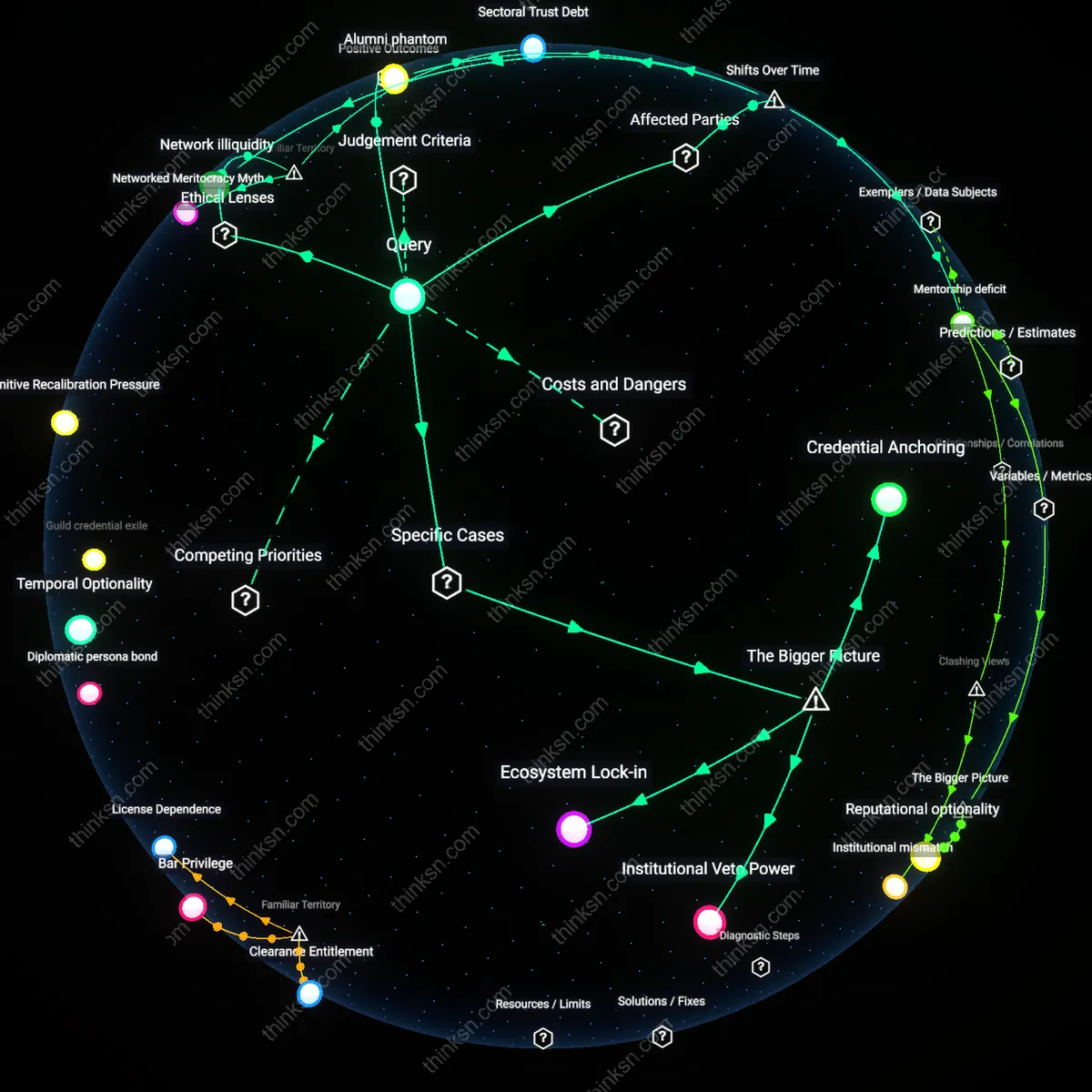
Network illiquidity
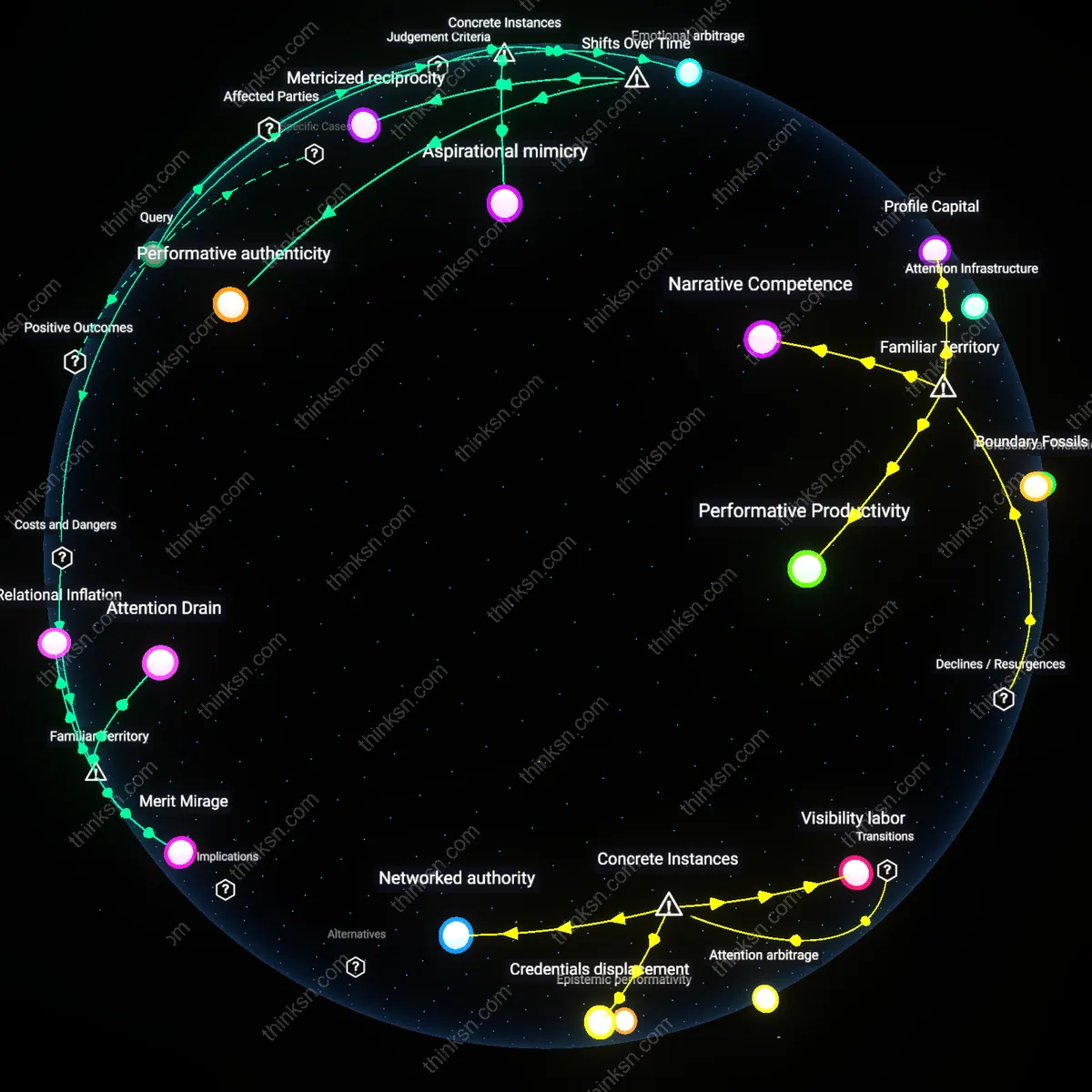
The fear of losing a professional network is a real obstacle because mid-career professionals in regulated industries like law or finance face diminishing returns on social capital when transitioning after 2008, when labor markets increasingly valued portable, digitally verifiable credentials over informal referrals—shifting trust from personal endorsements to institutional audits; this change reduced the fungibility of long-built relationships, making networks less transferable across domains despite their perceived value. The mechanism operates through credentialing systems in hiring, which now prioritize standardized markers (e.g., certifications, online profiles) over handshake agreements, revealing how post-crisis accountability reforms inadvertently devalued embedded social capital. What is underappreciated is that the network itself doesn’t vanish—it becomes illiquid, trapped in a prior industry’s governance logic.
Mentorship deficit
The fear is an overestimation of social capital when young professionals in tech pivot into sustainability-driven sectors, where post-2015 climate urgency created new ecosystems lacking established hierarchies, meaning prior networks offer little guidance for navigating emerging institutions; as green industries scaled rapidly without inherited power structures, senior mentors with cross-sector experience became scarce, shifting influence from relationship-holders to first-mover experimenters. This dynamic operates through knowledge diffusion in nascent fields, where the absence of legacy gatekeepers makes traditional networking less effective than public-facing skill demonstration. The non-obvious insight is that while social capital appears weakened, the real loss is not connections but access to mentorship—what the transition has eroded is not the network itself but its developmental function.
Alumni phantom
The fear persists as a real obstacle among Ivy League-educated executives shifting from traditional media to digital content platforms after 2020, not because their networks are unusable, but because elite university alumni systems—designed for 20th-century corporate placement—now fail to adapt to decentralized career paths, creating a phantom obligation to maintain ties that yield diminishing strategic returns; this shift reflects the erosion of centralized placement pipelines as platform economies reward visibility over affiliation. The mechanism operates through institutional alumni affairs offices that continue prioritizing donor cultivation over career agility, preserving symbolic capital while functional access decays. The underappreciated point is that the network remains intact as a social artifact, but its utility has been hollowed out by the very institutions meant to sustain it, producing a phantom loyalty that feels binding but delivers little leverage.
Temporal Optionality
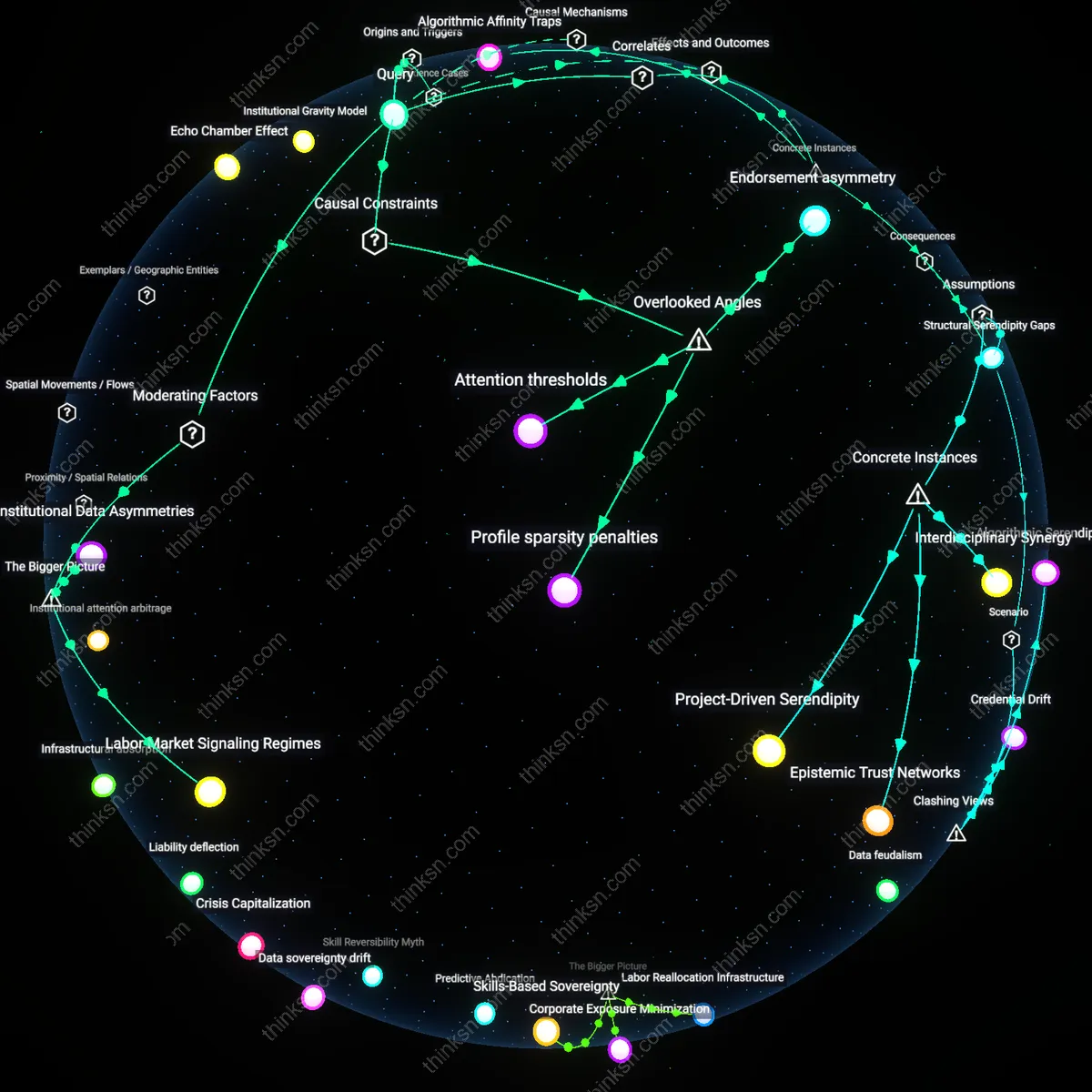
The fear of losing a professional network accelerates career pivots by forcing individuals to exploit dormant weak ties they previously overlooked. When professionals confront network loss, they activate peripheral relationships—such as former classmates or conference acquaintances—that are less industry-specific and more open to exploratory collaboration, enabling access to underutilized opportunity spaces. This response is non-obvious because most analyses treat network loss as purely subtractive, ignoring how the anxiety of disconnection can trigger strategic rediscovery of latent connections that are more adaptable across domains than current core ties.
Institutional Signaling Asymmetry
Losing an industry-specific network benefits regulators and accreditation bodies by increasing reliance on formal credentials, which enhances their authority and standardization power. When lateral career changers lack insider referrals, they must validate competence through certifications and accredited training—systems often underfunded or ignored in tight-knit industries—thereby reinforcing formal oversight institutions over informal trust economies. This dynamic is rarely acknowledged because the discourse centers on individual disadvantage, obscuring how network fragility redistributes legitimacy to bureaucratic gatekeepers who gain influence as social capital declines.
Cognitive Recalibration Pressure
The prospect of network dissolution compels professionals to redefine expertise in transferable terms, which strengthens interdisciplinary innovation in sectors starved for cross-domain synthesis, such as climate tech or behavioral public policy. Facing the loss of role-specific affiliations, individuals reframe their skills through functional analogies—e.g., a pharmaceutical sales rep repositioning as a health-tech adoption strategist—activating new patterns of problem-solving that resist siloed thinking. This mechanism is overlooked because network value is typically measured in contacts or access, not in the hidden cognitive work triggered by its potential absence.
Professional Identity Lock
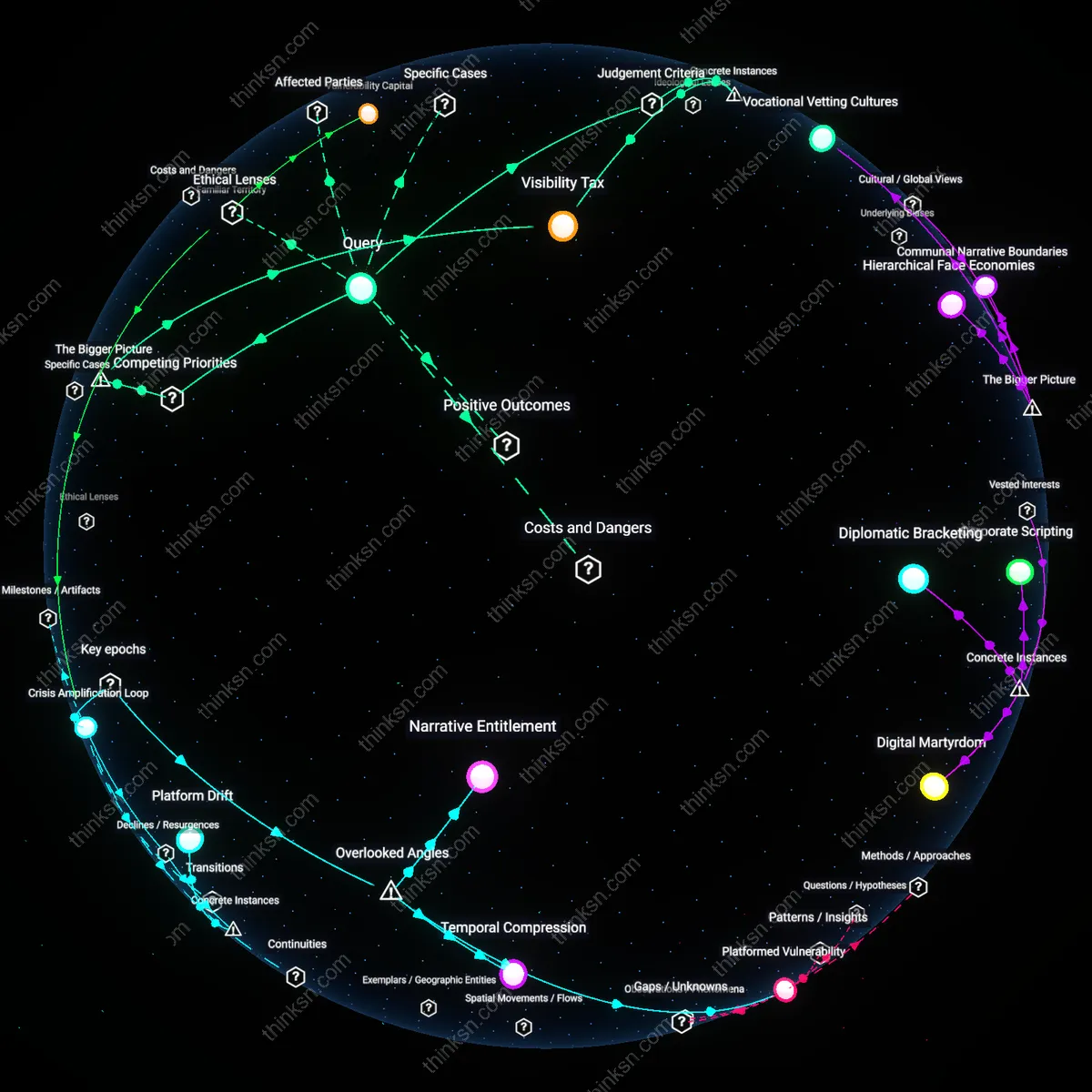
Fear of losing a professional network genuinely obstructs industry change because one's reputation and credibility are legally and socially codified within specific institutional contexts, such as licensure boards, union affiliations, or corporate seniority systems. These systems bind career mobility to documented participation, where exclusion from a recognized network can legally disqualify individuals from roles regardless of skill—such as a medical doctor losing prescribing authority when leaving clinical practice. What’s underappreciated in common discourse is that social capital here isn’t just relational; it’s embedded in formal credentialing regimes that make mobility not just difficult but sometimes legally impermissible.
Networked Meritocracy Myth
The fear of network loss is an overestimation driven by the cultural narrative that success follows competence, yet this ignores how access to opportunity under neoliberal meritocracy is systematically gatekept through elite referral pipelines in sectors like tech and finance. In this ideology, people believe their value is portable, but hiring data from Silicon Valley firms shows over 70% of placements come from internal referrals, making networks a de facto property right. The non-obvious insight is that the fear isn’t about losing friends—it’s the dawning realization that merit is administratively defined by exclusionary social capital, not individual worth.
Sectoral Trust Debt
Changing industries forces professionals to default on accumulated trust obligations, which function as informal but binding social contracts within tightly regulated fields like law or aerospace engineering, where errors carry high liability and reputational sponsorship substitutes for formal oversight. A senior engineer vouching for a peer’s design judgment creates a moral credit that cannot be transferred across domains, rendering the newcomer ethically unmoored. What most overlook is that network fear reflects not personal insecurity but the collapse of an invisible accountability infrastructure that industries rely on when formal regulation is insufficient.
Credential Anchoring
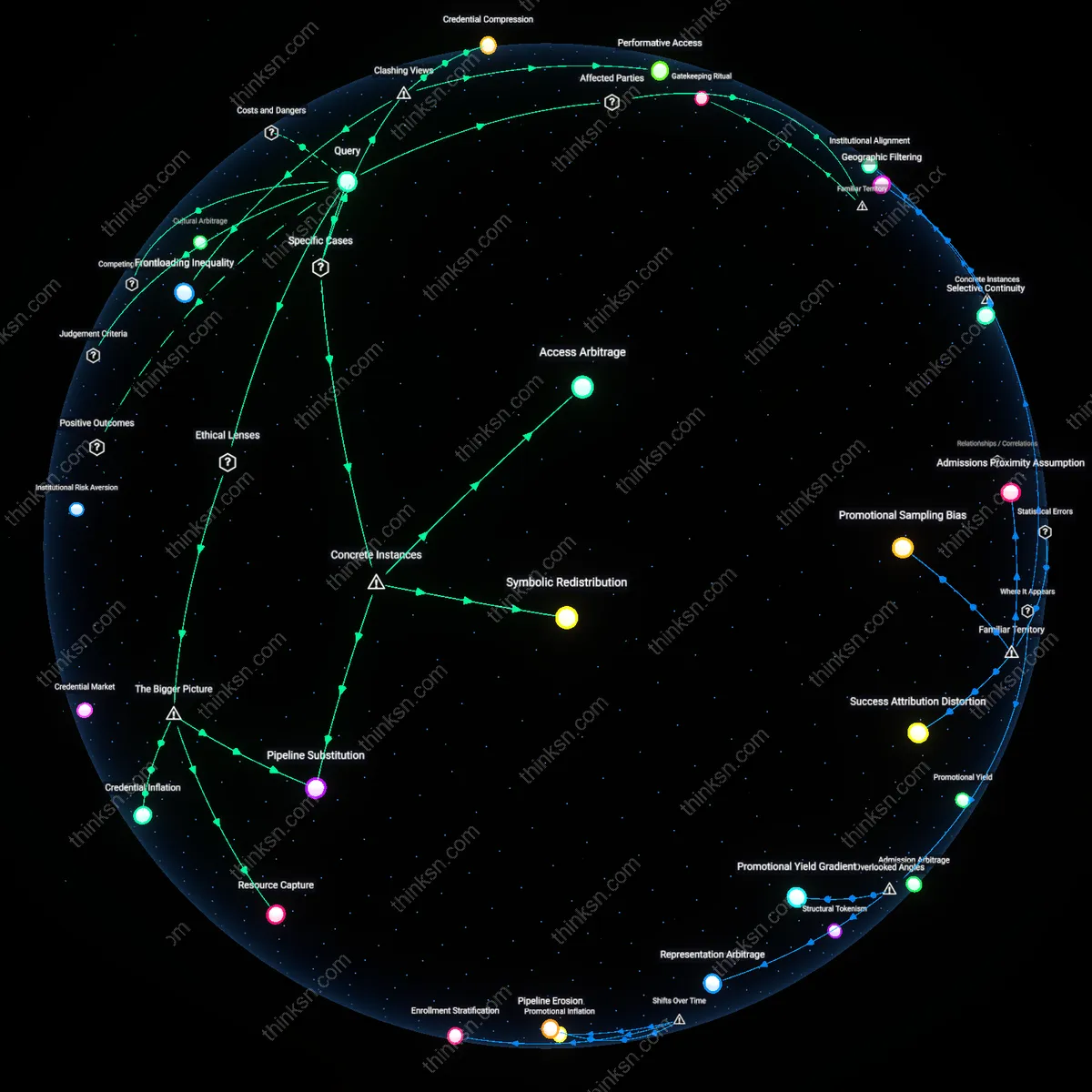
The fear of losing a professional network is a real obstacle because in tightly regulated industries like investment banking at firms such as Goldman Sachs, lateral entrants without domain-specific credentials face systemic exclusion from deal flows, where access is gatekept by partner networks that validate trust through shared training and promotion histories; this mechanism reveals how social capital functions not as a passive asset but as an active credentialing system, where the absence of recognized affiliations triggers immediate exclusion from high-stakes opportunities, a dynamic often misinterpreted as personal risk aversion rather than structural gatekeeping.
Institutional Veto Power
In industry shifts involving public sector regulation, such as pharmaceutical professionals moving into health policy roles within agencies like the FDA, the fear of network loss is an overestimation because formal institutional procedures and compliance frameworks displace personal connections as the primary coordination mechanism; here, the real obstacle is not relational detachment but the acquisition of procedural literacy, exposing a systemic shift where institutional rules neutralize informal influence, a dynamic overlooked when social capital is assumed universally transactional.
Ecosystem Lock-in
For tech entrepreneurs attempting to pivot from Silicon Valley’s venture-backed ecosystem into impact-driven sectors like renewable energy in regions such as Denmark’s cleantech clusters, the fear of network loss is a real obstacle because funding, mentorship, and market access are co-located within geographically concentrated innovation systems that do not recognize non-VC growth trajectories; this exposes how network value is tied not to individual relationships but to embeddedness in a specific innovation finance regime, where switching costs are structural, not social, yet are experienced as personal relational risk.