Is Doing Nothing Sometimes Best for Mild Depression?
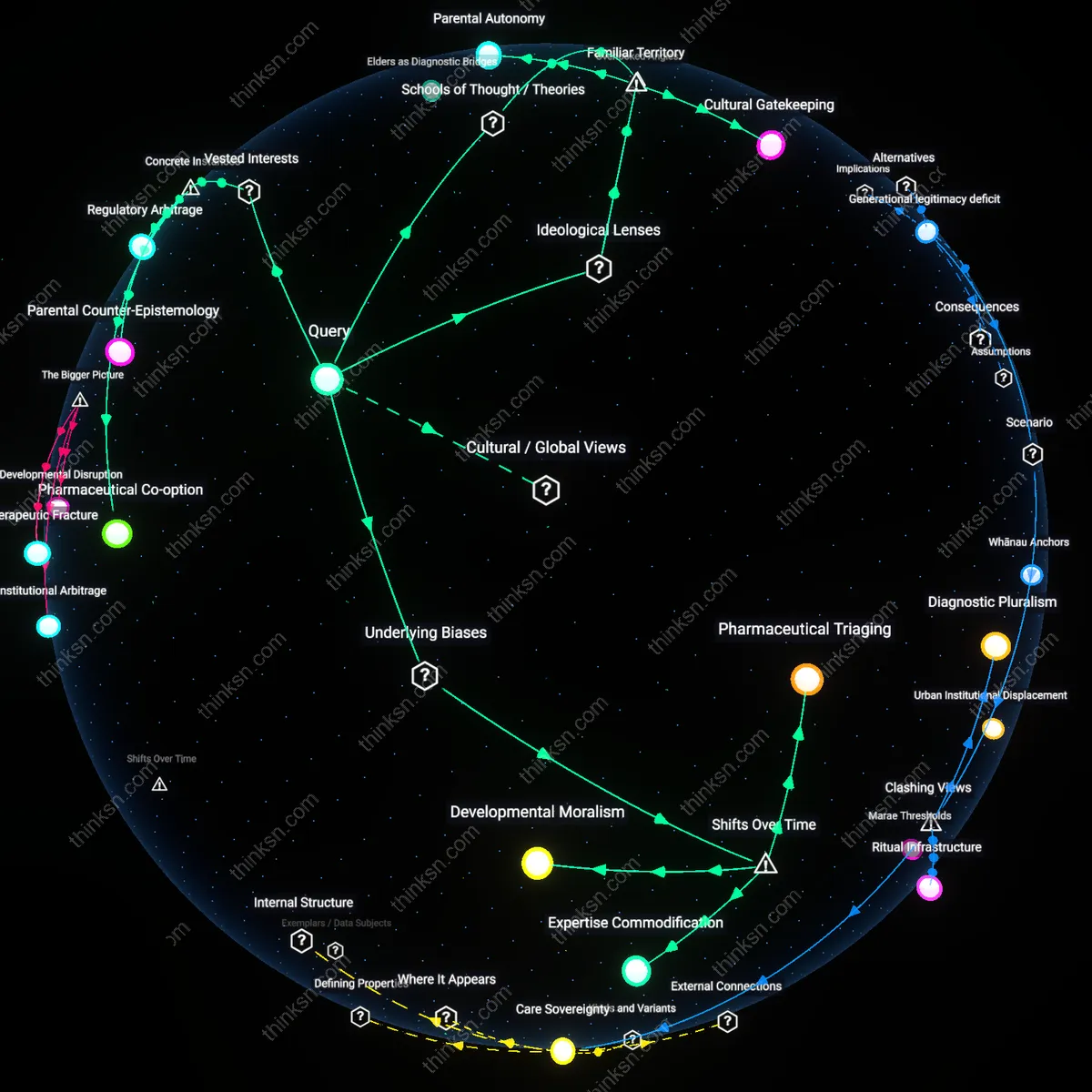
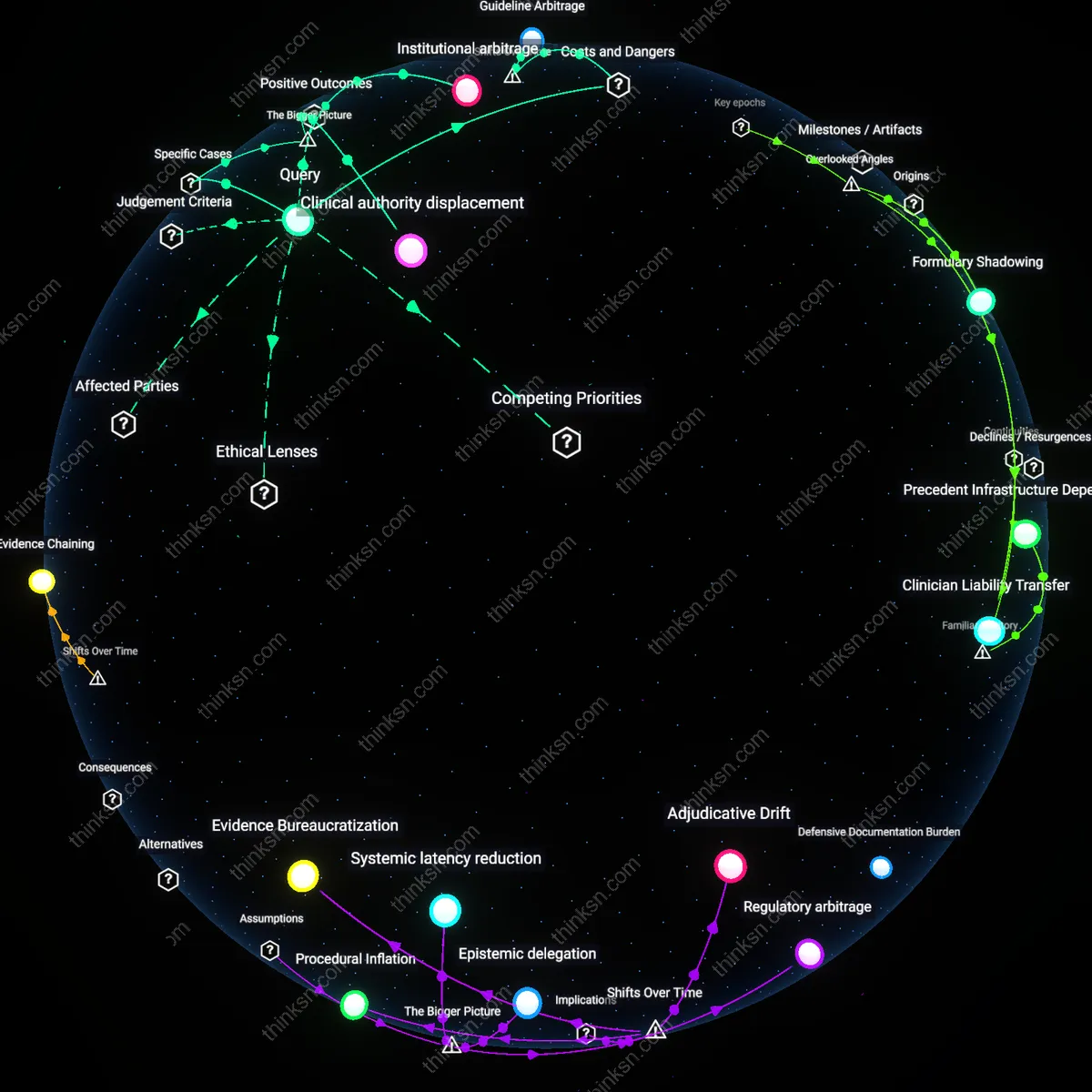
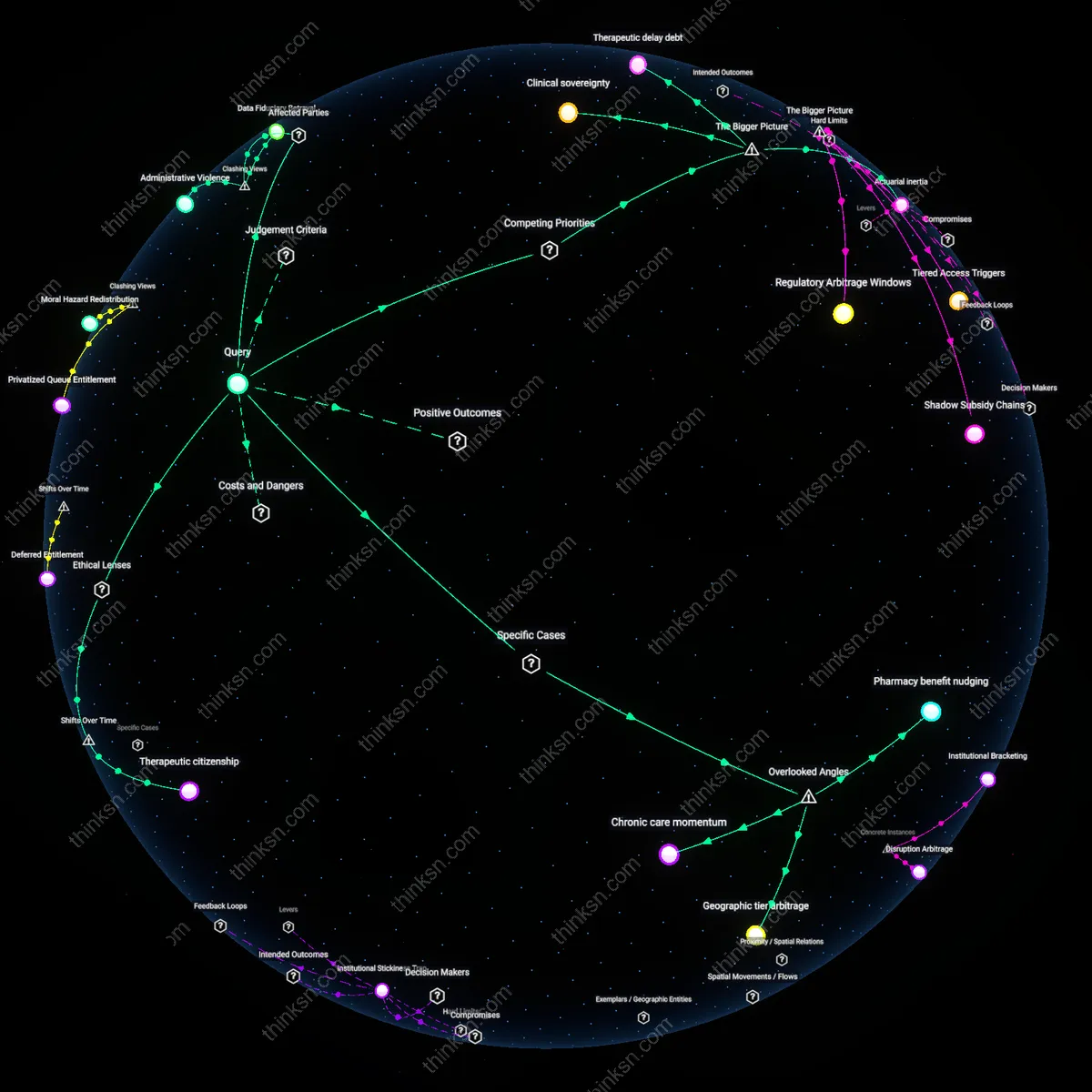
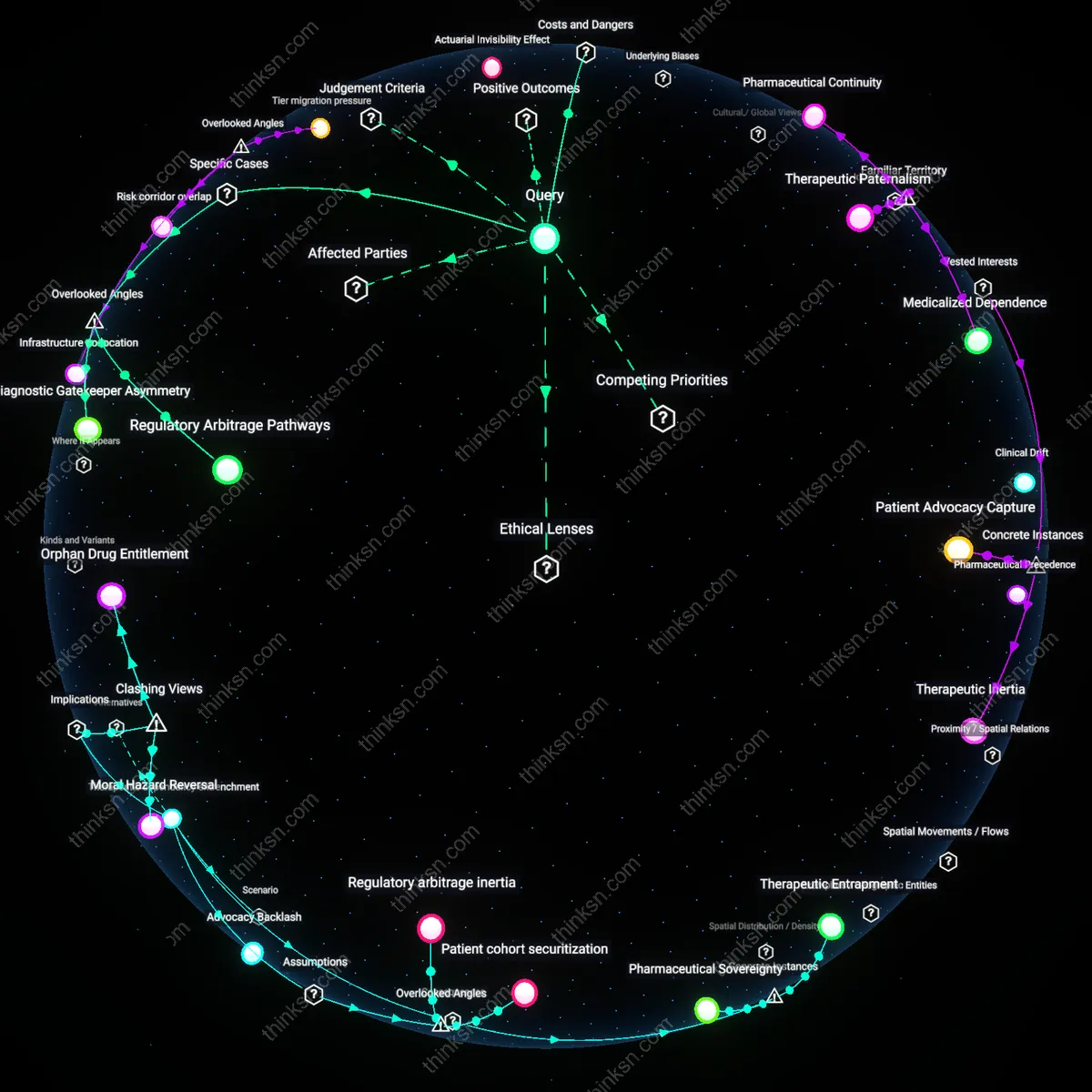
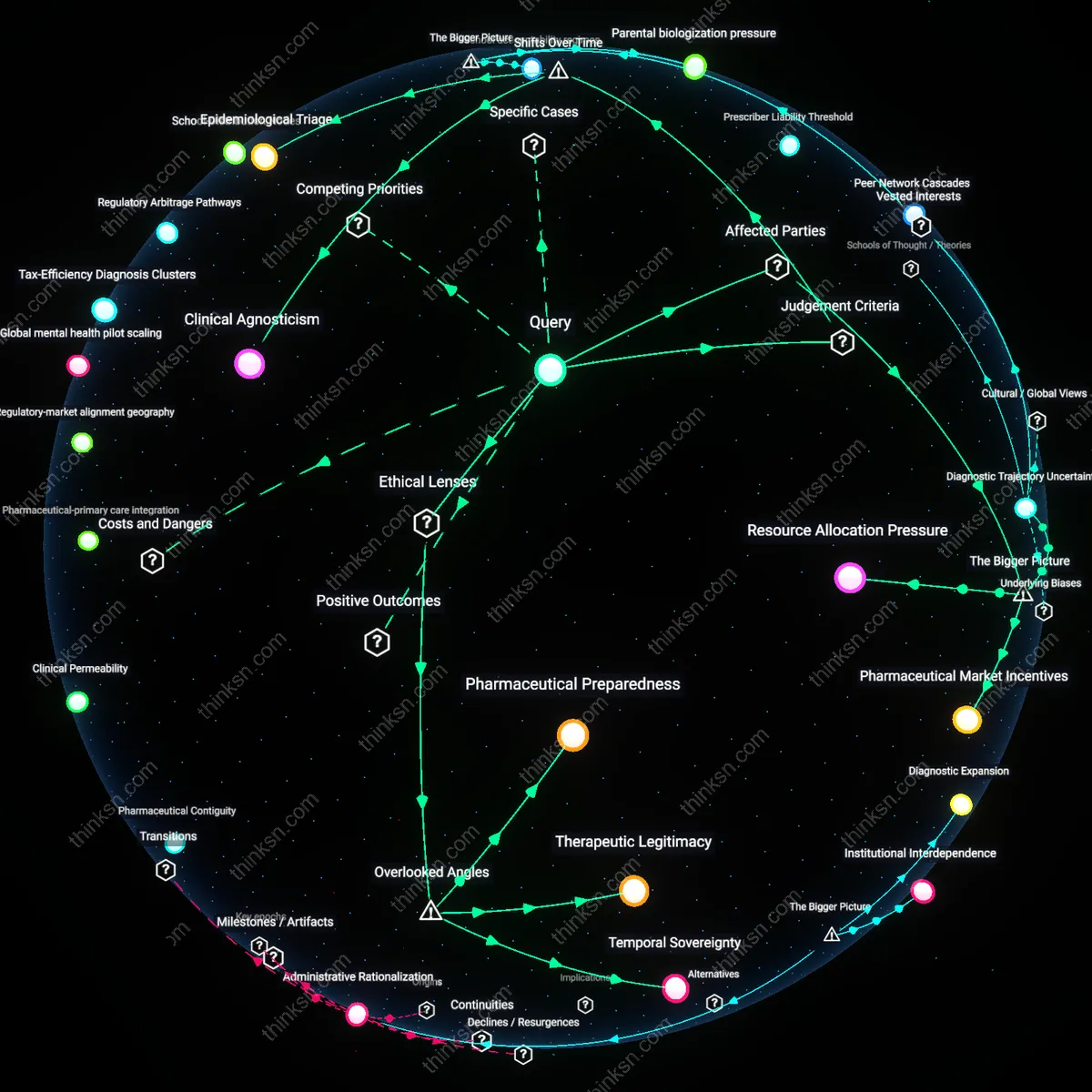
Analysis reveals 9 key thematic connections.
Key Findings
Resource Allocation Pressure
Watchful waiting is a justifiable approach for mild depression because primary care systems in high-demand, low-resource settings—such as NHS clinics in urban England—routinely triage patients based on symptom severity, reserving early interventions for cases with escalating risk. This mechanism reflects systemic pressures where finite mental health funding and workforce shortages force gatekeeping protocols that de facto endorse observation as a rational allocation strategy. The non-obvious implication is that clinical inertia in mild cases is not passive neglect but an active, institutionally rational response to scarcity, driven by clinical commissioners balancing population-level outcomes against capacity limits.
Pharmaceutical Market Incentives
Watchful waiting can be justified as a countermeasure to the overmedicalization of mild depression, which is structurally encouraged by pharmaceutical industry influence on diagnostic norms and prescribing habits in countries like the United States. When early medication is prematurely normalized—even absent strong evidence—drug manufacturers benefit from expanded markets, while patients face unnecessary exposure to side effects and dependency risks. This reveals that delayed pharmacological intervention acts as a systemic brake, preserving diagnostic caution in a context where commercial actors systematically lower treatment thresholds, making observational restraint a form of clinical resistance to market-driven medicine.
Diagnostic Trajectory Uncertainty
Watchful waiting is justifiable because mild depression often follows a heterogeneous and self-limiting course, and early labeling—especially in adolescents in school-based health programs—can trigger long-term medicalization, altering self-perception and access to future insurance or employment. Clinicians in settings like university counseling centers therefore use observation to differentiate transient distress from clinical disorder, recognizing that premature intervention may amplify rather than alleviate risk in psychosocially volatile developmental stages. The underappreciated dynamic is that diagnostic caution functions as protective indeterminacy, allowing time for natural resolution before irreversible identity or institutional consequences are locked in.
Clinical Agnosticism
Watchful waiting is a justifiable approach for mild depression because clinical guidelines increasingly reflect a stance of epistemic humility in the face of equivocal evidence, privileging patient autonomy over therapeutic immediacy. This shift emerged prominently in the 2010s as primary care systems in high-income countries like the UK and Canada codified stepped-care models, where initial monitoring became a recognized first tier rather than a lapse in treatment—driven by evidence indicating that a significant proportion of mild depressive episodes remit spontaneously within three months. The justifiability arises not from therapeutic optimism but from a calibrated restraint embedded in clinical judgment, revealing a residual category of deliberate non-intervention that distinguishes itself from neglect by being protocolized and time-limited.
Therapeutic Citizenship
Watchful waiting is a justifiable approach when viewed as a mechanism enabling patients to exercise informed agency in mental health decisions, a norm that solidified after the 1990s consumer rights movement reshaped biomedical ethics in North America and Western Europe. As diagnostic literacy increased and antidepressant use surged in the 2000s, public and professional discourse began reframing passive compliance as outdated, favoring shared decision-making frameworks where deferring treatment became a recognized form of participation rather than passivity. This temporal shift—an evolution from paternalism to negotiated care—means that watchful waiting now functions not as therapeutic delay but as a socially sanctioned trial of self-management, wherein the patient’s behavioral and emotional responses become diagnostic data co-interpreted with clinicians.
Epidemiological Triage
Watchful waiting is a justifiable approach because it emerged as a structural necessity in publicly funded health systems facing rising demand for mental health services after the 2008 financial crisis, when austerity measures forced recalibration of resource allocation in nations like Sweden and the Netherlands. Shifting from a model of universal early intervention to one of risk-stratified access, these systems institutionalized brief monitoring periods for mild depression to preserve access for severe cases, grounding justification in distributive justice rather than individual outcomes. This turn transformed what was once an informal clinical pause into a codified rationing mechanism, revealing a residual form of care that operates not through treatment but through temporal gating—a threshold activity that sorts patients into different care trajectories based on observed course rather than initial presentation.
Therapeutic Legitimacy
Yes, watchful waiting can be ethically justifiable for mild depression when framed through the deontological duty to avoid epistemic harm, which arises when clinicians impose treatments not firmly anchored in evidence, thereby risking the erosion of patient trust in psychiatric legitimacy. This duty, emphasized in principlist bioethics and embedded in licensure standards of medical boards like the UK's GMC, prioritizes non-maleficence not only in bodily but in epistemic terms—preventing the harm of subjecting patients to interventions that may pathologize normative distress. Most analyses overlook that premature treatment deployment, even with benign intent, can subtly shift public perception of depression from a spectrum of human experience to a medical inevitability, altering help-seeking behavior and self-conception in ways that later become structural dependencies on care systems. The non-obvious risk is not clinical deterioration but the slow institutionalization of clinical identity.
Temporal Sovereignty
Yes, watchful waiting is ethically defensible when viewed through the lens of political liberalism’s emphasis on individual autonomy over personal temporality, particularly in jurisdictions like Canada and Germany where patient self-determination in mental health timelines is protected under mental capacity acts. The mechanism operates through clinical deference to the patient’s lived experience of symptom duration and intensity, which becomes a sovereign claim against premature external intervention—especially critical in mild depression where diagnostic boundaries blur with transient grief or stress. Standard ethical discussions overlook that time itself functions as a moral resource, and that allowing a patient to claim control over the onset of treatment can be as ethically significant as the treatment itself, particularly in preventing the implicit message that emotional pacing must conform to clinical protocols.
Pharmaceutical Preparedness
Yes, watchful waiting can be ethically strategic when considered within the infrastructure of pharmaceutical capitalism, where national prescribing norms in countries like Sweden and New Zealand are shaped less by diagnostic thresholds than by downstream market dependencies built into public health formularies. Evidence indicates that early use of psychoactive medication, even when elective, reinforces reimbursement models and provider training pipelines that gradually normalize pharmacological first responses, thereby reducing systemic flexibility over time. Most ethical treatments of mild depression fail to recognize that watchful waiting functions not merely as clinical caution but as a form of quiet resistance to therapeutic drift—preserving non-market-dependent care pathways that might otherwise atrophy under biologized health economies. The overlooked dynamic is that inaction can be a structural intervention against institutional capture.