Why Doctor Silence Fuels End-of-Life Over-Treatment?
Analysis reveals 8 key thematic connections.
Key Findings
Clinical time economy
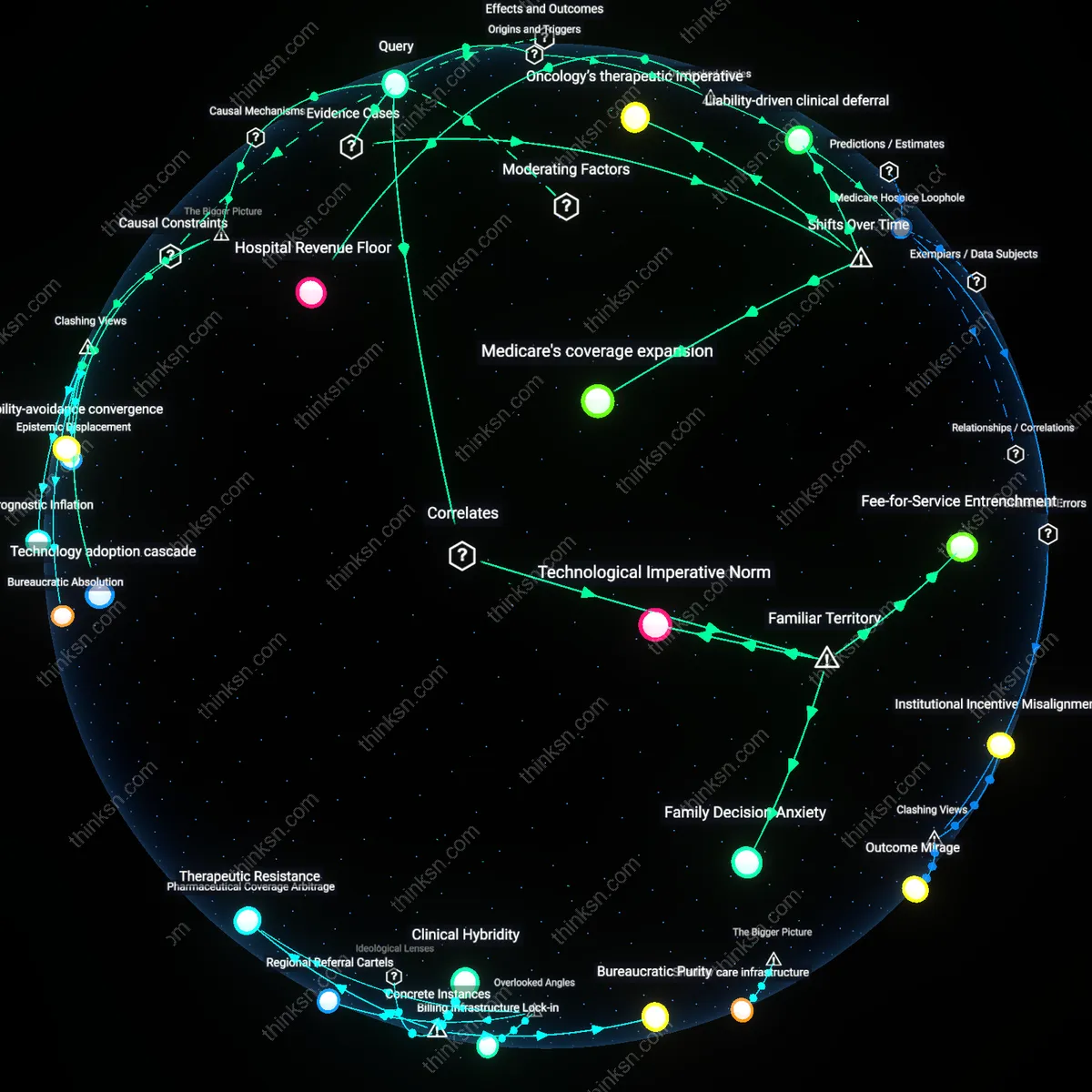
Physicians avoid discussing prognosis with older patients because the structure of clinical reimbursement prioritizes procedural outputs over relational communication, making time spent on prognosis discussions functionally punitive within high-throughput practice environments. In primary care and oncology settings, where visit slots are tightly scheduled and revenue depends on billing codes for interventions rather than counseling, doctors face implicit opportunity costs when dedicating 20–30 minutes to nuanced end-of-life conversations. This economic invisibility of talk-based care—especially for complex, non-billable discussions involving uncertainty and emotion—creates a systemic disincentive that outweighs ethical or clinical motivations to disclose prognosis, particularly when such disclosures may unsettle patients or invite lengthy negotiation. The overlooked angle is not physician discomfort or cultural taboo, but the way time itself becomes a rationed clinical resource under fee-for-service models, rendering prognosis discussions a luxury few practices can afford.
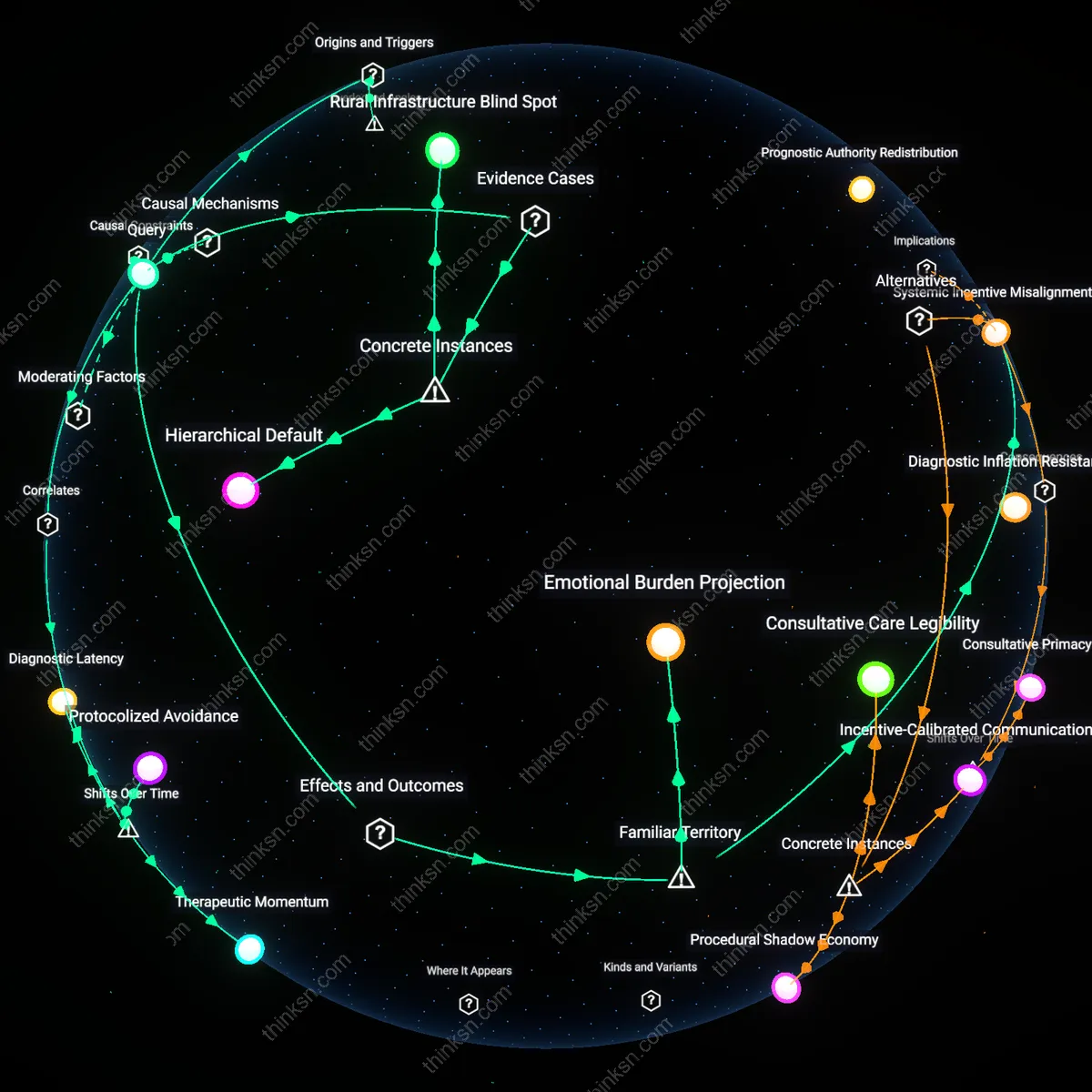
Emotional Burden Projection
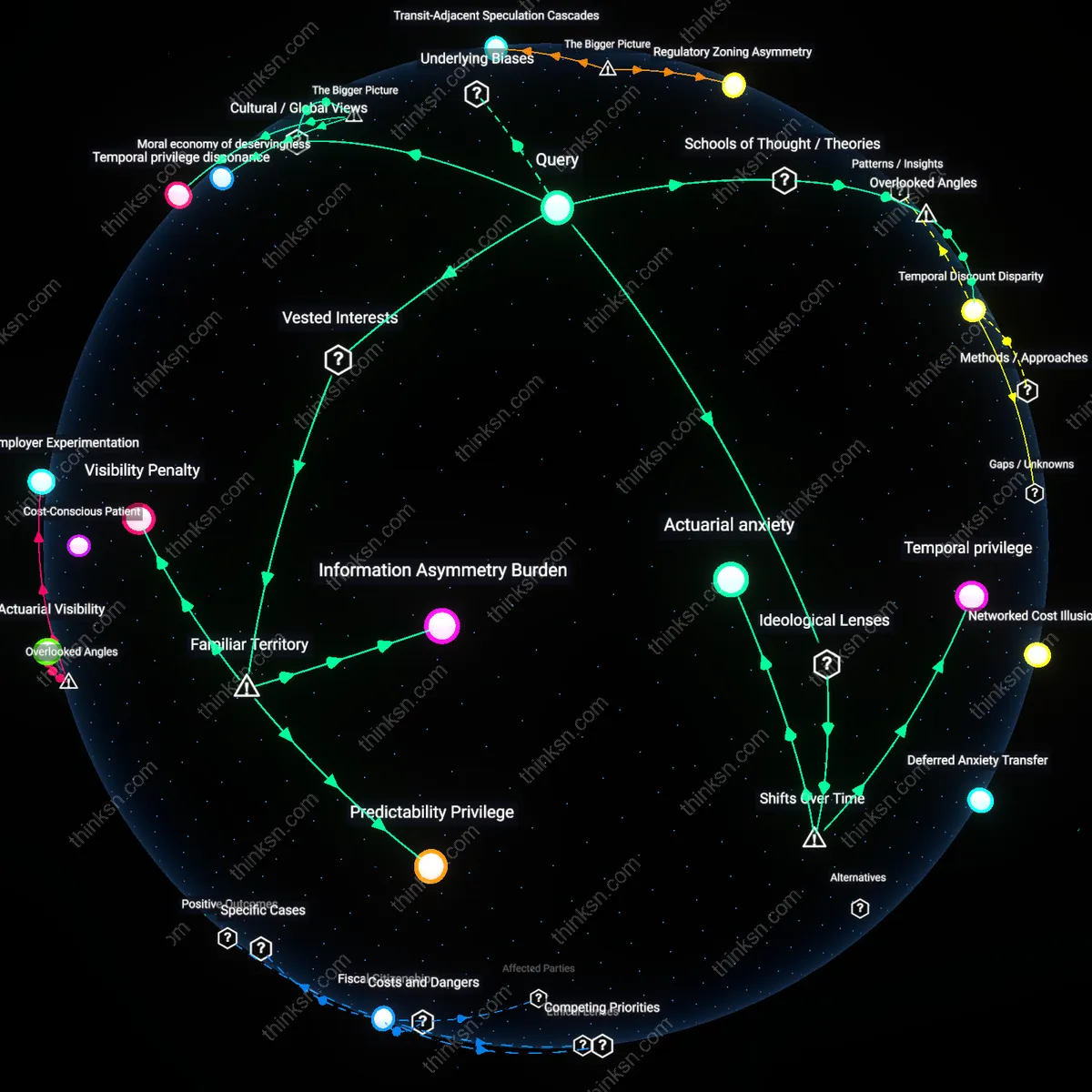
Physicians avoid discussing prognosis with older patients because they fear causing emotional distress, assuming that revealing a poor outlook will overwhelm patients and families. This avoidance is reinforced in hospital settings where time-pressured clinicians equate honesty with harm, substituting vague reassurance for data-driven forecasts. The non-obvious element is that this protective impulse—rooted in empathy—actually transfers the physician’s discomfort with grief and mortality onto the patient, who is then denied agency. As a result, decisions default to aggressive interventions near death, like ICU admissions or resuscitation, not because they align with patient values but because those values were never clarified.
Systemic Incentive Misalignment
Physicians avoid discussing prognosis because clinical workflows and reimbursement structures prioritize procedural interventions over communication. In U.S. Medicare systems, for instance, billing codes reward surgeries, scans, and hospitalizations far more than 30-minute conversations about life expectancy. This makes it rationally inefficient for doctors to initiate difficult end-of-life discussions, especially in overburdened primary care or oncology clinics. The underappreciated consequence is that the financial architecture of care covertly shapes medical judgment, making overtreatment not a moral failing but a structurally incentivized outcome, perpetuating cycles of futile care.
Protocolized Avoidance
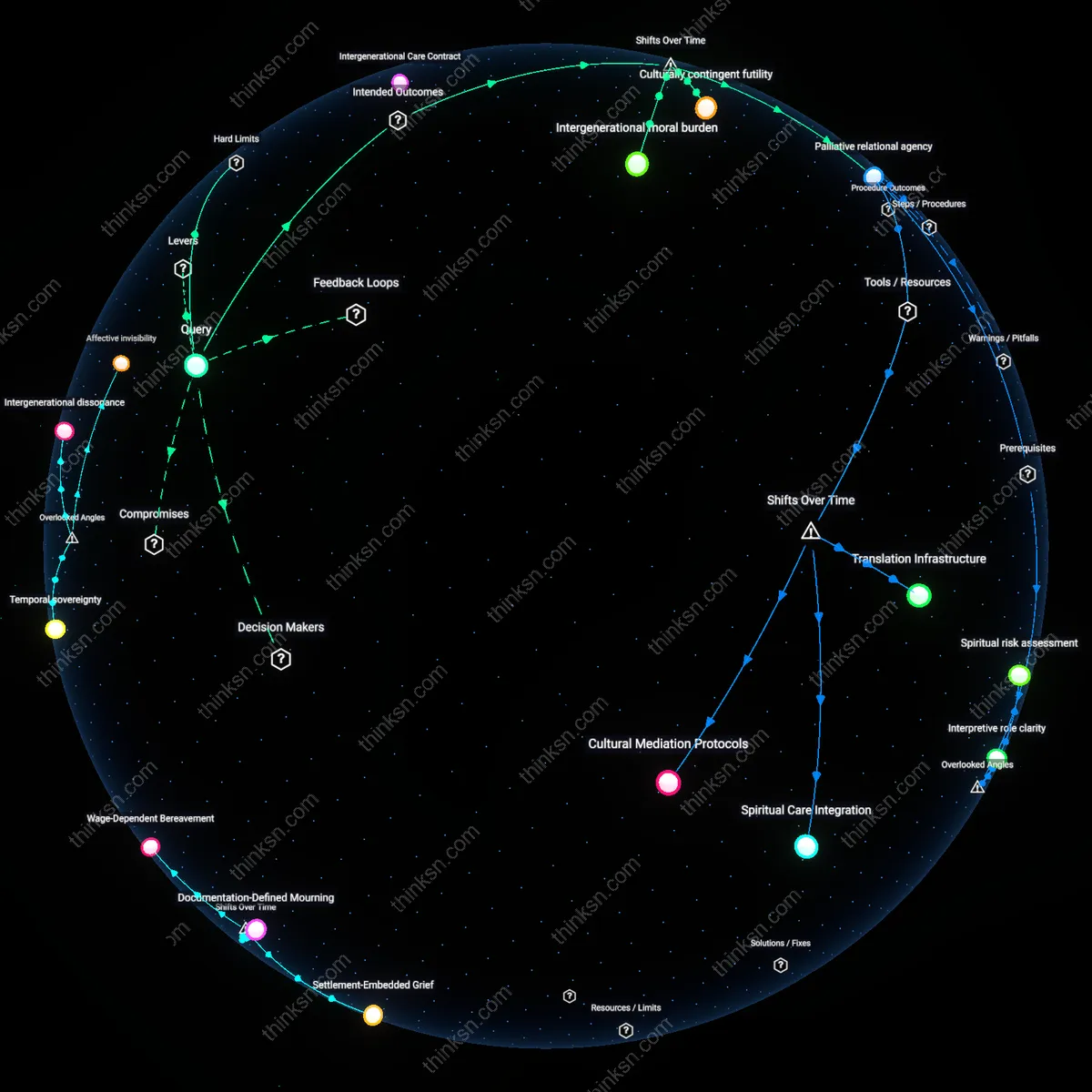
Physicians increasingly defer prognosis discussions with older patients due to the post-1990s institutionalization of performance metrics prioritizing patient satisfaction and treatment adherence, which penalize distress-inducing conversations; this shift replaced earlier mid-century norms where paternalistic disclosure was common, revealing how quality improvement frameworks inadvertently incentivized emotional bypass through standardized care pathways. The mechanism operates through hospital compliance systems that treat prognosis communication as a risk to survey scores, embedding avoidance into routine oncology and geriatrics workflows. What is underappreciated is that this is not mere discomfort but a structurally rewarded practice shaped by value-based care’s unintended behavioral economics.
Therapeutic Momentum
The rise of aggressive end-of-life interventions since the 1970s stems from the medicalization of aging via ICU expansion and the technological imperative, where physicians, trained in resuscitative culture, interpret uncertainty as a mandate to act rather than a cue for conversation; this marks a departure from pre-1960s norms when death at home was common and hospital death was rare. The dynamic is institutionalized through residency training and hospital revenue models that equate care with intervention, making non-treatment feel like professional failure. The non-obvious insight is that avoidance of prognosis talk is not ignorance but a rational response to a system that rewards action, rendering inaction as unmedical conduct.
Diagnostic Latency
Since the 1990s, the normalization of early cancer screening and biomarker monitoring has produced a clinical category of 'pre-terminal' uncertainty, where physicians delay prognosis discussions because disease progression is measured in stochastic risk scores rather than clinical decline, eroding the once-clear boundary between chronic and terminal illness. This temporal shift fragments end-of-life decision-making across years of ambiguous surveillance, embedded in electronic health records that log risk but not readiness for palliative care. The underappreciated consequence is that over-treatment emerges not from denial but from a data-rich limbo where no definitive turning point for prognosis talk ever arrives.
Hierarchical Default
At Johns Hopkins Hospital, attending physicians consistently deferred prognosis discussions with patients over 80, ceding responsibility to medical trainees who lacked decision-making authority; this fragmentation of accountability enabled overtreatment by allowing life-prolonging interventions to proceed by default when no clear physician led goals-of-care conversations. The hierarchical structure of the internal medicine service—where senior physicians avoid emotionally charged discussions while residents avoid medical assertions—reveals how professional deference becomes operational inertia, allowing treatment escalation not because of patient preference but because no single clinician claimed ownership of prognosis. This non-obvious source of over-treatment exposes a systemic loophole where the absence of conversational leadership entrenches the most aggressive default pathway.
Rural Infrastructure Blind Spot
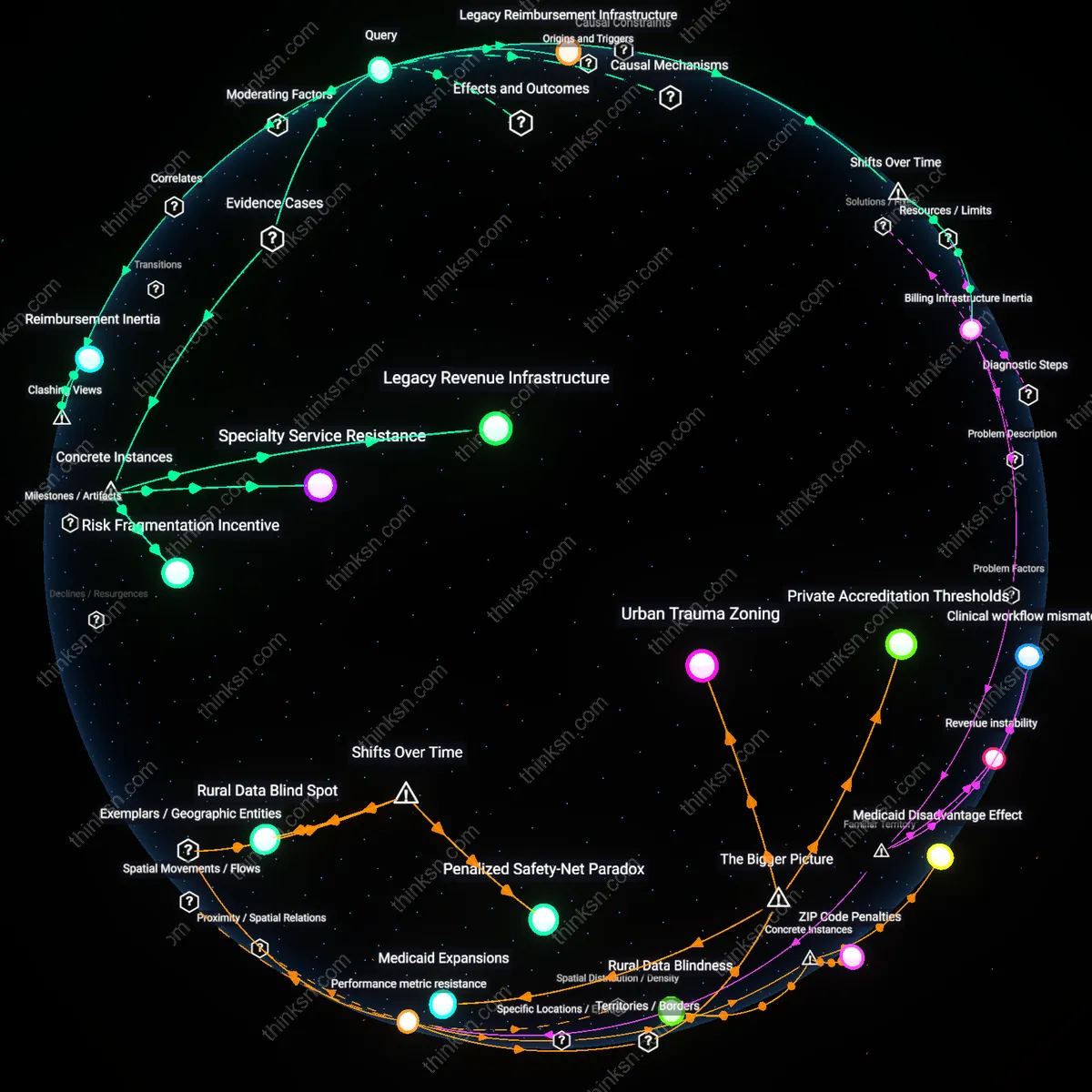
In the Upper Peninsula of Michigan, oncologists at UP Health System routinely initiate chemotherapy for metastatic cancer patients beyond age 85 despite limited local access to palliative services, because prognosis discussions would require resources to interpret, translate, and follow up that simply do not exist in practice; the assumption that patients 'want everything done' emerges not from direct communication but from the unavailability of durable care coordination mechanisms. This creates a treatment reflex—chemotherapy administered not due to patient demand but as a stand-in for care in systems where discontinuing disease-directed therapy equates to abandonment. The overlooked role of geographic care deserts is that they coerce clinicians into symbolic gestures of treatment, mistaking the only available medical action for patient-aligned care.