Is GDPR Failing Free Cloud Document Users?
Analysis reveals 5 key thematic connections.
Key Findings
Jurisdictional arbitrage
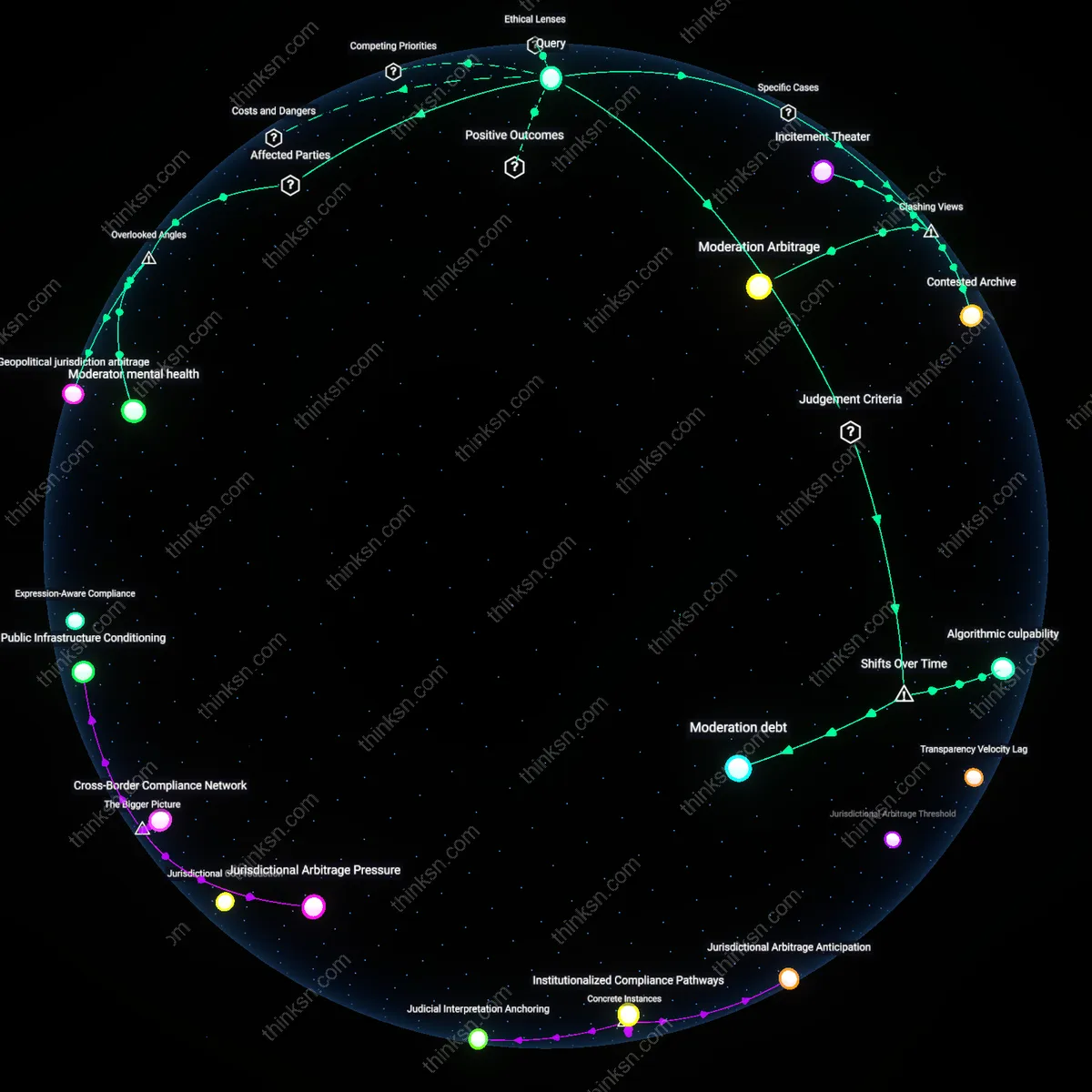
GDPR enforcement weakens for users of free cloud-based collaboration platforms because providers like Google Docs or Dropbox leverage subsidiary incorporation in Ireland to centralize data processing under a single, resource-constrained Data Protection Commission. This creates a bottleneck where cross-border complaints are delayed or deprioritized, disproportionately affecting non-EU users who rely on these platforms but lack standing in Irish courts. Most analyses focus on corporate compliance or user consent, not how the treaty design incentivizes forum centralization that undermines equitable oversight — a structural erosion of accountability masked as legal harmonization.
Feature-as-compliance
Free platforms treat privacy features such as link-sharing permissions or data export tools not as rights-enabling mechanisms but as product differentiators that delay mandatory compliance through perceived user control. When GDPR’s transparency requirements are met by adding toggle switches or pop-up dialogs, providers simulate adherence without altering data extraction economies — a practice reinforced by regulatory emphasis on process over outcome. This shifts responsibility onto users to configure privacy, an illusion of agency that obscures systemic surveillance baked into the platform’s growth logic, a dynamic overlooked because regulators assess features rather than behavioral incentives.
Enforcement Asymmetry
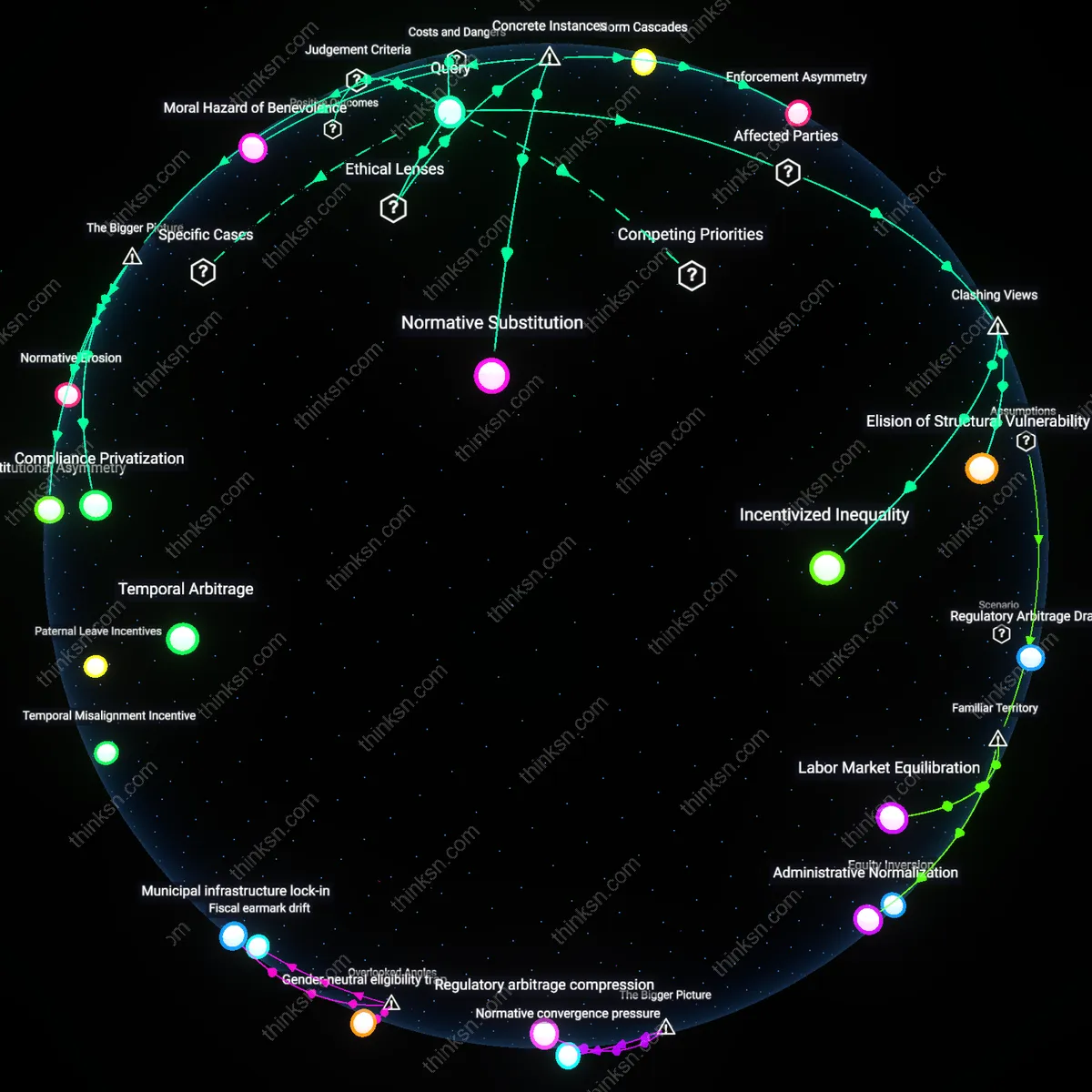
The European Data Protection Board's inability to uniformly sanction U.S.-based providers like Google despite documented GDPR violations exposes legal fragmentation in cross-border data governance. Google Drive's data processing practices in 2020 were found non-compliant by Ireland’s Data Protection Commission, yet binding corrective orders were delayed for years due to jurisdictional conflicts and resource disparities between EU regulators and Silicon Valley’s legal infrastructure. This mechanism reveals that statutory rights under GDPR are systematically weakened when enforcement relies on member-state agencies facing asymmetrical power against well-resourced multinational platforms, turning compliance into a negotiation rather than a mandate.
Consent Theater
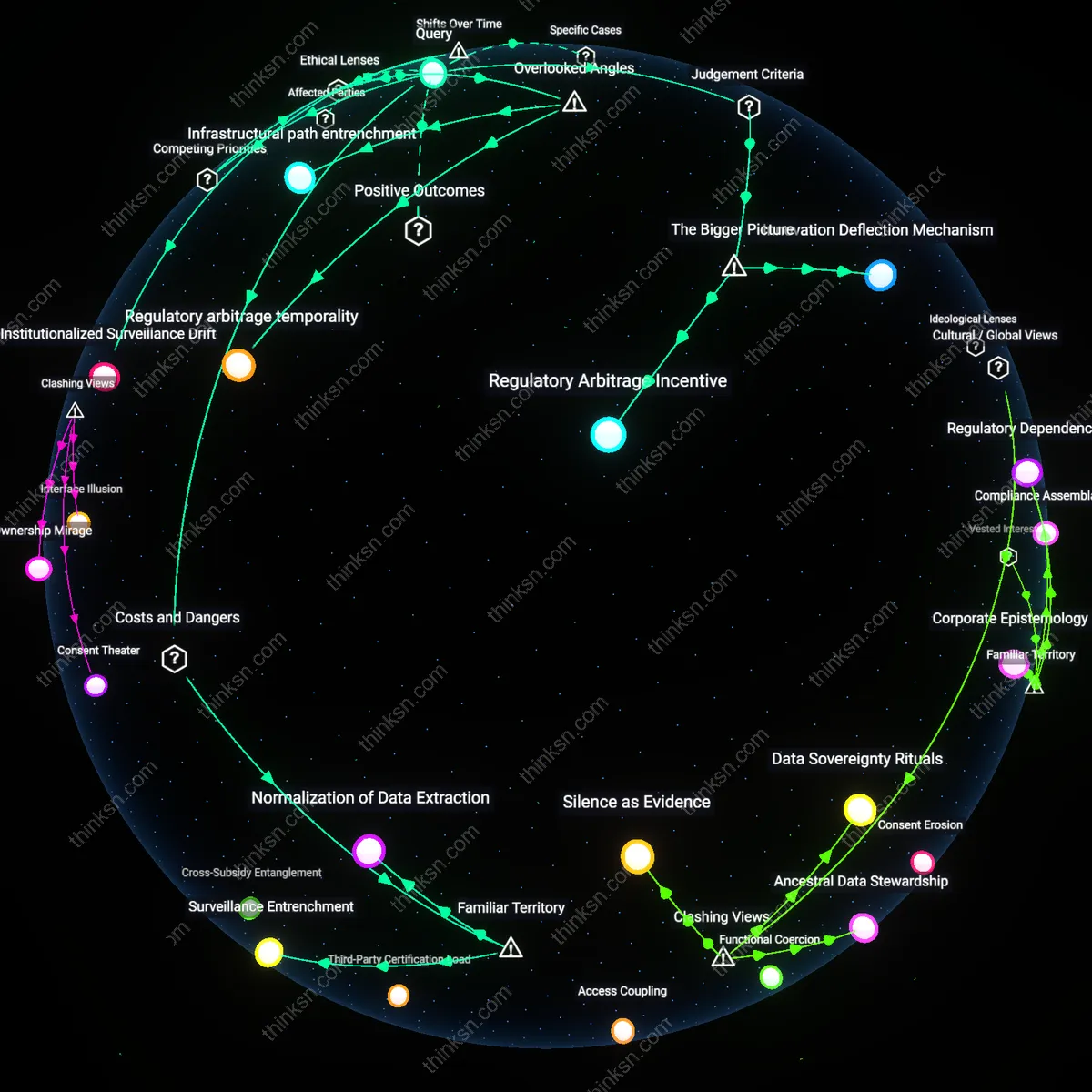
Documents hosted on Microsoft 365 are routinely scanned for malware and policy violations under terms users accept during onboarding—a process framed as consent but functionally unavoidable for workplace participation. In 2022, Belgian employees at multinational firms were found to have no practical option to opt out of content monitoring, despite national privacy warnings, because employers mandated usage. This dynamic converts informed consent into a performative ritual, where users surrender substantive control not through deception but through institutional dependency, masking invasive data processing under the guise of platform necessity.
Data Residue Exploitation
Following Dropbox’s integration of AI-driven collaboration tools in 2023, user-uploaded documents became latent training data for internal machine learning models, despite public claims of opt-in only processing. French data activists demonstrated through reverse-engineered API logs that metadata and anonymized text fragments were extracted during file syncing, even when AI features were disabled. This reveals that platform architecture itself can bypass enforcement by generating secondary data flows that evade GDPR’s purpose limitation principle, transforming user documents into unseen inputs for systemic model refinement.