Eviction Speed vs. Statutes: Revealing Enforcement Gaps in High-Demand Markets?
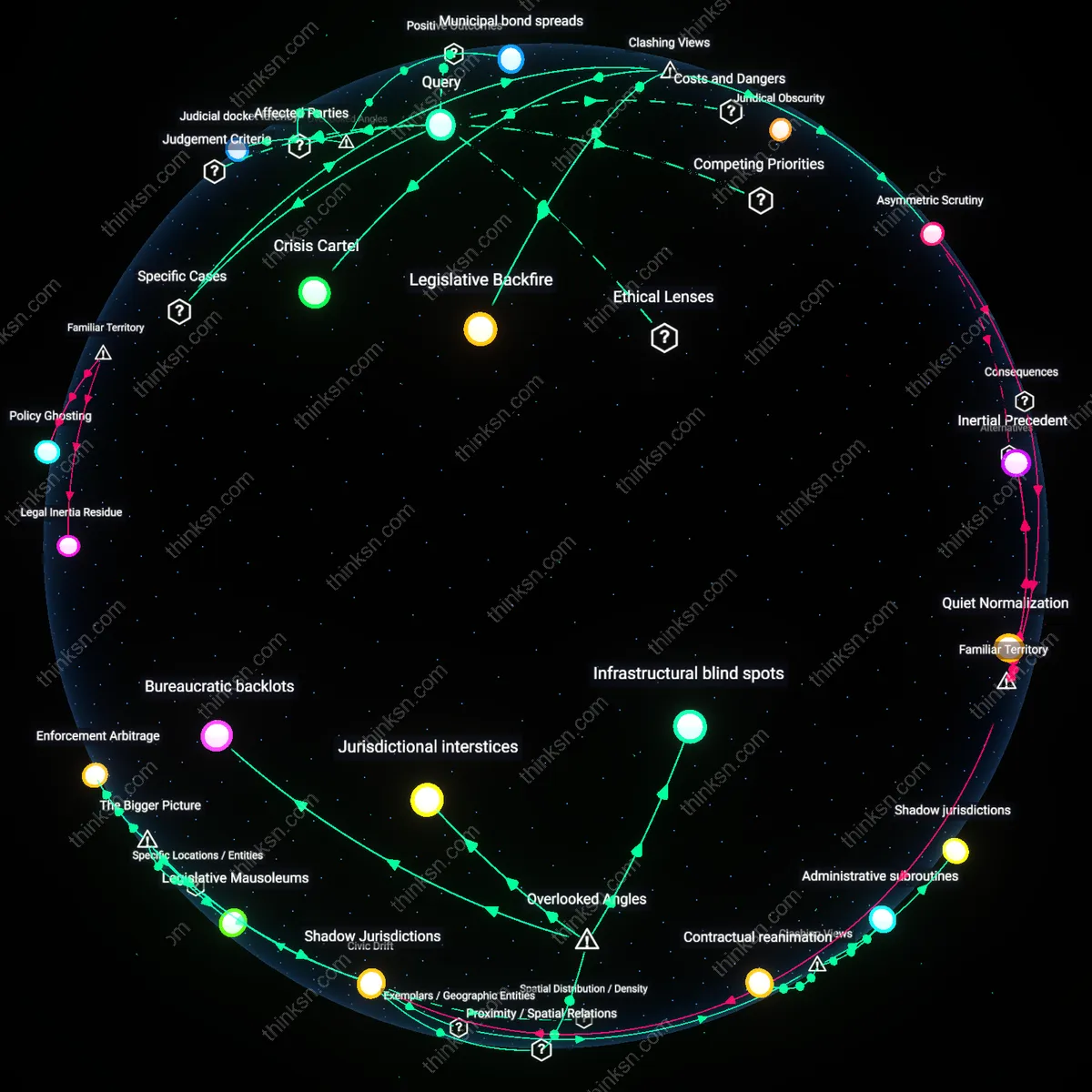
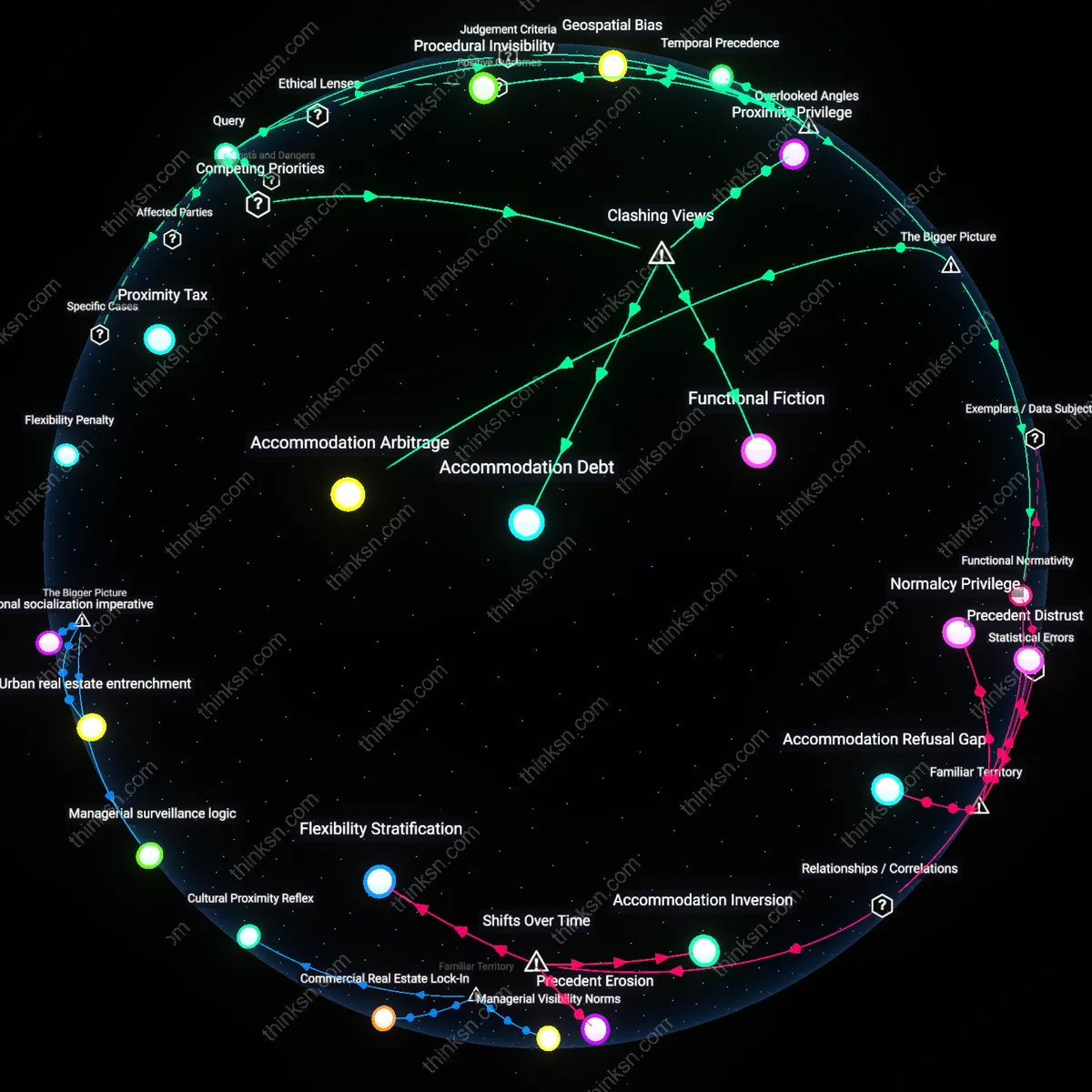
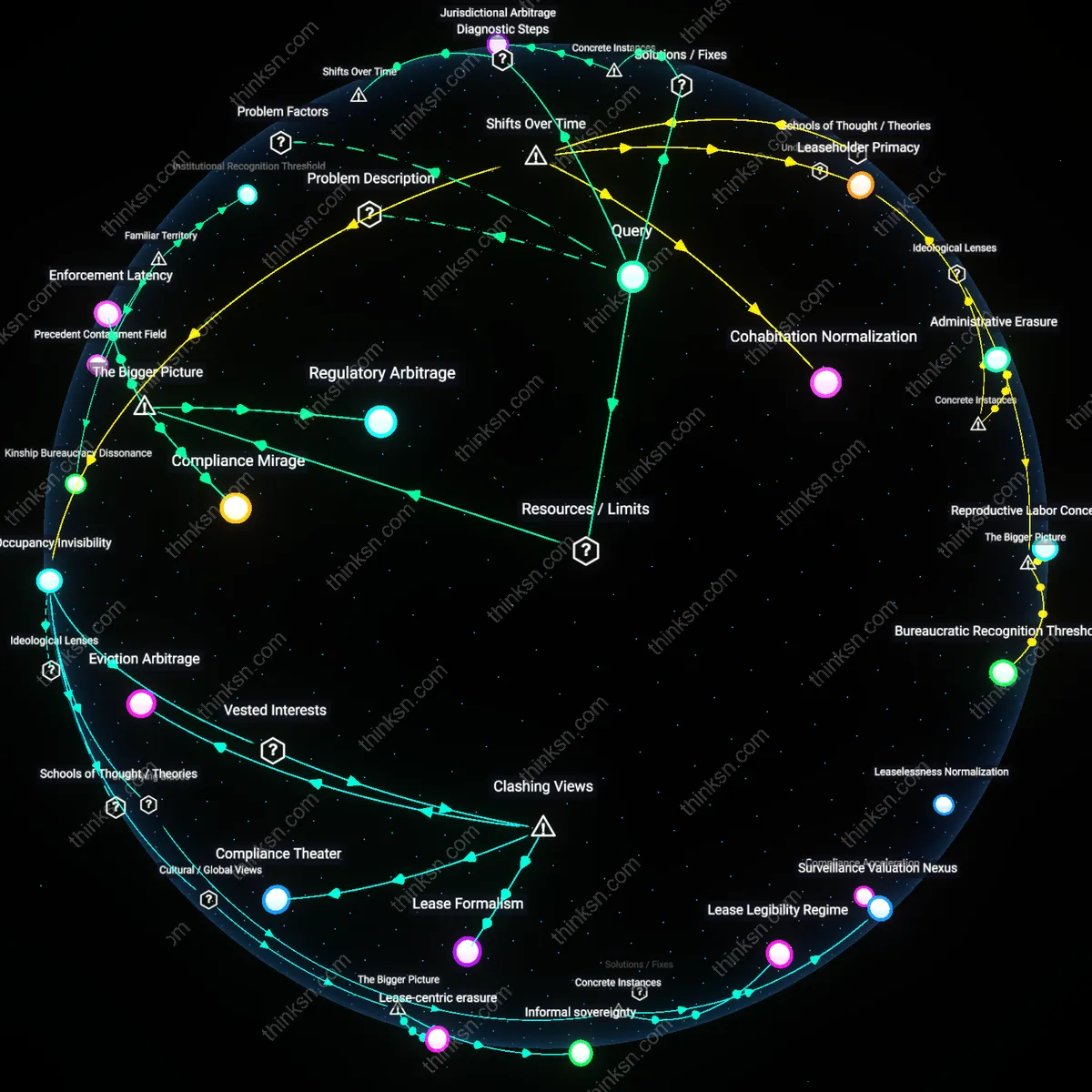
Analysis reveals 6 key thematic connections.
Key Findings
Judicial Saturation
The surge in eviction filings since the mid-2010s, even in cities with robust just cause laws like Portland and Seattle, demonstrates that court capacity—not legal adequacy—has become the binding constraint on enforcement. Housing courts, historically structured to handle low-volume disputes between individual landlords and tenants, now function as processing centers for institutional landlords represented by dedicated legal teams, enabling rapid case throughput that overwhelms tenant defense resources. This shift—from conflict resolution to administrative triage—means the law’s intent is subordinated to procedural velocity, where compliance is measured in speed, not fairness. The underappreciated dynamic is that the system’s integrity erodes not from legal gaps, but from asymmetric institutionalization of legal access over time.
Jurisdictional Arbitrage
In Maricopa County, Arizona, rapid evictions accelerated after 2015 when private firms contracted to process court filings began using centralized, high-volume workflows that decoupled filing speed from local tenancy conditions, disproportionately affecting unincorporated mobile home parks governed by county rules less protective than city ordinances. Here, corporate processing infrastructure turned legal filings into scalable transactions, exploiting gaps between municipal and county regulatory reach, where jurisdictional overlap creates enforcement ambiguity. The underappreciated insight is that privatization of court logistics can amplify legal displacement faster than public oversight adapts, turning administrative efficiency into systemic displacement machinery.
Data Obfuscation Incentive
New York City’s 2019 expansion of tenant protection laws led to a spike in 'holdover' evictions filed by building owners who reclassified tenants as 'licensees'—a status exempt from just cause requirements—leveraging ambiguous occupancy records maintained by under-resourced housing registries to anonymize displacement. This reclassification exploited inconsistent data standards between tax assessors, housing agencies, and courts, allowing owners to falsify occupancy status with low risk of cross-system verification. The non-obvious revelation is that weak inter-agency data integration creates a compliance illusion, where adherence to paperwork norms masks substantive violations, making data fragmentation a structural enabler of evasion.
Enforcement Latency
The gap between just cause eviction laws and rapid filing rates reveals that underfunded housing courts in cities like New York and Los Angeles cannot process tenant defenses in real time, enabling landlords to exploit procedural speed. Legal safeguards exist on paper, but adjudication lags create a de facto permission structure where filings—once initiated—proceed faster than tenants can mobilize rights, especially when legal aid faces budget caps and case loads overwhelm timelines. This exposes a systemic failure in synchronizing legal rights with enforcement capacity, where the residual burden falls hardest on low-income tenants in gentrifying neighborhoods. The underappreciated reality is that timeliness, not legality, governs outcomes—making due process a function of delay.
Regulatory Arbitrage
The surge in evictions despite just cause laws reflects landlords’ strategic use of code enforcement and nuisance ordinances to bypass tenant protections, particularly in high-demand markets like San Francisco and Austin. When direct eviction triggers legal scrutiny, property owners shift tactics—reporting minor housing code violations or noise complaints—to induce displacement indirectly, leveraging under-resourced code enforcement agencies that respond faster than rent boards. This reveals a systemic loophole where the multiplicity of regulatory tools enables actors to displace tenants through alternative state mechanisms, not in contradiction to the law but by manipulating its fragmented administration. The critical insight is that compliance and coercion can coexist when different arms of the state operate on divergent timelines and thresholds.
Compliance Mirage
Just cause protections fail in practice because automated eviction filing systems in counties like Cook and King operate independently of subsidy enforcement or inspection databases, allowing landlords with chronic violations to file evictions unimpeded. Municipal IT infrastructures do not cross-reference eviction eligibility with landlord compliance history, so even repeat offenders face no operational friction in initiating proceedings. This technical disconnect creates a false sense of lawful process while insulating systemic failures from accountability—where the appearance of legal order masks the absence of integrated oversight. The overlooked issue is that enforcement isn't just underfunded; it's architecturally siloed, rendering regulation blind to patterned abuse.