Prioritizing Racial Equity in Police Hiring: Justified Trade-off?
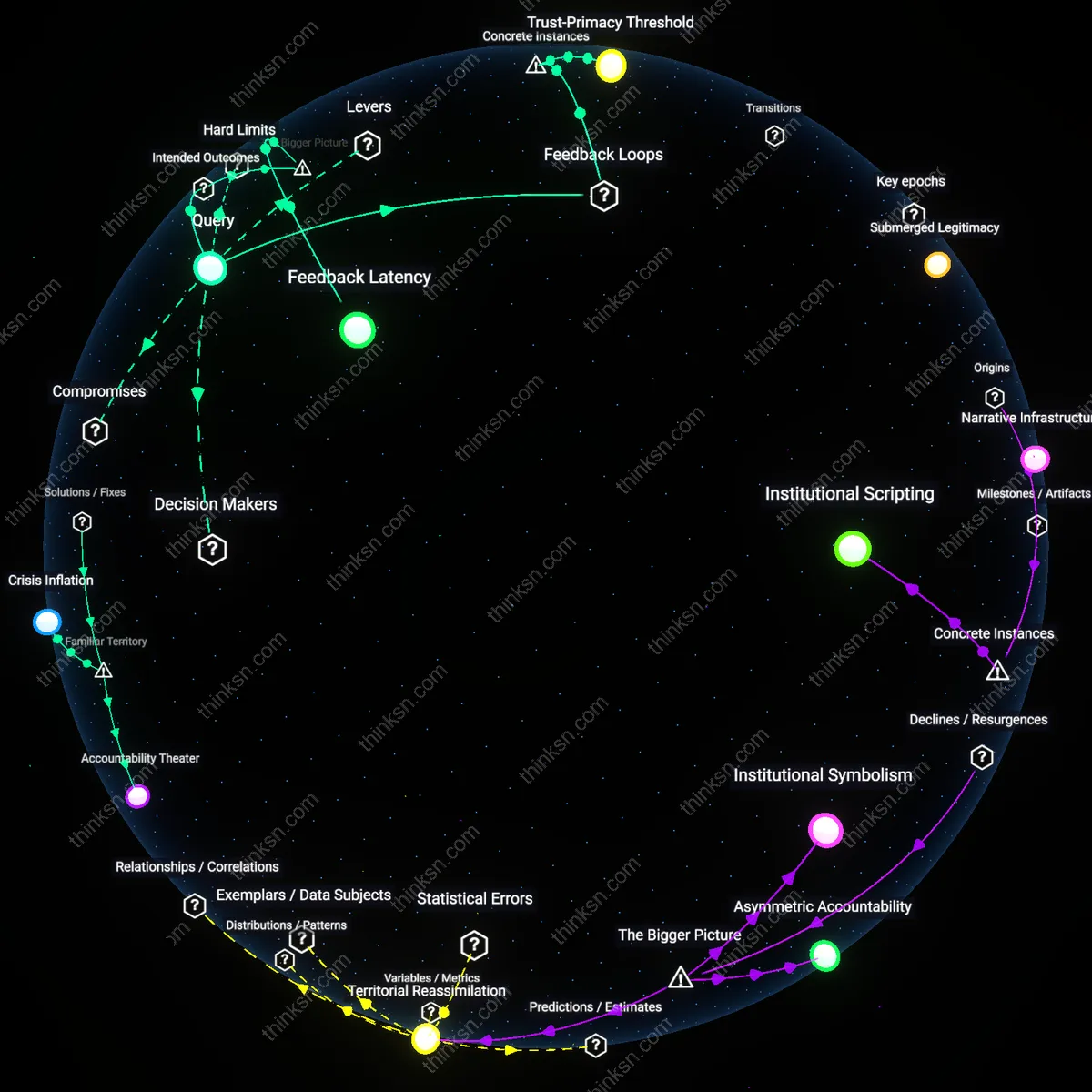
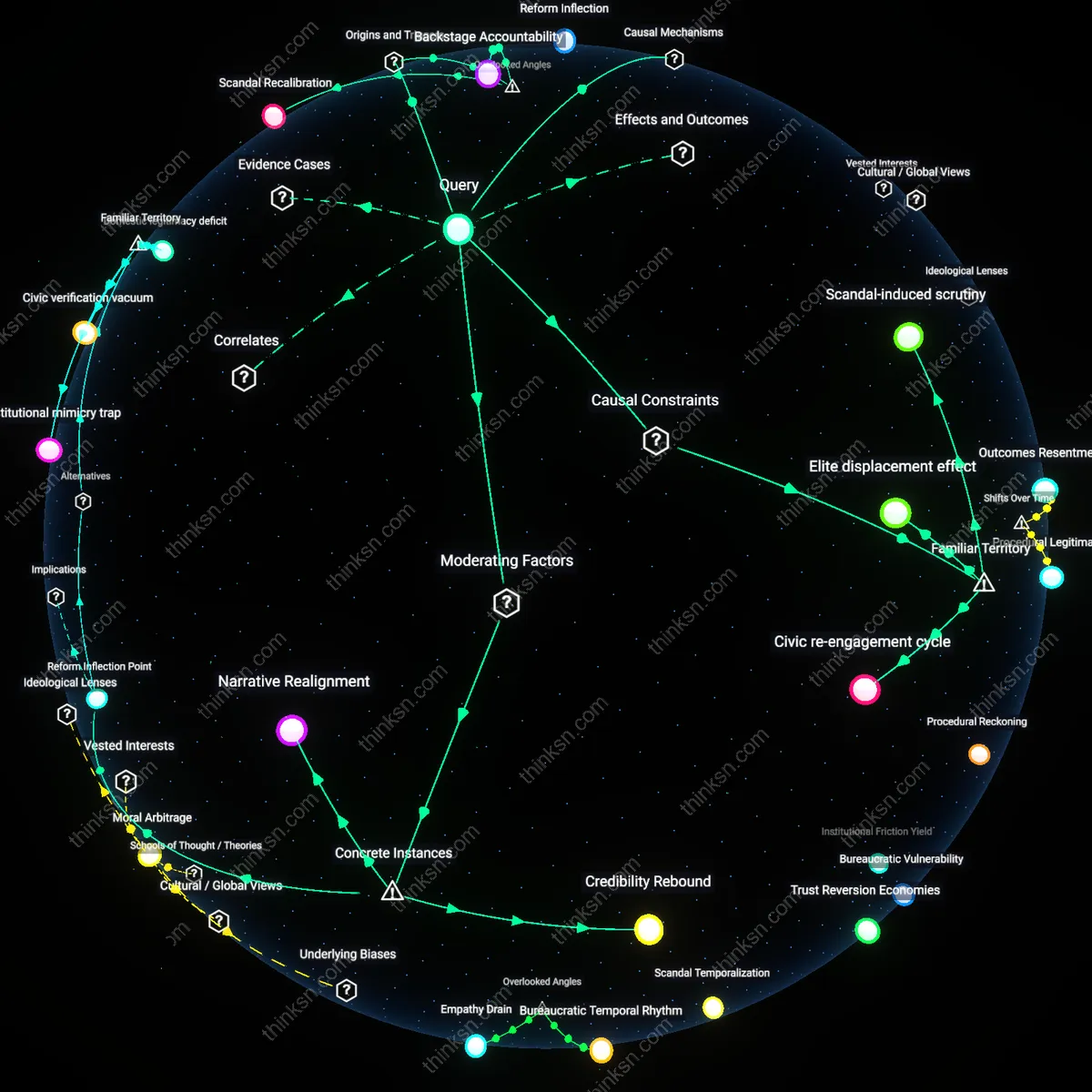
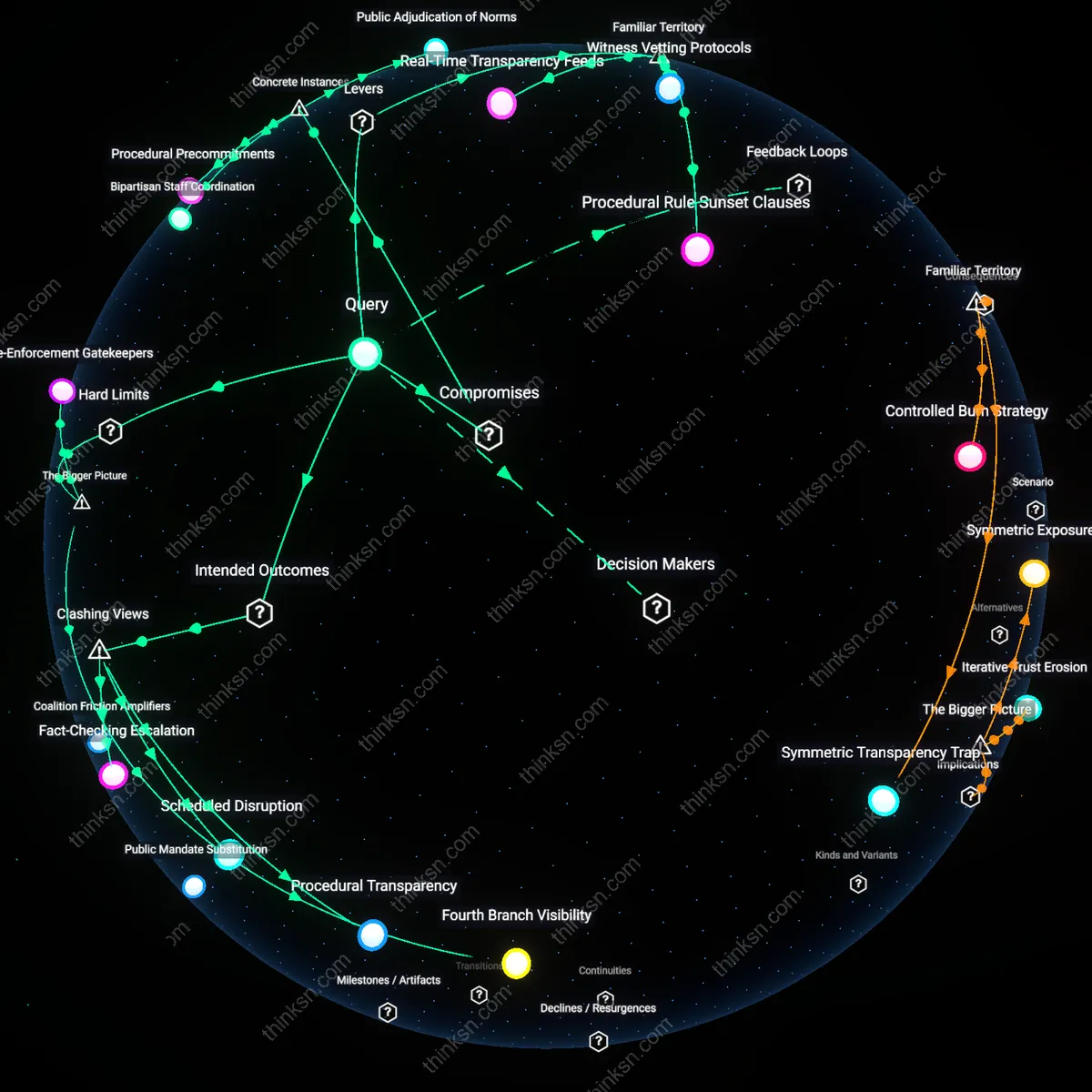
Analysis reveals 5 key thematic connections.
Key Findings
Moral redress signaling
Racial equity metrics in police hiring should be prioritized not because they reduce bias in policing outcomes but because they serve as public acknowledgments of historical exclusion, thereby restoring legitimacy among marginalized communities. This functions through the symbolic alignment of institutional appearance with civic memory—specifically, Black and Latino communities in cities like Chicago and Los Angeles interpret equitable hiring as an admission of past harm, even absent behavioral change in officers. The non-obvious insight is that representation operates less as a functional check on bias than as a ritual of accountability, disrupting the dominant assumption that metrics must produce operational efficacy to be justified.
Organizational immune response
Prioritizing racial equity metrics in police hiring should be resisted because such efforts often trigger defensive restructuring within law enforcement agencies that neutralize reform, as seen in promotion bottlenecks and cultural sidelining of officers of color in departments like the NYPD and MPD. These institutions absorb diversity initiatives structurally while preserving dominant norms, transforming equity goals into performative compliance. The counterintuitive mechanism is that representation without cultural penetration strengthens internal cohesion among incumbent officers, revealing how reform can be metabolized by resistant systems to enhance their durability rather than weaken them.
Proxy legitimacy economy
Racial equity metrics should be prioritized in police hiring precisely because they decouple legitimacy from outcome-based accountability, allowing city governments and police unions to trade visible diversity for reduced scrutiny in oversight processes. In municipalities like Minneapolis and Baltimore, increases in minority officer recruitment have correlated with diminished pressure to alter use-of-force policies or consent decrees, functioning as political currency. The dissonance lies in recognizing that representation can serve not as a step toward justice but as a displacement tactic—a way to satisfy public demand for reform without altering coercive practices.
Institutional temporality
Yes, racial equity metrics should be prioritized in police hiring because doing so recalibrates the temporal orientation of public safety institutions toward reparative futurity, a shift justified within critical legal theory’s emphasis on law as a vehicle for historical redress. Police departments function not merely as enforcement bodies but as temporal institutions that reproduce or disrupt historical patterns of racialized harm; by embedding racial equity into hiring, they enact what critical race theorists call 'disruptive memory'—a procedural defiance of the myth of colorblind institutional neutrality. This mechanism operates through bureaucratic habituation, where sustained demographic change reshapes internal norms and discretionary judgments over time, even absent immediate outcome shifts—a dynamic overlooked because policy debates focus on short-term efficacy rather than institutional rhythm. The non-obvious factor is that representation alters the *timing* of justice—slowing reactive cycles and enabling long-term cultural transformation—making institutional temporality the unnoticed variable that reframes equity hiring as a temporal intervention.
Intergroup solidarity erosion
Yes, racial equity metrics should be prioritized in police hiring because failing to do so risks accelerating the erosion of intergroup solidarity among marginalized officers, a dynamic rooted in postcolonial theories of fractured subjectivity under state institutions. In departments where small numbers of racially minoritized officers are hired without structural support, they often face competing expectations—to align with dominant policing cultures or to serve as informal community liaisons—leading to internal fraying that undermines collective resistance to discriminatory practices. This mechanism operates through identity taxation, where officers from underrepresented groups expend emotional and political labor to navigate dual allegiances, weakening cross-racial coalitions among non-white officers that could otherwise challenge bias from within. Most analyses overlook this because they assume representation automatically fosters unity, but the hidden dependency is that without equity metrics tied to support systems, diversity intensifies fragmentation, thereby compromising one of the few internal levers for change.