Why Medicare Part D Keeps Retirees Guessing on Costs?
Analysis reveals 8 key thematic connections.
Key Findings
Regulatory Loophole Exploitation
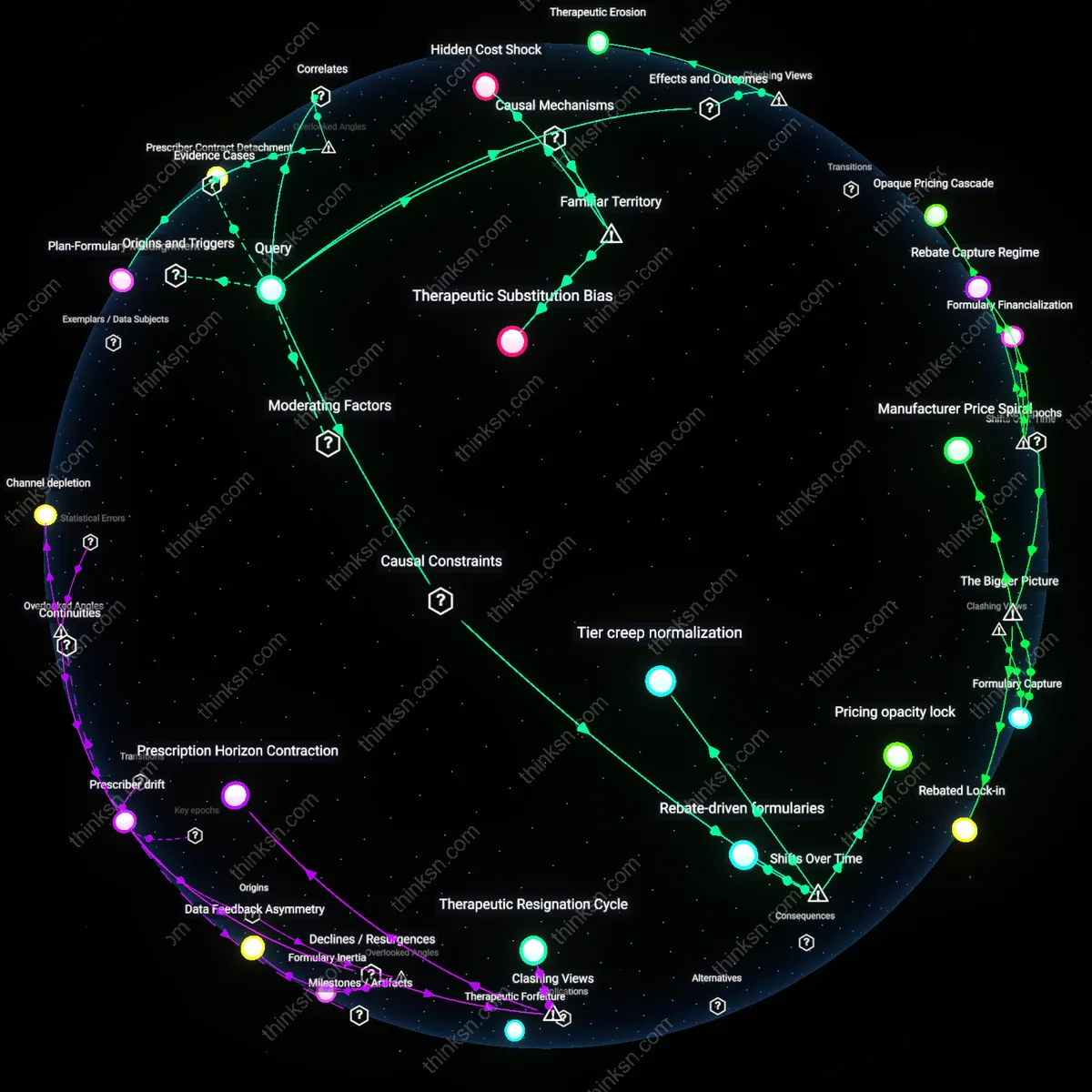
The 2003 Medicare Modernization Act’s prohibition on federal negotiation of drug prices initiated a structural dependence on private plan formularies, which evolved post-2006 to embed tiered cost-sharing and non-transparent rebating practices. This mechanism allowed pharmaceutical manufacturers and pharmacy benefit managers (PBMs) to exert influence over formulary placement through secret rebates, deliberately introducing pricing volatility that retirees cannot anticipate. The non-obvious consequence of this historical pivot is not merely higher costs, but the systemic decoupling of list price from out-of-pocket expense, making cost prediction structurally impossible rather than merely difficult.
Formulary Volatility Cycle
Between 2010 and 2015, the rise of specialty drugs and biologics forced Part D plans to reconfigure formularies annually with increasing frequency, shifting medications between tiers or delisting them without stable notice. This dynamic, mediated by plan sponsors responding to manufacturer price hikes and PBM contracting cycles, transformed formulary lists from static guides into moving targets, deliberately obscuring long-term cost trajectories for retirees. The underappreciated effect of this shift is not administrative complexity but the institutionalization of unpredictability as a risk management tool for insurers, offloading financial instability onto beneficiaries.
Benefit Design Asymmetry
The transition from pre-2006 employer-retiree drug coverage to post-Part D individual plan selection repositioned cost predictability as a function of consumer choice rather than collective risk pooling, a change cemented by 2010 as most retirees shifted into standalone PDPs. This reconfiguration enabled plans to design formularies with narrow therapeutic categories and utilization controls that appear transparent annually but conceal long-term exposure through dynamic exclusions and prior authorization drift. The overlooked outcome is not poor information but the deliberate fragmentation of actuarial transparency, privileging plan-level savings and manufacturer segmentation strategies over retiree financial planning.
Plan-Specific Formulary Churn
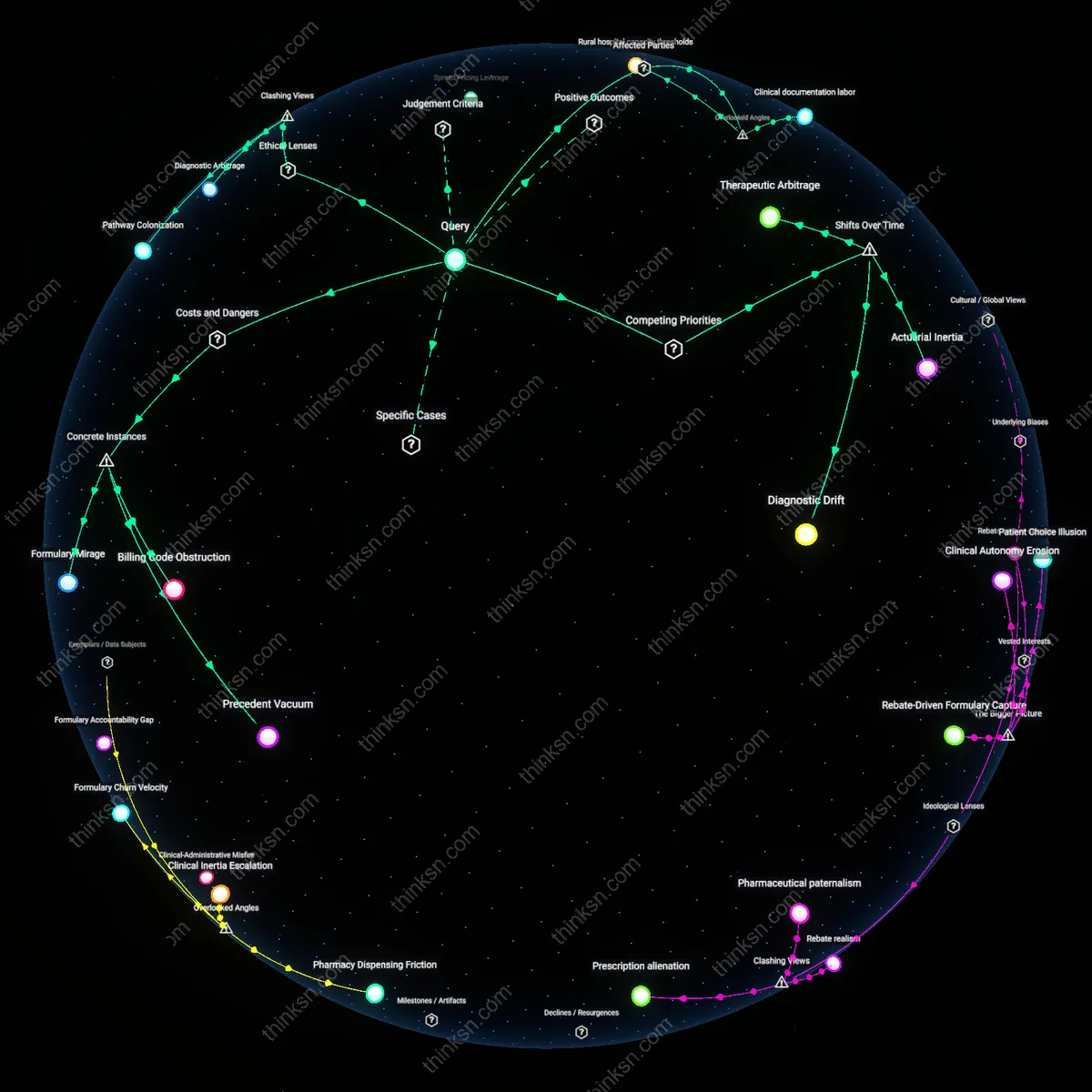
In 2020, when Express Scripts phased out the National Drug List for Medicare Part D, individual plans like Humana Walmart-Preferred RX adopted unique formulary designs that shifted tier classifications annually, causing enrollees to face surprise cost increases even when staying on the same medication and plan—this mechanism destabilizes cost expectations through deliberate annual redesign rather than outright removal, privileging pharmacy benefit managers who negotiate rebates from manufacturers based on formulary exclusivity.
Tier Manipulation Arbitrage
In Florida, during the 2019 Part D bidding cycle, CVS/Aetna subsidiary SilverScript moved insulin glargine from Tier 2 to Tier 4 in its Standard plan, increasing out-of-pocket costs by over 300% for some retirees, a change enabled by CMS's non-standardized tier system that allows sponsors to reclassify drugs without public cost impact assessments—this structural opacity enables carriers to shift cost burdens while maintaining regulatory compliance, benefiting insurers through risk corridor advantages and lower rebate-sharing obligations.
Geographic Benefit Fragmentation
In rural counties of Montana in 2021, the sole Part D plan offered by Medicare Advantage provider Wellcare structured its formulary to exclude certain hepatitis C treatments while neighboring North Dakota’s Wellcare plan included them, a disparity arising from regional actuarial modeling that leverages CMS's allowance for localized formularies—this geographic arbitrage obscures national price transparency and advantages insurers in risk selection while weakening retiree bargaining power through isolated enrollment pools.
Formulary Churn Velocity
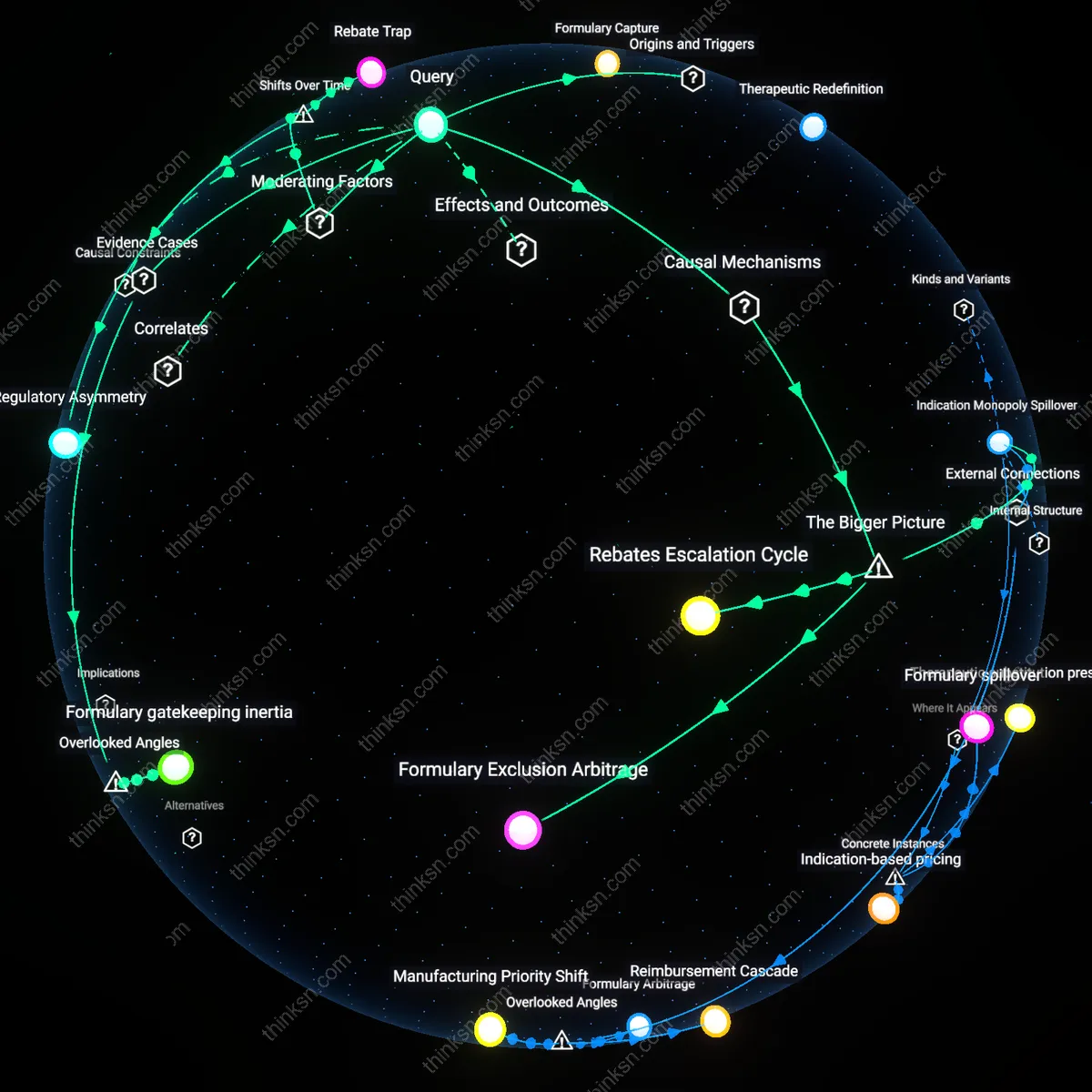
Medicare Part D formularies systematically reclassify medications between coverage tiers mid-plan-year through non-standardized, insurer-specific algorithms, making out-of-pocket costs unpredictable for retirees who depend on routine prescriptions. This churn—distinct from annual changes—is embedded in contracts that allow mid-cycle adjustments under CMS guidelines but are rarely transparent, meaning beneficiaries cannot reliably forecast spending even if they track their plan yearly. The mechanism operates through private insurers’ confidential tier-allocation models, which prioritize manufacturer rebates and are optimized for risk selection rather than cost stability, benefiting pharmacy benefit managers who arbitrage price uncertainty. The overlooked dimension is not just tier complexity, but the *temporal instability* of classification itself, which transforms medication cost planning from a financial exercise into a reactive gamble—altering perception of the problem from one of transparency to one of temporal manipulation in risk architecture.
Geographic Rebate Arbitrage
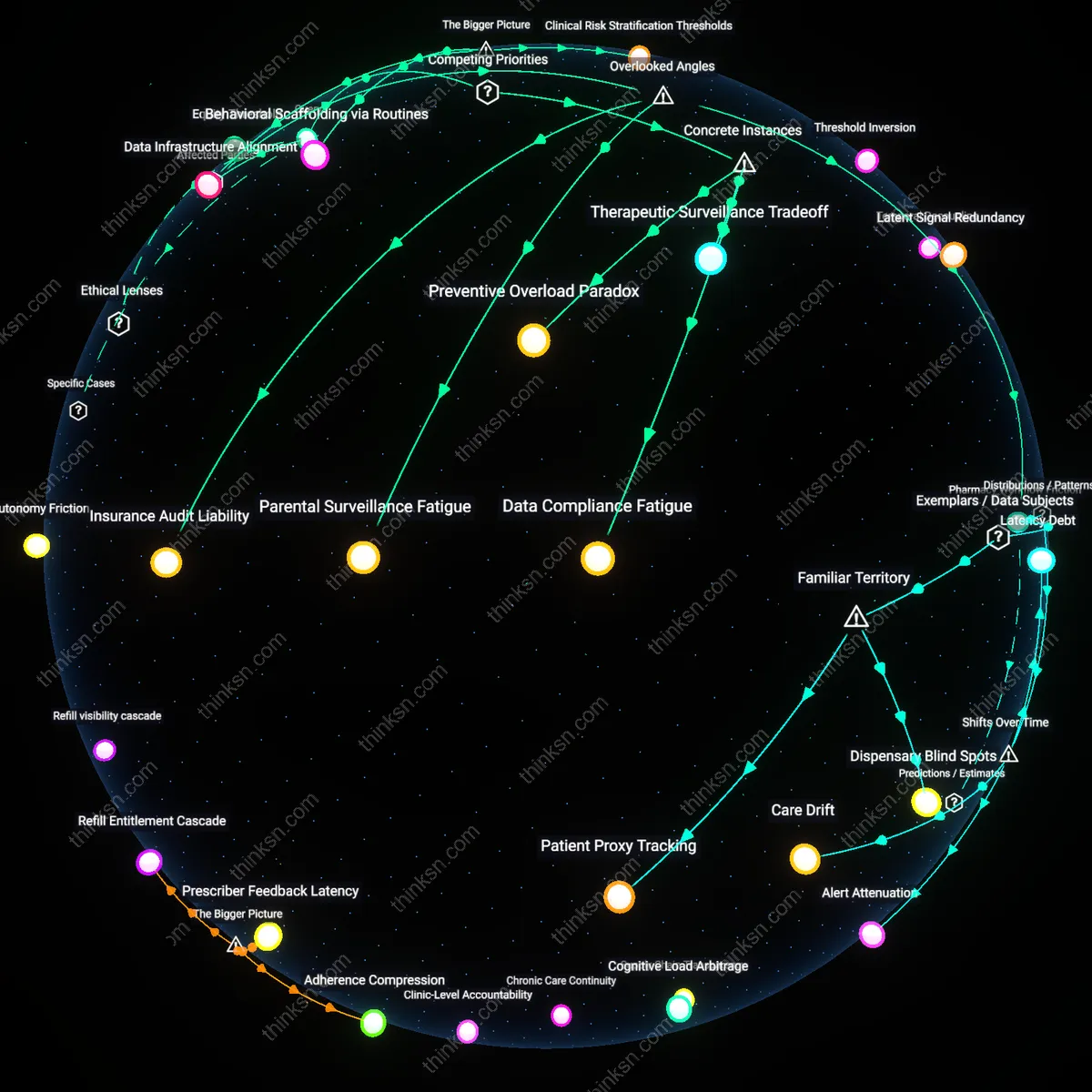
Medicare Part D formularies obscure cost predictability because formulary design in any given state is shaped by opaque, sub-state-level negotiations between plan sponsors and pharmacy benefit managers that optimize for regional rebate capture rather than national consistency, forcing retirees to contend with erratic cost structures even when migrating between counties within the same state. This generates localized formulary variations that are invisible in national summaries and often unexplained at point-of-enrollment, enabling insurers to over-represent nationwide availability while under-delivering local price clarity. The dynamic is sustained by CMS’s allowance of MAPD-LPN (Medicare Advantage and Prescription Drug–Local Plan Network) segmentation, which decouples plan marketing from actual pharmacy network performance. The overlooked factor is that formulary 'availability' does not imply access parity—instead, rebate-driven plan structuring embeds spatial asymmetry into medication economics, privileging plan sponsors and PBM-distributed profits while charging retirees through decision fatigue and migration penalties.