Is Constant Glucose Monitoring Worth Lifespan Gains for Pre-Diabetics?
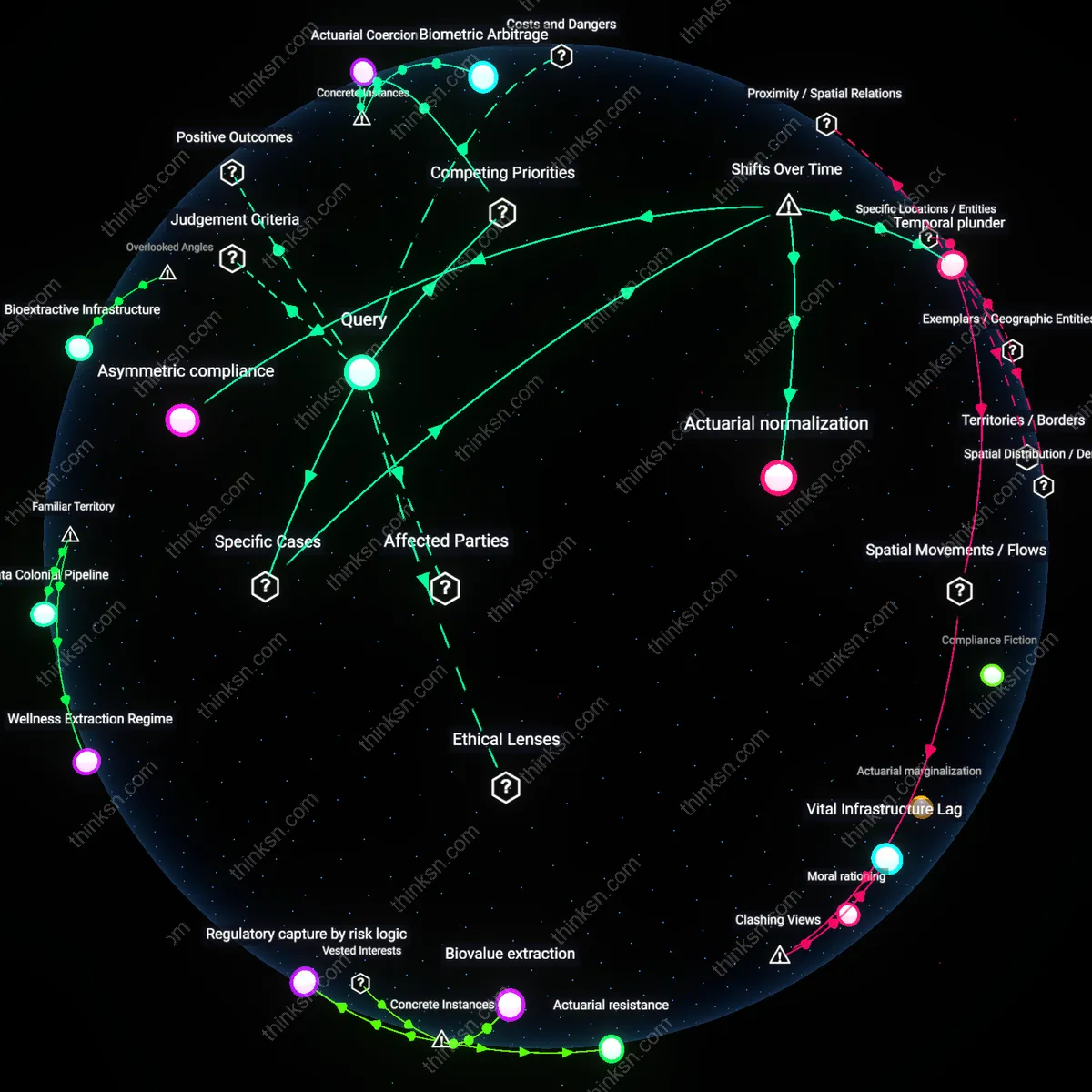
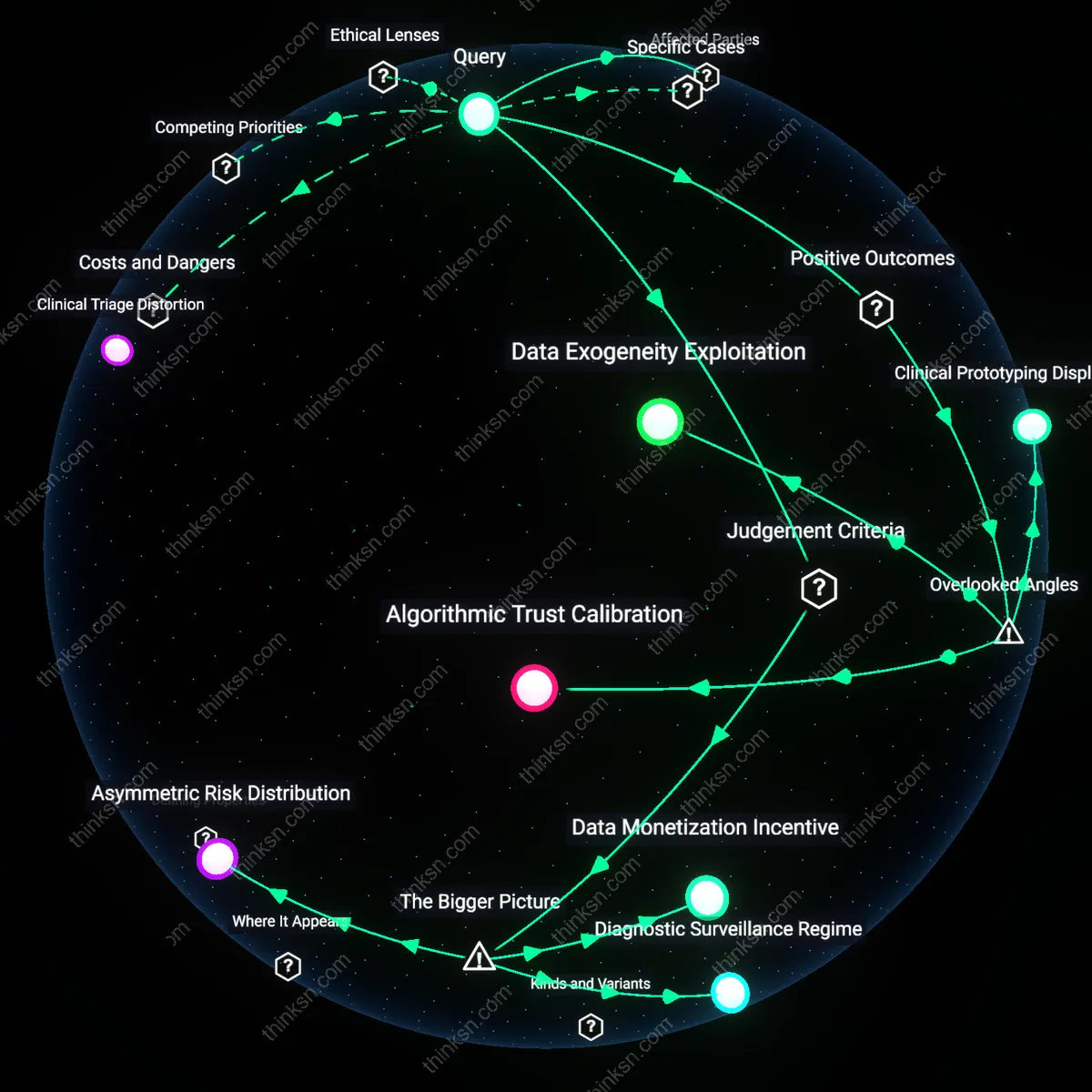
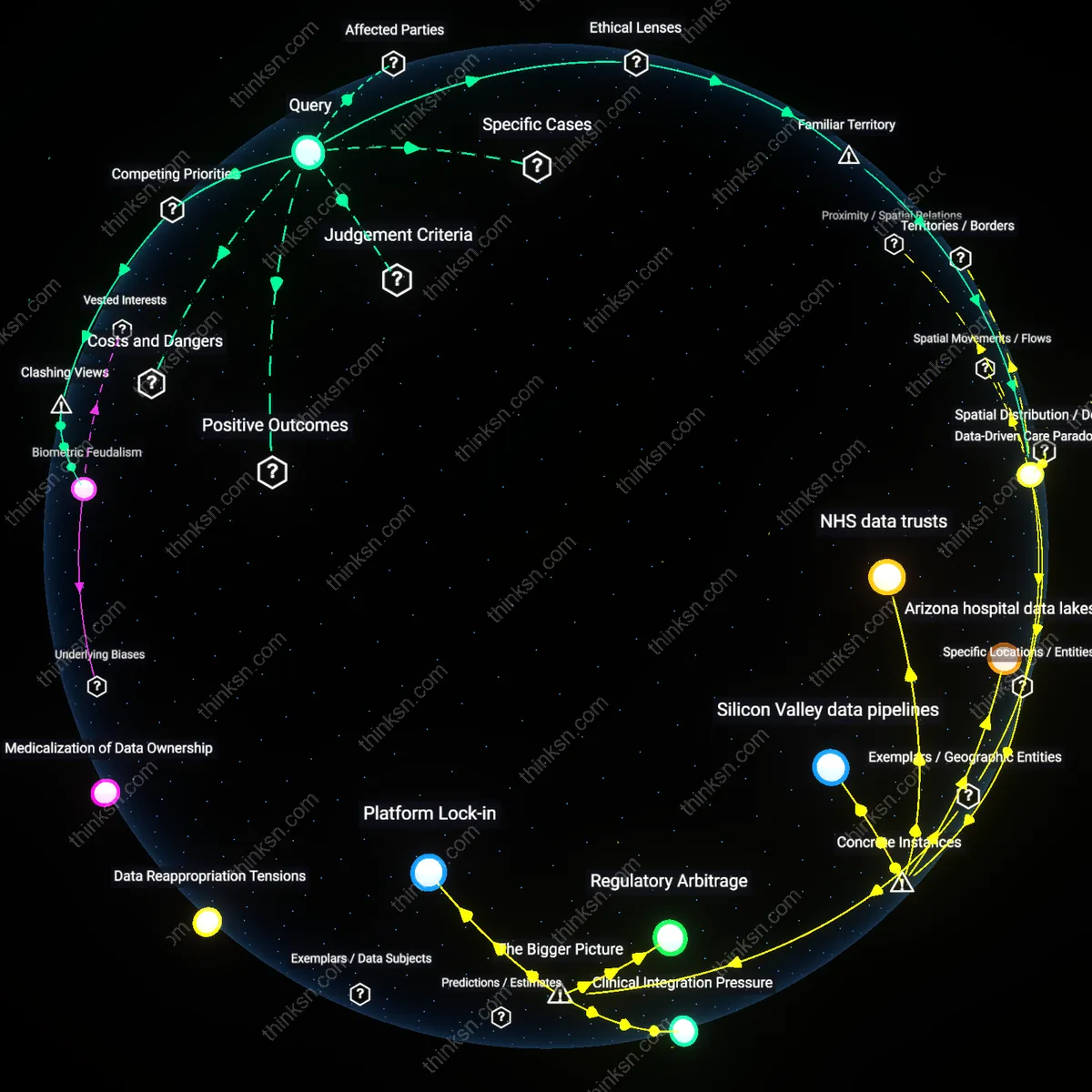
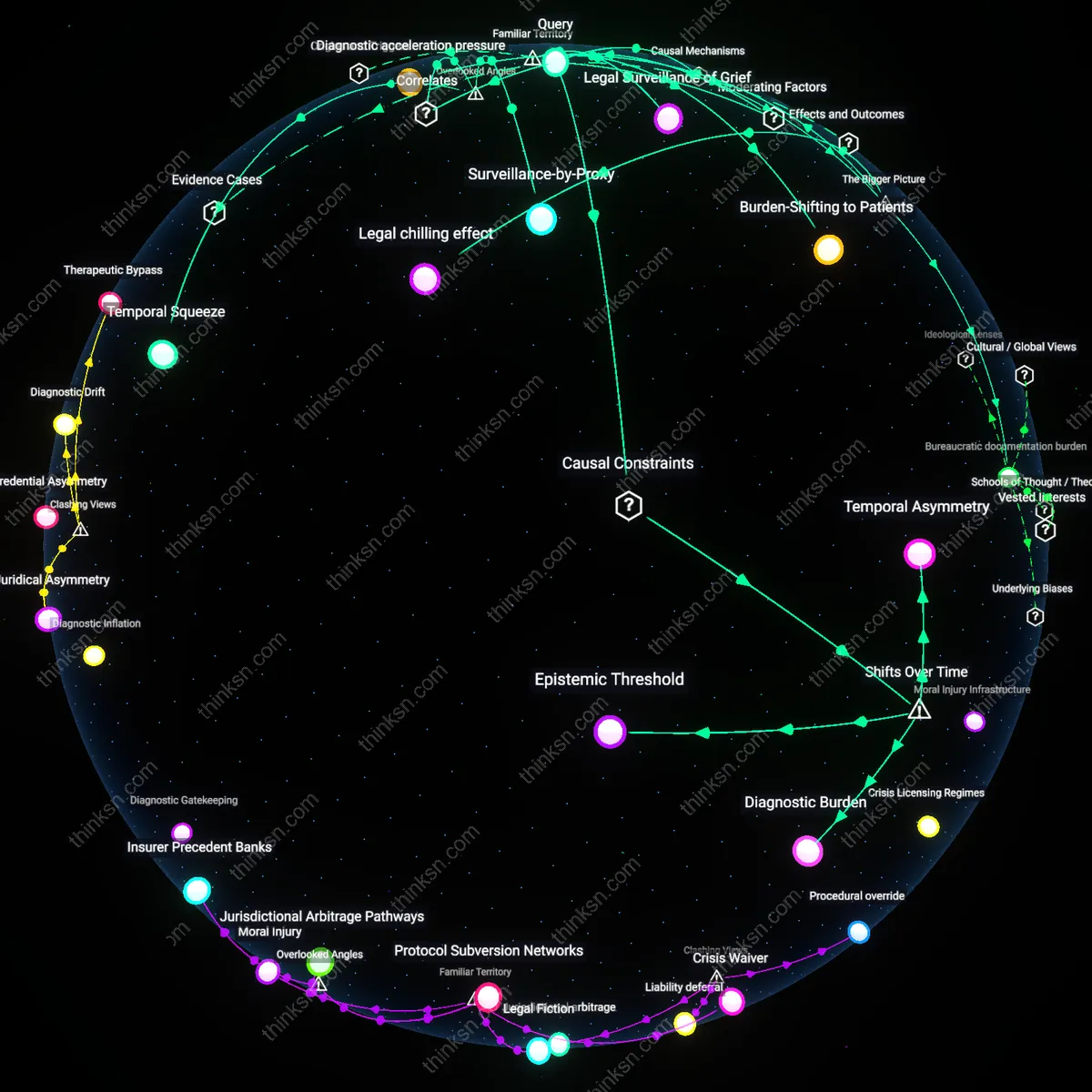
Analysis reveals 6 key thematic connections.
Key Findings
Monitoring Labor Burden
Families and informal caregivers should be included in monitoring decisions because the cognitive and emotional work of maintaining intensive glucose regimens falls disproportionately on household members who manage diet tracking, device troubleshooting, and behavioral enforcement, particularly in low-income households where health literacy and digital access create hidden workloads. What remains unacknowledged in public discourse is that the familiar narrative of individual vigilance masks a distributed burden—one where the 'success' of monitoring regimes depends on unpaid, gendered labor that corrodes quality of life far beyond the patient’s own experience.
Technological Coercion
Intensive glucose monitoring prolongs lifespan by enforcing behavioral compliance through real-time surveillance, which systematically displaces patient autonomy in daily decision-making. Clinicians, device manufacturers, and insurance providers collectively normalize continuous glycemic tracking as a clinical imperative, embedding a surveillance infrastructure into domestic and bodily routines that redefines non-compliance as moral failure. This dynamic reframes what appears to be patient empowerment as a form of soft coercion, where the measurable gain in longevity is achieved not through choice but through the erosion of unmonitored agency—revealing that the trade-off is less medical than disciplinary.
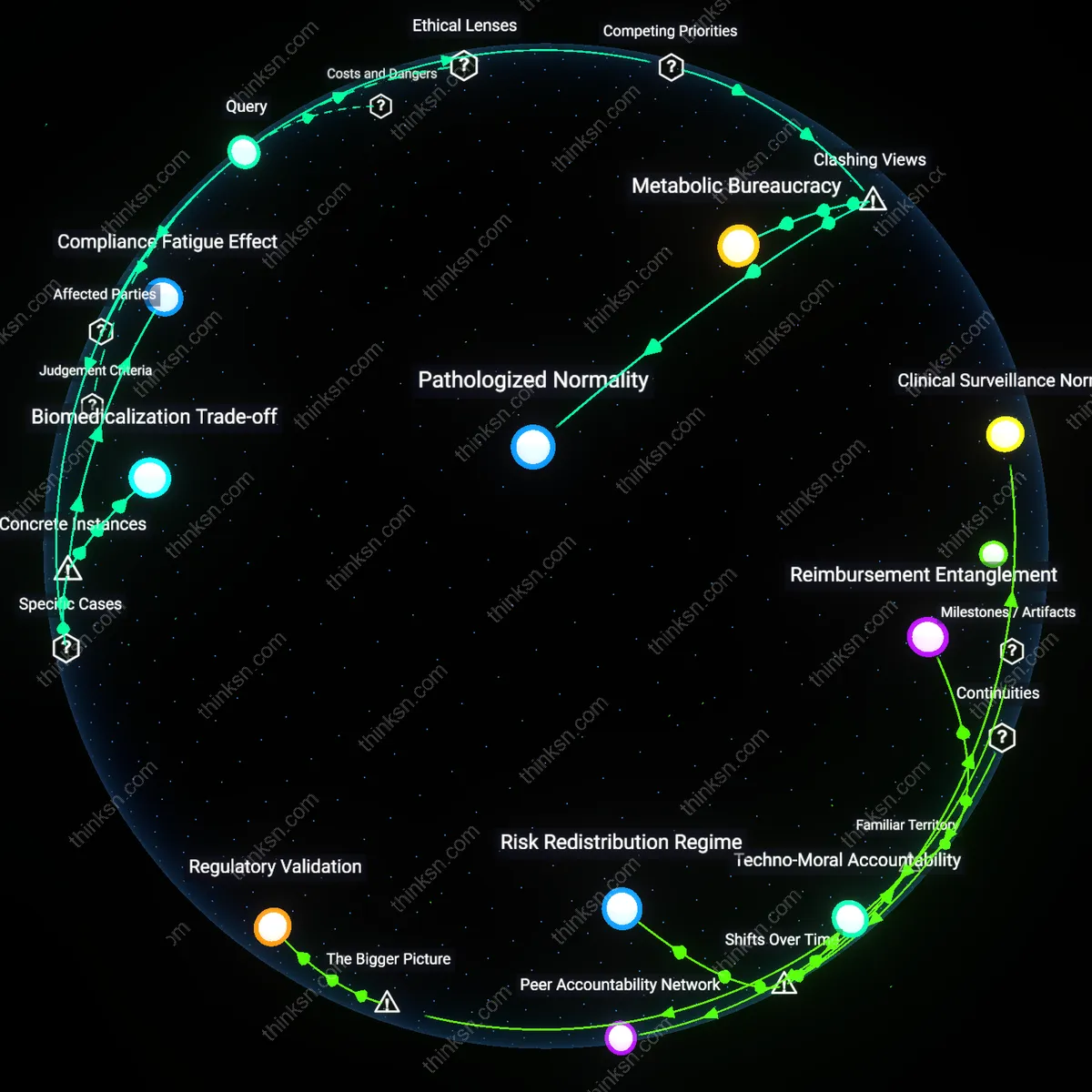
Metabolic Bureaucracy
The trade-off should be evaluated by recognizing that intensive monitoring shifts decision authority from individuals to algorithmic protocols embedded in healthcare reimbursement systems. In the U.S. Medicare framework, for example, providers are incentivized to meet HbA1c thresholds tied to monitoring adherence, not patient-reported well-being, making reduced quality of life an invisible cost in performance metrics. This exposes how clinical longevity gains are selectively optimized within a bureaucratic metabolism that treats human experience as noise—challenging the assumption that medical outcomes are individually negotiated rather than institutionally preconfigured.
Pathologized Normality
Pre-diabetic individuals undergoing intensive monitoring are subjected to a biomedical regime that reclassifies metabolic ambiguity as pathological, thereby extending medical oversight into a population that may never progress to diabetes. The deployment of continuous glucose monitors in this group generates data that amplifies perceived risk, triggering preventive behaviors that diminish life quality through dietary rigidity and hypervigilance. This inversion—where the tool designed to prevent disease becomes the source of chronic stress—reveals that the trade-off stems not from the condition itself but from the iatrogenic construction of pre-disease as a full-time identity.
Compliance Fatigue Effect
Intensive glucose monitoring reduces quality of life by imposing relentless self-tracking demands on pre-diabetic individuals, as seen in the Veterans Affairs Diabetes Trial (VADT), where participants assigned to tight glycemic control reported higher rates of hypoglycemia, treatment burden, and disengagement from care regimens. The regimen’s requirement for multiple daily fingersticks and dietary adjustments created a chronic stress microsystem that eroded psychological well-being, revealing that biomedical success—measured in HbA1c reduction—was counterbalanced by patient dropout and diminished adherence over time. This shows that sustained health gains can be undermined not by disease progression but by the operational toll of prevention itself, a dynamic rarely captured in outcome-focused clinical metrics.
Biomedicalization Trade-off
The ACCORD trial's mortality findings demonstrate that intensive glucose control in pre-diabetic and diabetic individuals led to increased all-cause mortality despite lower average blood glucose, exposing a hidden cost of aggressive intervention in populations with metabolic vulnerability. In this trial, the push to extend lifespan through strict monitoring and pharmacological escalation inadvertently amplified cardiovascular strain and hypoglycemic events, particularly among older adults with comorbid conditions. The case reveals how quality-of-life degradation—a product of polypharmacy, fear of lows, and clinical surveillance—can become lethal in itself, challenging the assumption that earlier and tighter biomedical intervention is innately beneficial.