Impact of Social Media Fact-Checking on Democratic Elections
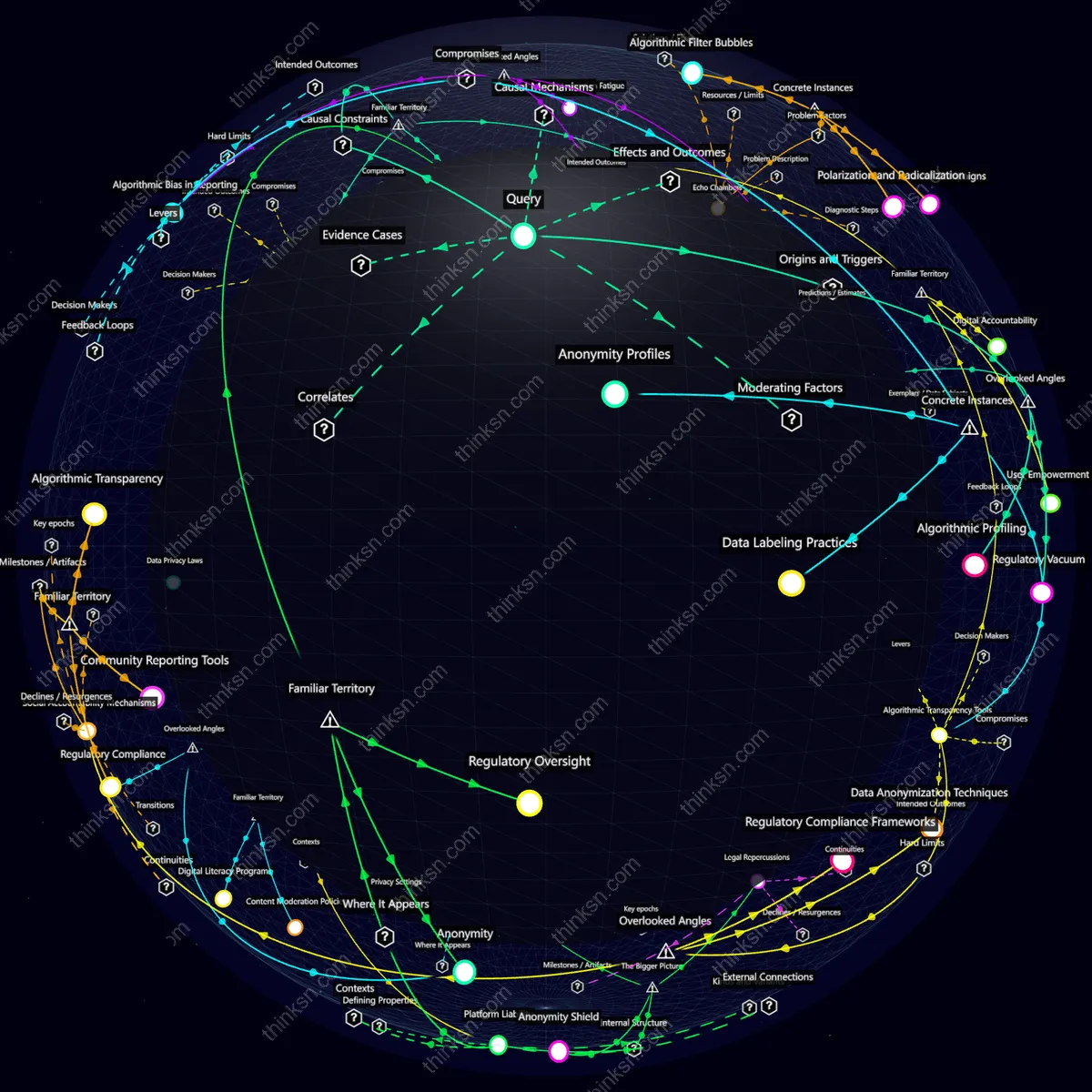
Analysis reveals 6 key thematic connections.
Key Findings
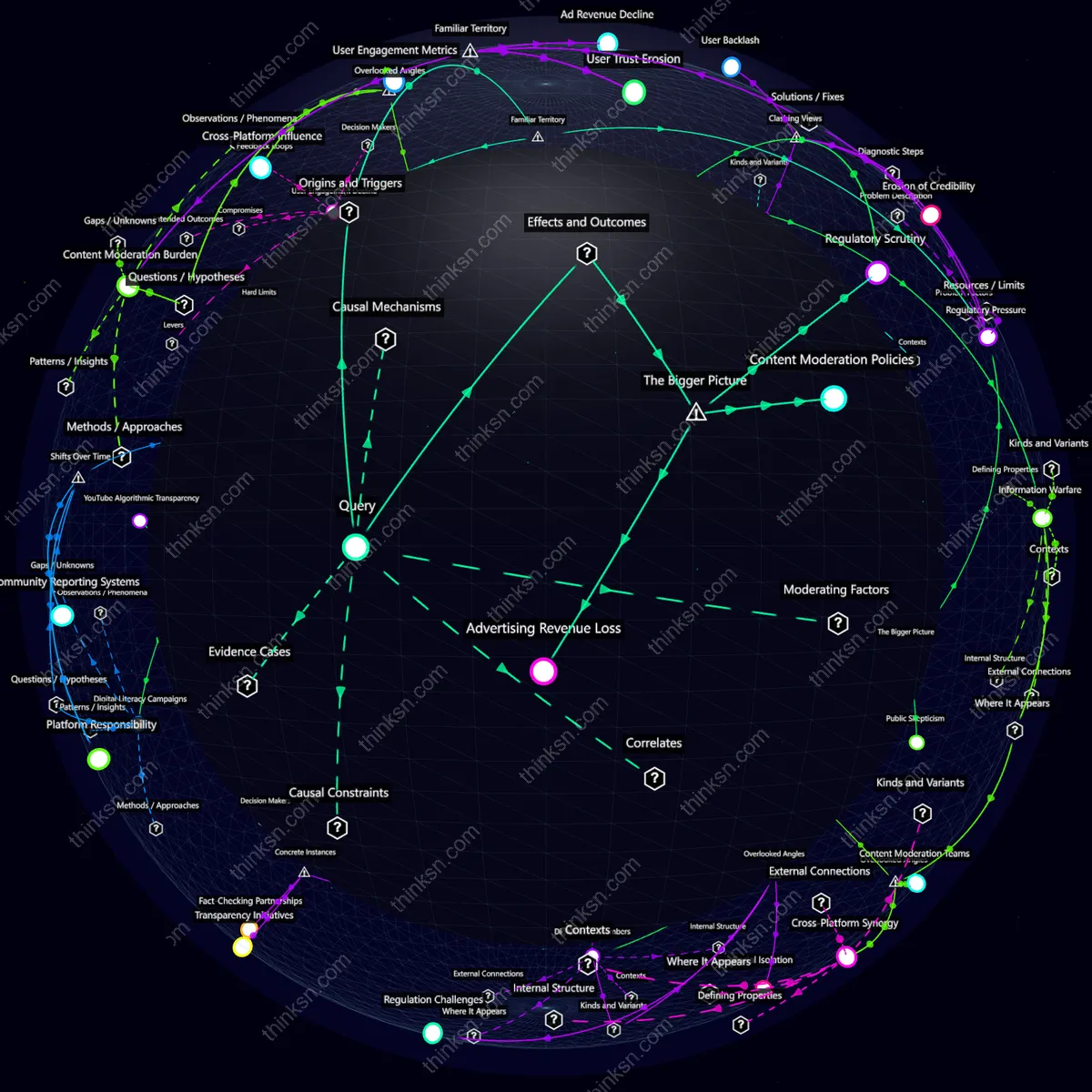
Digital Disinformation Campaigns
Fact-checking by social media platforms can inadvertently amplify the reach of disinformation campaigns by drawing attention to and thereby potentially legitimizing false narratives, creating a paradox where efforts to combat misinformation may inadvertently spread it further.
Citizen Media Literacy
The reliance on automated fact-checking systems during elections can undermine individual responsibility for media literacy, leading citizens to become overly dependent on these tools rather than developing critical thinking skills necessary to evaluate information independently.
Political Polarization
By heavily emphasizing the correction of political speech, social media platforms may inadvertently reinforce existing ideological divides by framing discussions around what is 'false' or 'true', thus polarizing communities along political lines and reducing opportunities for nuanced discourse.
Algorithmic Bias
Fact-checking algorithms may prioritize certain political narratives over others due to biases in their design or training data. This can skew public perception of candidates, inadvertently favoring those perceived as less controversial but possibly more problematic.
User Behavior Adaptation
Social media users might adapt their posting behaviors to exploit loopholes or game fact-check systems, leading to a proliferation of misleading content that skirts detection while still influencing voter sentiment.
Regulatory Backlash
Strict enforcement by social media platforms can trigger regulatory responses from governments seeking to protect free speech. This backlash could result in regulations that limit the ability of platforms to fact-check, thereby undermining efforts to combat misinformation during elections.
Deeper Analysis
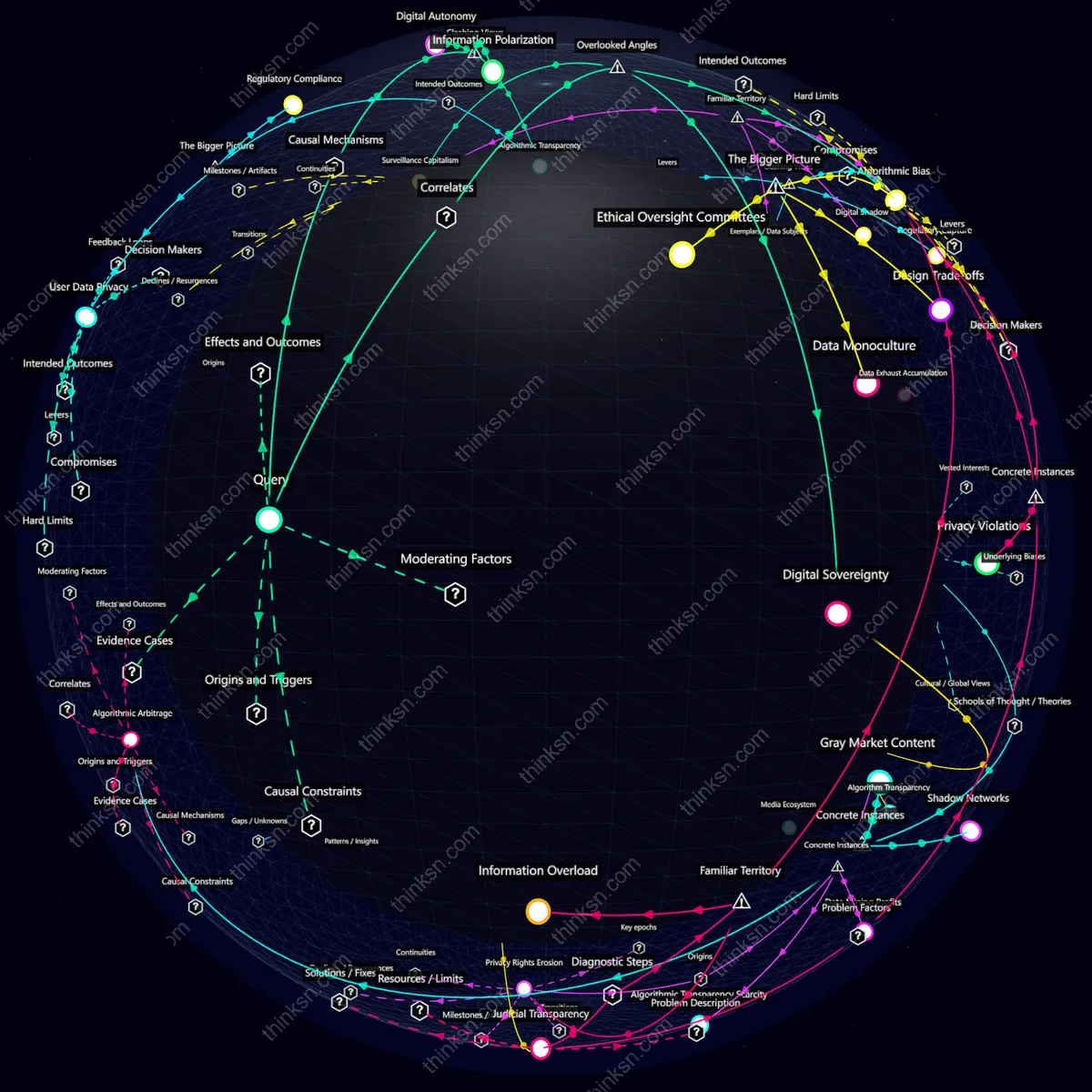
What strategies can be implemented to mitigate algorithmic bias in social media platforms' fact-checking processes during elections to preserve democratic integrity?
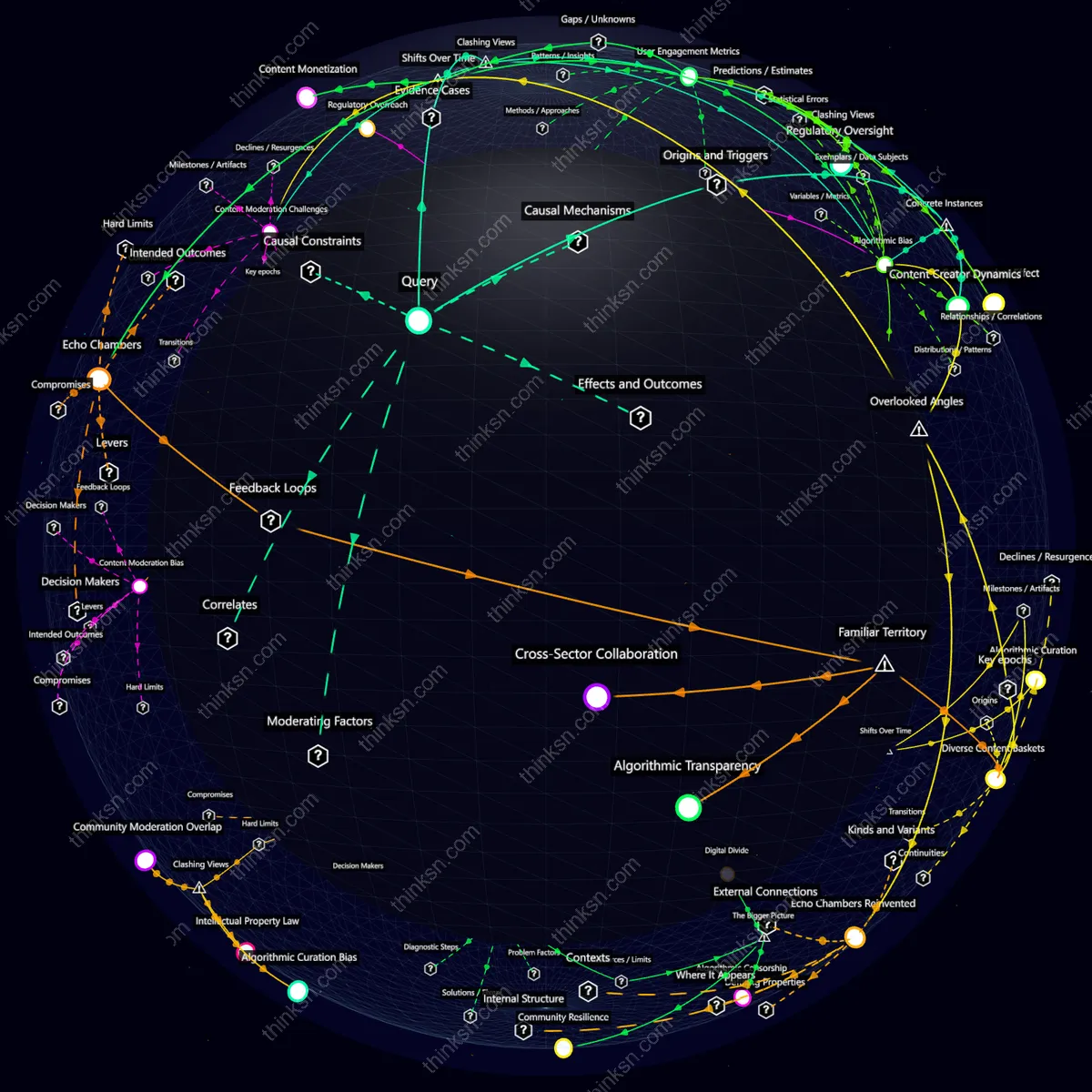
Filter Bubbles
Social media platforms amplify filter bubbles through algorithmic bias during elections, distorting users' perceptions of reality by prioritizing content that aligns with their existing beliefs. This creates echo chambers where misinformation thrives and democratic discourse is undermined.
Data Privacy
Implementing strategies to mitigate algorithmic bias in social media requires collecting sensitive user data, leading to privacy concerns and potential regulatory backlash. Balancing the need for accurate fact-checking with protecting individual privacy rights presents a significant challenge for platform designers.
Transparency Initiatives
Efforts to increase transparency around algorithmic decision-making processes can backfire if not executed carefully, potentially alienating users who feel surveilled or misinterpreted. Striking the right balance between openness and usability is crucial for maintaining public trust in election integrity.
Design Trade-offs
Social media platforms often prioritize rapid content moderation during elections to maintain user engagement and platform stability. This optimization for speed can lead to significant algorithmic bias, as quick but less accurate fact-checking systems may disproportionately flag content from marginalized communities or political minorities, undermining democratic integrity and amplifying existing social inequalities.
Algorithmic Transparency
The push towards greater transparency in how algorithms operate during elections can paradoxically exacerbate algorithmic bias. As platforms reveal more about their decision-making processes, they may inadvertently provide tools for bad actors to game the system, leading to selective censorship or amplification of misinformation that aligns with specific political agendas, thereby eroding public trust and democratic discourse.
Historical Accountability
Efforts to mitigate algorithmic bias in social media fact-checking often overlook the historical context of systemic inequalities. Without addressing past injustices and biases encoded into data sets or algorithms themselves, modern interventions can perpetuate harmful stereotypes and discriminatory practices, leading to a cycle where new systems merely replicate old problems under the guise of technological advancement.
Explore further:
- What are potential strategies and workflows to mitigate the impact of filter bubbles on fact-checking during political elections, ensuring a more democratic process through social media platforms?
- What strategies and workflows can social media platforms implement to ensure historical accountability in fact-checking political speech during elections, and how might these interventions impact democratic processes?
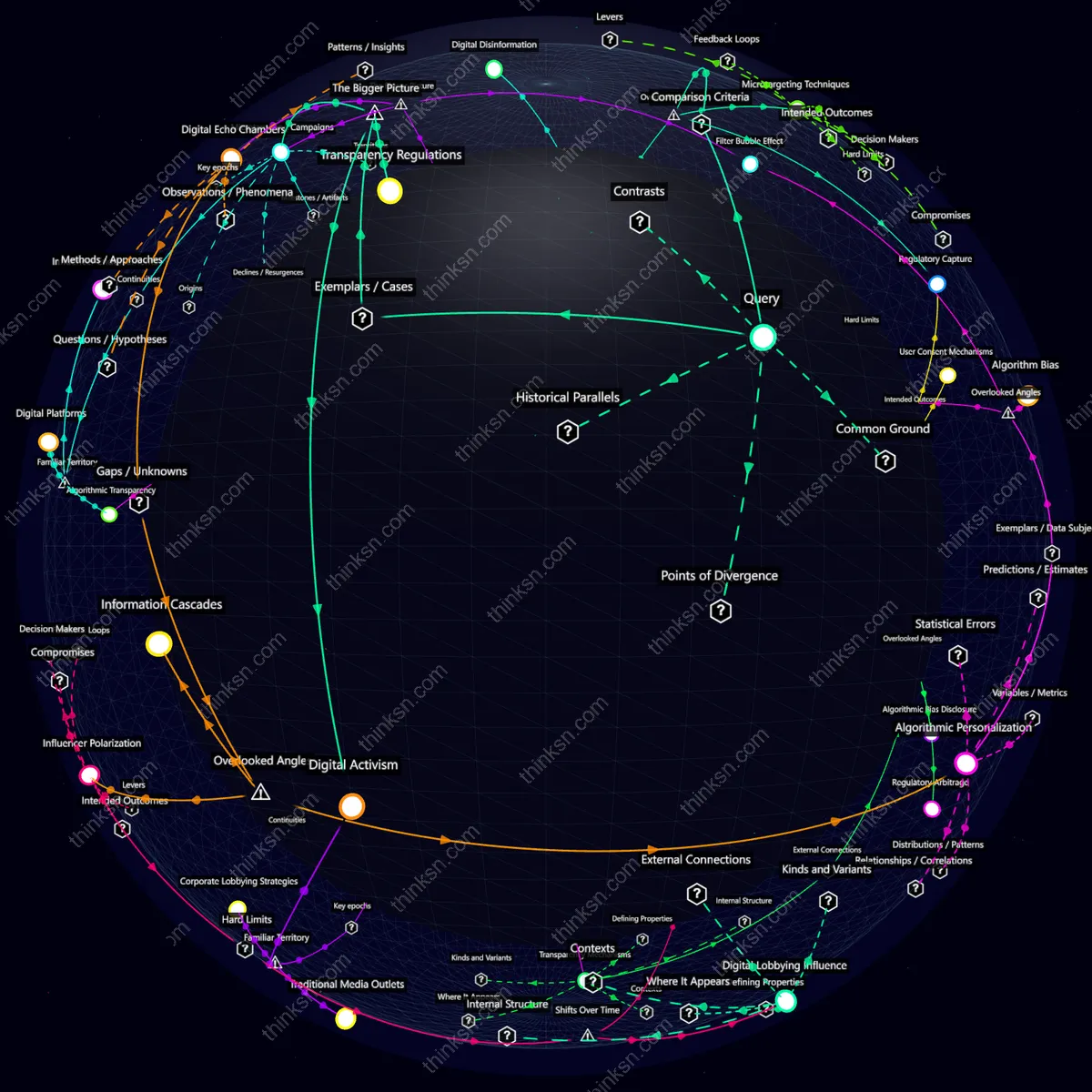
What are potential strategies and workflows to mitigate the impact of filter bubbles on fact-checking during political elections, ensuring a more democratic process through social media platforms?
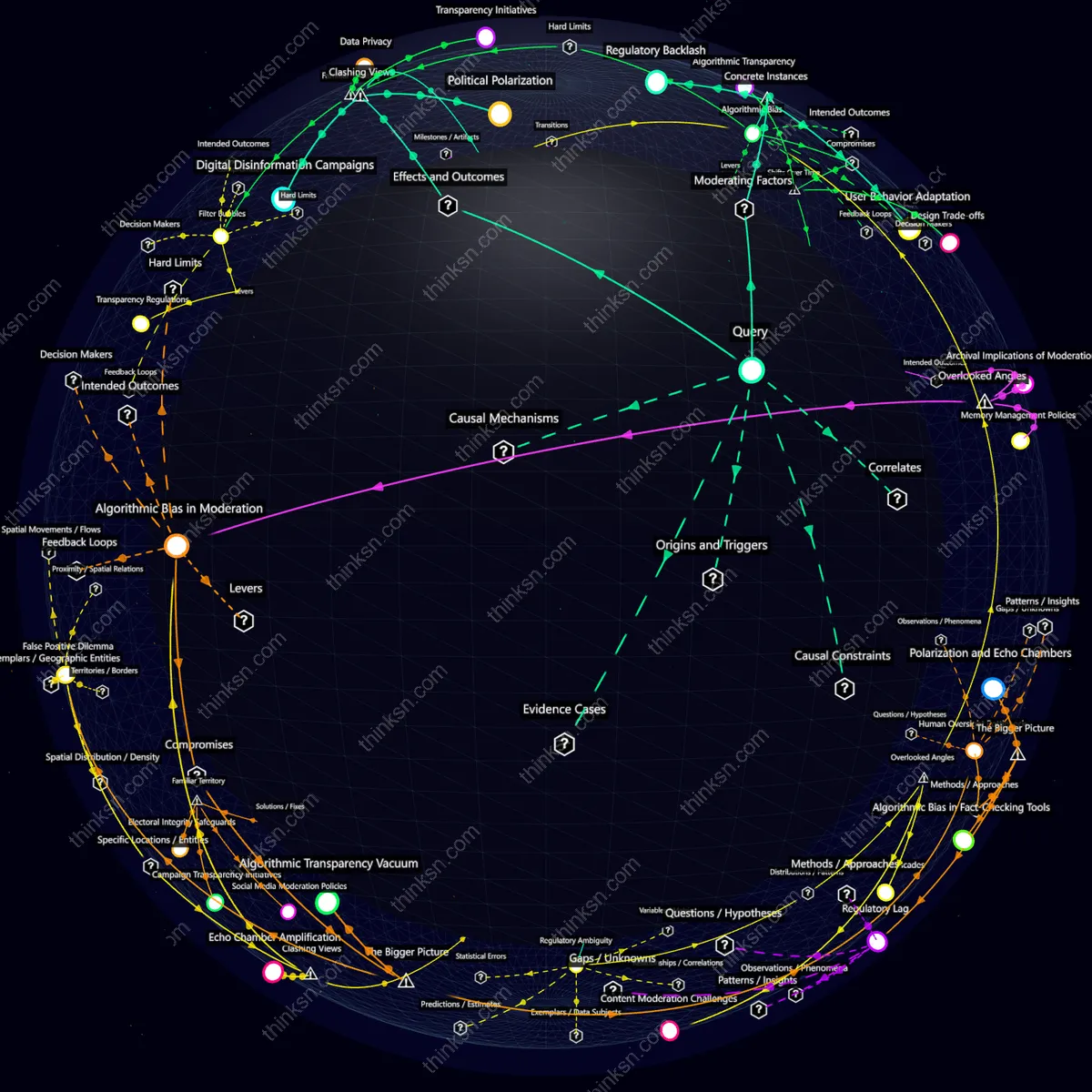
Algorithmic Bias
Algorithmic bias exacerbates filter bubbles by reinforcing existing prejudices and limiting exposure to diverse viewpoints. This can skew public opinion during elections, as social media algorithms prioritize engagement over factual accuracy, potentially leading to the widespread dissemination of misinformation.
Media Literacy Campaigns
Media literacy campaigns aim to equip users with critical thinking skills necessary to navigate filter bubbles and recognize propaganda. However, these efforts face challenges such as low user engagement and resistance from vested interests that benefit from the status quo of misinformation.
Transparency Regulations
Transparency regulations require social media platforms to disclose how algorithms curate content, aiming to mitigate filter bubbles by fostering a more informed public discourse. Yet, enforcement difficulties and platform resistance pose significant hurdles in implementing effective regulatory measures.
What strategies and workflows can social media platforms implement to ensure historical accountability in fact-checking political speech during elections, and how might these interventions impact democratic processes?
Memory Management Policies
Social media platforms implementing strict memory management policies for political content can shift user behavior towards more cautious engagement with information. However, overly rigid policies may inadvertently suppress legitimate discourse and create echo chambers where only sanctioned narratives are shared.
Algorithmic Bias in Moderation
The reliance on algorithmic moderation for historical accountability during elections introduces the risk of bias and inaccuracies due to machine learning models' limitations. This can disproportionately impact marginalized voices, exacerbating existing inequalities and undermining trust in democratic processes.
Archival Implications of Moderation
Strategies aimed at ensuring historical accountability may lead to the systematic deletion or alteration of content, fundamentally altering how future generations understand past events. This archival erosion can obscure important contextual information necessary for a comprehensive historical record and democratic discourse.
What role do media literacy campaigns play in enhancing public understanding and engagement with fact-checking efforts by social media platforms during election periods?
Digital Nativism Among Youth Voters
Media literacy campaigns aimed at youth voters during election periods often fail to account for digital nativism, where young people's trust in social media platforms undermines fact-checking efforts. This can lead to a paradoxical situation where the very audiences targeted by these campaigns are least likely to engage critically with misinformation.
Algorithmic Bias and Echo Chambers
Campaigns promoting media literacy may inadvertently highlight or exacerbate algorithmic biases that create echo chambers, reinforcing existing beliefs rather than fostering an environment of critical thinking. This can polarize communities further by making it harder to reach consensus on verified information.
Corporate Responsibility and Platform Policies
Media literacy campaigns increasingly rely on social media platforms to enforce their messages, yet these same companies often have conflicting interests such as user engagement over content accuracy. This dependency can weaken campaign effectiveness if platform policies shift or are perceived as inconsistent.
What strategies can social media platforms implement to mitigate algorithmic bias in moderation when fact-checking political speech during elections?
Human Oversight Bottleneck
As social media platforms enhance automated moderation tools to address algorithmic bias during elections, the increased reliance on human oversight can create a bottleneck. This shift requires hiring and training more moderators but often leads to delays in content removal or verification, particularly during peak election periods when timely interventions are crucial.
False Positive Dilemma
The drive for platforms to minimize false negatives—failing to remove harmful political misinformation—often results in an overcorrection where algorithms start flagging benign content as suspicious. This 'false positive dilemma' not only burdens human reviewers but also undermines the credibility of moderation efforts by inadvertently silencing legitimate political speech.
Algorithmic Transparency Vacuum
The push for greater transparency in algorithmic decision-making during elections often clashes with privacy concerns and operational security. This vacuum can lead to a lack of public trust, as users demand more insight into moderation processes while platforms must protect sensitive data. Striking this balance requires careful navigation to prevent both regulatory scrutiny and user backlash.
Explore further:
- What are the emerging insights and hidden assumptions about the role of human oversight in fact-checking political speech during elections, and how might a bottleneck in this process impact democratic processes?
- What is the spatial distribution and impact of false positive dilemmas in fact-checking political speech on democratic processes during elections across different social media platforms?
What are the emerging insights and hidden assumptions about the role of human oversight in fact-checking political speech during elections, and how might a bottleneck in this process impact democratic processes?
Algorithmic Bias in Fact-Checking Tools
The reliance on AI-driven tools for fact-checking political speech can exacerbate algorithmic bias, skewing the perception of truth and undermining public trust. This dependency may lead to a false sense of objectivity while missing nuanced human insights that are crucial for accurate verification.
Polarization and Echo Chambers
An oversight bottleneck in fact-checking can intensify polarization by allowing misinformation to spread unchecked, reinforcing echo chambers where citizens only consume information that aligns with their preexisting beliefs. This can severely undermine democratic discourse and the ability of diverse viewpoints to be fairly represented.
Regulatory Lag
The slow pace of regulatory frameworks in catching up with technological advancements leaves a significant gap where human oversight is critical but lacking, leading to a proliferation of unchecked political propaganda. This lag can result in systemic failures during election periods when swift and accurate fact-checking is most needed.
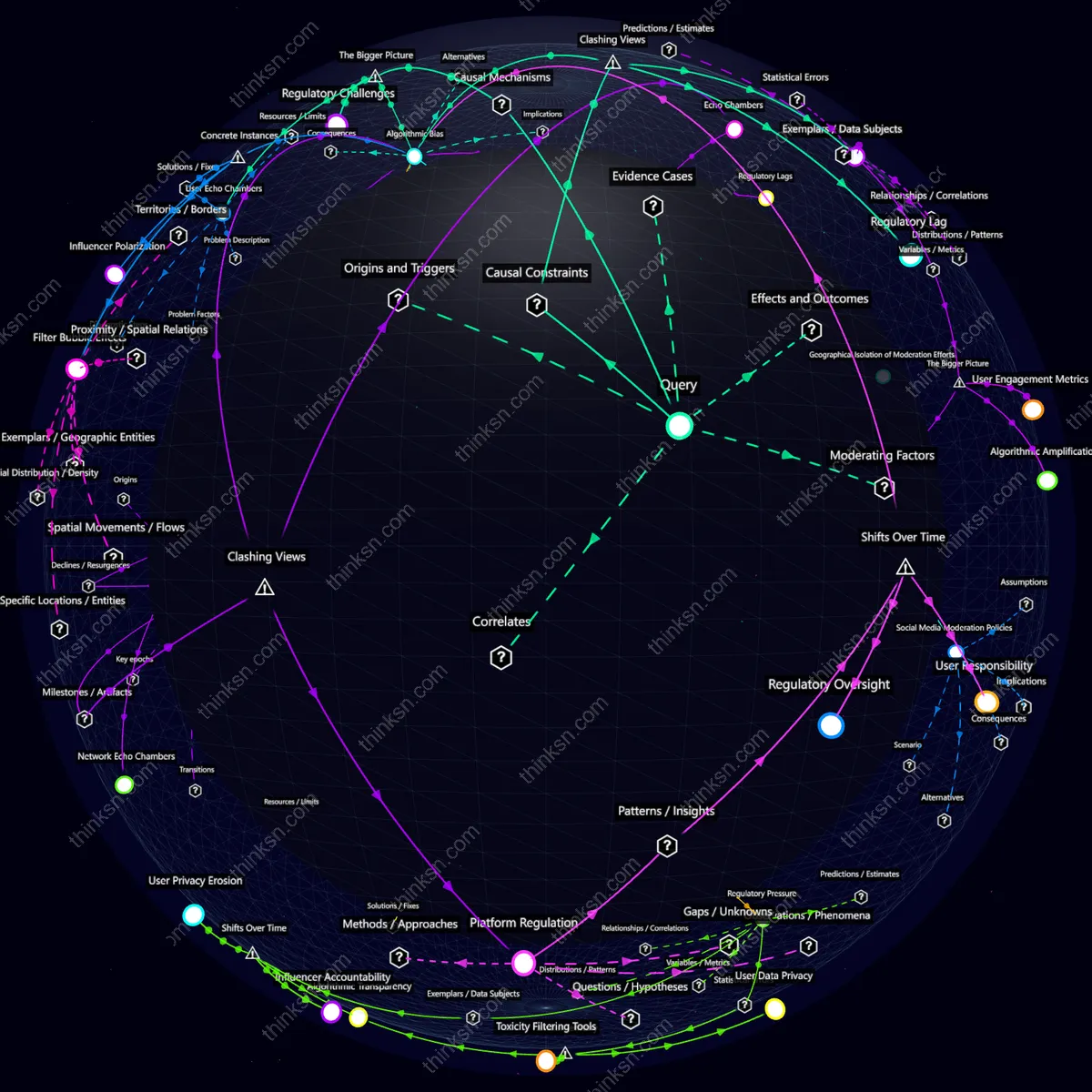
What is the spatial distribution and impact of false positive dilemmas in fact-checking political speech on democratic processes during elections across different social media platforms?
Algorithmic Bias in Moderation
The reliance on automated fact-checking tools can lead to algorithmic bias where certain political ideologies are disproportionately flagged as false, undermining public trust and skewing the perception of election integrity. This dependency creates a fragile system susceptible to manipulation by bad actors who exploit these biases.
Echo Chamber Amplification
False positives can reinforce echo chambers on social media platforms, where users are more likely to share and believe flagged content within their ideological bubbles due to the perceived challenge against established narratives. This amplifies polarizing effects rather than promoting factual clarity.
Legal Retaliation Against Fact-Checkers
Political figures facing false positive accusations may initiate legal challenges or public relations campaigns targeting fact-checking organizations, eroding their credibility and operational capacity. Such retaliation can chill the overall environment for independent verification and oversight in political discourse.
What are the potential legal repercussions faced by fact-checkers when social media platforms intervene in political speech during elections, and how might these affect public discourse and democratic processes?
Platform Liability Shifting
When social media platforms face legal pressures for moderating political speech during elections, they may shift the liability onto independent fact-checking organizations. This forces fact-checkers into a precarious position of being legally responsible for content moderation without the authority or immunity granted to major tech companies, potentially stifling their ability to operate freely.
Censorship Backlash
Legal retaliation against fact-checkers can galvanize public support and political pressure, leading to a backlash that exacerbates censorship. This paradoxical outcome may result in stricter content moderation policies by platforms to avoid legal entanglements, which ironically silences legitimate fact-checking efforts while disinformation proliferates.
Regulatory Ambiguity
The vague regulatory environment around online speech and fact-checking leaves room for inconsistent enforcement. This ambiguity allows powerful actors to exploit loopholes, invoking legal challenges that can undermine the credibility and operational capacity of fact-checkers, thereby eroding public trust in both fact-checking organizations and democratic processes.
Social Media Algorithm Bias
Platforms tweak algorithms post-election scrutiny, inadvertently amplifying misinformation. This shift can lead fact-checkers to face legal challenges from platforms for allegedly stifling free speech by curbing political narratives.
Political Campaign Legal Defense Fund
Fact-checking entities may find themselves targeted by aggressive legal campaigns from influential politicians, aiming to discredit criticism and chill investigative journalism. This dynamic can deter other fact-checkers from engaging in necessary scrutiny due to fear of retaliation.
Platform's Moderation Policies
Social media platforms' vague or inconsistently applied moderation policies can embolden politicians to sue fact-checking organizations for defamation, exploiting legal ambiguities. This risks undermining the credibility and operational independence of fact-checkers, thereby eroding public trust in democratic processes.
Explore further:
- What are the measurable impacts of regulatory ambiguity on the effectiveness and reliability of social media platforms' fact-checking during election periods, particularly in terms of democratic processes?
- What are the potential trade-offs and systemic strains when political campaign legal defense funds respond to fact-checking interventions by social media platforms during election periods?
What are the measurable impacts of regulatory ambiguity on the effectiveness and reliability of social media platforms' fact-checking during election periods, particularly in terms of democratic processes?
Algorithmic Bias
Regulatory ambiguity exacerbates algorithmic bias in social media platforms' fact-checking mechanisms during elections. As algorithms must navigate unclear legal guidelines, they may disproportionately flag content from marginalized communities, further entrenching systemic biases and undermining democratic discourse.
Information Cascades
In the absence of clear regulatory standards, social media platforms may inadvertently amplify information cascades, where rapid sharing of unverified or misleading information can skew public opinion. This phenomenon is particularly dangerous in election periods, potentially influencing voter behavior and distorting democratic processes.
Content Moderation Challenges
Regulatory ambiguity creates significant challenges for content moderators tasked with balancing free speech and misinformation control. The lack of definitive guidelines can lead to inconsistent moderation practices, undermining public trust in platforms' commitment to fair and reliable fact-checking during critical election periods.
What are the potential trade-offs and systemic strains when political campaign legal defense funds respond to fact-checking interventions by social media platforms during election periods?
Social Media Moderation Policies
When political campaigns challenge social media moderation policies through legal defense funds, it can strain the platforms' resources and credibility, forcing them to walk a tightrope between free speech and misinformation control. This reactive cycle may lead to inconsistent enforcement and public skepticism about platform neutrality.
Campaign Transparency Initiatives
Legal defense funds mobilized against fact-checking can undermine transparency initiatives designed to enhance accountability in political campaigns. Such conflicts might result in a chilling effect on media scrutiny, fostering an environment where misinformation thrives due to weakened oversight and public distrust.
Electoral Integrity Safeguards
The deployment of legal defense funds by campaigns to counteract social media fact-checking can weaken electoral integrity safeguards. This reactive stance may divert attention from proactive measures needed to address systemic issues, leading to a fragmented and less effective response to misinformation challenges.