Global Real Name Policy on Twitter: User Reactions Expected
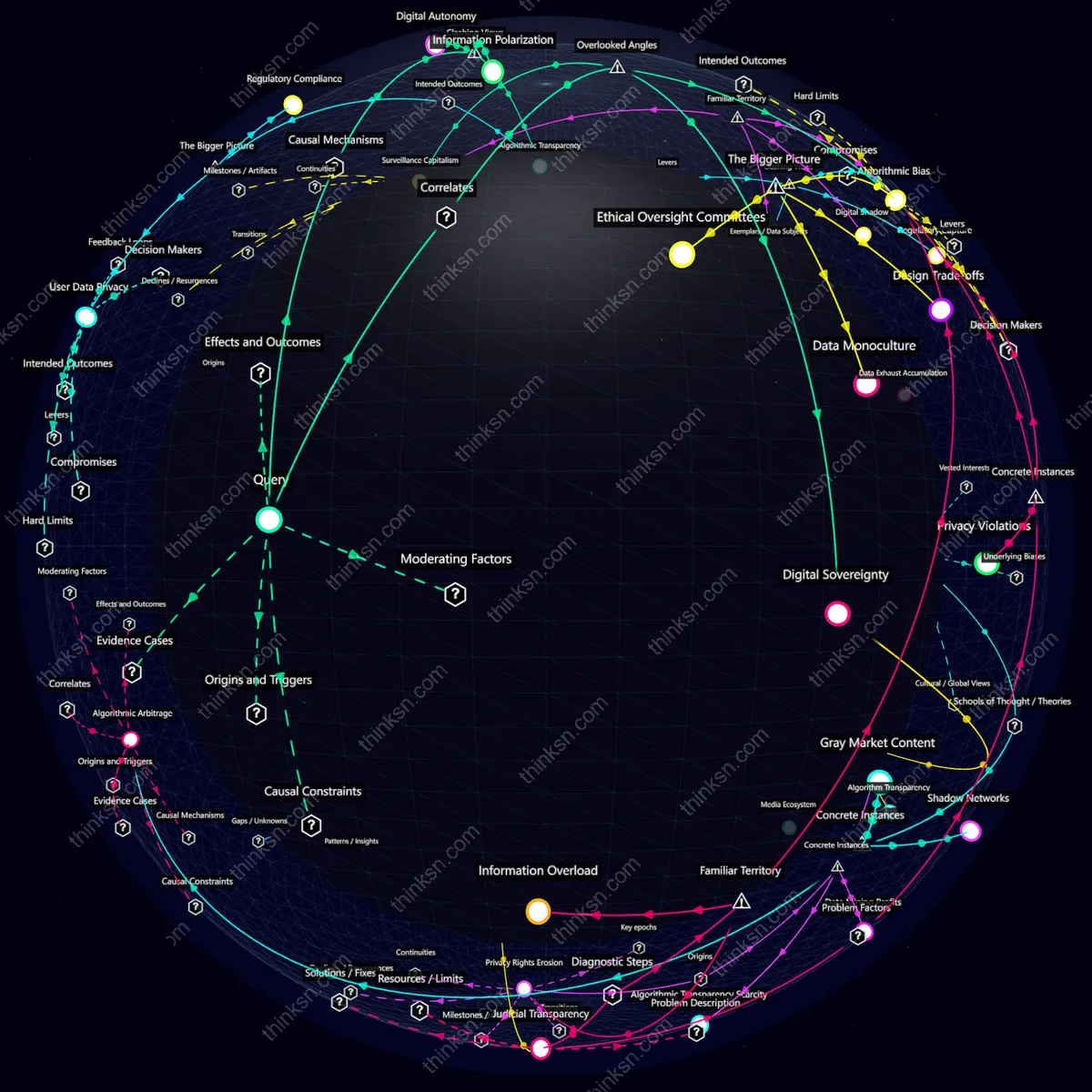
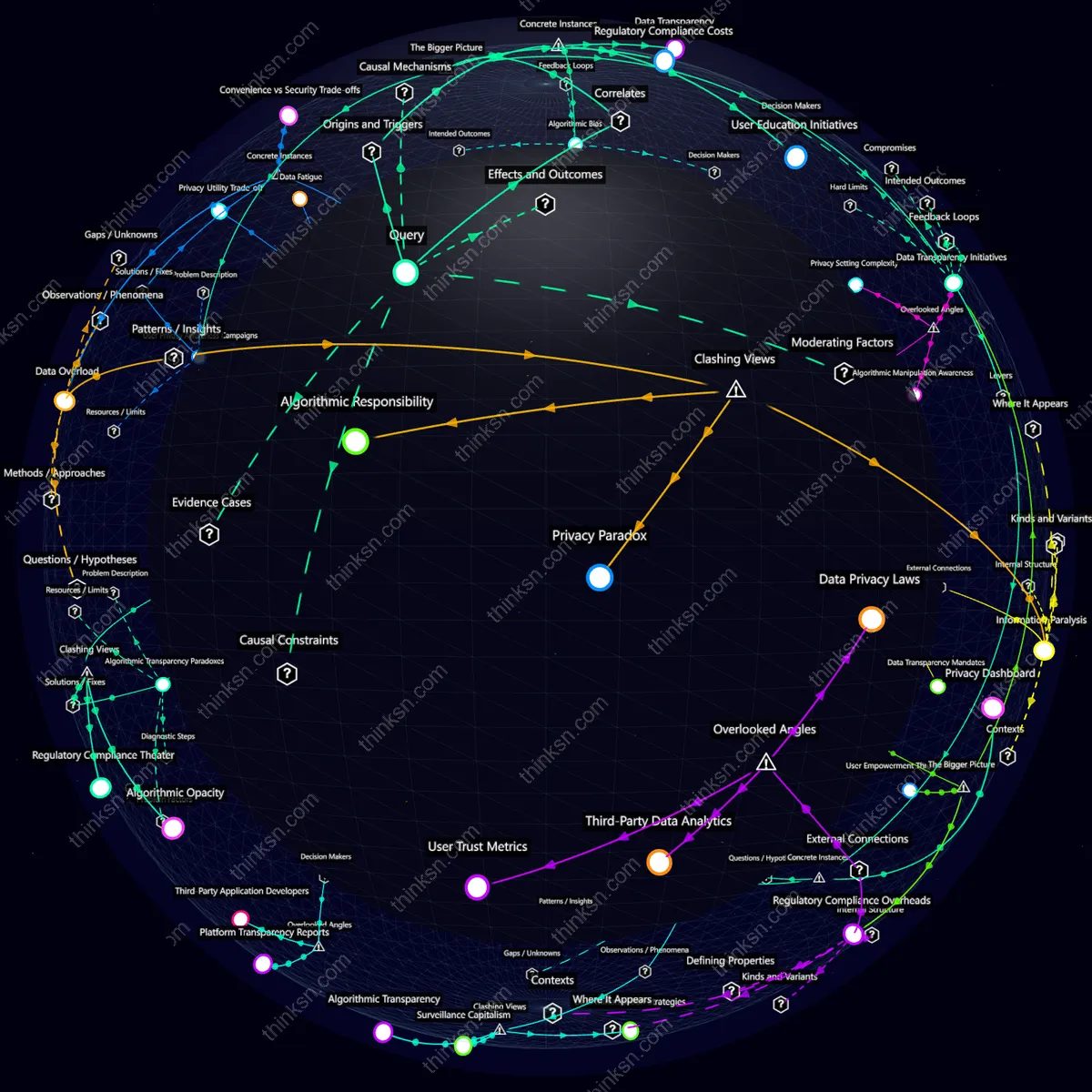
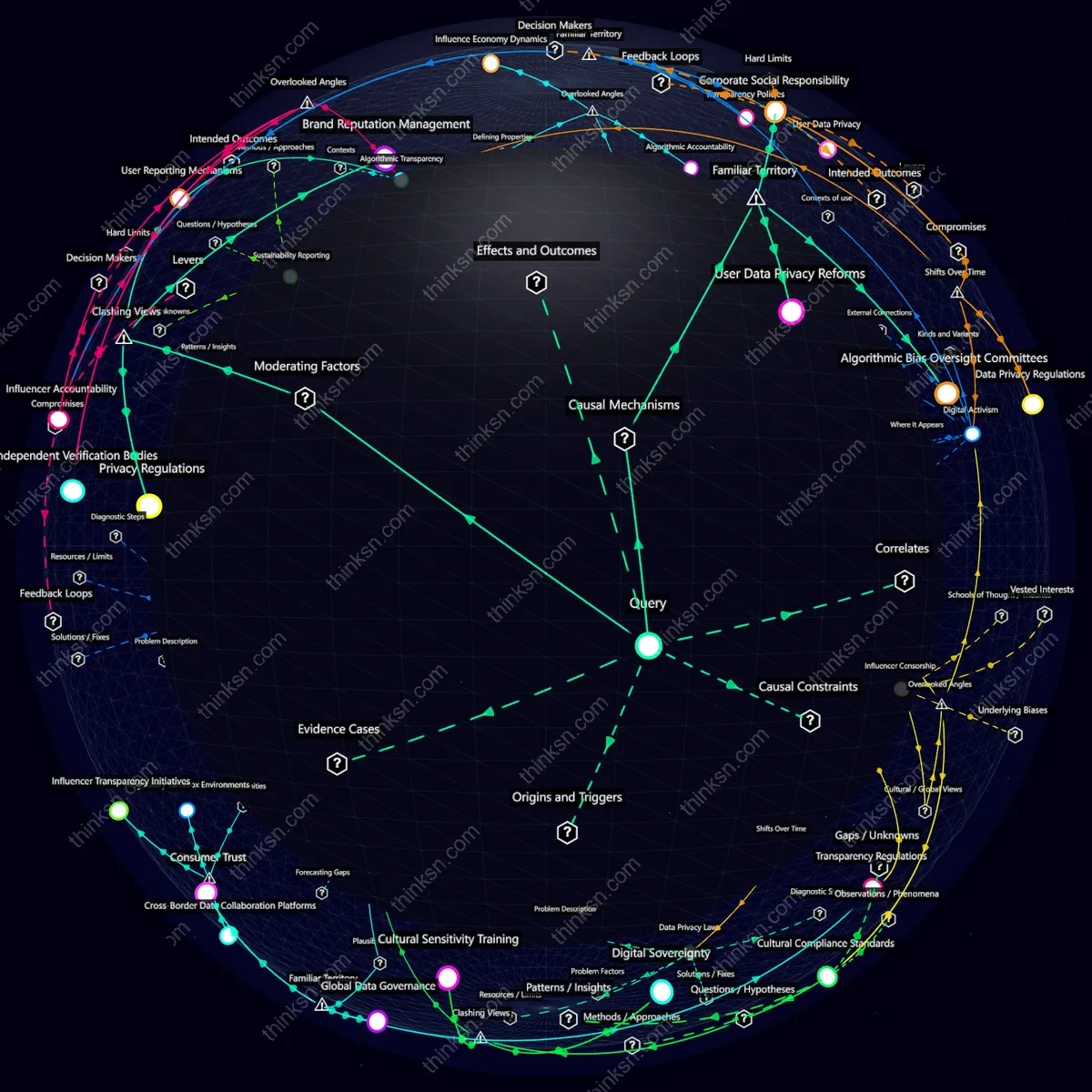
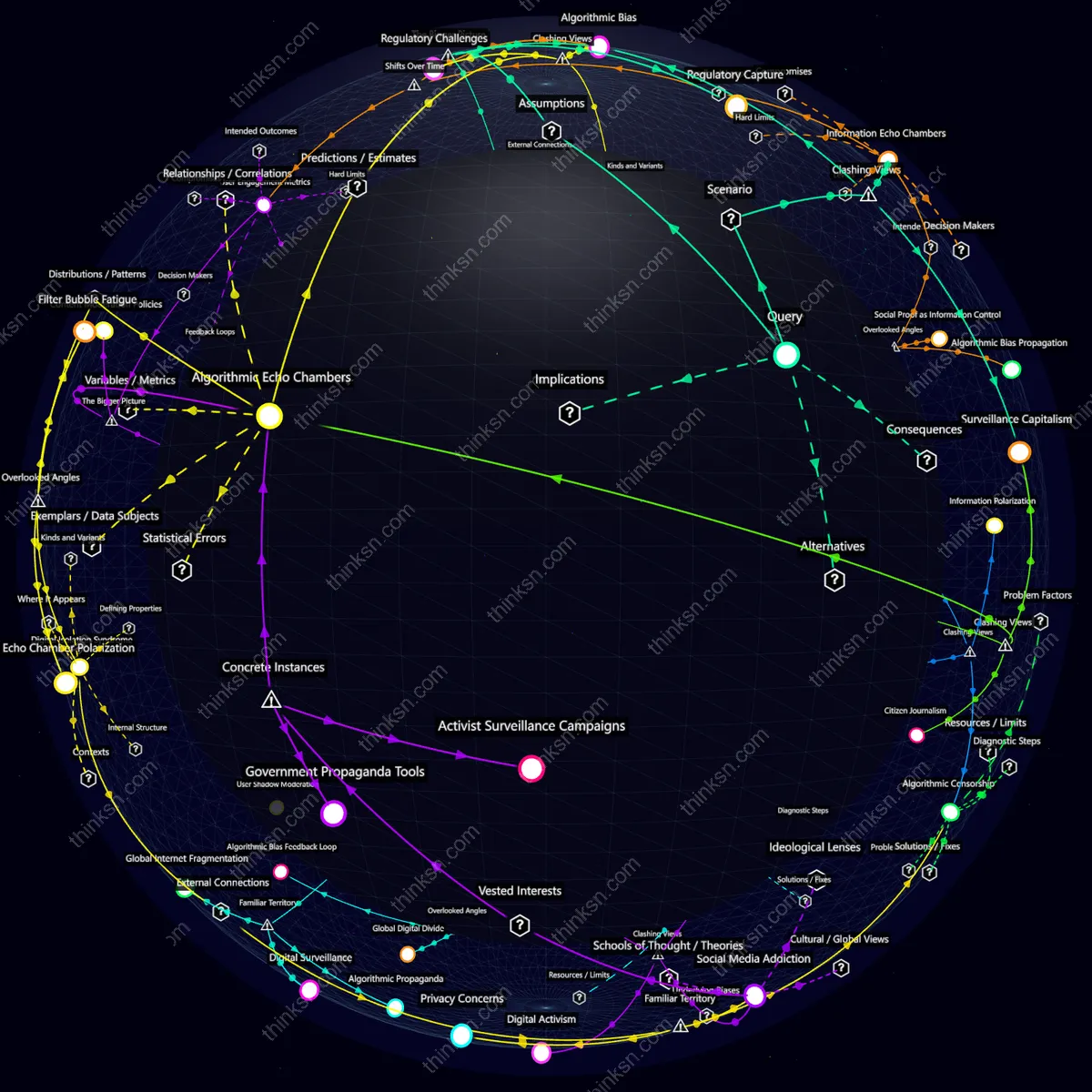
Analysis reveals 6 key thematic connections.
Key Findings
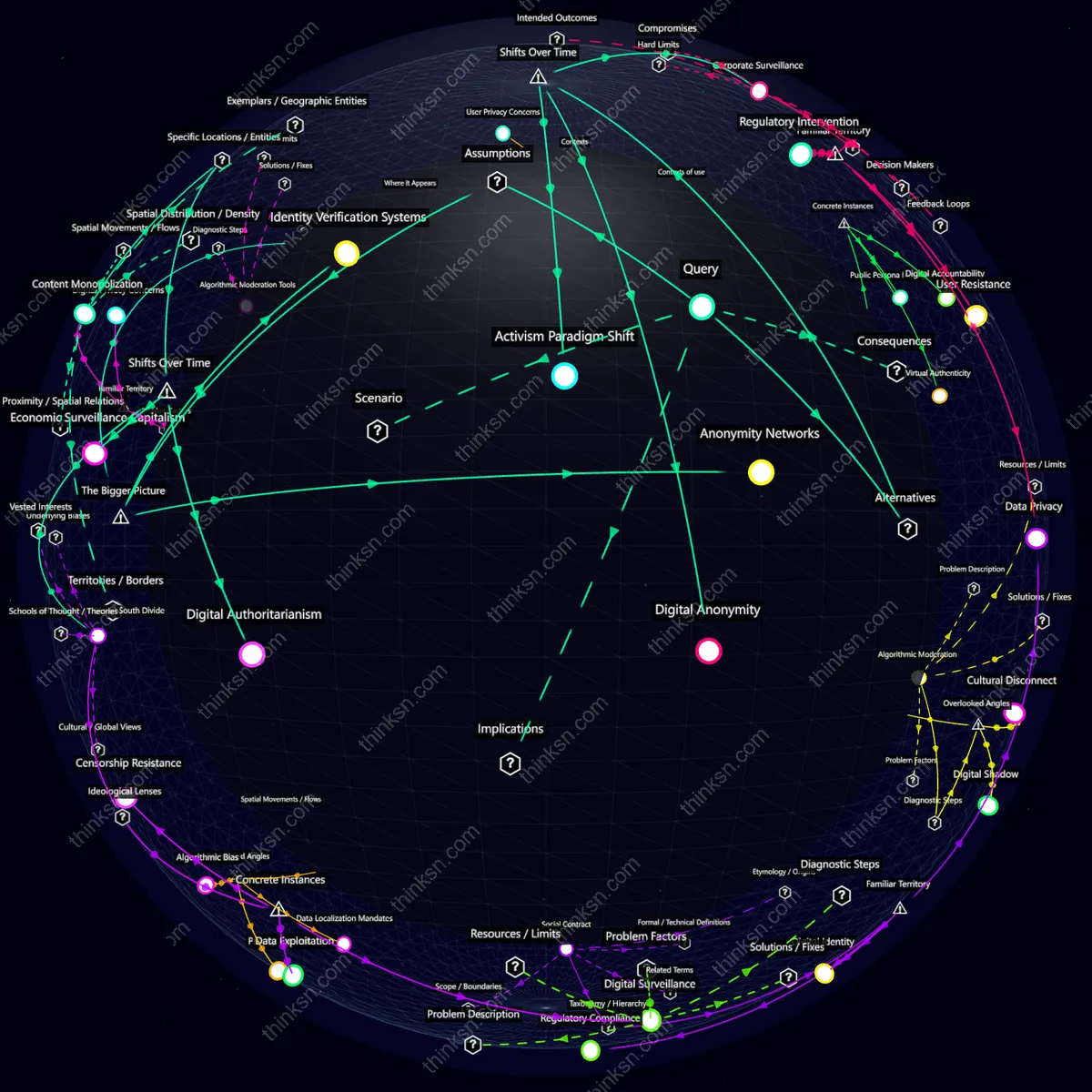
Identity Verification Systems
The implementation of real-name policies necessitates robust identity verification systems to prevent misuse. However, the reliance on centralized databases increases the risk of data breaches and surveillance by authoritarian governments, potentially silencing dissenting voices.
Social Media Moderation Teams
Real-name policies would require significant expansion of social media moderation teams to handle identity verification disputes and reports. This could lead to a bottleneck in user experience and further polarize public opinion as some users feel their privacy is compromised while others welcome the added security.
Anonymity Networks
As real-name policies become more stringent, there would be an increase in the use of anonymity networks like Tor or encrypted messaging apps to circumvent these restrictions. This shift could inadvertently strengthen underground communities and facilitate illegal activities, posing new challenges for law enforcement.
Digital Anonymity
Global real-name policies on social media could erode digital anonymity, shifting user behavior from open dissent to private communication. This creates a shadow network where critical voices operate in secrecy, risking legal repercussions and self-censorship.
Corporate Surveillance
Social media platforms implementing real-name policies may leverage this data for enhanced user profiling, leading to increased corporate surveillance and targeted advertising that exploits personal information. Users might experience a chilling effect on freedom of expression due to heightened privacy concerns.
Activism Paradigm Shift
Real-name policies could force activists and dissidents to adopt more sophisticated anonymity tools or migrate to less regulated platforms, altering the landscape of digital activism. This shift can undermine grassroots movements that rely on mass mobilization through social media.
Deeper Analysis
What role do social media moderation teams play in enforcing real-name policies on platforms like Twitter, and how might this affect user engagement?
User Privacy Concerns
Social media moderation teams intensify user privacy concerns as they enforce real-name policies, requiring users to verify their identities. This can deter pseudonymous activists and whistleblowers from using the platform freely, potentially stifling important discussions and exposing these individuals to retaliation.
Algorithmic Moderation Tools
The reliance on algorithmic moderation tools by social media moderation teams for enforcing real-name policies often leads to inaccuracies or biases in user identification. This can result in wrongful account suspensions, undermining trust and engagement among legitimate users who face unexpected scrutiny from automated systems.
Cultural Shifts in Online Identity
As social media moderation teams enforce real-name policies more rigorously, they contribute to a cultural shift where online identity becomes increasingly aligned with offline reality. This can lead to a less anonymous internet culture, affecting how younger generations perceive and interact on digital platforms.
Explore further:
- What would be the measurable impact on user engagement and content quality if social media platforms like Twitter implemented algorithmic moderation tools alongside real-name policies, and how might these systems fail under stress?
- How might cultural shifts in online identity evolve as a result of global real-name policies on social media platforms like Twitter?
What strategies can be formulated to mitigate concerns over corporate surveillance when implementing real-name policies on social media platforms like Twitter?
Data Privacy
As companies implement real-name policies on social media, data privacy concerns escalate due to increased surveillance. Users become wary of sharing personal information, leading to a paradox where the desire for anonymity conflicts with the need for verification, potentially driving users towards less regulated platforms.
User Resistance
Corporate surveillance through real-name policies triggers user resistance and backlash, with individuals forming communities around privacy concerns. This can lead to mass protests or coordinated efforts to circumvent such measures, highlighting the tension between corporate control and individual freedoms on digital platforms.
Regulatory Intervention
The rise of real-name policies prompts governments to consider stricter regulations on data collection and user privacy. This intervention can create a delicate balance where companies must comply with legal mandates, potentially stifling innovation while attempting to protect users' rights and freedoms.
What would be the measurable impact on user engagement and content quality if social media platforms like Twitter implemented algorithmic moderation tools alongside real-name policies, and how might these systems fail under stress?
Digital Privacy Concerns
The implementation of algorithmic moderation tools alongside real-name policies could amplify digital privacy concerns as users become wary of government and corporate surveillance, potentially driving them to use anonymous platforms, undermining the effectiveness of these new systems.
Content Monopolization
Algorithmic moderation tools may lead to content monopolization by favoring mainstream narratives, thereby stifling diverse voices and independent thinking. This could result in a homogenized online landscape that discourages creativity and innovation among users.
Systematic Bias Amplification
These tools are prone to amplifying existing biases within their training data, leading to systematic discrimination against certain demographics or viewpoints. This unintended consequence can erode user trust and increase tensions within online communities.
Explore further:
- How might real-name policies on social media platforms such as Twitter lead to content monopolization and what would be the spatial distribution of its effects globally?
- How might systematic bias amplification evolve over time in social media platforms if real-name policies are globally implemented, and what mechanisms would drive this evolution?
How might cultural shifts in online identity evolve as a result of global real-name policies on social media platforms like Twitter?
Digital Accountability
Global real-name policies enforce digital accountability, compelling users to align their online personas with offline identities. This shift pressures social media platforms like Twitter to monitor user behavior more rigorously, potentially stifling free expression and creativity as individuals self-censor to avoid repercussions.
Virtual Authenticity
As the line between real-world identity and digital persona blurs due to real-name policies, users may seek alternative platforms that support anonymity or pseudonymity. This creates a bifurcated internet where 'virtual authenticity' thrives on privacy-focused networks, challenging the dominance of major social media giants like Twitter.
Public Persona Management
The requirement for real names mandates a new level of public persona management for users. This shift places increased emphasis on personal branding and image control, leading to potential conflicts between one's private self and the curated online identity expected by global social media platforms.
How might real-name policies on social media platforms such as Twitter lead to content monopolization and what would be the spatial distribution of its effects globally?
Digital Authoritarianism
Real-name policies on social media platforms like Twitter can exacerbate digital authoritarianism in countries with weak democratic institutions. Governments may leverage these policies to track dissidents, leading to self-censorship and a chilling effect on free speech, thereby monopolizing online content that aligns with state narratives.
Global North vs Global South Divide
The enforcement of real-name policies in the Global North can disproportionately impact digital freedom in the Global South, where anonymity shields activists and journalists from oppressive regimes. This uneven application intensifies the north-south divide by limiting access to uncensored information and stifling grassroots movements that rely on anonymous communication.
Economic Surveillance Capitalism
Social media giants like Twitter may exploit real-name policies as a tool for economic surveillance capitalism, mining data from verified users while restricting the voices of those without financial means to comply. This creates a digital marketplace where content is controlled by those who can afford verification, thereby monopolizing influence and limiting diverse perspectives.
How might systematic bias amplification evolve over time in social media platforms if real-name policies are globally implemented, and what mechanisms would drive this evolution?
Identity Verification
As social media platforms enforce real-name policies globally, the requirement for users to verify their identities through official documents intensifies systematic bias amplification. This shift reduces anonymity and increases the visibility of demographic characteristics such as age, gender, and ethnicity, leading to heightened scrutiny and potential discrimination based on these factors.
Algorithmic Moderation
The introduction of advanced algorithmic moderation tools to enforce real-name policies paradoxically amplifies systematic bias. These algorithms often rely on historical data for pattern recognition, which can perpetuate existing biases by flagging content more frequently from marginalized groups, thereby reinforcing social inequalities and limiting diverse voices within online communities.
Echo Chambers
Global implementation of real-name policies in social media accelerates the formation of echo chambers. Users who feel exposed may retreat to like-minded circles for protection against discrimination or harassment, leading to a fracturing of public discourse and an increase in systemic bias amplification as individuals are less likely to encounter and engage with opposing viewpoints.
How might real-name policies on social media platforms like Twitter exacerbate or mitigate existing digital divides between the Global North and the Global South?
Digital Surveillance
Real-name policies on social media in the Global North often enable comprehensive digital surveillance, potentially exacerbating distrust and surveillance fears among users from the Global South who lack robust data protection laws. This can lead to self-censorship and limit public discourse.
Data Exploitation
Social media platforms in the Global North often exploit user-generated content without adequate compensation or transparency, disproportionately affecting individuals in the Global South who may rely heavily on these networks for communication but have limited bargaining power over their data.
Censorship Resistance
In countries like China and Iran, real-name policies are used to enforce strict state control, highlighting how similar mechanisms adopted by platforms in the Global North could be mirrored in oppressive contexts, further entrenching digital divides.
What are the potential failures and measurable systemic strains in social media platforms under algorithmic moderation when implementing real-name policies globally?
Digital Shadow
Algorithmic moderation under real-name policies creates a digital shadow where users' online activities are closely monitored. This leads to self-censorship as individuals become wary of potential repercussions from authorities, stifling free speech and innovation in social media platforms.
Privacy Erosion
The implementation of real-name policies under algorithmic moderation exacerbates privacy erosion by linking online identities with personal information. This not only undermines user trust but also creates a fertile ground for identity theft and targeted harassment, shifting the balance between security and anonymity.
Cultural Disconnect
Algorithmic moderation systems often fail to account for cultural nuances when enforcing global real-name policies. As a result, these systems may disproportionately penalize users from certain linguistic or cultural backgrounds, leading to systemic biases and alienating diverse communities within social media platforms.
How might real-name policies on social media platforms like Twitter affect users' perceptions and behaviors regarding privacy erosion, and what emerging insights can be derived from these changes?
Digital Sovereignty
The imposition of real-name policies on social media platforms like Twitter can undermine digital sovereignty by forcing users to disclose their true identities, thereby making it easier for governments and corporations to track individual behavior and censor dissent. This creates a chilling effect where individuals self-censor due to fear of repercussions, limiting the free exchange of ideas.
Surveillance Capitalism
Real-name policies on social media platforms can exacerbate surveillance capitalism by providing companies with more granular data about users' activities and identities. This enables targeted advertising but also increases the risk of privacy breaches, as personal information becomes more centralized and vulnerable to exploitation or misuse.
Social Contract
The enforcement of real-name policies challenges traditional notions of anonymity in digital spaces, which are often seen as a form of social contract between users and platforms. By prioritizing identity verification over user privacy, platforms may erode trust among their communities, leading to fragmentation or migration towards less regulated spaces where anonymity is still valued.
Identity Verification Policies
As social media platforms enforce strict identity verification policies, users often feel compelled to reveal more personal information publicly. This shift not only increases the risk of privacy erosion but also undermines trust in these platforms, as users become wary of potential data breaches and misuse by third parties.
Anonymity Loss
The loss of anonymity due to real-name policies transforms social media into a space where individuals are constantly under public scrutiny, impacting their willingness to express dissenting opinions or engage in sensitive discussions. This shift can stifle free speech and reduce the diversity of online discourse, reinforcing an environment that prioritizes conformity over individuality.
How might real-name policies on social media platforms impact digital sovereignty across different regions?
Data Localization Mandates
As social media platforms enforce real-name policies, governments implement data localization mandates to ensure user data is stored within national borders. This shifts power dynamics in favor of local tech firms but risks creating fragmented digital ecosystems and increasing operational costs for global companies.
Privacy Paradox
Users may accept real-name policies due to perceived benefits like reduced harassment, yet simultaneously feel surveilled and restricted in their online behavior. This privacy paradox can undermine trust in social media platforms and potentially weaken the digital sovereignty of less technologically advanced regions that lack robust data protection laws.
Algorithmic Bias
Real-name policies on social media platforms can inadvertently exacerbate algorithmic bias by disproportionately affecting marginalized communities who may use pseudonyms for safety or cultural reasons. This hidden dimension highlights the fragile dependency between digital sovereignty and equitable access to online spaces.
How would a global real-name policy on social media platforms alter the social contract between users and these platforms?
Data Privacy
A global real-name policy on social media platforms would tighten the grip of data privacy concerns, forcing users to navigate a delicate balance between transparency and personal security. This shift could amplify risks such as identity theft or cyberbullying, while also pushing platforms to enhance their protective measures.
Digital Identity
The introduction of real-name policies would fundamentally alter how digital identities are perceived and managed online. Users may face increased scrutiny from both platforms and fellow users, potentially stifling free expression and creativity as individuals become more accountable for their online personas.
Regulatory Compliance
Social media companies would be compelled to navigate a complex web of regulatory compliance across different nations, creating operational challenges that could lead to inconsistent user experiences or legal conflicts. This may also prompt governments to collaborate on international standards for digital identity verification.