Does Step Therapy Block Patients Path to Necessary Medications?
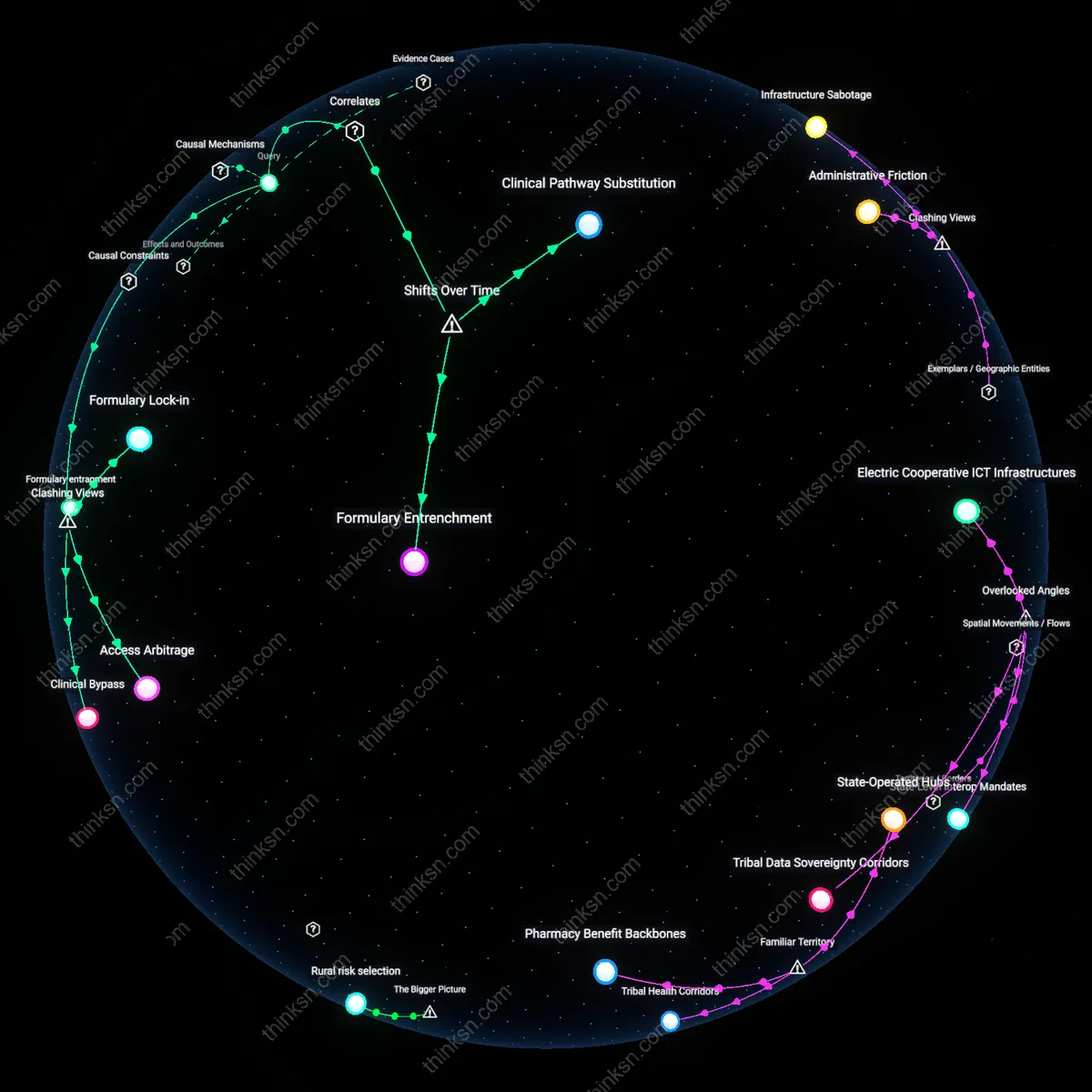
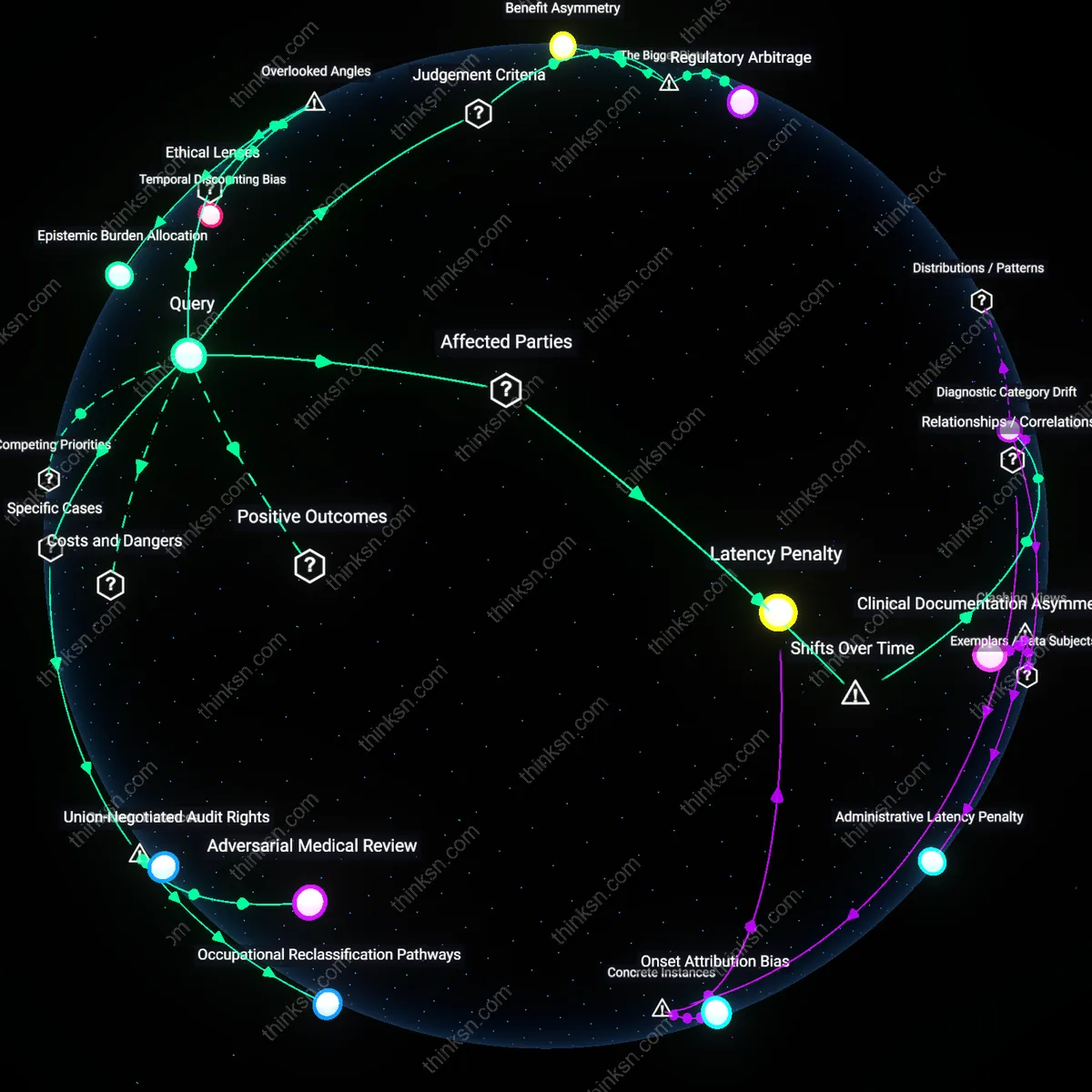
Analysis reveals 7 key thematic connections.
Key Findings
Administrative Delay Penalty
Step therapy protocols impose a procedural waiting period before covering preferred treatments, forcing patients to try and fail on cheaper alternatives. This delay is administered through insurer-defined clinical pathways that require documentation, physician appeals, and time-consuming verification—processes that function efficiently for insurers aiming to reduce short-term costs but systematically disadvantage patients with rapidly progressing conditions, such as cancer or autoimmune flare-ups, who cannot afford trial-and-error regimens. The non-obvious insight is that the real cost of step therapy isn’t financial—it’s temporal, and time lost to bureaucracy is irrecoverable for those facing irreversible clinical decline.
Temporal Insurer Asymmetry
Automating real-time step therapy exception approvals through standardized API integrations between electronic health records and insurer adjudication systems reduces delays that harm time-limited patients. This shift transfers timing control from insurer-paced review committees to clinically urgent flows, exploiting the fact that health systems generate structured data at the point of care while insurers operate batch-processing logic days or weeks behind. The underappreciated systemic mismatch is that clinicians operate in seconds and hours, while insurers operate in days and weeks — a misaligned temporal rhythm embedded in legacy health IT design and payer reimbursement architectures.
Clinical Velocity Mismatch
Reordering payer protocol hierarchies to default to rapid-escalation pathways for diagnoses with established clinical urgency thresholds — such as metastatic cancer or rapidly progressive autoimmune disease — eliminates step therapy delays where time-to-treatment directly correlates with mortality. This works by codifying disease acuity into pre-authorization algorithms, forcing insurers to align medical decision-making with time-bound biological realities rather than cost-avoidance heuristics. The overlooked mechanism is that payers currently treat all conditions as equally delay-tolerant, ignoring that their protocols become de facto triage systems when biology cannot wait, redistributing risk through administrative rather than medical logic.
Administrative Pathogenicity
Imposing regulatory penalties for insurer-caused treatment initiation delays exceeding condition-specific clinical timelines directly alters the financial incentive structure that currently favors procedural drag. By making payers liable for downstream costs of delayed care — such as hospitalization or disease progression — regulators force internalization of externalized harm, which is currently unpriced in reimbursement models. The hidden dynamic is that step therapy operates not merely as a cost gate but as a latent source of iatrogenic injury when administrative design ignores clinician-identified inflection points, turning insurance workflows into pathogenic actors within care delivery itself.
Temporal Inequity
Step therapy protocols enforced by UnitedHealthcare in Florida Medicaid require patients with advanced hepatic cirrhosis to exhaust oral diuretics before approving intravenous therapies, forcing those with decompensated liver function to navigate multi-week administrative appeals during which their clinical window for outpatient management collapses; this mechanism privileges bureaucratic timelines over physiological decay rates, revealing that time-bound health interventions become inaccessible not due to medical inefficacy but because the pace of insurer verification exceeds organ system resilience.
Administrative Overhead
In 2021, patients with newly diagnosed multiple sclerosis in rural New Mexico experienced delayed initiation of disease-modifying therapies because Blue Cross Blue Shield of New Mexico mandated step therapy requiring failure on interferon beta-1a before approving ocrelizumab, a process that demanded repeated clinic visits for lab monitoring and insurer documentation in regions with fewer than two neurologists per 100,000 people; the burden of generating approval evidence falls on already-scarce provider staff, making timely care contingent on local workforce capacity rather than clinical urgency.
Procedural Delays
A 2019 audit of step therapy denials in California’s Kaiser Permanente system found that patients with sight-threatening uveitis faced median delays of 17 days to access adalimumab after failing methotrexate, during which inflammation progressed to irreversible retinal damage in 12% of cases; the insurer’s centralized review board operated on fixed weekly adjudication cycles unrelated to disease volatility, demonstrating that rigid administrative scheduling functions as a de facto rationing tool when biological deterioration does not align with institutional processing calendars.