Is Keeping a Separate Retirement Account Sabotaging Marital Trust?
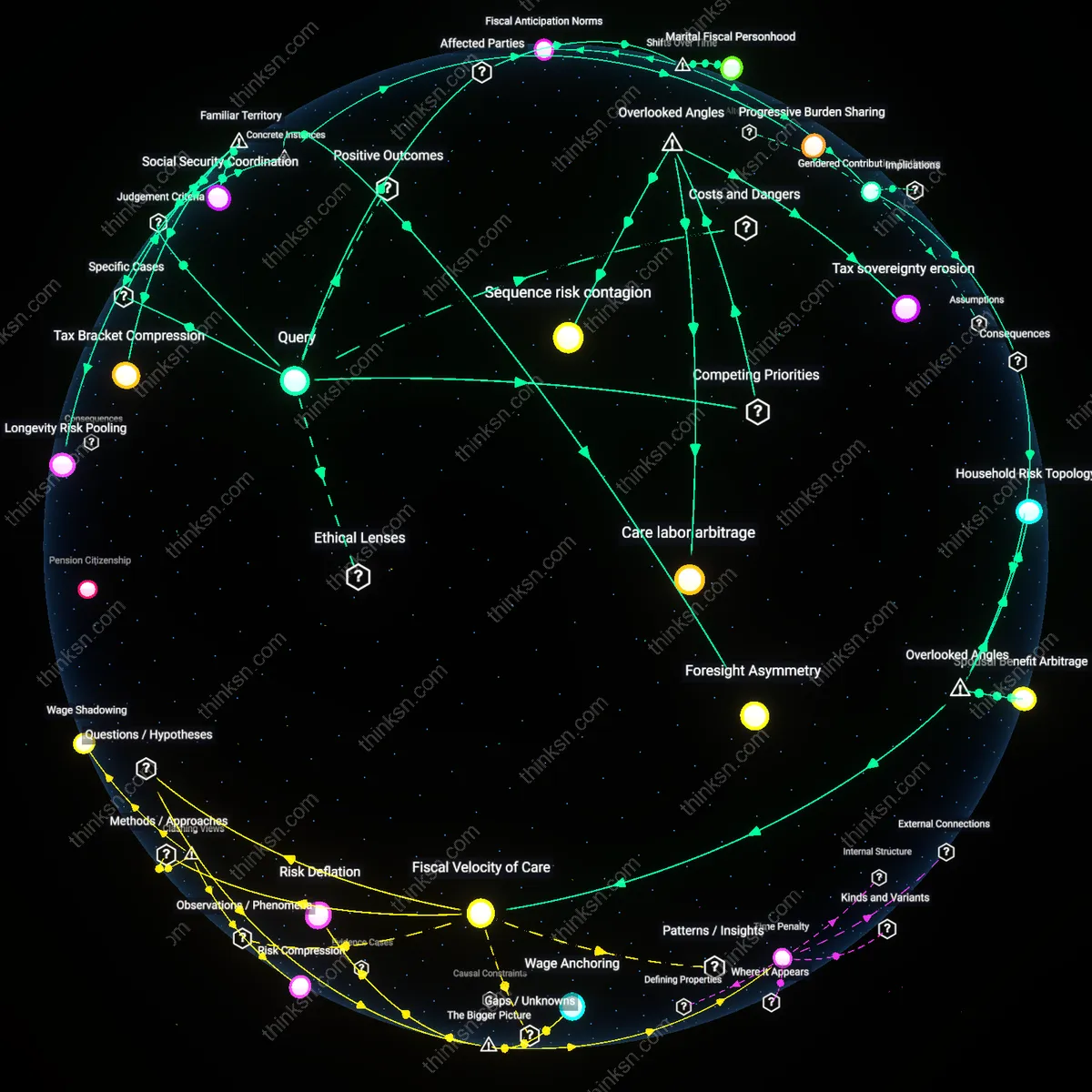
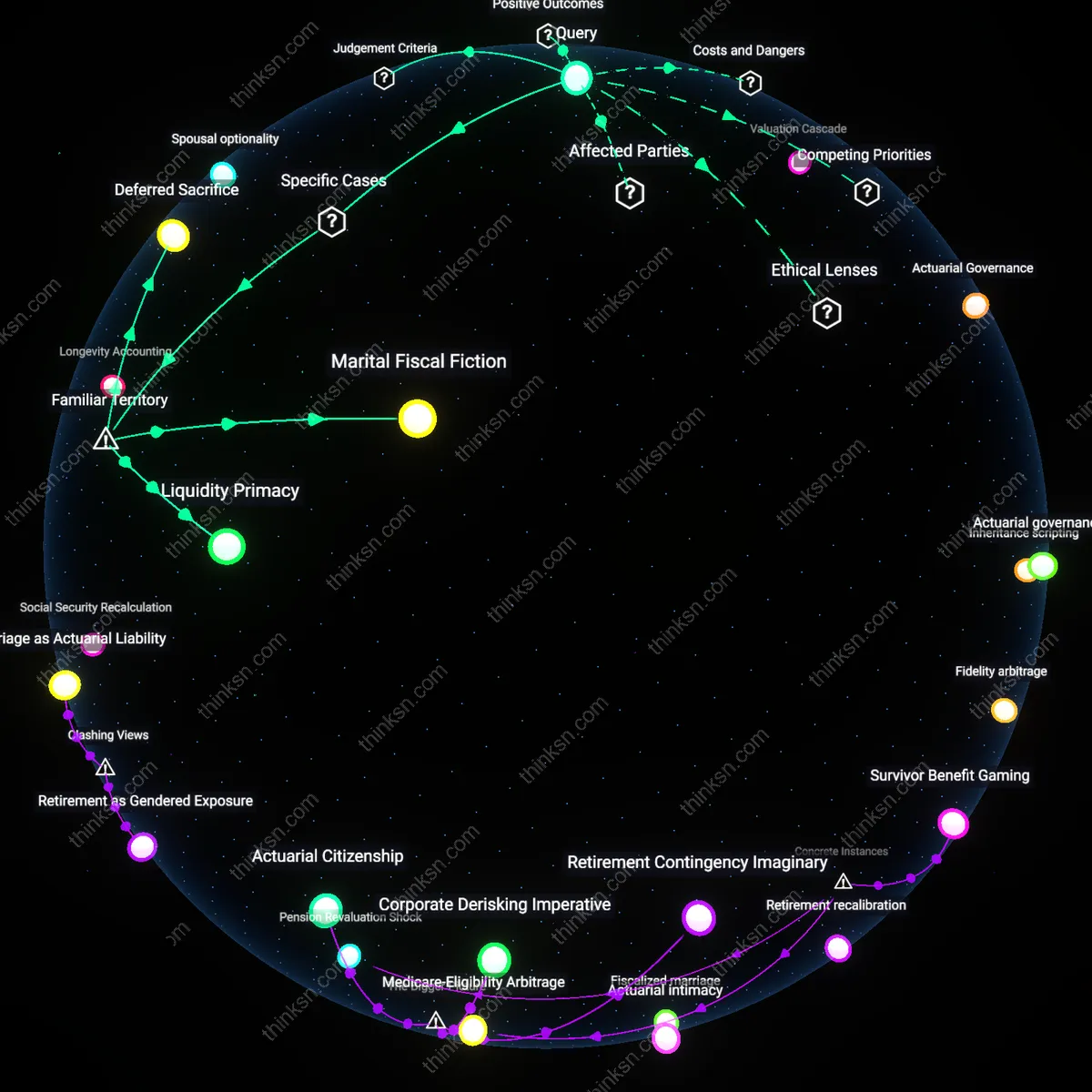
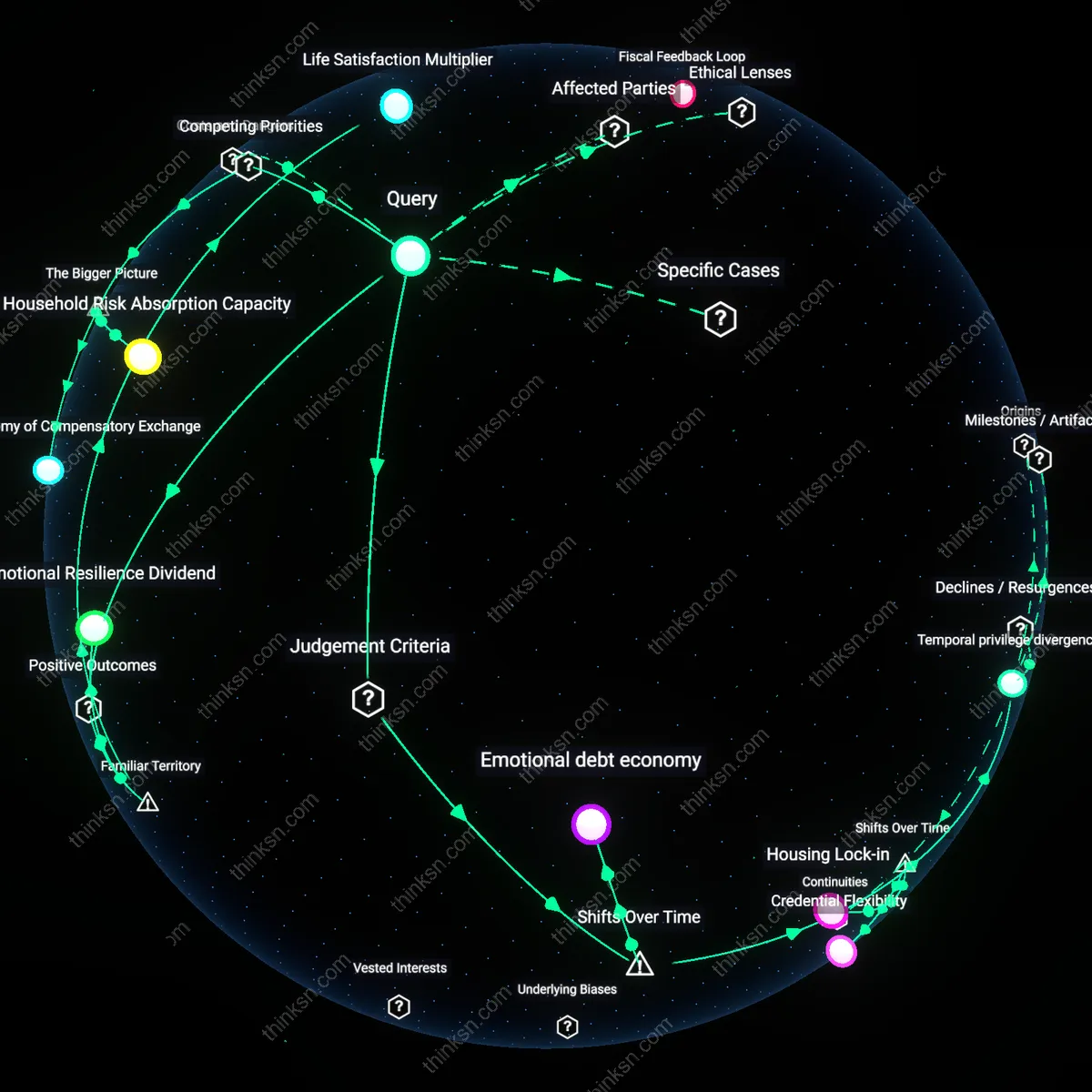
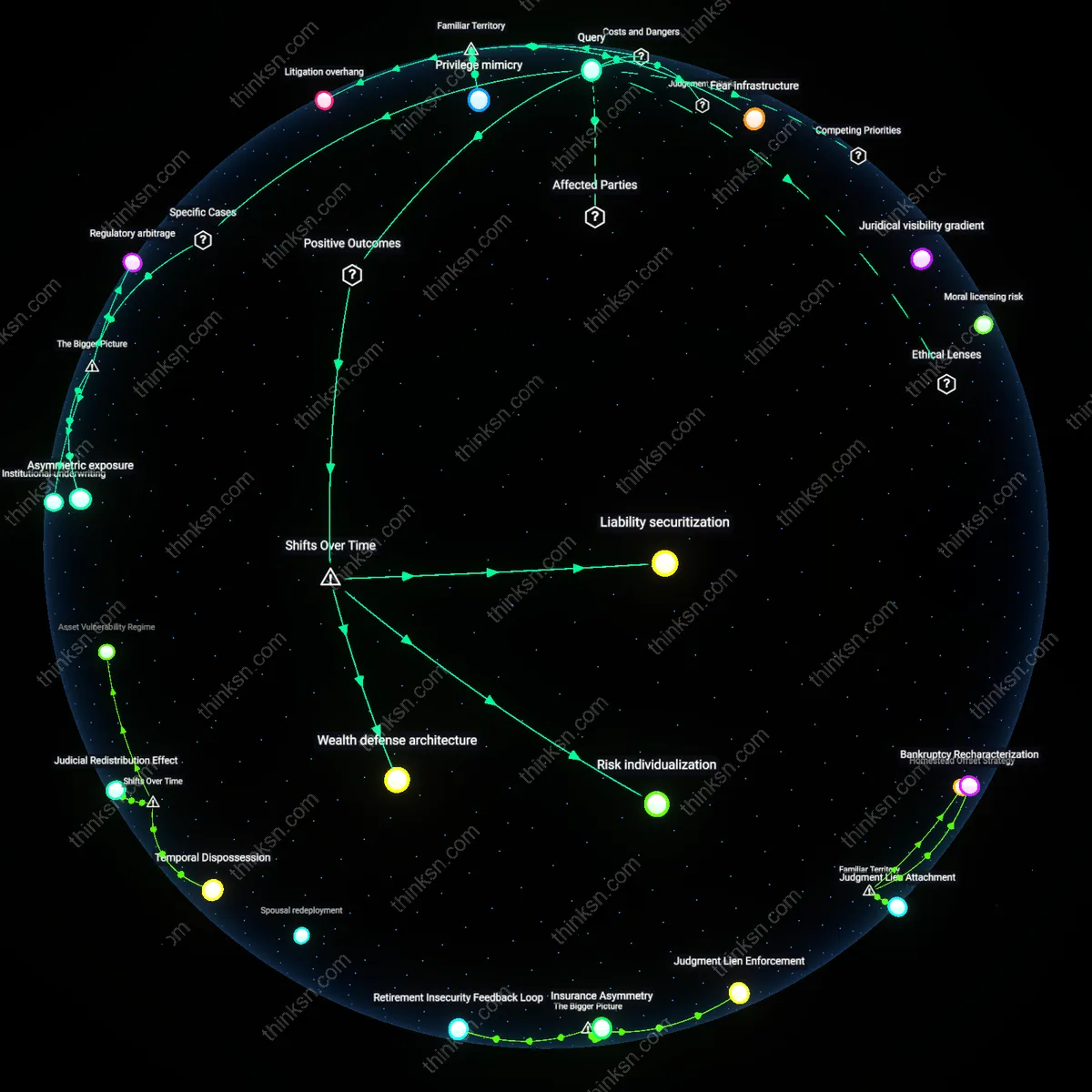
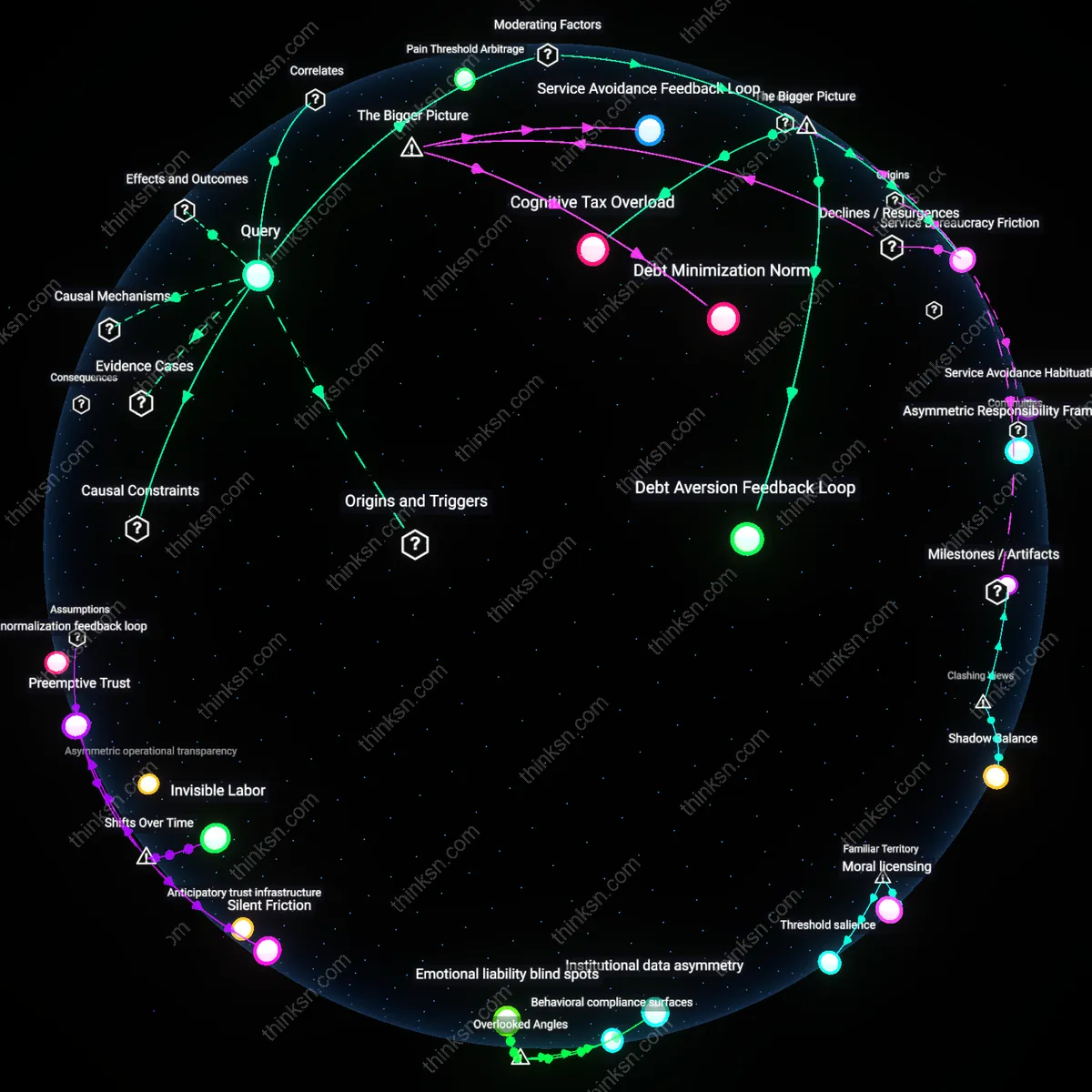
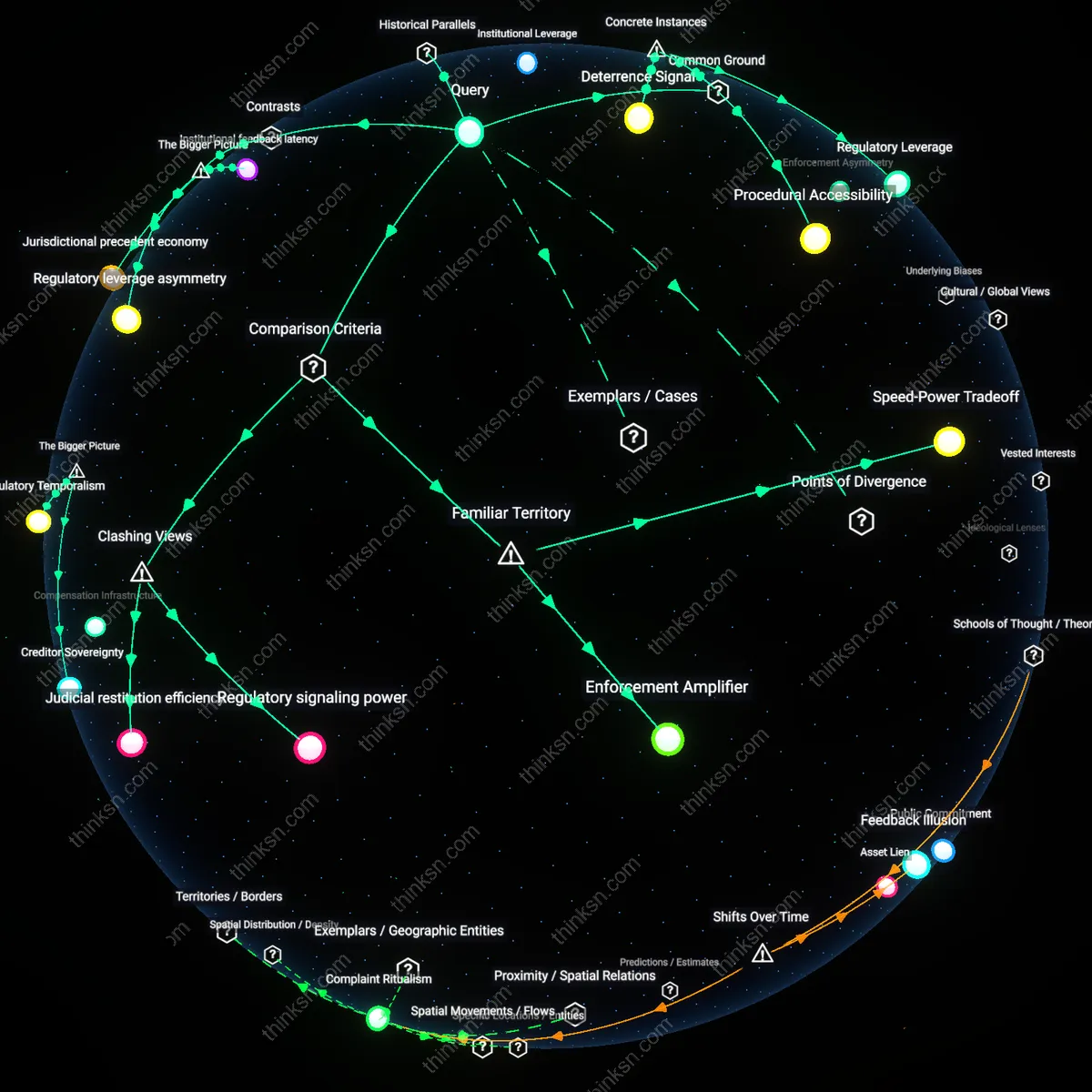
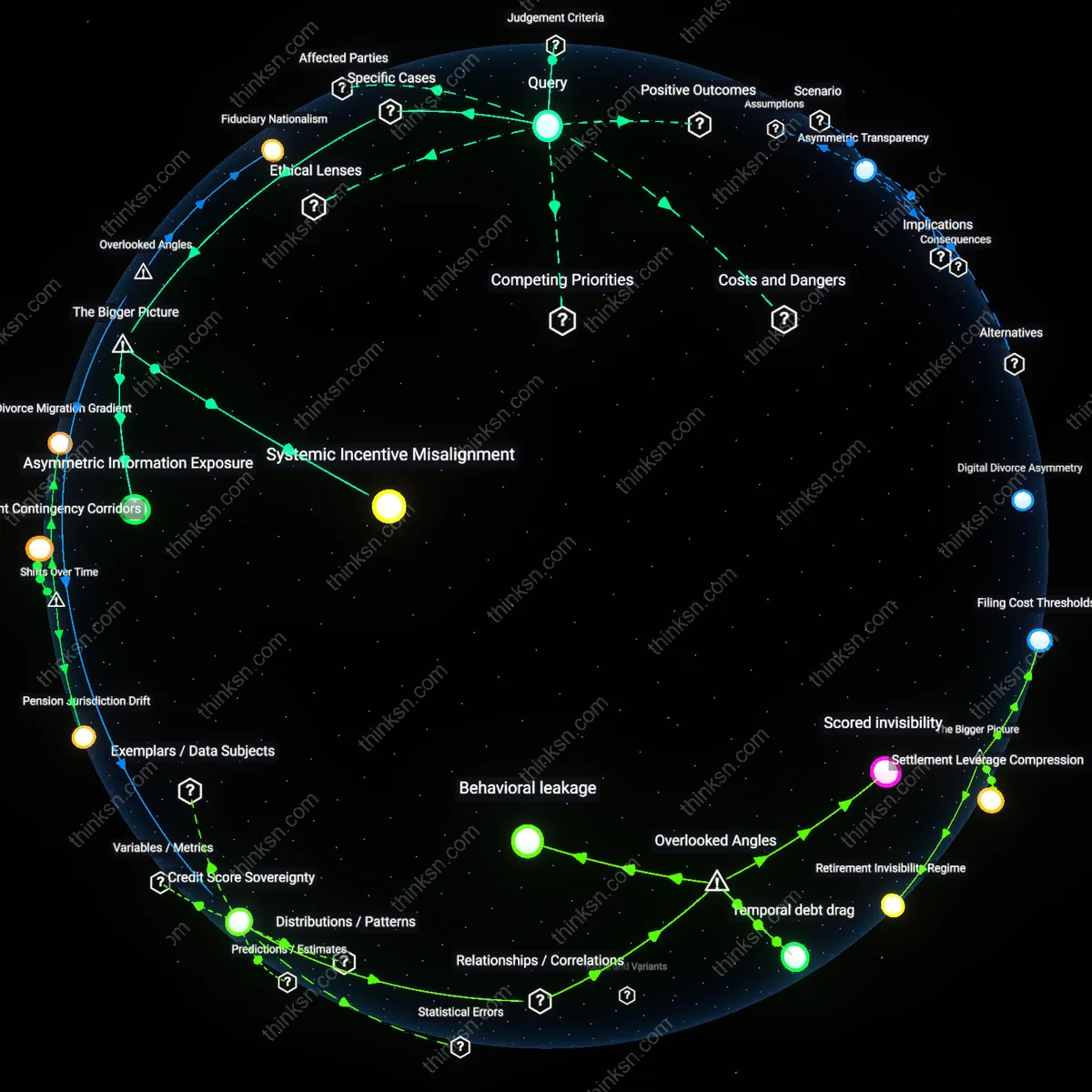
Analysis reveals 5 key thematic connections.
Key Findings
Fiduciary Dissonance
Maintaining a separate retirement account for asset protection during divorce constitutes a rational exercise of financial autonomy that inadvertently erodes marital trust by institutionalizing distrust within the household’s fiscal architecture. This practice embeds a legal logic of risk mitigation—common in corporate fiduciary structures—into the intimate economy of marriage, where emotional and material interdependence are traditionally aligned; evidence indicates such compartmentalization signals a prioritization of exit preparedness over mutual vulnerability, thereby altering the implicit social contract between spouses. The non-obvious consequence is that legally prudent behavior can function as a covert signal of diminished commitment, revealing how financial tools calibrated for individual resilience can destabilize relational equilibria.
Asymmetric Transparency
Shielding retirement assets in divorce-protected accounts reflects not foresight but a strategic asymmetry in financial disclosure that advantages higher-earning or financially literate spouses, particularly in jurisdictions like community property states where asset division presumes parity. By leveraging retirement vehicles such as 401(k)s or IRAs—whose valuation and division are complex and often opaque—individuals can create de facto inequities even within legally equitable frameworks, exploiting information gaps rather than merely preparing for risk. This reveals how ostensibly neutral financial planning tools become instruments of power when one spouse controls interpretation, challenging the assumption that legal protection mechanisms inherently promote fairness.
Systemic Incentive Misalignment
Maintaining a separate retirement account as a divorce safeguard erodes marital trust because it embeds individual risk mitigation into a legally and emotionally shared institution, creating a silent tension between personal security and joint commitment. In high-net-worth couples in states like California, where community property laws automatically entitle spouses to half of accrued retirement assets, preemptively ring-fencing accounts—such as through prenuptial agreements designating certain IRAs as separate property—signals anticipation of failure within a structure meant to embody mutual longevity. This misalignment is amplified by legal frameworks that enable but do not require such planning, allowing protective actions to be interpreted as anticipatory betrayal, revealing how state-specific property regimes interact with personal behavior to produce unintended relational consequences even when financially rational.
Financialized Intimacy Regime
Treating retirement accounts as tools for divorce risk management reflects prudent financial planning because it acknowledges the statistical reality of marital dissolution within a broader system where personal relationships are increasingly governed by risk-assessment logics. Among dual-career professionals in metropolitan areas like New York City or Chicago, where divorce rates remain significant and asset aggregation substantial, financial advisors routinely recommend structuring retirement holdings to comply with Qualified Domestic Relations Orders (QDROs) or to maintain traceability of separate contributions, especially in second marriages involving children from prior relationships. This practice is less about distrust than about adhering to a systemic norm in which emotional and financial interdependence are deliberately unbundled, not as a personal judgment on the marriage but as a standard feature of wealth management in a litigious, asset-complex society.
Asymmetric Information Exposure
Holding a separate retirement account for asset protection subtly shifts power dynamics within a marriage by concentrating financial knowledge and control in one party, making the practice a potential conduit for covert advantage rather than a neutral planning tool. In cases observed among tech industry employees in Silicon Valley—where equity-based compensation and deferred retirement contributions are common—one spouse may exclusively manage complex solo 401(k) or SEP-IRA accounts under the guise of efficiency, effectively limiting the other’s real-time access to information about the scale and trajectory of retirement wealth accumulation. This creates an enabling condition for strategic opacity, where the account holder becomes the sole arbiter of what constitutes 'prudent planning' versus self-insurance against the partner, revealing how retirement vehicles can become sites of informational asymmetry that prefigure and shape potential post-divorce outcomes.