How Diagnostic Bundling Skews Mental Health Treatment?
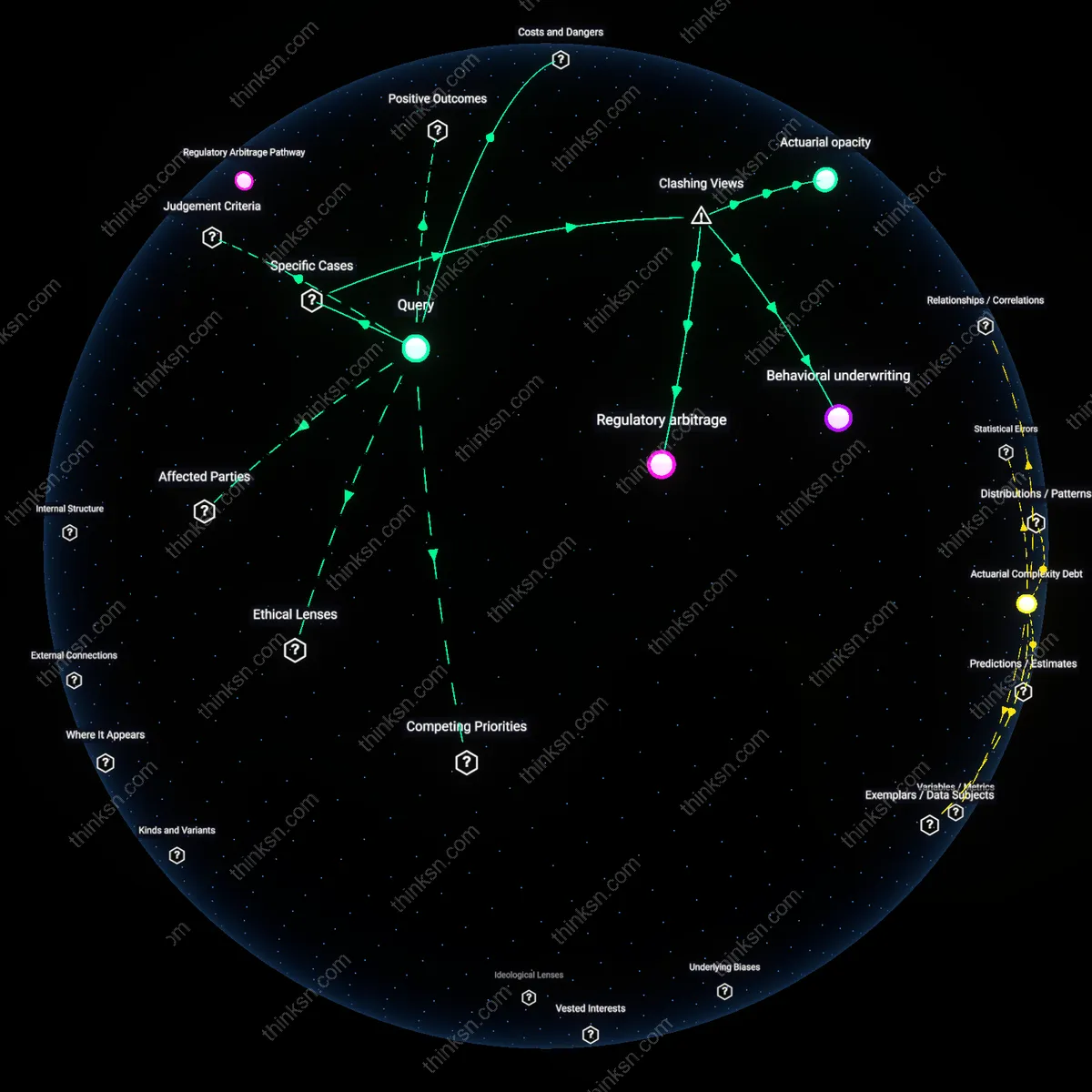
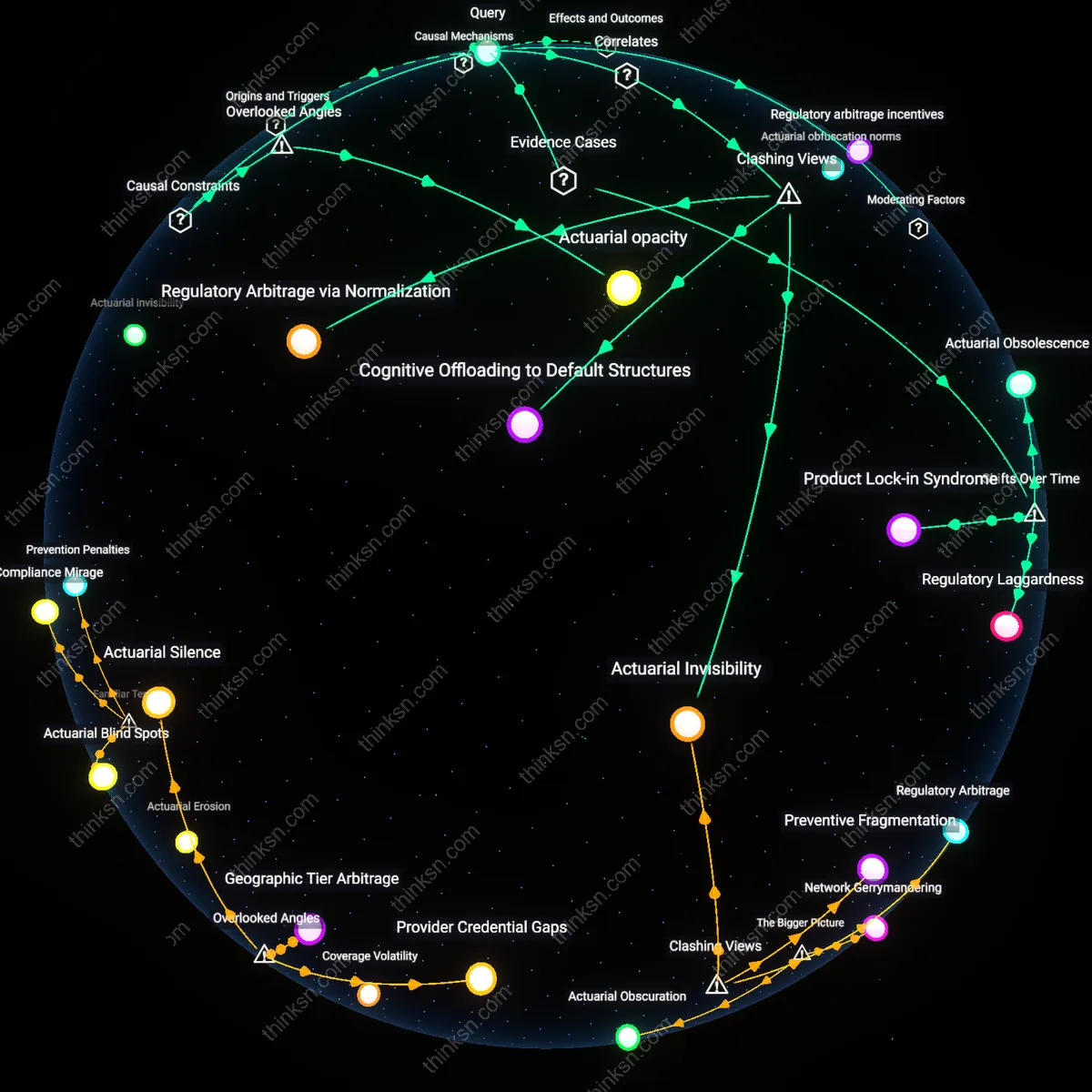
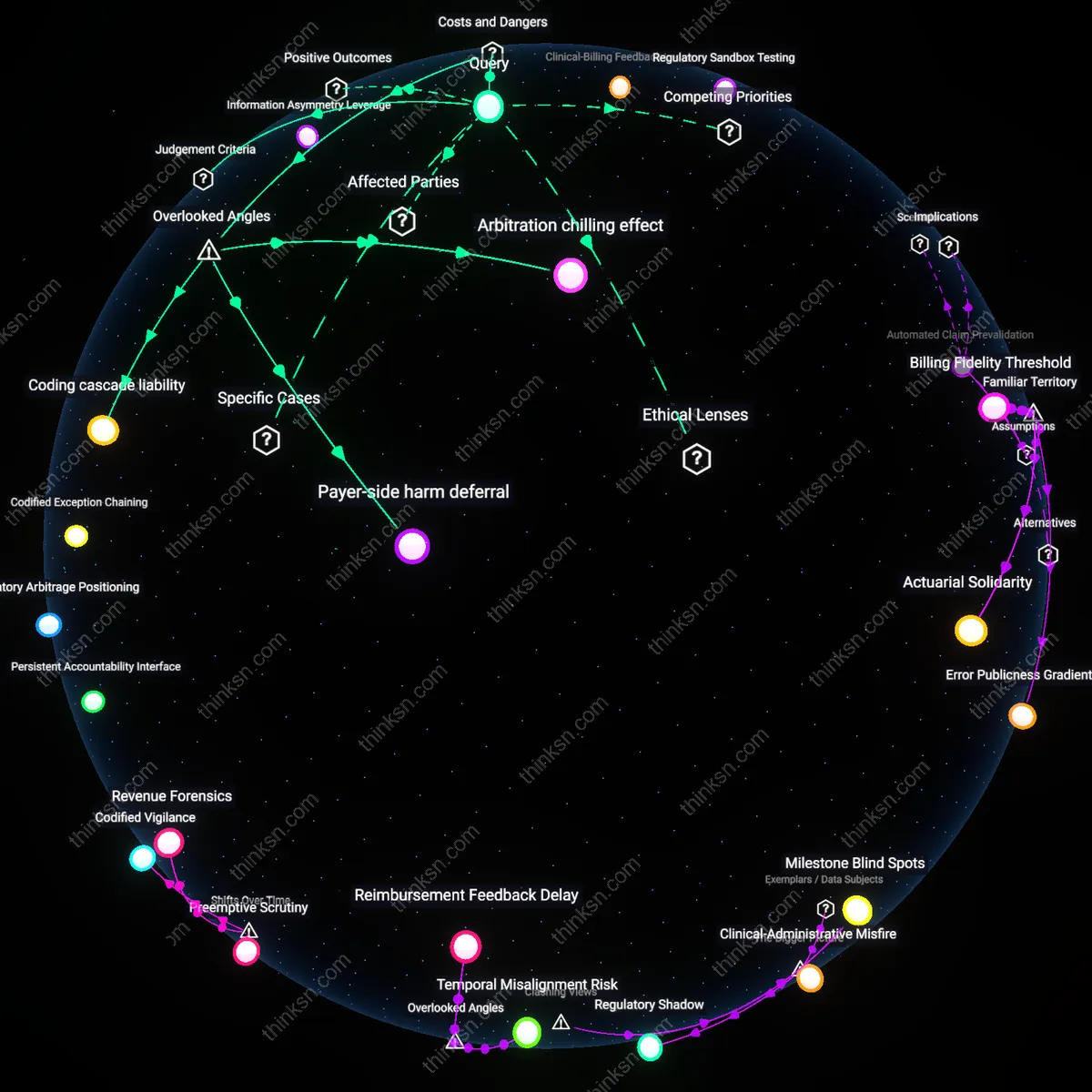
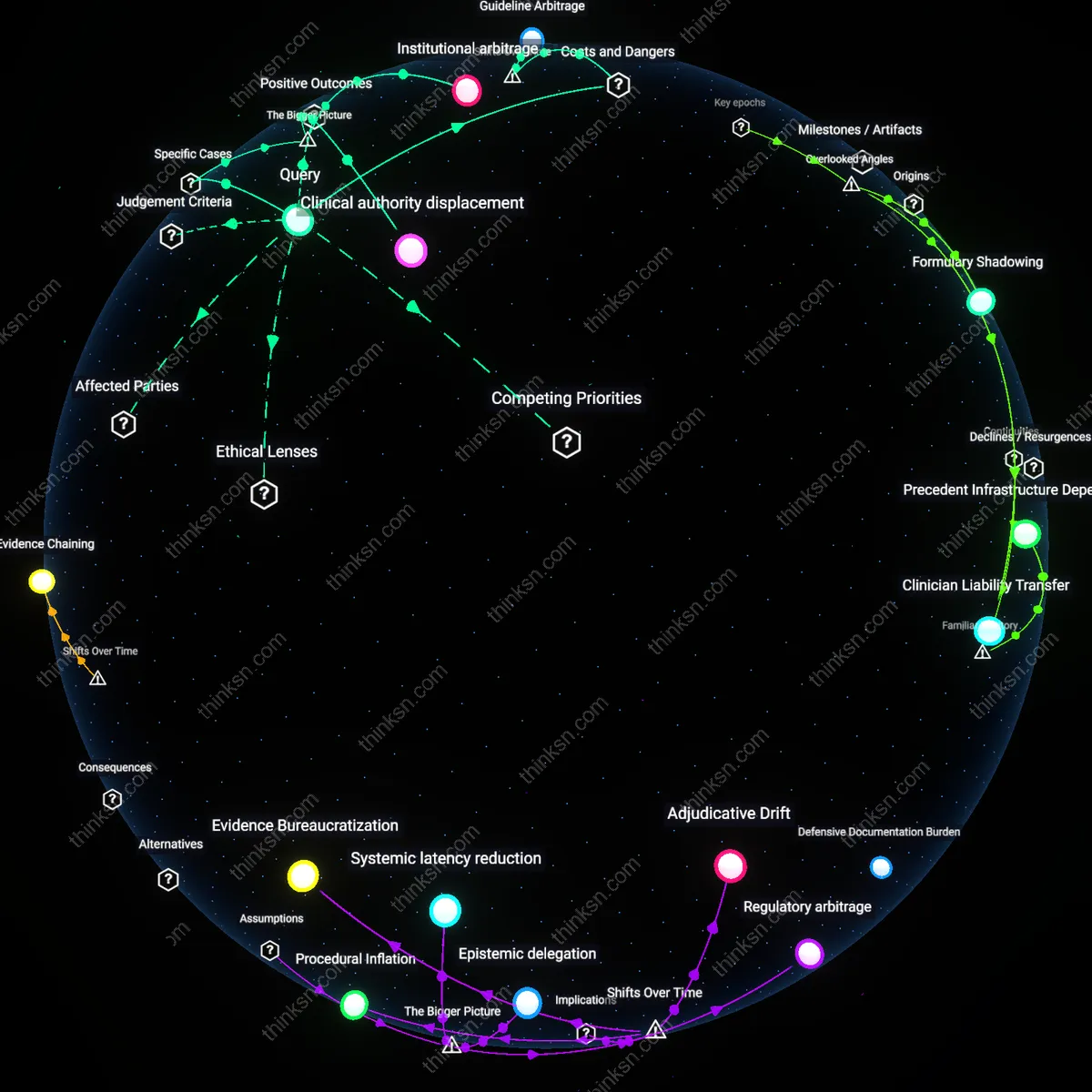
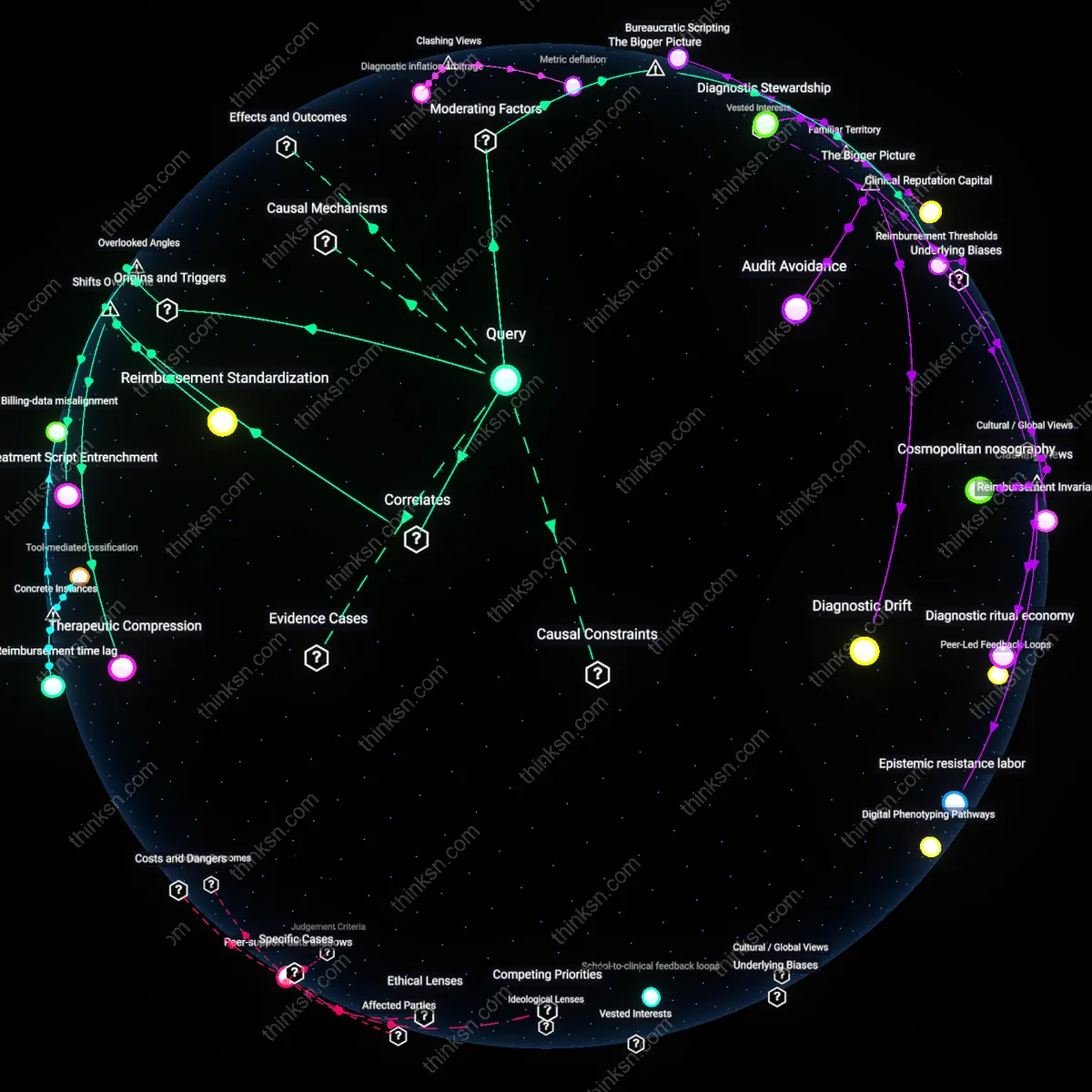
Analysis reveals 6 key thematic connections.
Key Findings
Reimbursement Pathway Inertia
Diagnostic bundling by insurers reduces treatment specificity because clinicians adapt their diagnostic language to fit predefined billing categories, not clinical nuance, which locks therapeutic approaches into legacy reimbursement pathways. This inertia emerges from electronic health record systems optimized for insurance claims, where diagnostic codes map to bundled service packages, making it administratively costly to pursue granular or off-label treatments even when clinically indicated. The overlooked mechanism is that insurers do not merely react to diagnoses—they shape the diagnostic taxonomy itself through payment structures, which sustains outdated treatment algorithms in systems like community mental health clinics across states such as Ohio and California.
Treatment Script Entrenchment
Insurer-driven diagnostic bundling entrenches standardized treatment scripts—like fixed-session CBT protocols for 'moderate depression'—that override longitudinal clinical judgment, particularly in corporate-owned teletherapy platforms such as those operated by UnitedHealth-owned Optum. These scripts are embedded in algorithmic care pathways that auto-assign therapy modules based on initial diagnosis codes, reducing dosage and modality adjustments even when patients show non-response. The underappreciated dependency is that digital therapeutics delivery systems, designed for scalability, amplify the rigidity of bundling by hardwiring treatment sequences to insurance categories, making adaptability a technical as well as clinical challenge.
Reimbursement Thresholds
Insurers’ diagnostic bundling narrows treatment specificity by tying reimbursement to broad diagnostic categories rather than symptom profiles, pressuring clinicians to prioritize billable criteria over nuanced presentations. This mechanism intensifies in fee-for-service systems where providers must align patient narratives with predefined bundles to secure payment, privileging administrative efficiency over individualized care plans. The underappreciated consequence is that treatment protocols become statistically rational but clinically coarse, particularly in heterogeneous conditions like depression or PTSD, where symptom clusters vary widely. What sustains this is not cost alone but the alignment of coding systems (e.g., DSM-5) with insurer databases, making granularity financially unrecoverable and thus clinically invisible.
Reimbursement Standardization
Diagnostic bundling since the 1990s, driven by the rise of managed care organizations, shifted mental health treatment toward uniform billing codes rather than individualized symptom profiles, privileging insurers’ administrative efficiency over clinical nuance. This transition from individually tailored diagnoses under fee-for-service models to DRG-like groupings in behavioral health created a systemic preference for broad diagnostic categories—such as 'mood disorders'—that streamline claims processing but obscure heterogeneity in patient presentations. The shift reveals how financial logistics, not therapeutic evidence, began to shape diagnostic specificity, making treatment protocols responsive to coverage rules rather than symptom trajectories. What is non-obvious is that the erosion of diagnostic granularity emerged not from poor clinical practice but from a structural realignment of who controls information hierarchies in care settings.
Therapeutic Compression
The post-DSM-IV era saw insurers increasingly bundle treatments by diagnosis to limit provider discretion, collapsing diverse therapeutic modalities—such as CBT, psychodynamic therapy, and family systems approaches—into single-reimbursement units for conditions like 'adjustment disorder,' thereby weakening alignment between intervention type and patient need. As formularies and treatment pathways became standardized to reduce outlier spending, especially after the 2008 Mental Health Parity Act enabled broader enforcement of coverage norms, clinicians adapted by selecting treatments more likely to be reimbursed than those optimally matched to patient profiles. This trajectory from treatment plurality to protocol-driven care illustrates how regulatory advances intended to expand access inadvertently channeled care into narrow, insurer-approved pathways. The underappreciated consequence is that fidelity to evidence-based guidelines now often reflects billing compliance more than clinical calibration.
Outcome Instrumentalization
Following the 2010 Affordable Care Act and the rise of value-based payment models, insurers began tying bundled mental health reimbursements to standardized outcome metrics—such as PHQ-9 scores—shifting the definition of successful treatment from individualized functional improvement to measurable score reduction within fixed timeframes. This transition from open-ended therapeutic goals to quantifiable milestones has led providers to prioritize symptom reporting over deeper psychosocial exploration, particularly in federally qualified health centers adopting integrated care models reliant on insurance revenue. The change, cemented between 2015 and 2020, reframed mental health outcomes as audit-ready data points, reinforcing diagnostic bundling by aligning payment with predictable, reportable trajectories rather than emergent clinical insight. What remains hidden is that outcome measurement, often celebrated as a transparency advance, has become a vehicle for normalizing diagnostic generalization under the guise of accountability.