Is Lack of CCPA Enforcement Turning Consent Coercive?
Analysis reveals 6 key thematic connections.
Key Findings
Enforcement Asymmetry
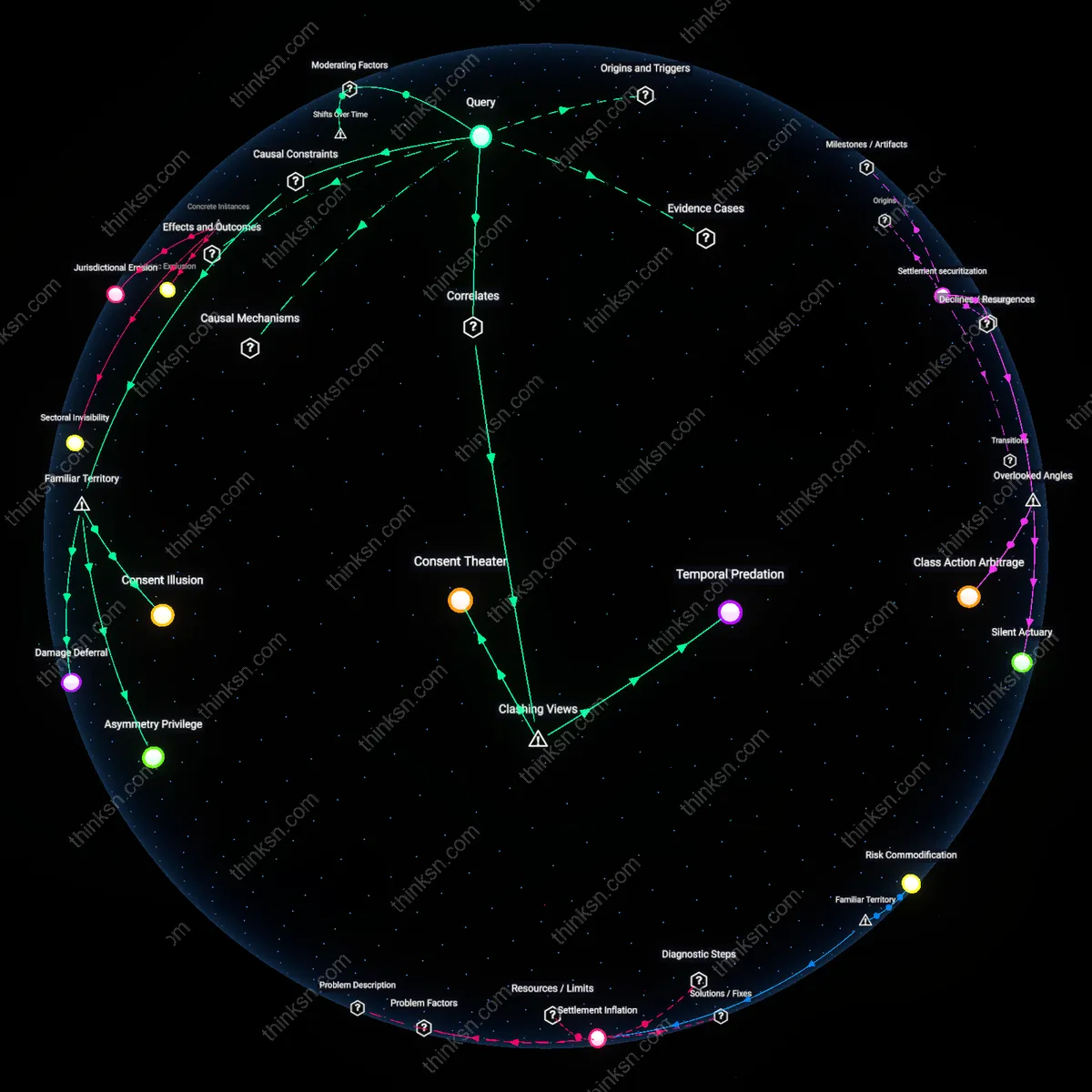
Weak enforcement of the CCPA enables e-commerce platforms to treat consent dialogs as procedural formalities rather than meaningful choice mechanisms, because penalties for non-compliance are inconsistent and under-resourced relative to the scale of data processing. This dynamic allows dominant retailers like Amazon or Walmart to deploy dark patterns—limited opt-out flows, prechecked boxes, and choice architecture favoring data collection—knowing that few users will successfully assert rights and fewer still will encounter tangible repercussions for the company. The result is not merely ineffective consent, but a system where consent is structurally coerced through institutional indifference, revealing that regulatory asymmetry between enforcers and firms becomes the mechanism of compulsion.
Consent Inflation
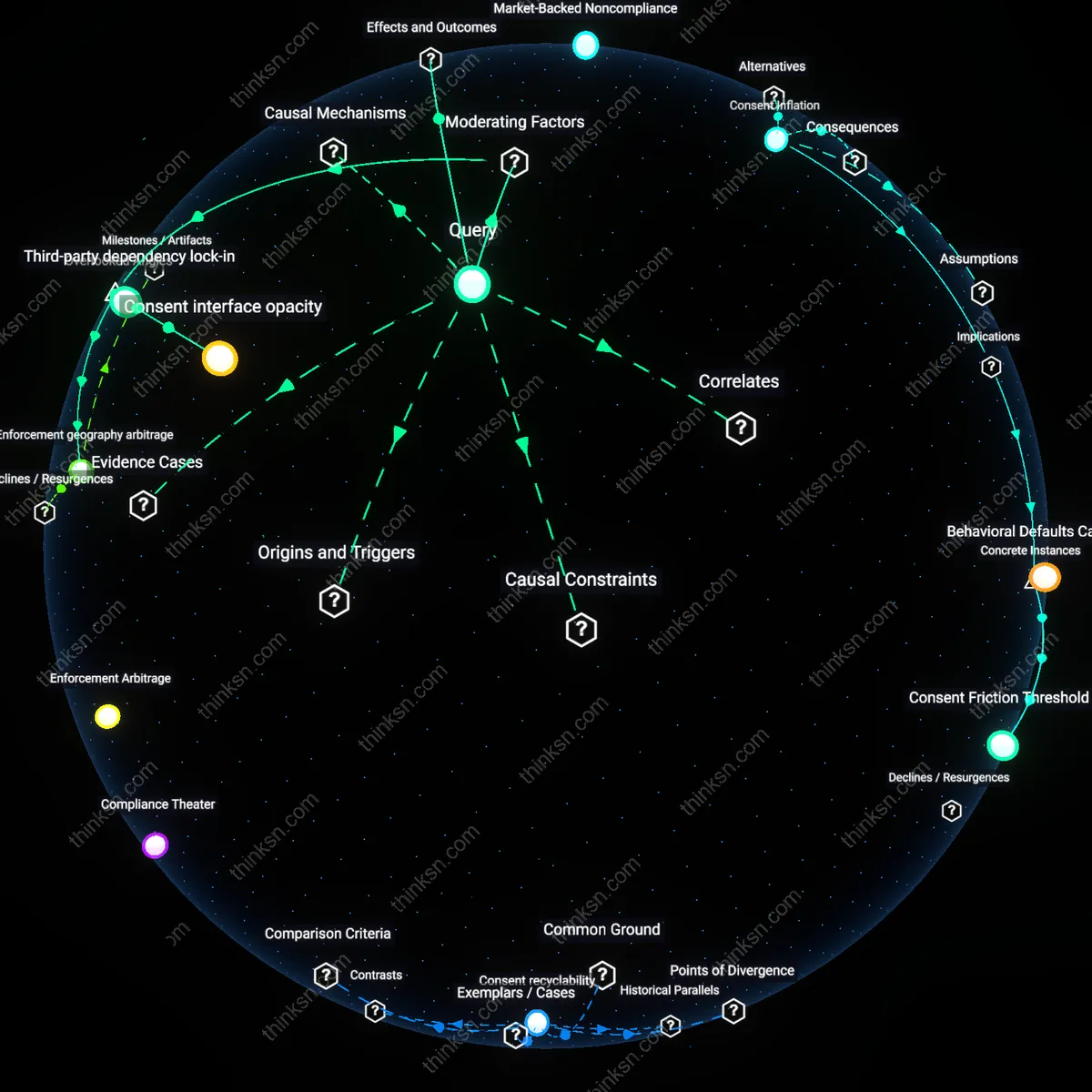
E-commerce sites exploit weak CCPA enforcement by inflating the number and urgency of consent requests, transforming them from discrete decisions into ambient, repetitive interruptions that degrade user attention and foster automatic acquiescence. Unlike the intuitive view that more consent prompts mean greater control, the reality is that platforms such as Shopify-hosted stores or large ad-driven marketplaces use frequency and fatigue to convert opt-out opportunities into performative rituals users bypass to complete transactions. This shifts coercion from overt pressure to temporal and cognitive exhaustion, exposing how consent inflation functions as a legitimacy-preserving façade that neutralizes resistance without violating the law’s letter.
Market-Backed Noncompliance
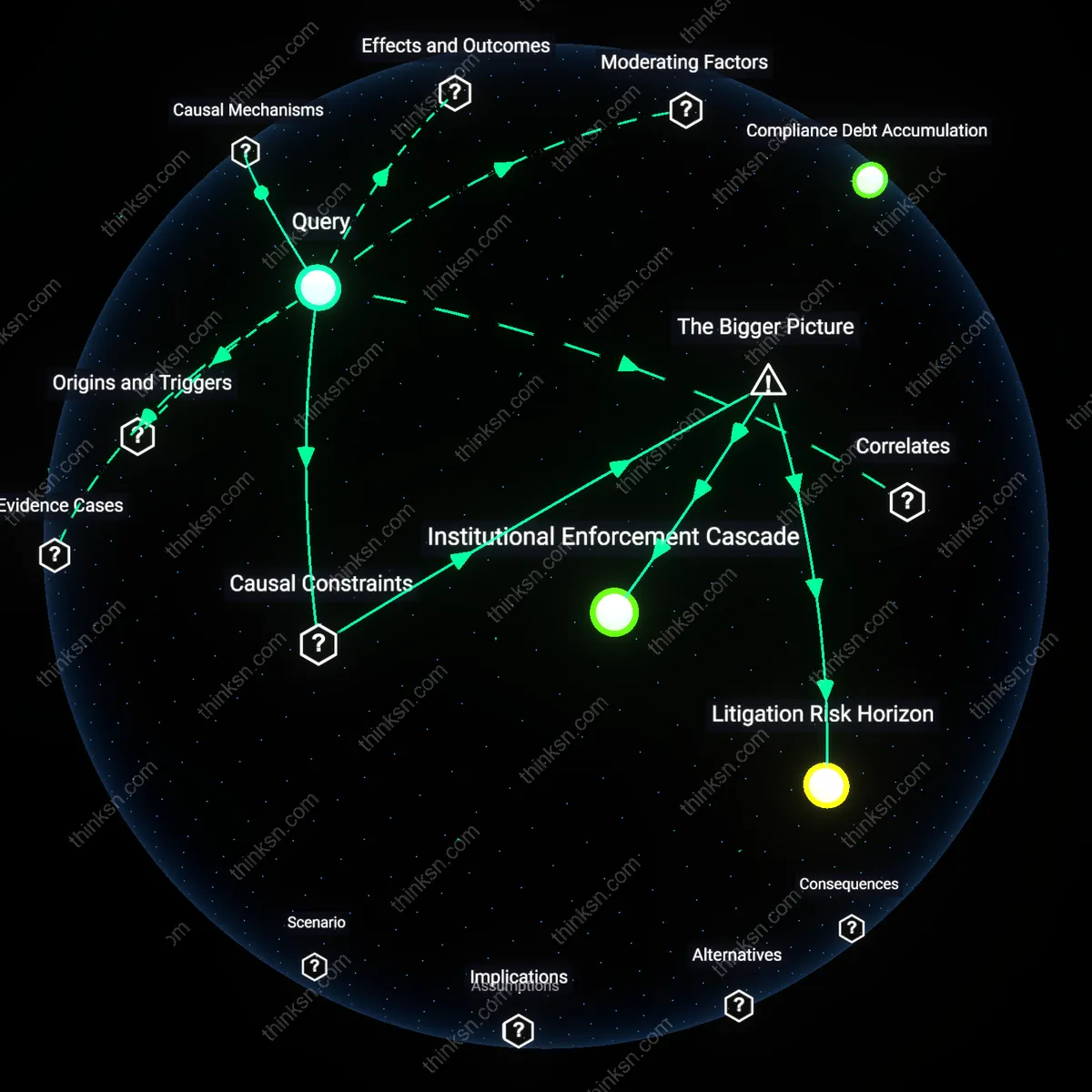
Firms operating in data-intensive e-commerce sectors treat weak CCPA enforcement as a calculated business variable, pricing in minimal compliance costs while maximizing data extraction, because market competition rewards behavioral profiling more than regulatory adherence. Companies like data brokers or performance-advertising platforms embedded in checkout flows assume that even verified consumer opt-out requests will not be enforced at scale, allowing them to delay, partially comply, or re-collect data through affiliate networks. This embeds coercion not in individual interfaces but in economic incentives, demonstrating that compliance deferral becomes a profit-maximizing strategy when regulation is unenforceable, thereby making consent a post-hoc justification for extraction rather than a prior condition.
Consent interface opacity
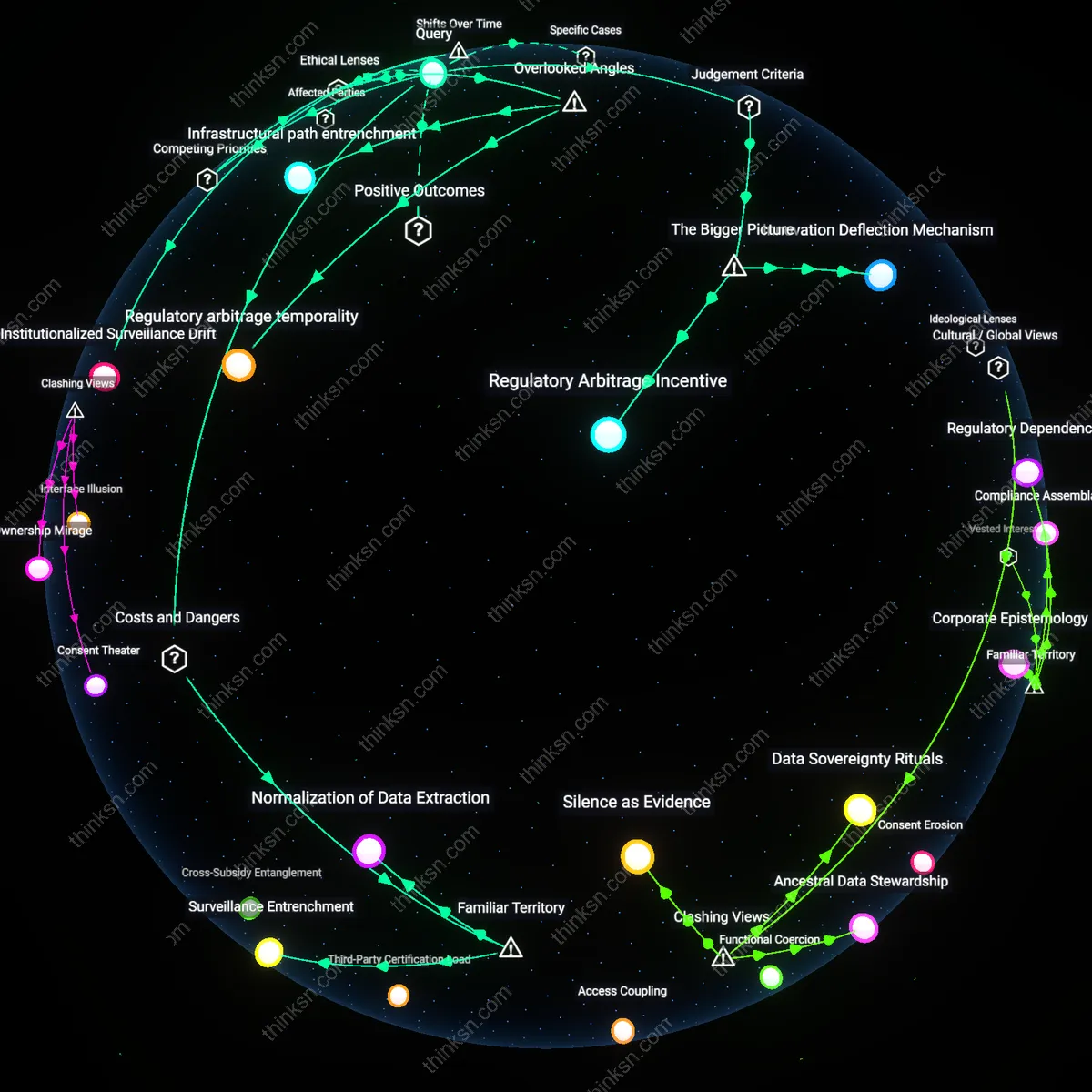
Weak enforcement of the CCPA enables e-commerce platforms to obscure the actual consequences of consent decisions within their user interfaces, making refusal functionally ambiguous. Most users cannot perceive what data practices are actually restricted upon declining consent because interfaces fail to specify which processing activities are legally optional versus those that persist under loopholes or opaque backend linkages—such as 'service provider' exemptions or cross-context behavioral advertising disguised as 'security' operations. This opacity is amplified not by design flaws per se, but by the absence of enforcement pressure to standardize disclosure at the point of interface decision-making, transforming consent into a ritual devoid of operational clarity. The non-obvious insight is that coercion arises not from overt pressure but from induced confusion about the real stakes of refusal, an effect that functions independently of whether companies technically comply with disclosure mandates in their privacy policies.
Third-party dependency lock-in
Weak CCPA enforcement permits the continued embedding of non-compliant third-party trackers within e-commerce ecosystems, making user consent coercive through technological lock-in rather than direct site-level pressure. Major retailers rely on supply chain partners—such as logistics APIs, personalization engines, or payment intermediaries—that inherit and process personal data without transparent, revocable consent mechanisms, and where the primary retailer faces little liability under current enforcement regimes. As a result, even when users deny consent on the storefront, data still flows through downstream vendors whose practices are invisible and irrevocable at the consumer level. The overlooked mechanism is that coercion emerges not from the first-party site’s choices but from unmonitored dependencies in the data supply chain, which structurally undermine the validity of any apparent consent given at the interface.
Enforcement geography arbitrage
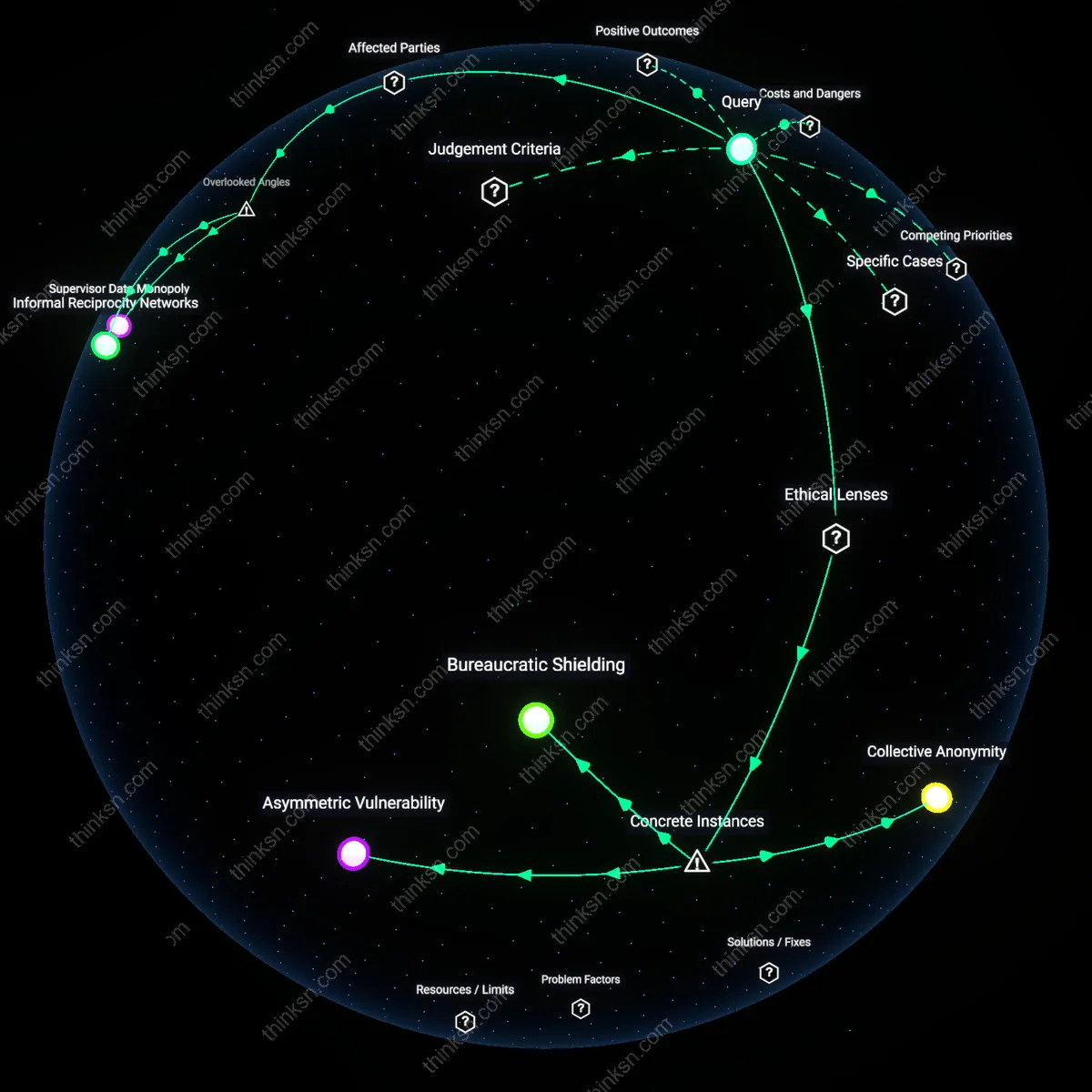
E-commerce businesses exploit the uneven geographic enforcement of the CCPA—particularly weak oversight outside of major California jurisdictions—to treat compliance as a variable cost, applying restrictive consent interfaces only to verified California residents while maintaining default-extractive designs for all others. This creates a two-tier system where the coercive nature of consent is normalized across the broader user base, which becomes subject to de facto pressure by design, because the minimal cost of geolocation masking allows companies to avoid applying even their limited CCPA-compliant practices universally. The underappreciated dynamic is that weak enforcement territorializes consent architecture, making coercion a function of jurisdictional invisibility rather than individual choice, thereby undermining the law’s deterrent effect across state lines.