Does Combining Family Funds Create Hidden Power Imbalances?
Analysis reveals 11 key thematic connections.
Key Findings
Information Cartography
Centralized control of a family's pooled investment fund distorts power by concentrating the mapping of financial knowledge. The controller becomes the sole interpreter of asset performance, risk exposure, and liquidity trajectories, determining which data surfaces to other family members and how it is framed—often in ways that naturalize their own decision-making. This cartographic authority is rarely scrutinized because it operates beneath the level of formal decision rights, yet it shapes what family members perceive as possible or rational. The non-obvious insight is that power accrues not just through allocating capital, but through monopolizing the narrative topology of that capital—what investments are visible, how success is measured, and which futures are rendered imaginable.
Temporal Gatekeeping
Centralized control enables the gatekeeping of financial time horizons, where the central figure decides when distributions occur, when capital is locked, and when opportunities are disclosed—effectively determining the rhythm of family economic life. By controlling access to liquidity events or delaying information about market timing, the controller positions themselves as the arbiter of urgency and patience, subtly shaping other members’ life decisions around constrained temporal windows. This mechanism is overlooked because most analyses focus on ownership shares rather than temporal agency—the power to synchronize or desynchronize family members’ financial lives with broader market cycles, thereby embedding dependence in the pacing of return.
Emotional Scaffolding
One family member’s role as financial decision-maker creates an emotional dependency structure in which others outsource not just investment judgment but emotional regulation around risk and loss. When market downturns occur, the centralized figure becomes the psychological buffer, managing not only assets but the affective response of the family—absorbing anxiety, dispensing reassurance, or deflecting blame. This transforms financial authority into a hidden caretaking function that discourages oversight, as challenging the controller risks destabilizing group emotional equilibrium. The overlooked dimension is how financial stewardship morphs into emotional gatekeeping, making dissent feel like a betrayal of family cohesion rather than a fiduciary inquiry.
Information asymmetry leverage
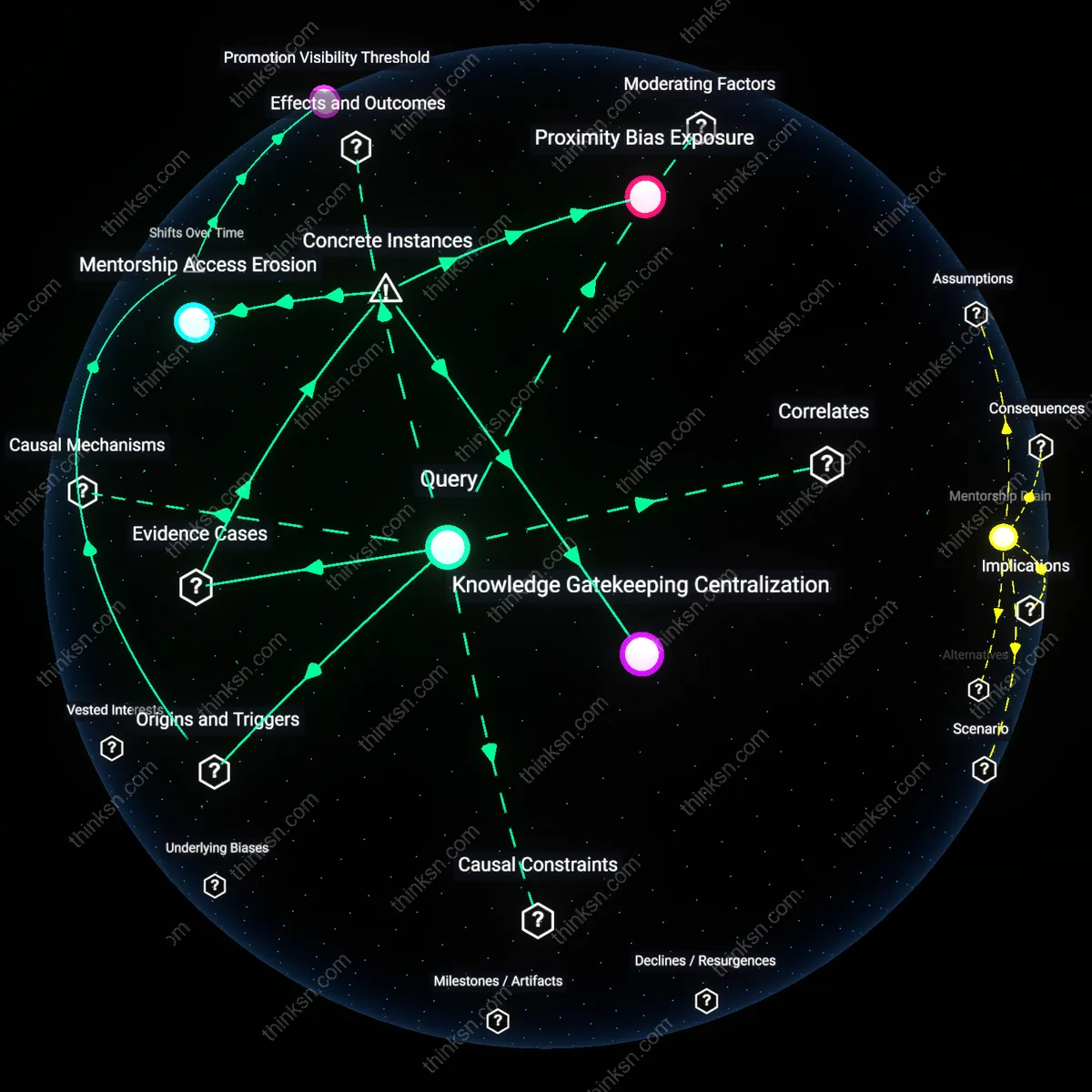
Centralized control over a family's pooled investment fund enables the controller to selectively disclose or withhold financial performance data, tax implications, or risk exposures, consolidating decision-making authority through restricted access to critical information. This occurs because financial literacy varies among family members, and the controller—often an elder or professionally trained member—operates within opaque accounting systems that resist independent verification, particularly when assets are held through private trusts or offshore entities. The significance lies in how informational opacity, rather than formal authority, becomes the active mechanism of dominance, a shift that is often overlooked in familial governance discussions that focus on voting rights or trustee appointments rather than knowledge distribution.
Succession legitimacy deficit
Centralized control entrenches power by framing financial stewardship as a merit-based role, privileging the incumbent’s demonstrated competence in managing complex markets, thereby disqualifying less experienced members from meaningful influence even as generational transition approaches. This dynamic is amplified when the controller’s successes coincide with major macroeconomic shifts—such as equity bull markets or real estate booms—creating a retrospective narrative of indispensable insight that discourages structural reform. The underappreciated systemic force here is how market-derived outcomes retroactively validate personal authority, transforming temporary advantage into perceived dynastic necessity, which suppresses challenges to redistribution of control.
Legacy Entitlement
Centralized control over a family's pooled investment fund increasingly concentrated in elder patriarchs during the postwar boom (1950s–70s) created hidden power imbalances by institutionalizing decision rights around outdated generational roles, even as younger members contributed capital. This mechanism persisted through formal governance structures modeled on corporate boards—dominated by founding-generation norms—despite shifts in wealth contribution patterns from descendants, revealing how mid-20th-century wealth consolidation eroded intergenerational equity. The non-obvious insight is that the governance form, frozen in its postwar developmental stage, now reproduces power asymmetries not through active domination but through inertial legitimacy.
Custodial Authority
As family offices professionalized between the 1980s and 2000s, centralized investment control gradually shifted from familial actors to credentialed managers, embedding power imbalances not through ownership but through epistemic authority over financial knowledge. This transition severed direct access to investment logic for non-participating family members, particularly women and younger heirs, whose exclusion was masked by the technical complexity of asset allocation strategies now managed externally. The significance lies in how the historical shift from relational to technical governance made power invisible—not as overt exclusion, but as bureaucratic opacity rooted in the rise of fiduciary expertise.
Capital Asymmetry
Since the 2010s, centralized control has increasingly privileged members who reinvest earnings into dynastic vehicles (e.g., private equity co-investments), creating a new axis of imbalance between those whose wealth compounds within the core structure and those whose withdrawals for personal use marginalize them from strategic influence. This shift reflects a transition from broadly distributed dividends to performance-based access, where participation in high-growth assets becomes contingent on capital restraint—a condition disproportionately met by later-generation members with independent income. The underappreciated dynamic is that power now accrues not to founders or managers, but to those positioned to forgo liquidity, turning abstinence into structural leverage.
Information Gatekeeping
Centralized control over a family's pooled investment fund enables one member to restrict access to financial disclosures, such as performance reports or asset allocations, thereby shaping others’ understanding of risk and returns. This bottleneck occurs because only the central agent possesses full visibility into account structures, fee schedules, and liquidity terms—details often buried in private banking portals or complex trusts. Most people associate financial control with decision-making authority, but the quieter power lies in who filters what information surfaces, allowing the gatekeeper to frame choices without overt coercion. The non-obvious insight is that transparency, not just authority, constitutes a prerequisite for equitable influence.
Dependency Lock-in
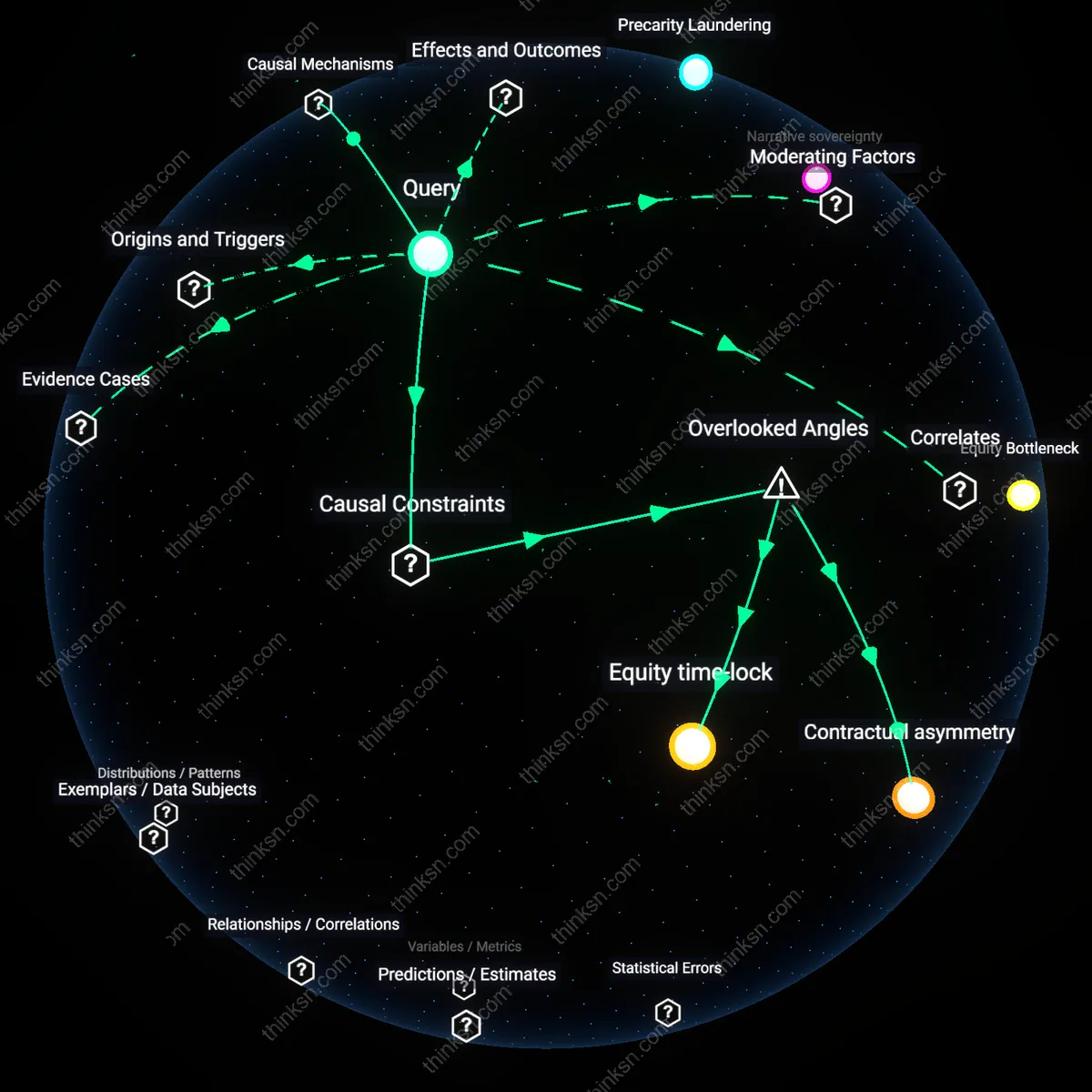
When one family member manages the pooled fund, others become reliant on that individual for access to capital, tax documentation, or emergency withdrawals, creating a structural dependency that limits autonomy. This bottleneck persists because alternative financial pathways—like independent brokerage accounts or direct inheritance—are often legally encumbered or emotionally fraught, especially when assets are locked in irrevocable trusts or joint ownership vehicles. While public discourse focuses on greed or favoritism, the deeper constraint is the absence of exit options; family members cannot act independently even if distrust emerges. The underappreciated reality is that power accumulates not through active manipulation but through the elimination of viable alternatives.
Narrative Monopoly
The central controller shapes the family’s shared understanding of financial goals, such as defining ‘long-term growth’ or ‘preservation of legacy,’ which in turn determines acceptable investment strategies and risk levels. This bottleneck exists because storytelling about wealth—why it exists, how it should behave, and who it serves—typically flows through a single authoritative voice, often the eldest or most financially literate member, whose framing drowns out counter-narratives. People intuitively link control to votes or signatures, but the real leverage lies in setting the ideological context for decisions. What’s rarely acknowledged is that dissent becomes incoherent when the language of critique must borrow the controller’s own definitions of success and responsibility.