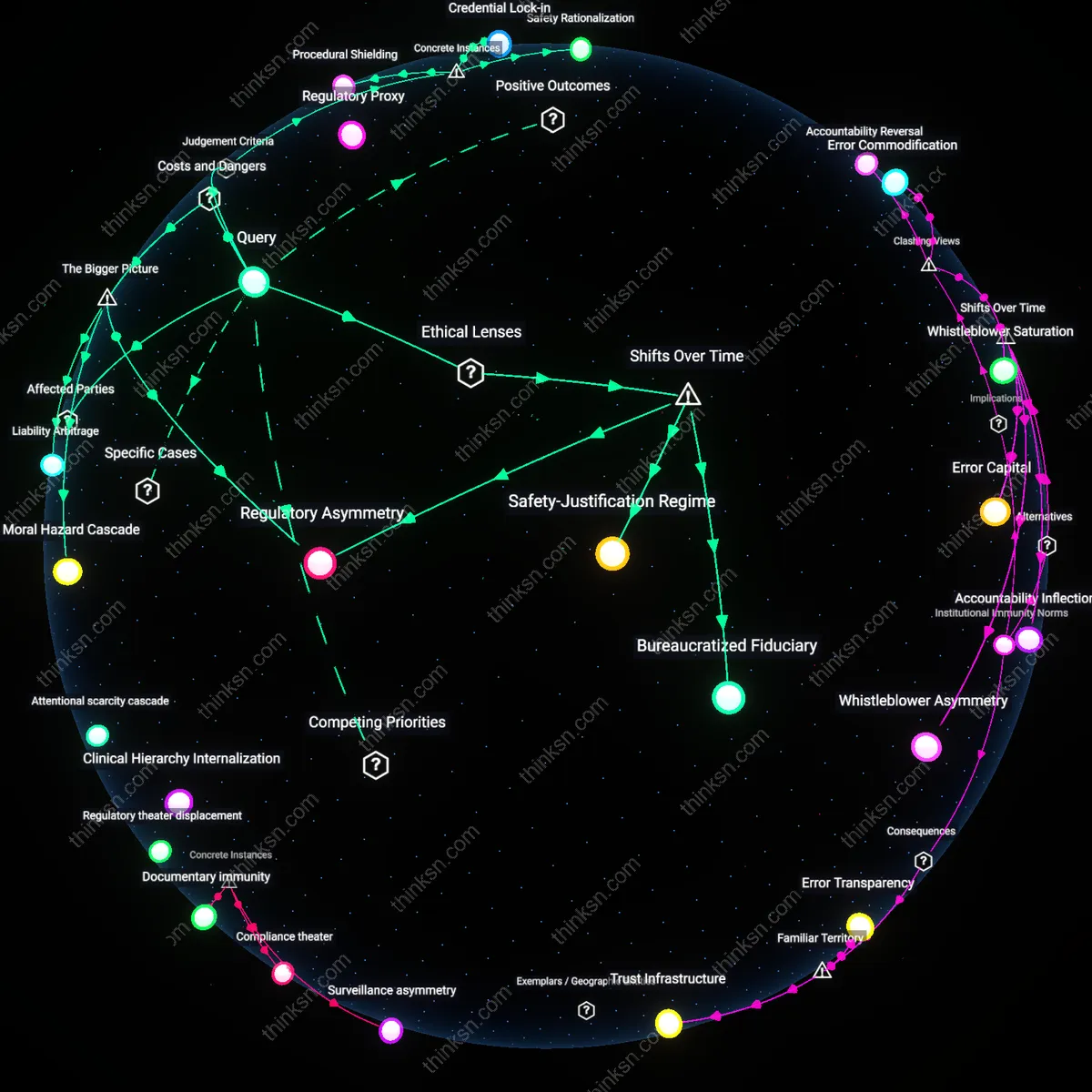
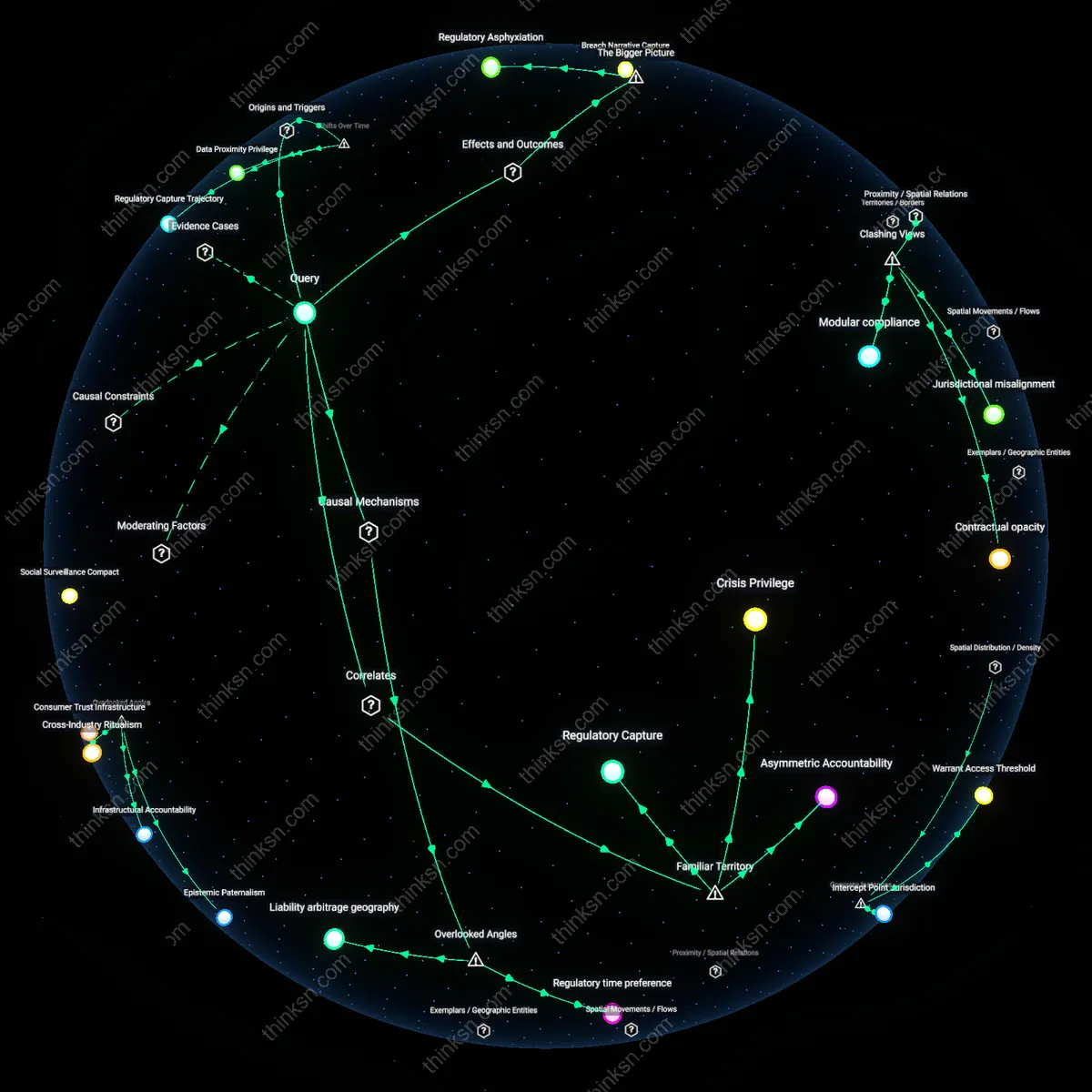
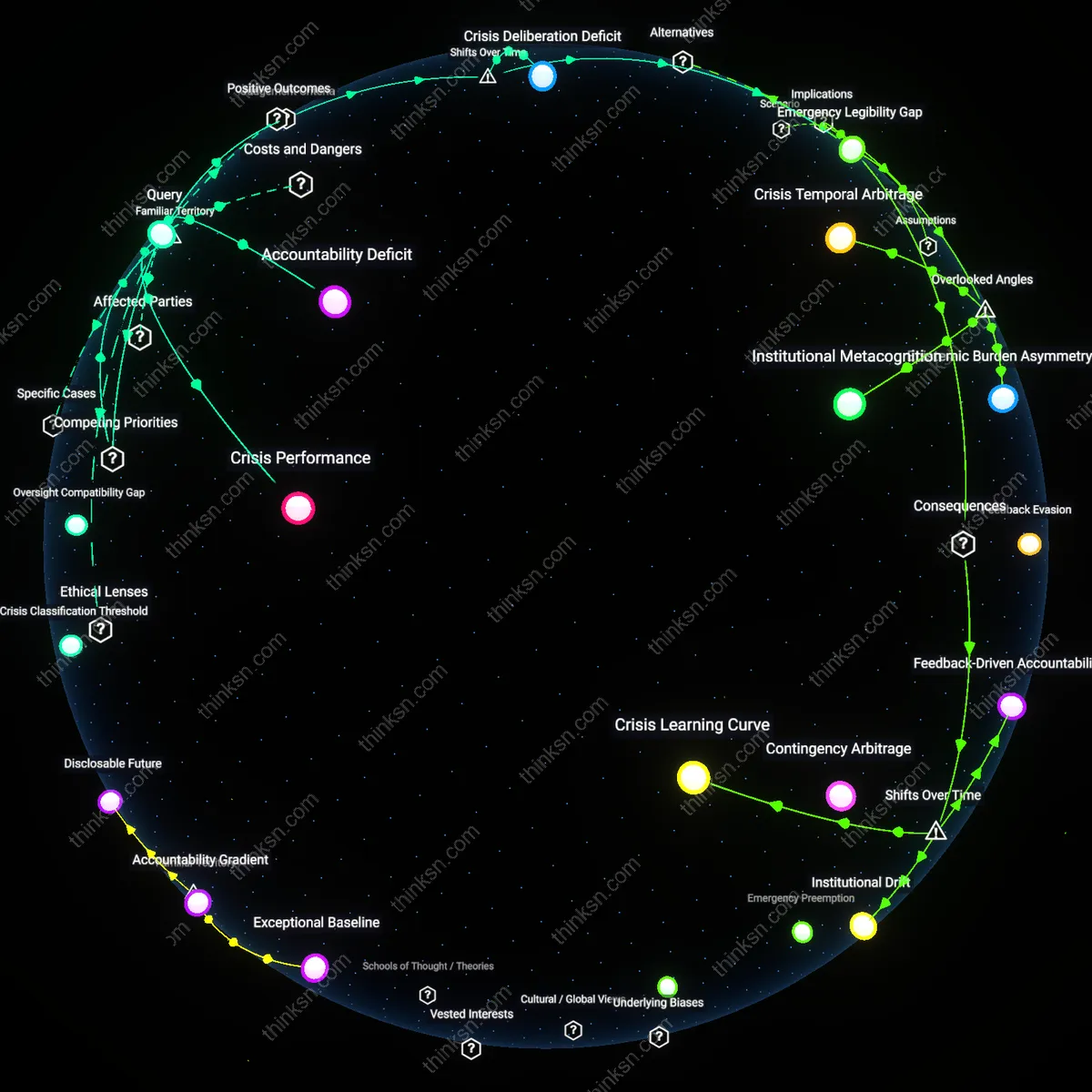
Regulatory Arbitrage Pathways
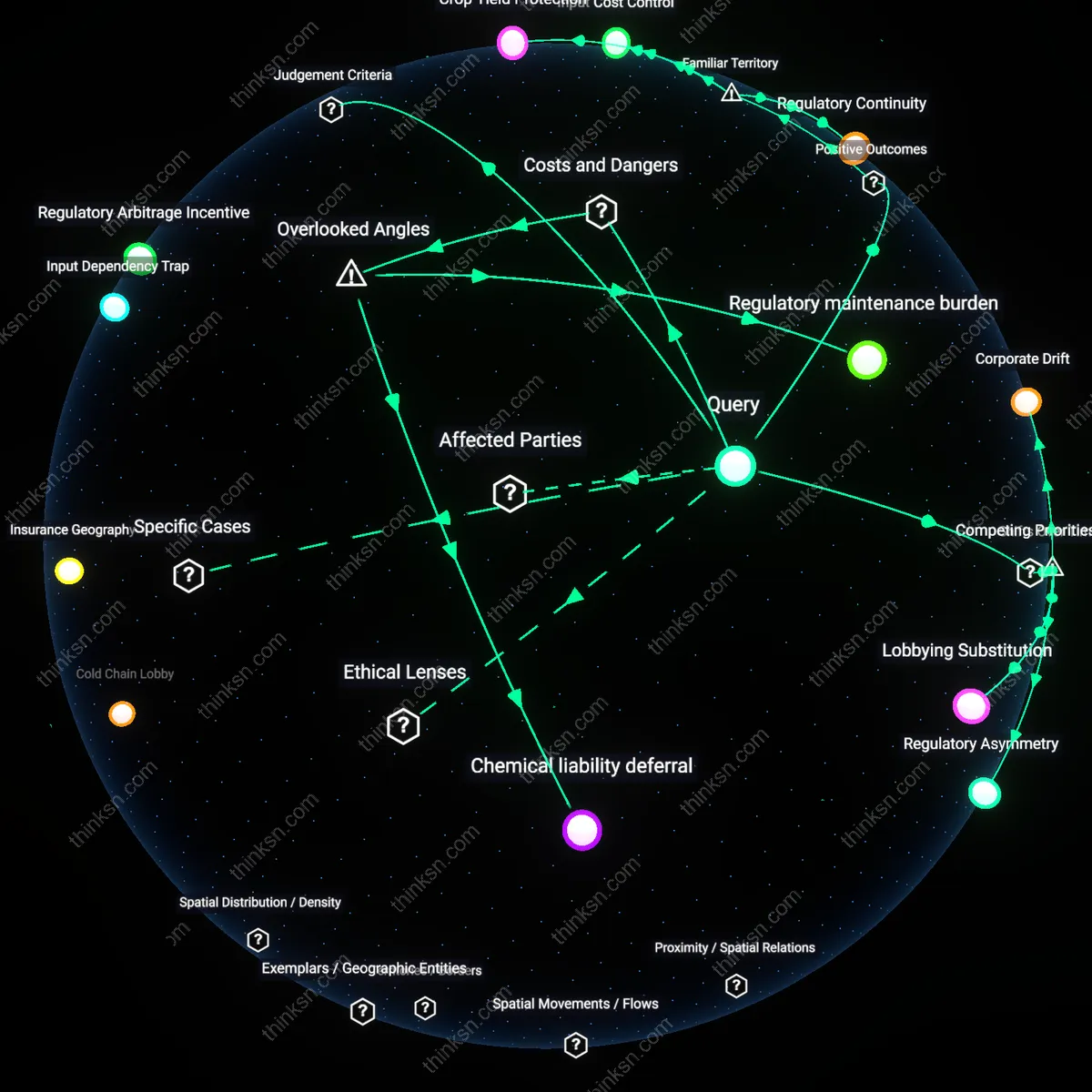
Delaying recalls in one country while accelerating them in another increases harm in the delayed region primarily because companies exploit asymmetries in regulatory enforcement capacity, not just public relations strategy. This occurs when firms use weaker monitoring infrastructure in less-resourced jurisdictions to legally postpone action, treating recall timing as a logistical optimization problem rather than an ethical one—such as delaying action in Southeast Asian markets while rapidly recalling in the EU following identical test failures at the same facility. The non-obvious insight is that harm emerges not from concealment per se, but from the systematic use of jurisdictional gaps as operational buffers, transforming regulatory diversity into a tactical delay mechanism that is both legal and damaging.
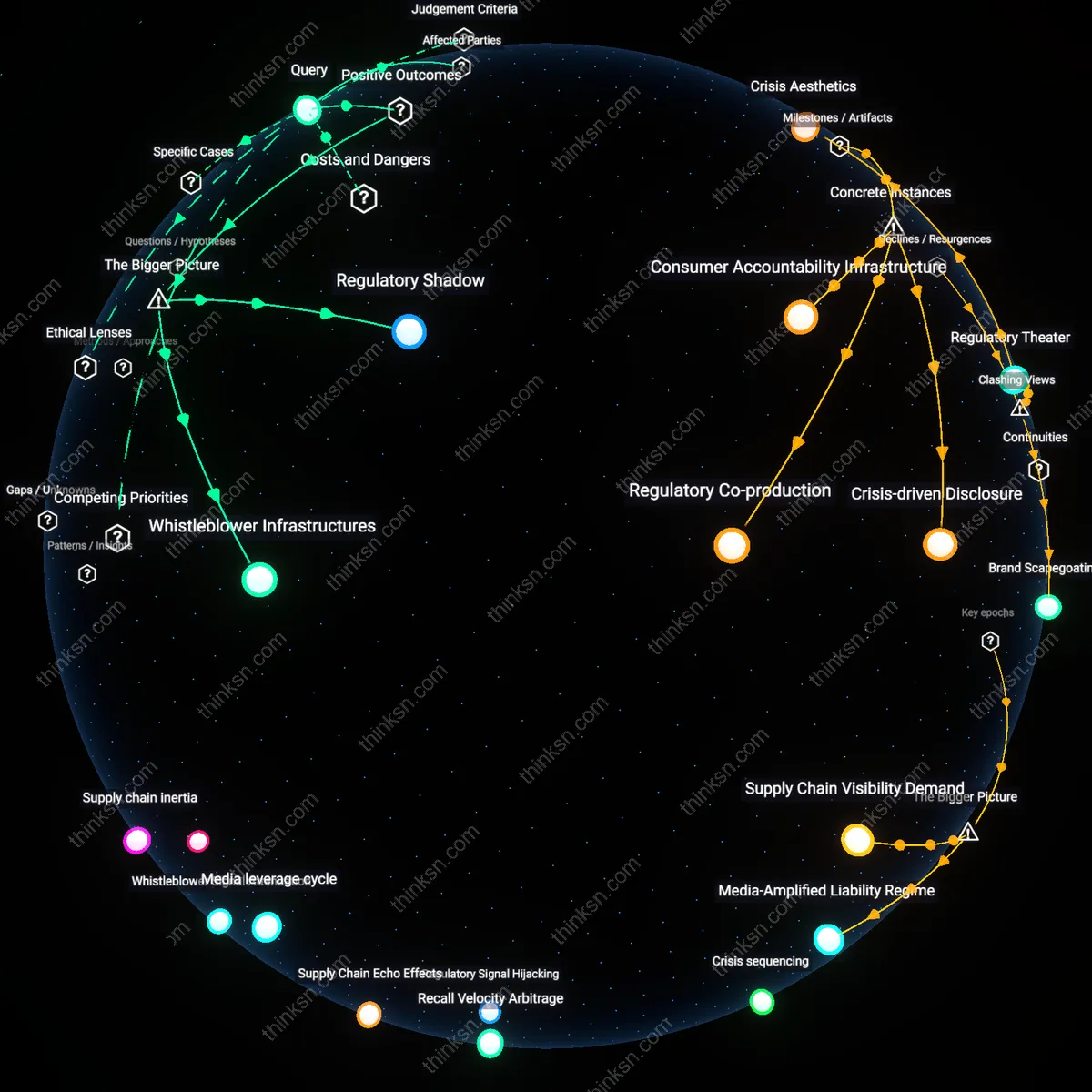
Supply Chain Echo Effects
Recall delays in one region amplify harm in seemingly unrelated markets due to cascading inventory redistribution, where unsold units from the delayed region are repurposed for adjacent or less-regulated markets instead of being destroyed. For instance, medical devices flagged for failure in Latin America may be rerouted to Caribbean nations via third-party distributors while awaiting official recall, expanding exposure under the radar. What is typically overlooked is that the original delay functions not as an isolated lapse but as a trigger for secondary dispersal loops embedded in global logistics networks—meaning the 'harm' extends beyond the initial population to unforeseen recipients through commercial salvage pathways.
Whistleblower Signal Attenuation
Delayed recalls correlate with elevated harm in the affected region because internal warnings from compliance or engineering staff are deprioritized when corporate strategy favors external media readiness over internal risk signals, especially when legal teams gatekeep disclosure protocols. For example, engineers at automotive suppliers have documented instances where field failure data from Canadian dealerships were archived without escalation because the recall playbook prioritized synchronization with U.S. media relations timelines. The underappreciated dynamic is that harm arises not merely from timing, but from the organizational dampening of early-warning signals when communication channels are hijacked by strategic messaging objectives, effectively silencing functional expertise in favor of brand-controlled narratives.
Regulatory asymmetry
Delayed recalls in one country while advancing corrective actions elsewhere became strategically viable only after the late 20th-century divergence in national regulatory enforcement capacities, particularly following the deregulatory waves in the U.S. and stricter post-crisis frameworks in the EU after the 1999 dioxin scandal in Belgium; this created a temporally staggered compliance landscape where multinational firms could prioritize media-containment markets over weaker regulatory jurisdictions. The mechanism operates through corporate legal teams exploiting jurisdictional gaps in mandatory reporting timelines, with harm materializing when products remain in circulation in countries lacking real-time adverse event surveillance—such as in parts of Latin America and Southeast Asia—while recalls proceed in North America or Europe. The non-obvious consequence of this shift is not mere delay, but the deliberate calibration of delay as a cost-risk variable, revealing how regulatory fragmentation has been internalized into corporate crisis logistics.
Information arbitrage
The practice of delaying recalls in one region while preparing media responses in another intensified only after the 2008 financial crisis, when corporate risk management systems began treating public reputation as a balance-sheet asset separable from product safety outcomes, marking a shift from pre-2000s integrated safety-communication models. Firms now exploit the lag between detection and public awareness—using digital monitoring tools to assess media volatility in high-visibility markets like Japan or Germany—while withholding action in regions like Eastern Europe or Africa where oversight bodies lack access to real-time consumer complaint databases. This dynamic transforms safety decisions into informational asymmetries, where harm emerges not from technical failure alone, but from the strategic monetization of delayed transparency. The underappreciated outcome of this trajectory is that recall timing is no longer a safety protocol, but a data-driven arbitrage between regulatory disclosure requirements and brand exposure risk.
Crisis sequencing
The differential rollout of recalls across borders became a formalized corporate tactic only after the early 2010s, when global supply chain platforms like SAP and Oracle integrated predictive analytics modules that allowed crisis managers to model regional media impact and assign priority tiers to markets based on reputational damage potential rather than health risk. This shift replaced the earlier, ethics-based recall consensus of the 1980s–90s—exemplified by Johnson & Johnson’s Tylenol response—with a staggered, sequence-optimized protocol that treats recall execution as a time-staged deployment, often leaving lower-income regions last in line. The mechanism functions through centralized corporate war rooms that use historical media resonance data to delay action in regions where coverage is less likely to reach global audiences, thereby increasing the duration of exposure in those areas. The critical, unexamined effect of this evolution is that harm is no longer an unintended externality but a systematically predicted and accepted outcome of algorithmic crisis choreography.
Reputational Shielding
Companies delay recalls in vulnerable markets to prioritize media-controlled rollouts in high-scrutiny regions, using predictable public outrage as a buffer to manage brand damage. This mechanism operates through global PR teams who treat regulatory environments asymmetrically, calculating that delayed action in less litigious or monitored jurisdictions reduces immediate backlash. What's underappreciated is that this isn't just cost avoidance—it's a deliberate sequencing strategy where the 'symptom' of delayed recall is not a failure but an execution of crisis choreography familiar from consumer tech and automotive scandals.
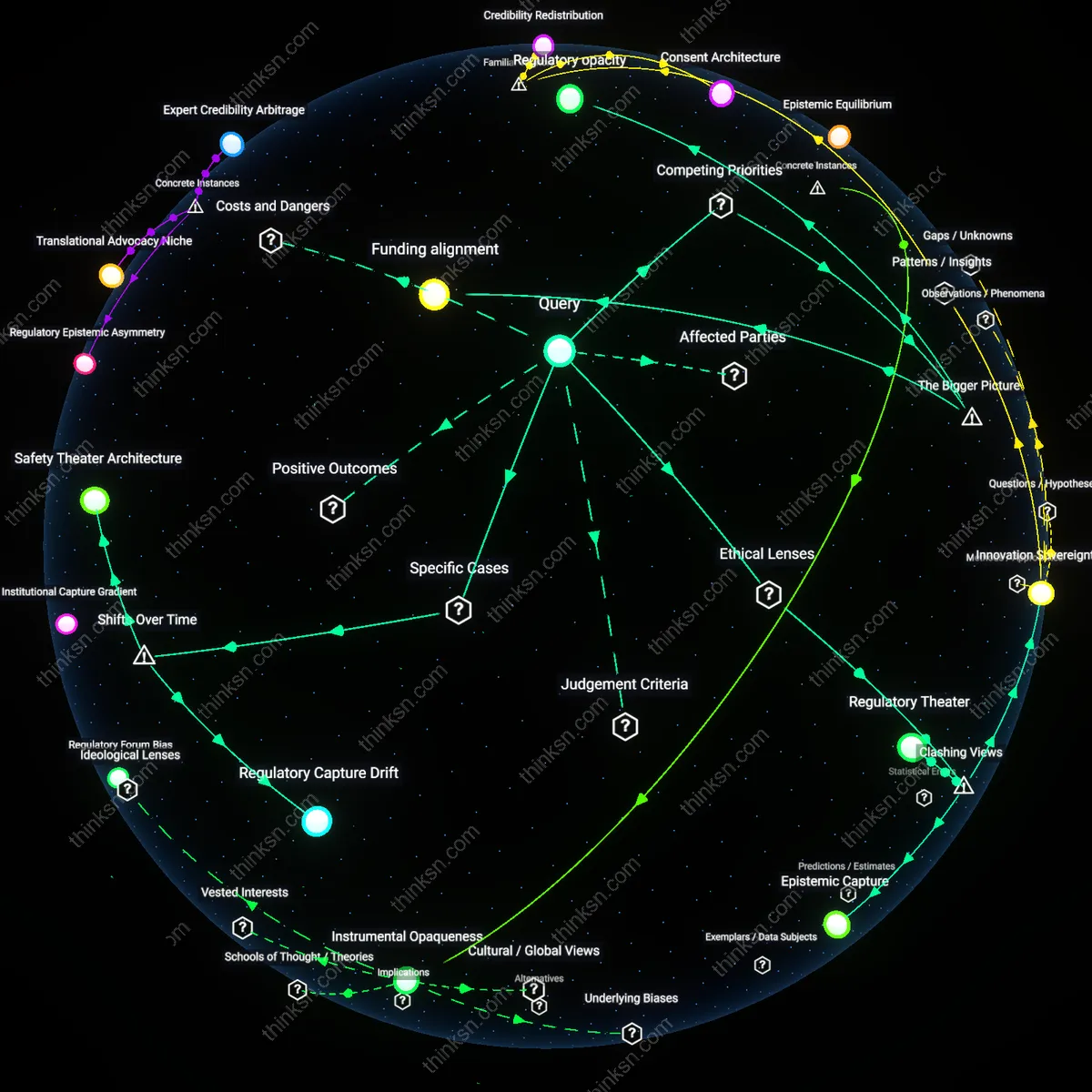
Regulatory Arbitrage Pathway
Regulatory variation enables companies to legally defer recalls in countries with weaker oversight while meeting mandatory timelines in stricter ones, creating a staggered response that appears strategic rather than negligent. This occurs through compliance departments treating safety actions as jurisdictional obligations rather than ethical imperatives, leveraging gaps between FDA, EU RAPEX, and emerging-market frameworks. The non-obvious insight is that harm in the delayed region is less a byproduct than an accepted variable in a system where adherence to law is mistaken for fulfillment of duty, a logic well-known in pharmaceutical and infant formula controversies.
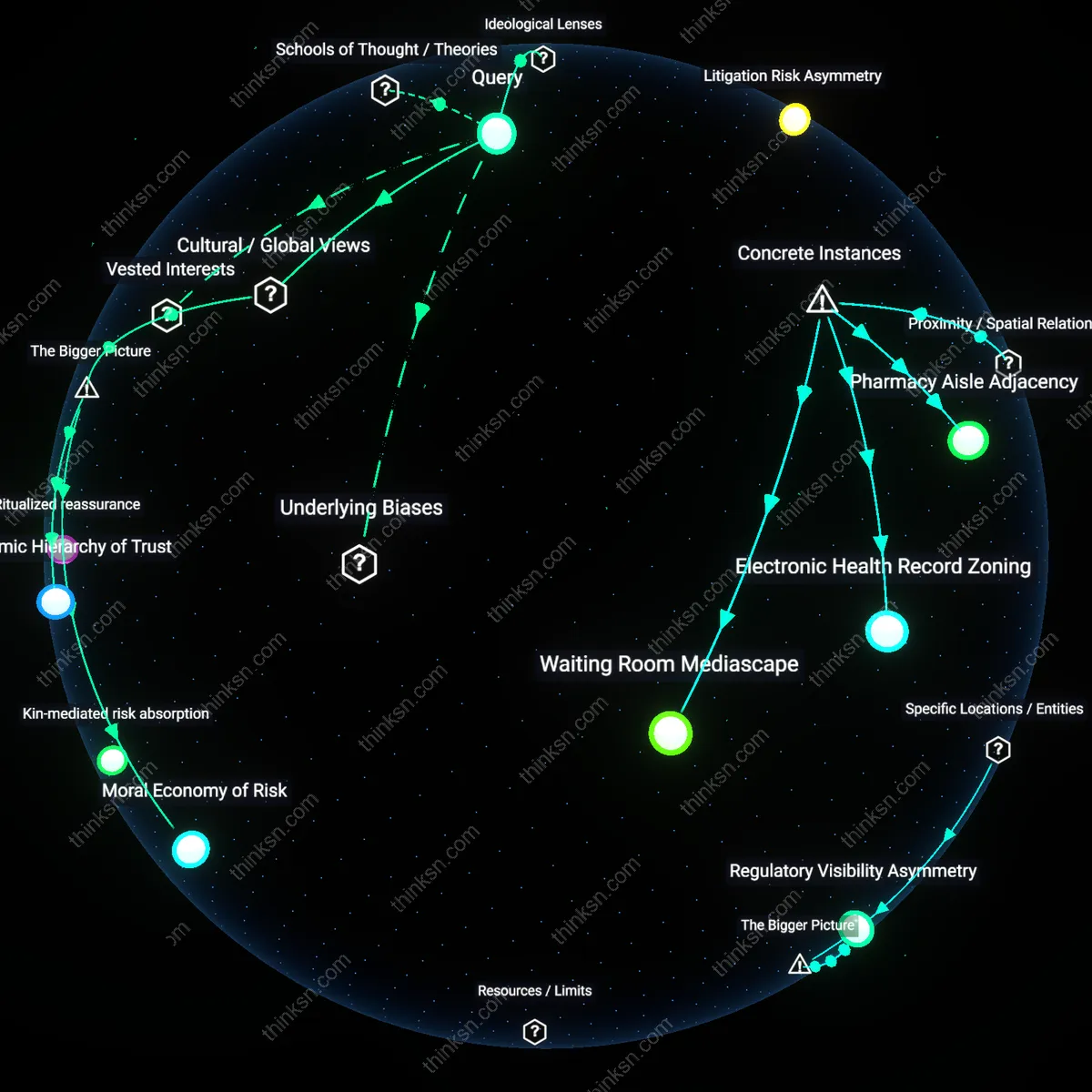
Blame Deferral Pattern
Organizations delay recalls in certain regions to shift responsibility toward local distributors, health authorities, or consumer reporting systems, betting that harm will emerge too slowly to trace back to corporate inaction. This functions through contractual segmentation and liability insulation common in multinational supply chains, particularly in agritech and durable goods sectors. What’s overlooked is that this isn't primarily about information asymmetry—it’s about structuring accountability so that no single actor appears causally dominant, mirroring public reactions seen in battery fire incidents and contaminated supplement cases.
Asymmetric Risk Calibration
Mandatory recall synchronization across jurisdictions prevents localized harm escalation, as demonstrated when Toyota delayed U.S. pedal entrapment recalls while fast-tracking repairs in Canada following Transport Canada’s 2009 accident investigations, which revealed identical mechanical failures but divergent regulatory urgency, exposing a risk calibration gap where regulatory arbitrage incentivizes staggered responses that increase downstream physical risk in slower-moving regions.
Regulatory Signal Hijacking
Independent monitoring bodies with legally binding cross-border authority can interrupt corporate delay tactics, evidenced when the European Commission’s RAPEX system forced Volkswagen’s 2015 diesel emissions recall acceleration in Eastern Europe after German regulators deferred action, revealing that localized political shielding of domestic firms can be circumvented when external actors weaponize transparency as a compliance trigger.
Recall Velocity Arbitrage
Real-time telemetry mandates eliminate window-of-risk exploitation, as seen when Tesla’s delayed 2022 Autopilot disengagement recall in Australia — where media scrutiny was low compared to concurrent U.S. Senate hearings — allowed 47 additional near-miss events logged by internal vehicle sensors, proving that companies leverage information asymmetry in regions with outdated mechanical inspection regimes, and that embedded diagnostics can compress response lag to zero.
Media leverage cycle
Delaying recalls in one region while preparing for media exposure in another increases the likelihood of harm because public relations strategies in high-visibility markets are used to shape global narratives before addressing safety failures locally. Companies prioritize markets where media scrutiny can rapidly escalate reputational damage, effectively treating transparency as a damage-control resource rather than a safety imperative. This dynamic reveals how the timing of disclosures is less about risk mitigation and more about controlling perception, with harm in delayed regions becoming collateral in a broader narrative management strategy driven by investor and consumer reactions in media-dense economies.
Supply chain inertia
Actual harm often results from recall delays because the physical and logistical rigidity of regional distribution networks prevents rapid containment, especially when central inventory systems are optimized for cost rather than responsiveness. Even if a recall is initiated, products already en route or sitting in retail channels in the delayed region continue to circulate due to contractual pressures, warehousing logics, and distributor resistance to absorbing losses. The overlooked mechanism is that harm arises not solely from executive choice but from embedded operational constraints—where safety decisions bump against just-in-time logistics and franchise dependencies that make withdrawal slower than exposure.