Are Daily Glucose Logs Worth the Time for Better Insulin Control?
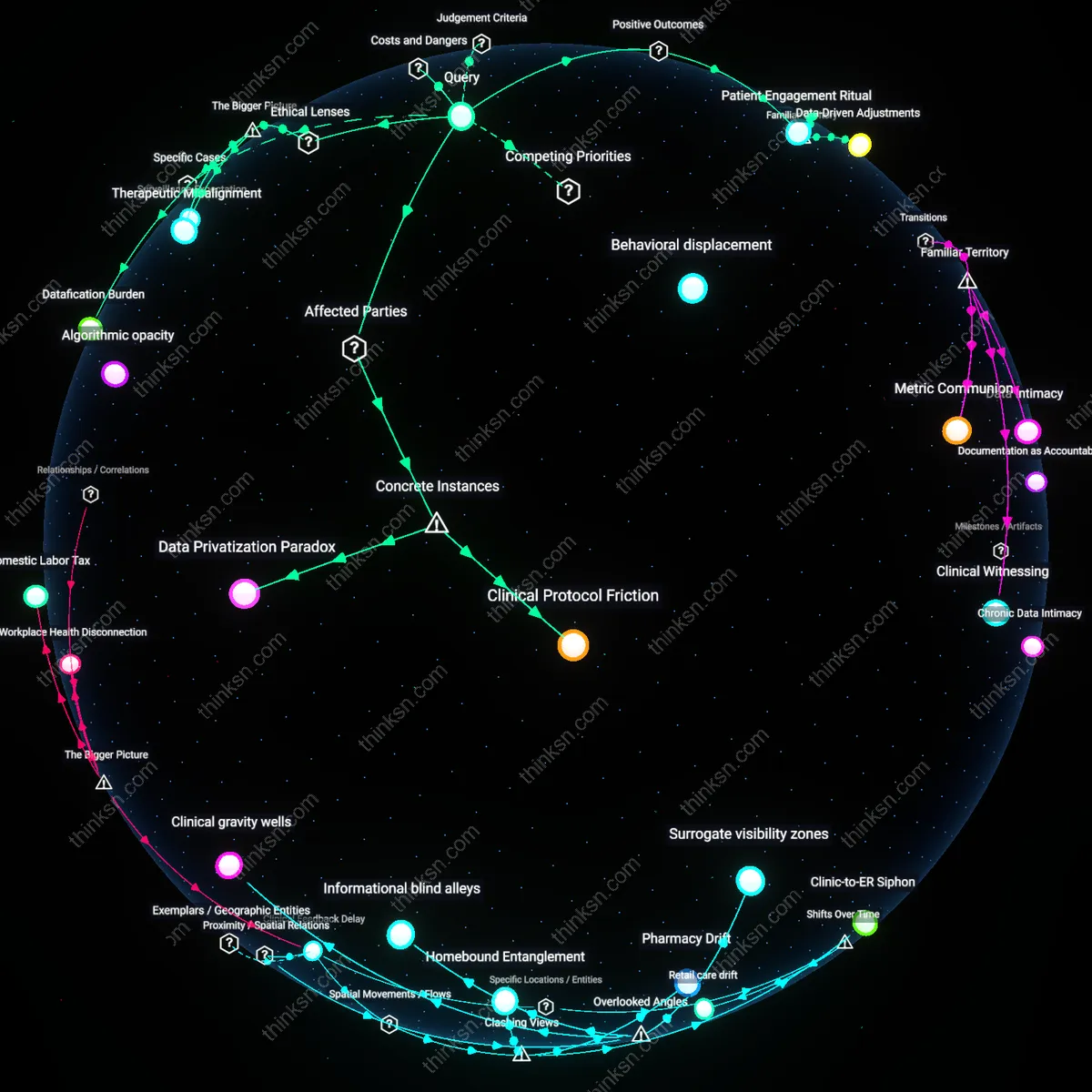
Analysis reveals 12 key thematic connections.
Key Findings
Therapeutic Burden Aversion
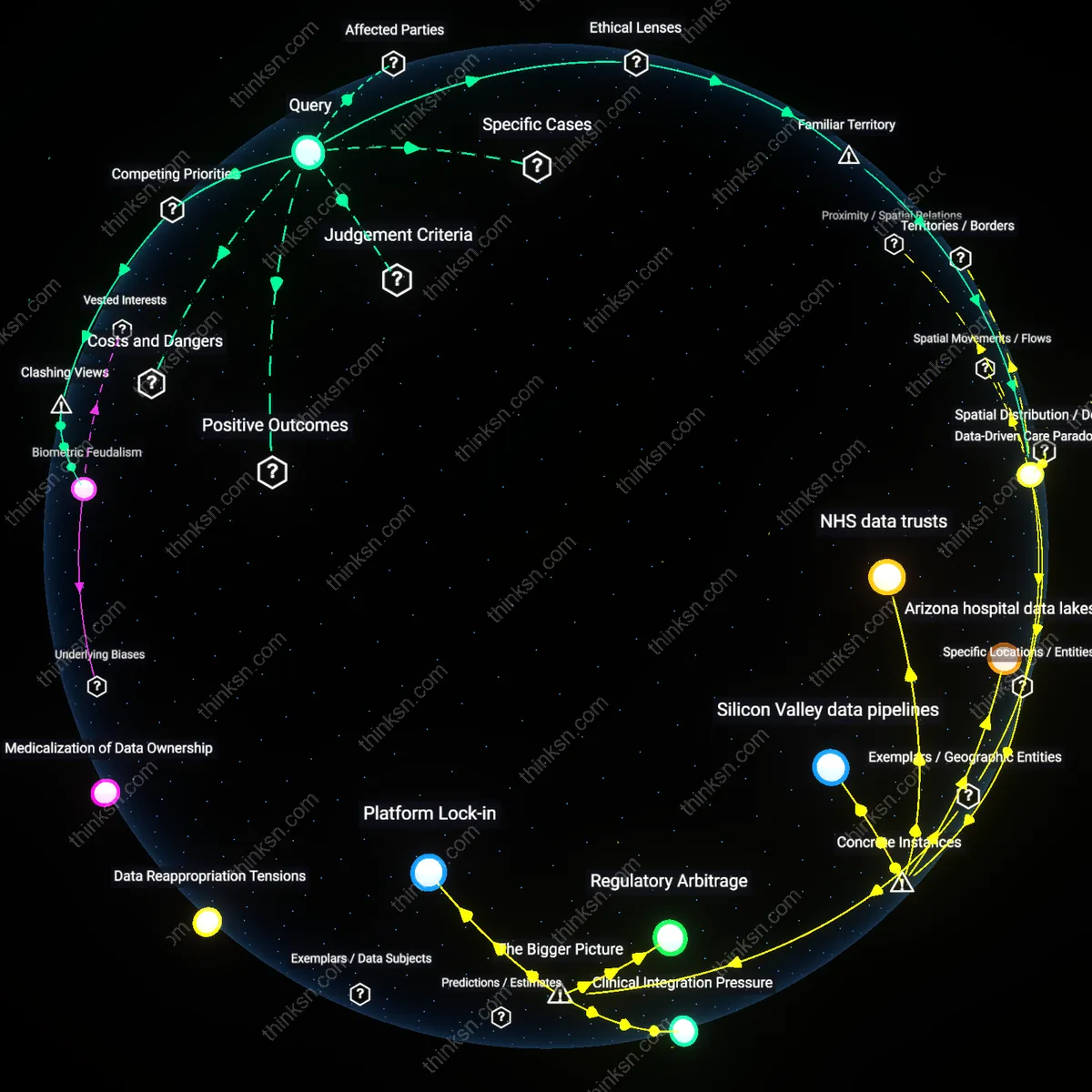
For patients with type 1 diabetes in low-resource clinics in rural India, the daily requirement to log glucose levels in paper diaries often leads to non-compliance not due to negligence but because the time burden directly competes with subsistence labor and care responsibilities, undermining the intended optimization of insulin therapy which assumes consistent adherence; this dynamic reveals that even clinically effective protocols fail when their operational demands conflict with the economic realities of the patient population, a phenomenon particularly visible in the failed rollout of structured self-monitoring programs by the All India Institute of Medical Sciences in 2018–2019.
Clinical Protocol Friction
At the Joslin Diabetes Center in Boston between 2010 and 2015, clinicians observed that patients using continuous glucose monitors still submitted manual logs for insulin adjustments despite real-time data access, revealing that institutional workflows prioritized physician-reviewed paper records over integrated digital analytics, thus maintaining the time burden without enhancing outcomes; this misalignment between available technology and entrenched clinical rituals exposed how organizational inertia in major care centers can preserve inefficient practices under the guise of therapeutic precision.
Data Privatization Paradox
When Eli Lilly’s 2017 pilot of the Dose Adjustment for Normal Eating (DAFNE) program in Northern England included mandatory glucose logging linked to digital insulin calculators, patient-generated data remained siloed within proprietary platforms inaccessible to public health researchers, preventing systemic optimization despite individual benefits, thereby showing that the burden of logging becomes socially unjustifiable when the resulting data is withheld from broader clinical learning; this case illustrates how commercial platforms privatize patient effort while restricting collective therapeutic advancement.
Data-Driven Adjustments
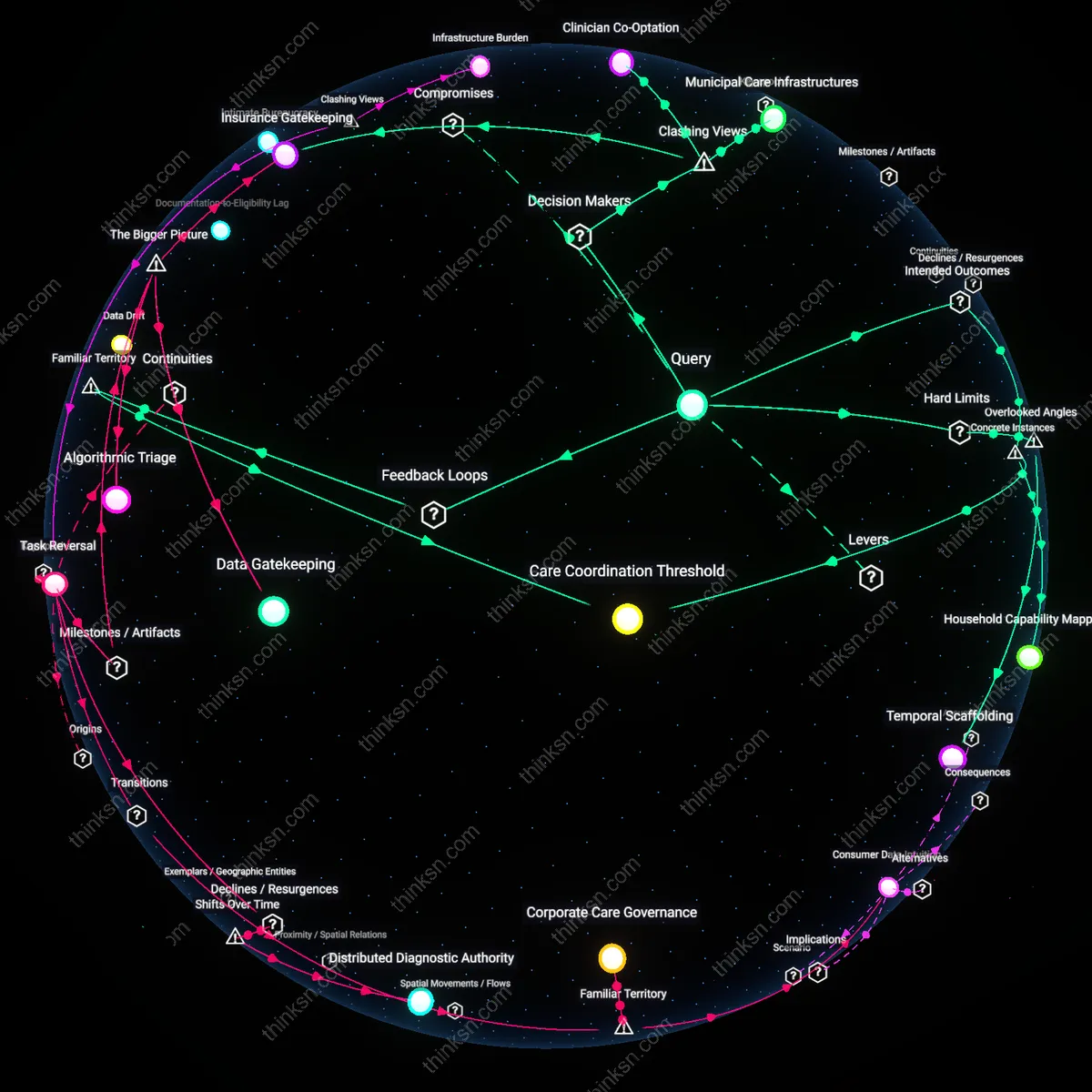
Daily glucose logs enable precise insulin dose refinements by revealing patterns in blood sugar fluctuations, which clinicians use during routine diabetes management visits to tailor therapy. This occurs through the longitudinal aggregation of patient-self-reported glycemic values that, when reviewed by endocrinologists at outpatient clinics, expose otherwise invisible trends—such as postprandial spikes or nocturnal dips—triggering targeted protocol changes. What is underappreciated in public discourse is that the clinical utility does not stem from individual log entries but from the statistical coherence of repeated, time-stamped observations across weeks.
Patient Engagement Ritual
Maintaining daily glucose logs strengthens patient adherence to insulin regimens by embedding routine self-monitoring into the lived experience of diabetes care, reinforcing a sense of personal control over the disease. This works through the behavioral scaffolding of daily logging—performed at home using glucometers or CGMs—which transforms abstract medical directives into tangible, time-bound actions centered around meals, sleep, and medication. The non-obvious insight is that the clinical benefit often arises less from data accuracy and more from the ritual’s role in sustaining therapeutic attention and reducing psychological drift from prescribed routines.
Clinical Trust Anchor
Glucose logs serve as a shared reference point between patients and providers during consultations, grounding treatment decisions in mutually observed evidence and fostering collaborative decision-making in primary care settings. This dynamic operates through the logbook’s function as an objective artifact—often a paper diary or app-generated report—reviewed side-by-side during office visits, aligning subjective symptoms with quantifiable trends. What goes unspoken is that the log often acts less as a clinical optimization tool and more as a trust-building device, legitimizing patient experiences and stabilizing the therapeutic relationship even when data quality is inconsistent.
Data fatigue
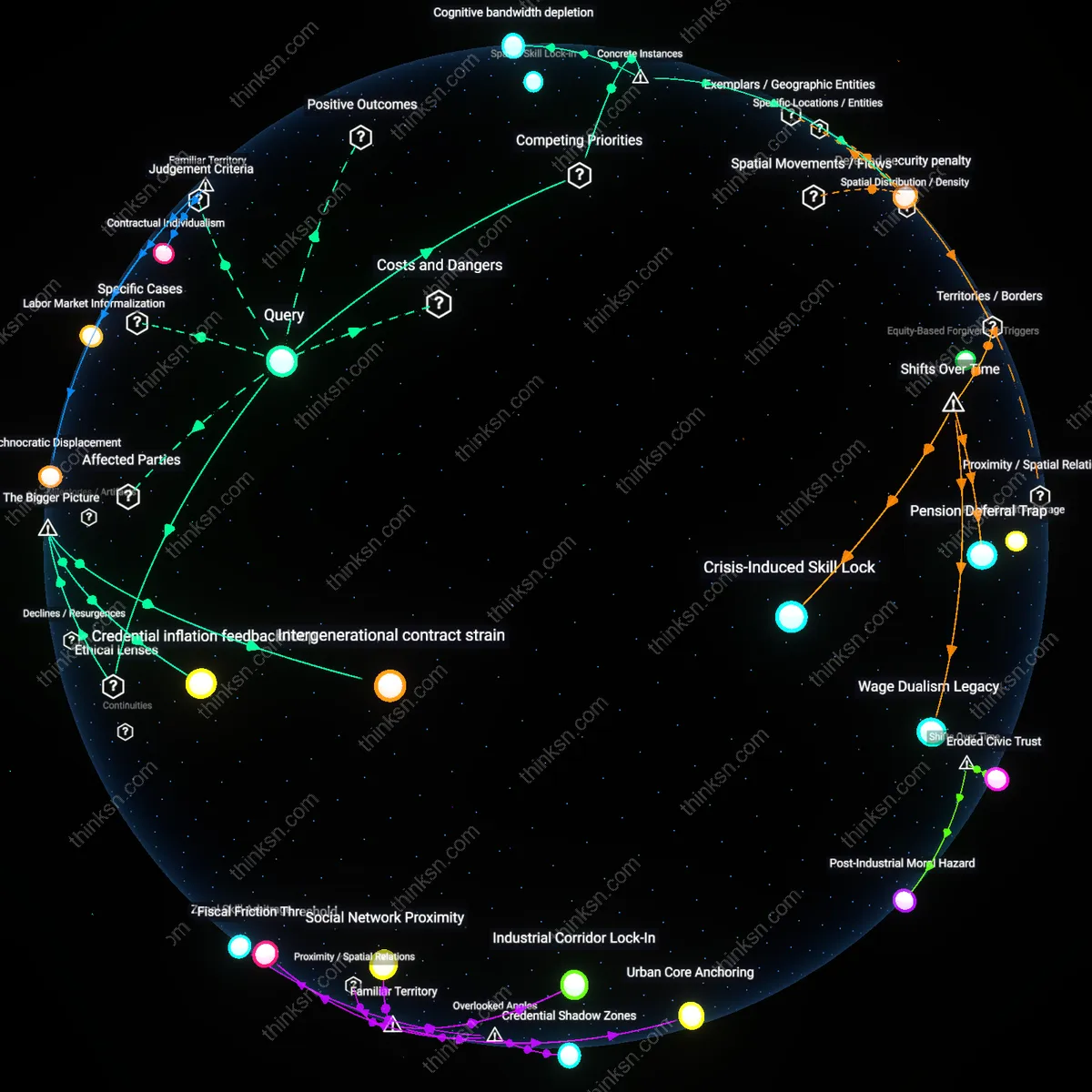
Daily glucose logging induces data fatigue that degrades clinical decision-making over time. Patients and clinicians alike become desensitized to recurring patterns in glucose logs, mistaking frequency of data for quality of insight, which leads to therapeutic inertia even when trends are statistically evident. This dynamic operates most strongly in primary care settings where providers have limited time to interpret logs and rely on summary metrics that obscure actionable deviations. The non-obvious risk is not inaccuracy of data but its overproduction—flooding cognitive bandwidth without increasing signal clarity, ultimately undermining the very optimization it was meant to support.
Behavioral displacement
The ritual of logging glucose displaces more effective self-management behaviors by misaligning effort with outcome. Patients invest cognitive and emotional energy into meticulous record-keeping, often prioritizing log completion over timely corrective actions like adjusting food intake or administering insulin. This occurs especially in adolescents and elderly patients, where compliance is equated with clinical value, reinforcing performative adherence rather than physiological stability. The overlooked mechanism is that the act of logging becomes the goal, subverting the intended purpose of therapy optimization—making the log a surrogate for health, not a tool toward it.
Algorithmic opacity
Glucose logs generate data that appear transparent but are structurally opaque to algorithmic integration in real-world clinical workflows. Despite their numerical precision, these logs resist standardization across devices, patient interpretations, and clinic EMR systems, creating siloed data fragments that cannot be parsed by decision-support algorithms. This opacity prevents automation of insulin titration recommendations even in systems with AI infrastructure, forcing reliance on clinician pattern recognition that is both inconsistent and time-intensive. The hidden cost is not the logging time itself, but the stranded potential for scalable, data-driven therapy adjustments that never materialize due to systemic incompatibility.
Datafication Burden
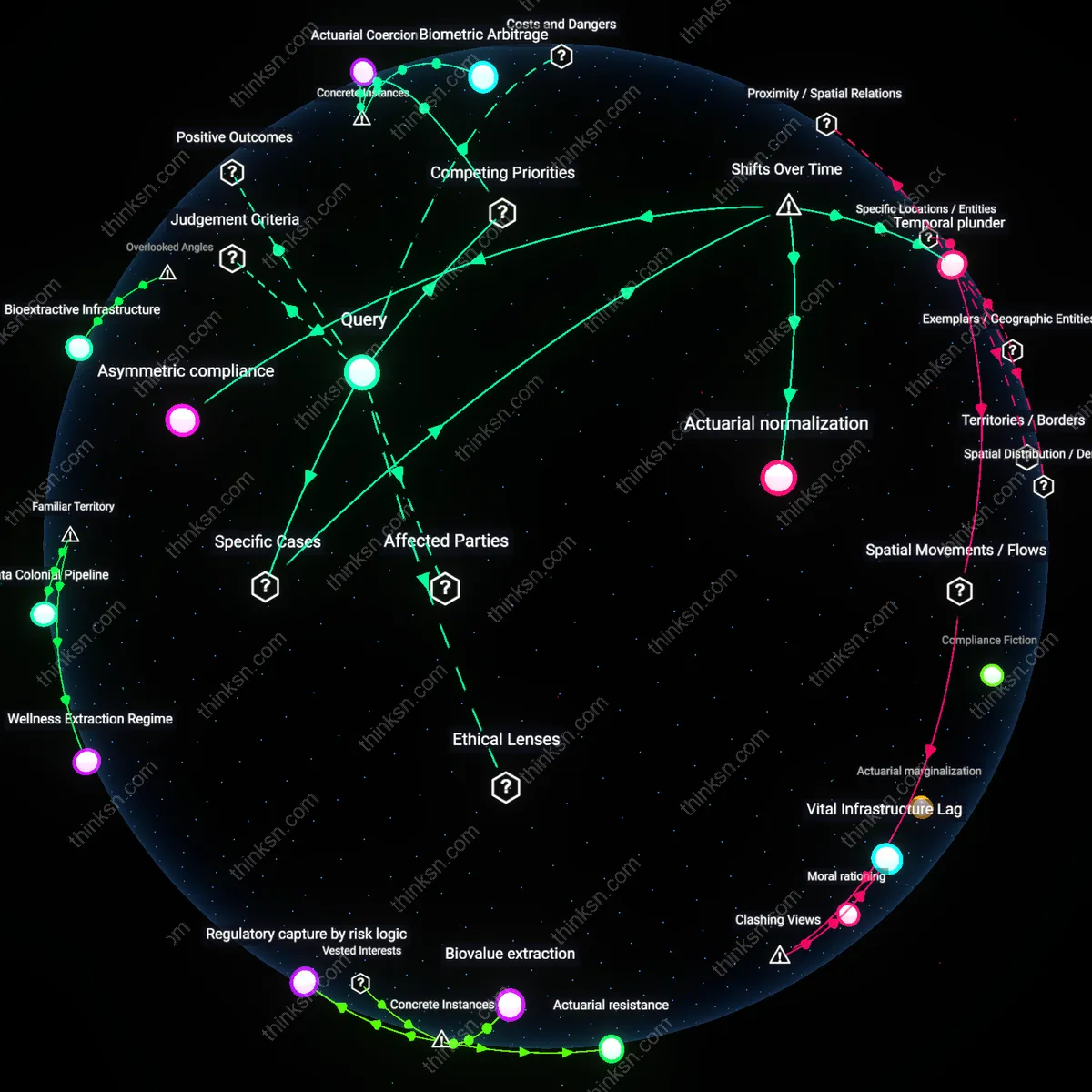
No, the time burden of maintaining daily glucose logs is not justified because it externalizes clinical labor onto patients under neoliberal health governance, where cost-containment policies shift monitoring responsibilities from institutions to individuals; this dynamic is enforced through HMO reimbursement models that reward reduced physician time but amplify patient workload, obscuring how administrative efficiency corrodes equitable care access. The non-obvious consequence is that compliance becomes a proxy for responsibility, pathologizing those unable to sustain logging due to socioeconomic constraint.
Therapeutic Misalignment
No, the clinical value of daily glucose logs does not justify their burden because insulin optimization remains anchored in population-level pharmacokinetic models that poorly map onto individual metabolic variability, perpetuating a utilitarian standard of 'average' control that overlooks idiosyncratic responses; this misalignment is structurally reinforced by FDA trial design protocols that prioritize statistical significance over personalized dynamics. The overlooked reality is that precise logging feeds an algorithmic ideal that cannot resolve the biological noise it presumes to eliminate.
Surveillance Expectation
Yes, the burden is clinically justified not for its metabolic outcomes but because it instills a Foucaultian disciplinary consciousness, where continuous self-monitoring becomes a precondition for therapeutic legitimacy within biomedical authority structures; this expectation is institutionally sustained by endocrinologists who withhold insulin dose adjustments without log adherence, treating documentation as moral proof of self-governance. What remains hidden is that the log functions less as a medical tool than as a ritual of patient subjection to clinical surveillance.