Is Consulting Worth the Side Hustle When Promotions Stall?
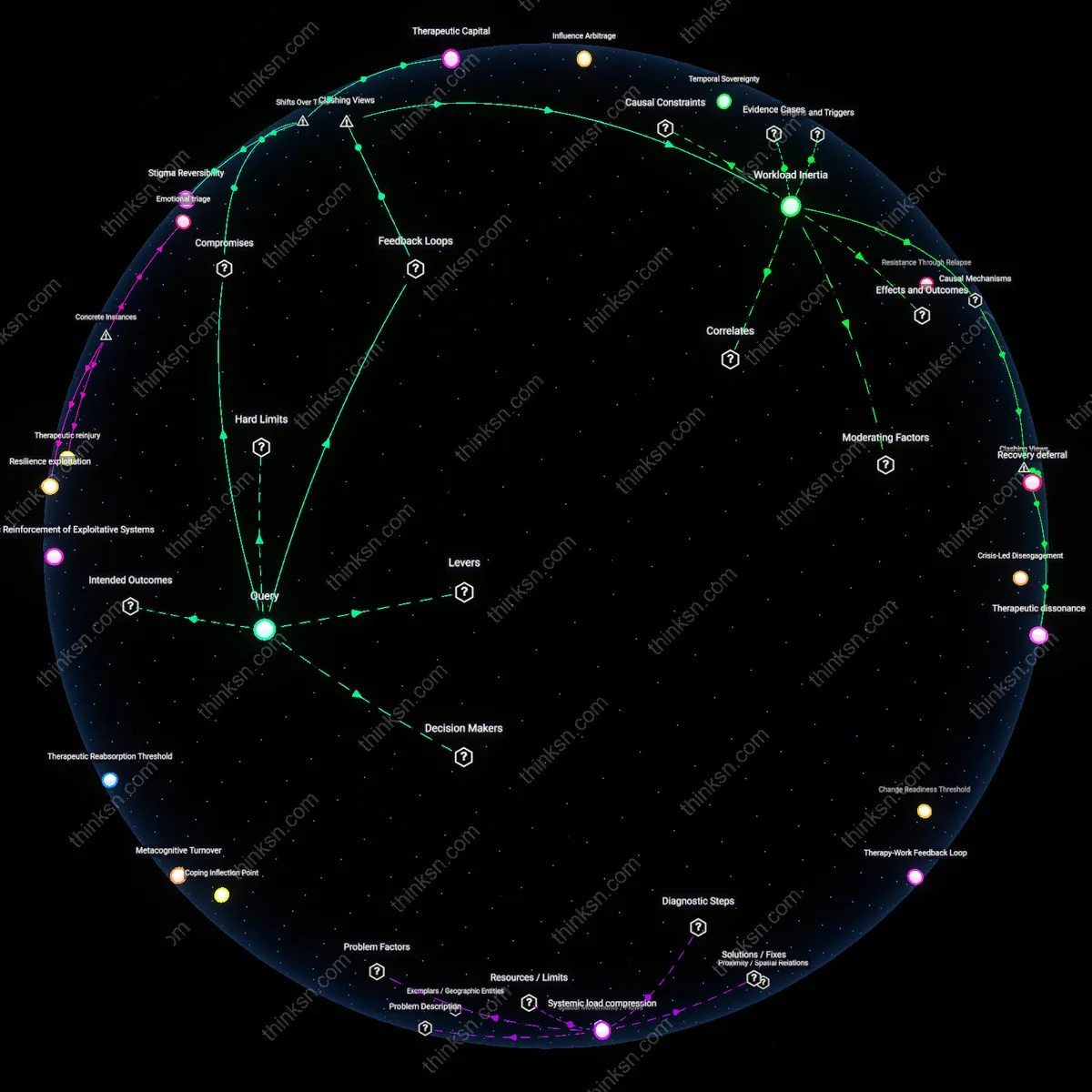
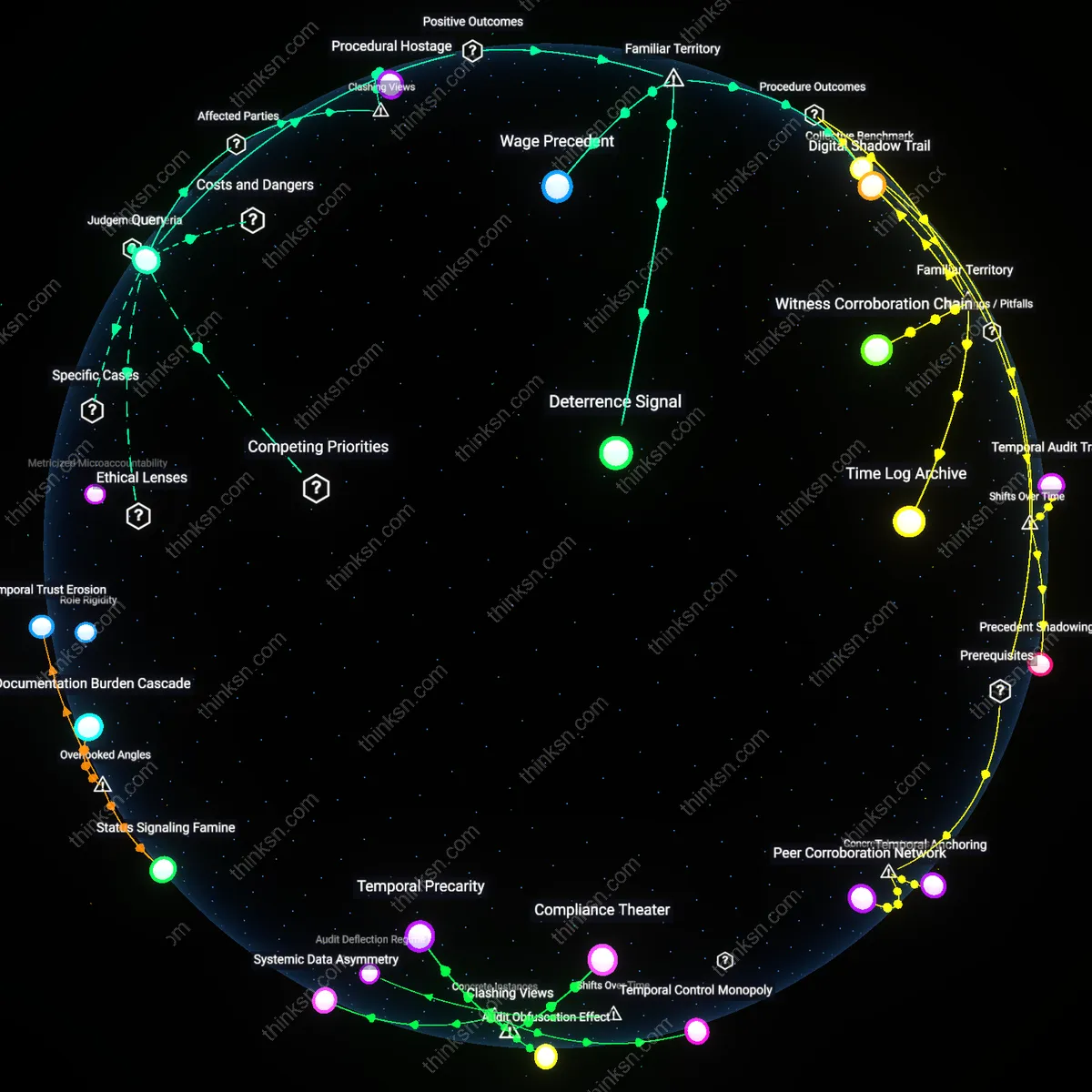
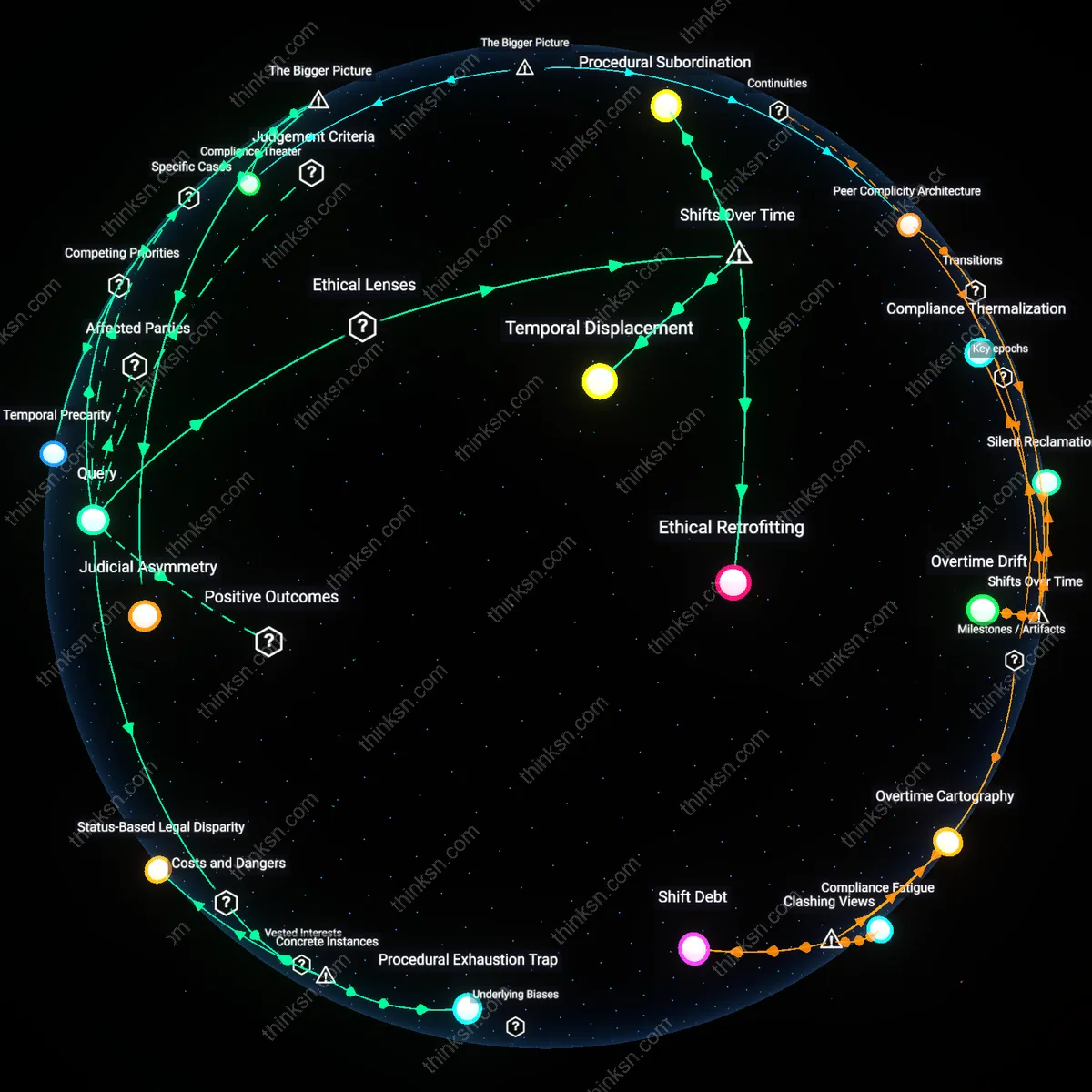
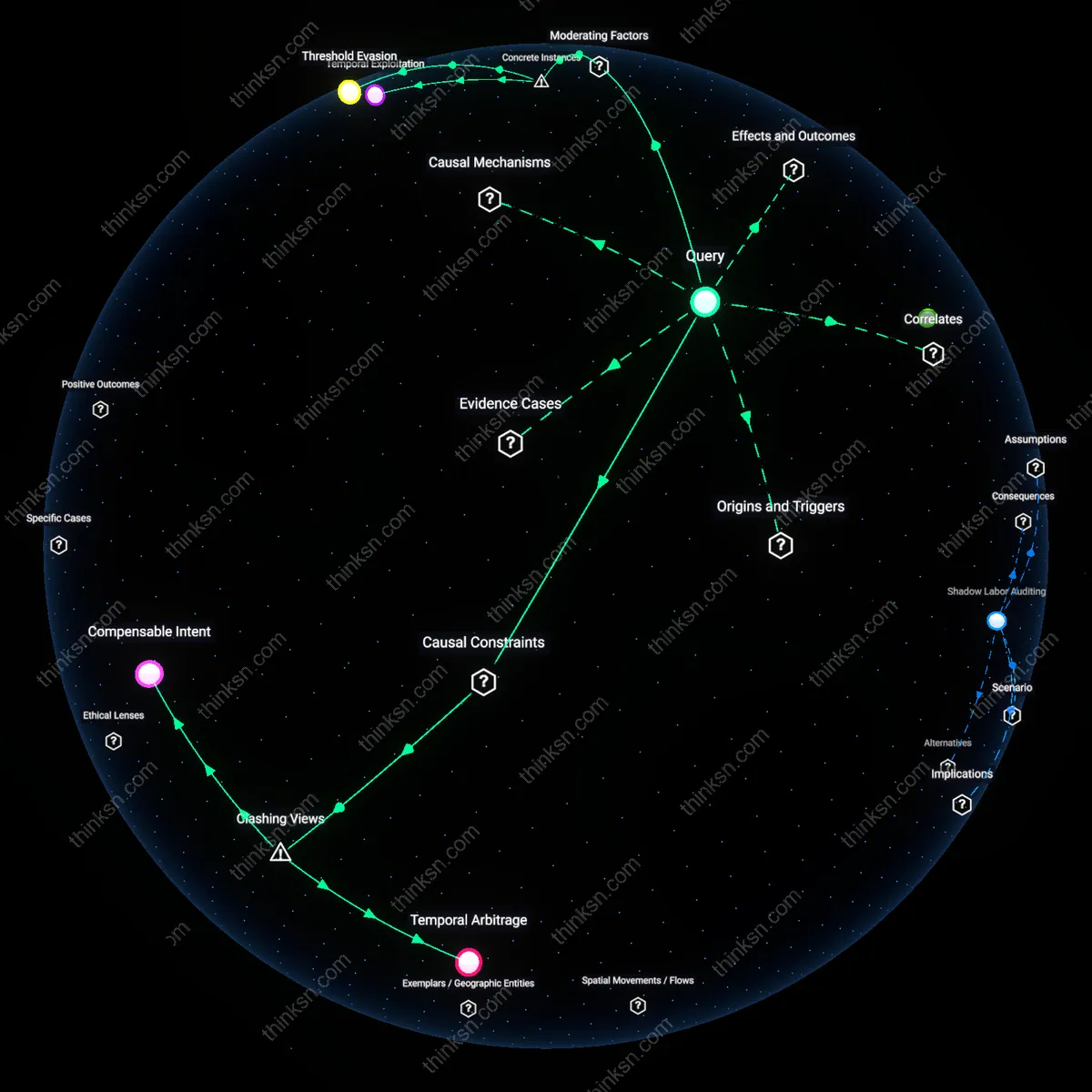
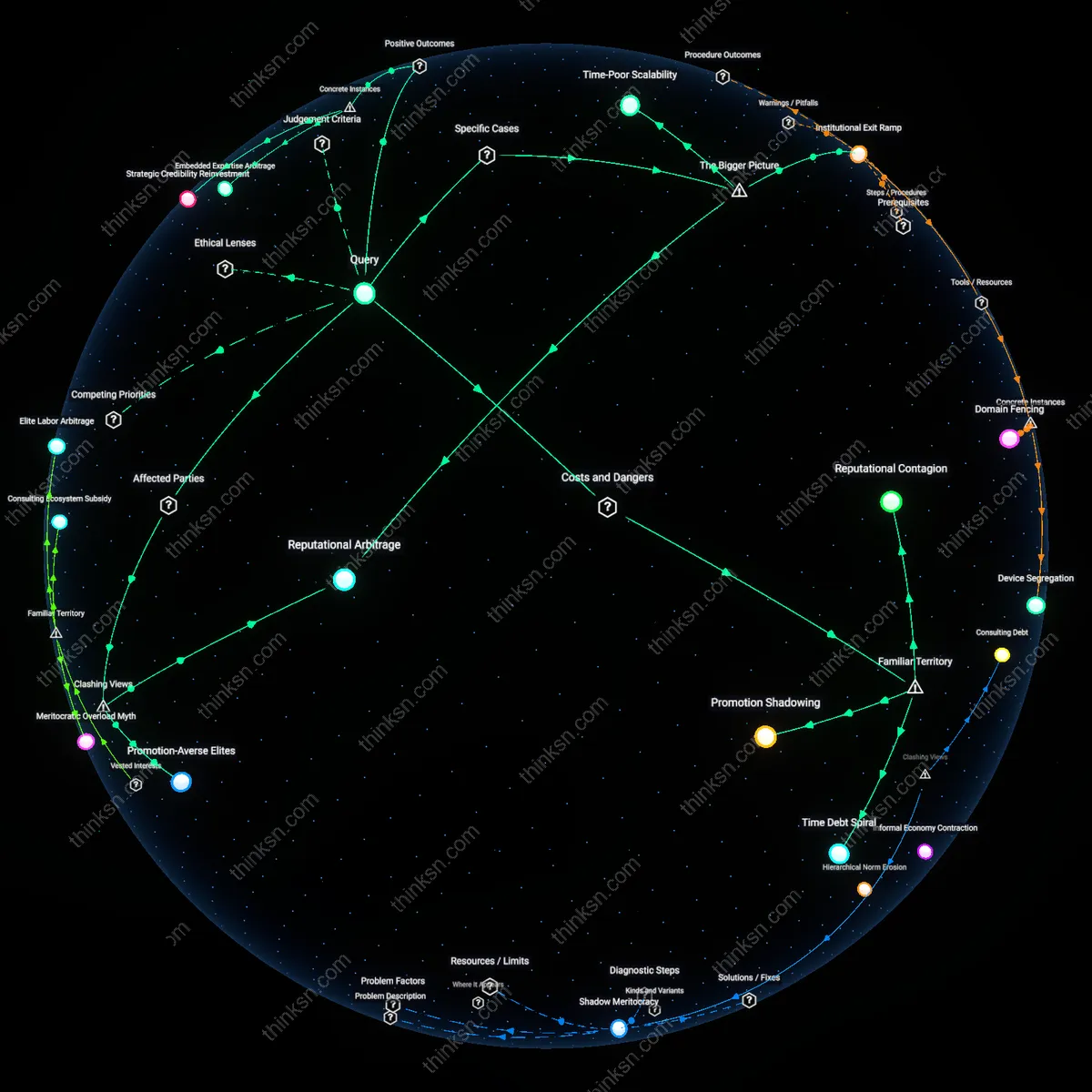
Analysis reveals 11 key thematic connections.
Key Findings
Promotion-Averse Elites
No, a consulting side-gig entrenches the promotion ceiling by allowing senior managers in regulated industries like banking or healthcare to outsource accountability without ceding authority. These executives delegate high-visibility projects to credentialed external consultants while retaining formal decision rights, using the side-gig as a covert extension of their influence—this dynamic preserves hierarchy under the guise of external expertise, making structural mobility even less likely. The non-obvious outcome is that consultants become instruments of suppression, not escape, for mid-level professionals seeking advancement.
Reputational Arbitrage
Yes, a consulting side-gig functions not as career transition but as reputational arbitrage, enabling professionals in fields like law or academia to convert institutional credibility into freelance influence without visible departure. By operating under personal brands while maintaining affiliation with established firms or universities, individuals exploit perception gaps between organizations that validate status and clients who purchase autonomy—this mechanism bypasses the need for promotion by allowing stealth market positioning. The dissonance lies in the fact that loyalty is preserved in form but hollowed out in function, making the side-gig a tool of systemic deception rather than professional liberation.
Time-Locked Precariat
No, the consulting side-gig exacerbates time poverty for dual-role professionals in high-stakes environments like tech or management consulting, where off-hours client work erodes recovery and strategic networking needed for real mobility. These individuals, already constrained by performance reviews tied to visibility and responsiveness, find their autonomy consumed by invisible labor that mimics advancement while deepening dependency on the host organization. The counterintuitive reality is that the side-gig doesn’t circumvent the ceiling—it reinforces it through temporal capture, turning incremental effort into a trap disguised as optionality.
Strategic Credibility Reinvestment
A senior partner at McKinsey & Company who reached the 'up-or-out' ceiling without making principal used client-specific advisory retainers to launch a boutique firm serving Fortune 500 spin-offs, thereby converting stalled internal progression into externally validated authority; this mechanism leveraged existing institutional credibility to create autonomous influence without reputational rupture, demonstrating that promotion ceilings can activate latent professional capital when redeployed through trusted consultation rather than organizational ascent.
Embedded Expertise Arbitrage
Dr. Atul Gawande maintained his role as a Harvard-trained surgeon and Brigham and Women’s Hospital staff member while founding a consulting practice advising healthcare systems on surgical safety protocols, later scaling it into the WHO-endorsed checklist movement; by anchoring his advisory work in measurable clinical outcomes and peer-recognized expertise, he bypassed career reinvention altogether—his side-gig amplified impact without requiring exit, revealing that domain-specific credibility can be arbitrated across institutional boundaries to generate systemic improvements without personal role discontinuity.
Institutional Exit Ramp Design
After hitting the deputy director ceiling at the UK’s Department for Transport, Sarah Jones began advising regional mobility startups on regulatory compliance under Civil Service non-competition guidelines, eventually co-designing Transport for London’s micro-mobility integration framework; her consulting role served as a sanctioned 'exit ramp' that preserved public service reputation while enabling incremental engagement with disruptive sectors, showing how side-gig advisory functions can act as institutional shock absorbers that align individual plateau resolution with broader policy evolution.
Reputational Contagion
A consulting side-gig risks professional identity erosion by associating established reputations with inconsistent or lower-prestige client work. Senior professionals entering freelance consulting often carry expectations of stability and judgment; taking on opportunistic or reactive projects—especially in visible sectors like tech or finance—can signal desperation or diminished capacity to peers and gatekeepers. This dynamic operates through referral networks and institutional memory in industries where track records are curated over decades, and the non-obvious cost is that even discreet engagements leak through shared affiliations, undermining credibility in ways that preclude future internal advancement. The familiar fear of 'being seen as irrelevant' masks the deeper erosion of trust in one’s strategic selectivity.
Promotion Shadowing
Engaging in external consulting inadvertently signals disengagement from organizational succession pathways, triggering exclusion from high-visibility assignments necessary for advancement. Managers and executive sponsors interpret side-gig involvement as de facto withdrawal from promotion contention, redirecting mentorship and sponsorship capital toward perceived loyalists. This operates through informal talent calibration systems common in corporate hierarchies—especially in law, consulting, and finance firms—where presence and perceived commitment outweigh formal performance metrics. The overlooked danger is that the very act meant to preserve career optionality paradoxically severs the social circuits that make promotion possible, even if the side work remains undisclosed.
Time Debt Spiral
Side-gig consulting creates compounding time deficits that degrade both primary job performance and consulting quality, risking failure in both domains. Professionals operating near capacity—common among those hitting promotion ceilings—underestimate the administrative and cognitive load of client acquisition, contract management, and delivery, which extract energy during peak responsibility hours. This operates through zero-sum attention economies in knowledge work, where late-night freelancing erodes decision stamina required for leadership roles, leading to errors or missed signals in the main job. The underappreciated risk is not burnout per se, but the invisibility of decremental performance dips that confirm managerial doubts about readiness for promotion.
Time-Poor Scalability
Yes, consulting side-gigs offer a viable alternative for time-constrained professionals, as seen with senior engineers at firms like Google or Salesforce who consult for startups via platforms such as Toptal or Catalant, where project-based work maximizes income per hour without requiring full career redirection. The mechanism hinges on the rise of liquid labor markets that disaggregate expertise from employment, enabling high-leverage monetization of narrow skill sets under tight time budgets; this is amplified by venture-funded startups needing temporary access to top-tier talent without long-term commitments. The overlooked dynamic is that promotion ceilings in stable firms amplify the relative value of modular, external labor platforms that reward skill density over organizational tenure.
Institutional Exit Ramp
Yes, consulting side-gigs function as institutional exit ramps for professionals in rigid hierarchies like central banks or Big Law, where visible examples include deputy general counsels from the Federal Reserve launching regulatory compliance consultancies while maintaining affiliations through informal networks. The causal trigger is the presence of thick ecosystems—legal, financial, regulatory—where former insiders possess asymmetric knowledge that commands premium fees, even in part-time roles; the enabling condition is the tolerance of these institutions for ‘semi-detached’ expertise, so long as formal conflicts are avoided. The non-obvious insight is that promotion bottlenecks unintentionally fuel the very external markets that erode their talent monopolies by incentivizing calibrated exits that preserve reputation.