The Risks of AI-Generated Social Media: Creating a False Reality with Automated Content
Analysis reveals 5 key thematic connections.
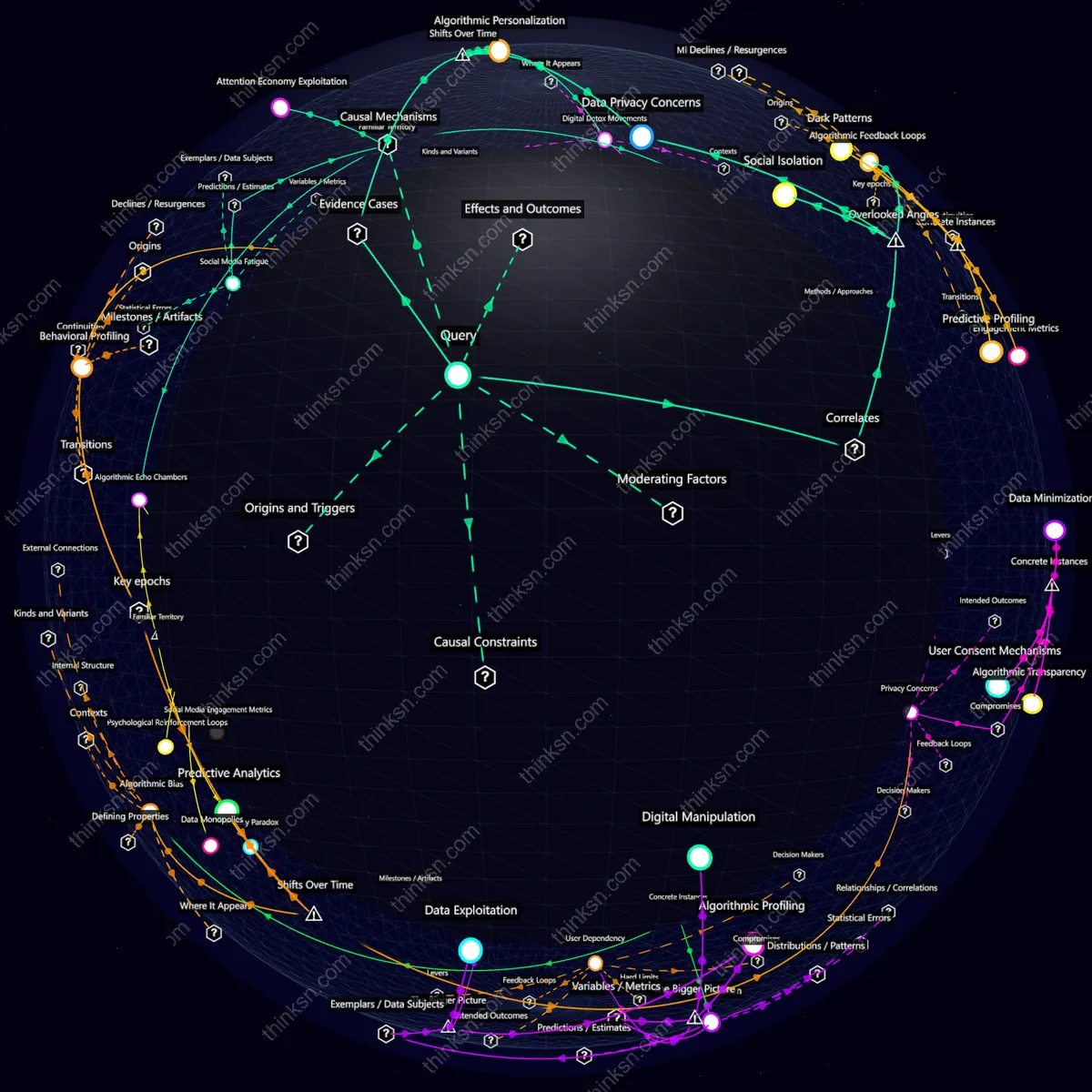
Key Findings
Algorithmic Bias
As AI-generated content proliferates on social media, algorithmic bias can distort users' perception of reality by favoring certain narratives over others. This skews attention towards specific ideologies or perspectives, potentially reinforcing echo chambers and polarizing public opinion.
Authenticity Crisis
The shift from human to AI-generated content triggers an authenticity crisis among social media users, who struggle to distinguish between genuine human experiences and machine-generated simulations. This confusion can undermine trust in online platforms and erode the perceived value of user-generated content.
Information Overload
The influx of AI-generated content exacerbates information overload, overwhelming users with an unprecedented volume of data that challenges their ability to discern truth from falsehood. This strain on cognitive resources can lead to decision fatigue and a heightened susceptibility to misinformation.
Echo Chambers
The shift towards AI-driven social media content amplifies echo chambers by reinforcing user preferences through personalized algorithms. This creates a feedback loop where individuals are exposed primarily to content that aligns with their existing beliefs, limiting exposure to diverse perspectives and potentially deepening ideological divides.
Content Authenticity
AI-generated social media posts blur the lines between human creativity and machine fabrication. This raises significant concerns about content authenticity, as users struggle to discern genuine human experiences from AI simulations. The erosion of trust in social media platforms can have profound implications for societal discourse and public opinion formation.
Deeper Analysis
What is the relationship between information overload and the perception of reality when social media content shifts from human-created to AI-generated?
Digital Detox Movements
As social media content shifts to AI-generated text, digital detox movements gain traction as users struggle with information overload. The proliferation of AI-created content exacerbates cognitive fatigue and anxiety, compelling individuals to seek breaks from constant connectivity.
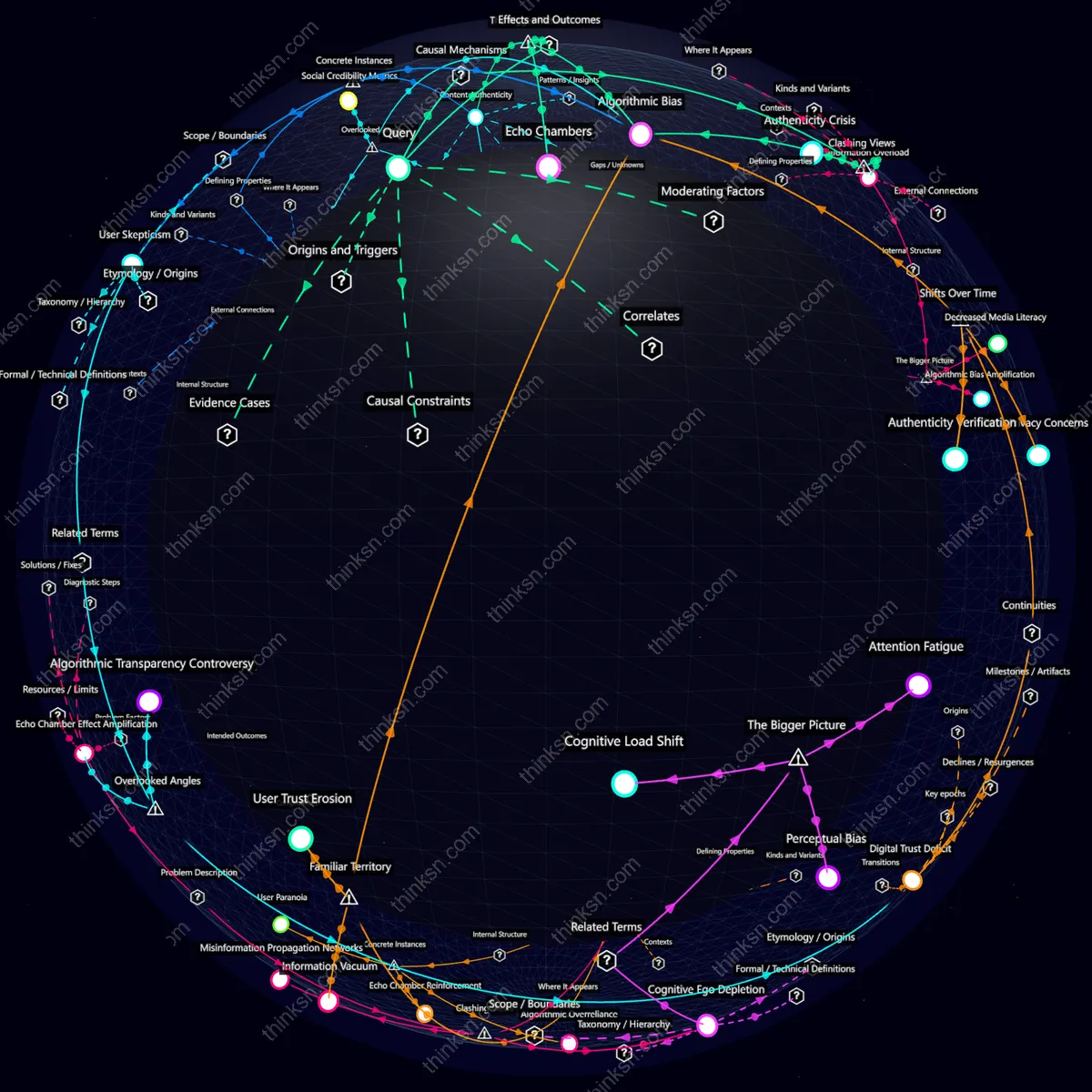
Algorithmic Bias Amplification
The transition from human-curated to AI-generated social media content intensifies algorithmic bias, leading users to perceive reality through increasingly skewed lenses. This can distort public opinion and deepen societal divides as people are exposed only to viewpoints that reinforce existing biases.
Decreased Media Literacy
With the rise of AI-generated social media content, there is a notable decline in users' ability to discern authentic information from fabricated content. This degradation in media literacy exacerbates information overload by overwhelming individuals with an influx of unvetted and potentially harmful narratives.
What emerging insights can be discovered about how content authenticity affects user perception when transitioning from human-created to AI-generated social media content?
Algorithmic Bias
As AI-generated content becomes prevalent on social media, algorithmic bias can distort user perception of authenticity, leading users to distrust both human and machine-generated posts equally. This blurring of lines poses a risk where genuine human insights are overshadowed by the perceived reliability of AI outputs due to their uniformity.
Digital Provenance
The transition from human-created to AI-generated content highlights the importance of digital provenance in establishing authenticity. Without clear markers indicating whether a piece of content is authored by an AI or a human, users may increasingly rely on metadata and contextual clues that are often incomplete or misleading.
Social Credibility Metrics
Emerging social credibility metrics designed to detect AI-generated content could inadvertently penalize users who genuinely write in a style similar to AI outputs. This creates a complex dependency where the tools meant to safeguard authenticity ironically stigmatize certain types of human expression.
How has the evolution of digital detox movements responded to and influenced shifts in user perception due to AI-generated social media content over time?
AI-Generated Content
The proliferation of AI-generated content on social media has intensified the need for digital detox among users, who increasingly report feeling overwhelmed by the authenticity and volume of automated posts. This shift highlights a growing awareness of algorithmic manipulation in shaping perceptions and behaviors online.
Privacy Concerns
As AI technologies become more sophisticated and pervasive, privacy concerns have surged, pushing individuals to seek digital detoxes as a means of reclaiming personal autonomy. This trend underscores the delicate balance between technological advancement and human rights in the digital age.
What is the relationship between digital provenance and user perception when transitioning from human-created to AI-generated social media content?
Content Authenticity
As AI-generated content becomes indistinguishable from human-created posts on social media, the challenge of verifying digital provenance intensifies. This shift erodes user trust in authenticity, as distinguishing between genuine and synthetic content becomes increasingly difficult, leading to a proliferation of misinformation and disinformation.
Algorithmic Bias
The transition from human-created to AI-generated social media content exacerbates algorithmic bias. If digital provenance is not transparently tracked and disclosed, users may encounter personalized content that reflects skewed or biased viewpoints, further entrenching existing social divides rather than promoting a balanced discourse.
User Skepticism
With the rise of AI-generated content, user skepticism towards digital provenance increases. Social media platforms struggle to maintain credibility as users question the origins and integrity of posts, leading to decreased engagement and higher barriers for legitimate voices to be heard.
What strategies can be formulated to address privacy concerns arising from AI-generated social media content and its impact on user perception of reality?
Data Minimization
Implementing data minimization strategies can significantly reduce privacy risks by limiting the collection of personal information. However, this often requires more sophisticated technical solutions and user education efforts, leading to increased operational costs and potential delays in content delivery.
Algorithmic Transparency
Increasing algorithmic transparency to explain AI-generated social media content can empower users by providing insights into how their data is used. Yet, this openness may expose proprietary methods to competitors or create confusion among less tech-savvy users who might misinterpret complex explanations.
What is the impact of user skepticism on the perception of reality when transitioning from human-created to AI-generated social media content?
Digital Trust Deficit
As users become skeptical about AI-generated content on social media, a digital trust deficit emerges, leading to fragmented online communities. Users increasingly rely on fact-checking tools and human-verified posts, complicating the adoption of AI-driven solutions while undermining platform credibility.
Algorithmic Transparency Controversy
User skepticism towards AI-generated content sparks a controversy over algorithmic transparency. Social media companies face pressure to disclose more about their recommendation systems, but doing so risks exposing proprietary algorithms and increasing security vulnerabilities, creating a delicate balance between user trust and operational integrity.
Echo Chamber Effect Amplification
Increased skepticism about AI content can paradoxically amplify the echo chamber effect. Users retreat into trusted human-curated networks, reinforcing pre-existing beliefs while isolating them from diverse viewpoints, exacerbating social polarization and ideological silos online.
Explore further:
- How does the evolution of AI-generated social media content contribute to a digital trust deficit over time, and what mechanisms underlie this trajectory?
- What are the measurable impacts on social media users when AI-generated content exacerbates the echo chamber effect, and how might this lead to systemic failures in perception accuracy?
How does the evolution of AI-generated social media content contribute to a digital trust deficit over time, and what mechanisms underlie this trajectory?
Algorithmic Bias
As social media platforms rely more on AI to curate content, algorithmic bias becomes entrenched, skewing the information landscape and eroding public trust in digital spaces. Users increasingly encounter echo chambers that reinforce biases, leading to a polarized society where misinformation thrives.
Data Privacy Concerns
The relentless collection of personal data by AI systems for content generation fuels growing skepticism among internet users about the protection and usage of their information. This erodes trust in digital platforms, with users becoming wary of sharing any meaningful data online due to fear of misuse or breaches.
Authenticity Verification
The rise of AI-generated content challenges traditional methods of verifying authenticity, making it increasingly difficult for consumers to discern between real and synthetic media. This confusion can lead to widespread distrust in digital communication platforms, undermining the integrity of online interactions.
What are the measurable impacts on social media users when AI-generated content exacerbates the echo chamber effect, and how might this lead to systemic failures in perception accuracy?
Algorithmic Bias Feedback Loop
AI-generated content that reinforces existing biases in social media users can create a feedback loop where algorithms continuously tailor content to match these biases, narrowing users' perspectives and reducing exposure to diverse viewpoints. This exacerbates the echo chamber effect by amplifying polarized opinions and undermining accurate perception of societal issues.
Misinformation Propagation Networks
When AI-generated content is designed to exploit confirmation bias, it can rapidly spread misinformation through interconnected social networks, leading to a proliferation of false narratives. This not only distorts public discourse but also undermines the credibility of factual information and erodes trust in institutions that provide it.
Cognitive Ego Depletion
The constant exposure to AI-generated content that aligns with one's pre-existing beliefs can lead to cognitive ego depletion, where users become less likely to engage critically with opposing viewpoints. This mental fatigue can result in a diminished capacity for empathy and understanding across ideological divides, exacerbating social fragmentation.
Explore further:
What are the measurable impacts of algorithmic bias feedback loops on user perception when AI-generated content increasingly replaces human-created social media posts?
Digital Divide Amplification
The Algorithmic Bias Feedback Loop exacerbates the digital divide by disproportionately steering personalized content towards users with higher internet access and literacy, thereby marginalizing those with limited connectivity or technical skills. This creates a cycle where less visible user groups become even harder to reach, perpetuating social stratification online.
Echo Chamber Effect Intensification
As AI-generated content tailored by the Algorithmic Bias Feedback Loop increasingly dominates social media feeds, it intensifies the echo chamber effect. Users are more likely to encounter information that reinforces their existing beliefs and values, reducing exposure to diverse viewpoints and deepening ideological silos within online communities.
Algorithmic Transparency Deficit
The opaque nature of AI-generated content exacerbates a growing transparency deficit, making it difficult for users and regulators alike to understand the biases embedded in algorithmic systems. This lack of visibility hinders efforts to mitigate harmful effects, such as discrimination or misinformation spread, leading to systemic trust erosion over time.
Explore further:
- What strategies can be formulated to mitigate the amplification of the digital divide caused by AI-generated social media content on user perceptions of reality?
- What is the impact of the algorithmic transparency deficit on user perception when transitioning from human-created to AI-generated social media content?
How does cognitive ego depletion affect user perception when transitioning from human-created to AI-generated social media content?
Attention Fatigue
Cognitive ego depletion leads users to experience attention fatigue when transitioning from complex human-created content to AI-generated posts. This fatigue can cause a user's perception to skew towards superficial engagement, prioritizing quick, easy interactions over deeper analysis or emotional connection.
Perceptual Bias
As users' cognitive resources are depleted, perceptual bias increases when encountering AI-generated social media content. This can result in a skewed perception where users may interpret AI-created posts as more authentic if they align with their pre-existing beliefs, leading to an echo chamber effect and reinforcing polarized views.
Cognitive Load Shift
The shift from human-generated to AI-generated content imposes a cognitive load shift that can exacerbate cognitive ego depletion. Users may struggle to discern the authenticity of AI-generated posts, leading them to allocate more mental effort towards evaluating content for signs of automation or bias, which in turn diminishes their capacity for critical thinking and engagement.
What is the impact of the algorithmic transparency deficit on user perception when transitioning from human-created to AI-generated social media content?
User Paranoia
As AI-generated content proliferates on social media platforms with insufficient transparency about the algorithms behind it, users increasingly feel a pervasive sense of paranoia. This heightened suspicion often manifests as a reluctance to engage with any form of content without clear human authorship, leading to a fragmented online community where trust is scarce.
Echo Chamber Reinforcement
The lack of transparency in AI-driven algorithms can exacerbate the 'echo chamber effect', reinforcing users' pre-existing beliefs by selectively showing them information that aligns with their views. This not only distorts user perception but also undermines the diversity and quality of discourse, creating isolated bubbles of opinionated content.
Algorithmic Overreliance
When social media users rely heavily on opaque algorithms to curate their news feeds and recommendations, they may become overly dependent on these systems for information. This overreliance can lead to a critical disconnection from real-world events and nuanced human perspectives, making the transition to AI-generated content fraught with risks of misinformation and systemic blind spots.
Information Vacuum
As social media platforms shift from human-curated to AI-generated content, an information vacuum emerges where users lack clarity on how posts are selected and ranked. This opacity can fuel conspiracy theories and misinformation, as users fill the void with their own narratives or seek validation in echo chambers.
Algorithmic Bias
The transition to AI-generated content often exacerbates algorithmic bias, where opaque algorithms reinforce existing societal biases through subtle feedback loops. This can disproportionately affect marginalized communities by limiting exposure to diverse viewpoints and stifling the spread of counternarratives.
User Trust Erosion
When users cannot discern why certain content is promoted or suppressed, trust in social media platforms erodes rapidly. Companies like Facebook (now Meta) faced backlash over their handling of election-related misinformation, illustrating how a lack of transparency can lead to widespread skepticism and user exodus.