YouTubes Dilemma: Regulating Mainstream Conspiracy Channels & Voter Influence
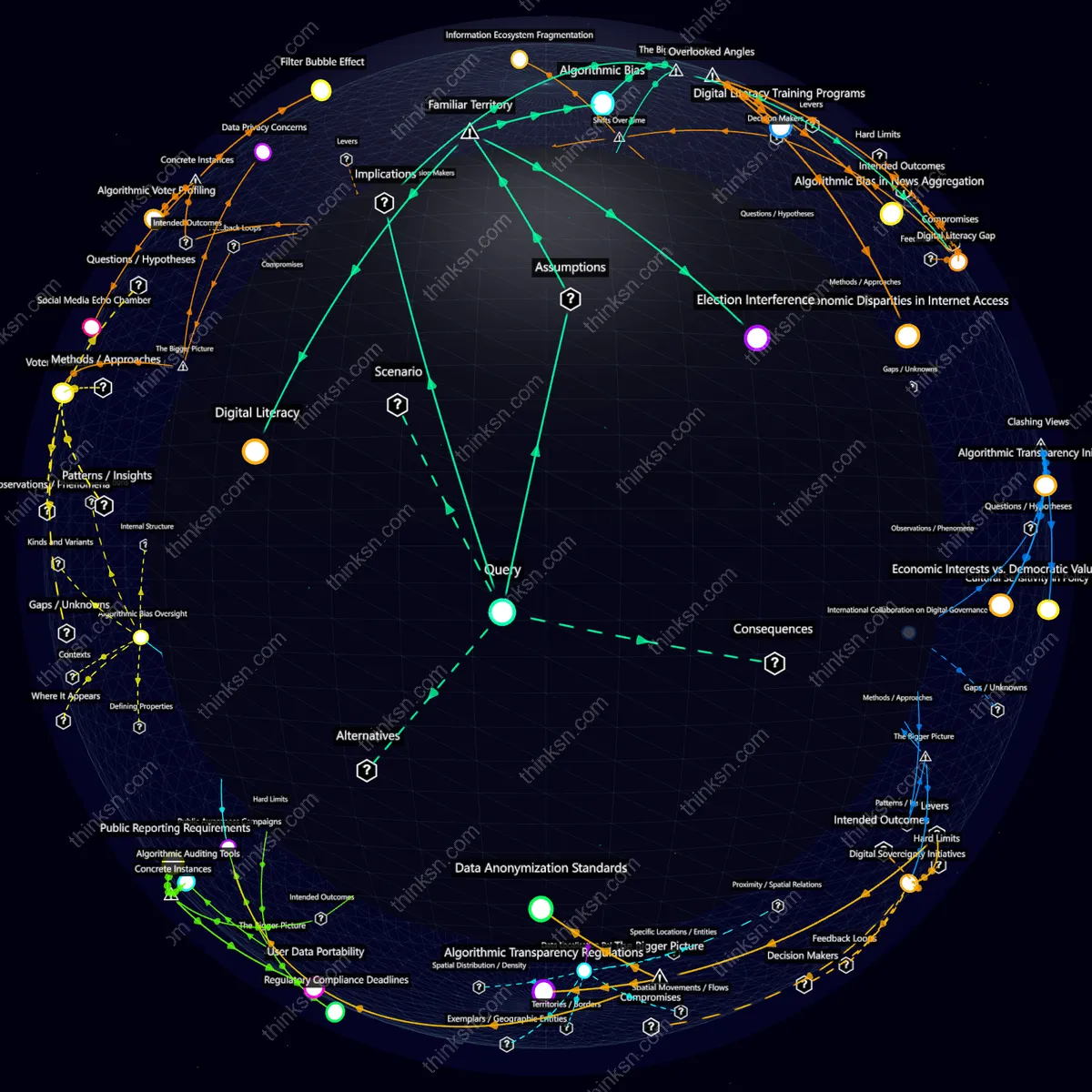
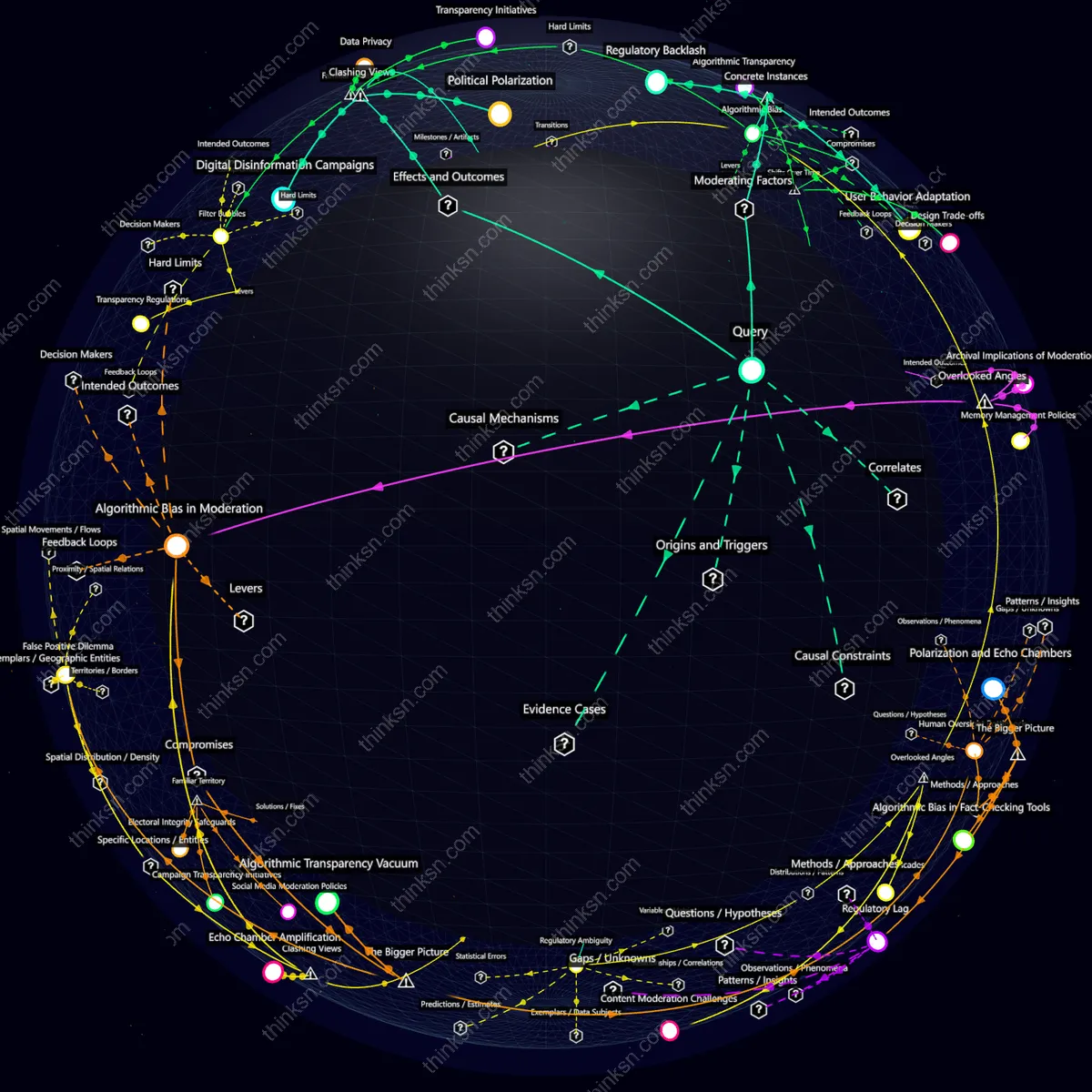
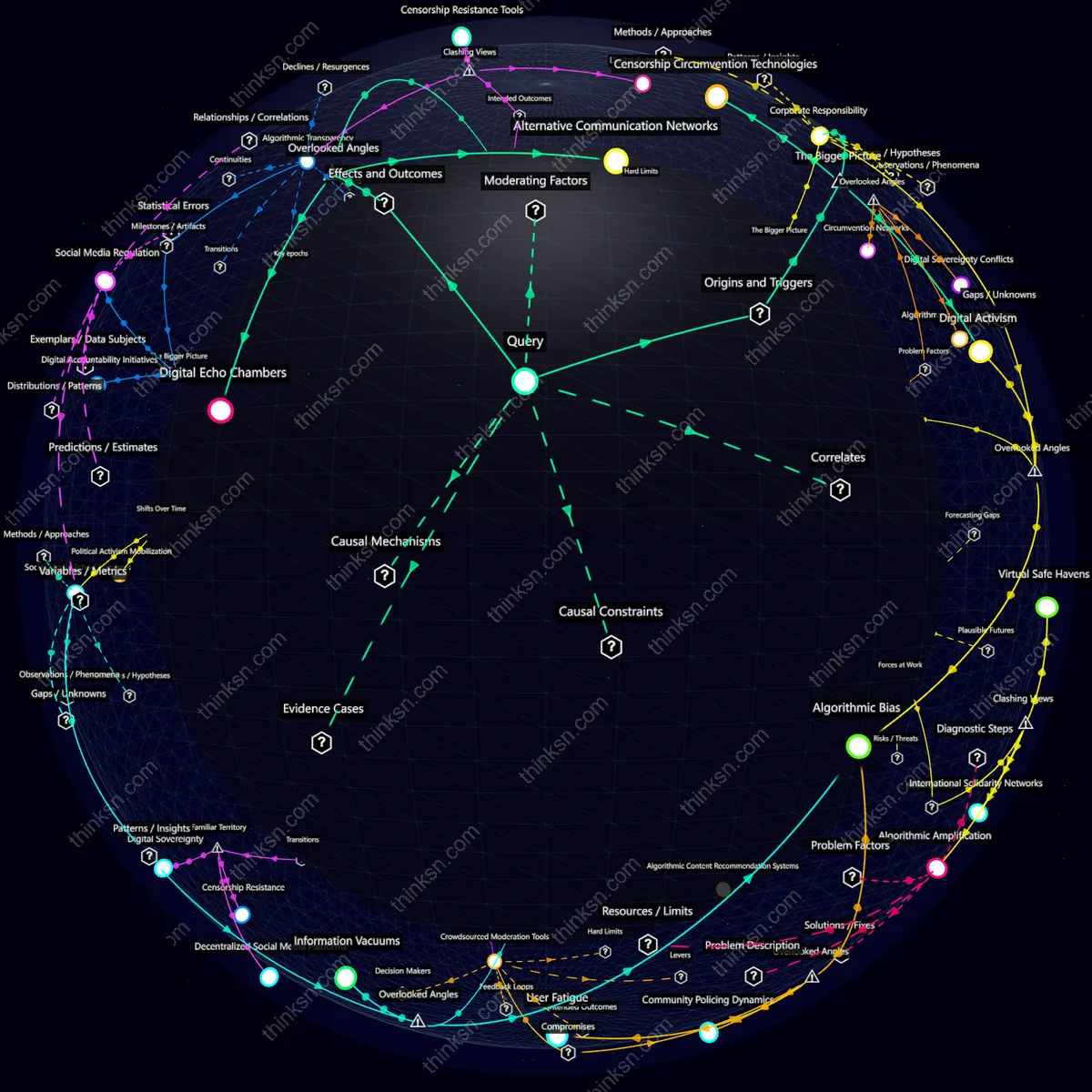
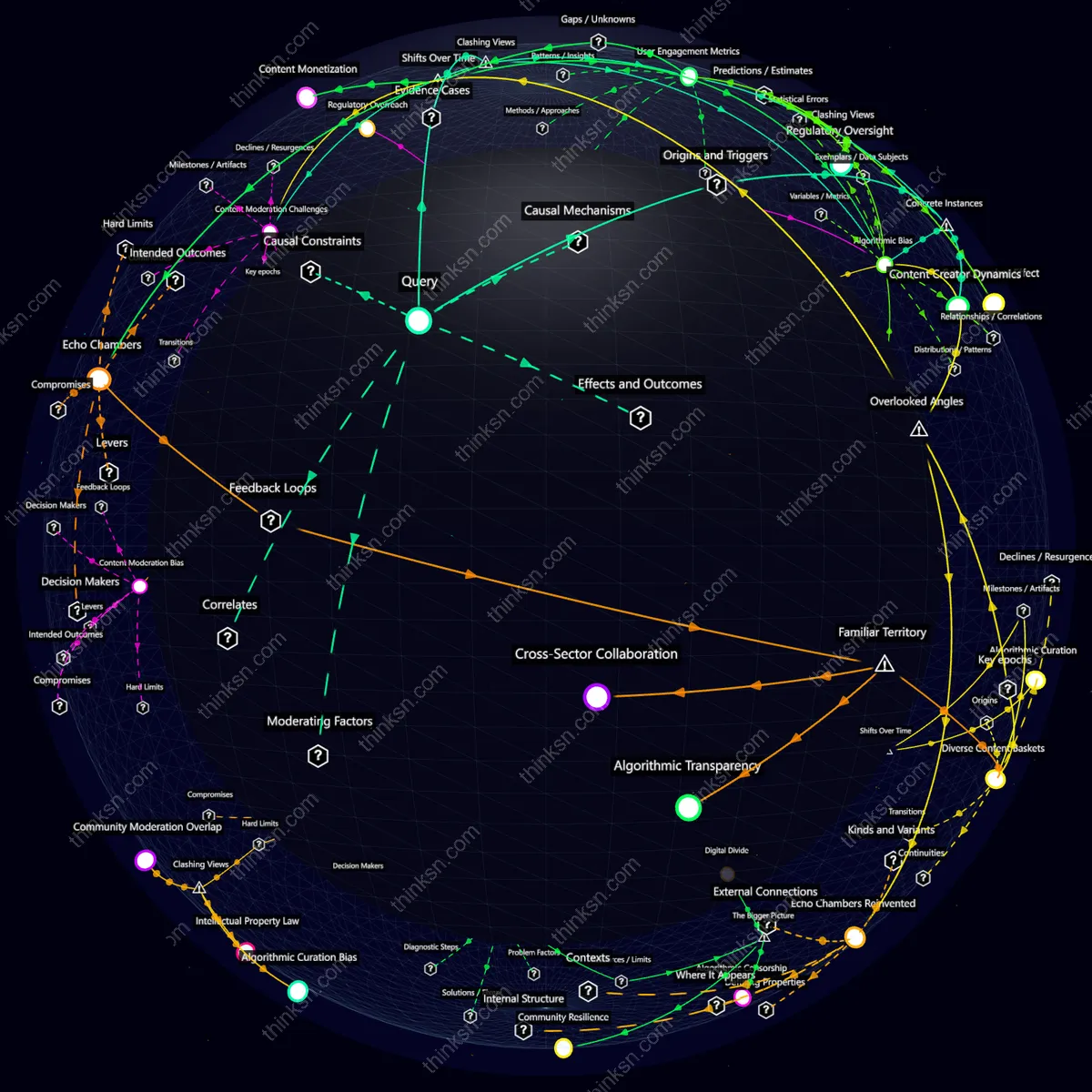
Analysis reveals 6 key thematic connections.
Key Findings
Algorithmic Bias
YouTube's algorithm might unintentionally amplify conspiracy theories by prioritizing engagement metrics over content accuracy. This can skew public opinion and erode trust in established facts, creating a vicious cycle where the platform profits from controversial content.
Regulatory Pressure
Increased scrutiny from government bodies could force YouTube to implement stricter moderation policies. However, this might also lead to over-censorship, stifling legitimate debate and innovation in media platforms.
User Engagement Decline
As users become wary of biased content, engagement rates on the platform may drop significantly. This could impact YouTube's advertising revenue model, forcing them to balance between maintaining user trust and economic sustainability.
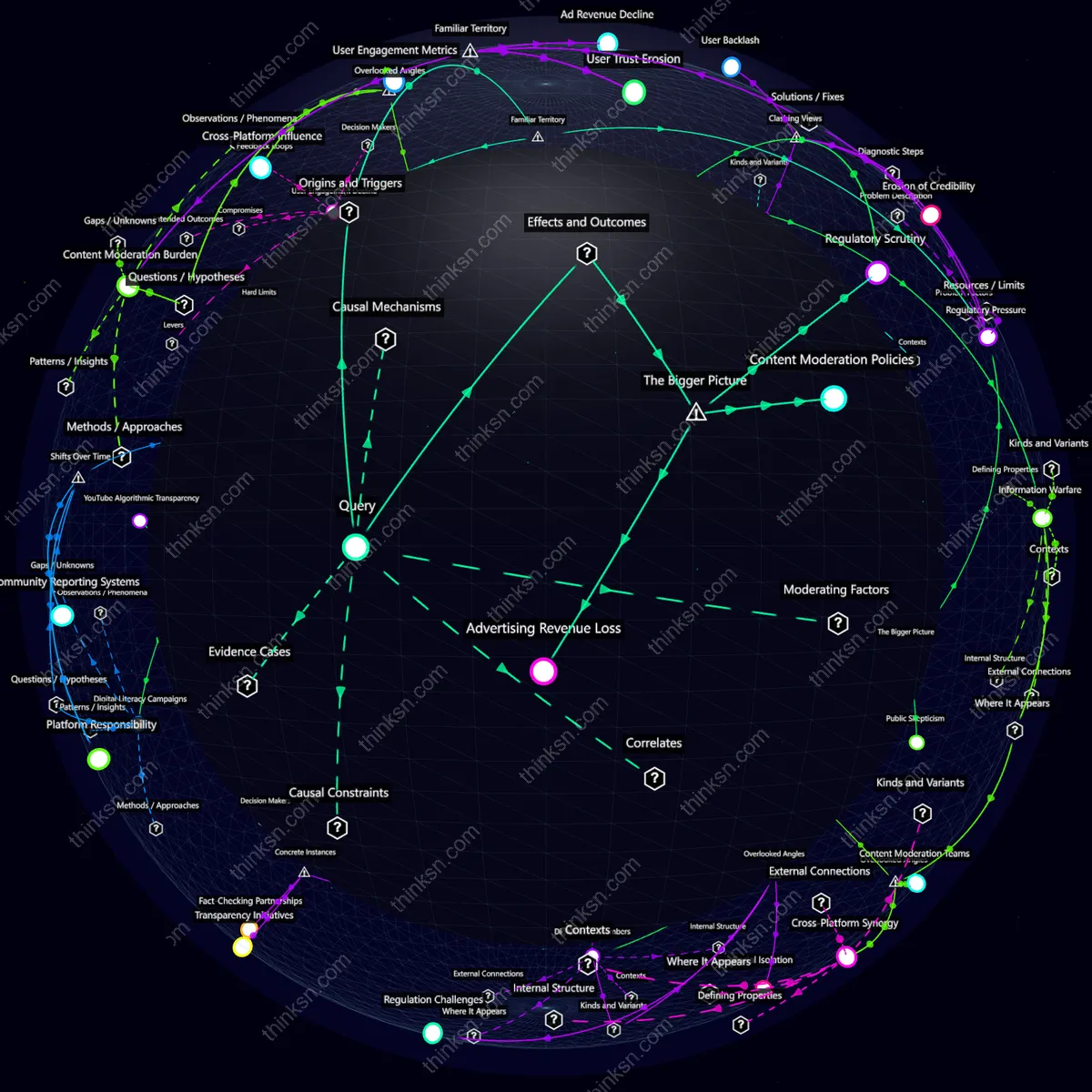
Content Moderation Policies
YouTube's stringent content moderation policies would likely tighten around conspiracy theories as they escalate influence. This shift could inadvertently suppress legitimate alternative viewpoints, creating a chilling effect on free speech and potentially driving dissenting voices to less regulated platforms.
Advertising Revenue Loss
With growing public scrutiny over the influence of conspiracy theory channels, advertisers may pull funding from YouTube to avoid association with controversial content. This financial pressure could force YouTube to implement stricter moderation, impacting channel creators' livelihoods and altering the platform's economic model.
Regulatory Scrutiny
As a prominent conspiracy theory channel gains traction, regulatory bodies worldwide may initiate investigations into YouTube’s content policies and enforcement mechanisms. This scrutiny could lead to legal penalties or mandated changes that reshape not only YouTube but also the broader digital media landscape.
Deeper Analysis
What are the potential systemic strains and failures YouTube might experience if regulatory pressure increases due to a prominent conspiracy theory channel gaining significant public influence?
User Backlash
Increased regulatory pressure on YouTube due to a conspiracy theory channel's influence can lead users to feel censored and over-monitored, prompting them to seek alternative platforms. This shift could exacerbate the platform's user retention issues while also drawing scrutiny from regulators who view such actions as anti-competitive.
Content Moderation Dilemma
As regulatory pressure intensifies, YouTube faces a complex moderation dilemma where stricter policies may alienate certain communities but failing to act could invite legal repercussions and further public scrutiny. This balancing act complicates content management, potentially leading to inconsistent enforcement that undermines user trust.
Erosion of Credibility
Heightened regulatory pressure might force YouTube to overly restrict content deemed controversial or harmful, thereby eroding its credibility among users who value free speech and diverse viewpoints. This could lead to a significant reputational hit, especially if other platforms adopt more permissive policies.
User Trust Erosion
Increased regulatory pressure on YouTube due to the influence of a conspiracy theory channel can lead users to perceive censorship and bias, eroding trust in the platform's neutrality. This may drive users towards alternative platforms or underground forums that are less regulated but more aligned with their beliefs.
Content Moderation Burden
The surge in regulatory pressure forces YouTube to intensify content moderation efforts, potentially leading to an overzealous approach and the removal of legitimate speech. This could alienate creators who feel unfairly targeted while failing to address the root issue of harmful conspiracy theories.
Ad Revenue Decline
As regulatory pressure mounts, advertisers may pull their support from YouTube due to concerns over association with controversial content. This exodus can lead to a significant drop in ad revenue, impacting creators' livelihoods and the platform's financial stability.
Explore further:
- What are the structural components and categories involved in YouTube's content moderation dilemma when faced with a conspiracy theory channel that significantly influences public opinion?
- What are some emerging insights and hidden assumptions regarding the content moderation burden YouTube faces when a conspiracy theory channel gains significant public influence?
What are the structural components and categories involved in YouTube's content moderation dilemma when faced with a conspiracy theory channel that significantly influences public opinion?
Algorithmic Bias
YouTube's algorithm often prioritizes content that sparks debate and engagement, inadvertently amplifying conspiracy theories. As these channels gain traction, their algorithms become more biased towards them, further entrenching misinformation and polarizing public opinion.
Global Influence Dynamics
As YouTube becomes a global platform for shaping opinions on sensitive issues like politics or health, it faces increasing pressure from governments worldwide. This geopolitical tension complicates content moderation efforts, pushing the platform into an awkward balancing act between free speech and public safety.
Community Guidelines Enforcement Discrepancies
YouTube's vague community guidelines leave significant room for interpretation by moderators, leading to inconsistent enforcement across different regions. This disparity not only undermines user trust but also provides conspiracy theory channels with a loophole to exploit, further complicating the platform’s content moderation dilemma.
Explore further:
- How might YouTube's algorithmic bias contribute to or mitigate the spread of a conspiracy theory channel with significant public influence, and what measurable systemic strain could this cause?
- How would global influence dynamics evolve if a prominent conspiracy theory channel on YouTube gained significant public influence, and what mechanisms might YouTube employ to mitigate this impact over time?
What are some emerging insights and hidden assumptions regarding the content moderation burden YouTube faces when a conspiracy theory channel gains significant public influence?
Algorithmic Bias
As conspiracy theory channels gain influence on YouTube, the algorithm's bias towards popular content can inadvertently amplify misleading narratives. This leads to a higher burden for content moderation teams who must then focus more resources on identifying and addressing false information while also managing user backlash against perceived censorship.
User Engagement Metrics
YouTube relies heavily on engagement metrics like watch time and likes, which can be easily manipulated by conspiracy theory channels through clickbait titles and controversial content. This creates a perverse incentive where the platform's own success metrics inadvertently drive an increase in problematic content, complicating moderation efforts.
Cross-Platform Influence
Conspiracy theories often spread across multiple platforms beyond YouTube, creating complex echo chambers that reinforce misinformation. When these channels gain influence on YouTube, the platform's role in moderating such content becomes more challenging as it requires coordination with other social media giants to effectively combat the spread of harmful narratives.
How would global influence dynamics evolve if a prominent conspiracy theory channel on YouTube gained significant public influence, and what mechanisms might YouTube employ to mitigate this impact over time?
Information Warfare
The rise of a conspiracy theory channel gaining significant public influence can transform YouTube into a battlefield for information warfare. Governments and political actors may use such channels to disseminate disinformation, manipulate public opinion, or undermine geopolitical rivals, thereby altering global diplomatic dynamics.
Algorithmic Bias
YouTube's algorithm could inadvertently amplify the reach of conspiracy theories by promoting content that generates high engagement. This mechanism risks reinforcing echo chambers and polarizing societies globally, with trade-offs in terms of public trust in media and institutions.
Regulatory Scrutiny
As the influence of a prominent conspiracy theory channel grows, regulatory bodies worldwide may pressure YouTube to implement stricter moderation policies. This intervention could disrupt the platform's business model by limiting content diversity and creativity, while also potentially stifling legitimate debate.
Media Ecosystem Fragmentation
A significant rise in a conspiracy theory channel's influence would likely accelerate media ecosystem fragmentation. As viewers seek alternative narratives, existing echo chambers could deepen, isolating individuals within narrower informational bands. This amplifies systemic risks like disinformation and polarized discourse.
YouTube Algorithmic Transparency
In response to rising conspiracy theory influence, YouTube may enhance algorithmic transparency, allowing users to better understand content recommendation mechanisms. However, increased scrutiny could also expose vulnerabilities in the system's logic, potentially inviting more sophisticated disinformation tactics from malicious actors.
Digital Literacy Campaigns
Growing reliance on conspiracy theory channels might prompt governments and NGOs to launch digital literacy campaigns aimed at educating users about information verification. Yet, these efforts could face challenges in reaching the most vulnerable demographics who are already entrenched within alternative media ecosystems.
Explore further:
- What is the structural framework and categorization of measures YouTube would employ to counteract information warfare from a prominent conspiracy theory channel influencing public opinion?
- In what ways could YouTube initiate digital literacy campaigns to address the spread of misinformation from a prominent conspiracy theory channel that has gained significant public influence?
What is the structural framework and categorization of measures YouTube would employ to counteract information warfare from a prominent conspiracy theory channel influencing public opinion?
Algorithmic Transparency
YouTube's push for algorithmic transparency faces challenges as it must balance user trust with the proprietary nature of its recommendation algorithms. This tension can lead to situations where conspiracy theory channels exploit loopholes in less transparent systems, amplifying misinformation before adjustments are made.
Content Moderation Teams
YouTube's content moderation teams often struggle with rapidly evolving misinformation strategies employed by conspiracy theory channels. These teams frequently face the risk of being outpaced, leading to delayed responses that can exacerbate public harm and erode user confidence in platform governance.
Cross-Platform Synergy
YouTube's efforts to counteract information warfare are often undermined by cross-platform synergy. Conspiracy theory channels may collaborate across multiple social media platforms, using YouTube as just one part of a broader strategy that exploits the interconnectedness of digital ecosystems.
Explore further:
In what ways could YouTube initiate digital literacy campaigns to address the spread of misinformation from a prominent conspiracy theory channel that has gained significant public influence?
Platform Responsibility
YouTube's emphasis on platform responsibility could shift user behavior by prioritizing fact-checking tools and educational content. However, this approach risks alienating users who feel targeted by moderation policies or those who benefit from the current lack of oversight.
Algorithmic Bias
Efforts to combat misinformation through algorithmic changes might inadvertently amplify certain voices over others due to biases in data and models. This could result in an echo chamber effect, where only a narrow range of views are promoted, stifling diverse perspectives.
Community Reporting Systems
Implementing robust community reporting systems can empower users to flag misleading content but also creates dependency on user vigilance and trust in the platform's handling of reported material. This system faces challenges if misinformation campaigns exploit loopholes or manipulate reporting processes.
How might algorithmic transparency evolve as a response to the growing influence of conspiracy theory channels on YouTube over time?
Algorithmic Bias
As algorithmic transparency increases, the risks of exposing pre-existing biases in recommendation algorithms become more pronounced. This can lead to a backlash from users who feel targeted by discriminatory practices, potentially undermining trust and engagement on platforms like YouTube.
Echo Chamber Effect
The push for algorithmic transparency could exacerbate the echo chamber effect as conspiracy theory channels may use transparent algorithms to refine their content strategies, reinforcing radical views among susceptible audiences. This dynamic can make it harder to foster a balanced discourse online.
Regulatory Overreach
Growing concerns over the influence of conspiracy theories might prompt overly restrictive regulations on algorithmic transparency, leading to unintended censorship or chilling effects on free speech and innovation in content moderation technologies.
Digital Echo Chambers
As conspiracy theory channels on YouTube gain traction, digital echo chambers amplify algorithmic transparency issues. Users increasingly consume content tailored to their beliefs, causing a decline in diverse perspectives and fostering an environment where misinformation thrives despite transparency efforts.
Regulatory Pressure
Government bodies may respond to the growing influence of conspiracy theories by imposing stricter regulations on algorithmic transparency. This pressure forces tech companies to disclose more about their recommendation systems, potentially at odds with user privacy concerns and innovation barriers.
Public Skepticism
Increased scrutiny from users leads to public skepticism towards claims of improved transparency. As conspiracy theories become more mainstream, the credibility gap widens between what platforms claim about their algorithms and what users perceive as genuine efforts, undermining trust in transparency initiatives.
Explore further:
- What strategies and workflows could YouTube implement to mitigate the echo chamber effect when a prominent conspiracy theory channel gains significant influence over public opinion?
- How do digital echo chambers contribute to the amplification of conspiracy theories on YouTube and what measures can the platform take to mitigate this effect?
What strategies and workflows could YouTube implement to mitigate the echo chamber effect when a prominent conspiracy theory channel gains significant influence over public opinion?
Algorithmic Bias
YouTube's recommendation algorithms can amplify algorithmic bias by repeatedly showing users content that aligns with their existing beliefs, thereby reinforcing the echo chamber effect. For example, when a conspiracy theory channel gains traction, its videos may be disproportionately recommended to viewers who already consume similar content, entrenching misinformation and polarizing public opinion.
Fact-Checking Partnerships
Collaborating with independent fact-checkers can mitigate the echo chamber effect by providing users with authoritative information that challenges conspiracy theories. However, relying solely on external partners may lead to delays or gaps in debunking misinformation, leaving a window for false narratives to spread widely before being addressed.
Transparency Initiatives
Implementing transparency initiatives such as detailed video descriptions and warnings about misleading content can help users critically evaluate information. Yet, these measures may face resistance from creators who view them as censorship or preferential treatment for certain viewpoints, complicating enforcement.
How do digital echo chambers contribute to the amplification of conspiracy theories on YouTube and what measures can the platform take to mitigate this effect?
Algorithmic Bias
Algorithmic bias in recommendation systems can amplify echo chambers by prioritizing content that aligns with users' pre-existing beliefs. This leads to a vicious cycle where users are repeatedly exposed to similar viewpoints, reinforcing their convictions and making them more susceptible to conspiracy theories.
Social Isolation
Persistent exposure to digital echo chambers can exacerbate social isolation as individuals retreat into online communities that validate their views. This isolation weakens critical thinking skills and the ability to assess information critically, making users more likely to believe and spread conspiracy theories on platforms like YouTube.
Regulation Challenges
The challenge of regulating digital echo chambers is compounded by varying legal standards across jurisdictions, leading to fragmented enforcement. This creates a regulatory vacuum where platforms like YouTube can avoid strict oversight in some regions while still influencing global audiences with unchecked content that fuels conspiracy theories.