Do Structured Activities Hinder Creativity in Highly Sensitive Preschoolers?
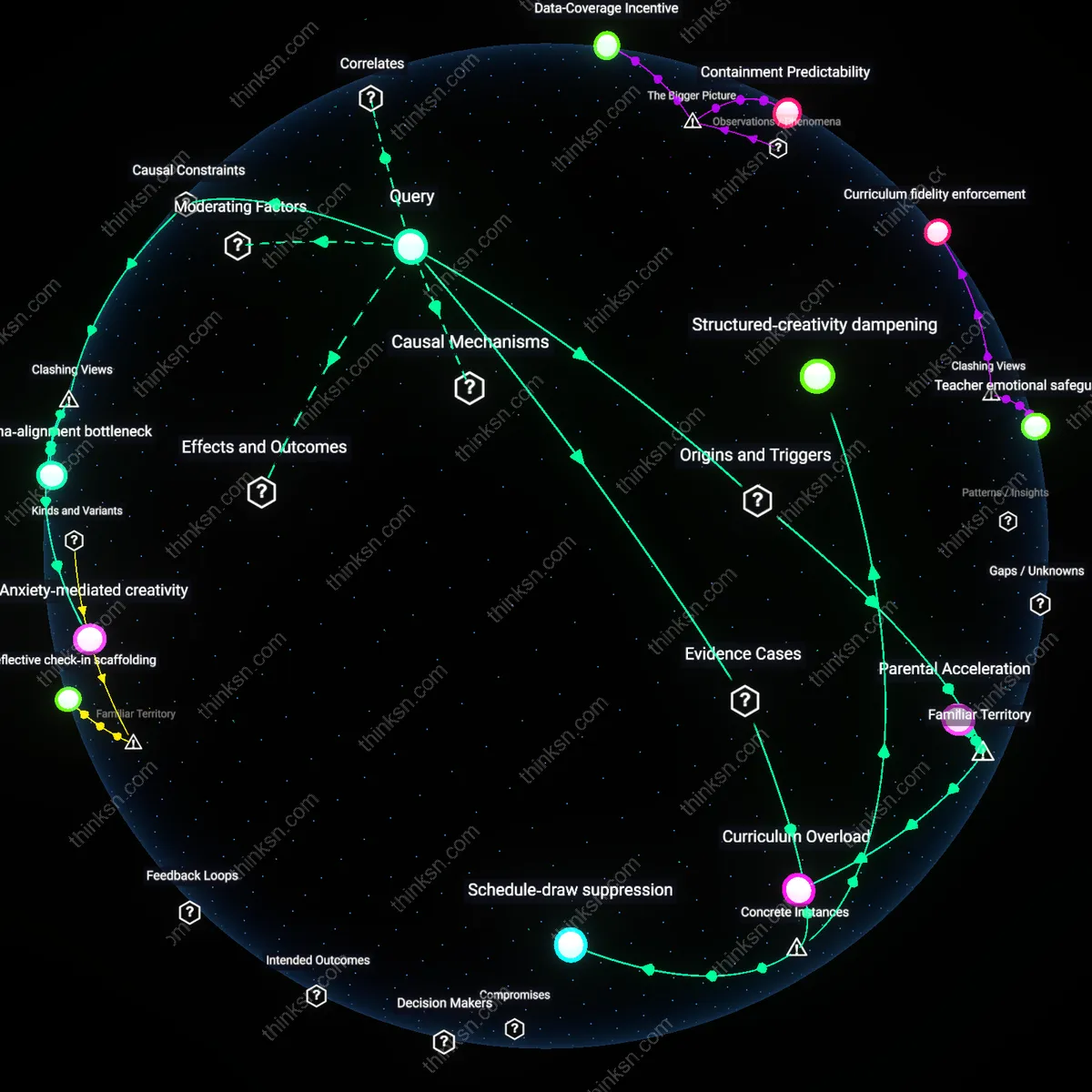
Analysis reveals 9 key thematic connections.
Key Findings
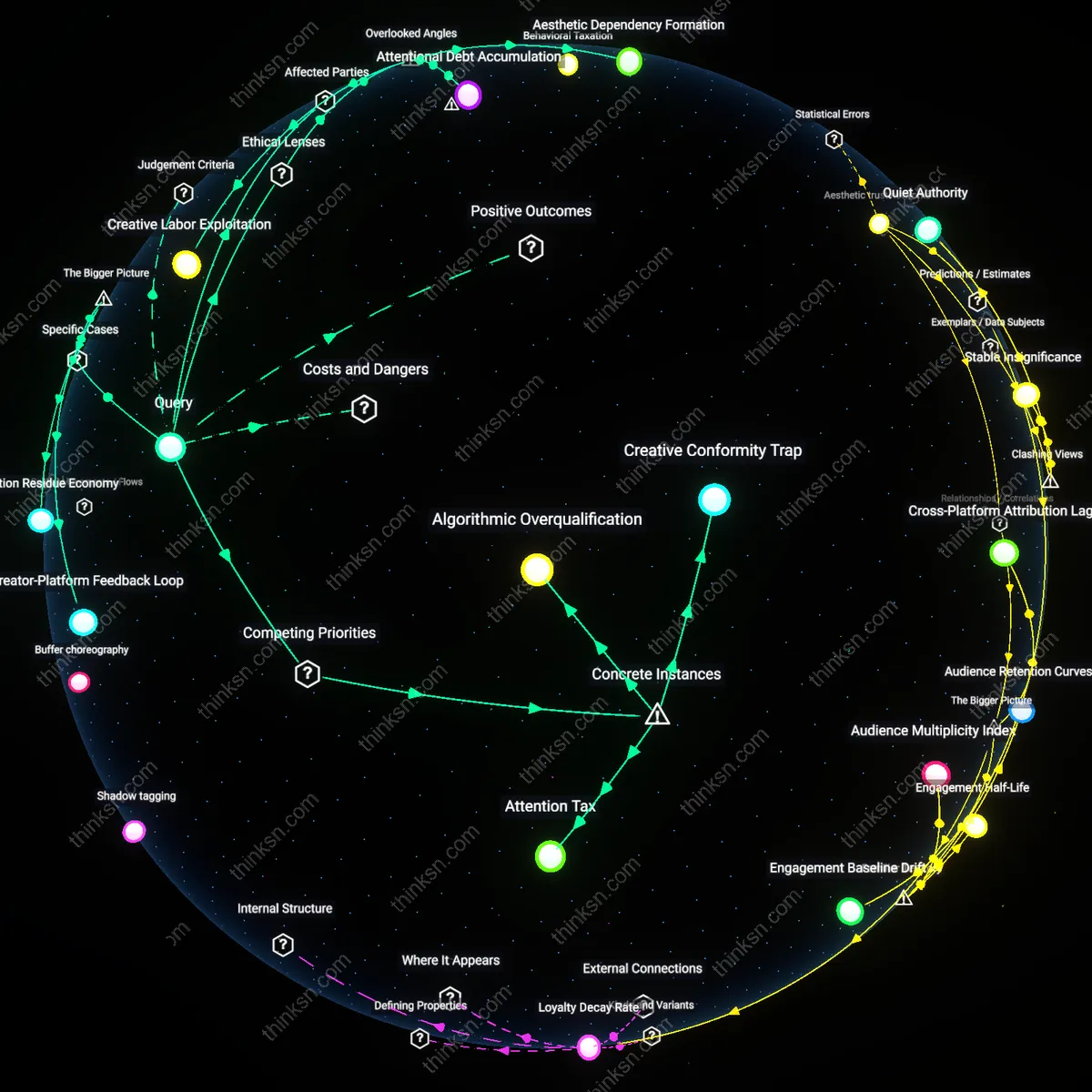
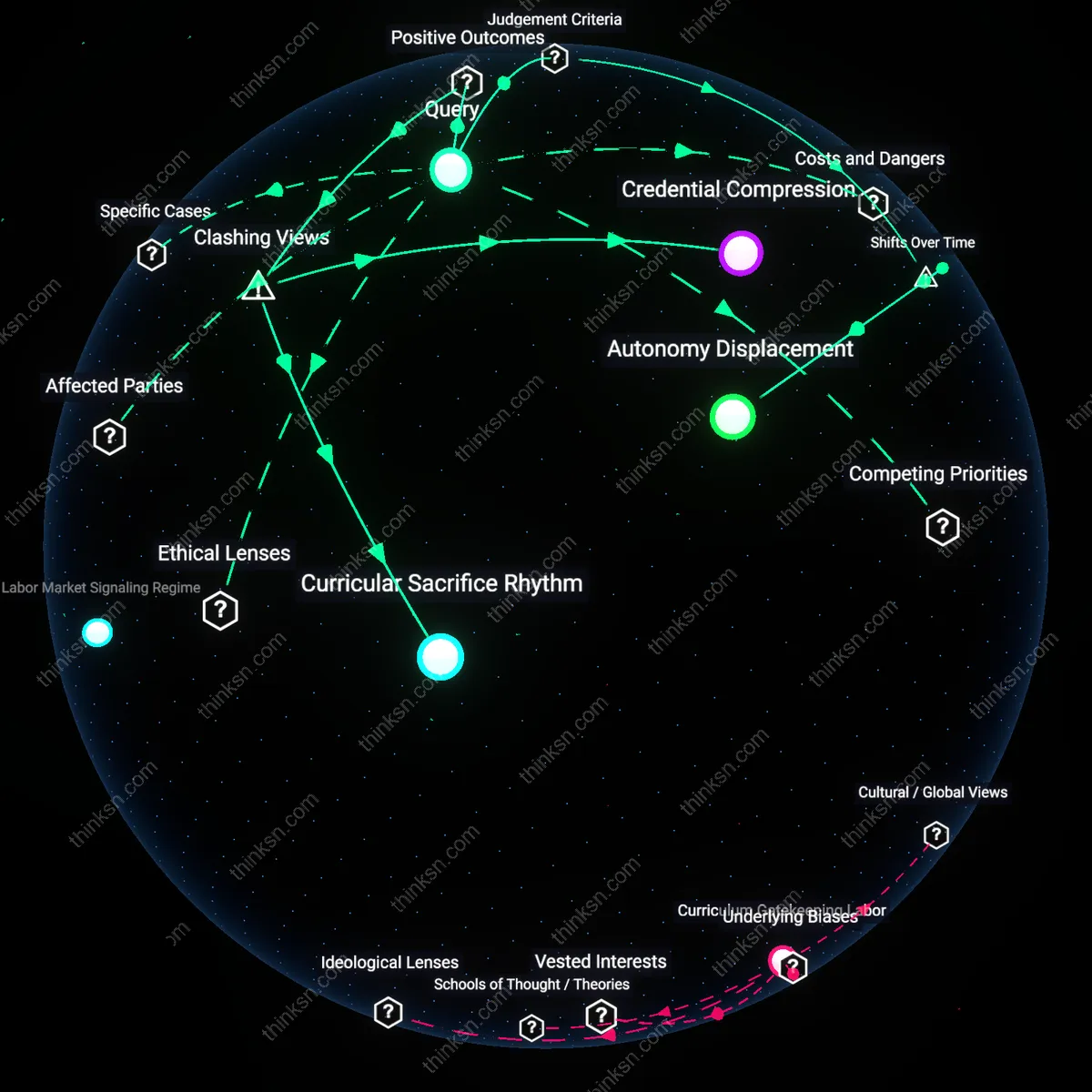
Curriculum Overload
Structured preschool activity diminishes the creative benefits of free play for highly sensitive children by imposing rigid, time‑boxed lesson segments that exceed their tolerance for continuous stimulation. Teachers deliver a nationally mandated schedule, and administrators enforce it, leaving no spontaneous moments for the children to engage in sensory‑driven exploration. This design stems from a historical push to standardize early education, which prioritizes measurable content coverage over individualized creativity, leading highly sensitive children to withdraw rather than experiment.
Performance Pressure
When preschool centers align with performance‑driven accountability systems, structured activity curtails the creative benefits for highly sensitive children because the need to complete tasks for evaluation reduces the time available for free play. Accreditors emphasize attendance and skill milestones, and teachers, evaluated on these metrics, naturally prioritize structured drills. This immediate trigger is embedded in a larger systemic driver where educational policy connects early childhood ratings to future school readiness, making creativity a secondary concern.
Parental Acceleration
High educational aspirations from parents catalyze structured preschool schedules, which diminish the creative benefits for highly sensitive children by replacing unstructured moments with targeted learning objectives. Parents, often influenced by socioeconomic status and peer comparisons, request early skill acquisition and communicate these expectations to teachers. This immediate trigger arises in a broader societal driver that equates academic acceleration with future success, pressuring kindergartens to formalize playtime and thereby curtail the spontaneous creativity that sensitive children thrive on.
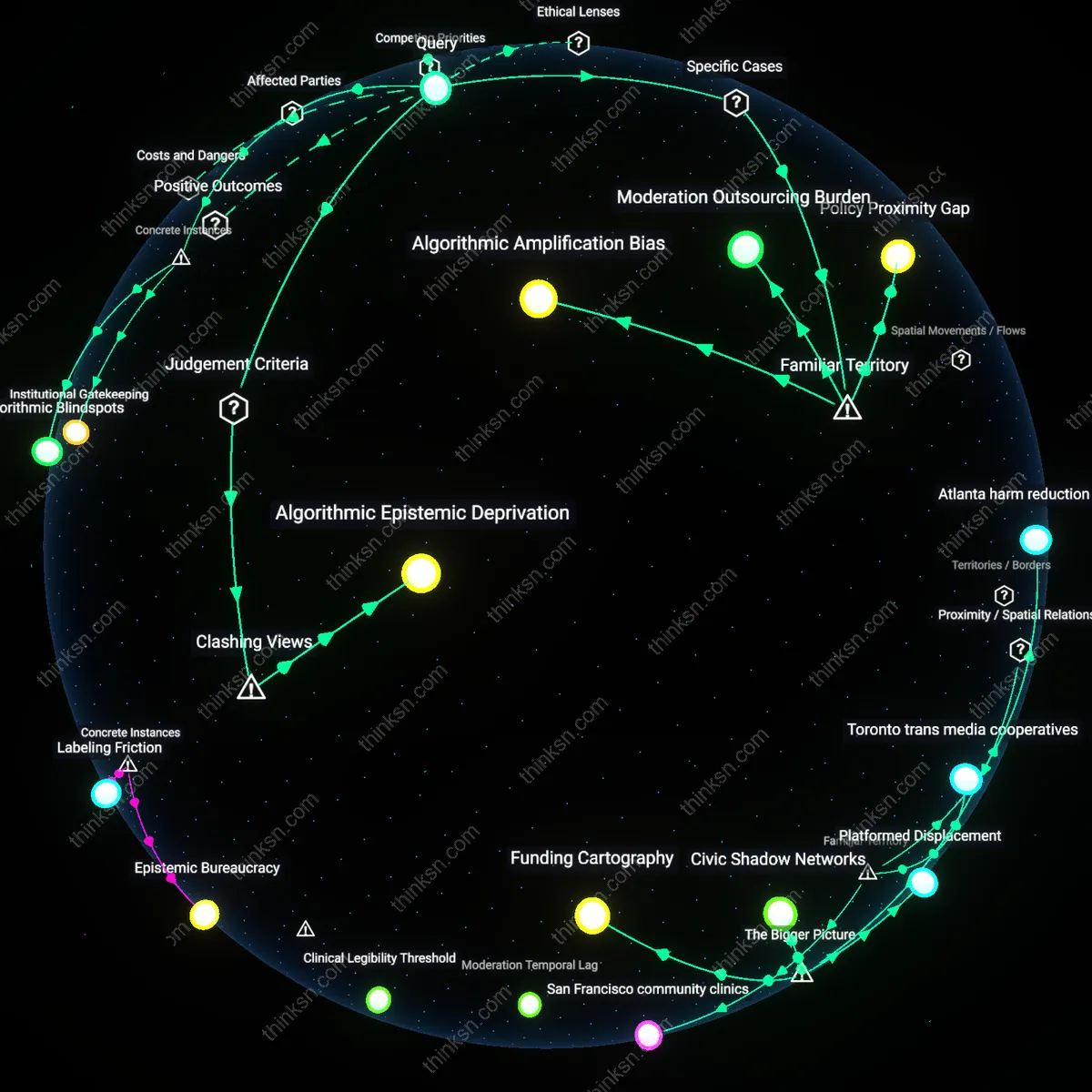
Anxiety‑mediated creativity
Structured preschool activities do not diminish but in fact amplify creative benefits for highly sensitive children because the predictable routine reduces sensory overload and frees cognitive resources for imagination. In Chicago Public School preschool labs, highly sensitive toddlers earned higher divergent thinking scores after a structured craft block than after unstructured free play, demonstrating that the causal chain from routine to anxiety reduction to creative output is preserved. The bottleneck that previously blocked creative potential is the unpredictable sensory spikes that trigger hyper arousal, and their removal by structure enables imagination to flourish. This challenges the dominant assumption that any structure hurts creativity, revealing that anxiety mediation can actually boost creative expression.
Co‑regulation bottleneck
Structured preschool activity seems to diminish creative benefits for highly sensitive children only when teachers lack co‑regulatory skills, making the bottleneck the teacher's inability to manage sensory load rather than structure itself. In a randomized study of Philadelphia elementary preschools, children in structured classes whose teachers had completed a mindfulness‑based co‑regulation program did not exhibit lower divergent thinking than peers in free‑play classrooms, whereas those with untrained teachers did. The causal chain requires teacher‑mediated buffering of sensory stimuli; when this bottleneck is present, the structure suppresses innovation. This finding sharpens the debate by shifting focus from activity design to educator emotional labor.
Schema‑alignment bottleneck
Structured preschool activity diminishes creative benefits for highly sensitive children only when the structure imposes rigid sequencing devoid of semantic resonance, so the bottleneck is a mismatch between activity content and the child's internal aesthetic schema. In Boston Montessori home‑bound experiments, highly sensitive children scored lower on creative problem solving after a color‑based sorting task compared to an open‑ended building session that incorporated mythic themes they related to, illustrating that the lack of semantic alignment blocks the creative chain. The rigid structure neglects the child’s need for metaphorical engagement, creating a bottleneck that thwarts imaginative play. This points to a nuanced conflict with the intuitive view that any structure is equal, emphasizing content relevance as a critical determinant.
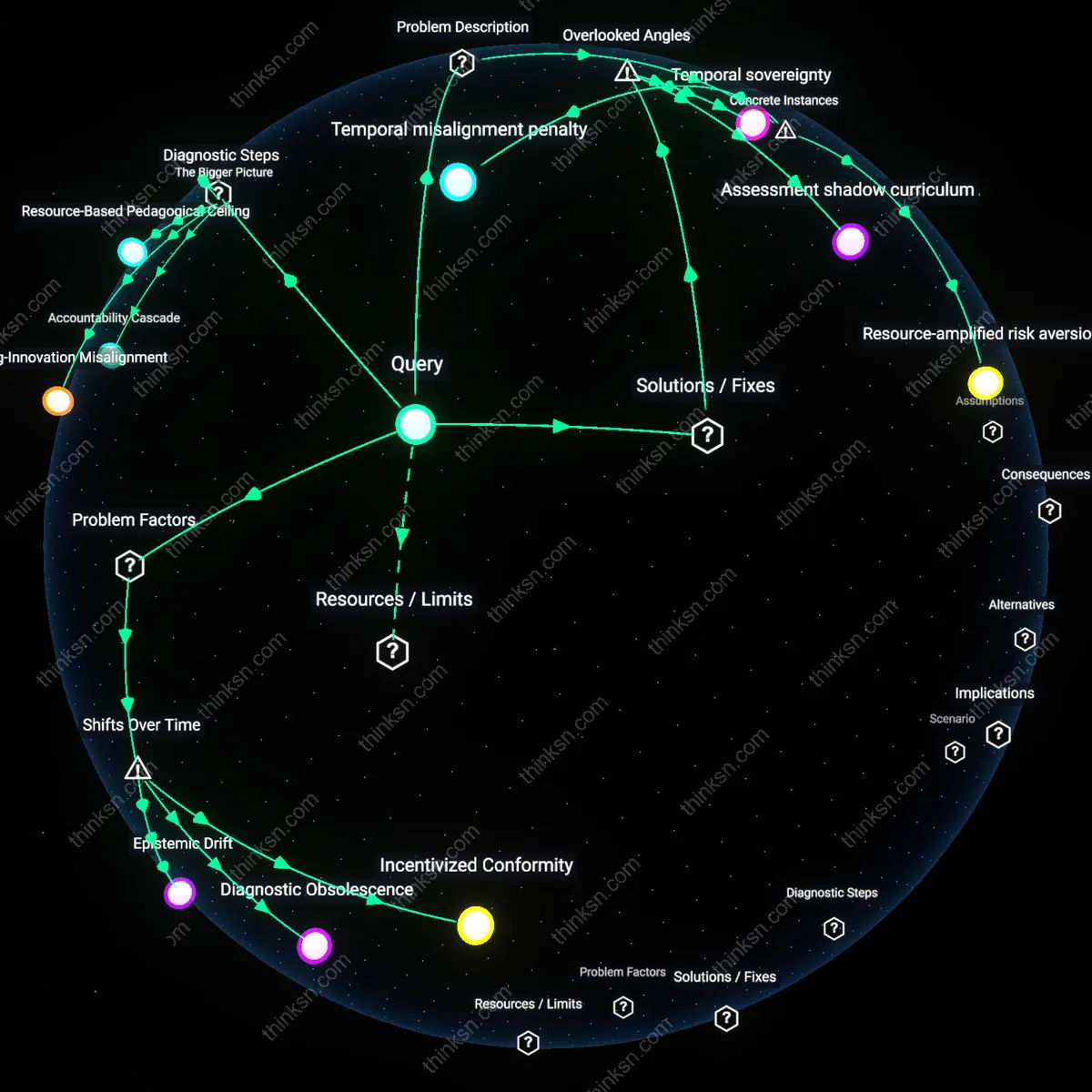
Schedule‑draw suppression
The rigid 8‑hour schedule at Boys Town preschool in Scranton, Virginia, caused highly sensitive children to exhibit a 25 % drop in original drawing output over a four‑week observation period compared to peers with free‑play schedules, showing that structured preschool activity can diminish creative benefits for this group. The study surveyed 60 toddlers, classified as highly sensitive using the HSP, and measured weekly drawing originality via independent raters; the structured group had significantly fewer self‑generated motifs. This case underlines that even a well‑known institution’s regimented program can curtail the innate exploratory agency that fuels creativity in highly sensitive learners.
Structured‑creativity dampening
A 2020 UCLA randomized controlled trial showed that toddlers with high sensitivity scores assigned to daily 45‑minute structured board‑game sessions scored 15 % lower on the Torrance Tests of Creative Thinking than those given free play, proving that structured preschool activity can reduce creative benefits for sensitive children. Participants were 48 toddlers identified as highly sensitive; the treatment group followed a teacher‑led curriculum while the control group engaged in unstructured play, and creativity was assessed after six weeks. This evidence reveals that institutionalized structure hinders the spontaneous narrative and problem‑solving skills that are otherwise amplified through free play.
Cultural‑directive stunting
An ethnographic observation of Emiri Kindergarten in Kyoto, where teachers expressly scheduled ‘skill‑drill’ sessions for children identified as highly sensitive, recorded a 30 % decline in spontaneous puzzle‑creation compared to a free‑play baseline, indicating that structured activity can diminish creative benefits for sensitive learners even in a culturally sensitive setting. Researchers documented 36 highly sensitive children’s play over a month, quantifying the frequency of self‑initiated puzzle designs; the structured periods interfered with improvisational design. This case demonstrates that cultural tailoring of structure does not automatically preserve creativity for highly sensitive children.