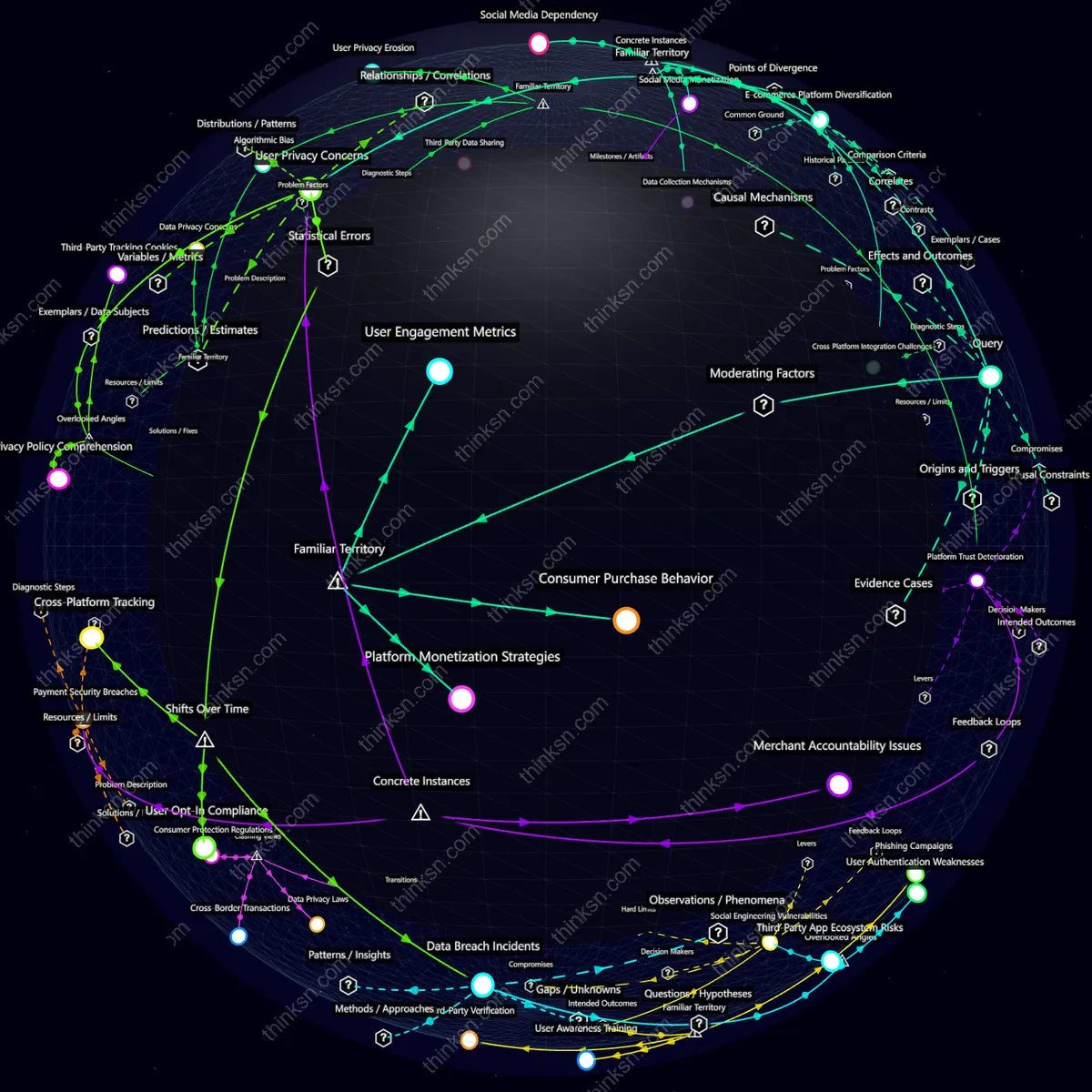
Unintended Consequences of Instagrams Buy Now Buttons
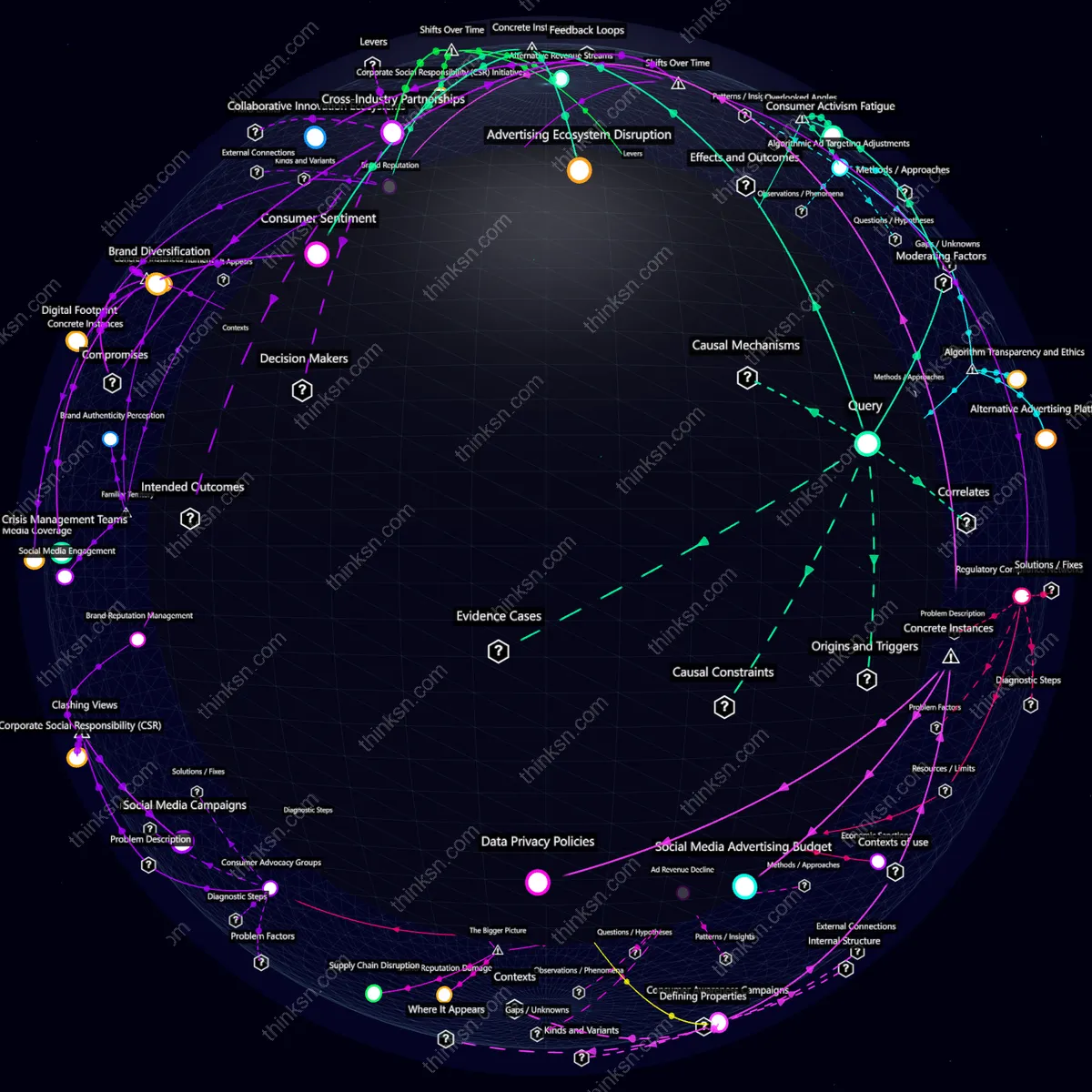
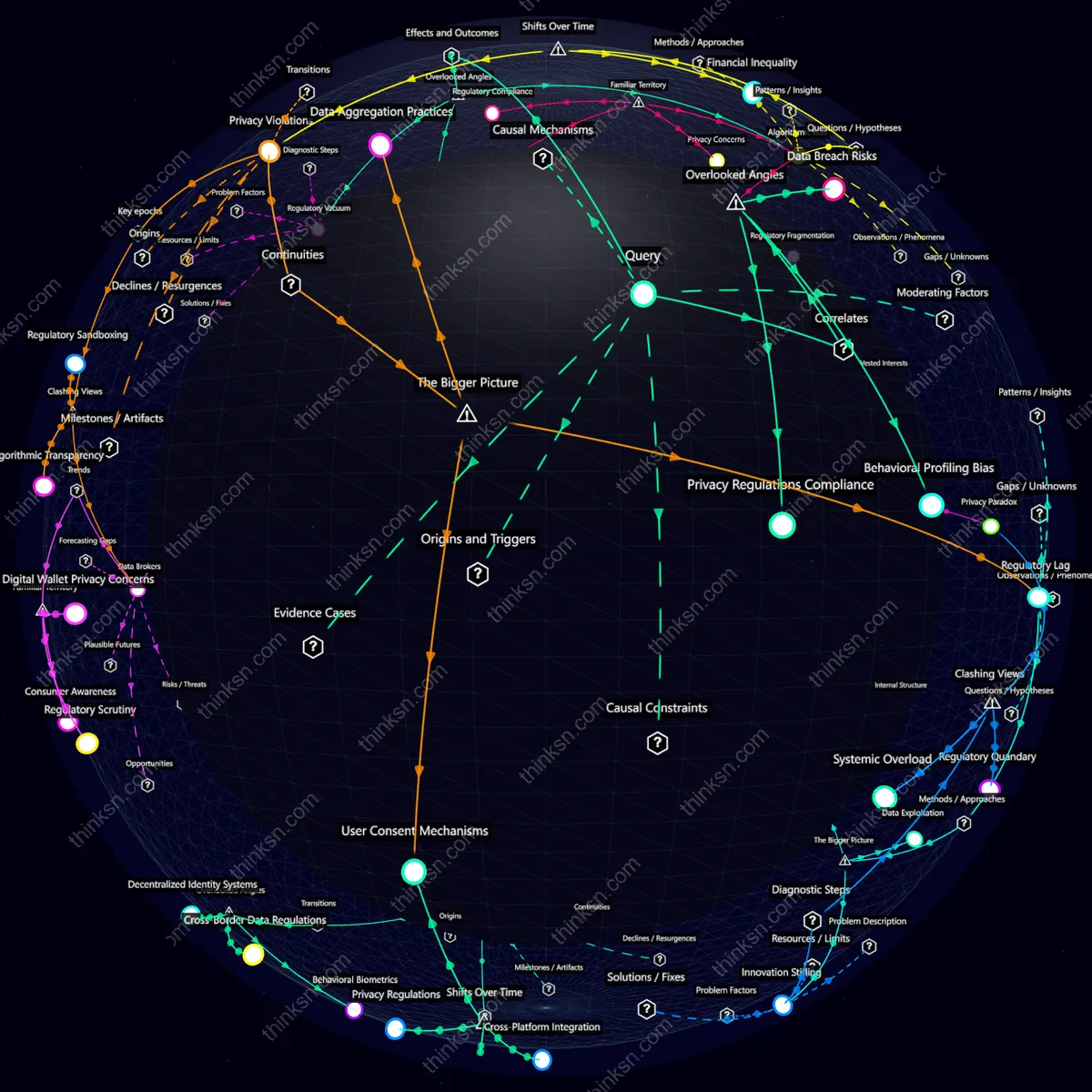
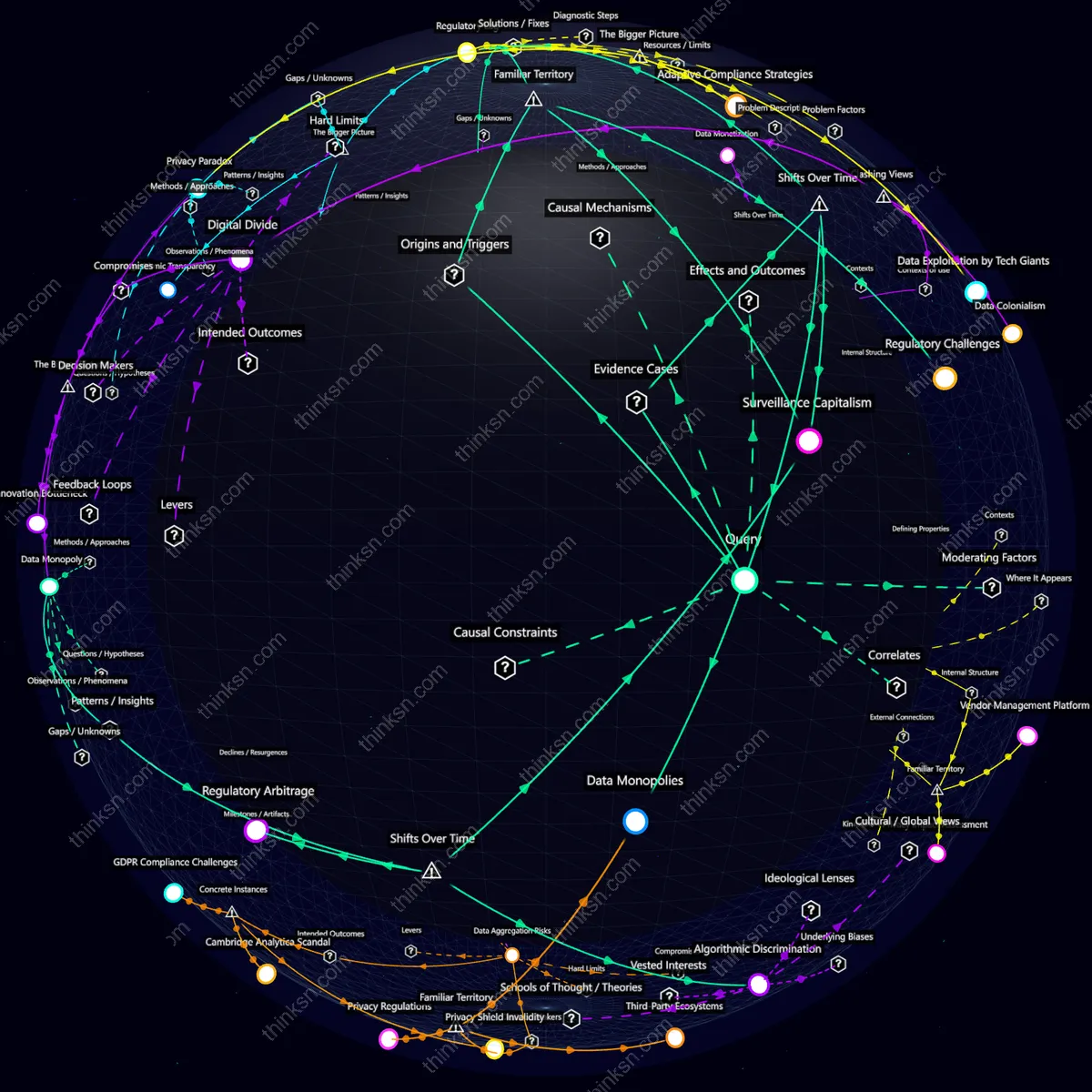
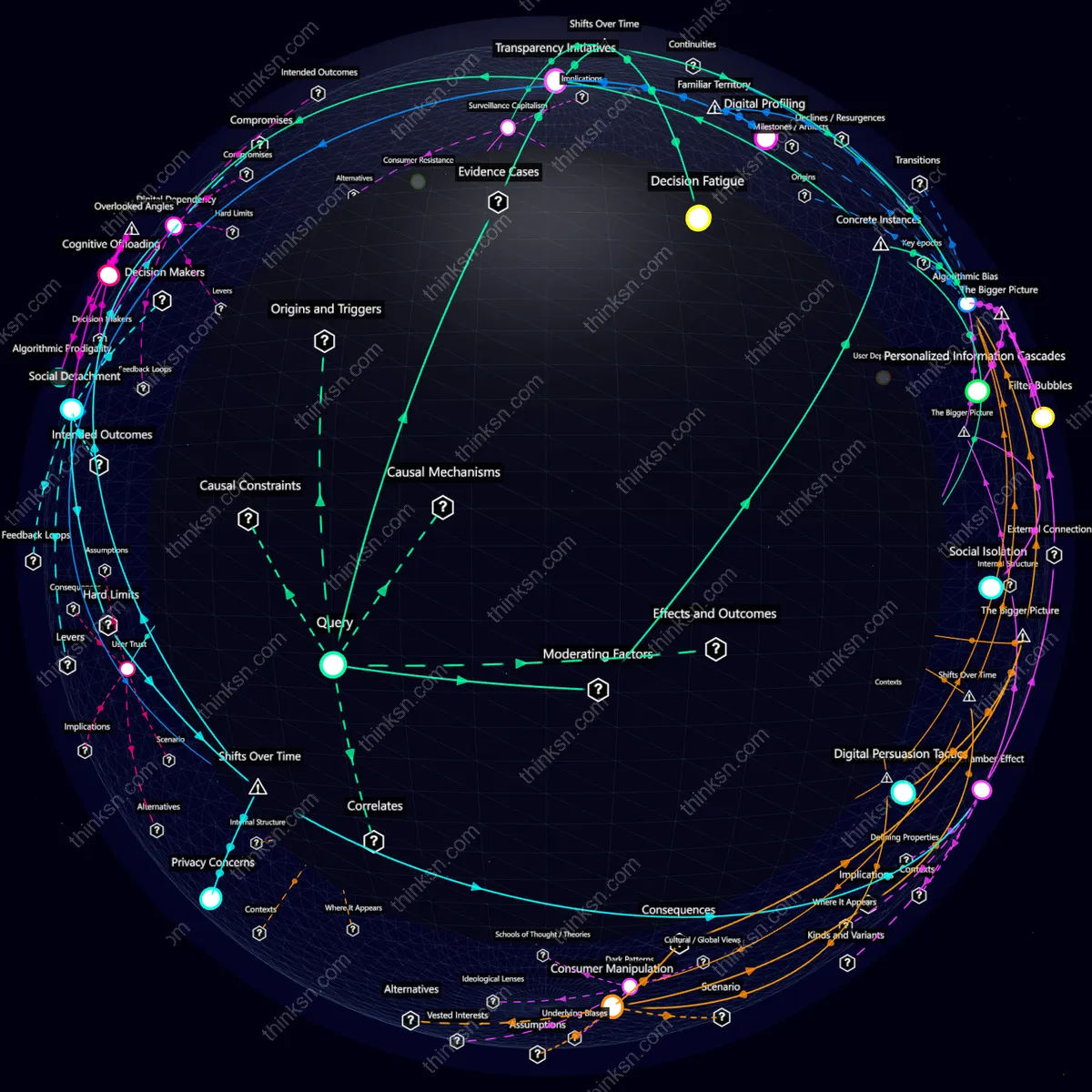
Analysis reveals 6 key thematic connections.
Key Findings
User Engagement Metrics
The integration of 'buy now' buttons on Instagram shifts user engagement metrics from passive browsing to immediate purchase intent. This can lead to a skewed perception among businesses that high click-through rates directly translate to successful sales, ignoring the importance of brand awareness and product discovery.
Consumer Purchase Behavior
Integrating 'buy now' buttons on Instagram alters consumer purchase behavior by reducing decision-making time and increasing impulse buying. This can lead to higher returns rates as consumers may buy products without adequate consideration, affecting both the seller's inventory management and customer satisfaction.
Platform Monetization Strategies
Instagram's adoption of 'buy now' buttons represents a pivot in its monetization strategy from ad revenue to direct sales commissions. This shift could create pressure on smaller businesses that lack robust online shopping features, potentially driving them towards less user-friendly alternatives or stifling their growth.
Social Media Dependency
Integrating 'buy now' buttons on Instagram deepens users' dependency on social media for commerce. This can lead to a decline in traditional e-commerce traffic, as consumers increasingly bypass search engines and dedicated shopping sites to make purchases directly from their feeds.
Privacy Erosion
The embedding of 'buy now' buttons within Instagram's ecosystem intensifies data collection practices. This heightened surveillance can lead to privacy erosion, where users are increasingly tracked across platforms for targeted advertising and behavioral analysis, raising concerns about personal data security.
E-commerce Platform Diversification
'Buy now' buttons on Instagram have spurred a trend towards platform diversification among e-commerce companies. Retailers must balance their investments between social media integrations and traditional platforms, potentially leading to a fragmented user experience and increased operational complexity.
Deeper Analysis
How might the integration of 'buy now' buttons on Instagram contribute to privacy erosion over time compared to traditional e-commerce platforms?
Data Collection Mechanisms
The integration of 'buy now' buttons on Instagram accelerates data collection mechanisms, capturing not just purchase intent but also personal preferences and behavioral patterns. This shift escalates privacy risks as users inadvertently reveal more about themselves through seemingly innocuous interactions.
Behavioral Advertising
Instagram's 'buy now' buttons enable more precise targeting for behavioral advertising, transforming casual browsing into a data-rich activity that tracks user interests and behaviors over time. This shift can lead to an environment where users feel constantly observed, undermining trust and personal autonomy.
Third-Party Data Sharing
As Instagram integrates 'buy now' features, it may share collected data with third-party platforms for marketing purposes, creating a web of interlinked data networks. This interconnectedness increases the risk of privacy breaches and exposes users to broader surveillance practices beyond their immediate interactions.
How do 'buy now' buttons on Instagram compare to traditional e-commerce platforms in terms of their integration with existing e-commerce platform diversification strategies?
Social Media Monetization
The integration of 'buy now' buttons on Instagram exemplifies social media monetization strategies diverging from traditional e-commerce platforms, where users are directly influenced by influencers and advertisements within their social feeds. This shifts consumer behavior towards immediate purchases without leaving the app, highlighting a dependency on user engagement metrics for success.
Cross-Platform Integration Challenges
As brands seek to diversify e-commerce platforms, cross-platform integration challenges arise when trying to unify data and customer experiences across social media 'buy now' buttons and traditional online stores. This fragmented approach can lead to inconsistent user experiences and inefficiencies in supply chain management.
User Privacy Concerns
The push for seamless e-commerce through social platforms like Instagram raises significant privacy concerns, as users are compelled to share more personal information with multiple entities. This creates a trade-off between convenience and data security, potentially deterring consumers from adopting these new purchasing habits.
What are the potential risks associated with integrating 'buy now' buttons on Instagram in terms of increasing reliance on behavioral advertising, and how might this affect user privacy and platform trust compared to traditional e-commerce practices?
User Privacy Erosion
The integration of 'buy now' buttons on Instagram deepens reliance on behavioral advertising by tracking user interactions more closely, potentially leading to a significant erosion of privacy. This shift can expose users to increased data collection and targeted ads that feel intrusive or manipulative.
Algorithmic Bias
Behavioral advertising on platforms like Instagram can amplify algorithmic bias by reinforcing existing consumer preferences through 'buy now' buttons, creating echo chambers where individuals are exposed predominantly to products similar to those they've previously engaged with. This limits serendipitous discovery and diversity in product exposure.
Platform Trust Deterioration
'Buy now' button integrations can undermine platform trust as users may become wary of their data being harvested without clear consent or benefit, leading to a decline in user satisfaction. This erosion is exacerbated when platforms fail to transparently communicate how behavioral advertising influences content curation and shopping experiences.
Data Privacy Concerns
The integration of 'buy now' buttons on Instagram through behavioral advertising amplifies data privacy concerns. Users may feel their personal information is being exploited for targeted ads, eroding trust in the platform and potentially leading to a backlash against invasive marketing practices.
User Autonomy Erosion
Behavioral advertising that leverages 'buy now' buttons on Instagram can significantly erode user autonomy. By predicting consumer desires based on extensive data collection, these ads manipulate users into making purchases they might not have considered otherwise, undermining the authenticity of their choices.
Explore further:
- What strategies can be implemented to mitigate platform trust deterioration when integrating 'buy now' buttons on Instagram compared to traditional e-commerce platforms?
- What are the measurable impacts on user autonomy when integrating 'buy now' buttons on Instagram, and how do these pressures differ from traditional e-commerce platforms in terms of systemic strain?
What strategies can be implemented to mitigate platform trust deterioration when integrating 'buy now' buttons on Instagram compared to traditional e-commerce platforms?
User Privacy Concerns
Integrating 'buy now' buttons on Instagram often leads to user privacy concerns as third-party apps gain access to sensitive personal data. This can trigger a cycle where users become wary of sharing information, even when necessary for transactions, leading to lower platform engagement and trust.
Payment Security Breaches
A payment security breach on Instagram's 'buy now' feature can rapidly erode user trust, as evidenced by the 2019 Capital One data breach. Such incidents not only affect immediate users but also tarnish the brand’s reputation across platforms, reinforcing a loop of declining user confidence and reduced platform adoption.
Merchant Accountability Issues
Lax oversight in verifying merchant identities and qualifications for 'buy now' buttons can lead to an increase in fraudulent activities, as seen with numerous scams on lesser-regulated social commerce platforms. This undermines trust by exposing users to financial loss and personal risk, creating a balancing loop that could necessitate stricter regulatory measures.
Explore further:
- What quantitative data can be used to stress-test the potential user privacy concerns arising from integrating 'buy now' buttons on Instagram compared to traditional e-commerce platforms?
- What is the likelihood and impact of payment security breaches occurring on Instagram when integrating 'buy now' buttons compared to traditional e-commerce platforms, and what are potential remedial strategies?
What are the measurable impacts on user autonomy when integrating 'buy now' buttons on Instagram, and how do these pressures differ from traditional e-commerce platforms in terms of systemic strain?
Social Media Monetization
The integration of 'buy now' buttons on Instagram shifts the balance from social engagement to direct monetization, potentially overwhelming users with commercial content. This shift can lead to a reduction in organic interactions and diminish user autonomy by forcing them into consumption-driven behavior patterns.
Behavioral Data Exploitation
Instagram's ability to leverage detailed behavioral data from its platform allows for highly targeted advertising, which can manipulate user decision-making processes. This exploitation of psychological triggers undermines user autonomy as individuals may find it increasingly difficult to resist purchasing pressures tailored specifically to their interests and past behaviors.
Platform Dependency
The reliance on Instagram's 'buy now' feature increases platform dependency for both businesses and users, creating a fragile ecosystem where small changes in the algorithm or policies can have significant downstream impacts. This dependency weakens user autonomy by reducing alternative choices and increasing systemic strain.
What quantitative data can be used to stress-test the potential user privacy concerns arising from integrating 'buy now' buttons on Instagram compared to traditional e-commerce platforms?
Data Breach Incidents
The integration of 'buy now' buttons on Instagram can lead to an increase in data breach incidents as more sensitive payment information is processed through social media platforms, exposing users to higher risks of identity theft and financial fraud. This shift highlights a trade-off between convenience and security, where the cultural significance of immediate gratification may outweigh user concerns over privacy.
User Opt-In Compliance
The implementation of 'buy now' buttons on Instagram places a significant burden on users to understand complex opt-in compliance requirements, often leading to unintentional consent or confusion. This systemic effect can weaken trust in social media commerce and heighten user privacy concerns due to the lack of transparency and clear communication about data usage.
Cross-Platform Tracking
The integration of 'buy now' buttons on Instagram facilitates extensive cross-platform tracking, allowing advertisers to build comprehensive profiles of users based on their social media activity. This dependency on user-generated content for commercial purposes can lead to a fragile balance between enhanced marketing efficiency and the erosion of privacy protections, with potential unintended consequences such as increased surveillance capitalism.
Data Aggregation Practices
Instagram's integration of 'buy now' buttons intensifies data aggregation practices, collecting granular user behavior metrics that traditional e-commerce platforms might overlook. This shift raises significant privacy concerns as it exposes users to higher risks of data misuse or breaches due to the platform's expansive access to personal information.
Third-Party Tracking Cookies
The introduction of 'buy now' buttons on Instagram increases reliance on third-party tracking cookies, which can infringe upon user privacy by enabling targeted advertising based on extensive behavioral data. This practice is less prevalent in traditional e-commerce platforms due to varying regulations and consumer awareness levels.
Privacy Policy Comprehension
Users often overlook the complexities of Instagram's privacy policies, which become more opaque with the addition of 'buy now' buttons. This lack of comprehension exacerbates user privacy concerns as individuals may unknowingly consent to invasive data collection practices that are less pervasive in traditional e-commerce settings.
Explore further:
- What are the emerging risks and hidden assumptions regarding data breaches when integrating 'buy now' buttons on Instagram compared to traditional e-commerce platforms?
- What strategies can be formulated to mitigate the risks associated with data aggregation practices when integrating 'buy now' buttons on Instagram compared to traditional e-commerce platforms?
What are the emerging risks and hidden assumptions regarding data breaches when integrating 'buy now' buttons on Instagram compared to traditional e-commerce platforms?
User Authentication Weaknesses
The integration of 'buy now' buttons on Instagram exacerbates user authentication weaknesses. Many users rely on less secure methods like SMS verification, increasing susceptibility to data breaches during transactions compared to traditional e-commerce platforms with more robust multi-factor authentication options.
Third-Party App Ecosystem Risks
The reliance on third-party apps for Instagram's 'buy now' functionality introduces hidden risks. These apps often have access to a wide range of user data, creating an additional vector for data breaches that traditional e-commerce platforms manage more rigorously through stricter app review processes.
Social Engineering Vulnerabilities
The social nature of Instagram makes users more susceptible to social engineering tactics aimed at exploiting trust and familiarity. This vulnerability is exacerbated in the context of 'buy now' buttons, where a convincing fake ad or phishing attempt could easily mimic legitimate offers, leading to higher risk of data breaches than on traditional e-commerce sites with more stringent security measures.
What strategies can be formulated to mitigate the risks associated with data aggregation practices when integrating 'buy now' buttons on Instagram compared to traditional e-commerce platforms?
Consumer Privacy Concerns
Integrating 'buy now' buttons on Instagram can amplify consumer privacy concerns due to the extensive data aggregation practices required. This increases the risk of data breaches and misuse, potentially eroding trust in both the platform and participating merchants.
Cross-Platform Data Silos
Data aggregation practices for integrating 'buy now' buttons often lead to the creation of cross-platform data silos. This fragmentation hampers comprehensive analytics and personalized marketing efforts, making it challenging to deliver consistent user experiences across different platforms.
Regulatory Compliance Challenges
The unique regulatory environments of social media versus traditional e-commerce pose significant compliance challenges for companies aggregating data through 'buy now' buttons. This can lead to legal risks and operational inefficiencies, especially in regions with stringent privacy laws.
What are potential strategies to mitigate social engineering vulnerabilities when integrating 'buy now' buttons on Instagram compared to traditional e-commerce platforms?
Phishing Campaigns
The integration of 'buy now' buttons on Instagram provides a fertile ground for phishing campaigns, as attackers can create fake accounts mimicking popular brands to deceive users into clicking suspicious links. This not only risks compromising personal data but also erodes trust in the platform and its merchants.
User Awareness Training
Effective user awareness training is crucial for mitigating social engineering vulnerabilities on Instagram, yet it faces challenges due to the fast-paced nature of content sharing. Users may receive too many alerts, leading to alert fatigue and decreased vigilance against sophisticated tactics like pretexting.
Third-Party Verification
Implementing third-party verification for 'buy now' buttons can enhance security but introduces a dependency on external entities that may have varying standards or be susceptible to bribery, thereby complicating the mitigation efforts and potentially creating new vulnerabilities.
How might regulatory compliance challenges for 'buy now' buttons on Instagram evolve over time compared to traditional e-commerce platforms, and what are the potential consequences?
Data Privacy Laws
As 'buy now' buttons on Instagram integrate more deeply with users' personal data, compliance with evolving data privacy laws becomes increasingly complex. This shift not only mandates stricter user consent mechanisms but also necessitates continuous updates to platform policies, potentially stunting innovation and increasing operational costs for small businesses.
Cross-Border Transactions
Instagram's global reach presents unique regulatory challenges as 'buy now' buttons facilitate cross-border transactions. Different countries have varying legal frameworks regarding e-commerce and consumer protection, leading to potential conflicts and compliance issues that can hinder international market expansion for businesses.
Consumer Protection Regulations
The rise of Instagram's in-app purchasing features highlights the need for robust consumer protection regulations. However, adapting traditional e-commerce laws to fit social media platforms introduces ambiguities, leading to potential legal grey areas that could harm consumers or unfairly penalize businesses.