Snapchat Challenge Forces Schools to Update Safety Policies
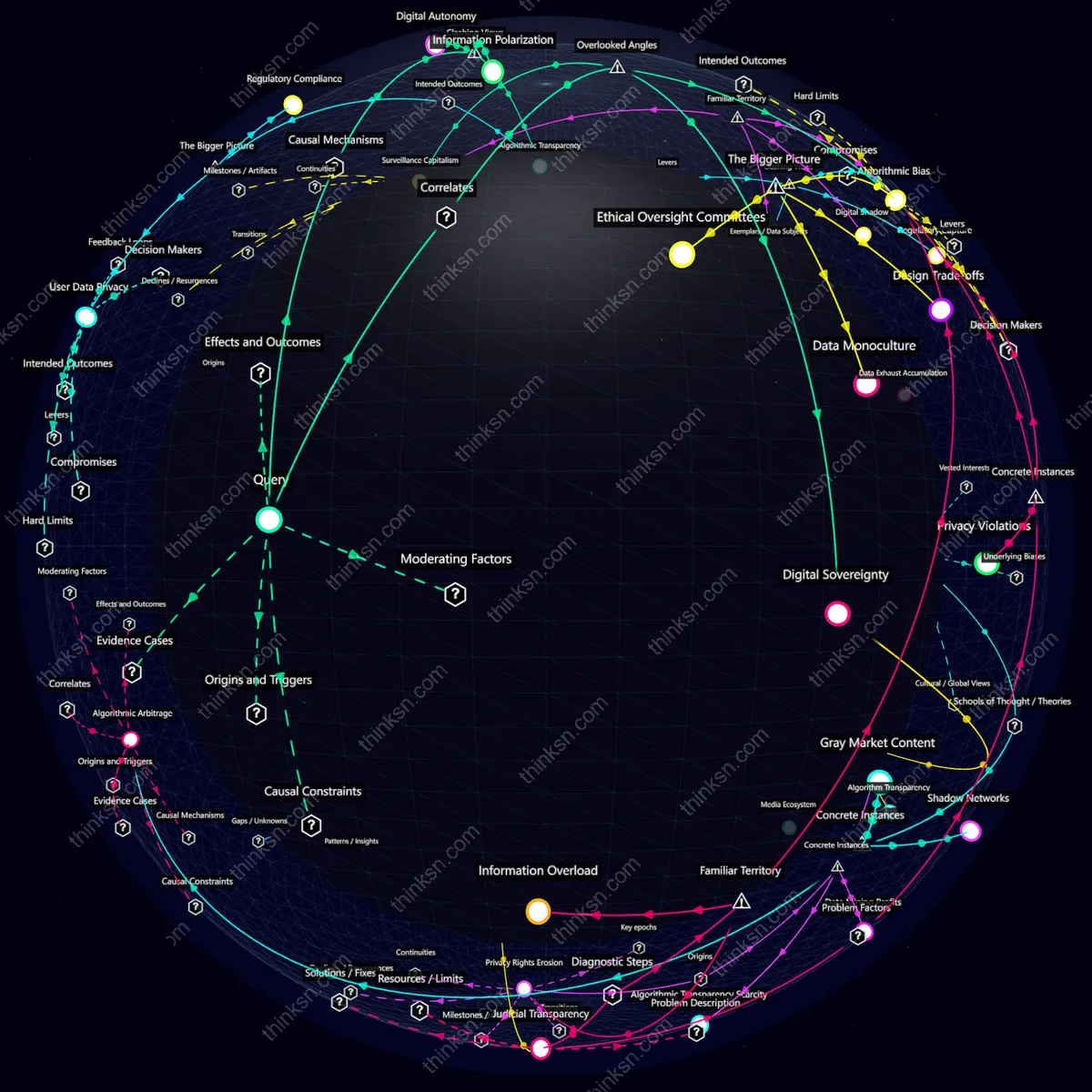
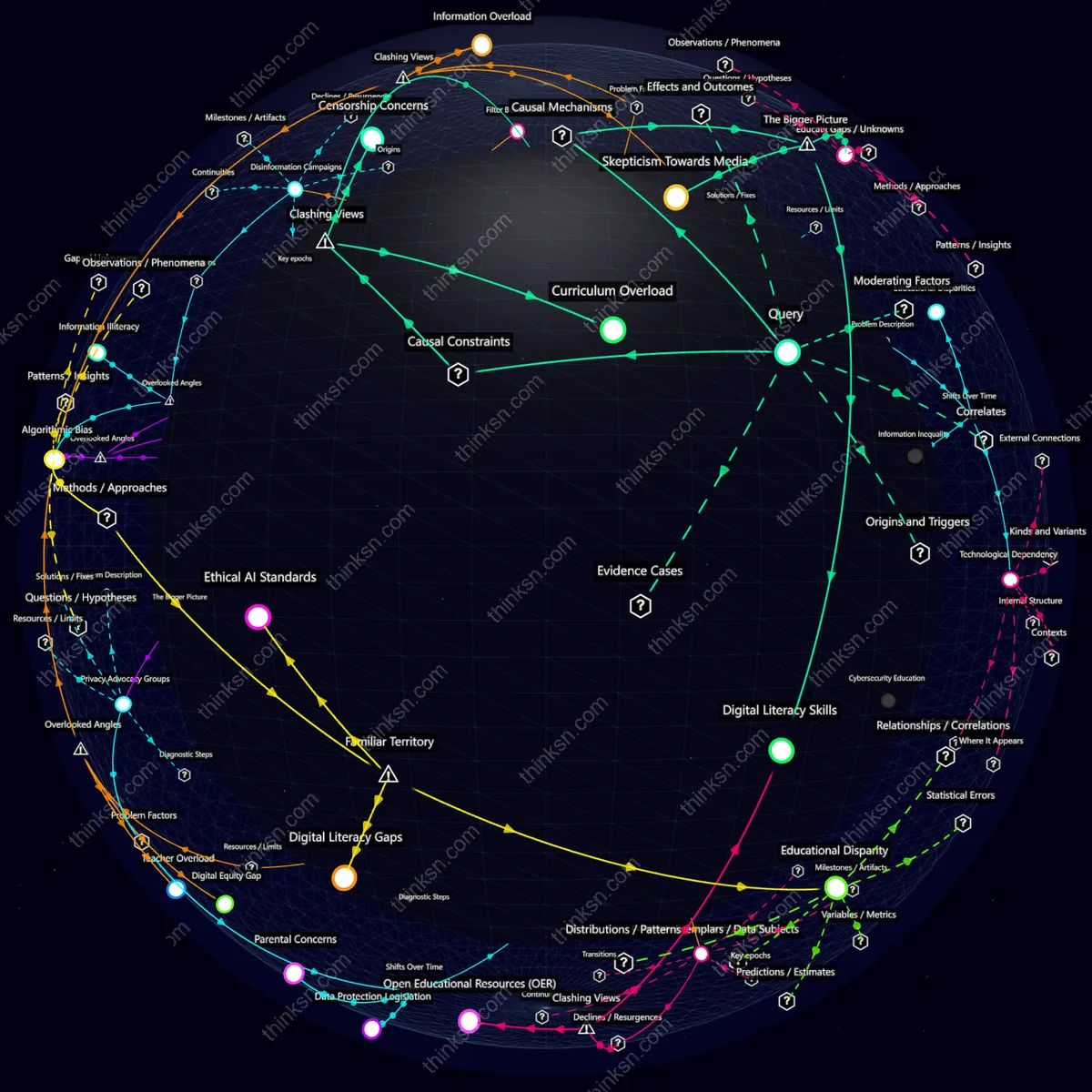
Analysis reveals 5 key thematic connections.
Key Findings
Social Media Influence
The rapid spread of viral challenges on Snapchat highlights how social media platforms can amplify adolescent peer pressure and risky behaviors. Schools must navigate the fine line between educating students about digital risks and overreacting to isolated incidents, risking a chilling effect on student innovation and expression.
Parental Concerns
Viral Snapchat challenges often trigger intense parental anxieties, leading schools to implement stringent policies without fully understanding the nuances of social media trends. This can result in overly restrictive measures that may not address root causes but instead create a false sense of security and compliance.
Technological Lag
Schools often struggle to keep pace with rapidly evolving social media trends, leading to policy responses that are either too reactive or inadequately informed. This lag can exacerbate issues by failing to engage positively with digital spaces where students spend significant time, potentially alienating youth and diminishing the effectiveness of educational interventions.
Student Vulnerability
The viral Snapchat challenge exploits student vulnerability by tapping into peer pressure and the desire for social recognition. This can lead to risky behaviors that schools must address through new policies, but it also risks over-regulation if students feel policed excessively.
Administrative Overreach
As schools react to a viral Snapchat challenge by creating new conduct policies, there's a risk of administrative overreach. Policies might become overly restrictive or fail to address the root causes, potentially leading to student resentment and decreased trust in school leadership.
Deeper Analysis
In what ways do viral Snapchat challenges highlight and exacerbate student vulnerability, prompting schools to reassess and implement new policies on conduct and safety?
Cyberbullying Incidents
Viral Snapchat challenges often serve as platforms for cyberbullying incidents, which not only exacerbate student vulnerability but also strain school resources. Schools must navigate the delicate balance between monitoring social media and respecting privacy, creating a fragile dependency on technology-driven surveillance systems.
Parental Anxiety
The rise of viral Snapchat challenges has heightened parental anxiety about their children's safety and well-being online. This anxiety can lead to overprotective parenting practices that may inadvertently isolate teenagers from necessary social experiences, thereby highlighting the risk of unintended consequences in how schools approach digital literacy and mental health support.
Privacy Erosion
Viral challenges on Snapchat often involve sharing personal information or engaging in risky behaviors, leading to a gradual erosion of privacy among students. Schools struggle to address this issue without infringing on student autonomy, illustrating the complex trade-offs between protecting vulnerable students and respecting their rights to digital expression.
To what extent might administrative overreach be perceived in new school policies created as a result of viral Snapchat challenges, and how do these perceptions vary among different stakeholder groups?
Student Privacy Violations
New school policies reacting to viral Snapchat challenges may lead to extensive surveillance and data collection, potentially violating student privacy. This intrusive monitoring can stifle online expression and create a culture of fear among students, deterring them from using social media freely.
Parental Backlash
Parents might perceive stringent school policies as an overreach into their children's personal lives, leading to protests or legal challenges against the administration. This backlash could strain relationships between parents and educators, undermining collaborative efforts in student welfare and education.
Bureaucratic Entrenchment
Once implemented, policies designed to curb viral Snapchat challenges can become entrenched bureaucratic norms, making it difficult for schools to adapt to future technological or social changes. This rigidity hampers innovation and flexibility in education, potentially stifling the development of more effective or nuanced solutions.
What are the measurable impacts of parental anxiety on school policies in response to viral Snapchat challenges?
Social Media Influence
Parental anxiety escalates as viral challenges on platforms like Snapchat create unpredictable risks for children. Schools respond by implementing stricter social media policies, which paradoxically may isolate students further and intensify the divide between digital natives and their parents.
Mental Health Services
Schools see an uptick in demand for mental health services as parental anxiety fuels concerns over student well-being. This surge can strain school resources, leading to delayed responses or inadequate support, potentially worsening the very issues they aim to address.
Parent-Teacher Communication
Increased parental anxiety prompts more frequent and often tense parent-teacher meetings focused on safety concerns from social media challenges. This shifts communication dynamics towards crisis management rather than holistic student development, risking long-term educational goals for short-term security measures.
How does parental backlash evolve in response to a viral Snapchat challenge, and what mechanisms lead to new school policies regarding student conduct and safety?
Digital Panic Cycle
The rapid escalation of parental concern and outrage in response to viral challenges on platforms like Snapchat can lead to a cycle where panic drives immediate, often reactive policy changes without thorough risk assessment. This cycle can undermine trust in schools' ability to manage online safety issues effectively.
Viral Hyper-Visibility
The hyper-visibility of student behavior through viral challenges exposes previously private interactions to public scrutiny, amplifying parental fears and leading to demands for increased surveillance and control. This can erode a sense of digital autonomy among students and foster resentment towards parents and schools.
Policy Paradox
Schools may implement stringent policies in response to viral challenges, aiming to protect student safety. However, these policies can paradoxically create an environment where students feel over-monitored and their digital rights are infringed upon, leading to unintended consequences such as increased defiance or secretive behavior.
What are the various components and categories that illustrate how social media influence can lead to new school policies on student conduct and safety due to viral challenges on Snapchat?
Cyberbullying Incidents
Social media influence amplifies cyberbullying incidents on platforms like Snapchat, leading schools to implement stricter policies. However, these measures may inadvertently stifle legitimate student expression and online engagement.
Snapchat Challenges
Viral challenges on Snapchat can rapidly spread risky behaviors among teenagers, compelling school administrators to develop emergency response plans that balance student safety with digital privacy concerns.
Student Conduct Policies
As social media platforms like Snapchat influence peer dynamics and norms, schools are pressured to revise conduct policies to address off-campus activities. This creates a grey area where disciplinary actions may be challenged for overreach or underresponsiveness.
Mental Health Concerns
The pressure from viral challenges and trends on Snapchat can heighten mental health concerns among teenagers, compelling schools to develop new policies focused on student well-being. However, these measures might not address the root causes of social media pressures, potentially overlooking broader cultural issues that drive harmful online behaviors.
Privacy Violations
Snapchat's ephemeral content feature can lull students into a false sense of privacy, leading to oversharing and subsequent policy changes in schools aimed at preventing data breaches. These policies may be overly restrictive, impacting the use of social media for positive educational purposes.
Explore further:
How do viral Snapchat challenges trigger changes in student conduct policies over time to address safety concerns?
Snapchat Safety Filters
As viral challenges like the 'Salt Bae' trend led to injuries and unsafe behaviors among students, schools began implementing Snapchat safety filters and guidelines that restrict content deemed harmful. This shift in policies not only addresses immediate dangers but also raises concerns about privacy and digital rights for students.
Parental Involvement Initiatives
In response to viral challenges like the 'Cinnamon Challenge', which resulted in hospitalizations, educational institutions initiated parental involvement programs. These initiatives aim to educate parents on recognizing risky behaviors and fostering open communication with their children about social media dangers, thereby shifting responsibility partly onto families.
School Surveillance Technology
To monitor and prevent participation in dangerous viral challenges like the 'Tide Pod Challenge', some schools have introduced advanced surveillance technology to track student activities online. While this enhances safety, it also raises ethical concerns about privacy invasion and potential overreach by school authorities.
How do mental health concerns stemming from viral Snapchat challenges evolve over time and lead to the development of new school policies on student conduct and safety?
Social Media Virality
As viral Snapchat challenges emerge, they rapidly shift the focus from individual mental health concerns to a collective social pressure. This creates an environment where students feel compelled to participate or conform, leading to increased anxiety and depression as the challenge evolves over time. The rapid pace of virality outpaces school awareness and intervention efforts.
Cyberbullying Dynamics
The rise in cyberbullying associated with viral challenges exacerbates mental health issues by creating a toxic online environment that spills into real-life social interactions, undermining student safety. Schools struggle to address the root causes due to the transient nature of these challenges and the difficulty in monitoring digital spaces effectively.
Policy Lag
Schools face significant delays in implementing effective policies due to the fast-evolving nature of social media trends. This policy lag leaves students vulnerable, as new mental health concerns arise faster than schools can develop and enforce corresponding conduct guidelines, highlighting a systemic risk in balancing student safety with freedom of expression.
What role do parental involvement initiatives play in shaping new school policies in response to viral Snapchat challenges that impact student conduct and safety?
Digital Literacy Programs
Parental involvement initiatives often lead schools to adopt digital literacy programs aimed at educating students about safe and responsible social media use. However, these programs can inadvertently focus too heavily on negative aspects of platforms like Snapchat, potentially alienating teens who view such measures as overbearing or irrelevant.
Behavioral Surveillance
Increased parental involvement prompts schools to implement more stringent behavioral surveillance systems to monitor students' online activities. This heightened scrutiny can backfire by creating a culture of mistrust, where students feel policed rather than supported, leading them to become more secretive and less likely to report issues.
Community Engagement Policies
Parental involvement initiatives often result in the creation of community engagement policies that encourage parents to participate actively in school governance. While this can enhance communication between schools and families, it may also lead to a narrow focus on specific incidents like viral Snapchat challenges at the expense of broader educational goals.
What are the key cyberbullying dynamics that emerge from viral Snapchat challenges and how do they relate to new school policies on student conduct and safety?
Digital Peer Pressure
Viral Snapchat challenges exacerbate digital peer pressure, compelling students to participate in risky behavior to maintain social status and avoid ridicule. This pressure can undermine new school policies on conduct and safety by encouraging secretive or indirect forms of cyberbullying.
Anonymity as a Catalyst
The anonymity provided by Snapchat's self-destructing messages emboldens bullies, reducing the fear of accountability and increasing the likelihood of severe cyberbullying incidents. This undermines new school policies aimed at deterring harmful behavior through clear consequences for misconduct.
Social Media Monitoring Gaps
Schools often lack robust mechanisms to monitor Snapchat due to its ephemeral nature, creating a blind spot in enforcing conduct and safety policies. This gap allows cyberbullying dynamics to evolve rapidly without intervention, leading to an escalating cycle of harmful behavior.
Explore further:
- What is the relationship between digital peer pressure and the establishment of new school policies in response to viral Snapchat challenges?
- In what ways can anonymity on social media platforms like Snapchat exacerbate or mitigate the impact of viral challenges on school policies related to student conduct and safety?
What is the relationship between digital peer pressure and the establishment of new school policies in response to viral Snapchat challenges?
Viral Challenges
The proliferation of viral challenges on platforms like Snapchat can exacerbate digital peer pressure, compelling students to participate even when they feel uncomfortable. Schools respond by implementing strict policies that often fail to address the underlying issue of social media addiction and mental health concerns.
Social Media Policies
Schools are increasingly pressured to create new policies in response to viral challenges that exploit digital peer pressure, often leading to a reactive and overly restrictive approach. This can stifle creativity and free expression while failing to educate students on the nuances of online behavior and personal boundaries.
Mental Health Initiatives
As schools grapple with digital peer pressure, mental health initiatives become crucial but are often underfunded or poorly integrated into existing curricula. This can lead to a fragmented approach where students receive conflicting messages about online behavior and personal well-being.
In what ways can anonymity on social media platforms like Snapchat exacerbate or mitigate the impact of viral challenges on school policies related to student conduct and safety?
Cyberbullying Incidents
Anonymity on Snapchat amplifies cyberbullying incidents by lowering the perceived risks of engaging in harmful behavior, thereby increasing the occurrence and severity of such acts. This shift can undermine school policies aimed at protecting students' mental health and safety.
Digital Privacy Regulations
As schools grapple with student conduct issues exacerbated by anonymous social media challenges, there's pressure to tighten digital privacy regulations. However, overly restrictive measures could stifle open communication among students, potentially masking deeper underlying issues that need addressing through dialogue and support.
Parental Oversight Tools
The rise of parental oversight tools aimed at monitoring children’s online activities in response to anonymous social media challenges can lead to a false sense of security. Parents may rely heavily on these tools, neglecting the need for open communication and trust-building with their children.