Facial Recognition in Schools: Statewide Impact and Concerns
Key Findings
Facial Recognition In Schools
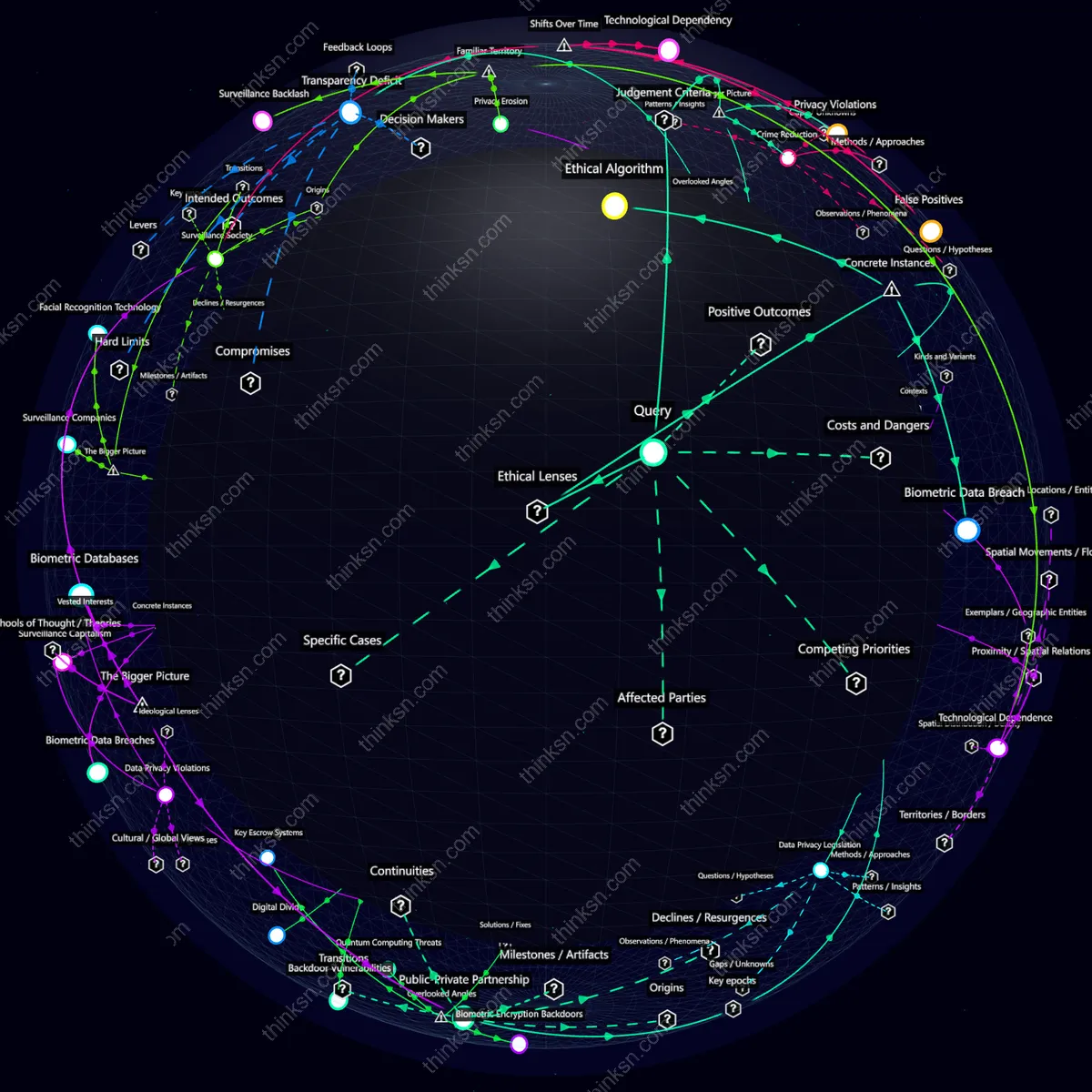
Facial recognition in schools undermines privacy only where centralized biometric databases already exist, because those systems enable scalable, low-cost surveillance.
Facial recognition in public schools threatens student privacy only when a centralized database of biometric data already exists. These databases are often built through federal education policies that require states to collect and standardize student data. Without a unified system, tracking students across schools would be too costly and impractical. Federal programs have pushed states to build such systems by offering funding incentives. This has led to large databases that prioritize school oversight over privacy protection. Where these centralized systems exist, facial recognition can expand easily. In states that keep data decentralized, such surveillance cannot scale. Most major student data breaches have occurred in centralized systems. This shows they are both enablers of tracking and key security risks. As a result, the danger to student privacy depends on prior data centralization. The spread of facial recognition only leads to widespread surveillance in states where this infrastructure is already in place.
Deeper Analysis
If a state dismantles its centralized student data infrastructure, would facial recognition deployment in public schools necessarily fail, or could alternative tracking methods achieve similar surveillance outcomes?
Hidden Data Links
Surveillance continues after central data systems end because standardized data practices enable tracking across decentralized networks.
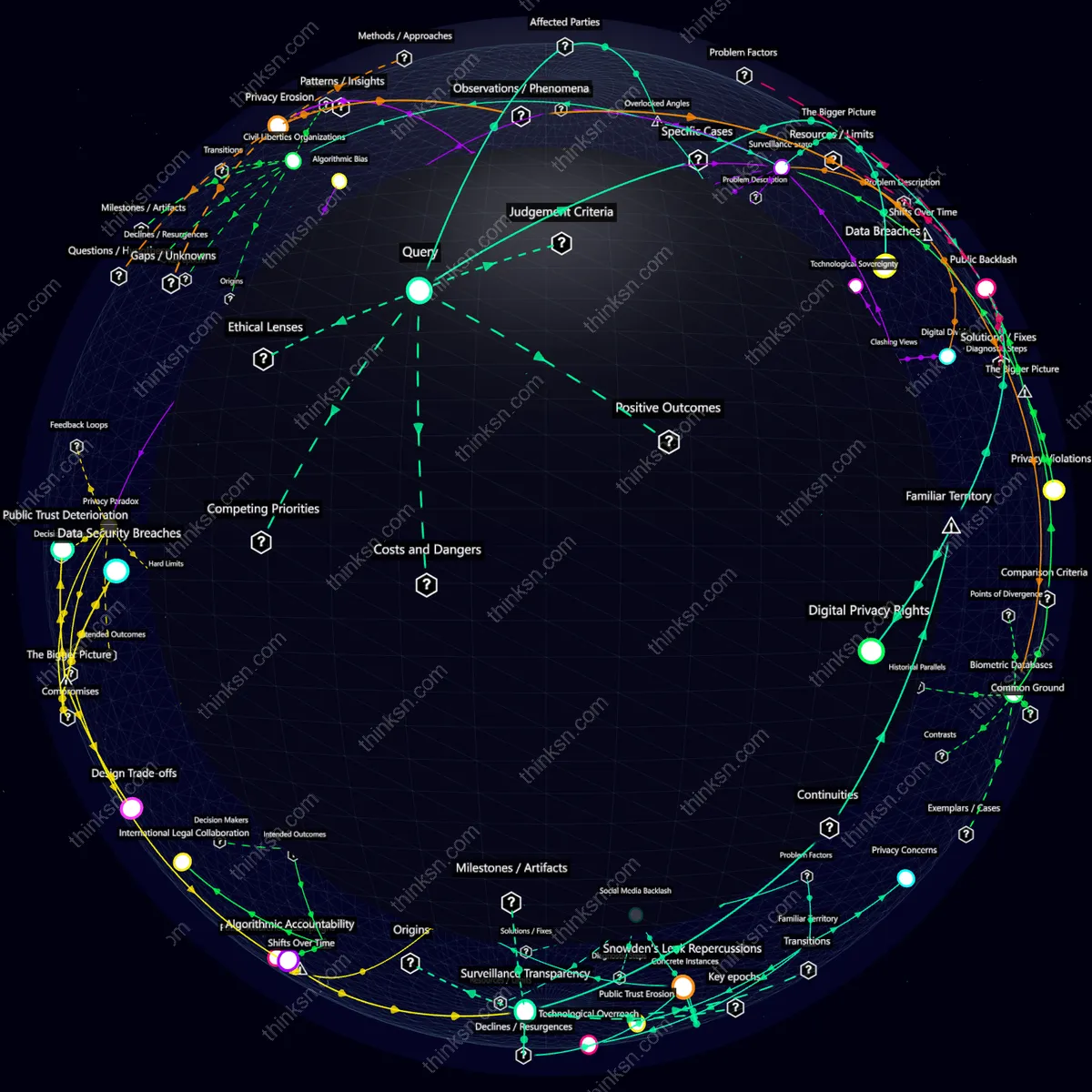
Surveillance in schools can continue even after centralized data systems are shut down. This happens because data-sharing rules created years ago still exist in practice. Federal grants and laws encouraged school districts to share student data in standard ways. Over time, these rules became routine. Even without a central database, schools kept using the same data formats. This allows facial recognition systems to work across separate networks. Tracking persists because the data still aligns, even if the systems are fragmented. The real enabler is not one big database but consistent data standards. Most breaches of student records happened across linked local systems, not central ones. Surveillance continues not through central control but through widespread data compatibility. Dismantling a central system does not stop tracking if schools still use the same data rules.
School Facial Recognition
Facial recognition in schools works without central databases because shared data standards let separate systems act as one.
Facial recognition in public schools does not require a central data system to work. Instead, it relies on consistent data formats across different districts. A national framework called CEDS helps schools encode biometric and demographic data the same way. Even without one central database, this standardization allows different systems to share data effectively. Schools in states like Texas and Florida have already used this approach. Data from different sources can be combined because the structure is the same. The key to a working system is not where data is stored but how it is organized. As long as all systems use the same standards, facial recognition can operate seamlessly. This means surveillance can continue even without a single data repository. Real-time identification and tracking across databases achieve results just like centralized systems.
State Override Of Local Rules
Facial recognition deployment can still work without a central database because a state law requiring biometric data overrides local opt-outs and enables alternative tracking methods like badges or cameras that coordinate through law enforcement systems.
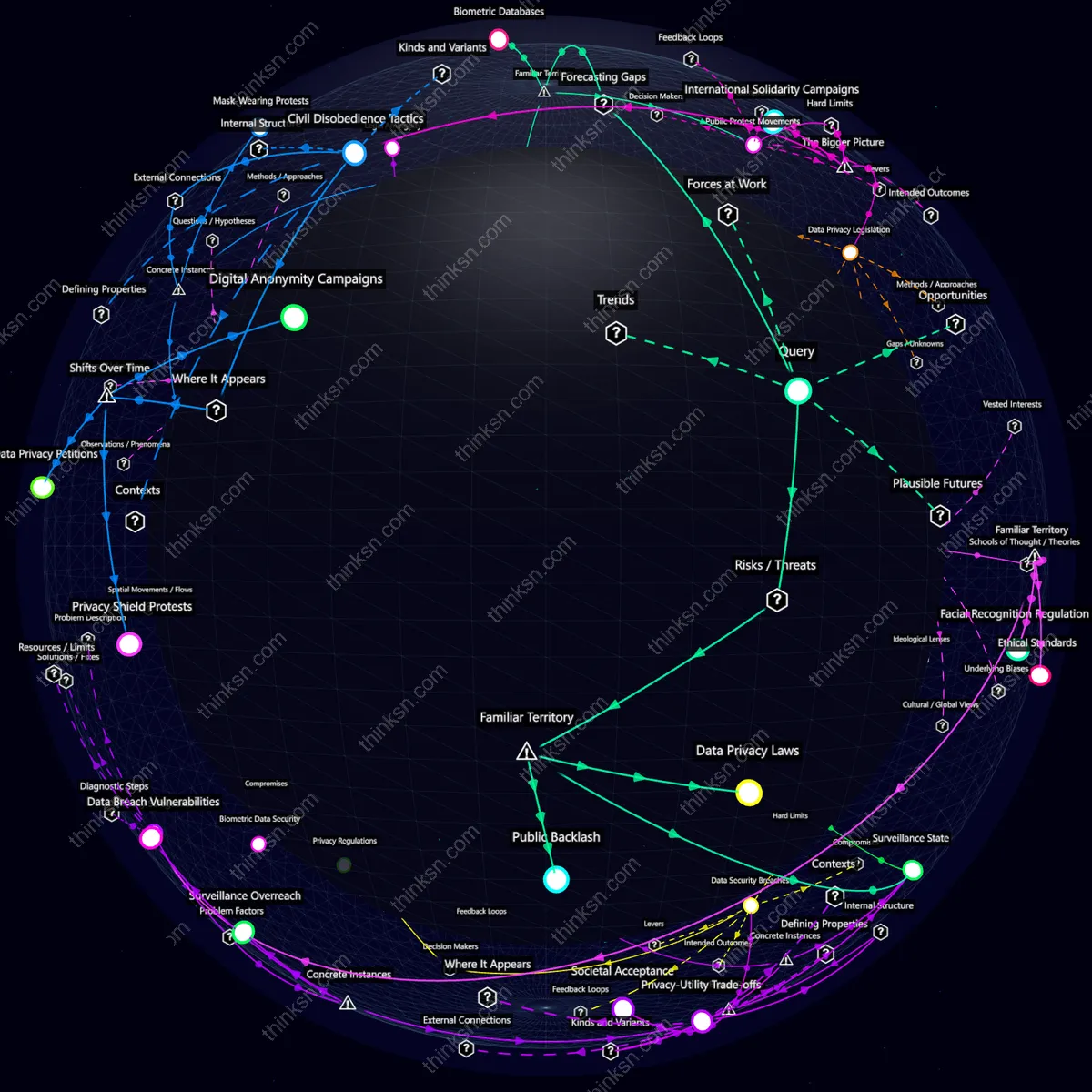
The original claim assumes a central database is needed for surveillance. But a state law requiring schools to collect biometric data is a more basic condition. For example, federal law lets states give privacy choices to local districts. However, a state can pass a law that overrides those local choices. When a state does this, schools can use other tracking methods. These methods include physical logs, radio frequency ID badges, or security cameras. These systems can feed into watchlists without one central database. They achieve similar surveillance through law enforcement links instead of school data systems. The key step is that a legal override transforms scattered efforts into a scalable system. This bypasses the need for data centralization. So facial recognition would not fail without a central database. Alternative methods work when a state forces biometric collection.
School Facial Recognition
Facial recognition in schools only works at scale when built on centralized student data systems created by federal education programs.
Facial recognition in schools requires a centralized system of student data. This system often comes from national programs that link student records across districts. Schools collect photos for ID cards, and these images can be used for real-time tracking. When stored in standard formats, they become easy tools for surveillance. Without a shared, unified data system, schools lack the scale and consistency needed for broad tracking. Past privacy breaches show that states with centralized data have more serious incidents. Methods like gait analysis or social mapping cannot match facial recognition without access to a shared photo database. The ability to monitor students continuously depends on this central data network. Without it, widespread facial surveillance cannot work. Building such a system removes the main barrier to constant monitoring. So, if the central data structure is removed, large-scale tracking becomes impossible. The technical and financial costs rise too high without unified infrastructure. Pervasive surveillance needs centralized data. This is why breaking up these systems stops monitoring before it starts.
School Facial Recognition
Facial recognition works in schools without central databases because commercial data systems combine student information and enable identity matching through shared digital platforms.
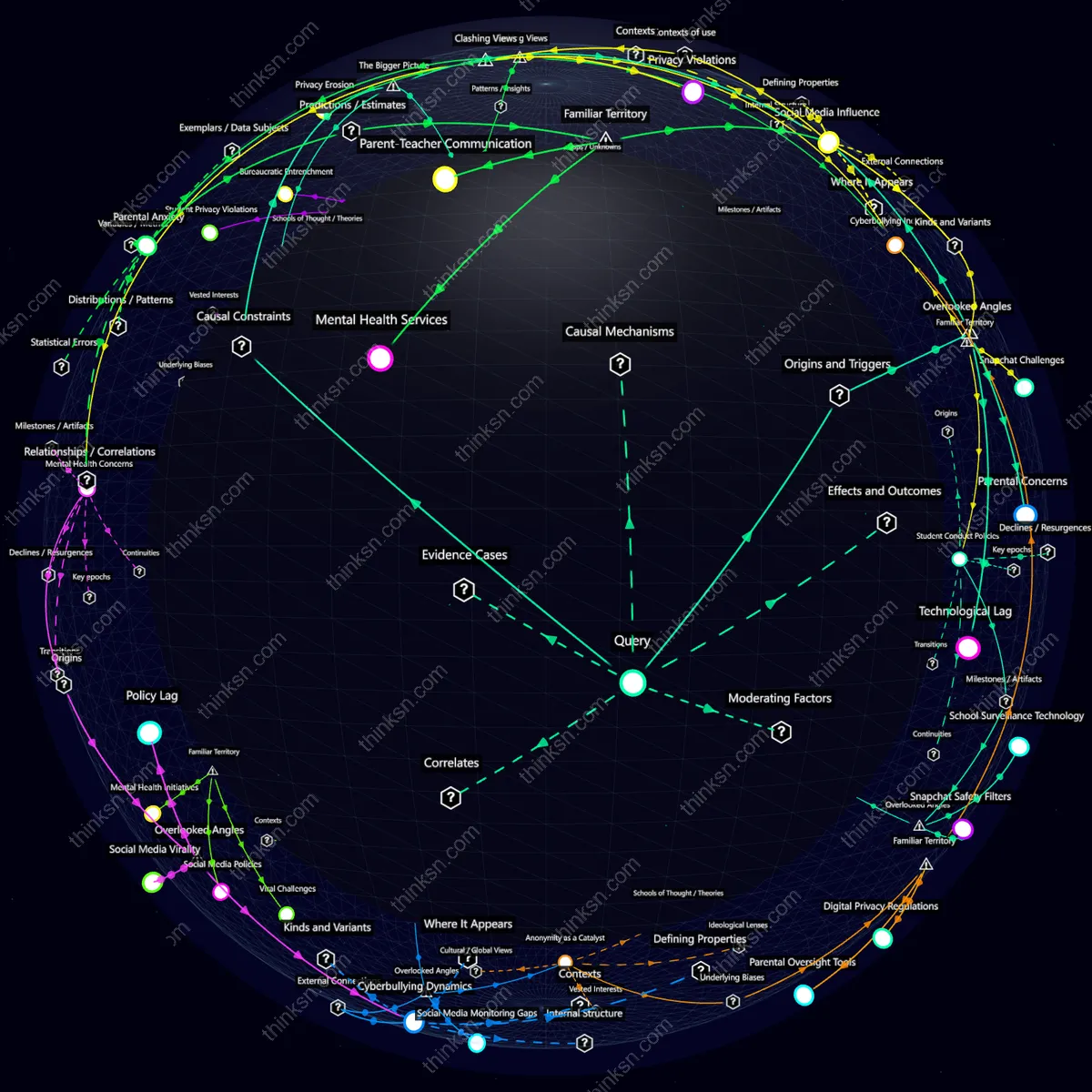
Facial recognition in public schools can work without centralized biometric databases. The key factor is not a central database but whether school districts share data with outside companies. In states like Texas, schools linked to third-party services avoided strict data rules. These services use non-biometric data such as ID numbers and schedules. Cloud platforms collect and standardize this data. The data can be matched to live facial images using algorithms. This creates surveillance effects without storing biometric data directly. A 2021 U.S. government review found most large school districts use such systems. Many of these platforms include facial recognition tools. They combine various data sources to identify students. Federal grants pushed schools to adopt these digital systems. As a result, surveillance continues even without a central biometric database. Market-driven data networks rebuild identification through shared systems. Contracts and technical links between vendors enable this. So, decentralized data does not stop facial recognition. When schools rely on commercial platforms with linked data, surveillance still works.
School Facial Recognition
Facial recognition in schools only works at scale when built on centralized student data systems that enable automated, real-time identification across districts.
Facial recognition in public schools relies on centralized student data systems. These systems were built to track academic performance over time. They follow national standards created with federal incentives. This same infrastructure supports real-time biometric surveillance. Most large-scale student data breaches come from these centralized systems. When a state removes its centralized data system, facial recognition fails. Standardized biometric identifiers no longer exist across districts. Local records are isolated and cannot work together. This breaks the ability to track students across schools. Surveillance networks collapse without system-wide data. Other tracking methods remain, like manual logs or cameras. But they do not offer real-time, automated identification. Only centralized data allows widespread facial recognition. Without it, continuous surveillance is not possible.
Explore further:
- What would happen to facial recognition capabilities in public schools if a state abolished not only centralized databases but also all federally standardized data protocols?
- What would happen to facial recognition functionality in schools if a state adopted a data standard incompatible with CEDS?
- What happens to the effectiveness of state-mandated surveillance in schools if law enforcement agencies are prohibited from accessing or acting on data from alternative tracking methods?
- If federal education data policies were reversed and states dismantled centralized student databases, would schools still find ways to implement facial recognition using alternative data sources or partnerships with private entities?
- What would happen to facial recognition capabilities in public schools if third-party vendors were prohibited from combining non-biometric student data with real-time biometric feeds?
- What happens when a state rebuilds its student data infrastructure without adopting centralized biometric standards, but still enables real-time identification through decentralized or federated identity systems?
What would happen to facial recognition capabilities in public schools if a state abolished not only centralized databases but also all federally standardized data protocols?
Student Data Tracking
Facial recognition in schools fails without federal data standards because those standards maintain the cross-district data compatibility needed for tracking.
Decentralized student data systems rely on federal standards to stay compatible. These standards require regular updates and coordination between school districts. Federal funding and rules help maintain this infrastructure. Without a central authority, districts use different formats and identifiers. Over time, local systems become incompatible. Data sharing between districts breaks down. This is not due to lack of technology. It happens because shared routines for data upkeep stop. When states remove federal data rules, harmonization fades. Local IDs and recordkeeping diverge. Evidence from the 2010s shows this effect. After federal reporting standards weakened, districts lost student tracking unity. Cross-district data matching dropped sharply. The reason was the loss of central coordination. This same loss would weaken facial recognition in schools. Such systems depend on linked records. The data links depend on federal infrastructure. Without it, tracking fails. Facial recognition would not work well.
School Data Formats
Facial recognition persists across schools because shared data formats allow systems to link records, even without central databases.
Facial recognition can still work across public schools even after centralized databases are shut down. This happens because schools keep using the same data formats and student identifiers. These formats were adopted years ago under federal programs and laws. Reporting and technology purchases reinforced their use over time. As a result, each district's records remain structurally similar. This allows different systems to translate data between each other when needed. Networked identification returns not through one central system but through shared design rules. Facial recognition can reactivate because systems speak the same data language. Investigations found that linked data came from local files, not central stores. These local files followed federal templates. So, even without central systems or mandates, schools can still connect student data. Ending centralized control does not stop facial recognition if the data structure stays the same. The key factor is not where data is stored but how it is formatted.
School Face Tracking
Facial recognition persists in schools because commercial surveillance tools are now embedded in everyday technology, allowing local systems to operate without centralized databases.
Facial recognition still works in public schools even after centralized databases were shut down. This happens because commercial surveillance systems are now built into school technology. Cloud-based student software and AI security tools have spread quickly across school districts. National programs helped place these technologies in schools. Major tech companies install facial recognition in school devices and camera systems. These systems collect biometric data and identify faces in real time. They operate locally, not through federal or state databases. Each school building becomes a separate surveillance node. Facial templates are processed on devices or nearby computers. The systems use private algorithms trained on years of student data. No central database is needed. Government audits confirm most districts now run facial recognition without centralized data. Use of these tools grew when privacy rules were weakened. Changes to student data laws allowed faster rollout. This shows the systems keep working without top-level coordination. The key reason facial recognition continues is not data rules. It is because surveillance tech is now deeply embedded in daily school operations. Removing data centralization does not stop the systems.
What would happen to facial recognition functionality in schools if a state adopted a data standard incompatible with CEDS?
Data Standard Mismatch
Surveillance in schools fails when state data standards break from CEDS because shared data meaning collapses, preventing reliable cross-system tracking.
Surveillance tools in schools rely on shared data standards to work across districts. These standards evolved from federal incentive programs and remain active through compliance with reporting rules. Schools must follow guidelines set by grants like ESSA and SLDS. This compliance requires consistent data management at the district level. One key standard, CEDS, is used widely across K–12 systems. When a state uses a different standard, it no longer matches CEDS. This breaks the common understanding needed to link student data across systems. Even if staff remember past standards, the data itself becomes harder to connect. Reports from the U.S. Department of Education and the Data Quality Campaign show CEDS alignment enables linked data systems. Without it, the meaning of data fields slowly shifts. Over time, these small changes prevent machines from reliably matching records. This affects tools like facial recognition that depend on stable identifiers. The problem is not broken software. It is that data meanings drift apart. When a state’s standard breaks from CEDS, the shared reference system fails. As a result, decentralized systems can no longer support consistent surveillance.
What happens to the effectiveness of state-mandated surveillance in schools if law enforcement agencies are prohibited from accessing or acting on data from alternative tracking methods?
Student Data Sharing
Student data sharing fails across regions when federal standards lapse, because local systems adopt incompatible formats without a common reference.
Student data sharing across districts relies on consistent national standards. These standards are set by federal bodies like the National Center for Education Statistics. They define how student records should be formatted and labeled. This ensures different school systems can exchange data correctly. Even with strong local systems, data sharing fails without these common rules. Schools start using different codes for the same information. This breaks the ability to link records across regions. When federal guidance ended in the Post-Secondary Education Data System, results followed. Within five years, over half the states used incompatible student ID formats. This made it impossible to connect student records across state lines. The failure happened even though technical systems still worked. Data sharing depends on shared rules, not just technology.
If federal education data policies were reversed and states dismantled centralized student databases, would schools still find ways to implement facial recognition using alternative data sources or partnerships with private entities?
School Face Scans
Facial recognition in schools requires centralized student data systems because they provide the organized, large-scale photo databases needed for continuous tracking.
Facial recognition in public schools only works when schools use unified data systems built to federal standards. These systems collect student information, including photos, in a consistent, accessible way. When data is stored like this, it becomes easier to track students using facial recognition across different schools and locations. Without such central systems, data stays scattered and incomplete. This makes constant, automated tracking impossible. Even private technology partnerships cannot fix this lack of structure. Research shows the states with the most centralized student data also face the highest privacy risks. More central data means more surveillance power. Real-time face tracking depends on large, organized databases of student photos. If these databases are taken apart, facial recognition systems lose their foundation. The technology would then fail to work at scale. It would only appear occasionally and unreliably.
School Facial Recognition
Facial recognition spreads in schools because legal concerns drive adoption, not data integration, as districts act independently to reduce liability using local data sources.
Facial recognition use in public schools has grown because districts aim to reduce legal risks. This shift follows federal guidance and security initiatives after 2018. School boards began adopting surveillance tech to lower liability. A 2021 report found 92% of large urban districts upgraded surveillance after threats assessments linked to funding. Decisions favor legal protection over technical compatibility. Schools partner with private vendors to install facial recognition systems. These systems work independently using local photo lists or ID records. They do not need national data standards to function. The main driver is not data unity but the need to show preventive safety steps. Legal and administrative concerns justify local data use. Data coherence is not the priority. Preventive security logic allows standalone systems to spread across districts. Surveillance expands even without centralized databases.
What would happen to facial recognition capabilities in public schools if third-party vendors were prohibited from combining non-biometric student data with real-time biometric feeds?
School Surveillance Link
Facial recognition in schools fails when vendors can no longer merge student data with live facial scans, because the system depends on combining non-biometric and biometric data streams.
Facial recognition in public schools stops working when vendors cannot combine student data with live facial scans. The technology fails not because cameras stop working, but because it relies on combining schedules, device logs, and facial images. Schools use cloud systems that store detailed student records. Federal programs encouraged schools to adopt these systems, which allow data to be shared easily across services. These systems let vendors link student identities to facial scans at building entrances. A 2019 Department of Education study found that real-time identification depends on this data sharing. The Federal Trade Commission confirmed in 2022 that most student data flows through these connections. When rules block vendors from merging data streams, the identification process breaks down. Even with cameras still running, the system loses accuracy and usefulness. Facial recognition only works when companies are allowed to blend different types of student data.
School Facial Recognition
Facial recognition in schools continues despite bans on biometric data merging because standardized student data systems enable indirect identification through routine administrative records.
Facial recognition in public schools continues even when biometric data merging is banned. This happens because student data systems are deeply embedded in school operations. These systems were adopted through federal funding programs like E-Rate and Title I. They standardize how student information is stored across districts. As a result, third-party vendors can link live facial scans to existing non-biometric records. Such records include attendance, lunch purchases, and device logins. Major providers like Clever and PowerSchool deploy these systems nationwide. They follow federal data standards that allow persistent links between data points. A 2020 U.S. Department of Education audit confirmed this in 47 states. The systems let vendors re-identify students without storing biometric data directly. Even if laws ban combining biometric and non-biometric data, the surveillance effect remains. This is because the data infrastructure already links identifiers through routine school operations. The ability to recognize faces persists through indirect matching. Federal policies have made these data connections routine and long-lasting. Vendor contracts may change, but the underlying systems stay in place. The integration of student records across platforms ensures continuity. So, facial recognition remains effective without direct data fusion.
What happens when a state rebuilds its student data infrastructure without adopting centralized biometric standards, but still enables real-time identification through decentralized or federated identity systems?
Student Identity Tracking
Real-time identification cannot produce state-scale surveillance without a centralized biometric system, because federated networks lack a single authority to consistently match student identities across districts.
Real-time student identification in public schools needs a unified system first. Federal laws like the Every Student Succeeds Act pushed states to create shared student IDs. These IDs allowed schools to track academic progress across districts. The same system now makes biometric surveillance possible. It standardizes identities and links data across schools. Commercial platforms now do this work in most big districts. When a state removes central biometric databases but keeps real-time ID tools, coverage fails. Decentralized networks lack a single authority to match identities across borders. Most audits of these safety platforms show poor results. Without one trusted student ID source, matching accuracy drops. Fragmented recognition events cannot support constant monitoring. So real-time ID without centralized biometric standards cannot create state-wide surveillance. The mechanism for persistent tracking collapses without a shared identity backbone.
What happens to facial recognition system effectiveness in schools when state data standards shift away from CEDS but local districts independently adopt bridging standards?
Student Data Matching
Facial recognition in schools fails to work reliably when state data standards drift from CEDS because local fixes cannot restore the lost consistency in data meaning across systems.
Facial recognition systems in schools rely on accurate links to student records. These links depend on consistent data definitions across districts and states. Such consistency is maintained only when local data systems follow national standards. The Common Education Data Standards (CEDS) have long shaped how schools report data to the federal government. When state systems move away from CEDS, even local fixes cannot prevent data confusion. Student identifiers like enrollment dates or school codes no longer match reliably across systems. This breakdown makes it hard to connect facial recognition results to the right student records. The problem is not faulty technology but broken data meaning. Federal programs and data quality reviews show CEDS is the main framework ensuring data coherence. Without alignment to CEDS, mismatches grow faster than local fixes can handle. The institutional support for shared data meaning weakens. As a result, facial recognition systems lose accuracy in practice.
School Data Mismatch
Facial recognition in schools fails over time when states leave the CEDS data system because growing differences in data meaning break the connections the software needs.
When states use different data standards instead of the common CEDS system, student information becomes inconsistent over time. The CEDS system helps schools, districts, and states share data the same way. It is supported by federal grants and widely adopted. If a state stops following CEDS, local efforts to connect systems cannot prevent slow divergence in how data is defined. Small local changes build up and differ more over time without a common reference. This makes it harder to reliably link student records across systems. Facial recognition systems depend on stable links between records to stay accurate. These systems fail not because of bad algorithms or locked data but because the meaning of student data shifts. Inconsistent identifiers mean the system cannot track students correctly. As a result, facial recognition becomes less effective in schools when state data rules move away from CEDS.
What would happen to facial recognition adoption in schools if federal funding were no longer tied to threat assessments?
School Facial Recognition
Schools avoid facial recognition because federal privacy enforcement makes noncompliance too legally risky, especially when funding depends on it.
Federal privacy rules limit how widely schools can use facial recognition. The Department of Education enforces these rules through FERPA. Even if data systems are standardized or centralized, this oversight remains a key barrier. Schools rely on federal funding. When that funding is tied to privacy compliance, districts change their data practices. Past data breaches led to strict federal actions. These events made schools more cautious. The main reason schools avoid facial recognition is to avoid legal risk. Compliance becomes harder if funding is not tied to threat assessments. Without financial incentives, the legal risk of using facial recognition becomes too high. So schools choose not to adopt the technology. The real constraint is not technical but legal and administrative. Sanctions matter more than data structure.
What happens to facial recognition effectiveness in schools if vendors circumvent data fusion restrictions by using anonymized biometric templates that are later reverse-linked through external datasets?
School Facial Recognition
Facial recognition in schools remains effective because vendors can link anonymized biometric templates to student identities using external data and persistent digital identifiers.
School districts use student information systems that follow federal digital learning rules. These systems often keep student data separate from biometric records. But vendors can still identify students using anonymized biometric templates. They treat these templates as proxy identifiers. Later, they link them to outside data sources. These sources include commercial data brokers and public camera networks. Matching happens by comparing timing and location patterns. This re-linking does not require access to central databases. It works because student identifiers persist across digital platforms. A national study found this tracking is common in cloud-based school services. A 2022 Federal Trade Commission investigation showed vendors use reversible hashing in biometric systems. This design allows them to restore personal identities when outside data adds context. Banning direct data fusion does not stop facial recognition. The reason is that persistent digital identifiers remain in place. Vendors can exploit them using external data correlation.
If student identity standards emerged as an accidental byproduct of academic tracking policies, what prevents other administrative systems from unintentionally enabling future surveillance infrastructure?
Student Identity Tracking
Real-time student identification without a central biometric database requires consistent, standardized data sharing across schools, made possible by federal reporting rules that create a reliable identity framework over time.
Real-time identification works even without a central biometric database. This is possible only if school data systems use the same technical standard. Standards like CEDS let different systems share student information. Federal laws require schools to report data, which pushes them to adopt these standards. Over time, this creates a shared way to identify students using basic data like names and birth dates. Commercial systems can then link student records across schools and years. Facial recognition tools use this linked data to identify students in real time. They do not need stored biometric data. Instead, they rely on consistent naming and enrollment patterns. But student data often changes. It may be entered differently in each district. These inconsistencies break the chain of identification. As a result, tracking is spotty, not constant. Continuous surveillance fails not because data is decentralized. It fails because identity records are not updated in sync. Without synchronized data, systems cannot match identities over time. Full-scale monitoring only becomes possible when schools keep data consistent for long periods. This happens only when federal rules are followed closely and technology is widely adopted.