How Educational Systems Can Combat Digital Disinfo: Integrating Critical Thinking Skills
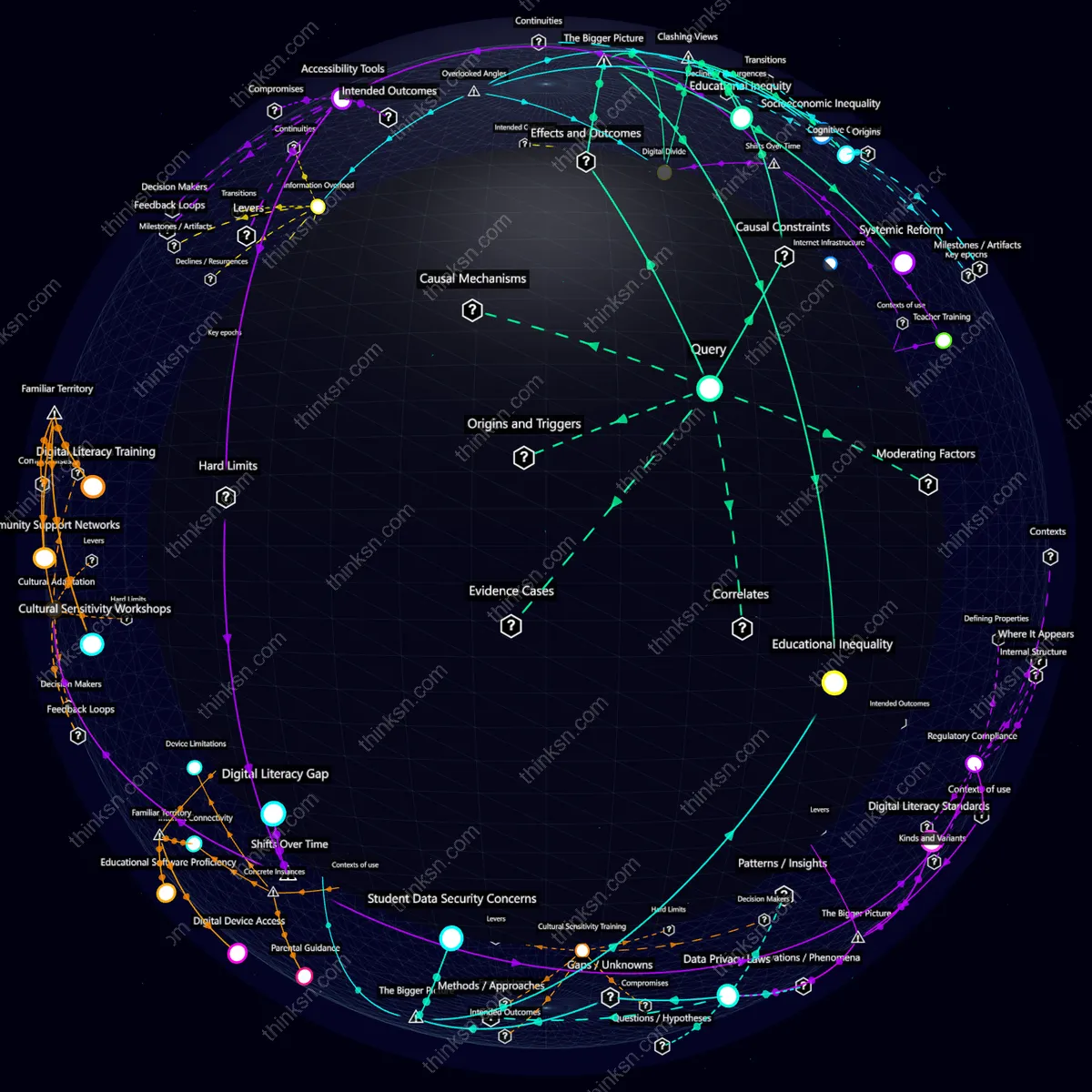
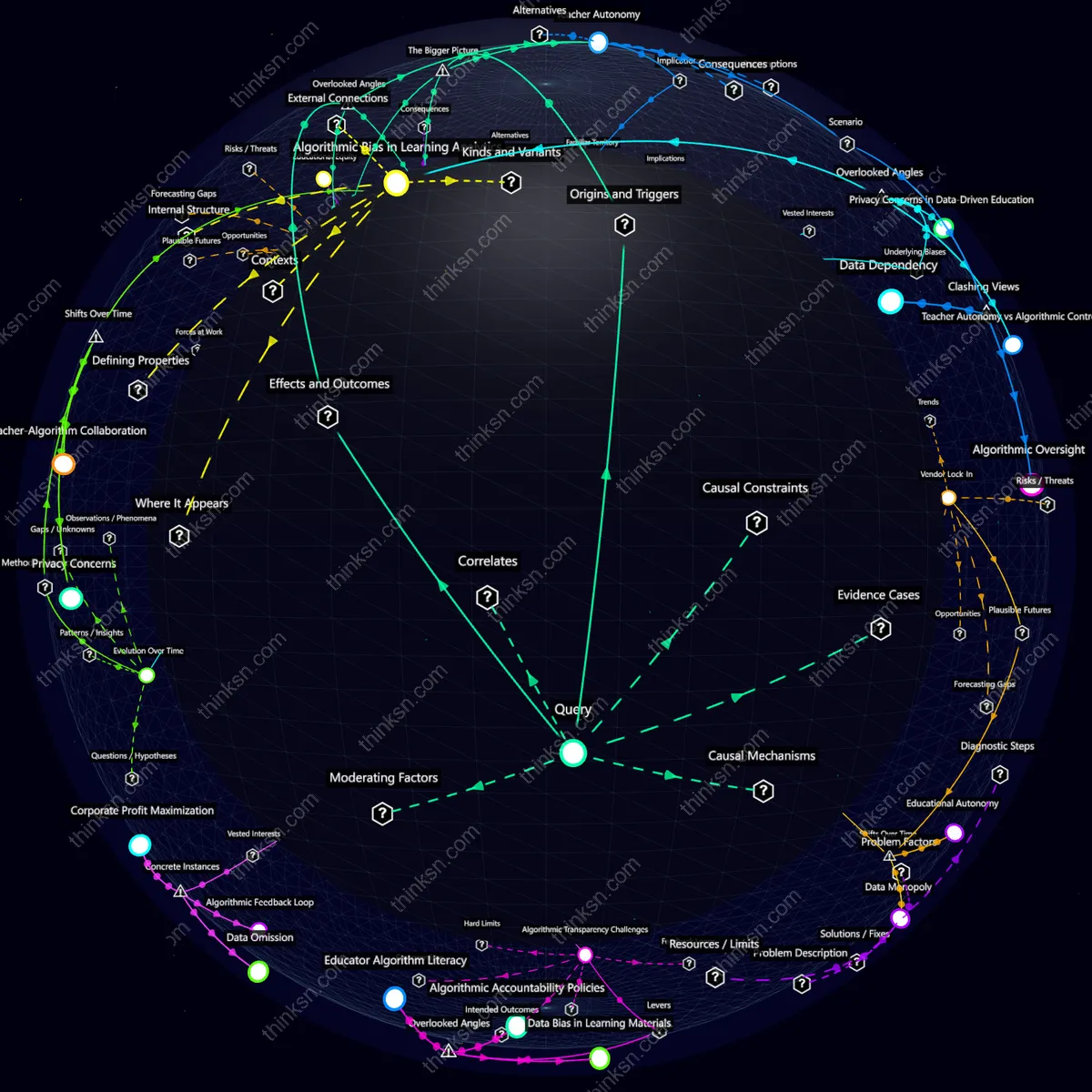
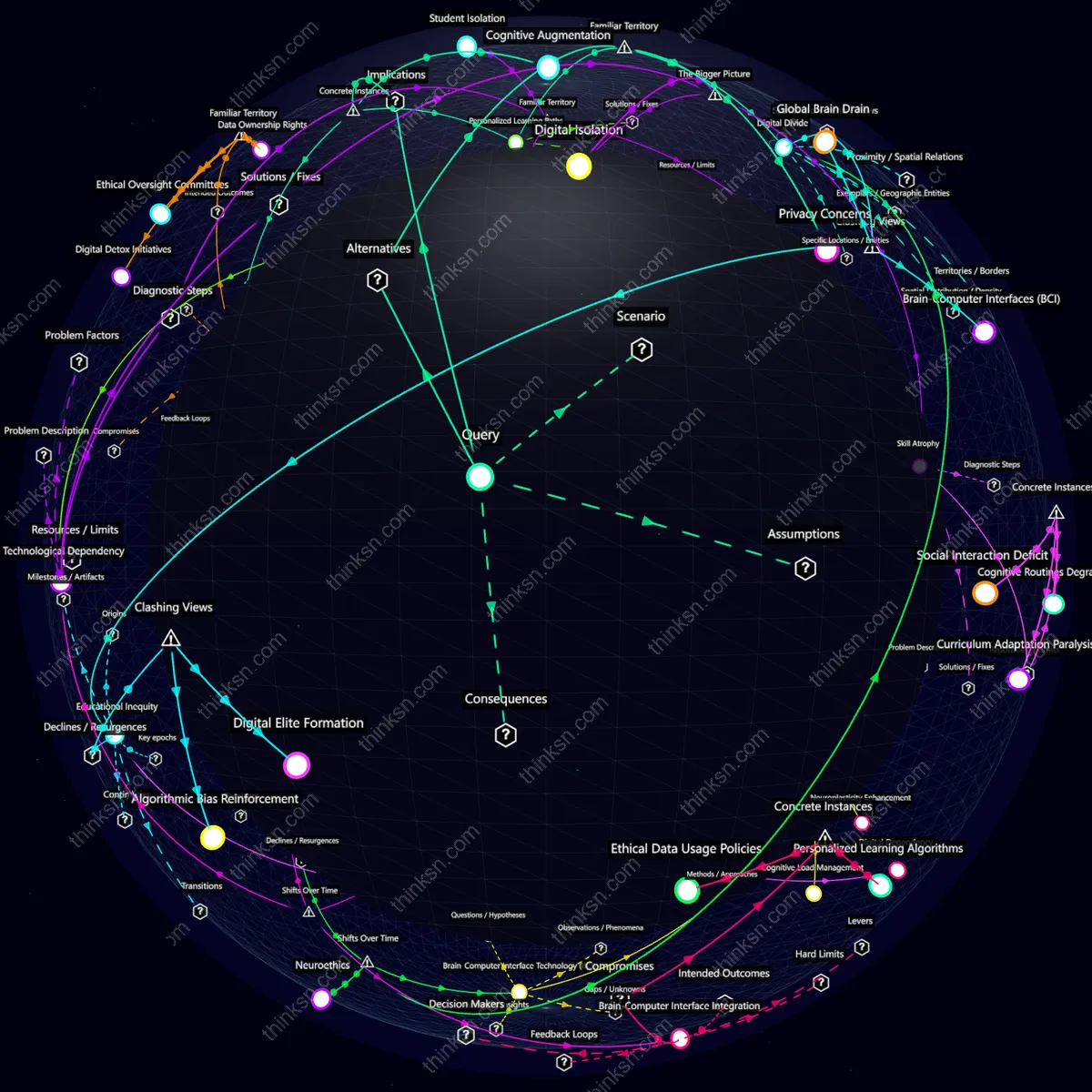
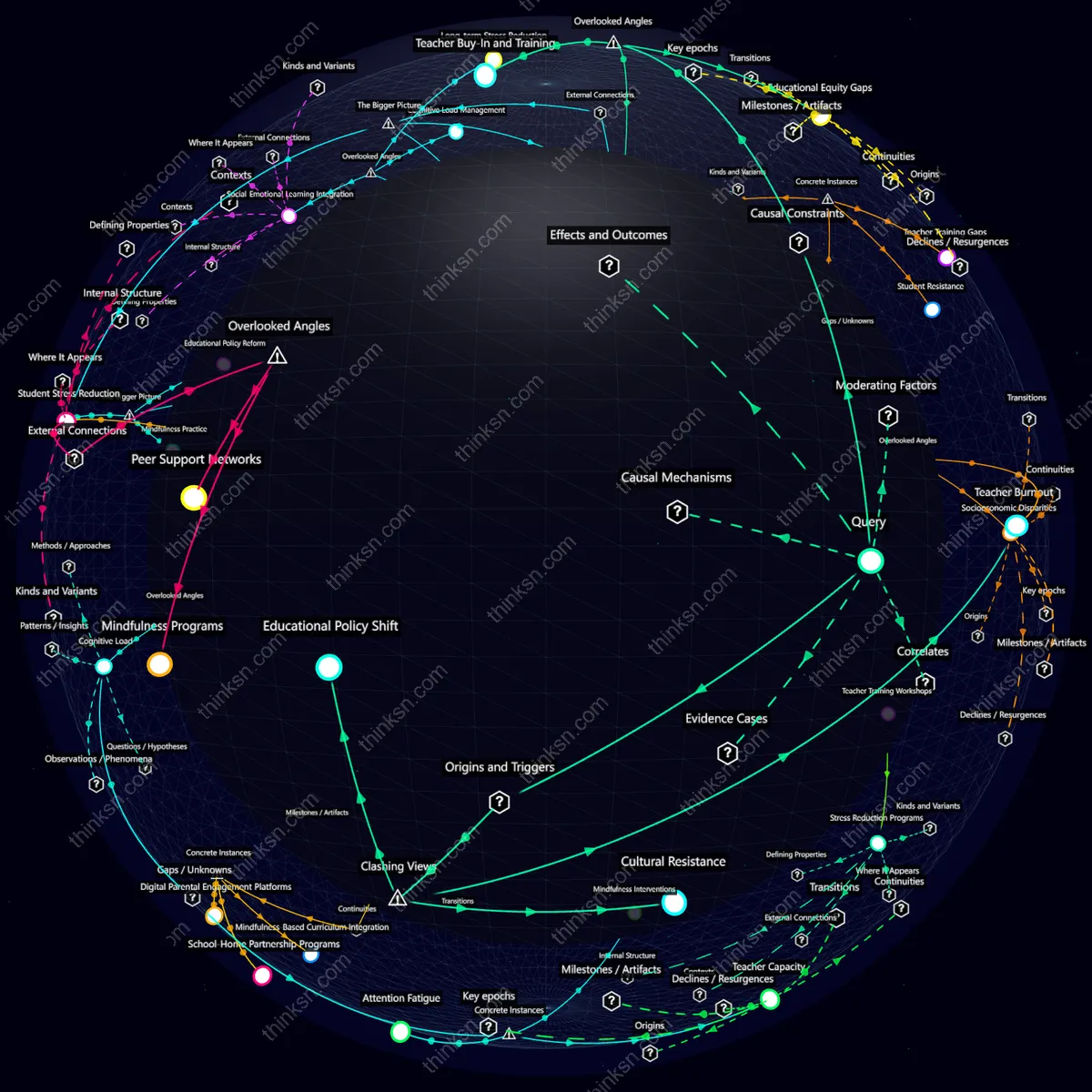
Analysis reveals 6 key thematic connections.
Key Findings
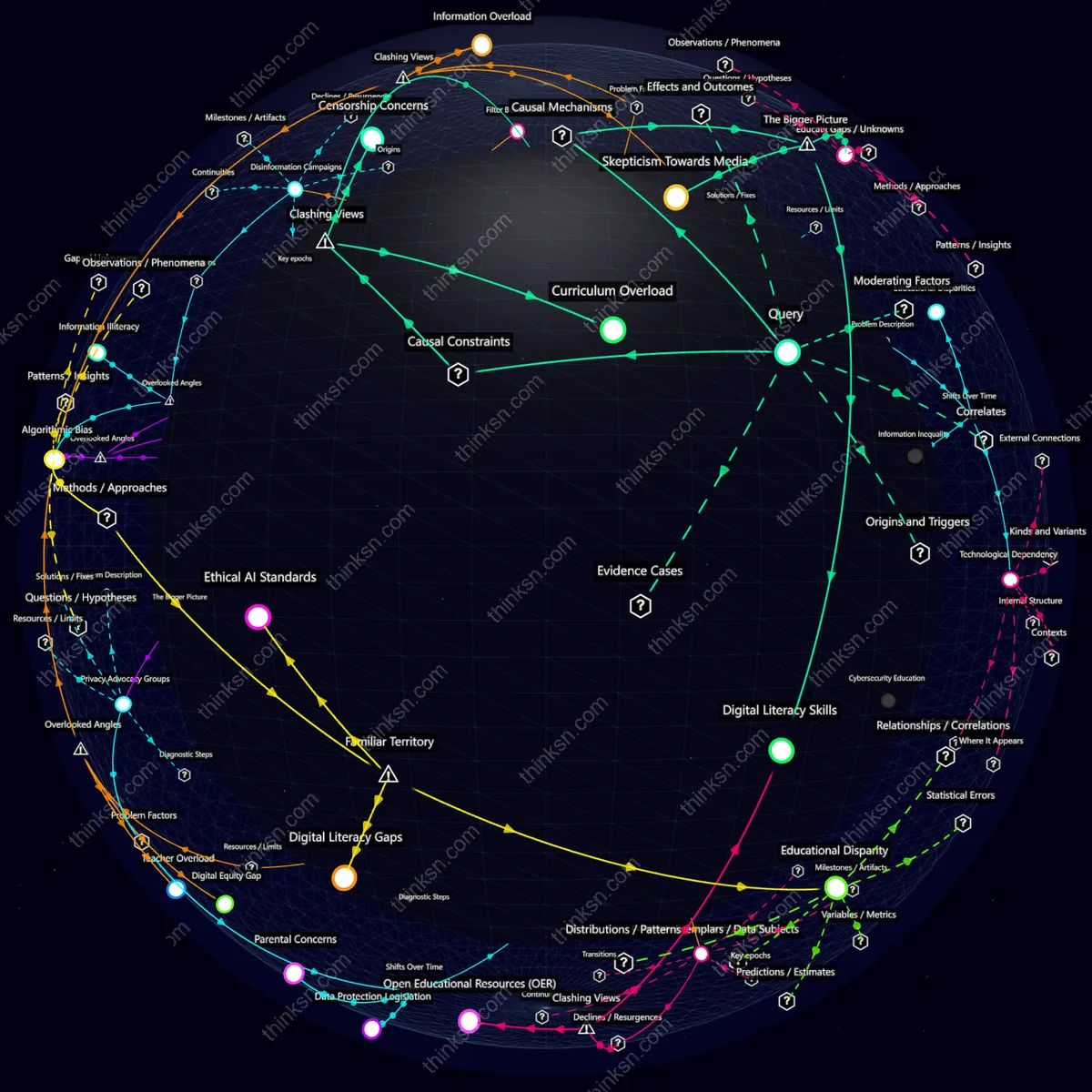
Digital Literacy Skills
Integrating critical thinking on digital disinformation into curricula accelerates the development of robust digital literacy skills among students. However, this can create a false sense of security if educators and parents underestimate the evolving nature of online threats, leading to complacency in ongoing education about new forms of deception.
Skepticism Towards Media
Inculcating critical thinking skills regarding digital disinformation may inadvertently foster widespread skepticism towards all media, making it challenging for students to discern credible sources and reliable information. This can undermine trust in journalism and other forms of public communication, complicating efforts to address misinformation effectively.
Educational Policy Shifts
The inclusion of critical thinking on digital disinformation within curricula could trigger significant educational policy shifts at national levels. Policymakers might rush to implement new standards without adequate teacher training or resource allocation, creating disparities in quality education and potentially exacerbating existing inequalities.
Digital Literacy
Integrating critical thinking on digital disinformation into curricula can significantly enhance students' digital literacy, empowering them to discern misinformation online. However, this approach may inadvertently prioritize technological skills over traditional liberal arts education, potentially narrowing the scope of what 'education' means and impacting cultural understanding and ethical reasoning.
Censorship Concerns
While critical thinking about digital disinformation aims to protect students from harmful content, it can also raise concerns about censorship. Educators may face pressure to exclude certain viewpoints or sources deemed controversial, leading to a potential chilling effect on academic freedom and the open exchange of ideas.
Curriculum Overload
Incorporating complex topics like digital disinformation into already crowded curricula could lead to curriculum overload. This might result in superficial treatment of these issues, undermining their educational value or causing burnout among teachers who struggle to balance new content with existing requirements.
Deeper Analysis
What are the measurable impacts and potential failures when integrating digital literacy, focusing on critical thinking about disinformation, into educational curricula?
Information Overload
The integration of digital literacy into curricula risks overwhelming students with vast amounts of information, causing them to lose critical thinking skills as they struggle to discern between credible and misleading sources. This overabundance can paradoxically undermine their ability to critically engage with disinformation.
Digital Divide
While digital literacy initiatives aim to empower all students, the reality of unequal access to technology and internet resources creates a divide that exacerbates existing educational disparities. Students from disadvantaged backgrounds may face barriers to fully engaging with digital learning tools, potentially marginalizing them further.
Algorithmic Bias
The reliance on search engines and social media for information can expose students to algorithmically curated content, often reinforcing biases and echo chambers. This undermines the goal of fostering critical thinking about disinformation by limiting exposure to diverse perspectives and challenging ideas.
Disinformation Campaigns
The integration of digital literacy in curricula can significantly mitigate the spread of disinformation campaigns by fostering critical thinking. However, if educational programs fail to address the rapid evolution of disinformation tactics, students may still fall victim to sophisticated and nuanced misinformation efforts.
Filter Bubble Effect
While digital literacy aims to broaden perspectives and encourage media diversity, poorly designed curricula can inadvertently reinforce filter bubbles by failing to expose students to a wide range of viewpoints. This risk is particularly acute in regions with strong echo chambers online.
Educational Equity Gap
Digital literacy programs often rely on technology access and training that are unevenly distributed across socioeconomic lines, exacerbating educational equity gaps. Schools in underprivileged areas may struggle to implement comprehensive digital literacy curricula due to resource constraints.
Explore further:
- How does integrating critical thinking on digital disinformation in curricula exacerbate or mitigate issues related to the digital divide, and what are the measurable impacts on educational equity and systemic strain?
- How has the evolution of disinformation campaigns over time influenced the integration of critical thinking about digital disinformation in educational curricula?
How does integrating critical thinking on digital disinformation in curricula exacerbate or mitigate issues related to the digital divide, and what are the measurable impacts on educational equity and systemic strain?
Information Inequality
The integration of critical thinking on digital disinformation in curricula exacerbates information inequality by disproportionately benefiting students with access to advanced technology and robust internet connections, thereby widening the gap between those who can critically engage with online content and those who cannot due to limited resources or technical barriers.
Educational Disparities
As schools increasingly incorporate digital literacy into their curricula, educational disparities intensify in regions where students lack access to necessary devices or stable internet. This systemic strain is exacerbated by the assumption that all students have equal opportunities to engage with online content, leading to a reinforcement of existing socioeconomic divides.
Technological Dependency
The push towards digital integration in education creates a fragile dependency on technological infrastructure, exposing vulnerable communities to systemic risks. When outages occur or resources are scarce, students lose critical learning opportunities, further entrenching the digital divide and highlighting the precarious nature of educational equity in the modern era.
How has the evolution of disinformation campaigns over time influenced the integration of critical thinking about digital disinformation in educational curricula?
Algorithmic Bias
The reliance on social media algorithms to filter information has inadvertently amplified disinformation campaigns by prioritizing engagement over truth. This bias creates echo chambers that reinforce false narratives, making it difficult for critical thinking about digital disinformation to gain traction in educational curricula.
Information Illiteracy
The rapid spread of disinformation has exposed widespread gaps in public understanding of how information is created and shared online. This illiteracy creates a fertile ground for disinformation campaigns, complicating efforts to integrate critical thinking skills into educational frameworks.
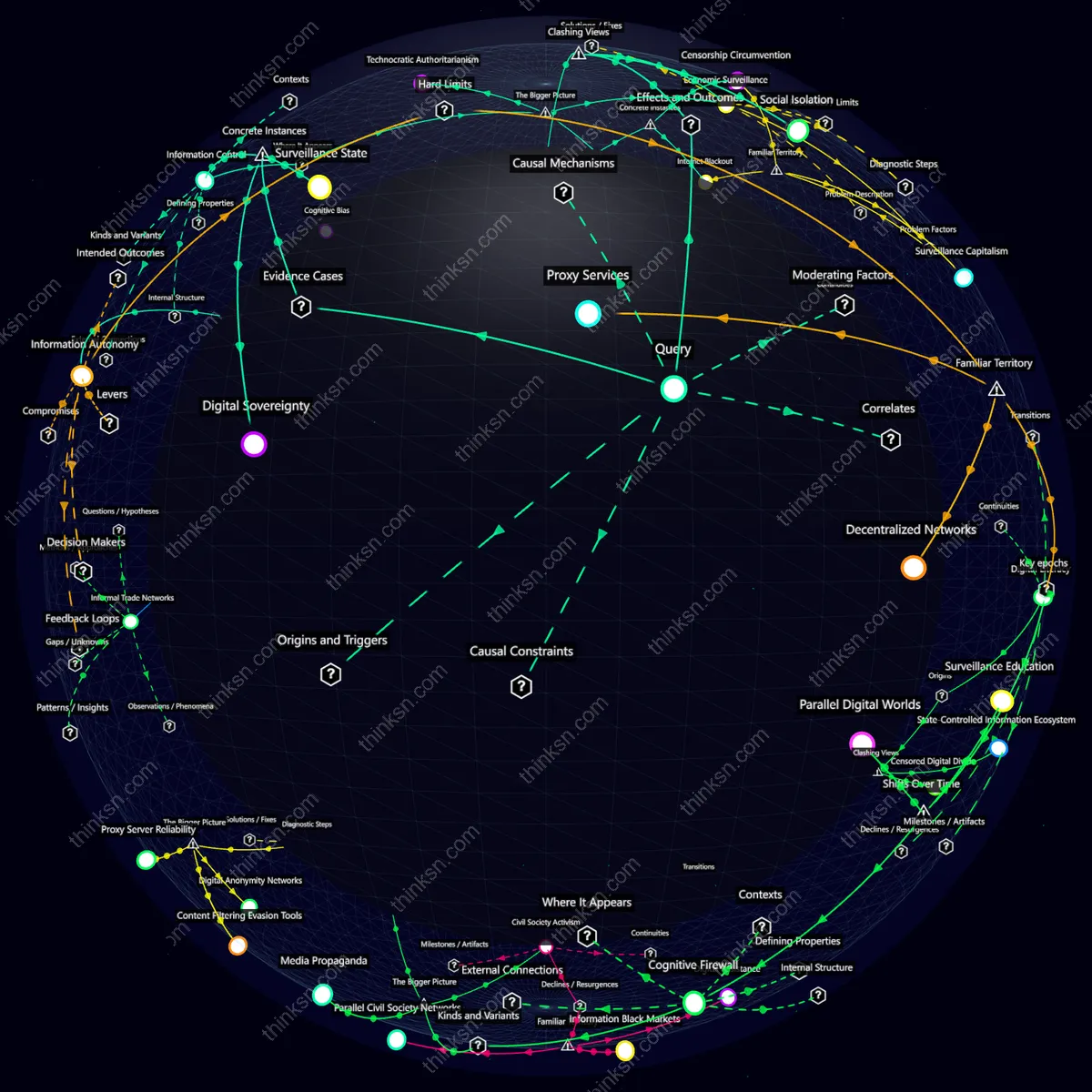
State Surveillance
In response to the threat posed by disinformation campaigns, governments have increased surveillance and censorship measures that can stifle free speech and independent thought. This tension between combating misinformation and protecting democratic freedoms complicates efforts to educate students about digital literacy without compromising civil liberties.
How has the integration of critical thinking about digital disinformation in educational curricula influenced state surveillance practices over time?
Digital Literacy Campaigns
As states integrate digital literacy into curricula to combat disinformation, they often face the challenge of balancing transparency with control. These campaigns aim to educate citizens on critical thinking but inadvertently highlight the very surveillance practices employed by state authorities, creating a double-edged sword where increased awareness can lead to greater scrutiny and skepticism towards government motives.
Cybersecurity Legislation
States have increasingly turned to cybersecurity legislation as they grapple with the rise of digital disinformation. While these laws aim to protect national security by regulating online activities, they often serve as a pretext for expanded surveillance powers. This has led to a delicate balance between safeguarding information and maintaining civil liberties, where overreach can undermine public trust in both government and educational institutions.
Privacy Advocacy Groups
The surge of digital literacy education has galvanized privacy advocacy groups who see these efforts as potentially masking deeper state surveillance activities. These organizations work to highlight the risks associated with increased data collection by states, often positioning themselves against educational reforms that they perceive as insufficiently protective of individual rights. This dynamic creates a polarized debate around the true intent and efficacy of digital literacy programs.
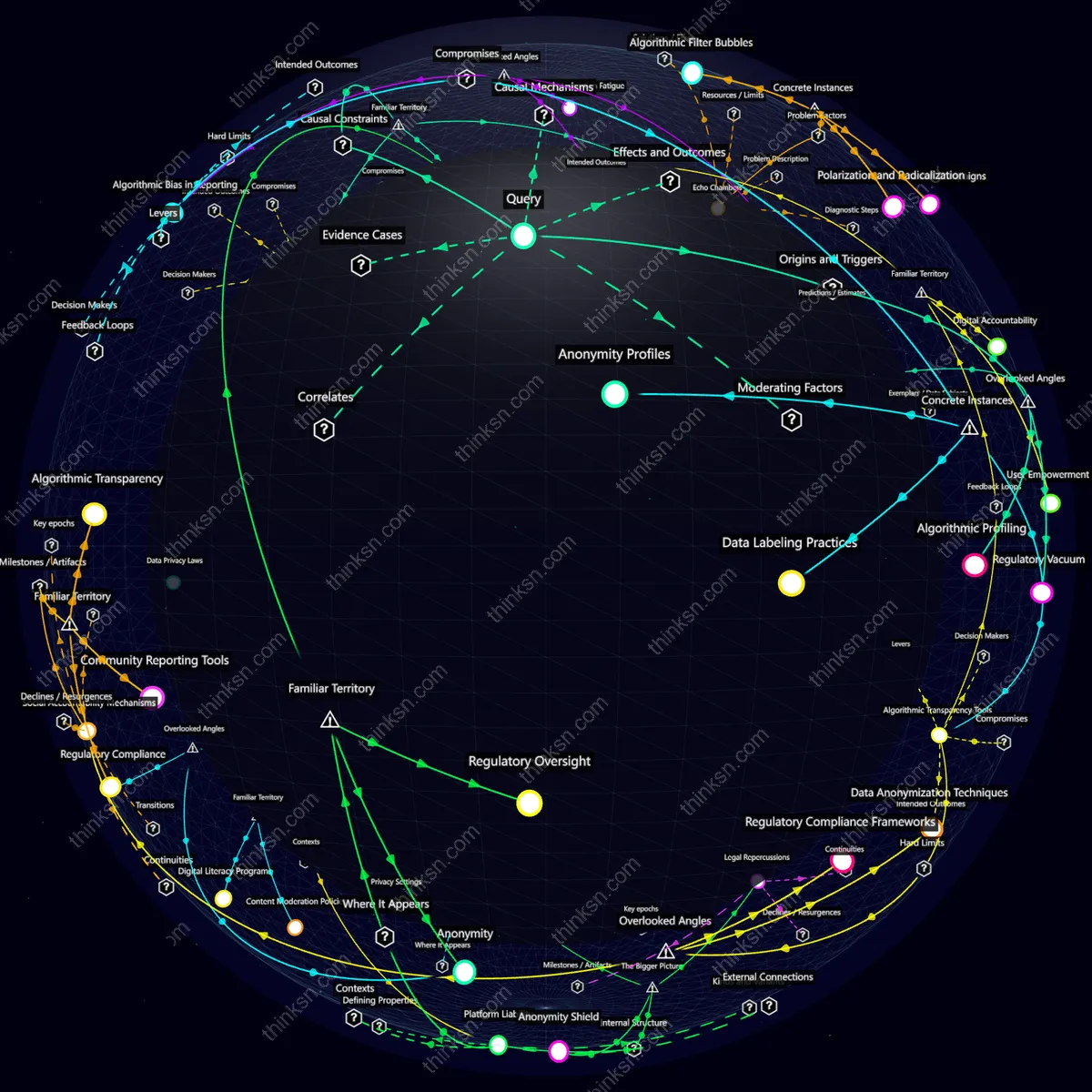
Digital Sovereignty
As states integrate critical thinking about digital disinformation into educational curricula, the push for digital sovereignty becomes more pronounced. This reframes attention towards national control over internet infrastructure and data governance, potentially leading to fragmented global networks and heightened surveillance capabilities within state borders.
Algorithmic Bias
The integration of critical thinking about digital disinformation leads educators and policymakers to uncover the hidden biases in algorithms used for both education and state surveillance. This highlights a trade-off where efforts to combat misinformation can inadvertently perpetuate or exacerbate existing social inequalities through biased data sets.
Citizen Oversight
Encouraging critical thinking about digital disinformation empowers citizens to scrutinize the operations of state surveillance more effectively. However, this increased oversight and public awareness can create fragile dependencies on transparent governance mechanisms and legal frameworks that may not be robust enough to withstand scrutiny.
Explore further:
- What are the measurable impacts on educational curricula when privacy advocacy groups emphasize critical thinking about digital disinformation, and what systemic trade-offs or failures might arise from this integration?
- What are the emerging insights on how algorithmic bias in educational technology affects the integration of critical thinking about digital disinformation in curricula?
What are the measurable impacts on educational curricula when privacy advocacy groups emphasize critical thinking about digital disinformation, and what systemic trade-offs or failures might arise from this integration?
Digital Literacy Programs
As privacy advocacy groups push for critical thinking about digital disinformation in curricula, digital literacy programs become more integrated into school systems. This shift can lead to a decrease in traditional subjects' time allocation due to the perceived urgency of cybersecurity and privacy education. However, this could result in students missing out on foundational skills that are not directly related but essential for holistic development.
Data Protection Legislation
The influence of privacy advocacy groups often leads to stricter data protection laws, which schools must adhere to when integrating digital literacy into their curricula. This legal framework can create a barrier for less tech-savvy educational institutions, potentially widening the digital divide between well-resourced and underfunded schools. Moreover, these regulations may inadvertently stifle innovation in teaching methods that rely on new technologies.
Parental Concerns
Privacy advocacy groups' efforts to raise awareness about online privacy risks often lead to increased parental concerns over data security and screen time for their children. This heightened anxiety can result in parents limiting digital access at home, creating a paradox where students may lack the necessary practice and exposure to develop robust digital skills outside of school hours, thus undermining the effectiveness of educational initiatives aimed at combating digital disinformation.
What are the emerging insights on how algorithmic bias in educational technology affects the integration of critical thinking about digital disinformation in curricula?
Educational Disparity
Algorithmic bias in educational technology exacerbates educational disparity by disproportionately disadvantaging underprivileged students, who face barriers to accessing quality education and technological resources. This creates a feedback loop where biased algorithms reinforce existing social inequalities.
Digital Literacy Gaps
The integration of critical thinking about digital disinformation in curricula is hindered by algorithmic bias, as educational technology platforms often prioritize content that reinforces existing biases and echo chambers. This perpetuates digital literacy gaps, leaving students unprepared to critically assess the validity of information online.
Ethical AI Standards
The lack of robust ethical AI standards in developing educational technologies leads to algorithmic bias, which can undermine trust in both technology and educators. This fragile dependency on poorly designed systems risks long-term harm by perpetuating misinformation and eroding the foundations of critical thinking.
What are the components and categories of digital literacy programs that integrate critical thinking on digital disinformation, and how do they affect educational curricula?
Critical Thinking Workshops
Integrating critical thinking workshops into digital literacy programs can significantly enhance students' ability to identify and refute disinformation. However, these efforts face challenges due to the fast-evolving nature of digital threats and the need for continuous updates in curricula.
Media Literacy Assessment Tools
The use of media literacy assessment tools within educational settings can effectively measure students' understanding of digital disinformation. Yet, reliance on these tools might lead to an overemphasis on standardized testing rather than fostering critical thinking skills in a dynamic context.
Collaborative Online Learning Platforms
Implementing collaborative online learning platforms for digital literacy programs allows students to engage with peers and experts globally, enhancing their understanding of disinformation. However, this approach can expose educational systems to cybersecurity risks and privacy concerns.
Social Media Platforms
Digital literacy programs often collaborate with Social Media Platforms to provide authentic case studies for students, but this partnership is fragile due to conflicting interests. Platform companies prioritize user engagement over educational goals, potentially diluting the program's integrity.
Cybersecurity Education
While Digital Literacy Programs aim to enhance Cybersecurity Education, they often fail to address evolving threats effectively. As hackers develop new tactics, outdated curricula can leave students vulnerable, highlighting a critical need for continuous curriculum updates.
Explore further:
- What are the measurable impacts on education when media literacy assessment tools are used to integrate critical thinking about digital disinformation into curricula, and what systemic pressure points or failures might arise from this approach?
- How has the evolution of collaborative online learning platforms over time influenced the integration of critical thinking about digital disinformation in educational curricula?
What are the measurable impacts on education when media literacy assessment tools are used to integrate critical thinking about digital disinformation into curricula, and what systemic pressure points or failures might arise from this approach?
Digital Equity Gap
The implementation of media literacy assessment tools disproportionately benefits students with access to advanced digital resources, widening the digital equity gap. Schools in underserved areas struggle to integrate these tools effectively due to limited technology and training.
Algorithmic Bias
Assessment tools relying on algorithmic analysis may inadvertently perpetuate biases present in their datasets, leading educators to focus on skewed metrics of media literacy. This can misguide curricula development and undermine efforts to address diverse student needs.
Teacher Overload
The integration of media literacy assessment tools places an additional burden on teachers already grappling with workload constraints. Without adequate support, this could lead to superficial incorporation of the tools or reduced focus on other critical educational aspects.
How has the evolution of collaborative online learning platforms over time influenced the integration of critical thinking about digital disinformation in educational curricula?
Digital Literacy Skills
As collaborative online learning platforms evolved to integrate more interactive content, the emphasis on digital literacy skills became paramount. However, this shift often overshadows critical thinking about digital disinformation, leading educators and learners alike to prioritize technical proficiency over discernment and skepticism.
Open Educational Resources (OER)
While open educational resources have democratized access to learning materials in collaborative platforms, their proliferation has also introduced a complex landscape of varying quality and reliability. This can make it challenging for educators to integrate robust critical thinking about digital disinformation into curricula without overwhelming students with conflicting information.