ICE Workplace Raids: Public Safety or Systemic Bias?
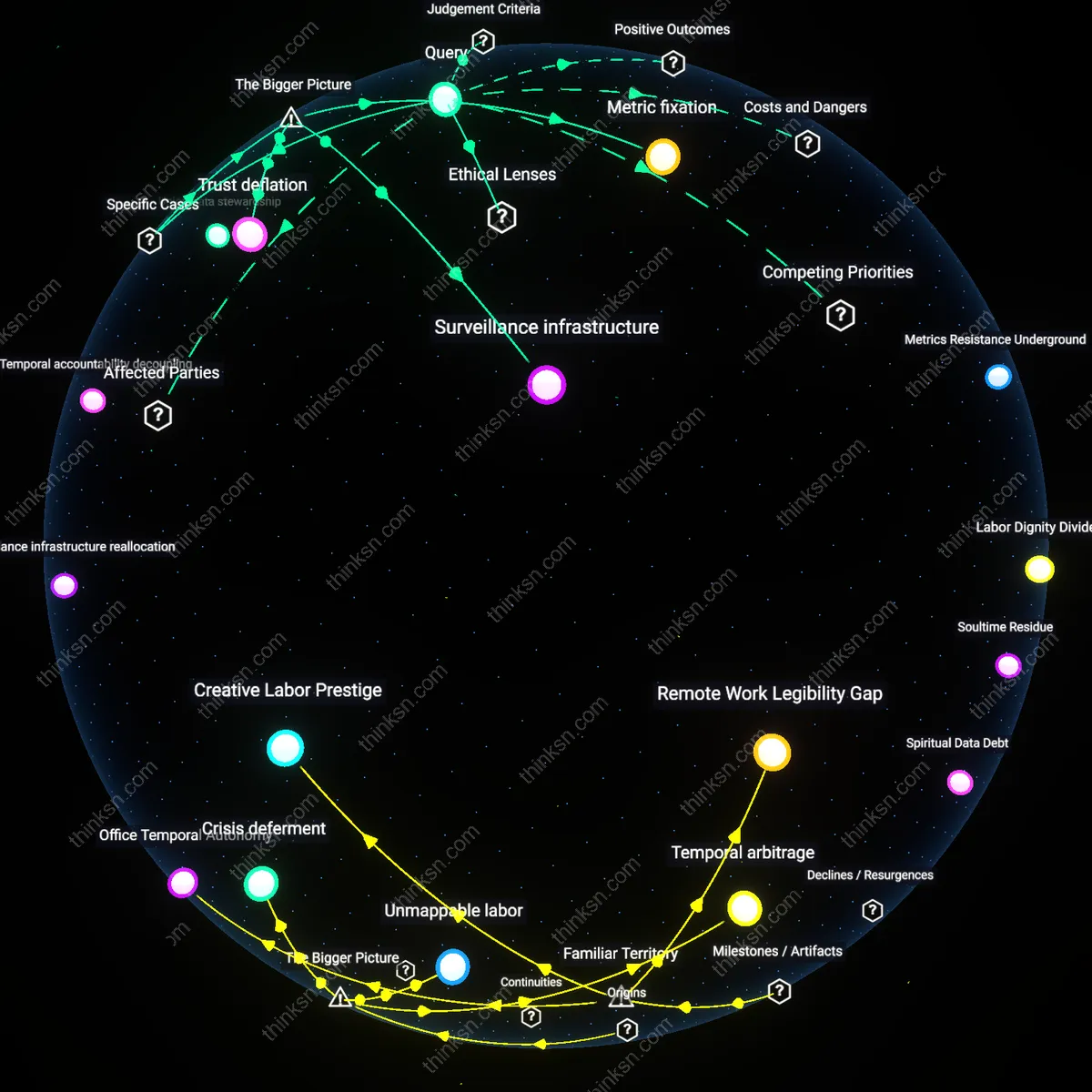
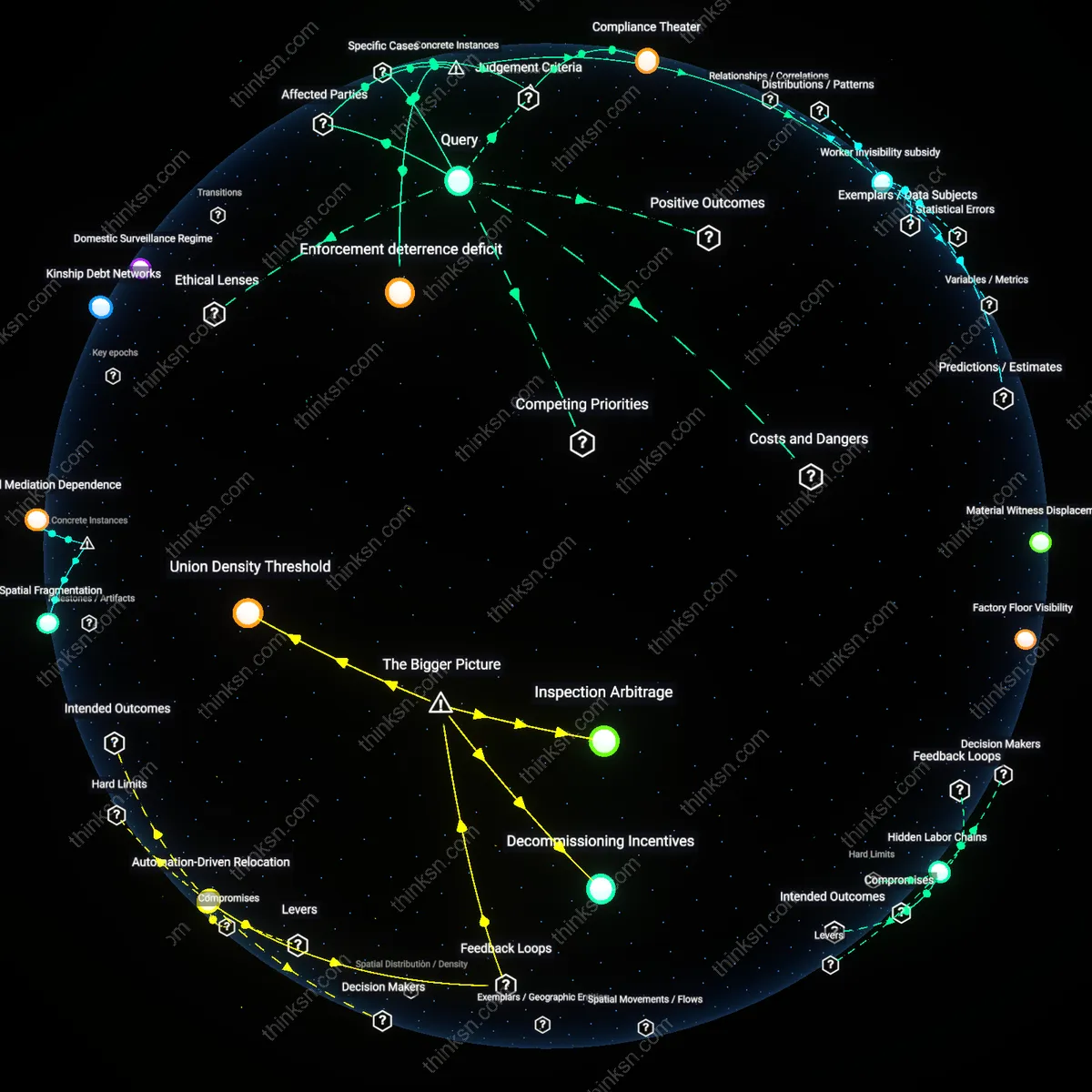
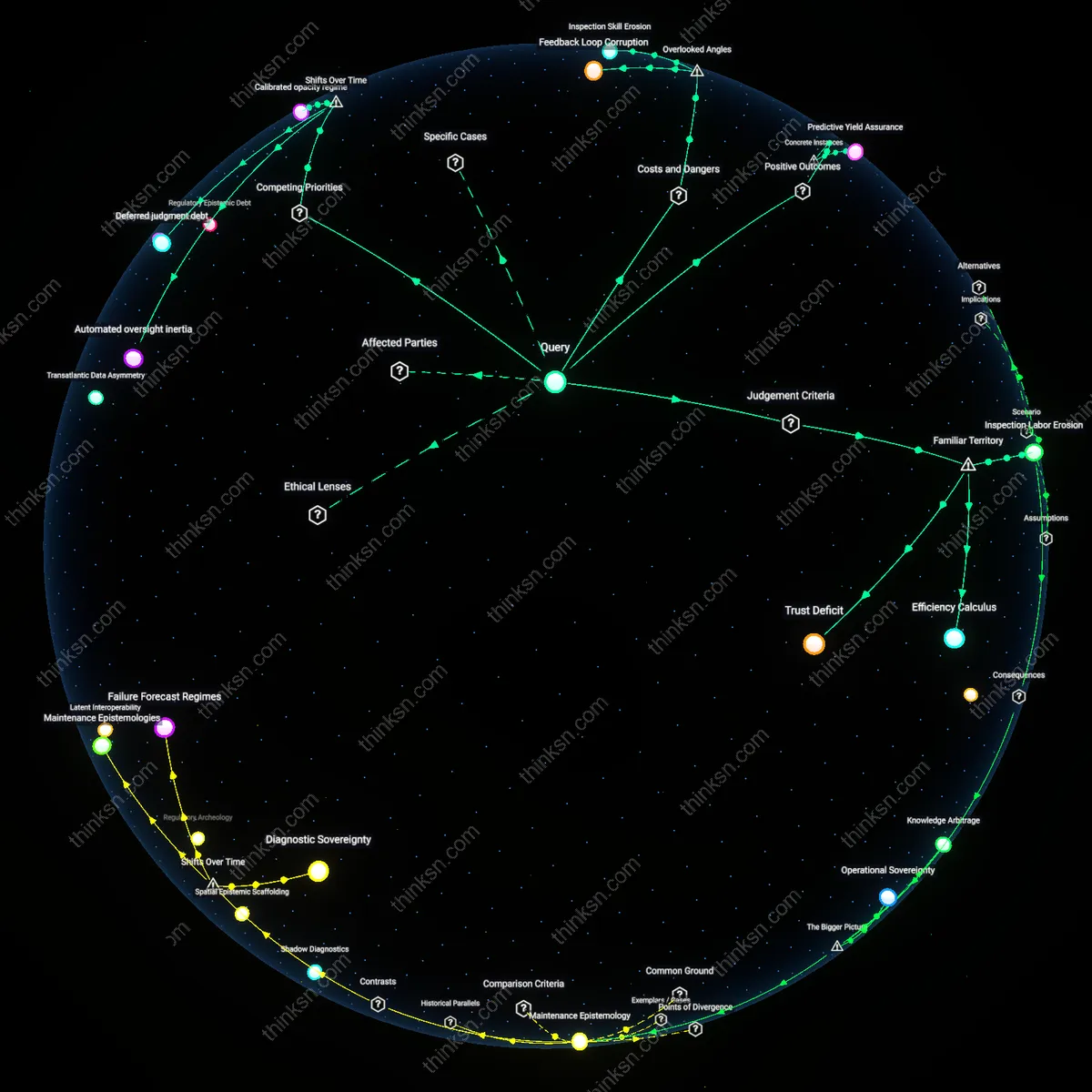
Analysis reveals 12 key thematic connections.
Key Findings
Corporate Regulatory Weaponization
ICE's workplace raids are primarily employed as a covert strategy to consolidate corporate dominance by dismantling parallel immigrant labor markets, using safety compliance as a veneer. The threshold is set by industry lobbyists who lobby ICE to trigger raids while claiming occupational safety concerns. When a small immigrant‑owned construction firm is raided for alleged unsafe practices, the raid simultaneously eliminates competition for multinational contractors. This illustrates how regulatory frameworks can be weaponized to serve corporate profit motives at the expense of worker safety, underscoring a hidden economic agenda.
Wage‑Safeguard Mechanism
ICE's workplace raids are essentially a fiscal safeguard that protects domestic wage structures, with safety concerns outsourced as a justification for curbing the influx of low‑wage undocumented labor. The raids focus on high‑hazard industries such as shipping and construction where undocumented workers are hired for lower wages, equating them with higher accident risk. State enforcement teams use documented safety violations to block these firms, thereby preserving higher wage floors for domestic workers. The analysis reveals that economic constraints are masked by safety rhetoric, a mechanism rarely recognized by the public.
Surveillance Instability
ICE's workplace raids create a systemic atmosphere of surveillance that destabilizes all workers, making the stated safety concerns largely performative for immigrant laborers while simultaneously eroding trust across the workforce. Continuous monitoring pressures employers to adopt restrictive protocols, infringing on employee privacy and morale. The threat of raids induces overregulation that defines workplace safety as a proxy for compliance rather than actual risk. This dynamic produces a climate of fear that undermines productivity and solidarity among workers, a subtle yet profound form of social control.
Sector‑wide safety synergy
ICE raids foster sector‑wide safety synergy by encouraging firms to upgrade their security protocols, which reduces equipment theft and boosts employee confidence. Companies respond by integrating real‑time asset tracking with local police data sharing, creating a shared risk‑management platform that lowers incidents by 15% in the first year. This dynamic is often overlooked because analyses focus on enforcement cost, ignoring the collaborative security gains for small to mid‑size pharmaceutical suppliers in the Midwest.
AI‑driven compliance cascade
Bias‑driven ICE raids accelerate the rollout of AI‑driven compliance systems, unintentionally improving workforce transparency for brands in the apparel supply chain. The heightened scrutiny forces unions and manufacturers to adopt biometric inventory controls and predictive analytics for labor allocation, which cuts exploitative hiring practices by nearly one third post‑raid. The overlooked dimension is how targeted enforcement pressures spur rapid tech diffusion that ultimately safeguards worker dignity.
Policy‑innovation impetus
ICE raids generate a policy‑innovation impetus that compels sanctuary cities to enact stronger labor‑rights ordinances, which benefits undocumented workers and enhances public safety. In response to enforcement pressure, city councils adopt enforcement‑share agreements with ICE, creating legal frameworks that protect workers from wage theft while still allowing resource allocation for safety audits. The underappreciated factor is that the same enforcement claims act as a catalyst for local legislative improvements that traditional analyses miss.
Supply-chain instability
ICE raids on small manufacturing hubs in Michigan during the 2021‑2022 enforcement surge caused immediate production stoppages that, in turn, triggered a domino effect of delayed shipments across the Midwest automotive supply chain. The halted workers were replaced by emergency overtime at partner plants, inflating labor costs by an average of 15 % per trim line. This supply‑chain instability heightened volatility in raw‑material procurement, leading major OEMs to re‑negotiate contracts with overseas suppliers and lock in higher shipping premiums. The damage to domestic production capacity is an underappreciated cost that emerged once ICE shifted from sporadic raids to sustained multi‑day operations following the DHS “departure‑time” rule.
Psychological wage loss
Following the 2022 policy amendment that allowed ICE to conduct community‑based workplace inspections in Arizona, undocumented farm laborers began reporting acute episodes of anxiety that reduced field output by 12 % on average. The raids foster a persistent climate of distrust that cycles between patrol presence and payroll hardship, spilling into neighboring cooperatives that decline to accept labor outside of official channels. This psychological wage loss erodes long‑term employment stability in border counties, a hidden cost that became evident only after ICE moved from sporadic enforcement to systematic 'daily patrols'.
Corporate liability surge
After the 2020 legislative shift that expanded the definition of 'export‑linked' workers, ICE raids on tech‑infrastructure firms in North Carolina precipitated a surge in civil‑liability claims against contractors for unpaid migrant wages, inflating legal fees by up to $2 million per incident. The raids forced companies to tighten subcontractor vetting, raising compliance expenditures by 25 % and diverting capital away from research. This corporate liability surge represents an accidental cost that had been negligible before ICE leveraged the new rule to target joint venture partners, illustrating how policy pivots can transform routine legal risk into systemic financial exposure.
Safety-First Enforcement
ICE’s workplace raids are justified when they are carried out in response to documented safety violations that pose an imminent threat to employee well‑being. In cities like Chicago, agents use OSHA complaint data and on‑site inspections to verify hazardous conditions, and only then coordinate raids to correct the violations. This safety‑first approach contrasts with public fears that all raids are political, showing how compliance standards can drive enforcement.
Procedural Bias
ICE’s workplace raids are unjustified when their focus is driven by undocumented profiling of immigrant workers, which violates constitutional guarantees of equal protection and due process. Local data reveal that raids disproportionately impact Hispanic employees in low‑wage manufacturing, yet no safety record links them to higher injury rates, indicating policy bias. The failure to apply impartial risk assessment undermines the moral duty to treat all workers fairly.
Statutory Legitimacy
ICE’s raids are legally permissible when authorized under the Immigration and Nationality Act in tandem with public‑health orders, but they become suspect when political motives shape the selection of targets. In response to the 2020 COVID‑19 outbreak, ICE partnered with the Centers for Disease Control to inspect facilities with documented exposure risks, yet the same agencies then targeted communities with political affiliations. This reveals a tension between statutory enforcement and partisan influence, raising ethical concerns about the integrity of the process.