Influencer Scandals Impact on Instagram Trust and Credibility
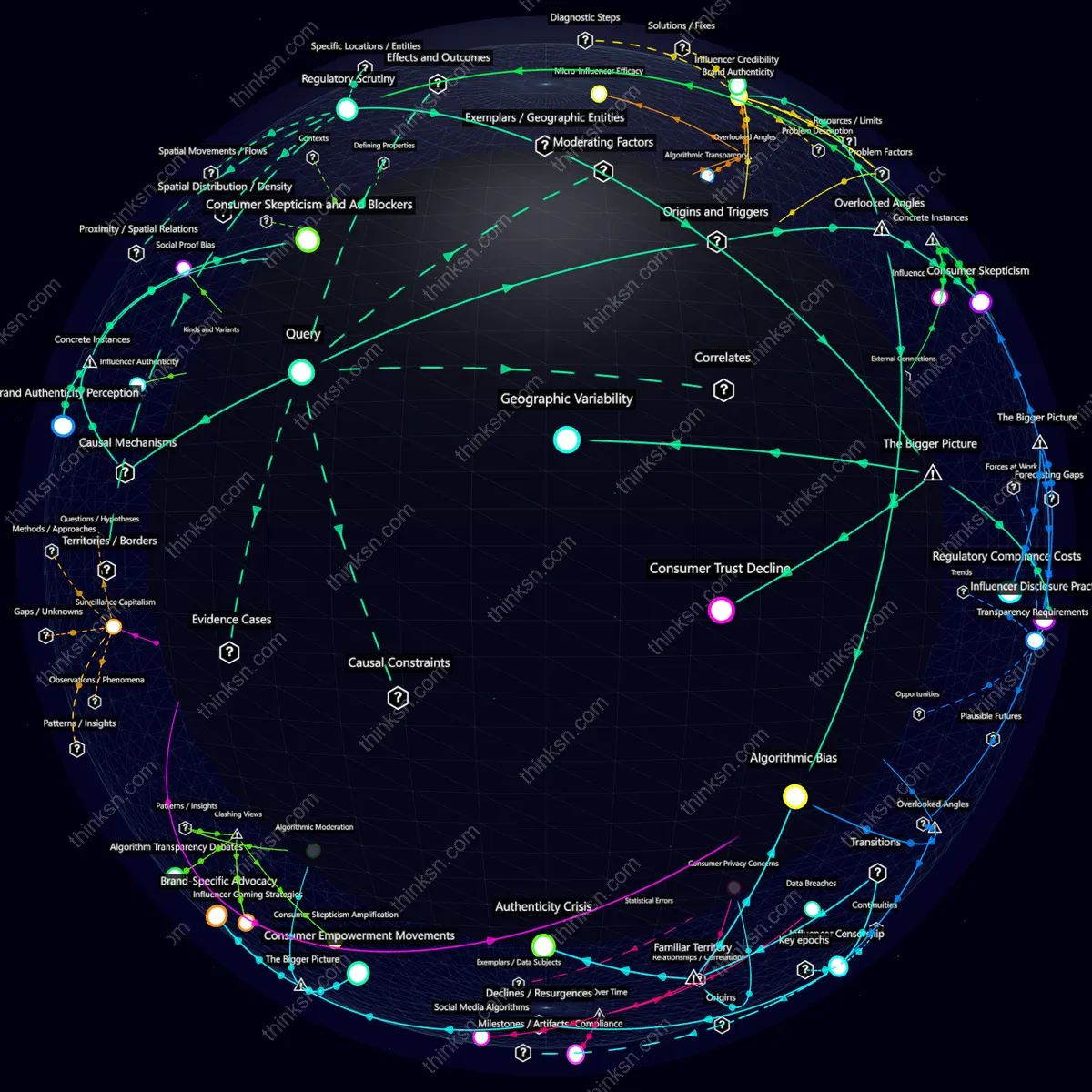
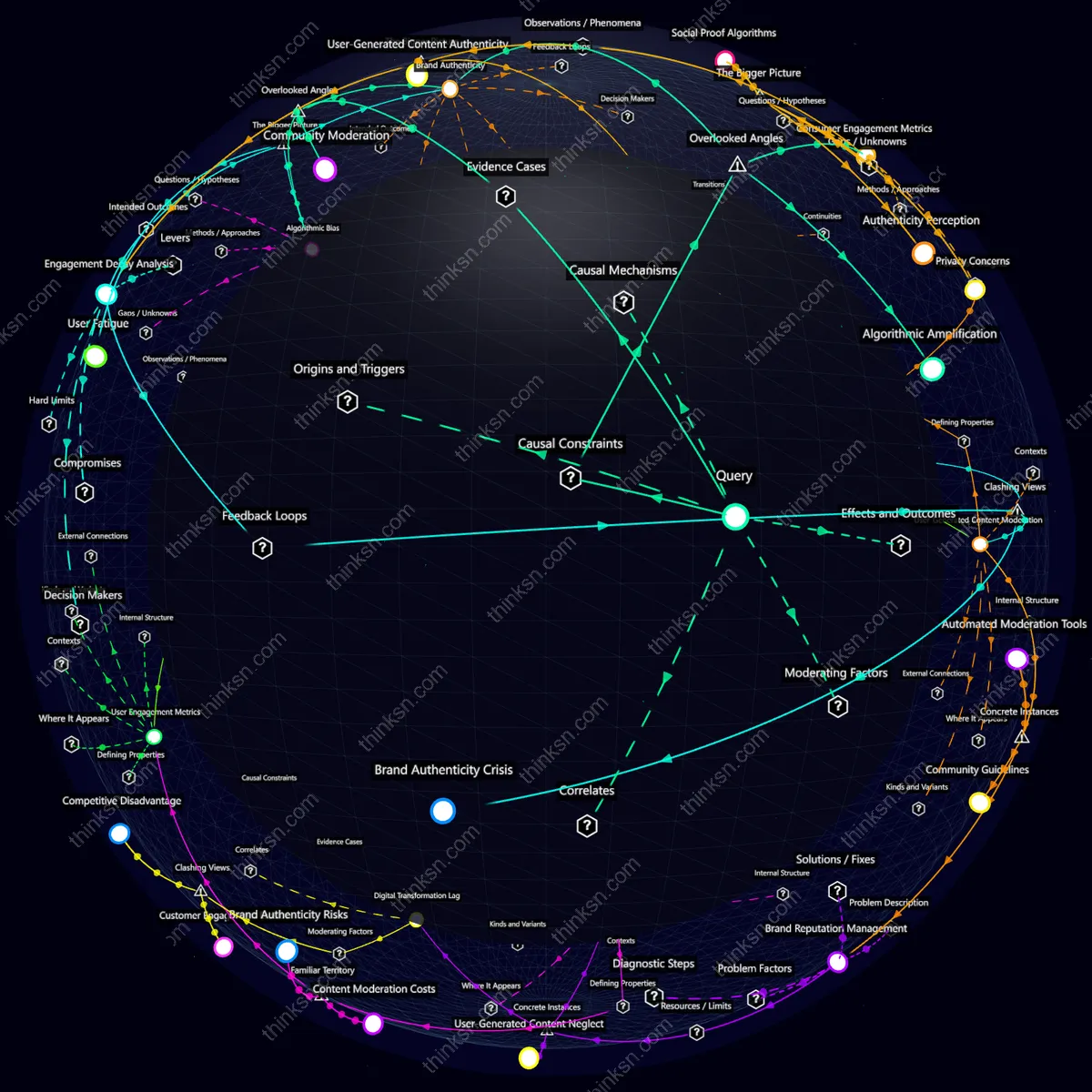
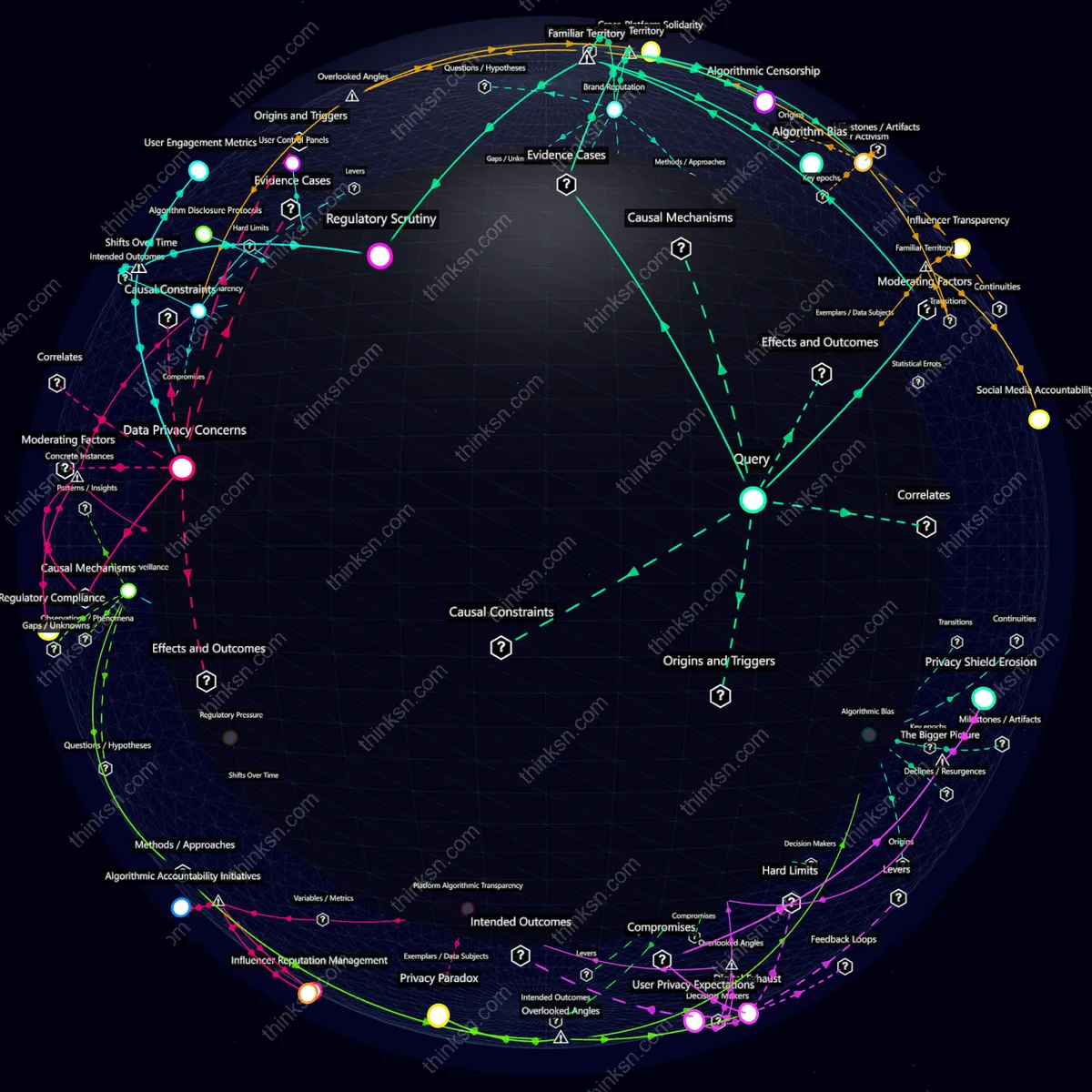
Analysis reveals 5 key thematic connections.
Key Findings
Brand Reputation
A major influencer scandal can swiftly erode a brand's reputation on Instagram. Companies risk alienating loyal followers and attracting negative publicity, even if they had no direct involvement in the scandal, due to their association with compromised influencers.
Algorithm Bias
Instagram’s algorithm may inadvertently amplify the impact of an influencer scandal by prioritizing content related to the incident. This can overshadow positive interactions and reinforce negative perceptions among users, potentially harming platform credibility and user trust in curated content authenticity.
Regulatory Scrutiny
The aftermath of a major influencer scandal could attract regulatory attention, leading to stricter oversight and enforcement actions against Instagram and other social media platforms. This increased scrutiny might force changes in platform policies but also introduce operational challenges for content moderation and user privacy management.
Algorithmic Censorship
Instagram may respond to scandals by tightening its algorithmic moderation, leading to unintended consequences such as over-censorship of legitimate content or under-policing of harmful behavior. This can alienate both creators and users who feel their voices are stifled or that the platform is failing to address real issues.
User Activism
Scandals often galvanize user activism, with groups forming to pressure Instagram for accountability. As these movements grow, they can shift platform policies and public discourse, but also risk alienating moderate users who view such actions as disruptive or excessive.
Deeper Analysis
How might user activism evolve in response to a major influencer scandal on Instagram, and what are the potential impacts on platform credibility over time?
Social Media Accountability
As user activism responds to a major influencer scandal on Instagram, it drives increased calls for social media platforms to implement stricter accountability measures. This shift can lead to more transparency and regulation but also risks stifling free expression if not balanced carefully.
Hashtag Mobilization
The use of hashtags becomes a powerful tool for user activism, mobilizing communities around issues like the influencer scandal. While this enhances visibility and collective action, it can also lead to information overload or co-optation by brands seeking to capitalize on trending causes.
Influencer Transparency
Pressure mounts on influencers to be more transparent about their partnerships with brands, as user activism scrutinizes influencer behavior. This transparency can enhance consumer trust but may also lead to a loss of authenticity if influencers feel they must constantly justify their actions.
Algorithmic Transparency
In response to a major influencer scandal on Instagram, user activism may push for greater algorithmic transparency from the platform. This shift can empower users by providing insights into how content is curated and promoted but also opens up vulnerabilities where data misuse or manipulation could undermine trust further.
Cross-Platform Solidarity
User activism spurred by a scandal might extend beyond Instagram to other social media platforms, fostering cross-platform solidarity. While this can amplify the reach of activist movements and increase pressure on tech companies for regulatory compliance, it may also dilute focus and resources needed for sustained impact.
Explore further:
- What quantitative impact would hashtag mobilization have on user trust and platform credibility metrics if a major influencer scandal were to occur on Instagram?
- What strategies can Instagram implement to increase algorithmic transparency and mitigate user trust issues arising from a major influencer scandal?
What strategies can Instagram implement to increase algorithmic transparency and mitigate user trust issues arising from a major influencer scandal?
Influencer Accountability
Implementing strict accountability measures for influencers can shift user focus from the opaque algorithm to specific content creators. However, this may also inadvertently incentivize users to scrutinize and potentially harass individuals rather than addressing systemic transparency issues.
User Control Panels
Instagram could introduce customizable control panels that allow users to fine-tune their feed based on preferences like prioritizing content from verified accounts or reducing algorithmic curation. This empowers users but also raises concerns about the complexity and potential for misuse, complicating user experience.
Algorithm Disclosure Protocols
Creating standardized protocols to disclose how algorithms function can enhance trust but may lead to regulatory challenges as different countries have varying standards on data privacy and algorithmic transparency. This could create legal barriers and operational complexities for Instagram.
User Engagement Metrics
Instagram's move towards greater algorithmic transparency could lead users to focus excessively on engagement metrics, potentially driving unhealthy competition and mental health issues. This shift may inadvertently pressure influencers and regular users alike to tailor their content for algorithm optimization rather than authentic expression.
Data Privacy Concerns
Increased transparency around the algorithms used by Instagram might expose how user data is leveraged, leading to heightened privacy concerns among users. This could result in a backlash against data collection practices and potentially push users towards more private messaging apps or platforms with less extensive data usage.
Regulatory Scrutiny
As Instagram becomes more transparent about its algorithms, it opens itself up to greater regulatory scrutiny from bodies like the FTC. While this can lead to better practices and trust-building measures, it also risks creating a compliance-heavy environment that stifles innovation or leads to punitive fines and restrictions.
Explore further:
- What emerging perspectives and hidden assumptions are there regarding influencer accountability in relation to user trust and platform credibility on Instagram?
- How do data privacy concerns evolve in response to a major influencer scandal, and what are the causal mechanisms affecting user trust and platform credibility on Instagram over time?
What emerging perspectives and hidden assumptions are there regarding influencer accountability in relation to user trust and platform credibility on Instagram?
Algorithmic Bias
Influencer accountability discussions often overlook how Instagram's algorithm can disproportionately amplify certain types of influencers, reinforcing biases and undermining diverse voices. This risks creating an echo chamber effect that erodes user trust by limiting exposure to varied perspectives.
Corporate Surveillance
The hidden assumption in influencer accountability is often the alignment between platform interests and user benefits. However, Instagram's surveillance practices may incentivize influencers to prioritize engagement metrics over genuine interactions, exploiting users' data for profit without improving transparency or trust.
Micro-influencers
While much focus is on mega-influencers, micro-influencers face distinct pressures that challenge traditional notions of accountability. These smaller influencers often have more intimate and authentic connections with their audiences but may lack the resources to navigate complex regulations or resist pressure from sponsors, potentially harming user trust subtly.
How do data privacy concerns evolve in response to a major influencer scandal, and what are the causal mechanisms affecting user trust and platform credibility on Instagram over time?
User Surveillance
In the wake of a major influencer scandal, Instagram users become acutely aware of surveillance practices, leading to increased scrutiny over data collection. This heightened awareness often triggers stricter privacy settings and the use of third-party tools for additional protection, but also leads to fragmented user experiences as they navigate multiple platforms.
Algorithmic Transparency
Following a scandal, demands for transparency around algorithmic decision-making surge, pushing Instagram to disclose more about how content is ranked and targeted. However, this shift exposes the complexity of algorithms, making it difficult for users to fully understand or trust the underlying mechanisms, thus perpetuating uncertainty and skepticism.
Regulatory Compliance
In response to public outcry following a scandal, Instagram intensifies its efforts to comply with data protection regulations like GDPR. While this reassures many users about their privacy rights, it also introduces operational challenges for the platform, potentially slowing down innovation and user experience improvements due to stringent compliance requirements.
To what extent could corporate surveillance practices exacerbate user trust issues in the wake of a major influencer scandal on Instagram, and what emerging insights can we uncover about this relationship?
Privacy Paradox
The Privacy Paradox emerges as users frequently express concern over corporate surveillance yet continue to engage on platforms like Instagram. This behavior highlights a fragile dependency where the allure of social validation and utility outweighs privacy concerns, exacerbating trust issues when a scandal reveals the extent of data exploitation.
Algorithmic Bias
As influencers leverage algorithmic biases to gain visibility on Instagram, their sudden downfall can expose discriminatory practices embedded in platform algorithms. This not only distorts user attention but also highlights trade-offs between personalized content and equitable representation, complicating trust dynamics.
Digital Exhaust
Users leave a trail of digital exhaust through constant engagement on Instagram, which corporate surveillance utilizes for targeted advertising. However, when a scandal erupts, the sheer volume of personal data collected becomes evident, revealing fragile dependencies and unintended consequences such as increased skepticism towards platform transparency.
Explore further:
- How might algorithmic bias in Instagram's content moderation evolve over time as a result of influencer scandals, and what are the potential impacts on user trust and platform credibility?
- What strategies can be formulated to mitigate the impact of digital exhaust on user trust and platform credibility in Instagram following a major influencer scandal?
What are the potential implications of increased user surveillance on Instagram in response to a major influencer scandal, and how might this affect diverse user perceptions of trust and platform credibility?
Digital Autonomy
Increased user surveillance on Instagram to address a scandal involving major influencers may paradoxically foster a sense of digital autonomy among users who see transparency as a form of accountability. However, this could also lead to a chilling effect where users self-censor due to fear of being monitored and punished for expressing dissenting or unpopular views.
Cultural / Global Views
Western cultures tend to view user surveillance with skepticism and emphasize individual privacy rights. In contrast, many non-Western societies may see such measures as a necessary trade-off for social harmony and stability, reflecting broader cultural values that prioritize communal good over personal autonomy.
Opposing Views
Critics argue that user surveillance on Instagram could disproportionately affect marginalized communities who already face systemic biases online. This could exacerbate existing inequalities by further silencing voices from these groups, while platforms claim such measures aim to create a safer and more inclusive environment.
What strategies can be formulated to mitigate the impact of digital exhaust on user trust and platform credibility in Instagram following a major influencer scandal?
User Privacy Expectations
Instagram's handling of digital exhaust after a scandal redefines user privacy expectations, pushing decision-makers to prioritize transparency and consent mechanisms. However, this shift may inadvertently alienate users who prefer convenience over granular control settings.
Platform Algorithmic Transparency
The demand for algorithmic transparency emerges as a critical Design Actor in mitigating digital exhaust's impact on trust. By unveiling how algorithms curate content, Instagram can foster user confidence but risks exposing sensitive operational details that competitors might exploit.
Influencer Accountability Mechanisms
Instagram must establish robust influencer accountability mechanisms to counteract the erosion of platform credibility from scandals. These measures may include stricter verification processes and penalties for misleading behavior, potentially creating a chilling effect on creative freedom among influencers.
Privacy Shield Erosion
In the wake of a major influencer scandal on Instagram, user trust in digital privacy measures is severely compromised. As users become more aware of their 'digital exhaust'—the trail of data left by everyday online activities—they are increasingly wary of platform promises to protect personal information. This erosion of trust leads many to either abandon social media platforms altogether or adopt cumbersome third-party tools to regain a sense of control, highlighting the tension between user convenience and data privacy.
Influencer Accountability
Following an influencer scandal where personal information was mishandled, Instagram must balance the need for stricter accountability measures with the protection of free speech and creative expression. Implementing more robust verification processes for influencers can help mitigate digital exhaust-related risks but may also stifle genuine voices and foster a climate of fear among creators who are wary of overzealous regulation.
Explore further:
- What are the measurable impacts on user trust and platform credibility when a major influencer scandal occurs, considering Instagram's lack of algorithmic transparency?
- What strategies and workflows can be implemented to enhance influencer accountability mechanisms on Instagram in response to a major scandal, and how might these interventions affect user trust and platform credibility?
What are the measurable impacts on user trust and platform credibility when a major influencer scandal occurs, considering Instagram's lack of algorithmic transparency?
User Skepticism
When Instagram lacks algorithmic transparency, users become skeptical about the authenticity of content they see. This skepticism grows during influencer scandals as users question how and why certain posts gain visibility or viral status, undermining trust in both influencers and the platform itself.
Influencer Reputation Management
The lack of transparency in Instagram's algorithms forces influencers to engage in speculative reputation management strategies. These include over-investing in external marketing channels and attempting to game the system through unverified means, which can lead to a cycle of increasingly deceptive practices among competitors.
Algorithmic Accountability Initiatives
In response to major influencer scandals, there is an increased push for algorithmic accountability from regulatory bodies and consumer advocacy groups. This initiative often faces resistance from tech companies who argue that transparency can lead to unintended consequences such as manipulation of the system by malicious actors.
Influencer Accountability
When Instagram lacks transparency in its algorithms, influencer accountability becomes precarious. Influencers rely on undisclosed metrics to gauge their reach and influence, leading them to manipulate content and engagement practices that can backfire when algorithm changes occur unexpectedly. This opacity not only undermines the trust between influencers and their followers but also complicates brand partnerships and collaborations.
User Privacy Concerns
Instagram's opaque algorithms exacerbate user privacy concerns, especially after scandals involving major influencers. Users become wary of sharing personal information online, fearing that it might be used against them or manipulated for nefarious purposes by the platform or third parties. This heightened awareness can lead to decreased engagement and a shift towards more private communication channels, further eroding Instagram's credibility.
Regulatory Pressure
Major influencer scandals highlight regulatory vulnerabilities due to Instagram’s lack of algorithmic transparency. Regulators are increasingly pressured to intervene to protect users from misleading practices and data misuse. This could result in stricter regulations that require platforms like Instagram to disclose more about their algorithms, potentially impacting how they operate and monetize user data.