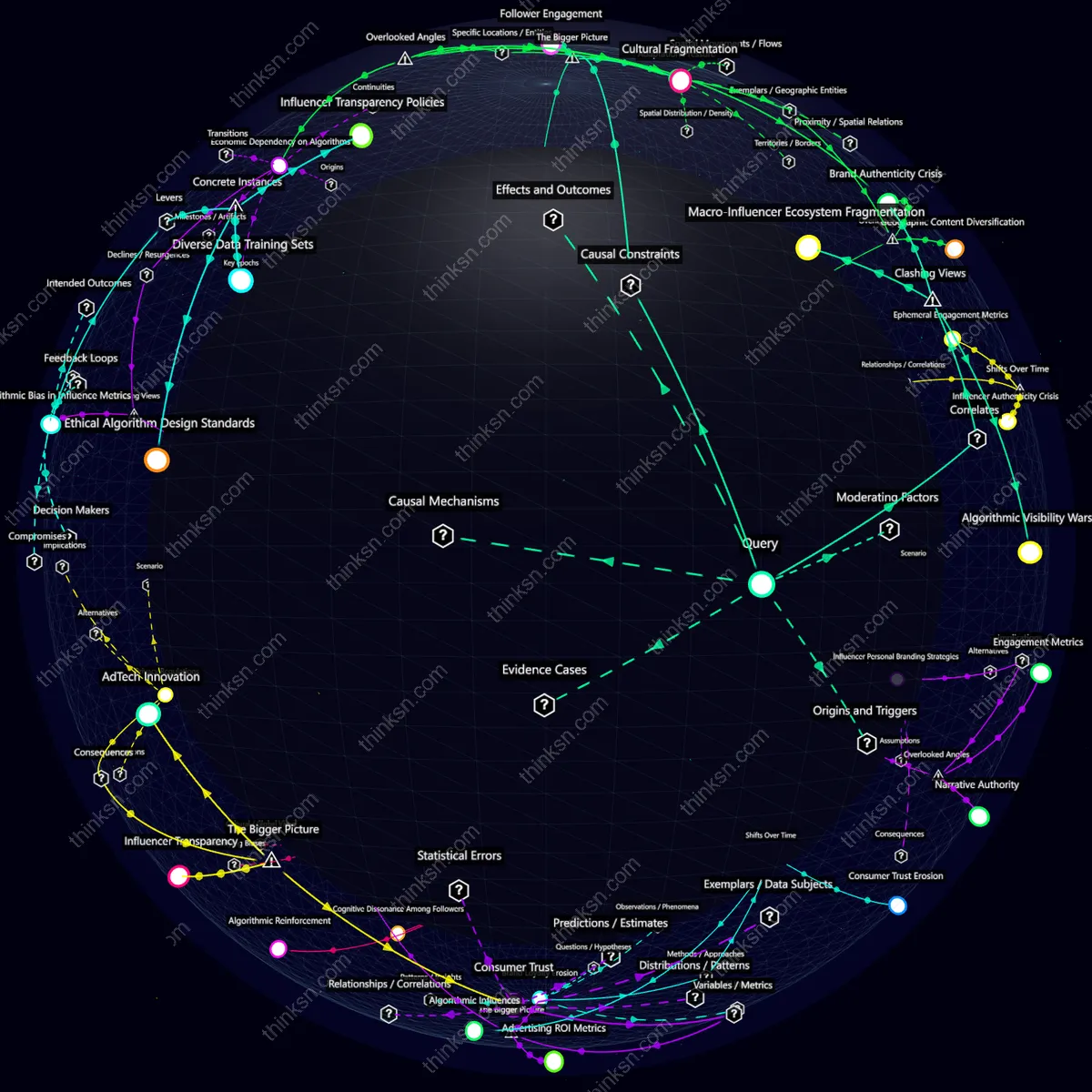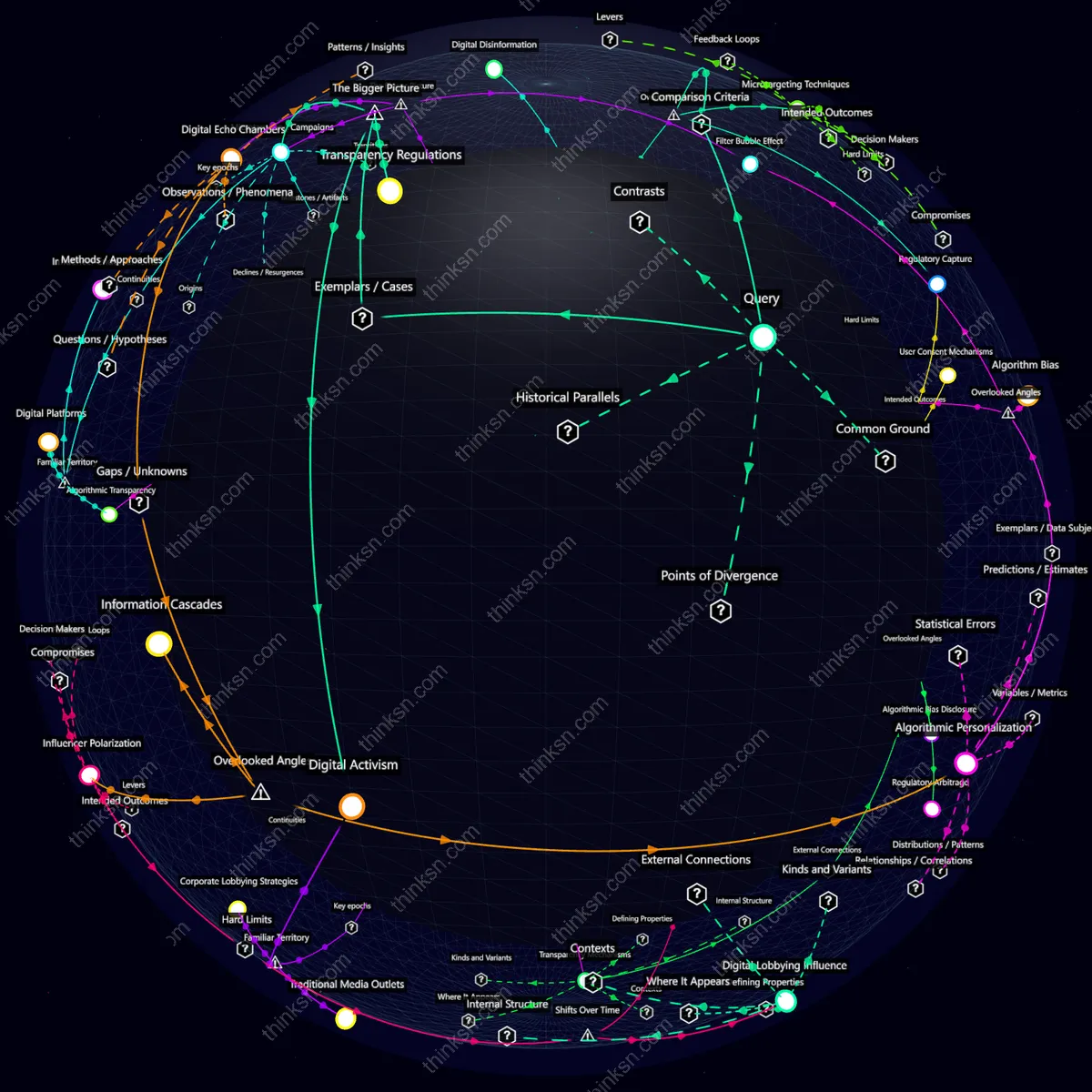
Could Falling Consumer Trust in Influencers Undermine Marketing Strategies?
Key Findings
Influencer Trust Crisis
Influencer marketing fails when audiences detect paid endorsements because trust depends on perceived authenticity, not exposure or content.
Influencer marketing depends on audience trust. This trust comes from the belief that endorsements are genuine. People follow influencers they feel are real and sincere. When an influencer promotes a product, the audience must believe it’s a personal choice. If it looks like a paid deal, trust breaks down. The real problem is not celebrity scandals. It is the exposure of hidden payments. In 2017, the FTC stepped in. They required clear labeling of ads on social media. This highlighted how many endorsements were not spontaneous. The rules revealed the mechanics behind the scenes. Consumers began to doubt the honesty of influencers. When incentives replace honesty, the model fails. The entire strategy relies on perceived authenticity. Once that is lost, the campaign loses meaning. Regulatory rules can trigger mass doubt. When audiences stop trusting influencers, the system collapses. Most influencer campaigns cannot survive this shift. Their value depends on belief in realness. That belief is fragile under scrutiny.
Social Media Influence
Marketing performance depends on platform algorithms because they control visibility, not audience trust.
Marketing success online depends more on social media platforms than on audience trust. Major platforms like Meta, Google, and TikTok control what content people see. They decide visibility through secret algorithms. These systems favor high engagement over honest endorsements. As a result, influencer success often relies on matching algorithm rules. Changes in how platforms rank content affect marketing more than changes in trust. A shift in Instagram or YouTube policy can weaken a campaign fast. This means platform decisions matter most. Consumer trust plays a smaller role.
Influencer Campaign Success
Influencer campaigns succeed when content matches platform engagement rules, not when audiences trust the influencer, because algorithms reward interaction over authenticity.
Most people think that when influencers lose credibility, their campaigns stop working. This assumes trust directly controls how persuasive someone is online. But major changes in social media platforms show something different. After Facebook changed its algorithm in 2016, user-created content gained more reach. Instagram later reduced influencer visibility after 2020. Yet campaigns still reached large audiences. Trust no longer predicts success as clearly. Instead, content that fits what the platform rewards gets seen more. Platforms boost posts based on engagement, not truthfulness. The Federal Trade Commission found fake campaigns still go viral. Kantar data shows audience response depends more on how content spreads than whether it feels authentic. Because algorithms favor interaction, popularity now grows without trust.
Influencer Trust Decay
Influencer campaigns fail when audiences stop seeing influencers as peers and start seeing them as paid promoters, because trust depends on perceived authenticity.
Influencer marketing works best when followers see influencers as peers, not celebrities. This sense of peer connection made audiences trust recommendations. During the 2010s, social media platforms helped create this trust. Content spread widely through algorithms, and influencers seemed authentic. People believed they shared real opinions. But now, that trust is breaking down. Consumers know that many posts are paid placements. Government agencies like the FTC are watching closely. Data privacy scandals have made people more skeptical. As a result, influencers now seem like paid promoters, not genuine peers. When people see influencers as part of the system, they stop trusting them. Campaigns that depend on authenticity no longer work. The strategy fails when public trust crosses a threshold.
Influencer Trust Collapse
Marketing based on influencer authenticity fails when audiences see posts as paid ads, not genuine recommendations, because trust is the foundation of their persuasive power.
Influencer marketing depends on the feeling that endorsements are real and personal. These endorsements gain reach through social media algorithms. When people stop believing the content is genuine, trust drops. They begin to see influencer posts as paid ads, not honest opinions. This kills the main advantage influencers have: seeming spontaneous and relatable. In places like niche online communities, trust is essential. Without it, people stop engaging. The U.S. requires influencers to disclose ads, but that does not bring back lost authenticity. Traditional ads do not rely as much on personal connection. So they are less affected by trust issues. But campaigns using small influencers or user content face higher risk. Past ad trends show trust is hard to rebuild. Unlike celebrity ads after a scandal, influencer marketing lacks strong systems to regain faith. If consumers become much more skeptical, strategies based on closeness and authenticity will suffer most.
Paid Posts Online
Paid posts stay persuasive because platform design blends them seamlessly with regular content, making disclosures invisible and preserving the feeling of authenticity.
Social media platforms use recommendation systems that mix paid content with regular posts. This blending makes sponsored content feel natural. Users often cannot tell the difference. Disclosures required by regulators are easy to miss. These warnings get less attention over time. Influencers still seem trustworthy. People do not start seeing them as ad partners. Regulators are watching more closely. Still the system keeps working. The platform design keeps the user experience smooth. This continuity replaces the need for clear disclosure. Trust stays high because things feel natural. The way content is fed matters. It shapes what users believe.