Are Data Breaches Better Solved by Lawsuits or Reputation?
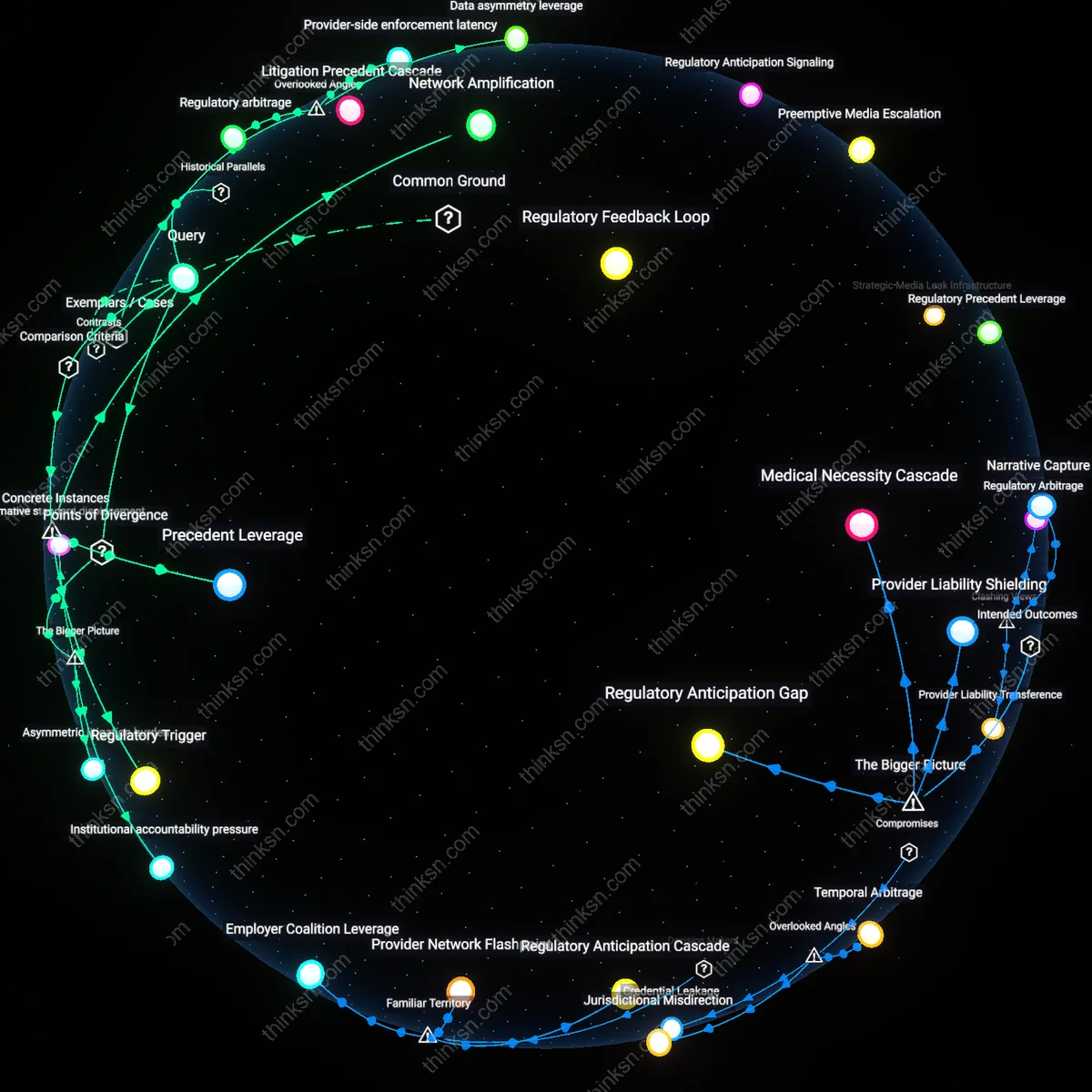
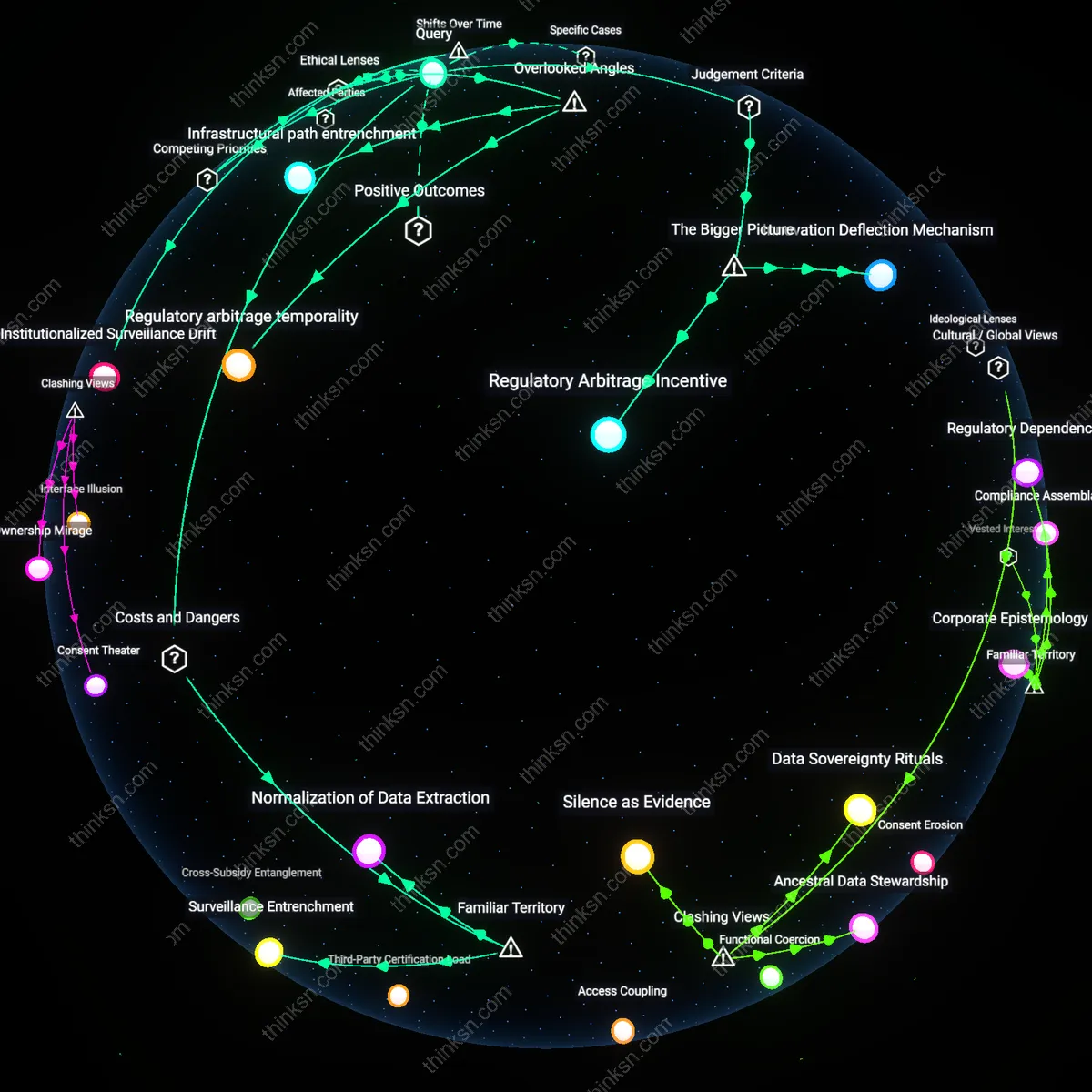
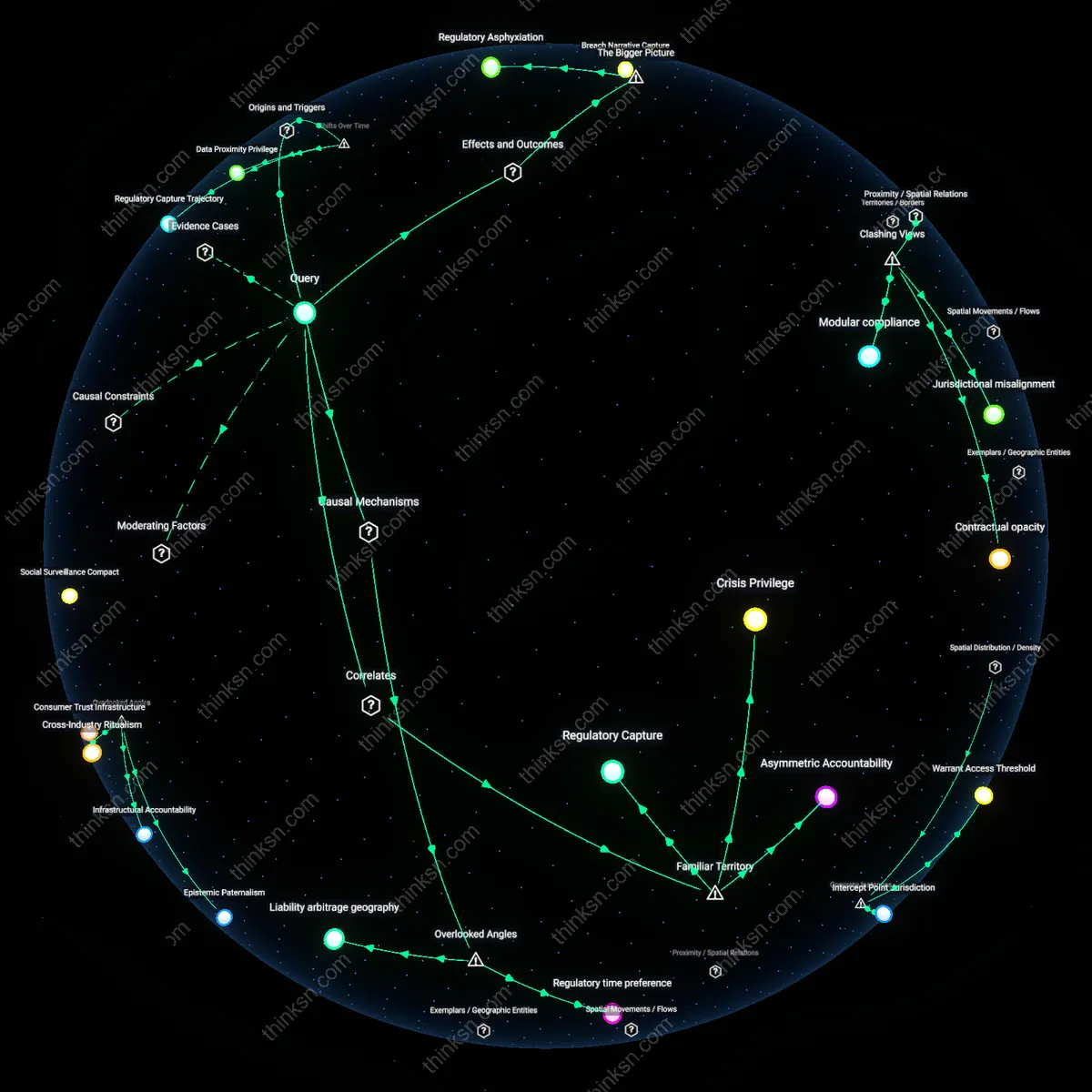
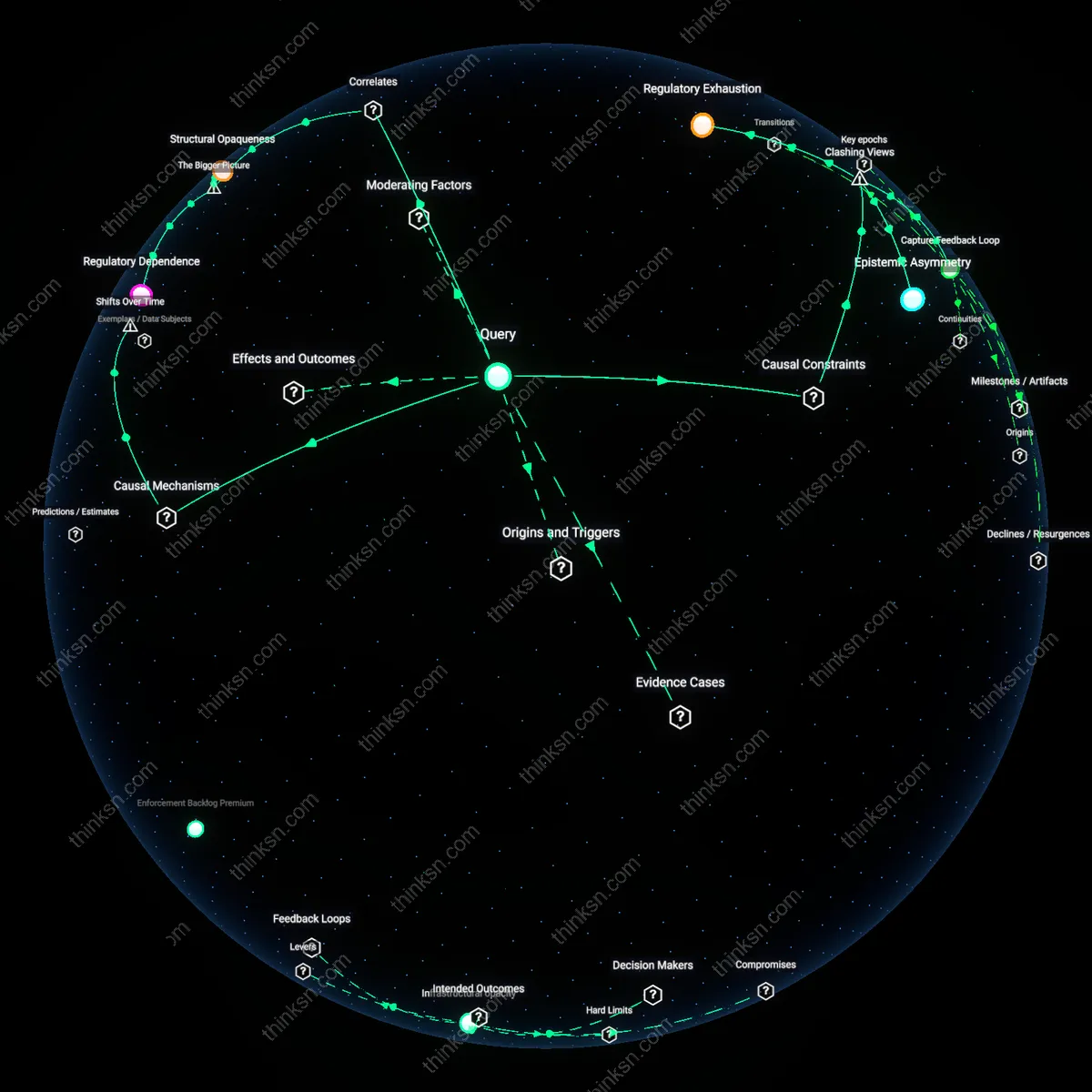
Analysis reveals 12 key thematic connections.
Key Findings
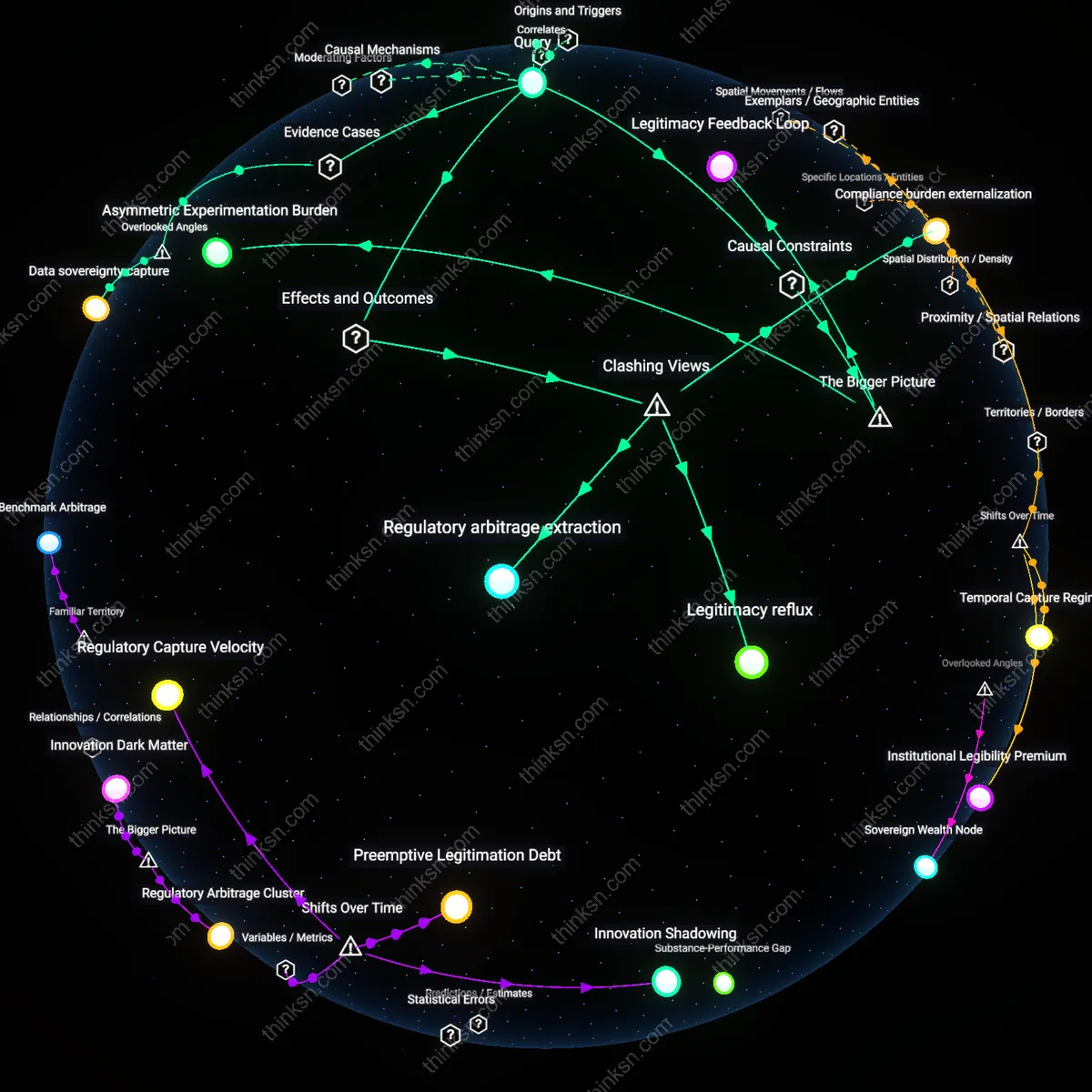
Litigation formalization
Private litigation has become more effective than reputational pressures in addressing consumer data breaches because the legal infrastructure for class-action privacy suits solidified only after the 2010s, when courts began recognizing intangible harms like lost data control as actionable injuries—shifting from earlier eras where such breaches lacked standing. This transformation was driven by federal and state judges gradually accepting allegations of future harm and identity theft risk as sufficient for jurisdiction, particularly after the 2016 Spokeo v. Robins decision, which redefined injury in fact for digital harms. The non-obvious insight is that litigation’s rise did not follow public outrage but a quiet doctrinal pivot in procedural law, making legal recourse possible even absent immediate financial damage.
Reputation arbitrage
Reputational pressures have grown more effective than private litigation since 2015 because multinational consumers and institutional investors now use data breach disclosures as signals for broader governance failure, triggering capital flight and market devaluation faster than lawsuits can yield settlements—contrasting sharply with the 1990s, when firms like Citibank faced no lasting brand damage from early digital leaks. This shift emerged when ESG (Environmental, Social, Governance) metrics became central to asset management strategies, turning public apology cycles and breach transparency into competitive differentiators, especially in the EU post-GDPR. The underappreciated dynamic is that reputation now operates through financialized signaling mechanisms, not public shaming alone, making it a preemptive disciplinary force.
Enforcement substitution
In the 2000s, reputational pressures were ineffective and private litigation was underdeveloped, creating a regulatory vacuum that allowed entities like ChoicePoint to experience repeated breaches without consequence—until the 2005 FTC settlement became a turning point, effectively substituting for weak litigation and absent federal privacy law by treating breach mismanagement as an unfair trade practice. This marked a shift from viewing data protection as a consumer self-help issue to one of administrative enforcement, where the FTC’s consent decrees functioned as precedent-setting quasi-regulation in the absence of legislative action. The overlooked reality is that neither private suits nor market discipline drove early accountability, but a quiet bureaucratic redefinition of statutory authority in a specific enforcement arena.
Litigation Arbitrage
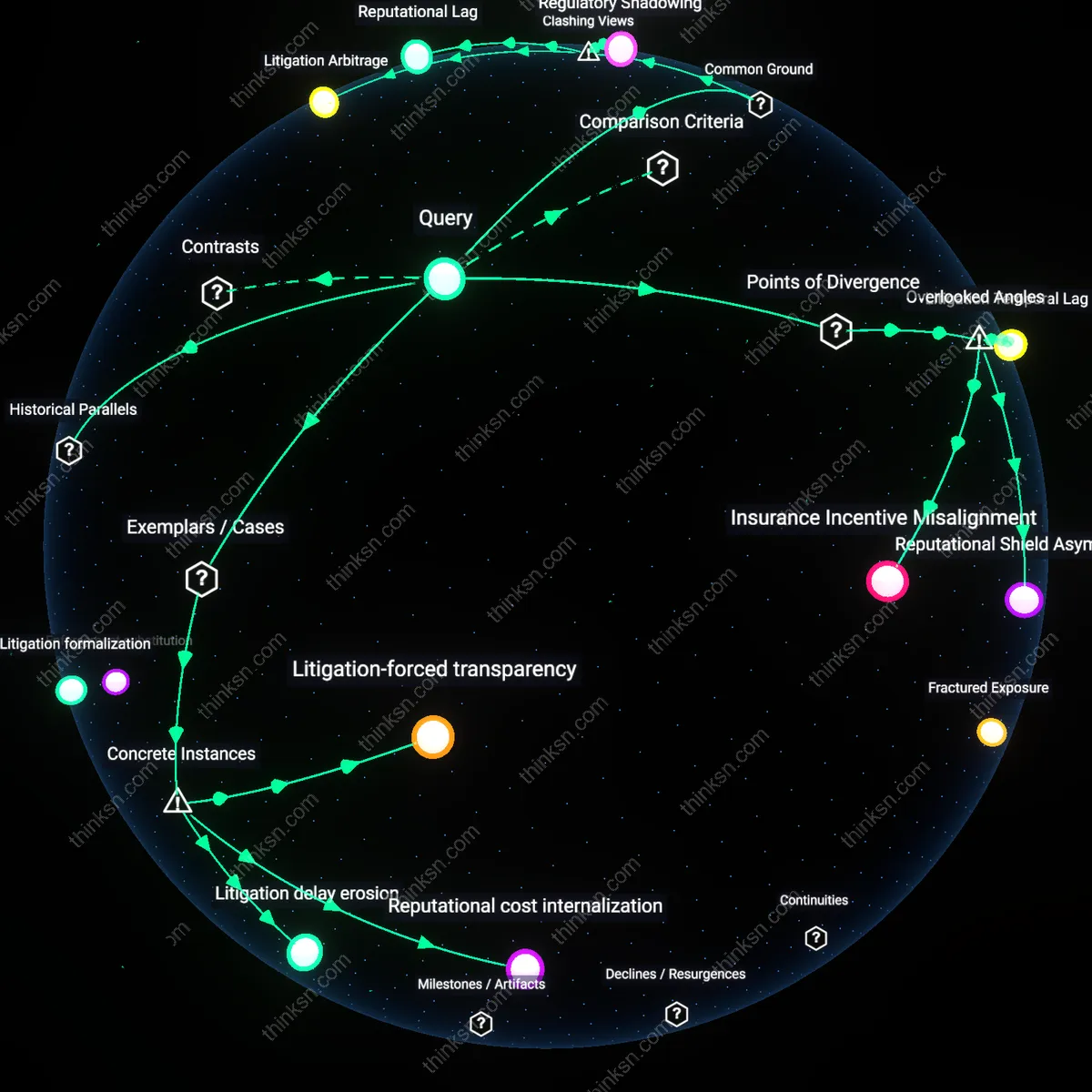
Private litigation is more effective than reputational pressures in addressing consumer data breaches because it compels corporate disclosure and financial accountability through jurisdictional asymmetries, where plaintiffs exploit favorable venues like California or Delaware to extract settlements that internalize externalized security costs. These lawsuits trigger mandatory forensic audits, regulatory cross-enforcement, and binding injunctive relief—mechanisms absent in voluntary reputation management—creating systemic deterrence through repeat player dynamics among class-action firms, insurers, and compliance officers. The non-obvious insight is that litigation doesn’t mainly compensate victims but recalibrates corporate risk calculus by transforming data breach liabilities into predictable actuarial inputs, a function reputational markets fail to provide due to delayed and diffuse feedback loops.
Reputational Lag
Reputational pressures are more effective than private litigation in addressing consumer data breaches because they impose continuous, adaptive consequences on firms through investor sentiment, partner contract renegotiations, and talent flight—channels that evolve faster and with greater precision than legal timelines. Unlike litigation, which targets past breaches with blunt financial penalties, reputational damage alters future behavior by reshaping internal organizational incentives, such as tying executive bonuses to privacy KPIs or accelerating investment in zero-trust architecture to regain market trust. The dissonance lies in recognizing that reputation operates not as a public relations issue but as a distributed governance mechanism among B2B ecosystems, where breach consequences cascade through supply chains and cloud service dependencies long before any court ruling occurs.
Regulatory Shadowing
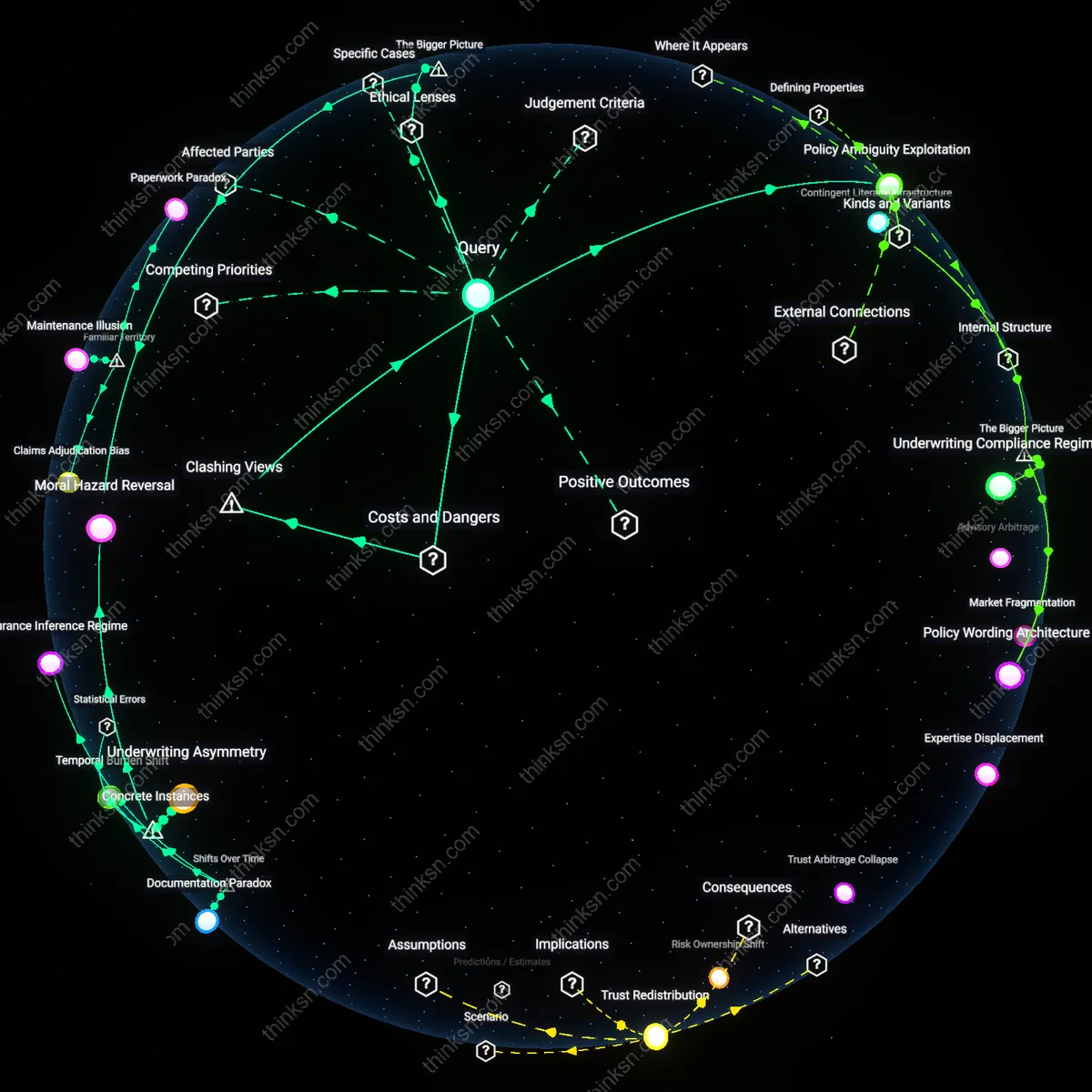
Neither private litigation nor reputational pressures independently dominates; instead, their effectiveness is co-constituted through the regulatory shadow, where the threat of formal enforcement amplifies both legal claims and public backlash into actionable corporate responses. In practice, firms respond to breach incidents not because of actual lawsuits or media coverage per se, but because both serve as indicators of imminent regulatory scrutiny—such as from the FTC or state attorneys general—triggering preemptive compliance upgrades to avoid asymmetric penalties under frameworks like CCPA or HIPAA. The overlooked reality is that litigation and reputation function not as competing mechanisms but as early warning signals in a dual-track enforcement ecosystem, where their true efficacy emerges only when they align to forecast state intervention.
Litigation Temporal Lag
Private litigation is more effective than reputational pressures in addressing consumer data breaches because it enforces binding financial and operational consequences on specific corporate decision-makers within legal timelines that align with evidence preservation. This mechanism operates through discovery rules in civil procedure—such as mandatory document retention and forensic data access—that lock in accountability before corporate memory fades or systems change, a condition rarely activated by market-based reputation responses. The non-obvious dimension is that litigation’s power lies not in final judgments but in the coercive procedural window between filing and settlement, during which internal risk assessments shift due to personal liability exposure, a dynamic that typical cost-benefit analyses of lawsuits overlook.
Reputational Shield Asymmetry
Reputational pressures are more effective than private litigation in addressing consumer data breaches because they disproportionately impact firms with high customer-touch visibility—such as retailers or social platforms—where brand erosion triggers downstream partner and investor withdrawals not tied to legal fault. This operates through third-party intermediaries like payment processors or app store gatekeepers who preemptively deplatform based on public incident signaling rather than judicial findings, effectively bypassing litigation’s narrow standing and remedy constraints. The overlooked factor is that reputation acts as a contagion filter in inter-firm ecosystems, where perception precedes legal determination, altering vendor contracts and API access before any court engages the merits.
Insurance Incentive Misalignment
Neither private litigation nor reputational pressures is primarily decisive—instead, the structure of cyber insurance underwriting determines breach response effectiveness by setting predefined thresholds for payout only if certain post-breach behaviors are adopted, such as mandatory forensic audits or customer notification timelines. This creates a hidden enforcement layer where insurers, not courts or consumers, become the de facto regulators of remediation quality, redirecting corporate action toward policy compliance rather than legal or market expectations. The unacknowledged dynamic is that insurance adjusts the weight of both litigation and reputation by funding or withholding crisis PR and legal defense based on procedural adherence, making insurer protocols the silent pivot of response efficacy.
Litigation-forced transparency
Private litigation compelled Equifax to disclose the full scope of its 2017 data breach and implement court-mandated security upgrades, which would not have occurred under reputational pressure alone. The multi-district class action lawsuit resulted in a $700 million settlement with federal and state entities, binding Equifax to specific remedial cybersecurity practices, including annual audits and infrastructure overhauls. This outcome reveals that private litigation can function as a structural corrective when reputational consequences are diffused or absorbed, transforming vague public outrage into enforceable accountability through judicial authority.
Reputational cost internalization
Under reputational pressure following the 2013 Target breach, Target Corporation voluntarily overhauled its payment security systems and appointed a Chief Information Security Officer within months, well before major litigation concluded. Unlike court-ordered changes, these actions emerged from investor concerns, customer attrition risks, and credit rating warnings, activating internal cost-benefit calculations that prioritized brand survival over minimal compliance. This demonstrates that reputational damage can induce rapid, preemptive corporate adaptation when market visibility and consumer trust are tightly coupled, functioning as a self-enforcing governance mechanism absent legal compulsion.
Litigation delay erosion
Marriott’s 2018 data breach affecting 393 million records remained publicly underaddressed for over a year until the UK Information Commissioner’s Office initiated enforcement action, revealing how private litigation alone failed to trigger corporate responsibility despite widespread media coverage. Unlike Target, Marriott faced no immediate shareholder revolt or executive accountability, and no class action produced binding security mandates in the interim, illustrating how litigation’s slow procedural rhythm allows organizations to defer meaningful response, eroding its effectiveness when reputational signals are diluted across jurisdictions or user bases.