High Insulin Prices: Funding Innovation or Hidden Costs?
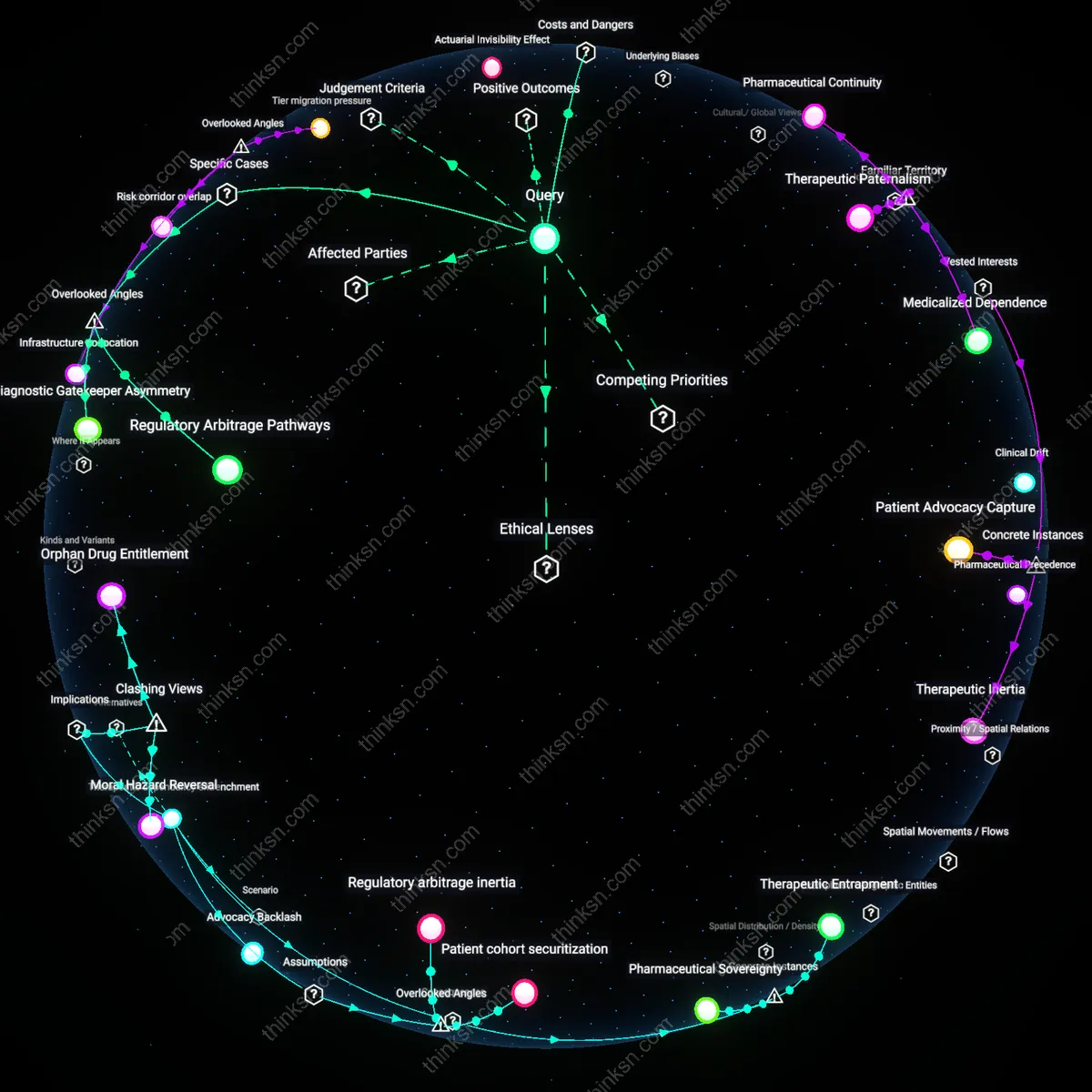
Analysis reveals 9 key thematic connections.
Key Findings
Portal-based Margin Revelation
A patient can evaluate insulin price transparency versus the argument that high profits fund diabetes research by using the public Medicare Price Transparency Portal launched in 2022, which details list prices, rebates, and out‑of‑pocket costs. The portal’s data reveals that net margins after rebates are markedly lower than the amounts reported in company 10‑K filings, while the R&D budgets shown in those filings stem from separate operating accounts. Because the portal exposes the hidden cost difference that previously was only visible to insurers, it allows patients to quantify how much retained profit is actually available for research, thereby challenging the claim that high list prices directly translate to larger research funds.
Extended-Release R&D Decoupling
A patient can test the profit‑funded research claim by examining the 2016 FDA approval of extended‑release insulin, which shifted pricing dynamics, and then comparing manufacturer profit margins from 2017‑2020 with the proportion of those earnings disclosed as diabetes research grants. The surge in R&D spending prompted a price increase, but the disclosed grant contributions lag behind the revenue spikes, revealing that profit margins remained high even when claimable research spend was comparatively low. This temporal shift exposes a decoupling between price hikes and research investment that had previously been conflated, showing patients that profit‑directed revenue is not necessarily funneled into research as many narratives claim.
Subscription Cost Breakdown
A patient can assess the argument by dissecting Eli Lilly’s 2021 subscription model, breaking the $49 monthly fee into its per‑unit cost and comparing that with manufacturing expenses documented for bovine‑derived insulin in the 1990s, thereby revealing whether subscription profits are matched by R&D spending. The shift from animal‑derived to recombinant insulin eliminated animal sourcing costs but introduced high biotech personnel, compliance, and scale‑up expenses that the company earmarks as R&D. Because the subscription model masks the per‑unit cost, the patient’s ability to break down the fee exposes the true linkage between subscription revenue and the company’s R&D budget, allowing the patient to judge whether the subscription’s high profit margins indeed finance diabetes research.
Price comparison apps
By downloading a pharmacy price‑viewing smartphone app, a patient can instantly compare insulin costs across nearby pharmacies and select the lowest price while still receiving approved medications. The app pulls real‑time data from pharmacy e‑prescribing systems and insurers’ copay templates, computing out‑of‑pocket estimates at checkout. This immediate transparency empowers patients to shift on‑the‑spot purchasing decisions, often cutting costs by 10–20% before a legislator can enact a price‑cap law. The subtle benefit is that such micro‑level choices aggregate to industry‑wide pressure, a feature people rarely credit to consumer tech.
Community rebate programs
When patients report their purchase details to a patient‑advocacy coalition, the group aggregates volumes and negotiates bulk‑purchasing rebates with insulin makers, which are directly redistributed to participants as discounts. The mechanism draws on collective bargaining theory, whereby aggregated demand escalates leverage against manufacturers’ pricing power while adhering to existing royalty agreements for future drug discoveries. As a result, participants experience immediate reduced expenses while the manufacturers’ research budget is sustained through retained profits from non‑equity sales. What is often unappreciated is that this transparency‑enabled rebate model keeps the funding conduit open without compromising patient savings.
Health literacy program
Through structured health‑literacy workshops that weave insulin cost transparency into broader economic narratives, patients learn why higher profits can coexist with reduced prices if market competition is transparent. The curriculum utilizes behavioral nudges and financial‑accounting simulations to illustrate that transparent pricing can stimulate alternative suppliers while preserving the patent‑based revenue stream that funds ongoing research. This dual understanding equips patients to credibly lobby for both affordable insulin and continued innovation. The frequently neglected insight is that an informed electorate can condition manufacturers to invest in research while demanding lower present costs.
Rebate Transparency Analysis
A patient can assess insulin transparency by examining Pharmacy Benefit Manager (PBM) rebate disclosures that reveal the difference between list prices and rebates surrendered to insurers, highlighting a hidden loop where profits are funneled back to research. PBMs negotiate contracts for employer‑based plans and publish rebate files that show how much the manufacturer pays back, yet patient‑pay prices remain high, signaling retained margins. This dynamic shows that the larger the rebate‑gap, the more the manufacturer can justify high prices as a vehicle for research funding—an insight rarely considered outside industry analysis.
Patent‑Price Sustainability Check
Patients can critique the profit‑research claim by calculating the amortized cost of insulin R&D over the product’s exclusivity period and comparing it to current list prices, revealing whether the premium truly covers future studies. Pharmaceutical companies allocate R&D budgets across multiple drugs, but the patent‑granted monopoly allows them to set list prices that first recover sunk costs before extracting surplus. If the amortized cost is already covered by revenues at a lower price, the excess margin claimed to fund research is, in practice, a reinvestment in the existing portfolio rather than new scientific output.
Public‑Private R&D Allocation Audit
Patients can evaluate whether high insulin prices are necessary for diabetes research by cross‑referencing insulin sales revenue with NIH and private grant allocations to the field, producing a ratio that indicates the relative dependency on corporate profits. Funding agencies publish peer‑reviewed grant data, while manufacturers report revenues in SEC filings; juxtaposing these numbers reveals that public funding consistently covers a substantial share of research costs. The resulting audit demonstrates that corporate profits are not the primary finance source for diabetes research, countering narratives that justify high prices as a direct subsidy for innovation.