Does Maintenance Clause Let Landlords Violate Tenant Privacy?
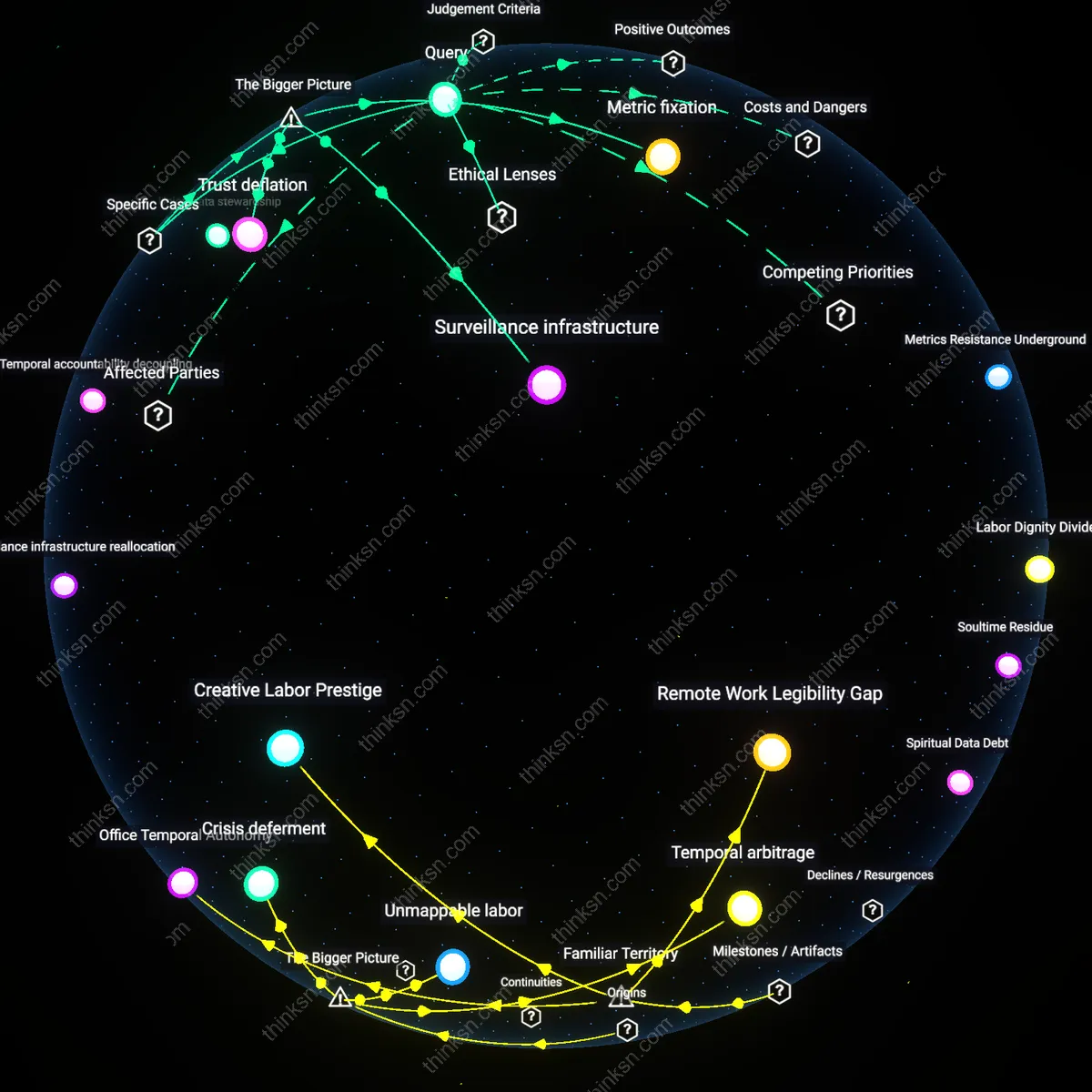
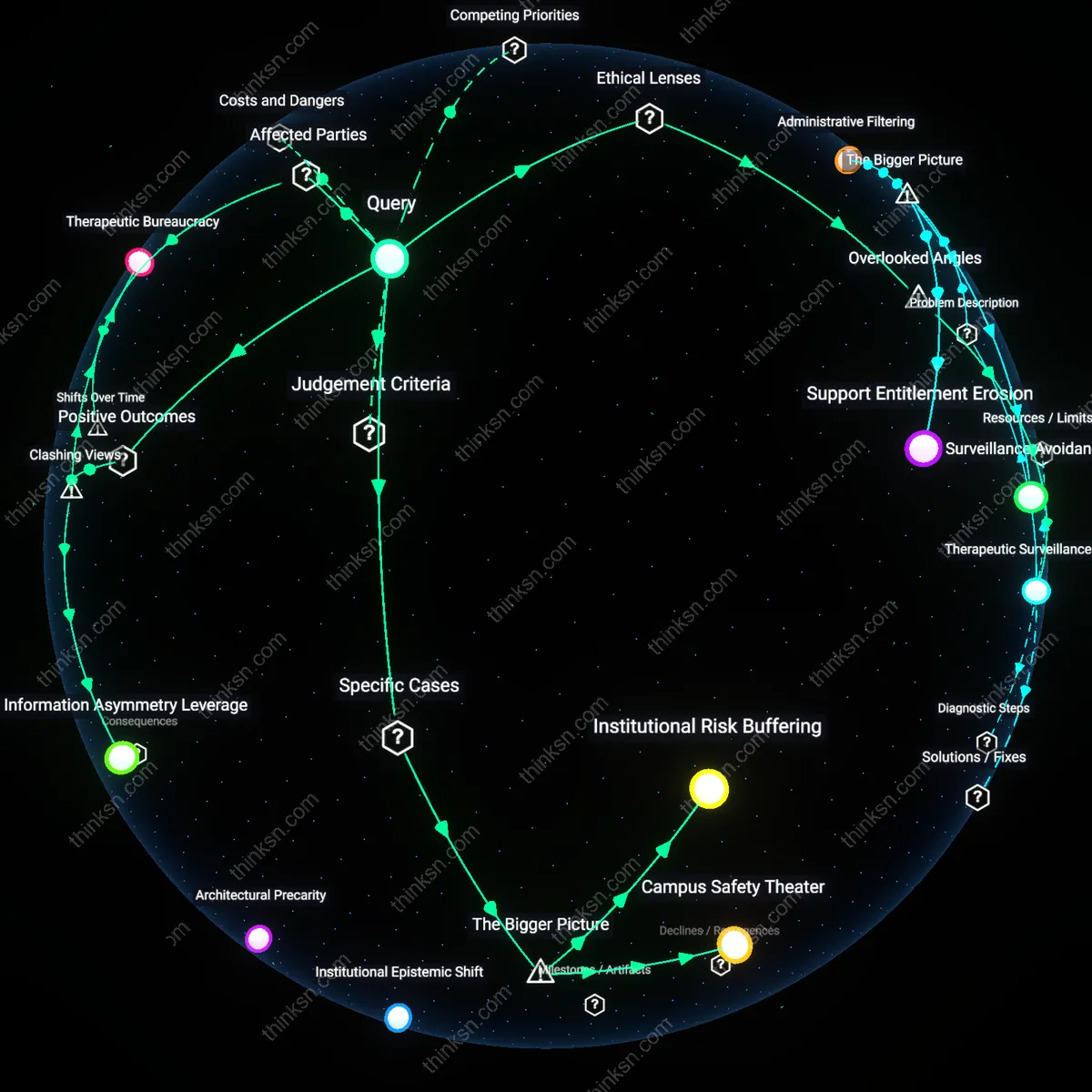
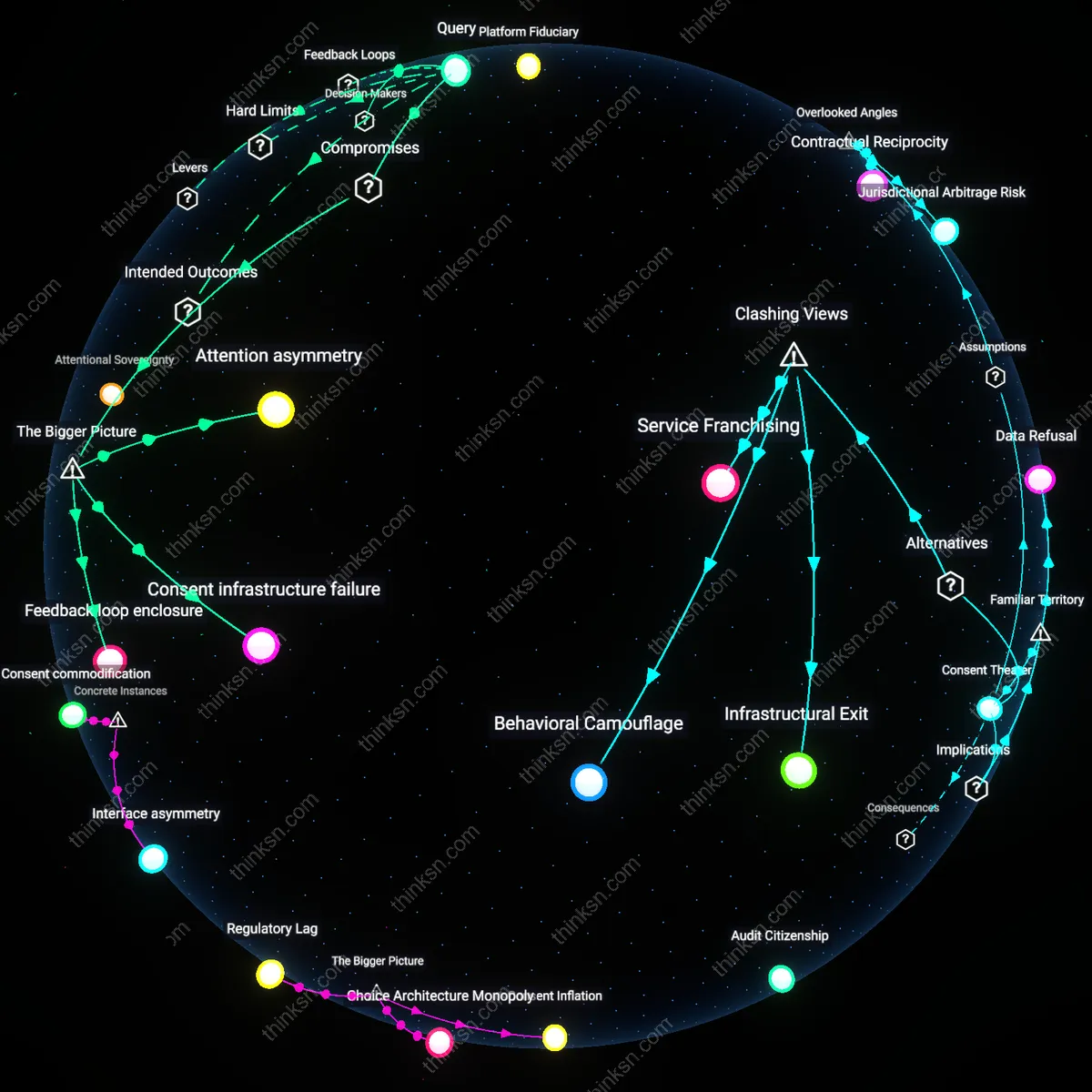
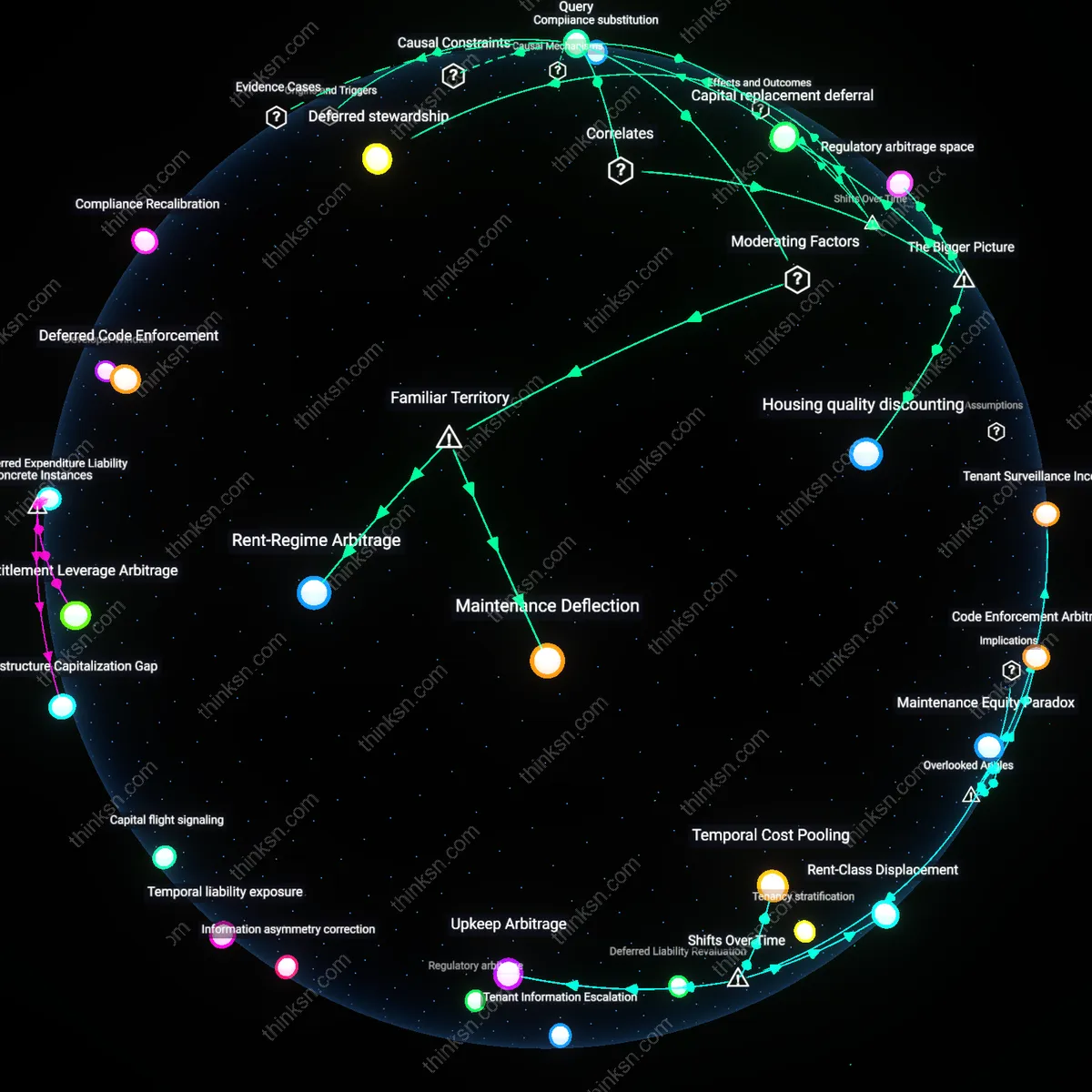
Analysis reveals 8 key thematic connections.
Key Findings
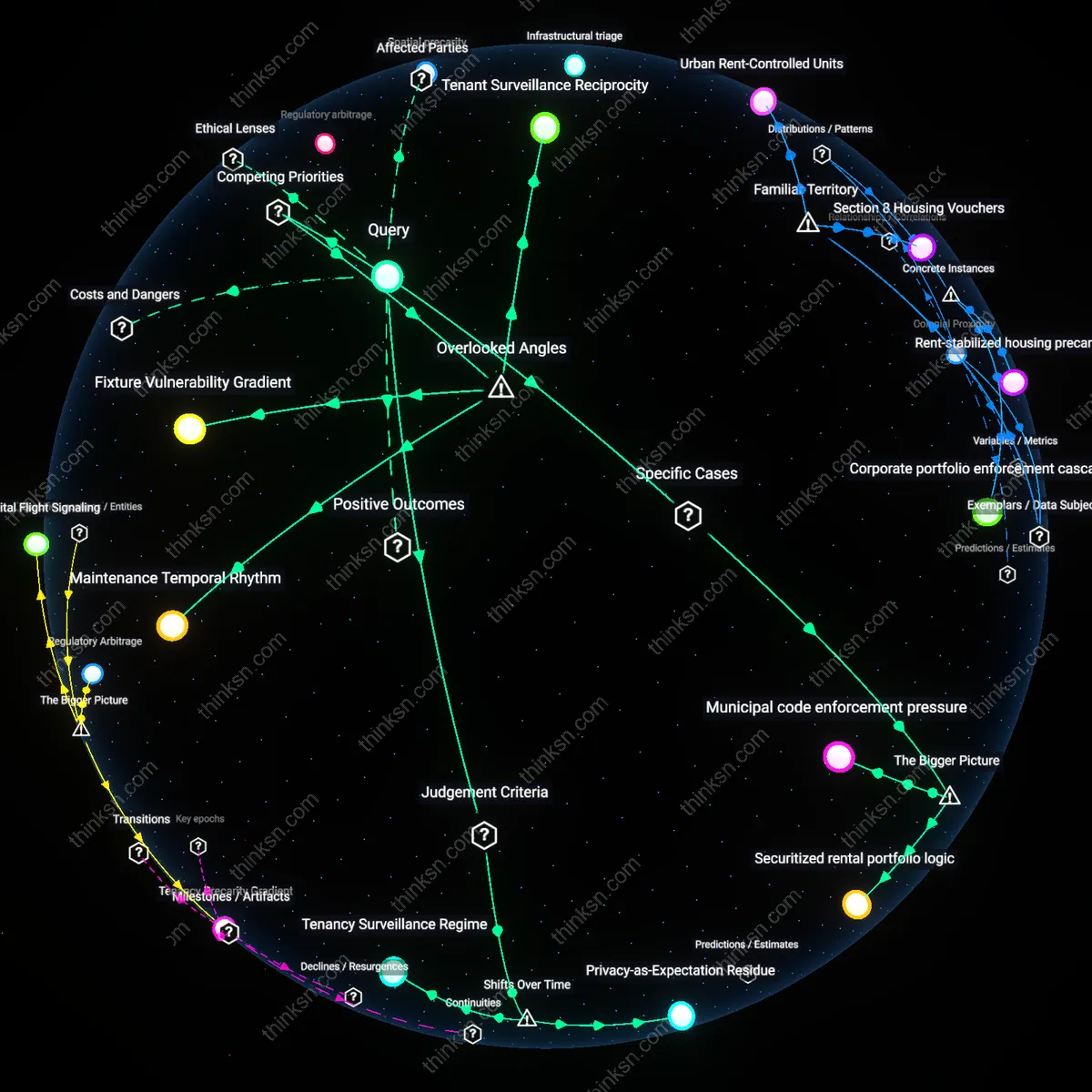
Privacy-as-Expectation Residue
Courts have increasingly accepted that lease clauses permitting landlord entry without notice infringe enforceable privacy rights because tenants’ reasonable expectation of privacy in their homes now carries legal weight, a shift anchored in the post-Warren Court expansion of privacy jurisprudence that transformed privacy from a social norm into a judicially cognizable interest. This change emerged in the 1970s and 1980s when state supreme courts, notably in California and New Jersey, began interpreting constitutions to protect tenant dignity and domestic autonomy, treating unscheduled entry as a trespass to personhood rather than mere property disturbance. The non-obvious aspect is that this legal evolution was not driven by federal mandates but by state-level moral recalibrations of the tenant’s home as a site of personal identity, thereby making blanket no-notice clauses presumptively unreasonable.
Maintenance Exception Formalism
Such lease clauses are frequently upheld when framed as maintenance exceptions because courts prioritize property preservation and economic efficiency over granular privacy protections, a tendency solidified during the urban housing crises of the 1990s when municipal courts faced soaring backlog from landlord neglect. Judges began institutionalizing administrative pragmatism, deferring to landlords’ need for timely repairs to prevent code violations and structural decay, especially in regulated housing markets like New York City and Chicago. The underappreciated shift is how emergency maintenance logic, originally a narrow exception, became a doctrinal category that absorbed broader managerial discretion, effectively hollowing out privacy rights in deteriorating rental stock.
Tenancy Surveillance Regime
These clauses no longer merely regulate access but actively constitute a surveillance infrastructure embedded in modern tenancy, a transformation accelerated by the rise of corporate rental platforms post-2010 that treat routine unannounced inspections as data-gathering mechanisms for risk assessment and eviction forecasting. Unlike earlier landlord-tenant dynamics rooted in personal oversight, today’s institutional landlords—such as equity-backed property management firms—deploy access rights to monitor occupancy patterns, subletting, and property condition through algorithmic dashboards, normalizing intrusion as operational hygiene. The key shift, visible in cases from Texas and Florida courts, is that privacy infringement is no longer adjudicated as a one-off violation but accepted as systemic practice, revealing a residual category where tenancy implies consensual visibility.
Maintenance Temporal Rhythm
Lease clauses allowing landlord entry without notice typically do not infringe enforceable privacy rights because courts implicitly treat irregular maintenance timing as a procedural proxy for necessity, where the absence of a fixed schedule signals operational urgency that overrides privacy expectations. This mechanism functions through judicial deference to property management logistics in multi-unit urban rentals, particularly in jurisdictions with aging housing stock, where judges prioritize building integrity over tenant solitude despite privacy statutes. The non-obvious insight is that temporal unpredictability—often seen as invasive—is legally reconstructed as evidence of legitimate operational demand, thereby neutralizing privacy claims that would otherwise prevail under fixed intrusion schedules.
Fixture Vulnerability Gradient
Landlord entry without notice is routinely upheld because courts subordinately assess the material vulnerability of building systems—such as plumbing stacks or electrical conduits—where failure poses cascading liability risks, and thus frame unscheduled access as damage mitigation rather than privacy violation. This operates through a hierarchy of fixture criticality in shared infrastructure, where judges weigh potential system collapse in densely occupied units over individual privacy, particularly in rent-stabilized buildings with deferred municipal oversight. The overlooked dimension is that privacy erosion is not balanced uniformly but scales inversely with the structural fragility of embedded systems, making legal outcomes dependent on engineering risk rather than civil rights precedent.
Tenant Surveillance Reciprocity
No-notice entry clauses are legally tolerated because tenants in practice often rely on informal surveillance of building conditions—reporting leaks, pests, or outages—which creates a tacit norm of mutual monitoring that erodes the expectation of unilateral privacy. This dynamic functions through a reciprocity-based social contract in high-turnover urban complexes, where tenants implicitly consent to reduced privacy in exchange for rapid response to habitability issues, and courts recognize this behavioral trade-off as functional waiver. The underappreciated factor is that privacy is not solely diminished by landlord power but is co-dissolved by tenant dependency on responsive intervention, reshaping legal standards around observed behavioral norms rather than formal rights.
Municipal code enforcement pressure
Lease clauses allowing landlord entry without notice typically do not infringe enforceable privacy rights because local housing codes in cities like New York and Chicago prioritize habitability standards over tenant solitude, enabling landlords to conduct unannounced inspections when structural or health code compliance is at stake. Municipal enforcement regimes create a regulatory justification for intrusion by conditioning legal occupancy on continuous maintenance verification, thereby redefining 'reasonable' notice expectations in high-density, code-regulated rental markets. This reflects an underappreciated tradeoff where public health infrastructure absorbs and neutralizes privacy challenges by recasting landlord entries as government-delegated duties rather than private intrusions.
Securitized rental portfolio logic
In institutional rental holdings managed by firms like Equity Residential or Invitation Homes, lease clauses permitting no-notice entry are sustained not because of legal precedent alone but because capital market expectations demand preemptive maintenance to preserve asset valuation, and courts implicitly defer to this economic architecture when assessing privacy disputes. These firms operate under investor-driven timelines requiring immediate issue mitigation to avoid depreciation triggers, making routine unannounced checks a financially rational practice that the law treats as operationally legitimate. The underrecognized force here is not tenant vulnerability or landlord power per se, but the way real estate securitization transforms maintenance access into a legally protected risk-management function rather than a personal privilege.